Whether a Siamese Cat Grows Out of Chewing
One of the most perplexing and often frustrating behaviors a Siamese cat owner can face is persistent chewing, especially when your beloved feline starts treating your favorite blankets, sweaters, or even electrical cords like a personal chew toy. It's a behavior that leaves many of us wondering if it's just a "kitten phase" they'll eventually outgrow, or a deeply ingrained habit that requires constant vigilance. This guide will dive deep into why Siamese cats chew, when it’s a problem, and what steps you can take to manage it, giving you realistic expectations about whether your Siamese will truly grow out of this intriguing, yet sometimes destructive, habit.
Understanding Why Your Siamese Cat Chews
It's easy to look at a shredded blanket or a gnawed charging cable and feel a mix of annoyance and worry. Why on earth would they do that? For Siamese cats, chewing is often more complex than simple boredom or mischief. Their unique genetics and personality traits play a huge role in shaping these behaviors.
The Instinctual Roots of Chewing in Cats
When you first bring home a tiny Siamese kitten, you might notice them exploring the world with their mouths, much like human babies. They'll nip at your fingers, mouth their toys, and sometimes even gently chew on softer items around the house. This is a perfectly normal part of kitten development.
Just like puppies, kittens go through a teething phase. Their baby teeth erupt, then fall out, making way for their adult teeth. This process can be uncomfortable, leading them to seek out items to chew on to relieve gum soreness. Think of it as a kitten's version of a teething ring. They're trying to soothe those aching gums. During this time, they're also learning about textures, strengths, and what feels good to sink their tiny teeth into. Most kittens will naturally reduce this exploratory chewing once their adult teeth are fully in, usually by about six to seven months of age.
However, Siamese cats often have a more pronounced oral fixation compared to many other breeds. This isn't just about teething; it's part of their intense, curious nature. They're highly intelligent and need constant mental and physical stimulation. Sometimes, chewing can simply be an extension of their desire to engage with their environment in a very tactile way. If they're not getting enough appropriate outlets for this energy, your slippers might become the next victim.
Pica: More Than Just a Bad Habit for Siamese Cats
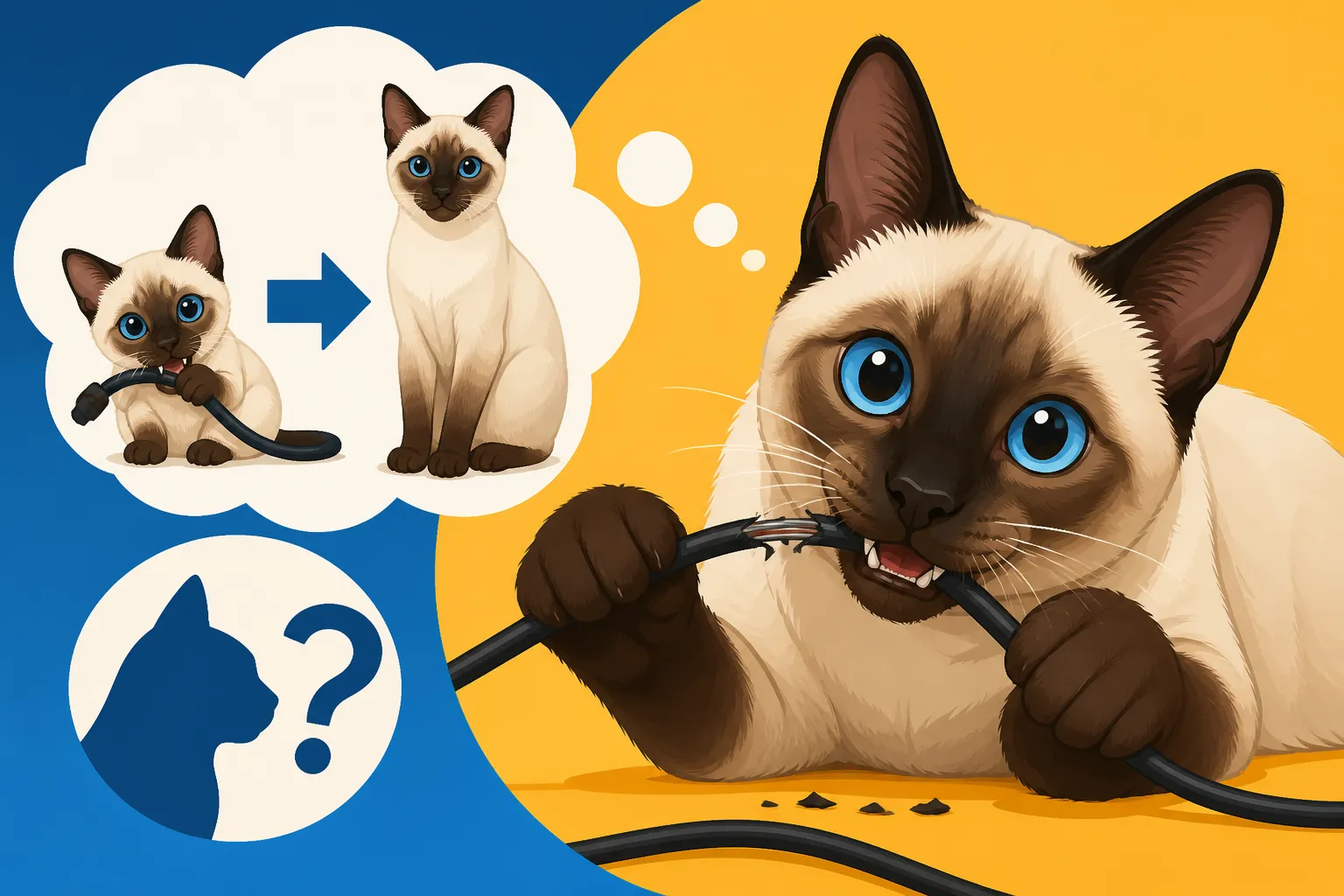
When a cat starts chewing and ingesting non-food items, we call it pica. And for Siamese cats, pica is a behavior that seems to run deeper in their genetic makeup than in many other breeds. It's not just a casual chew; it's a compelling urge to eat things like wool, blankets, plastic bags, shoelaces, or even electrical cords. This isn't about being "naughty" or simply exploring; it's often a sign of an underlying issue that needs to be addressed, and it’s usually not something they simply "grow out of."
One of the most common forms of pica in Siamese cats is wool sucking or fabric eating. It's so prevalent that many Siamese owners come to expect it. While some theories suggest it's linked to early weaning, genetic predisposition is a significant factor. It’s almost as if certain Siamese lines are hardwired with this particular quirk. If your Siamese kitten starts exhibiting this behavior, it's a strong indicator that it's likely to continue into adulthood, and perhaps even escalate. You can learn more about this specific issue in Why a Siamese Cat Sucks Wool.
Beyond genetics, anxiety and stress are huge triggers for pica in Siamese cats. These highly sensitive and intelligent felines thrive on routine and companionship. A change in environment, a new pet, a new person in the house, or even just feeling lonely can cause them immense stress. Chewing and ingesting items can become a self-soothing mechanism, a way for them to cope with overwhelming emotions. It's a bit like a person biting their nails when stressed, but with potentially much more serious consequences for your cat.
Nutritional deficiencies have also been theorized to contribute to pica, though this is less commonly confirmed by veterinary science. Sometimes, a cat might be seeking out a missing nutrient or fiber, leading them to ingest unusual items. This is why a thorough veterinary check-up is always crucial when dealing with persistent chewing.
Medical Reasons Behind Persistent Chewing
Before you label your Siamese cat a "chewer" for life, it's absolutely vital to rule out any underlying medical conditions. Sometimes, what looks like a behavioral quirk is actually a symptom of physical discomfort or illness. This is why a trip to the vet should always be your first step if the chewing is persistent, excessive, or accompanied by other symptoms.
One of the most common medical culprits behind chewing is dental disease. Cats are incredibly adept at hiding pain, so you might not even realize your Siamese has a sore tooth or inflamed gums. Chewing on objects might be their attempt to relieve discomfort, dislodge something stuck, or simply a reaction to a painful mouth. Conditions like gingivitis or the very painful feline odontoclastic resorptive lesions (FORLs), also known as tooth resorption, can cause significant oral pain. You can read more about this in Dental Disease in a Siamese Cat or Why a Siamese Cat Loses Teeth Young. A vet can perform a thorough dental exam, often requiring sedation, to identify and address these issues. Once the dental pain is resolved, you might find the chewing behavior significantly diminishes or disappears entirely.
Gastrointestinal discomfort can also lead to unusual chewing. If your Siamese has a tummy ache, indigestion, or even a mild parasitic infection, they might try to self-soothe by chewing or eating things they shouldn't. This isn't necessarily about nutritional deficiencies directly, but more about trying to ease an internal upset. Sometimes, ingesting grass or other roughage is a cat's natural way to induce vomiting if they've eaten something that disagrees with them; pica can sometimes be a misguided extension of this instinct.
Less commonly, certain metabolic diseases or conditions that cause nausea could also be contributing factors. This is why a comprehensive physical exam and potentially bloodwork are important. A vet can assess their overall health and rule out conditions that might be indirectly causing the chewing. Without addressing these root medical causes, no amount of behavioral intervention will be truly effective.
When Does Chewing Become a Concern, Not Just a Phase?
Understanding the difference between normal kitten exploration and a concerning adult habit is key to knowing when to intervene. It's easy to dismiss a little nibbling, but some signs clearly point to a bigger problem.
Differentiating Kitten Chewing from Adult Pica
For kittens, especially young Siamese kittens, a certain amount of chewing is part of their natural curiosity and development. They explore their world with their mouths. They'll mouth your fingers during play, chew on soft toys, or gently gnaw on a blanket as they settle down for a nap. This is often linked to teething, as their little gums can be sore. They're trying out different textures and learning what's satisfying to chew on. Most kittens, by the time they're six to eight months old and their adult teeth are fully in, will naturally curb this casual chewing. They might still occasionally mouth things, but the intense, exploratory chewing largely subsides. For these kittens, it truly is a phase, and they do grow out of it.
However, pica in an adult Siamese cat is a different beast entirely. This isn't just mouthing or playful nibbling; it's the deliberate ingestion of non-food items. If your cat is consistently seeking out and eating fabrics, plastics, cords, or other unsuitable materials, this is pica, and it's highly unlikely they will just "grow out of it." The underlying reasons for pica – whether genetic predisposition, anxiety, or a medical issue – typically require active management and intervention. Leaving it unchecked can lead to serious health consequences, and the behavior itself is a strong indicator that your cat needs help, not just time.
Recognizing the Warning Signs of a Serious Chewing Problem
The moment your Siamese cat moves beyond casual nibbling and starts ingesting items, it's time to take it seriously. This isn't just annoying; it can be life-threatening. The most immediate and severe risk is an intestinal blockage. If your cat swallows pieces of fabric, plastic, rubber, or string, these items can get stuck in their digestive tract.
Signs that your Siamese cat might have an intestinal blockage include:
- Repeated vomiting: Especially after eating or drinking.
- Lethargy and weakness: They might seem unusually tired or withdrawn.
- Loss of appetite: Refusing to eat their favorite foods.
- Abdominal pain: They might guard their belly or cry out when touched.
- Changes in defecation: Straining, producing small amounts of stool, or no stool at all.
- Diarrhea or constipation: Either can be a sign of a blockage or irritation.
If you observe any of these symptoms, do not wait – get your cat to an emergency vet immediately. Intestinal blockages are extremely serious and often require emergency surgery to resolve. You can find more information about these critical indicators in Signs a Siamese Cat Has an Intestinal Blockage.
Beyond blockages, chewing on dangerous items like electrical cords can lead to burns in the mouth or even electrocution. Ingesting toxic plants or household chemicals, even in small amounts, can cause poisoning. Obsessive chewing on specific materials, especially fabrics like wool, blankets, or even socks, is a classic sign of pica that needs attention. It's a compulsive behavior that signals an underlying distress or predisposition. Don't underestimate these signs; they are your cat's way of telling you something is wrong.
| Behavior Type | Age Group | Characteristics | Likely to "Grow Out Of"? | Primary Concern |
|---|---|---|---|---|
| Normal Kitten Chewing | 0-8 months | Mouths, explores, gentle nibbling, teething relief. | Yes, usually. | Minor damage, learning boundaries |
| Adult Pica (Chewing) | 8 months + | Deliberate ingestion of non-food items (fabric, plastic). | No, rarely. | Intestinal blockage, poisoning, injuries |
| Stress-Related Chewing | Any age, often adult | Compulsive chewing, self-soothing, linked to anxiety. | Possibly with intervention | Blockage, ongoing stress, property damage |
| Medical-Related Chewing | Any age, often adult | Due to dental pain, GI upset, or other illness. | Yes, if underlying issue treated | Pain, worsening medical condition |
Strategies to Manage and Discourage Chewing Behaviors
Once you've ruled out urgent medical issues with your vet, managing persistent chewing, especially pica, requires a multi-faceted approach. It's about making your home safe, redirecting their urges, and addressing their emotional and physical needs.
Environmental Management and Diversion
The first line of defense against chewing is to cat-proof your home. This means removing temptations and making inaccessible anything your Siamese might be inclined to chew on. Think about it from their perspective: what's enticing? Electrical cords are often irresistible. Invest in cord covers, conduit, or hide them away. Secure cabinets containing cleaning supplies or small items they could swallow. If your Siamese has a particular favorite fabric, like wool blankets or certain clothing, put those items away. Out of sight, out of mind – or at least, out of mouth. Bitter sprays designed for pets, which you can find on Amazon, can be applied to items they shouldn't chew, like furniture legs or certain fabrics, to make them unappealing.
Diversion is equally critical. Siamese cats are incredibly intelligent and need constant mental stimulation. A bored Siamese is a destructive Siamese. Provide a variety of appropriate chew toys. These aren't just for puppies; cats can benefit from them too. Look for durable, cat-safe chew toys made from rubber or hard plastic that they can safely gnaw on. Consider toys that dispense treats, puzzle feeders, or interactive toys that require them to engage their minds to get a reward. These can satisfy their oral fixation in a safe, productive way. For some excellent options, check out Which Toys a Siamese Cat Actually Plays With.
Interactive play sessions are also vital. Dedicate at least two to three short, vigorous playtimes a day with wand toys, laser pointers (ending with a physical toy catch!), or fetch games. This burns off excess energy and satisfies their hunting instincts, reducing the likelihood they'll turn to inappropriate chewing out of boredom or frustration.
Dietary Adjustments and Veterinary Consultations
While dietary deficiencies aren't always the primary cause of chewing, they can sometimes contribute or exacerbate the behavior. Discuss your cat's diet with your vet. Sometimes, ensuring a high-quality, balanced diet that is rich in protein and has an appropriate fiber content can make a difference, especially if your cat is exhibiting pica. Some vets might recommend a specific prescription diet if a medical cause, such as a sensitive stomach or inflammatory bowel disease, is suspected. For those prone to fabric eating, Whether More Fiber Stops a Siamese Cat's Pica is a relevant topic to explore. Always make dietary changes under veterinary guidance.
As mentioned earlier, a thorough veterinary consultation is paramount. Beyond initial check-ups, regular follow-ups are important if the chewing persists. Your vet can monitor for any developing dental issues that might trigger a return to chewing, or suggest further diagnostic tests if they suspect an underlying medical condition hasn't been fully identified. Don't be shy about discussing all aspects of your cat's behavior and health with your vet – they are your best resource for ruling out physical causes and guiding you towards the right solutions.
In cases where anxiety or stress are clearly the drivers behind persistent pica, your vet might even discuss behavioral medications. Just as people take medication for anxiety, sometimes a cat needs a little help to calm their nervous system enough for behavioral modification to be effective. This is not a "quick fix" but can be a crucial part of a comprehensive treatment plan, allowing your cat to feel more secure and less compelled to chew. You can investigate Whether Medication Helps a Siamese Cat's Pica for more detail on this often misunderstood treatment option.
Behavioral Modification Techniques
Once you've addressed environmental safety and medical concerns, focusing on behavioral modification is the next step. This is where you, as the owner, play a crucial role in shaping your Siamese's habits.
Redirection is key. When you catch your cat chewing on something inappropriate, calmly interrupt the behavior. Do not yell or punish them, as this can increase anxiety and worsen the problem. Instead, immediately offer an appropriate chew toy or engage them in a stimulating play session. The goal is to teach them, "No, not that, but yes, this!" Consistency is vital here; every time you see them chewing on something wrong, redirect them. Over time, they'll learn what's acceptable.
Increase quality time and mental engagement. Siamese cats are incredibly social and bond deeply with their humans. They thrive on interaction. If they're chewing out of boredom or loneliness, simply spending more focused, interactive time with them can make a huge difference. Engage them in training sessions – Siamese cats are surprisingly trainable and love learning tricks! Think of teaching them to sit, stay, or even fetch. This mental workout can be just as tiring and satisfying as physical play, and it reinforces your bond. How Much Play a Siamese Cat Needs explores their needs further. Puzzle feeders are also excellent for this; instead of gobbling down a meal in seconds, they have to "work" for their food, engaging their clever minds. You can find many puzzle feeders on Amazon that cater to different skill levels.
Remember that any form of compulsive chewing, especially pica, is not a deliberate act of defiance. It’s often a coping mechanism or a symptom of distress. Your patience, understanding, and consistent application of these strategies are essential for helping your Siamese cat overcome or manage this challenging behavior. It might be a long road, but it’s one that strengthens your bond and leads to a healthier, happier cat.
Long-Term Outlook: Can They Truly Stop?
After all the effort, the question remains: will your Siamese cat ever truly stop chewing, or is this a battle you'll be fighting for their entire life? The answer, like so many things with our feline friends, isn't a simple yes or no.
When Improvement Is Likely
For many Siamese cats, especially those who start chewing as young kittens, improvement is definitely likely. If the chewing was primarily due to:
- Teething discomfort: Once their adult teeth are fully in, the urge to chew for pain relief often subsides significantly.
- Exploratory behavior: As they mature and gain confidence, their need to investigate everything with their mouth generally lessens.
- Mild boredom or lack of stimulation: With consistent interactive play, appropriate toys, and a stimulating environment, many cats will channel their energy into acceptable outlets instead of your belongings.
- Treatable medical issues: If the chewing was a symptom of dental pain, gastrointestinal upset, or another illness that has been successfully treated, the behavior should decrease or cease entirely.
In these scenarios, the chewing was a phase, and with your help, your Siamese has effectively "grown out of it" or found healthier ways to express themselves. The key here is early intervention and consistent management. Don't assume they'll just grow out of it without your guidance.
When It's a Lifelong Management Task
Unfortunately, for some Siamese cats, chewing – particularly pica or wool sucking – can be a deeply ingrained behavior that requires lifelong management rather than simply a phase they grow out of. If your Siamese has a strong genetic predisposition to pica, as many do, the urge to chew and ingest non-food items might never completely disappear. It's not something they can simply "decide" to stop doing.
In these cases, the goal shifts from "curing" the behavior to effectively managing it. This means:
- Ongoing vigilance: You'll always need to be mindful of what tempting items are within your cat's reach. Cat-proofing becomes a permanent lifestyle. You might find yourself constantly assessing potential hazards, which can be exhausting for owners, and lead to costs like What a Siamese Cat Costs in Damaged Clothing.
- Consistent enrichment: Providing a stimulating environment with plenty of appropriate toys, scratching posts, and interactive playtime needs to be a daily, ongoing commitment. Boredom can easily trigger a relapse.
- Stress reduction: Because anxiety is such a strong trigger for pica in Siamese cats, maintaining a stable, predictable routine and a calm household environment is crucial. Any changes might necessitate extra attention and comfort for your sensitive feline. Psychogenic Alopecia in a Siamese Cat touches upon other stress-related behaviors.
- Regular vet check-ups: Even if initial medical causes are ruled out, routine dental and wellness checks are essential to ensure no new underlying health issues are developing that could reignite the chewing.
- Patience and empathy: This can be an incredibly frustrating behavior to deal with, especially when it leads to property damage or costly vet visits for swallowed items. It's easy to get angry, but remember that your cat isn't doing this to spite you. They are acting on a powerful internal drive. Your understanding and commitment to managing the behavior are the most important tools you have.
While some Siamese cats may significantly reduce or even stop chewing over time with consistent effort, it's realistic to prepare for the possibility that managing this behavior will be an ongoing part of your life together. It doesn't mean your cat is untrainable or "bad"; it simply means they have a unique need that requires a dedicated approach.
Disclaimer
This article is for general informational purposes only and does not constitute professional advice. Laws, prices and regulations vary by location and change over time. Consult a qualified professional for guidance on your specific situation.