Whether a Siamese Cat Can Be Trained Out of Yowling
One of the most defining, and sometimes challenging, traits of the magnificent Siamese cat is their incredible vocal prowess. Many a loving Siamese owner has found themselves pacing the halls at 3 AM, wondering if their beloved Meezer will ever stop their insistent, sometimes piercing, yowls. If you've ever found yourself asking if it's even possible to train a Siamese cat out of this relentless vocalization, this guide is for you. We'll dive deep into understanding why they yowl, what you can realistically expect from training, and practical steps to bring a little more quiet into your home.
Understanding the Siamese Yowl: It's Not Just Noise
Let's be honest, living with a Siamese cat means embracing a certain level of vocalization. They are not shy, silent creatures content to observe from afar. They are participants, commentators, and sometimes, conductors of a full feline symphony. But there's a world of difference between their characteristic chirps and trills and the incessant, demanding yowl that can fray nerves.
Why Siamese Cats Are So Vocal in the First Place
The Siamese cat, originating from ancient Siam (modern-day Thailand), has a long history of being a companion animal. They were traditionally cherished in royal households and temples, renowned for their striking appearance and, yes, their unique voices. This isn't a random quirk; it's a deeply ingrained breed characteristic. Unlike many other cat breeds that communicate primarily through scent and body language, the Siamese uses its voice as a primary tool for interaction. They are inherently chatty, wanting to tell you about their day, their needs, their opinions on your life choices, and the existential angst of an empty food bowl.
Think of it this way: their vocal cords are like a highly tuned instrument, and they aren't afraid to play it. Their meows often sound more like a human baby crying or a distinct, almost guttural yowl, quite different from the typical "mew" of other breeds. This strong, resonant voice developed over centuries as a way to get attention and communicate effectively with their human companions. It's part of what makes them so engaging, but also what can make them so challenging if not understood. You can learn more about What the Siamese Cat's Meezer Yowl Sounds Like.
Differentiating Normal Vocalizations from Excessive Yowling
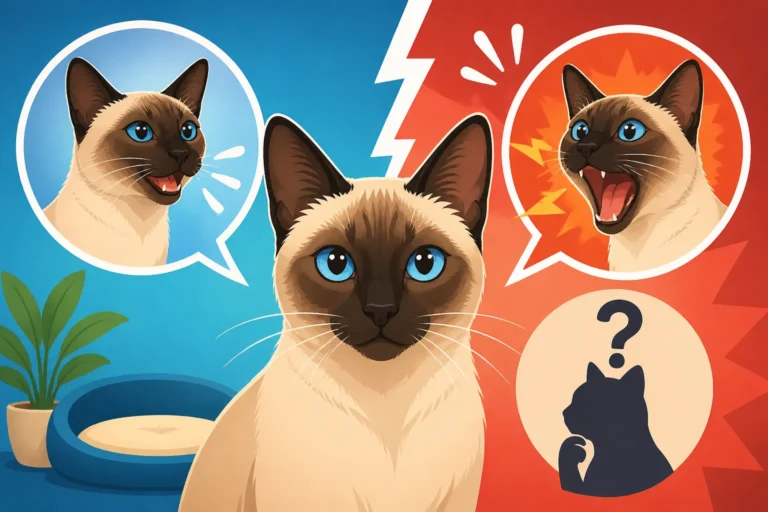
It’s crucial to distinguish between a Siamese cat being a Siamese cat and genuinely excessive yowling. A "normal" Siamese cat will vocalize throughout the day. They might greet you at the door with a series of chirps and trills, tell you it's dinnertime with an insistent "maw-OW," or hold a full conversation with you while you're doing dishes. These are usually varied sounds, often in response to something specific, and they generally cease once the need is met or the interaction is over. This is just their charming, albeit loud, personality shining through.
Excessive yowling, on the other hand, tends to be:
- Persistent and Repetitive: The same demanding yowl, over and over, sometimes for hours.
- Without Clear Cause (to you): You've checked the food, water, litter box, and given affection, but it continues.
- Disruptive: It prevents you from sleeping, working, or simply enjoying peace in your home.
- Intense: The sheer volume and intensity feel like a genuine cry for help or attention, rather than a casual chat.
Recognizing this distinction is the first step. You can't train a Siamese not to be a Siamese, but you can address yowling that goes beyond their typical expressive nature and becomes problematic.
Common Reasons Behind the Yowl
Before you can even think about training, you need to play detective. Siamese cats don't yowl just to annoy you; there's always a reason, even if it's not immediately obvious to us humans. Understanding the why is paramount to finding the right solution.
Here are some of the most frequent culprits:
- Attention-Seeking: This is probably the number one reason. Siamese cats are incredibly people-oriented. They crave interaction, play, and cuddles. If they feel ignored, even for a moment, they will make sure you know it. They see you as their personal entertainer and provider, and if you're not fulfilling your duties, they'll issue a vocal complaint. A Siamese Cat Will Not Be Ignored is a phrase coined for a reason!
- Hunger or Thirst: An empty food bowl, or one that’s been almost empty for five minutes too long, is an absolute tragedy for a Siamese. They will lament this injustice loudly and repeatedly until rectified. Similarly, if their water fountain isn't sparkling fresh or their bowl is low, prepare for an auditory protest.
- Boredom or Lack of Stimulation: A clever Siamese brain needs constant engagement. If they're under-stimulated, they'll become bored and restless, leading to yowling as a way to demand entertainment. This is especially true for indoor-only cats.
- Loneliness or Separation Anxiety: Siamese cats thrive on companionship. If they spend too much time alone, or if their favorite human is suddenly absent for extended periods, they can develop separation anxiety, expressing their distress through loud, mournful yowls. What Separation Anxiety Looks Like in a Siamese Cat is something many owners contend with.
- Discomfort or Pain: This is a crucial one. Any sudden, unexplained increase in yowling, especially if it seems distressed or unusual for your cat, warrants a vet visit. They might be in pain from an injury, experiencing discomfort from a health issue like dental disease or arthritis, or feeling unwell. Signs a Siamese Cat Is Unwell can often include changes in vocalization.
- Stress or Environmental Changes: Cats are creatures of habit. A change in routine, a new piece of furniture, a new pet, or even moving to a new house can be incredibly stressful for a Siamese, leading to anxiety and excessive vocalization.
- Litter Box Issues: A dirty litter box, or one they deem unsuitable for any reason, can also trigger loud complaints. They're very particular about hygiene!
- Territoriality or Mating Calls: Unaltered cats, particularly females in heat or males seeking a mate, will produce incredibly loud and persistent yowls that are instinctual and very difficult to "train out." Spaying or neutering is the only effective solution here.
- Aging: As Siamese cats get older, some experience cognitive decline or increased anxiety, leading to more vocalization, especially at night. Their senses might also diminish, causing confusion and a call for reassurance. Why an Old Siamese Cat Yowls More is a common concern for owners of senior Meezers.
| Reason for Yowling | Common Indicators | Initial Training/Response |
|---|---|---|
| Attention-Seeking | Follows you, stares, nudges, only stops when acknowledged | Ignore quiet, reward silence, provide scheduled attention |
| Hunger/Thirst | Around meal times, near bowls, inspects food/water | Timed meals, fresh water, puzzle feeders |
| Boredom/Lack of Play | Pacing, destructive behavior, restless energy | Increased play sessions, interactive toys, cat trees |
| Loneliness/Anxiety | Yowls when you leave, destructive, overgrooming | More companionship, pheromones, consistent routine |
| Pain/Discomfort | Sudden onset, unusual tone, hiding, changes in behavior | Immediate vet check-up |
| Stress/Changes | New environment, new pet, change in routine | Provide safe spaces, pheromone diffusers, gradual introductions |
| Litter Box Issues | Yowls near litter box, inappropriate urination | Clean regularly, add more boxes, try different litter types |
| Aging/Cognitive Decline | Disorientation, nighttime yowling, changes in sleep cycle | Vet consultation, nightlights, consistent routine, calming aids |
Can You Really "Train Out" a Siamese Yowl? The Realistic Expectation
This is the big question, and the honest answer is: you can't train out their inherent vocal nature, but you can absolutely manage and reduce excessive or problematic yowling. Expecting a Siamese to become a silent sphinx is unrealistic and will only lead to frustration for both you and your cat.
Managing Expectations: What's Possible and What's Not
What's possible:
- Reducing the frequency and intensity of unwanted yowling: You can teach them that certain types of vocalization don't get them what they want.
- Redirecting their vocal energy: Teaching them to communicate in more acceptable ways (e.g., a quiet meow for food, rather than a full-blown yowl).
- Addressing specific triggers: If the yowling is linked to boredom, hunger, or anxiety, you can mitigate those root causes.
- Improving your relationship and understanding: Learning to interpret their different vocalizations helps you respond appropriately.
What's not possible (and shouldn't be the goal):
- Silencing your Siamese completely: This is part of their charm and personality. A silent Siamese would be an anomaly.
- Punishing them into silence: Punishment is never effective with cats and will only lead to fear, stress, and a breakdown of trust, potentially exacerbating the yowling or causing other behavioral issues.
- Expecting instant results: Behavior modification takes time, consistency, and patience.
The goal isn't to create a silent cat, but a cat whose vocalizations are understandable, less disruptive, and indicate a well-adjusted, happy companion.
The Role of Environmental Enrichment and Attention
A happy, stimulated Siamese is often a quieter Siamese. One of the biggest culprits behind excessive yowling is simply not having their needs met – especially their need for mental and physical activity, and social interaction.
- Consistent, High-Quality Attention: Siamese cats crave interaction. Schedule dedicated play sessions at least twice a day using interactive toys like wand toys or laser pointers. Engage them in conversation, pet them, and involve them in your activities. If they are yowling for attention, try to pre-empt it by initiating interaction before they feel the need to demand it.
- Mental Stimulation: These are intelligent cats. Puzzle feeders, for instance, can turn mealtime into a mental game, keeping them occupied. Rotate their toys regularly to keep things interesting. Even simple things like leaving a TV on for background noise or opening a window to let them "birdwatch" can help.
- Physical Activity: Plenty of vertical space, like cat trees or shelves, allows them to climb and explore. A daily vigorous play session will tire them out physically, making them less likely to yowl from pent-up energy.
- Predictable Routine: Cats thrive on routine. Consistent feeding times, play times, and bedtime rituals can significantly reduce anxiety and the need to yowl about uncertainties. They like to know what's coming next!
Think about what your Siamese is telling you with their yowl. If it's a plea for attention, ensure they're getting enough. If it's boredom, provide more enrichment. Meeting these basic needs consistently is often the most effective "training" you can do.
When to Consider Professional Help
Sometimes, despite your best efforts, the yowling persists or escalates, or you suspect an underlying issue. This is when it's time to bring in the pros.
- Veterinary Check-up: Any sudden, unexplained change in vocalization, especially if it seems distressed, is a signal to see your vet immediately. Rule out medical conditions first, such as hyperthyroidism, high blood pressure, pain, or kidney disease. Older cats are particularly prone to age-related health issues that can manifest as increased yowling, especially at night. For instance, How Long a Siamese Cat Lives on Average will tell you that older Siamese cats can experience cognitive decline, much like dementia in humans, which can lead to disorientation and increased vocalization.
- Feline Behaviorist: If the vet gives a clean bill of health, but the yowling remains a significant problem, a certified feline behaviorist can be invaluable. They can observe your cat in their environment, pinpoint specific triggers, and develop a tailored behavior modification plan. They often have insights and techniques that go beyond what a typical owner might consider.
Don't feel like a failure if you need to consult an expert. Sometimes, an outside perspective and specialized knowledge are exactly what's needed to crack the case of the persistent yowl.
Practical Training Techniques to Reduce Yowling
Once you understand the 'why' behind your Siamese's vocalizations, you can start implementing targeted training techniques. Remember, consistency is key, and every member of the household needs to be on board.
Addressing Attention-Seeking Yowls
This is often the most common and frustrating type of yowling. Your Siamese learns quickly that if they yowl, you respond. To break this cycle, you need to change their association.
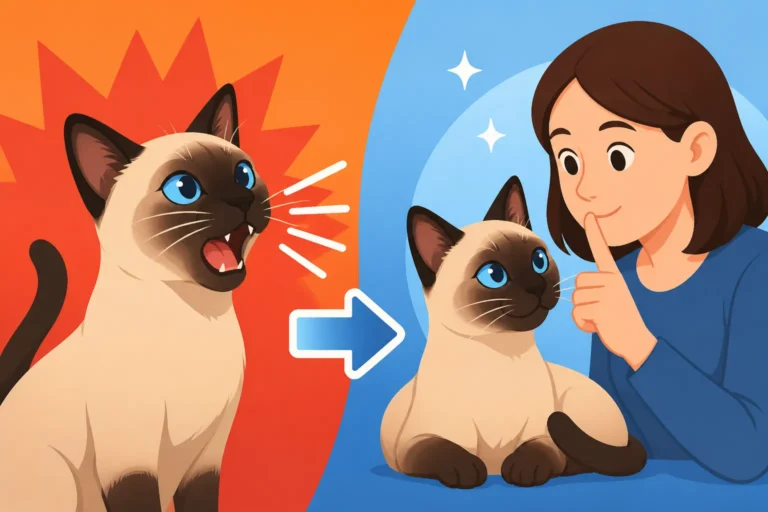
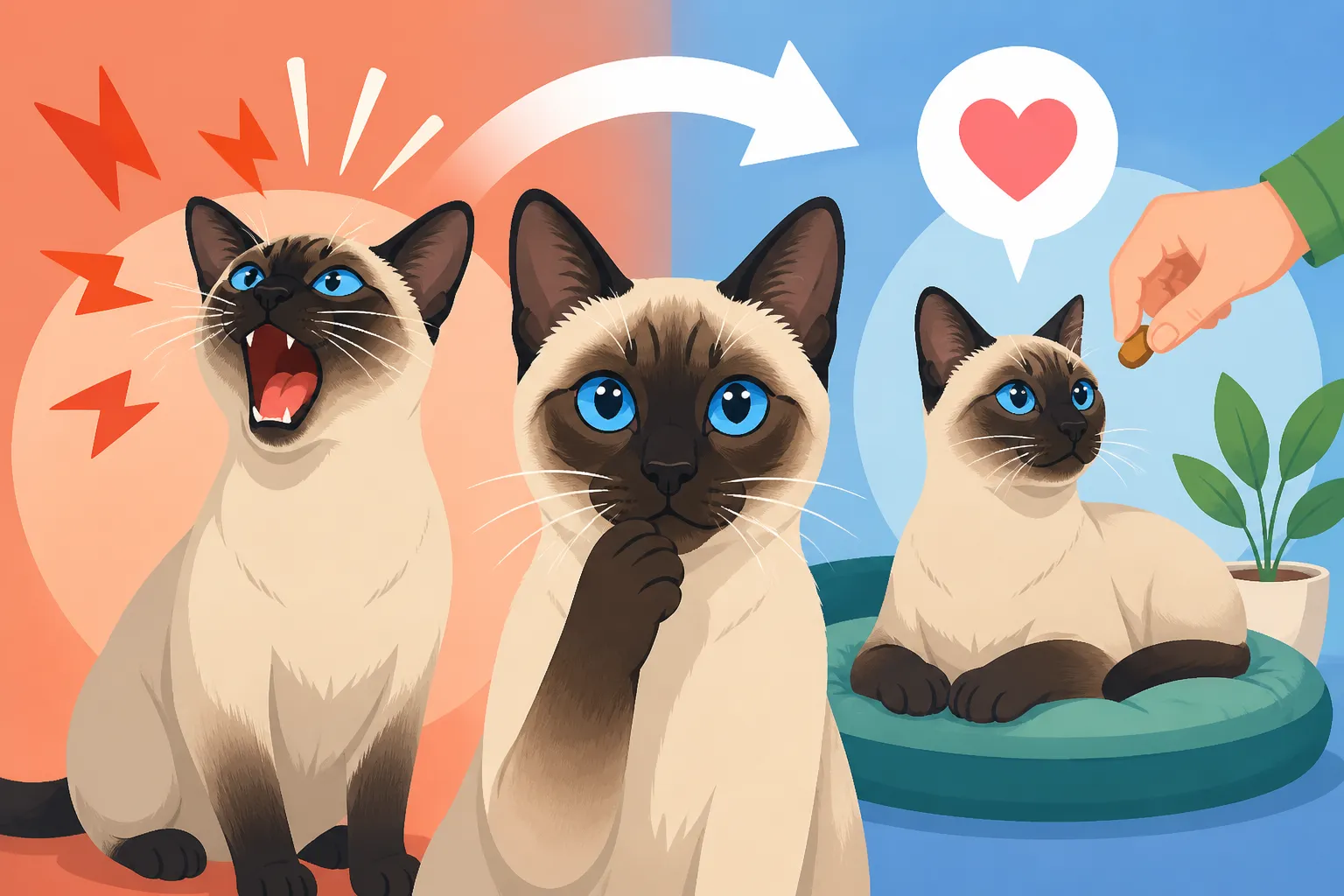
- Ignore the Yowl, Reward the Silence: This is paramount, but incredibly difficult! When your cat starts an attention-seeking yowl, completely ignore them. Do not make eye contact, do not speak, do not touch. Turn your back, leave the room, or pretend to be deeply engrossed in something else. The moment they quiet down, even for a few seconds, immediately give them attention, praise, a treat, or a play session. The goal is for them to learn: "Yowling gets me nothing. Being quiet gets me attention." It's tough, especially when they're persistent, but it's effective over time. This technique is often discussed when considering Whether Ignoring a Siamese Cat's Meowing Works.
- Use a "Quiet" Cue: You can try to teach a specific "quiet" command. When they're being quiet, say "Quiet!" and give a treat. If they start yowling, ignore them until they are quiet, then say "Quiet!" and reward. Over time, they may associate the word with the action.
- Proactive Attention: Instead of waiting for them to yowl for attention, schedule regular, predictable play and cuddle times. If they know they'll get focused attention at 7 AM, 1 PM, and 7 PM, they might be less inclined to demand it loudly in between.
Combating Boredom and Anxiety-Induced Yowling
Boredom and anxiety are closely linked, and both can lead to excessive vocalization.
- Increase Play and Mental Stimulation: As mentioned before, interactive play is crucial. Think about games that mimic hunting, like chasing a wand toy that disappears and reappears. Use puzzle feeders from brands like Amazon to make them "work" for their food. These feeders aren't just for eating; they're great mental exercise. You might also find other enrichment ideas in Which Toys a Siamese Cat Actually Plays With.
- Provide a Rich Environment: Offer multiple cat trees, window perches, and scratching posts. Cats love high vantage points, and a good view of the outside world can be endlessly entertaining. Consider a "catio" if you have the space, allowing safe outdoor access.
- Consider a Companion (Carefully!): If your Siamese is truly lonely and experiencing separation anxiety when left alone for long periods, a compatible companion cat might help. However, this is a big decision and requires careful introduction to ensure they get along. When a Siamese Cat Needs a Second Cat explores this topic further.
- Feliway Diffusers: Pheromone diffusers, available on Amazon and at pet stores, release synthetic feline facial pheromones that can have a calming effect on anxious cats, making them feel safer and more secure in their environment.
Strategies for Nighttime Yowling
Nighttime yowling can be particularly draining for owners. Often, it's a combination of boredom, habit, and sometimes, age-related confusion. How Often a Siamese Cat Meows at Night is a common search for good reason!
- "Hunt, Eat, Groom, Sleep" Routine: Mimic a cat's natural cycle. Have a vigorous play session about an hour or two before bedtime ("hunt"). Follow this with their last meal ("eat"). They'll likely groom themselves ("groom") and then be ready to settle down for the night ("sleep"). This helps them feel fulfilled and ready for rest.
- Ignore Nighttime Demands (if not health-related): If you've ruled out medical issues, ignoring nighttime yowling is essential to break the cycle. Every time you respond, you reinforce the behavior. This means earplugs, noise machines, and immense willpower.
- Ensure All Needs Are Met Before Bed: Fresh water, a clean litter box, and a full belly before you go to bed. This eliminates basic needs as reasons for the yowling.
- Nightlights for Older Cats: If your senior Siamese is disoriented at night, a small nightlight can help them navigate their surroundings and reduce anxiety. Deafness in an Aging Siamese Cat and Signs of Dementia in an Old Siamese Cat can sometimes contribute to increased vocalization as well.
Tools and Resources to Aid Your Training Journey
You're not alone in this, and there are plenty of helpful products and services that can support your efforts to manage your Siamese's vocalizations.
Enrichment Items to Keep Them Busy
Keeping a clever Siamese cat mentally and physically stimulated is half the battle against excessive yowling.
- Interactive Toys: Invest in a variety of toys that encourage active play. Wand toys with feathers or ribbons are fantastic for engaging their hunting instincts. Automated laser pointers or moving toys can keep them entertained when you're busy. Puzzle toys or treat dispensers, often found on Amazon, require them to solve a problem to get a reward, which is great for their brains.
- Cat Trees and Vertical Spaces: Siamese cats love to climb and observe their kingdom from above. A sturdy, tall cat tree or strategically placed shelves provide them with valuable vertical territory and opportunities for exercise. The taller and more varied, the better!
- Window Perches: A comfortable perch by a window can provide hours of entertainment as they watch birds, squirrels, and the world outside. This passive entertainment can significantly reduce boredom-induced yowling.
Behavioral Aids and Supplements
Sometimes, a little extra help is needed to calm an anxious or over-stimulated Siamese.
- Feliway Diffusers/Sprays: As mentioned, these synthetic pheromones can create a more calming environment. Diffusers plug into an outlet and release the pheromones continuously, while sprays can be used in carriers or on bedding for targeted calming.
- Calming Supplements: There are various over-the-counter calming supplements for cats, often containing ingredients like L-theanine, tryptophan, or herbal extracts. Always consult your vet before introducing any new supplements, especially if your cat is on medication. These are generally for mild anxiety or stress, not severe behavioral issues.
- Thundershirts/Calming Vests: These garments apply gentle, constant pressure, similar to swaddling a baby, which can have a calming effect on some cats prone to anxiety. You might find a good selection of these on Amazon.
Leveraging Technology for Monitoring and Distraction
Technology can be a helpful ally in managing feline vocalizations, especially when you're not home.
- Pet Cameras: A pet camera with two-way audio allows you to monitor your cat's behavior when you're away. You can see when and why they're yowling, and in some cases, even speak to them (though be careful not to reinforce the yowling if they're doing it for attention). Some cameras even dispense treats.
- Timed Feeders: If hunger is a trigger, an automatic timed feeder can ensure your Siamese gets small, regular meals throughout the day, preventing an empty-bowl crisis and the accompanying yowls. This is especially useful for cats that yowl early in the morning for food.
- Smart Toys: Some modern cat toys can be controlled via an app or operate on timers, providing stimulation even when you're not physically present.
By combining a deep understanding of your Siamese's needs, consistent training methods, and a little help from modern tools, you absolutely can cultivate a happier, calmer, and yes, somewhat quieter home environment for both you and your beloved vocal companion.
Disclaimer
This article is for general informational purposes only and does not constitute professional advice. Laws, prices and regulations vary by location and change over time. Consult a qualified professional for guidance on your specific situation.