Pho and Mia Brought the Siamese Cat to Britain in 1884
The story of the Siamese cat in the Western world is a fascinating journey, often traced back to a handful of pioneering felines who crossed oceans and captivated a new audience. Many people know these cats for their striking looks and vocal personalities today, but the exact moment and circumstances of their introduction to Europe can sometimes feel a bit hazy. This guide will shine a light on the pivotal arrival of Pho and Mia, the two Siamese cats who landed on British shores in 1884, and explore how their presence ignited a passion that would transform them into one of the world's most beloved breeds.
The First Glimpse: Siamese Cats Before Pho and Mia in the West
Before Pho and Mia stepped paw onto British soil, the Siamese cat was largely a mystery to the European public. While tales of exotic cats from the East might have occasionally filtered through, direct encounters were exceedingly rare, and knowledge about the breed was even scarcer. Their journey from the temples and palaces of Siam to the homes of cat enthusiasts in the West is a testament to the allure these unique felines held.
Early European Encounters and Misconceptions
Imagine a time when the only cats people knew were local moggies, sturdy farm cats, or perhaps the emerging breeds like Persians or British Shorthairs. Into this world, the idea of a sleek, cream-bodied cat with dark points, piercing blue eyes, and a distinctly loud voice was almost alien. Any scattered mentions of these "royal cats" from far-off lands were often shrouded in exoticism and hearsay, lacking concrete details or verifiable sightings. Early European travelers might have caught glimpses of them in their native land, possibly making note of their unusual appearance, but these were isolated observations rather than widespread knowledge.
The rarity of the Siamese cat meant that when they were discussed, it was usually in hushed tones of wonder, almost as if they were mythical creatures. There was no established understanding of their temperament, their specific physical characteristics beyond their striking coloration, or their cultural significance in Siam. This lack of information fueled a sense of mystique, making them all the more desirable to those with an adventurous spirit and a penchant for the truly unique. Without a consistent presence or documented lineage, the few individual cats that might have made their way to Europe before 1884 were likely seen as curiosities rather than representatives of a distinct and ancient breed.
Furthermore, the logistical challenges of transporting live animals across vast distances in the 19th century meant that bringing a cat from Southeast Asia to Europe was no small feat. The journey was long, arduous, and fraught with peril for the animals. As such, any early imports were likely sporadic and often resulted in the loss of animals due to disease, stress, or inadequate care during transit. This further limited their presence and prevented any widespread recognition or understanding of the breed among the European populace.
The Royal Cats of Siam: Their Status in Their Homeland
In their native land, known then as Siam (modern-day Thailand), the Siamese cat held a vastly different and far more revered status. They were not just ordinary cats; they were "Wichianmat," cherished companions associated with royalty and sacred places. The breed's origins are deeply intertwined with the history and culture of the region, often depicted in ancient manuscripts and folklore. Their dignified presence and striking appearance commanded respect, placing them far above the common street cat.
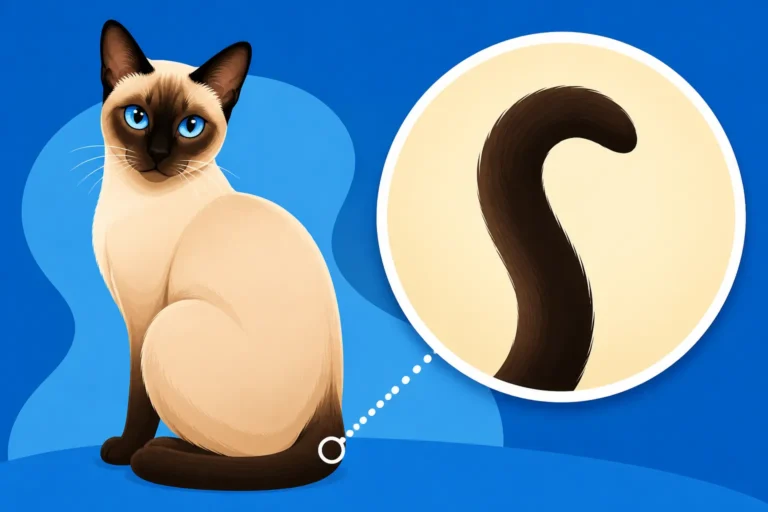
These esteemed felines were traditionally kept by members of the royal family and within the confines of temples, where they were considered guardians of sacred scrolls and even believed to protect the souls of deceased royals. Legends abound about their crossed eyes and kinked tails, attributing these traits to their diligent watch over precious artifacts. For instance, the tale often told is that they would wrap their tails around a vase and stare intently at it, causing their eyes to cross and their tails to kink over generations. While enchanting, these stories underscore the deep cultural reverence they inspired. If you're curious about the historical records of these cats, the What the Tamra Maew Says About the Siamese Cat sheds more light on their ancient depictions.
The contrast between their revered status in Siam and their near-complete obscurity in the West couldn't be starker. For centuries, these cats had been an integral part of Siamese heritage, symbolizing grace, intelligence, and even spiritual connection. This long history of appreciation meant that their care, breeding, and characteristics were well understood within their native culture, even as they remained a tantalizing enigma to those beyond their borders. It’s important to remember that The Siamese Cat Came From Siam, Not Thailand, a distinction that roots them firmly in their historical and cultural context before European influence.
The Diplomatic Gift: Who Sent Pho and Mia to Britain?
The transition of the Siamese cat from an exotic curiosity to a beloved breed in Britain was largely facilitated by a single, significant event: the arrival of Pho and Mia. These two cats weren't just random imports; they were a diplomatic gift, a symbol of goodwill and cultural exchange, setting a precedent for the breed's introduction to Western society.
The Role of the British Consul-General
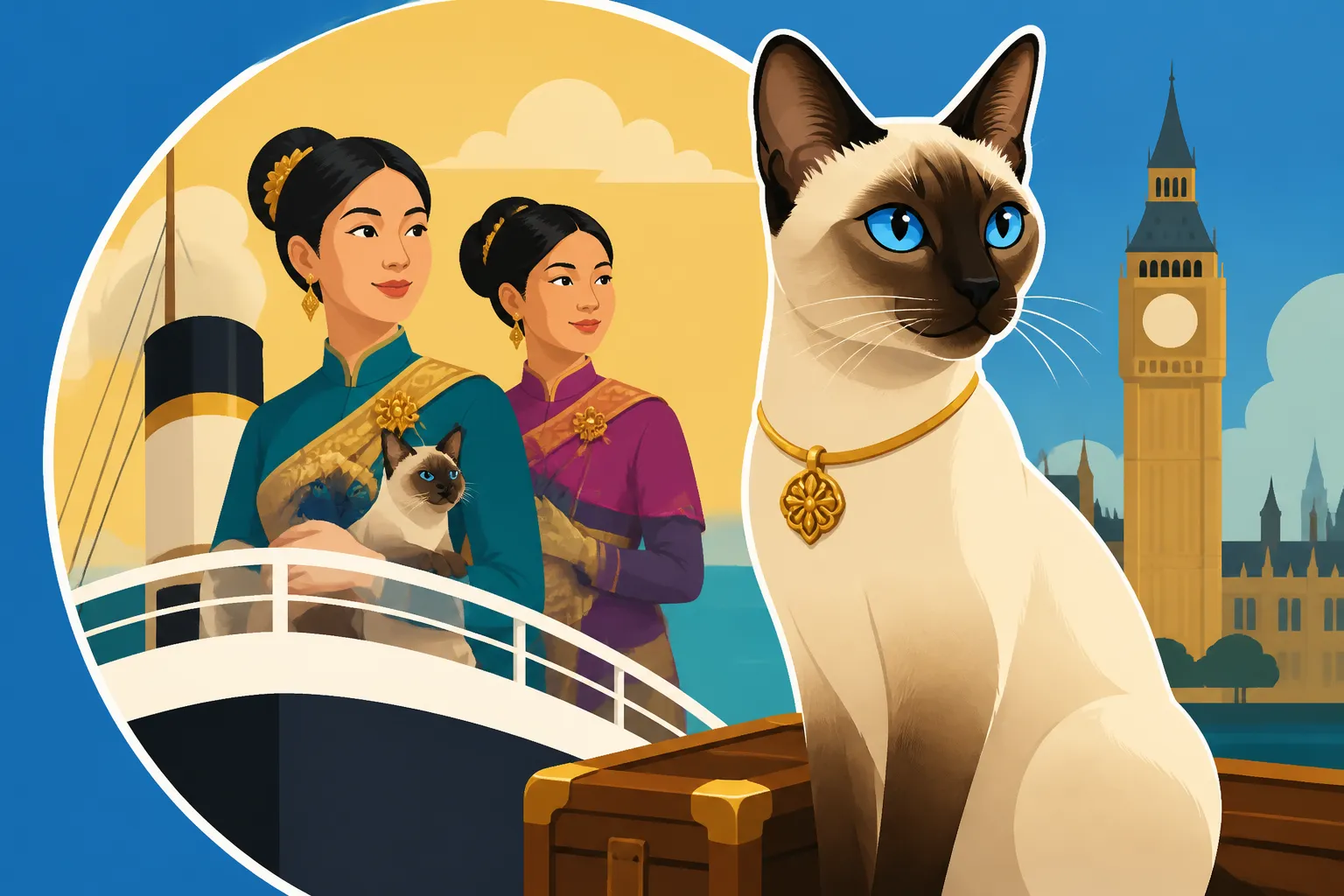
The man responsible for bringing Pho and Mia to Britain was Edward Blencowe Gould, who served as the British Consul-General in Bangkok. During his tenure, Gould became fascinated by these striking cats, recognizing their unique beauty and charm. It was through his connections within the Siamese court that he managed to acquire a pair of these highly prized animals. This wasn't a casual purchase; it was a carefully arranged acquisition, reflecting the high regard in which these cats were held and the diplomatic channels through which they were obtained.
Gould's decision to bring the cats back to his sister, Lilian Gould, who was a prominent figure in the early British cat fancy, proved to be instrumental. He understood the novelty and appeal they would hold for European audiences, and saw them as more than just pets – they were living examples of Siam's rich cultural heritage. His act wasn't just about sharing a pet; it was about introducing a piece of an exotic world to the British public, making him a crucial link in the Siamese cat's Western lineage.
The historical context of the late 19th century saw increasing diplomatic and trade relations between European powers and Southeast Asian kingdoms. Exchanging gifts, particularly rare and prized items, was a common practice to foster international relations. In this light, the Siamese cats served as a remarkable token, emblematic of the unique fauna and culture of Siam. Gould’s thoughtful gift was far more impactful than a simple souvenir, as it laid the very foundation for the breed's establishment outside its homeland.
The Journey from Bangkok to England
The journey Pho and Mia undertook from Bangkok to England in 1884 was nothing short of an epic adventure, especially for two delicate felines. In an era before rapid air travel and specialized animal transport, such a voyage would have been long, arduous, and potentially perilous. It would have involved weeks, if not months, at sea, traversing vast oceans and enduring various climates. Imagine the challenges: cramped quarters, unfamiliar sounds, the constant motion of the ship, and the ever-present threat of illness or injury.
The conditions on board a 19th-century vessel would have been far from ideal for transporting animals. Fresh food and water would have been a constant concern, and the cats would have been exposed to sea sickness, fluctuating temperatures, and the general stresses of a long voyage. Ensuring their health and comfort would have required dedicated care and attention from those responsible for their transport, likely members of Gould's retinue or ship's crew. It speaks volumes about the determination to bring these cats safely to their destination that they survived such an ordeal.
Upon arrival, they would have faced yet another challenge: acclimatizing to a completely new environment. The climate of England, particularly in 1884, would have been a stark contrast to the tropical warmth of Siam. Their short coats, which are genetically designed to allow color development in cooler extremities, would have offered little insulation against the British chill. This transition would have required careful management of their living conditions, ensuring they were kept warm and comfortable. The very fact that they not only survived but thrived enough to be presented to the public is a testament to their resilience and the care they received. For more on who first brought these cats to Britain, you might find Who Brought the First Siamese Cat to Britain interesting.
The Unveiling: Pho and Mia at the Crystal Palace Cat Show
The moment Pho and Mia were publicly introduced marked a turning point for the Siamese cat breed. Their appearance at a prestigious event like the Crystal Palace Cat Show wasn't just a debut; it was a revelation that stunned and captivated the Victorian public, etching the image of these exotic felines into the collective consciousness.
The Public's First Reaction to These Exotic Cats
The 1884 Crystal Palace Cat Show was a grand affair, a social highlight where enthusiasts gathered to admire and compare a variety of feline breeds. Into this familiar setting, Pho and Mia arrived, undoubtedly creating an immediate sensation. Picture the scene: rows of fluffy Persians, sturdy British Shorthairs, and local domestic cats, all familiar to the attendees. Then, suddenly, there were these two lean, elegant creatures with their striking color contrast, piercing blue eyes, and distinctly shaped heads and bodies. They were unlike anything most people had ever seen.
The public's reaction would have been a mix of awe, curiosity, and perhaps a touch of bewilderment. Their sleek, almost angular physique, so different from the cobby forms of many popular breeds, would have drawn stares. Their vocal nature, that unmistakable "Meezer yowl" that we know and love today, would have certainly made an impression, standing out from the more sedate meows of other breeds. This was more than just a new cat; it was a living, breathing piece of exotica from a distant land, a truly novel sight that would have sparked lively conversation and debate among the show-goers.
The sheer novelty of Pho and Mia meant they became instant celebrities of the cat world. People would have crowded around their enclosure, marveling at their unusual beauty and trying to understand their unique characteristics. This initial public fascination was crucial, as it generated immense interest in the breed and laid the groundwork for their rapid rise in popularity. It wasn't just about winning prizes; it was about making an indelible impression that resonated far beyond the show halls, creating a buzz that would propel the Siamese into the spotlight.
What Judges Thought of the First Siamese Cats
When Pho and Mia were presented to the judges at the Crystal Palace Cat Show, they faced a panel accustomed to evaluating cats based on established European breed standards. This presented a unique challenge, as the Siamese cat was, by all accounts, an entirely new phenomenon. Judges, who might have been looking for features common in other breeds – like robust build or particular fur patterns – would have found themselves confronted with an animal that defied their conventional categories.
Initially, their assessment would have been based on a combination of general feline health, conformation, and the sheer exoticism they presented. The judges would have been captivated by their distinctive "points" – the darker coloration on their ears, face, paws, and tail – and the vivid blue of their eyes. However, without a specific standard for the Siamese at this very early stage, their evaluation would have been more subjective, perhaps even struggling to categorize them beyond "Oriental" or "foreign." It’s entirely possible that some of their traits, such as their slender build or triangular head, which are now highly prized, might have been viewed with a degree of unfamiliarity or even considered unusual rather than desirable by some traditionalists. To learn more about how they were received, take a look at What Judges Thought of the First Siamese Cats.
Despite the lack of a formal Siamese standard, Pho and Mia's undeniable elegance and exotic appeal clearly left a strong impression. Their appearance sparked urgent discussions among cat fanciers about how to best classify and appreciate such a unique breed. This initial judging experience, though perhaps not perfectly aligned with future breed ideals, was critical. It validated the Siamese cat's place within the burgeoning cat fancy movement and catalyzed the eventual creation of a dedicated breed standard, ensuring that their unique qualities would be properly recognized and preserved for generations to come.
Establishing the Breed: Early Siamese Cats in Britain
The arrival of Pho and Mia was just the first step. To truly establish the Siamese cat as a recognized breed in Britain, dedicated individuals had to take on the challenge of breeding and nurturing these exotic imports. This early period was fraught with difficulties, from limited genetic diversity to the need for specific care in a new environment.
The First Breeders and Their Challenges
With Pho and Mia having made such a splash, a small group of enthusiastic individuals, including Lilian Gould (Edward Blencowe Gould's sister), stepped forward to become the pioneer breeders of Siamese cats in Britain. These early breeders faced immense challenges. The most pressing issue was the incredibly limited gene pool. With only a handful of imported cats, usually related, the breeders had to be incredibly careful to avoid severe inbreeding while trying to increase the population. This often meant carefully tracking lineages and sometimes relying on later imports to introduce new blood, which was both rare and expensive.
Beyond genetics, these pioneers had to learn about the specific needs of the Siamese cat through trial and error. There were no comprehensive guides on Siamese care in Britain at the time. They had to figure out everything from appropriate nutrition for these slender, active cats to understanding their unique vocal communication and high social needs. Each new litter was a learning experience, contributing to the nascent body of knowledge about the breed. These breeders weren't just producing kittens; they were actively documenting, observing, and preserving a nascent breed, laying the groundwork for all future Siamese cat enthusiasts.
Their dedication was paramount. Imagine the commitment required to care for these delicate, high-energy cats without the benefit of accumulated wisdom or readily available veterinary expertise specifically for exotic breeds. They were truly on the frontier of cat breeding, driven by a passion to see this magnificent breed flourish. Their initial goal was simple yet profound: to establish healthy, purebred lines that would ensure the Siamese cat’s presence in Britain for years to come, moving beyond mere novelty to a respected and recognized breed.
Health Concerns and Acclimatization
Bringing any animal from a vastly different climate and environment presents significant health challenges, and the early Siamese cats were no exception. After their long and stressful journey from tropical Siam to temperate Britain, these cats were vulnerable. They would have been susceptible to respiratory infections, gastrointestinal upsets, and general stress-related illnesses, especially in their early months. The humid, warm environment of Southeast Asia was a far cry from the often damp and chilly British weather, placing strain on their adaptation.
Furthermore, the initial small number of imports meant a lack of genetic diversity, which can often lead to inherited health issues becoming more prevalent within a closed breeding population. While specific hereditary diseases like amyloidosis (which we now know affects Siamese cats, as discussed in Amyloidosis Is the Disease That Kills Young Siamese Cats) were likely not understood or diagnosable at the time, general health and vigor would have been a constant concern for breeders. Early breeders would have had to observe their cats meticulously, learning which individuals thrived and which struggled, in an attempt to build a healthier foundation for the breed.
The meticulous care required to help these cats acclimate and thrive cannot be overstated. Providing warm, dry, and clean environments was crucial. Adequate nutrition, attention to hygiene, and careful monitoring for any signs of illness would have been daily tasks for their caregivers. These efforts were vital not just for the survival of individual cats but for the very future of the breed in Britain, ensuring that the unique characteristics of the Siamese could be passed down through healthy generations. It really brings home the question of How Healthy the Siamese Cat Actually Is, especially in those foundational years.
The Siamese Cat Club and the First Breed Standard
The surging popularity and unique characteristics of the Siamese cat quickly made it clear that a more organized approach was needed to manage and protect the breed. This led to the formation of dedicated clubs and the establishment of formal standards, crucial steps in solidifying the Siamese cat's place in the cat fancy world.
Formation of the Siamese Cat Club
The immediate fascination with Pho and Mia and their subsequent offspring spurred a dedicated group of enthusiasts to formalize their efforts. In 1901, the Siamese Cat Club was founded in Britain, marking a significant milestone in the breed's history. This wasn't just a social gathering; it was a crucial organizational body designed to oversee the development and welfare of the Siamese cat. Individuals like Lilian Gould, who had received Pho and Mia, played instrumental roles in its establishment, bringing their passion and experience to the forefront. For more on the club's origins, you can read When the Siamese Cat Club Was Founded.
The club's primary objectives were manifold: to protect the integrity of the breed, to encourage responsible breeding practices, and to educate the public about these unique felines. Before the club, breeding efforts might have been scattered and inconsistent. With its formation, there was now a central authority to guide breeders, ensuring that the Siamese cat's distinctive traits were preserved and enhanced, rather than diluted or lost through haphazard pairings. This collective effort was vital for the healthy and sustainable growth of the breed.
The Siamese Cat Club also served as a platform for sharing knowledge and experiences among breeders and owners. This was particularly important given the novelty of the breed in the West. Discussions about health, temperament, and care could be formalized, lessons learned from early breeding successes and challenges could be disseminated, and a sense of community could be fostered among those dedicated to the Siamese. It transformed a shared interest into an organized movement, laying down the infrastructure for the breed's future success.
What the First Siamese Cat Standard Said
One of the most immediate and critical tasks for the newly formed Siamese Cat Club was to develop a breed standard. A standard is essentially a written blueprint, outlining the ideal physical and temperamental characteristics of a purebred animal. This document would serve as the guiding principle for breeders and judges, ensuring consistency and preserving the distinctive traits that made the Siamese so appealing. Without it, the breed's development could have become fragmented, with different breeders pursuing different ideals.
The early Siamese Cat Standard would have meticulously described the physical attributes that were then considered essential. This included the elegant, slender body; the wedge-shaped head; the large, expressive ears; and, of course, the vivid blue, almond-shaped eyes. Crucially, it would have detailed the specific "point" coloration, emphasizing the contrast between the darker extremities and the paler body, a hallmark of the breed. It also would have likely addressed temperament, recognizing the Siamese cat's intelligent, vocal, and interactive nature, which set them apart from many other cat breeds. You can explore modern expectations in What a Siamese Cat Looks Like by the Standard.
The creation of this first standard was a monumental step. It provided a clear definition of what a "true" Siamese cat should be, helping to differentiate them from other breeds and ensuring that breeding efforts were aligned towards a common goal. It standardized judging at cat shows, giving judges a concrete set of criteria against which to evaluate entries. This document was not just a piece of paper; it was the foundation upon which the entire future of the Siamese cat breed in the Western world would be built, dictating its aesthetic and character for generations.
The Legacy of Pho and Mia: Impact on the Breed
The individual lives of Pho and Mia, though perhaps short in the grand scheme of history, cast a long and influential shadow over the development of the Siamese cat breed in the Western world. Their journey was not just a historical anecdote; it was the genesis of a lineage that would shape countless future generations of these beloved felines.
Progenitors of a Dynasty
Pho and Mia were more than just the first Siamese cats to arrive in Britain; they were the genetic foundation upon which the entire British Siamese cat population was built. Like Adam and Eve in the cat world, a significant portion of all Siamese cats in the West can trace their ancestry back to this pioneering pair. Their immediate offspring and the subsequent generations they sired formed the initial gene pool, from which all subsequent lines diverged. This makes their contribution to the breed nothing short of dynastic.
This foundational role meant that any unique genetic markers, positive traits, or even predispositions to certain conditions carried by Pho and Mia would have been passed down and become prevalent within the developing breed. Early breeders meticulously tracked these bloodlines, understanding the immense importance of each cat in the limited gene pool. They weren't just breeding for beauty; they were breeding for the survival and expansion of a precious new breed, with Pho and Mia’s genetics at its very core.
The lasting impact of this small original group cannot be overstated. Even today, though countless generations separate them, the distinctive physical characteristics and many of the temperamental traits common in modern Siamese cats are echoes of those first few imports. Pho and Mia were not just individuals; they were the living, breathing blueprints from which an entire new population of Siamese cats sprung forth, establishing a legacy that endures to this day.
Spreading the Siamese Craze
The initial public spectacle of Pho and Mia at the Crystal Palace Cat Show sparked curiosity, but their subsequent breeding successes and the growth of their lineage transformed that curiosity into a widespread craze. Once the public saw that these exotic beauties could be successfully bred and kept in British homes, demand soared. This wasn't just a fleeting trend; it was the beginning of a genuine fascination with the Siamese cat that would spread rapidly.
The establishment of the Siamese Cat Club and the development of a breed standard provided the structure and recognition needed for the breed to flourish. As more Siamese cats became available, their distinctive personalities – their vocalizations, their intelligence, their interactive nature – quickly endeared them to owners. They weren't just decorative pets; they were engaging companions, forming strong bonds and demanding attention. This unique combination of exotic beauty and compelling personality made them incredibly desirable. The enthusiasm generated in Britain soon had a ripple effect, inspiring others across the globe.
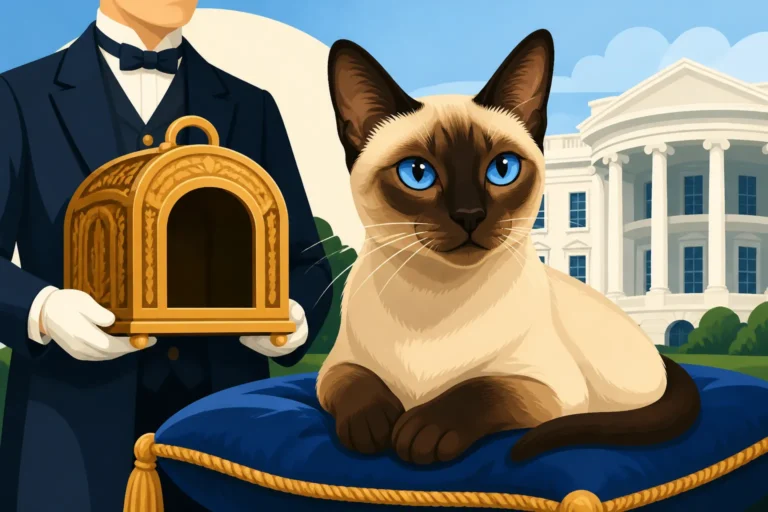
The 'Siamese craze' wasn't confined to Britain for long. Reports and photographs of these stunning cats traveled internationally, igniting interest in other Western countries. Soon, similar breeding programs and cat clubs began to emerge elsewhere, each often tracing their founding lines back to British imports, and by extension, to Pho and Mia. This global dissemination ensured that the Siamese cat became one of the most recognized and popular cat breeds worldwide, a testament to the powerful initial impression made by those two pioneering felines who crossed the sea in 1884. This set the stage for events like Siam, the Siamese Cat Given to the White House in 1878, showcasing the growing international appeal.
Understanding the Siamese Cat's Enduring Appeal
Decades, even centuries, have passed since Pho and Mia first arrived in Britain, yet the Siamese cat continues to captivate hearts around the world. Their enduring popularity isn't solely based on their striking looks; it’s a multifaceted appeal rooted in their unique personality, intelligence, and the deep bonds they form with their human companions.
Beyond the Exotic Look: Temperament and Personality
While the Siamese cat's sleek appearance and stunning blue eyes are undoubtedly eye-catching, it's their personality that truly wins people over and secures their place as lifelong companions. These are not aloof or independent cats; quite the opposite. Siamese cats are renowned for their highly social, interactive, and often boisterous temperaments. They crave attention and thrive on being an integral part of their human family's daily life. It’s this deep engagement that often leads owners to describe them as "dog-like" in their devotion and trainability.
Their vocal nature is perhaps their most famous trait. The "Meezer yowl" is legendary – a distinct, often loud, and remarkably persistent vocalization that they use to communicate their every thought, demand, and emotion. They will talk to you, expect answers, and engage in lengthy "conversations." This constant communication is a core part of their charm for those who appreciate it, making them feel like truly interactive members of the household. If you're curious about their personality, What a Siamese Cat's Temperament Is Really Like delves deeper into these traits.
Beyond their vocal prowess, Siamese cats are incredibly intelligent and curious. They are problem-solvers, often figuring out how to open doors, cupboards, and even complex puzzle toys. This intelligence, combined with their playful nature, means they require significant mental stimulation and engagement. A bored Siamese can quickly become a mischievous Siamese, finding their own entertainment, which might include counter-surfing or investigating forbidden territories. Their desire for connection and mental activity means they are definitely not a cat that will be happy to be ignored, forging an incredibly strong and often demanding bond with their chosen people.
Care and Consideration for Modern Siamese Owners
Bringing a Siamese cat into your home means embracing a commitment to an active, intelligent, and highly social companion. These aren't low-maintenance pets, but the rewards of their unique personalities are immense. For new or potential owners, understanding their specific needs is crucial for a happy coexistence. They thrive on companionship and can suffer from separation anxiety if left alone for extended periods. This often leads to the advice that A Siamese Cat Should Not Live Alone, suggesting that a compatible companion animal, feline or sometimes even canine, can be beneficial.
Their intelligence and high energy levels mean they need plenty of enrichment to keep them mentally and physically stimulated. This includes interactive play sessions with their human, puzzle feeders, cat trees for climbing, and toys that challenge their minds. Without adequate stimulation, a Siamese can become bored, potentially leading to destructive behaviors or excessive vocalizations as they try to get your attention. Integrating them into your daily routine, providing consistent affection, and even teaching them tricks can help harness their cleverness in positive ways.
Prospective owners also need to be aware of certain health considerations that can affect the breed. While generally healthy, Siamese cats can be predisposed to certain conditions, some of which are genetic. For example, some lines can be prone to Dental Disease in a Siamese Cat, requiring diligent home care and regular veterinary check-ups. Sadly, some also face serious inherited conditions like Amyloidosis Is the Disease That Kills Young Siamese Cats, making it vital to choose a reputable breeder who screens their lines and prioritizes health. Responsible ownership involves proactive veterinary care, a high-quality diet, and a keen eye for any changes in their behavior or health, ensuring these remarkable cats can enjoy long, fulfilling lives alongside their devoted families.
The Evolution of the Siamese Look: From Traditional to Modern
The Siamese cat, as we know it today, has undergone a significant transformation in its physical appearance since Pho and Mia first arrived in Britain. This evolution is a fascinating story of selective breeding, driven by changing aesthetic preferences within the cat fancy world. Understanding this shift helps us appreciate the diverse forms the Siamese cat can take and the history behind them.
Early Ideals and the "Traditional" Look
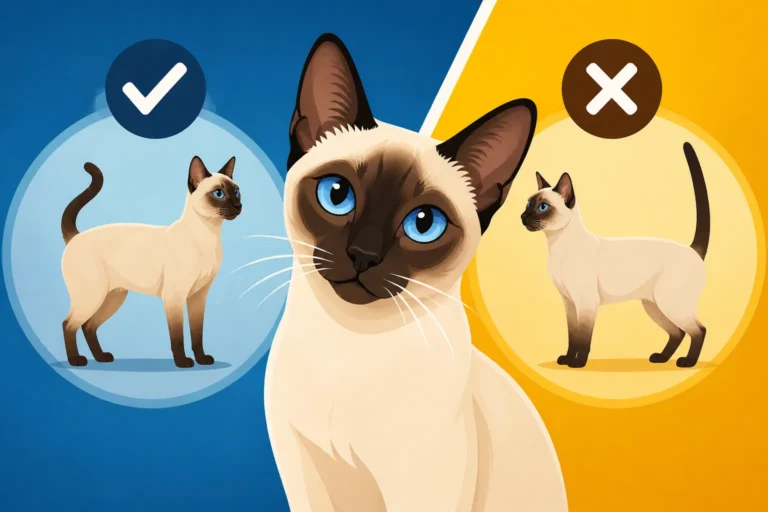
When Pho and Mia were introduced in 1884, they represented what is now often referred to as the "Traditional" or "Applehead" Siamese. These cats had a more rounded head, a sturdier, more cobby body, and less extreme features than many show Siamese cats of today. Their ears, while still large, were proportionate to their head, and their legs were of moderate length. This was the natural, unadulterated look of the Siamese cat as it existed in Siam, prior to significant Western breeding intervention.
The early breed standards, while recognizing their unique points and blue eyes, were based on these initial imports. The emphasis was on a cat that was elegant and athletic, but not to the point of exaggeration. Breeders at the time sought to preserve the healthy, robust build that these original cats possessed, focusing on establishing a stable population rather than pushing for extreme conformational changes. This original ideal sought to maintain the natural grace and balance of the breed as it appeared in its homeland.
These traditional Siamese cats were beloved for their affectionate nature and their striking, yet less exaggerated, appearance. Many enthusiasts today still prefer this older style, appreciating its historical accuracy and the perceived hardiness that came with a less extreme body type. They represent a direct link back to the very first Siamese cats that captivated the Western world, embodying the initial charm that made Pho and Mia so sensational.
The Rise of the "Wedge" and Modern Show Standards
As the 20th century progressed, a shift began to occur in the breeding preferences for the Siamese cat. Breeders, particularly those aiming for show success, started to favor a more slender, elongated, and angular look. This led to the development of what is now known as the "Modern" or "Wedge" Siamese. The head became noticeably more triangular, or "wedge-shaped," with larger, more widely set ears. The body became much longer and more tubular, with longer, more delicate legs and a whippier tail.
This change was driven by judges and breeders who sought to emphasize and exaggerate the elegant lines they saw as characteristic of the breed. The goal was to create a cat of extreme refinement, pushing the boundaries of what was considered graceful and exotic. While the traditional look had a certain robust charm, the modern wedge was designed to be a living piece of art, showcasing sharp angles and an almost ethereal slenderness.
Today, most major cat registries' breed standards, such as those of the CFA and TICA, reflect this modern wedge ideal. This means that cats bred for the show ring often exhibit the most extreme versions of these traits, with long, narrow heads, large ears that continue the wedge line, and incredibly svelte bodies. While stunning, this evolution has also led to ongoing discussions among fanciers about the health and overall well-being of such extreme types. The modern show Siamese is a testament to selective breeding, a living sculpture that has dramatically diverged from its original ancestors like Pho and Mia.
Practical Care for Your Siamese Companion
Owning a Siamese cat is a unique and rewarding experience, but it comes with its own set of responsibilities. These highly intelligent and active cats require specific care to thrive, ensuring they remain healthy, happy, and well-adjusted members of your family. Understanding their needs, from grooming to environmental enrichment, is key to a long and joyful companionship.
Grooming and Coat Maintenance
One of the wonderful things about Siamese cats is their incredibly low-maintenance coat. Their short, fine, and sleek fur lies close to their body and has no undercoat, which means they shed minimally compared to many other breeds. This makes them a popular choice for those who might prefer less cat hair around the house. You won't find yourself battling copious amounts of fluff, but a little regular grooming still goes a long way for their comfort and coat health.
A quick brush once or twice a week with a soft rubber curry brush or a grooming mitt is usually all that’s needed. This gentle brushing helps remove any loose hairs, distributes natural skin oils, and provides a lovely bonding experience for you and your cat. It also stimulates circulation and keeps their coat gleaming. Plus, many Siamese cats absolutely adore the attention and tactile stimulation that comes with being groomed, purring contentedly as you work the brush over their sleek bodies.
Bathing a Siamese cat is rarely necessary unless they've gotten into something particularly messy or have a skin condition requiring medicated shampoo. Their fastidious self-grooming habits generally keep them spotless. Should a bath be required, introduce them to water gradually and use a cat-specific shampoo to avoid irritating their skin. Their short coats dry relatively quickly, which is another bonus. Overall, their grooming needs are minimal, freeing up more time for interactive play and conversation!
Feeding and Nutrition for a Lean Physique
Siamese cats are famously lean and muscular, often appearing quite slender even when perfectly healthy. This athletic build means they have a relatively high metabolism and can burn through calories quickly. Providing them with a high-quality, nutritionally balanced diet is crucial to support their energy levels and maintain their svelte physique. It's not uncommon for owners to wonder Why a Siamese Cat Stays So Thin – it's often just their natural body type, but good nutrition is still paramount.
Look for a cat food, whether wet, dry, or a combination, that lists real meat (like chicken, turkey, or fish) as the first ingredient. High-protein diets are generally excellent for Siamese cats, supporting their lean muscle mass. While free-feeding dry kibble can work for some, portion control is important, especially for indoor cats, to prevent them from becoming overweight, which can happen despite their fast metabolism if they are overfed and under-exercised. Many Siamese thrive on multiple smaller meals throughout the day, which can also help manage their insistent demands for food!
Hydration is also a key component of a healthy diet. Wet food can significantly contribute to a cat's daily water intake, which is beneficial for kidney health. If your Siamese primarily eats dry food, ensure they have constant access to fresh, clean water. A flowing water fountain can often encourage cats to drink more, as many prefer moving water to still water in a bowl. Always consult your veterinarian for specific dietary recommendations tailored to your cat's age, activity level, and any particular health needs.
Environmental Enrichment and Mental Stimulation
For a cat as intelligent and active as the Siamese, providing ample environmental enrichment and mental stimulation isn't just a luxury—it's a necessity. A bored Siamese cat is a recipe for trouble, often manifesting in destructive behaviors, excessive vocalization, or even stress-related issues like over-grooming. They need outlets for their keen minds and boundless energy, otherwise, they'll invent their own, which may not align with your home decor.
Interactive play is paramount. Dedicate at least two 15-20 minute sessions daily to active play with wand toys, laser pointers (used carefully and always ending with a tangible catch to prevent frustration), or feathered lures. These sessions mimic hunting behaviors and allow them to burn off energy and satisfy their predatory instincts. Puzzle feeders are another excellent tool, turning mealtime into a mental challenge rather than just a quick gulp. Hiding treats around the house for them to "hunt" can also provide engaging stimulation.
Beyond play, vertical space is highly valued by Siamese cats. Tall cat trees, wall-mounted shelves, and window perches provide opportunities for climbing, observing their territory from above, and napping in secure spots. Access to a safe, enclosed outdoor space like a "catio" can also be incredibly enriching, offering sensory stimulation and fresh air without the dangers of free-roaming. Remembering that a Siamese cat will not be ignored, consistently providing varied enrichment will keep your clever companion happy, healthy, and less likely to invent their own, more mischievous, forms of entertainment.
Table: Key Milestones in the Siamese Cat's Early Western History
This table highlights some of the crucial events that led to the Siamese cat becoming a recognized and beloved breed outside its native Siam.
| Year | Event | Significance | Key Figures / Locations |
|---|---|---|---|
| Pre-1870s | Scattered Mentions/Legends | Cats known in Siam; rumors of exotic cats reach West; no widespread recognition. | Siam (Thailand) |
| 1878 | First Documented Siamese in USA | Diplomatic gift to President Hayes, though breeding efforts didn't immediately follow. | President Rutherford B. Hayes, Lucy Hayes, Consul-General David B. Sickels, Washington D.C. |
| 1884 | Pho and Mia Arrive in Britain | First significant, well-documented importation for breeding purposes. | Edward Blencowe Gould, Lilian Gould, Crystal Palace Cat Show, London |
| 1880s-1900 | Early Breeding Efforts in Britain | Pioneer breeders establish initial lines; challenges with limited gene pool. | Lilian Gould and other early enthusiasts |
| 1901 | Siamese Cat Club Founded in Britain | Formal organization established to promote, protect, and set standards for the breed. | Lilian Gould and founding members |
| Early 1900s | First Breed Standard Developed | Official guidelines set for physical traits and temperament, guiding breeders and judges. | Siamese Cat Club (Britain) |
| Mid-1900s | Breed Gains Widespread Popularity | Siamese cats become one of the most recognized and sought-after breeds globally. | Cat fanciers worldwide |
Disclaimer
This article is for general informational purposes only and does not constitute professional advice. Laws, prices and regulations vary by location and change over time. Consult a qualified professional for guidance on your specific situation.