Whether a Puzzle Feeder Occupies a Siamese Cat
Let's be honest, living with a Siamese cat is an adventure. They're brilliant, endlessly curious, and oh-so-vocal, but that sharp mind and boundless energy can quickly turn into boredom-induced mischief or relentless "chatting" when they don't have enough to do. If you've ever come home to a shredded toilet roll or a cat demanding your undivided attention the moment you walk through the door, you know the struggle is real. This guide is all about whether those clever puzzle feeders can actually keep your Siamese entertained and out of trouble, and how to make them a successful part of your cat's daily routine.
Why Your Siamese Cat Craves Mental Stimulation
Siamese cats aren't just pretty faces with striking blue eyes and loud opinions; they are highly intelligent creatures with a deep need for engagement. Unlike some more placid breeds, a Siamese thrives on interaction, problem-solving, and a good challenge. When they don't get enough of it, you're usually the first to know.
The Problem with Boredom
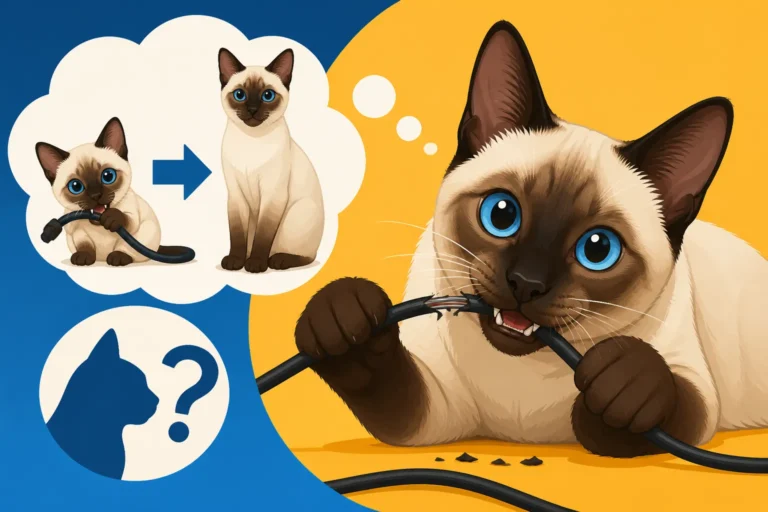
A bored Siamese cat is a creative, and often destructive, Siamese cat. They might start to invent their own "games," which can involve batting objects off shelves, exploring forbidden countertops, or even engaging in excessive vocalization just to get a reaction. It's not that they're being "naughty" on purpose; it's simply their way of saying, "I need something to do, human!" This need for mental engagement is deeply ingrained in their personality, and ignoring it can lead to frustration for both you and your feline friend. You might find yourself constantly redirecting their energy or cleaning up after their self-made "entertainment."
Consider the classic scenario: you're trying to work from home, and your Siamese is sitting squarely on your keyboard, demanding pets, or perhaps "helping" you type by walking across the keys. This isn't just attention-seeking; it's often a desperate plea for mental stimulation. They observe everything you do and are constantly looking for ways to be involved or to make their presence known. For a breed that's so observant and active, a static environment with no challenges is simply not enough.
Redirecting High Energy
Siamese cats are known for their athleticism and boundless energy. They love to climb, jump, and chase, and a simple bowl of food doesn't provide any outlet for these natural instincts. In the wild (or even a feral environment), a cat would spend a significant portion of its day hunting for food. This involves stalking, ambushing, problem-solving, and a burst of physical activity. Our pampered house cats, while safer and well-fed, often miss out on this crucial enrichment.
This high energy, if not properly directed, can lead to zoomies at inconvenient hours, relentless demands for play, or even Psychogenic Alopecia in a Siamese Cat where they over-groom out of stress or boredom. They need activities that mimic the mental and physical aspects of hunting. A quick game with a wand toy is great, but it's often not enough to satisfy their keen minds for long periods, especially if you're not always available to play. Puzzle feeders offer a fantastic way to tap into that hunting drive and provide a sustained, independent activity.
What Are Puzzle Feeders and How Do They Work?
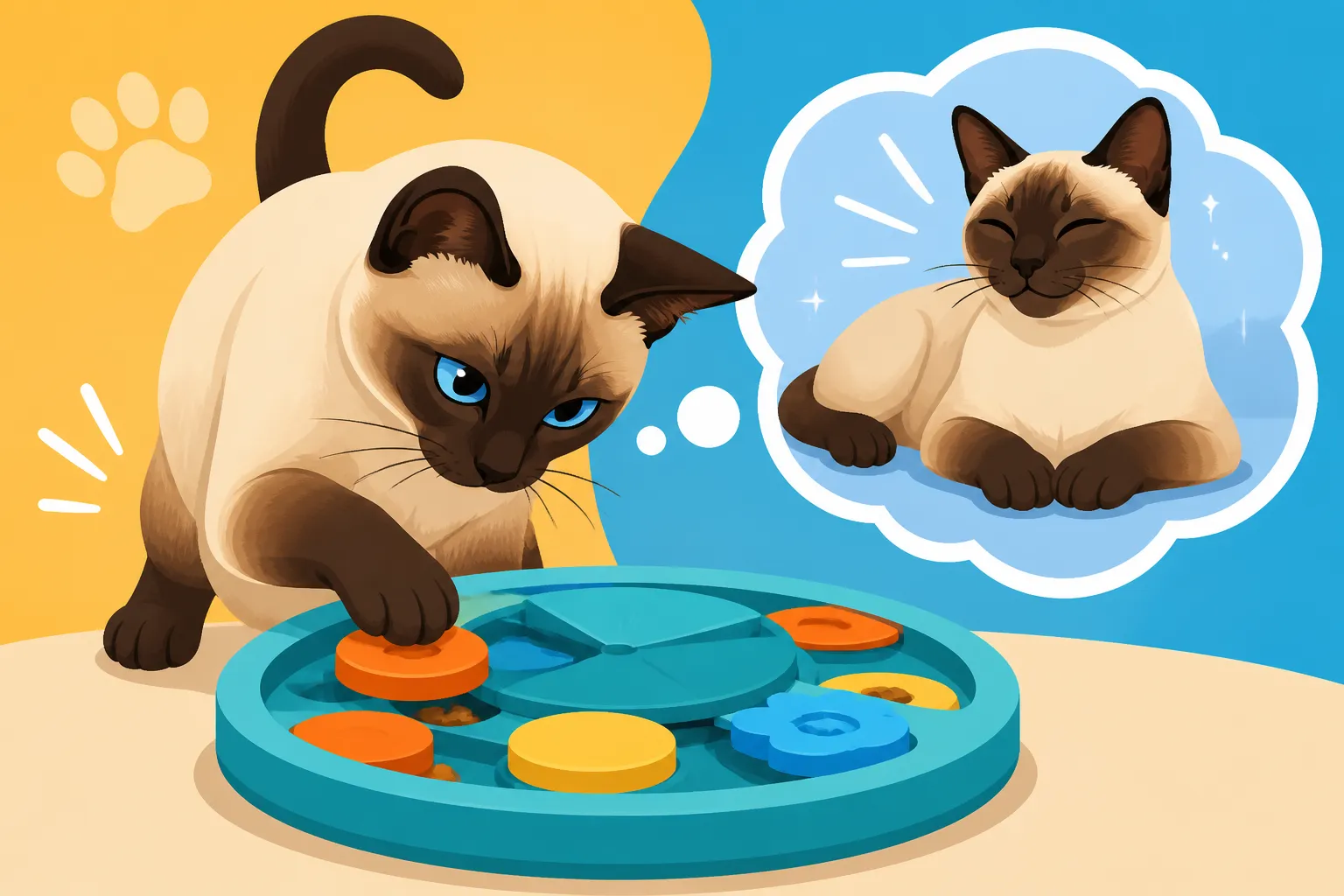
Puzzle feeders, often called enrichment feeders or slow feeders, are devices designed to make your cat "work" for their food or treats. Instead of simply eating from an open bowl, your Siamese has to use their paws, nose, or tongue to manipulate the device, extract the kibble, or solve a small problem to get a reward. They come in a huge variety of designs, from simple treat balls to complex multi-stage puzzles.
Different Types of Puzzle Feeders
The world of cat puzzle feeders is surprisingly diverse, catering to different skill levels and feline preferences. It's not a one-size-fits-all situation, and what works for one Siamese might not engage another. You might find a wide selection of these available on platforms like Amazon, making it easy to browse and compare.
- Rollers/Balls: These are often the entry-level puzzle feeders. They're typically hollow plastic balls with adjustable holes. You put kibble inside, and as your cat bats the ball around, food tumbles out. They engage a cat's natural batting instinct and are great for beginners. A classic example would be a treat-dispensing ball where the cat rolls it around the floor, and food falls out sporadically. This taps into their predatory instincts of chasing and catching.
- Stationary Mazes/Towers: These feeders usually have multiple levels or compartments with obstacles that the cat has to navigate with their paws. The food is placed at the top or in various spots, and gravity helps it move down as the cat works at it. Think of a tower with staggered shelves or a flat maze with walls. Cats must reach into crevices or push pieces around to get at the kibble. The Catit Senses Food Tree is a well-known example that many cat owners find effective.
- Lick Mats and Slow Feeder Bowls: While not "puzzles" in the traditional sense, these are excellent for slowing down fast eaters and providing mental stimulation through licking. Lick mats have textured surfaces where you spread wet food or soft treats, forcing the cat to take their time to consume it. Slow feeder bowls have ridges or patterns that make it harder for a cat to gulp down their dry food quickly. These are particularly good for cats prone to vomiting after eating too fast.
- Interactive and DIY Puzzles: Some puzzles involve more complex actions like sliding panels, lifting lids, or pressing buttons. These are great for highly intelligent cats who quickly master simpler designs. You can also get creative and make your own using cardboard boxes, toilet paper rolls, and hidden treats. The key is to create small compartments or barriers that your cat has to manipulate to get their reward. For instance, putting kibble into an empty egg carton and loosely covering the cups with crumpled paper forces your cat to use their paws and nose to uncover the food.
How They Challenge Your Cat
The magic of puzzle feeders lies in their ability to engage multiple aspects of your cat's intelligence and natural behaviors. They aren't just about food; they're about providing a job.
Firstly, they tap into their problem-solving skills. A cat quickly learns that simply staring at the feeder won't release the delicious kibble. They have to observe, experiment, and strategize. This could mean figuring out how much force to apply to a rolling ball, understanding the sequence of movements needed to slide a panel, or even just patiently extracting small pieces of food from a textured surface. This mental workout is incredibly satisfying for a clever Siamese.
Secondly, they promote fine motor skills and coordination. Cats use their paws in incredibly dexterous ways, and puzzle feeders give them a chance to practice this. Reaching into a tight spot, hooking a piece of kibble with a claw, or gently nudging a treat out of a maze all require precision. This engagement can be particularly beneficial for indoor cats who might otherwise have fewer opportunities to use these skills.
Finally, they offer sensory enrichment. The different textures, shapes, and sounds (like kibble rattling) stimulate their senses. Some feeders even have areas where cats can sniff out the treats before figuring out how to get them, engaging their keen sense of smell. This multi-sensory experience makes the "hunt" more rewarding and holistic.
The Benefits of Puzzle Feeders for Siamese Cats
So, can a puzzle feeder truly occupy a Siamese cat? The answer is a resounding yes, and the benefits extend far beyond just keeping them busy for a little while. They address many common issues Siamese owners face, transforming potentially troublesome behaviors into positive, engaging activities.
Reducing Boredom and Destructive Behavior
One of the most immediate and noticeable benefits is the significant reduction in boredom. A Siamese cat that is mentally stimulated is a less likely to be a destructive one. Instead of tearing up your upholstery or scaling your curtains, they'll be focused on their "hunt" for dinner. This can be a game-changer for households that struggle with a cat's restless energy.
Imagine coming home to find your cat calmly working on their puzzle feeder instead of greeting you with an insistent yowl or a fresh pile of shredded paper. Puzzle feeders provide an independent activity that can absorb their attention for surprisingly long periods. This isn't just about keeping them busy; it's about channeling their natural intelligence and energy into something productive. For a breed known for its cleverness, the challenge itself is often as rewarding as the food it yields. What a Bored Siamese Cat Destroys often stems from this lack of adequate mental and physical outlets.
Promoting Slower Eating and Better Digestion
Many Siamese cats, with their enthusiastic appetites, tend to eat their food incredibly fast. This can lead to a host of digestive issues, from vomiting undigested food shortly after eating to simply not savoring their meals. Puzzle feeders force them to slow down considerably. Instead of inhaling a bowl of kibble in 30 seconds, they might spend 10-20 minutes, or even longer, extracting each piece.
This slower eating process has multiple health benefits. It allows their digestive system more time to process the food, reducing the likelihood of gulping air or overeating. For cats that are prone to throwing up their meals, a slow feeder or puzzle can be a simple, effective solution. It also makes mealtime more engaging and satisfying, turning a quick grab-and-go into a thoughtful activity. This is particularly important for cats who live indoors and don't have the natural "work" of hunting to regulate their intake.
Enhancing Mental Enrichment and Confidence
Beyond just reducing problems, puzzle feeders actively enrich your cat's life. They provide a sense of accomplishment and boost a cat's confidence as they successfully "hunt" for their food. Each solved puzzle reinforces their natural instincts and intellect, making them feel more engaged and content within their environment.
Think of it like this: for a human, solving a challenging crossword or completing a complex project brings a sense of satisfaction. It's the same for your Siamese. Successfully getting that last piece of kibble from a tricky corner of a puzzle feeder can be a small victory that contributes to their overall well-being. This engagement can also help with stress or anxiety, providing a healthy outlet for their energy when you're not around. It's a fantastic way to offer Enrichment for a Siamese Cat That Gets Bored in an Hour without needing constant human intervention.
Choosing and Introducing a Puzzle Feeder
Ready to dive into the world of puzzle feeders for your Siamese? Great! But don't just grab the first one you see. A thoughtful approach to selection and introduction will set you up for success.
Selecting the Right Feeder
Choosing a puzzle feeder isn't just about what looks cool; it's about what will genuinely engage your individual cat. Consider their current personality and skill level.
Here's a quick guide:
| Feature | Beginner Siamese Cat | Intermediate Siamese Cat | Advanced Siamese Cat |
|---|---|---|---|
| Type of Feeder | Simple rolling balls, basic slow-feed bowls | Multi-level towers, simpler sliding puzzles | Complex sliding puzzles, multi-stage feeders |
| Challenge Level | Easy to get food out, minimal manipulation needed | Requires pawing, reaching, or basic pushing/sliding | Involves multiple steps, lifting, pressing |
| Food Type | Dry kibble or larger treats | Dry kibble, slightly smaller treats, some wet food | Dry kibble, smaller treats, spreadable wet food |
| Durability | Sturdy, easy to clean plastic | Durable plastic or ceramic, stable base | Robust materials, secure parts |
| Engagement | Visual cues, easy reward association | Tactile engagement, moderate mental effort | High mental effort, sustained interest |
- Start Simple: Don't buy the most complex feeder right away. Begin with something straightforward, like a treat-dispensing ball or a simple maze. You want your cat to experience success quickly, or they might get frustrated and lose interest. As they master one, you can gradually introduce more challenging designs.
- Consider Their Hunting Style: Does your Siamese prefer to bat things around, or are they more of a "digger" with their paws? Some cats love to fish food out of crevices, while others prefer to roll a ball. Observe how your cat plays with toys and choose a feeder that aligns with those natural tendencies.
- Material and Cleanliness: Opt for durable, food-safe materials that are easy to clean. Many plastic feeders are dishwasher-safe, which is a huge plus. Cats are particular, and a dirty feeder won't be appealing.
- Size of Kibble/Treats: Make sure the openings or compartments are appropriate for the size of your cat's regular kibble or the treats you plan to use. If the holes are too small, they'll get frustrated; too large, and it won't be much of a puzzle.
Many reputable brands offer a range of puzzle feeders, from basic to advanced. A quick search on Amazon for "cat puzzle feeder" will yield countless options, allowing you to read reviews and find one that suits your needs.
Introducing the Feeder to Your Siamese
The introduction phase is crucial for success. Your Siamese might be suspicious or simply not understand what to do at first. Patience is key!
- Make it Easy at First: For the very first few times, make the puzzle feeder incredibly easy. Leave some treats or kibble just peeking out, or place it in the widest openings where it can be retrieved with minimal effort. The goal is for your cat to quickly learn that "puzzle feeder = yummy food."
- Use High-Value Rewards: Don't use their regular, boring kibble initially. Use their favorite treats or a small portion of a highly palatable dry food. This increases their motivation to interact with the feeder. Once they're hooked, you can transition to their regular meal.
- Show, Don't Just Tell: Cats learn by observation. Gently demonstrate how the feeder works. Bat the ball so a treat comes out, or slide a panel to reveal kibble. Let them see the connection between their action and the reward. Do this a few times, then step back and let them try.
- Integrate Into Routine: Start by offering the puzzle feeder as a separate, special event. Once they're comfortable, you can replace a portion of their regular meal with the puzzle feeder. Don't throw away their traditional bowl entirely, especially at the beginning. Gradually increase the amount of food they get from the puzzle.
- Location, Location, Location: Place the feeder in a quiet, accessible area where your cat feels safe and undisturbed. Avoid high-traffic areas or spots where other pets might interfere.
- Don't Force It: If your Siamese isn't interested, don't force them. Put it away and try again later or the next day. Sometimes, a different type of puzzle or a different reward is all it takes. Every cat is an individual, and some take longer to warm up to new things.
It's tempting to want your cat to take to it immediately, but remember that the Siamese Cat Will Not Be Ignored and also won't be rushed. By making the experience positive and rewarding from the start, you'll soon have a Siamese who looks forward to their daily puzzle time, providing both them and you with a much calmer, more enriched household. This is a wonderful way to offer How Much Play a Siamese Cat Needs throughout the day, even when you're busy.
Advanced Tips for Puzzle Feeder Success with a Siamese
Once your Siamese cat has mastered the basics, you can elevate the game to keep them consistently engaged. They're smart, remember? They'll quickly figure out easy puzzles, so keeping things fresh is crucial to maintain their interest and prevent them from getting bored again.
Rotating Feeders and Increasing Difficulty
Just like a human gets bored doing the same puzzle repeatedly, your Siamese will too. The key to long-term success with puzzle feeders is variety and progression.
- Build a "Puzzle Library": Invest in a few different types of puzzle feeders. Maybe you have a rolling ball, a stationary maze, and a sliding panel puzzle. Rotate them throughout the week, or even daily. This keeps the challenge fresh and prevents your cat from getting complacent with just one design. On Monday, it's the roll-and-treat ball; Tuesday, the food tree; Wednesday, a DIY egg carton puzzle. This variety keeps their minds sharp and their interest piqued.
- Gradual Increase in Difficulty: Most puzzle feeders have adjustable difficulty settings. Start on the easiest setting (larger holes, fewer obstacles) and slowly make it harder as your cat masters each level. For example, with a treat ball, you might start with two large holes, then progress to one large hole, then two small holes, and finally one small hole. With a sliding puzzle, introduce more panels or more complex sequences over time. The goal is to challenge them without frustrating them to the point of giving up.
- Combine and Conquer: For really clever Siamese cats, you can combine elements. Perhaps they need to bat a treat ball to knock treats into a low-level maze, or they have to slide a panel to reveal another, smaller puzzle. This multi-stage challenge can be incredibly rewarding for a high-intelligence cat and keep them occupied for longer. It's an excellent way to harness How Clever a Siamese Cat Is.
Using Puzzle Feeders for Specific Behavioral Challenges
Puzzle feeders aren't just for general enrichment; they can be powerful tools to address specific behavioral issues common in Siamese cats.
- Excessive Vocalization: If your Siamese is constantly "talking" to you, especially when they want food or attention, puzzle feeders can help redirect that energy. Instead of immediately responding to their What the Siamese Cat's Meezer Yowl Sounds Like at meal times, present the puzzle feeder. They'll associate their hunger with the "work" of the puzzle rather than demanding vocally from you. This can gradually help to How to Train a Siamese Cat to Meow Less. Over time, this shifts their focus from you as the direct source of food to their own ingenuity.
- Separation Anxiety: For Siamese cats prone to What Separation Anxiety Looks Like in a Siamese Cat, puzzle feeders can provide a comforting and distracting activity when you're away. Leaving them with a challenging feeder filled with a high-value treat can help them associate your departure with a positive, engaging experience. This can reduce stress and loneliness during your absence. It gives them a task to focus on, rather than dwelling on your absence, making those solo hours a bit more manageable.
- Wool Sucking/Pica: Some Siamese cats have a tendency to suck on or even eat non-food items like blankets or fabric, a behavior known as pica or Why a Siamese Cat Sucks Wool. While this is often stress-related, boredom can exacerbate it. Puzzle feeders can provide a healthy alternative for oral fixation and mental engagement. By giving them a legitimate "job" for their mouth and mind, you might reduce their impulse to chew on inappropriate items. Ensure the puzzle feeder itself is made of safe, non-ingestible materials. Providing appropriate chew toys alongside puzzle feeders can also be beneficial.
It's important to remember that puzzle feeders are a tool, not a magic bullet. For deep-seated behavioral issues, they should be part of a broader strategy that might include environmental changes, increased interactive play, or even consultation with a vet or animal behaviorist. However, for the smart, energetic Siamese cat, a well-chosen and properly introduced puzzle feeder can be an invaluable addition to their daily life, offering sustained engagement and a happier, more balanced feline companion. It's a key component in Caring for a Siamese Cat Past Twelve to keep their minds active.
Disclaimer
This article is for general informational purposes only and does not constitute professional advice. Laws, prices and regulations vary by location and change over time. Consult a qualified professional for guidance on your specific situation.