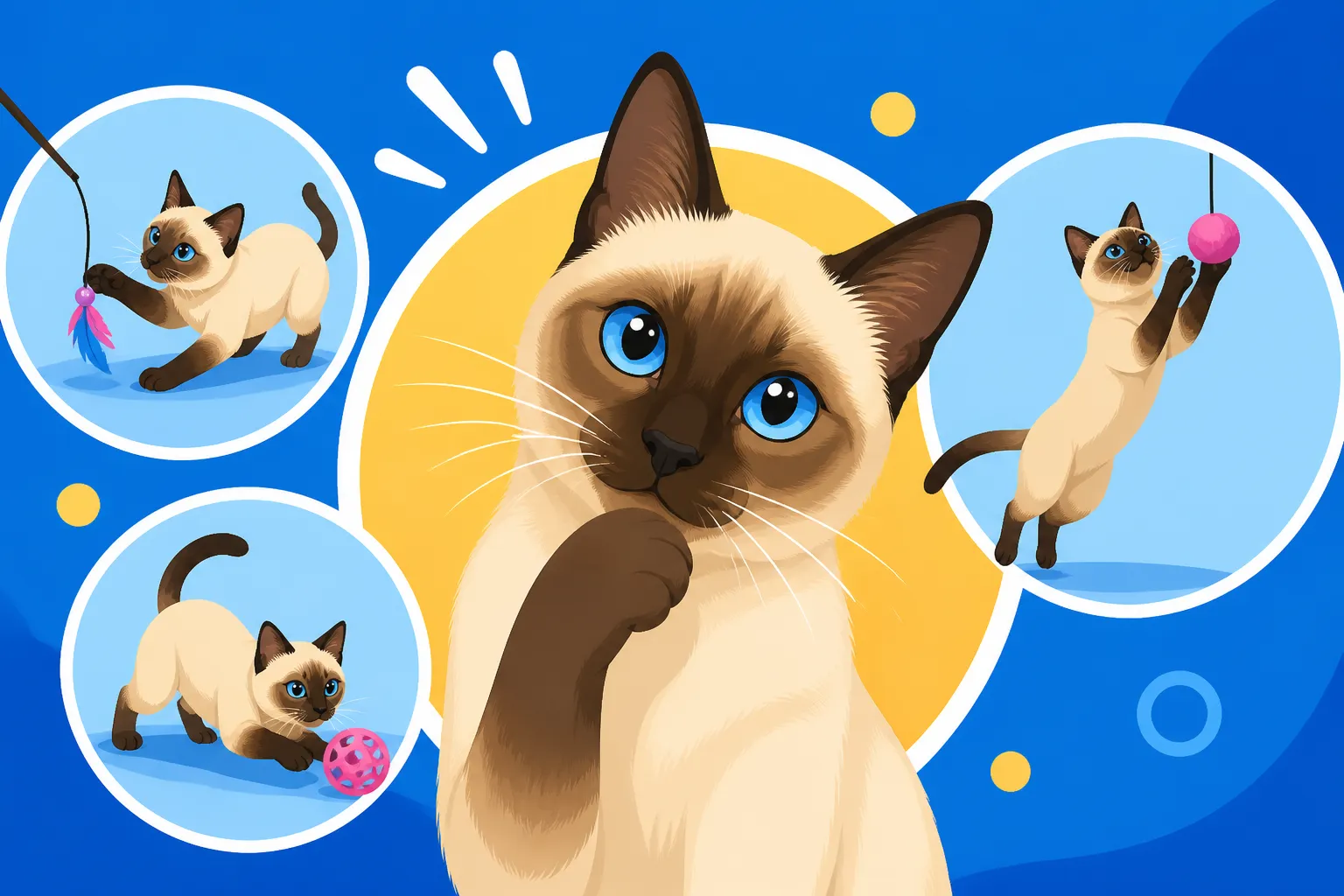
How Many Play Sessions a Siamese Cat Needs a Day
It's a common scene for Siamese cat owners: you've just spent a good 15 minutes waving a feather wand around, your Meezer is panting, eyes wide, and you think, "Finally, exhaustion!" But then, ten minutes later, they're back at your feet, meowing insistently, or worse, batting at something they shouldn't. This guide is here to help you navigate the energetic demands of your Siamese companion, outlining just how many play sessions they truly need each day to stay happy, healthy, and out of trouble.
Understanding the Siamese Cat's High-Energy Nature
Let's be real, owning a Siamese isn't like owning just any cat. These aren't your typical couch potatoes who are content with a few quiet naps and a gentle stroke here and there. Siamese cats are a breed apart, brimming with an intelligence and energy that can be both endearing and, let's face it, a little overwhelming if you're not prepared. Their need for interaction and mental stimulation is deeply ingrained in their DNA, stemming from their storied past as royal companions who were always "on" and engaged with their human counterparts.
The Inherent Drive of a Siamese Cat
Imagine a tiny, sleek athlete, an intelligent detective, and a demanding opera singer all rolled into one beautiful, vocal package. That's your Siamese. They possess an almost dog-like loyalty and a relentless curiosity that drives them to explore, learn, and do. This isn't just about physical exercise; it's about exercising their sharp minds. If you’ve ever found your Siamese trying to open cupboards, turning on faucets, or even figuring out how to unlatch doors, you know exactly what I mean. This inherent drive means they aren't satisfied with simply observing the world from a sunbeam; they want to be an active participant in it. They thrive on challenges and interaction, seeing every day as an opportunity for adventure. Without adequate outlets for this energy and intelligence, that drive can quickly turn into frustration for both you and your cat.
Why a Siamese Cat Gets Bored So Easily
Because they're so smart and so active, Siamese cats get bored fast. A toy that was endlessly fascinating yesterday might be completely ignored today. A game they loved last week suddenly holds no appeal. Their minds are constantly seeking novelty and challenge. Think of it like a highly intelligent toddler: if they don't have something engaging to do, they'll invent their own entertainment, which often involves things you'd rather they didn't touch, climb, or vocalize at. This rapid onset of boredom is why you can't just throw a few toys on the floor and expect them to entertain themselves for hours. Their need for varied, interactive stimulation is paramount. If you've ever wondered What a Bored Siamese Cat Destroys, it's usually anything that isn't providing the mental workout they crave.
How Many Play Sessions Are We Really Talking About?
This is the million-dollar question, isn't it? And the honest answer is: probably more than you're currently doing, and more than you might think! It's not just about one long session, but rather several shorter, high-quality bursts throughout the day.
The Ideal Duration and Frequency
For most adult Siamese cats, you're looking at at least two to three dedicated play sessions per day, each lasting a minimum of 10-15 minutes. But here's the kicker: these aren't just gentle bat-the-toy sessions. These need to be intense, engaging periods that mimic hunting. Think about a cat in the wild: they expend a huge amount of energy in short, explosive bursts to catch prey. Your Siamese needs to replicate that.
Here's a rough breakdown:
- Morning Burst: A 10-15 minute session right after you wake up, or before you leave for work. This helps burn off that overnight energy and sets a positive tone for their day.
- Afternoon Pick-Me-Up: If you're home, a quick 10-minute session mid-afternoon can break up their day. If not, consider a puzzle feeder or automated toy to provide some solo mental stimulation.
- Evening Hunt: This is often the most important. A longer, more intense 15-20 minute session in the evening, ideally an hour or two before their last meal. This mimics their natural "hunt, catch, eat" cycle, which helps them feel satisfied and ready to settle down.
Beyond these dedicated sessions, don't forget the casual interaction. A quick laser pointer chase (always ending with a tangible toy to "catch"!), a short game of fetch with a favorite toy, or even just talking to them and responding to their meows contributes to their overall stimulation. Remember, they thrive on interaction, and this constant engagement helps fulfill their social needs, too. To learn more about stimulating their minds, check out Enrichment for a Siamese Cat That Gets Bored in an Hour.
Tailoring Play to Your Cat's Age and Personality
While the general guidelines are helpful, every Siamese is an individual. A senior Siamese, for example, won't have the same boundless energy as a spry youngster.
- Kittens and Young Adults (Up to 2-3 years): These guys are energy bombs! They might need even more frequent, shorter play bursts – think 5-7 sessions of 5-10 minutes each. Their attention spans are shorter, but their capacity for zoomies is endless. Keep an eye out for signs of genuine fatigue, but generally, they'll let you know when they're done.
- Prime Adults (3-10 years): This is where the 2-3 dedicated, longer sessions really shine. They have developed their hunting skills and can sustain longer periods of intense play. Variety is key here to prevent boredom.
- Senior Siamese (10+ years): Play is still vital, but it needs to be adapted. Shorter, gentler sessions – perhaps 3-4 times a day for 5-7 minutes – are more appropriate. Focus on mental stimulation like puzzle toys or slow-moving wands that don't require quick bursts of speed. Many older Siamese cats still love to bat at a dangling toy from a comfortable spot. Understanding The Age a Siamese Cat Is Considered Senior can help you adjust your expectations and play routines.
Observe your cat closely. Do they seem bored or restless even after a play session? Are they seeking attention in disruptive ways? This could be a sign they need more, or different, play. Conversely, if they're panting heavily, hiding, or showing signs of irritation, it's time to let them rest.
Maximizing Play Session Effectiveness
It's not just about the number of minutes you're playing; it's about the quality of that play. A dull, repetitive play session might tick a box on your mental checklist, but it won't satisfy your Siamese.
The Best Types of Toys and Activities
Siamese cats are smart, so their toys need to stimulate both their physical prowess and their intellect. Ditch the boring plush mice if that's all you're offering.
Here's what works:
- Wand Toys with Interchangeable Attachments: These are gold. A good quality wand toy with feathers, fabric strips, or even crinkly plastic attachments allows you to mimic prey movement and keep things unpredictable. You can find a huge variety on Amazon, offering fresh stimuli to keep your Siamese engaged day after day.
- Puzzle Feeders: These are fantastic for mental stimulation and slow down mealtime, tapping into their hunting instincts. Look for feeders that require them to use their paws or brains to extract kibble or treats. Again, Amazon has many options, from simple treat balls to more complex multi-level puzzles.
- Interactive Track Toys: Balls that roll around a track without escaping can provide solo entertainment. Some even have electronic elements or lights.
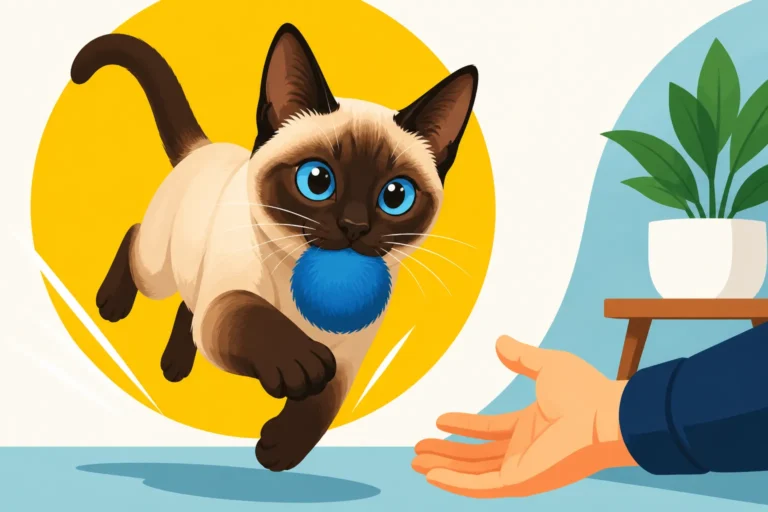
- Fetch Toys: Many Siamese cats love to fetch! Small, lightweight toys like crinkly balls, spring toys, or even crumpled paper can be tossed for them to retrieve. This is a wonderful way to combine physical exercise with bonding.
- Cat Trees and Climbers: While not "play" in the interactive sense, vertical space is crucial. Siamese cats love to climb, survey their domain from on high, and use their agility. A sturdy cat tree provides exercise and a sense of security.
Remember the "hunt, catch, kill" cycle. Always end a wand toy session by letting your cat "catch" the toy and "kill" it with a few satisfied bites or bunny kicks. Then, put the toy away. This makes the toy special and keeps them eagerly anticipating the next hunt. For ideas on specific items, you might want to read Which Toys a Siamese Cat Actually Uses.
Incorporating Training and Mental Stimulation
Play isn't just about chasing; it's about using their brains. Siamese cats are highly trainable, often enjoying it as much as, if not more than, pure physical exertion.
- Clicker Training: This is a fantastic way to engage their intelligence. Teach them tricks like sit, stay, high-five, or even weave through your legs. The mental effort involved in learning and performing these commands is incredibly satisfying for them. Plus, it strengthens your bond.
- Leash Training: If you have a safe outdoor space, leash training can provide a whole new world of smells and sights. A Siamese on a harness exploring the yard is getting both physical exercise and massive amounts of mental enrichment from the novel environment. Just be sure to start slow and make it a positive experience.
- Environmental Enrichment: Beyond specific play sessions, think about your home environment. Rotating toys, hiding treats for them to find, providing safe windows for bird-watching, or even installing shelves for climbing all contribute to a stimulating living space. Consider a smart camera from Amazon that dispenses treats or has a laser pointer to engage them remotely if you're out. How Intelligent a Siamese Cat Is Compared to Other Cats speaks volumes about why this type of enrichment is so crucial.
Recognizing the Signs of Under-Stimulation
If your Siamese isn't getting enough mental and physical exercise, they'll often let you know in ways that can be frustrating for you. It's not malicious; it's simply their way of communicating an unmet need.
Destructive Behaviors and Attention-Seeking
An under-stimulated Siamese can become a feline force of nature, often directing their boundless energy into unwelcome channels.
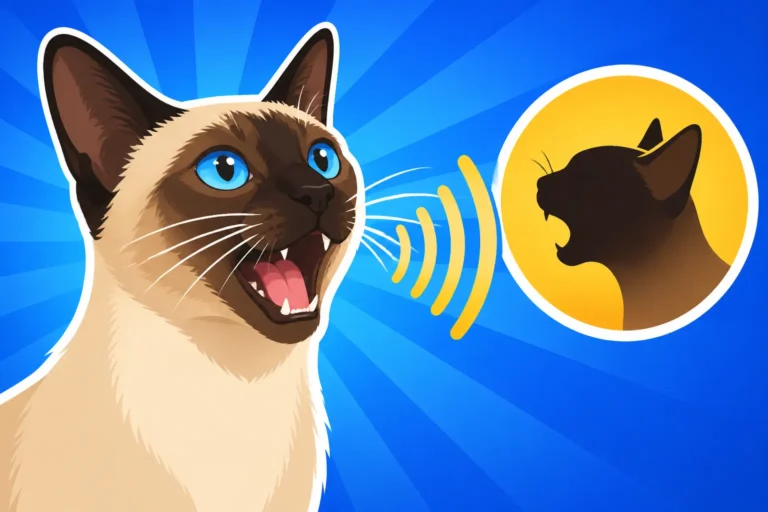
- Excessive Vocalization: The famous Siamese "Meezer yowl" can become constant, shrill, and relentless. They're not just chatting; they're demanding attention, demanding engagement, demanding something to do.
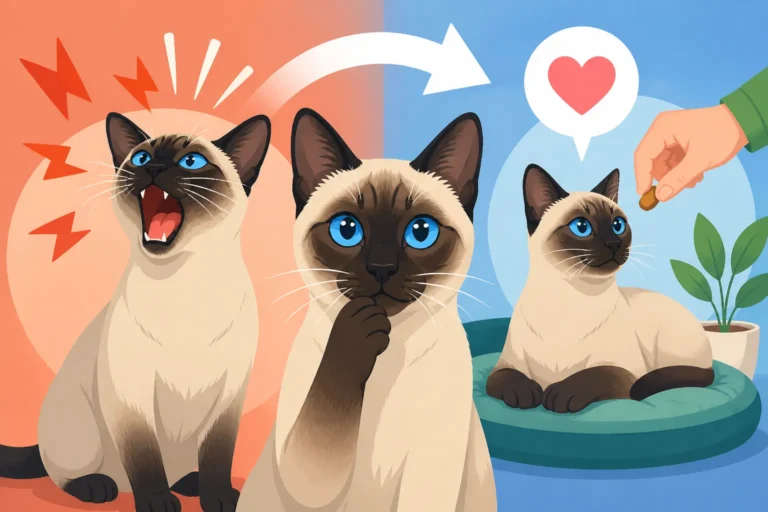
- Destructive Chewing or Wool Sucking: Many Siamese cats are prone to pica, which is the chewing and eating of non-food items. If your blankets, sweaters, or electrical cords are becoming targets, it's often a sign of anxiety or boredom. Engaging their minds and bodies more can significantly reduce this behavior.
- Counter Surfing and Knocking Things Over: They're bored, they're curious, and they want to see what happens when that vase hits the floor. It's their version of "science experiments" when they don't have better things to occupy their brilliant minds.
- Aggression Towards Other Pets or Humans: While Siamese cats are generally affectionate, a bored or frustrated cat can become nippy, swat at passing ankles, or bully other household pets out of sheer restlessness.
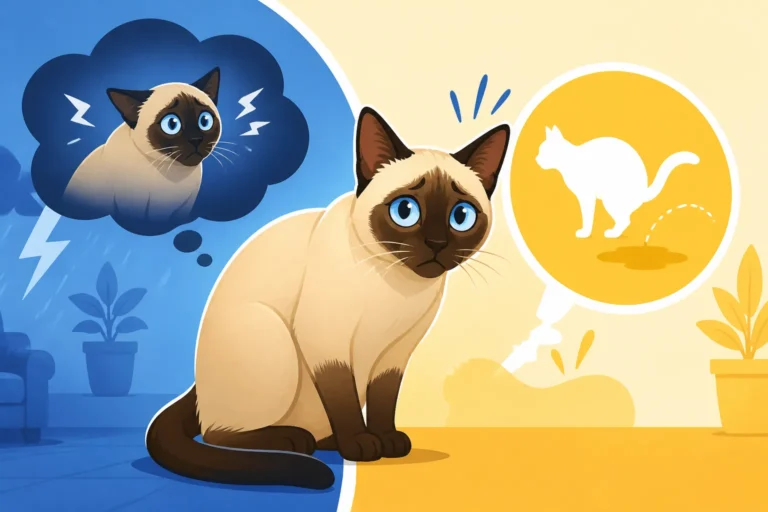
- Inappropriate Urination: This is often a sign of stress or unhappiness, and under-stimulation can certainly contribute to those feelings. If your impeccably litter-trained Siamese suddenly starts peeing outside the box, addressing their enrichment needs should be part of the investigation.
These behaviors aren't signs of a "bad" cat; they're distress signals from a highly intelligent and energetic animal who isn't getting their needs met.
Behavioral Solutions Beyond Just More Play
While increasing play is foundational, sometimes you need to layer in other solutions to create a truly balanced environment for your Siamese.
- Consistent Schedule: Cats thrive on routine, and Siamese cats are no exception. Try to establish a consistent schedule for feeding, play, and bedtime. This predictability can reduce anxiety and give them a sense of security.
- Social Interaction: Siamese cats are incredibly social. If you're out of the house for long periods, consider whether your Siamese truly needs a companion. Not all cats do, but for many Siamese, having another feline friend to interact and play with can make a huge difference. Whether a Siamese Cat Needs a Companion Cat is a good read on this topic.
- Feliway Diffusers: These emit synthetic feline pheromones that can help create a calmer, more secure environment, especially if stress or anxiety is contributing to undesirable behaviors. You can find them readily on Amazon.
- Professional Help: If destructive behaviors persist despite your best efforts, don't hesitate to consult with a feline behaviorist or your veterinarian. They can rule out underlying medical issues and provide tailored strategies to address specific challenges. Sometimes, a fresh pair of eyes with professional training can spot something you've missed.
Types of Play for Your Siamese Cat
Here's a quick overview of different play types and their benefits:
| Play Type | Description | Benefits |
|---|---|---|
| Interactive Wand Play | You actively control a wand with a toy at the end, mimicking prey movement (flying, scurrying, hiding). | High physical exertion, engages hunting instincts, strengthens human-cat bond, provides unpredictable fun. |
| Puzzle Feeders | Toys or bowls that require the cat to solve a problem to get food or treats. | Excellent mental stimulation, slows down eating, prevents boredom, uses problem-solving skills. |
| Fetch | Tossing a lightweight toy for your cat to retrieve (if they're inclined!). | High physical activity, interactive, builds bond, taps into natural retrieving instincts. |
| Laser Pointer (with catch) | Directing a laser dot for your cat to chase, always ending with a tangible toy they can "catch". | High physical activity, great for quick energy bursts, can be done anywhere. |
| Solo Toys | Crinkly balls, spring toys, track toys, catnip toys. | Provides independent entertainment, allows self-directed play, can keep them occupied when you're busy. |
| Climbing/Vertical Space | Cat trees, wall shelves, clear window perches. | Physical exercise (climbing), mental security (high vantage points), natural enrichment. |
| Training (Clicker) | Teaching tricks and commands using positive reinforcement and a clicker. | High mental stimulation, builds confidence, strengthens bond, provides structured engagement. |
Ultimately, providing ample, varied, and engaging play sessions isn't just about keeping your Siamese from being destructive; it's about honoring their unique personality and ensuring they live a truly fulfilled life. It's an investment in their happiness and your peaceful coexistence.
Disclaimer
This article is for general informational purposes only and does not constitute professional advice. Laws, prices and regulations vary by location and change over time. Consult a qualified professional for guidance on your specific situation.