Why a Siamese Cat Darkens Every Winter
It's a common sight for Siamese cat parents: you wake up one chilly winter morning, glance at your beloved meezer, and realize their beautiful points — those dark ears, paws, tail, and mask — seem to have deepened in color, almost as if they've had a subtle, natural dye job. You're not imagining things, and it's certainly not a sign of poor health! This guide will dive deep into the fascinating biological reasons behind why your Siamese cat's coat undergoes this seasonal transformation, explaining the science, what to expect, and how to appreciate their ever-changing beauty.
The Siamese Secret: How Temperature Paints Their Coat
The iconic coat pattern of the Siamese cat, with its striking contrast between a pale body and dark extremities, isn't just a random genetic quirk. It's a precise, temperature-sensitive artistic masterpiece, dictated by a unique enzyme that acts like a tiny thermostat for their fur color. Understanding this fundamental mechanism is key to unlocking the mystery of their winter darkening.
The Genetic Blueprint: Temperature-Sensitive Pigment
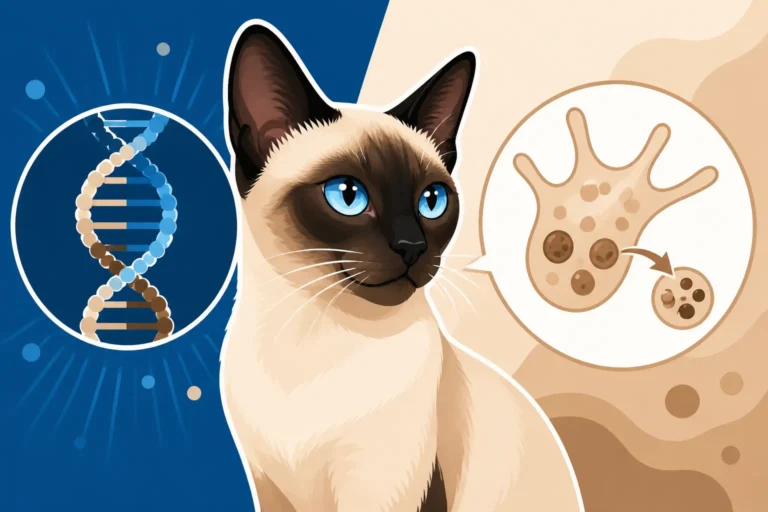
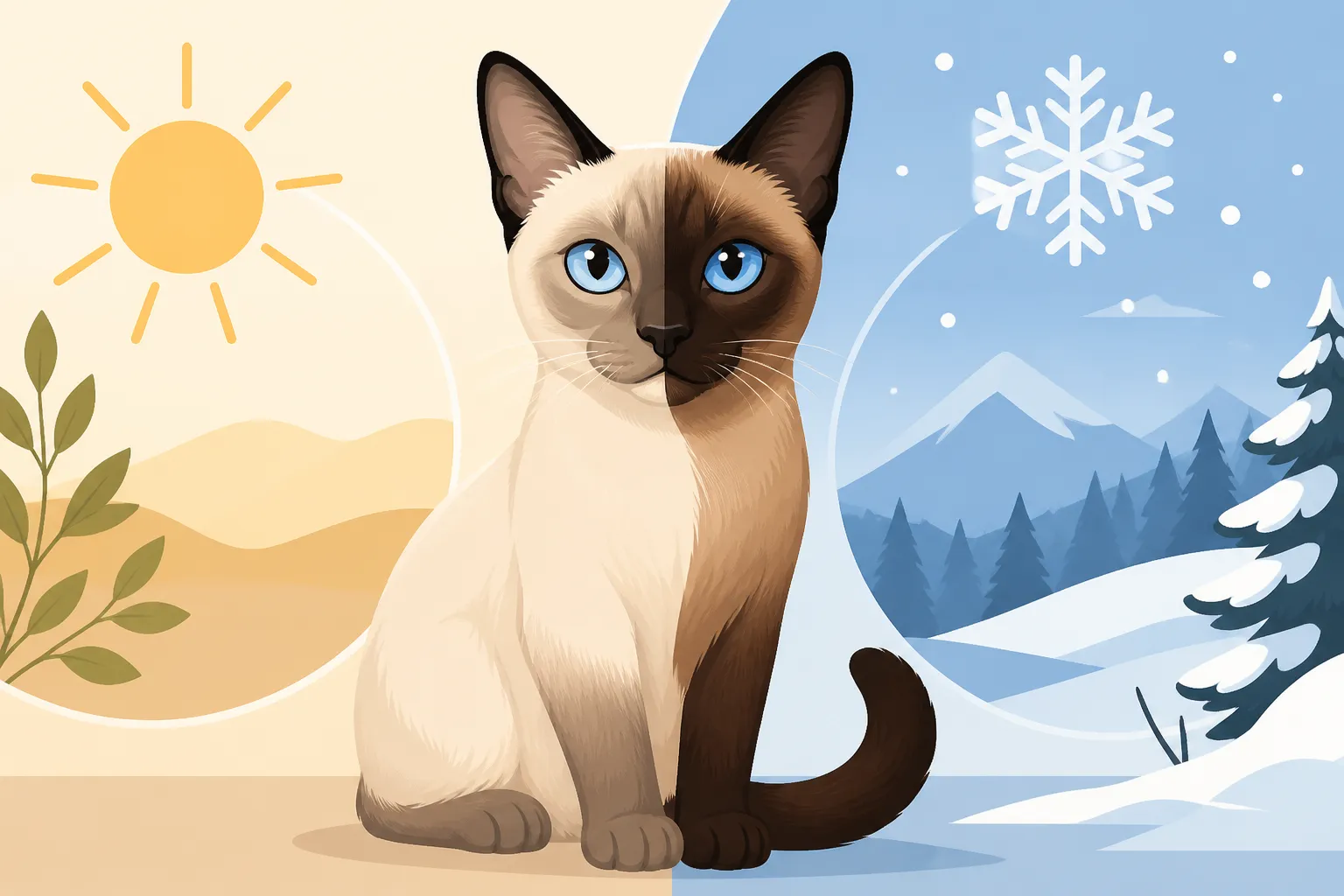
At the heart of a Siamese cat's coloring is a specific genetic mutation that affects the production of melanin, the pigment responsible for hair, skin, and eye color. Specifically, Siamese cats carry a gene that codes for a temperature-sensitive variant of the enzyme tyrosinase. This enzyme is crucial for melanin synthesis. Think of tyrosinase as the painter in charge of applying color to your cat's fur. In most cats, this painter works diligently all over the body, regardless of temperature, resulting in a solid color. But in Siamese cats, this painter is a bit finicky; it only works efficiently in cooler temperatures.
This means that areas of the cat's body that are naturally cooler, like the extremities (ears, paws, tail, and face), are where the tyrosinase enzyme is active, producing melanin and thus dark pigment. The warmer core of the body, however, renders the enzyme largely inactive, preventing pigment production and leaving the fur a lighter, creamy white or fawn. It’s an incredible example of how genetics and environment interact to create such a distinct and beloved breed characteristic. This phenomenon is often referred to as "point coloration" and it's what gives Siamese cats their unmistakable look. Which Gene Makes a Siamese Cat's Points explains this in more detail.
The Mystery of the All-White Kitten
One of the most charming surprises for first-time Siamese owners is discovering that their newborn kittens are almost entirely white or a very pale cream. This might seem counterintuitive given the breed's striking dark points, but it's a direct consequence of that temperature-sensitive tyrosinase enzyme. Imagine a tiny kitten developing inside its mother's womb. The womb is a wonderfully warm, consistent environment, much like a cozy incubator. In this consistently warm setting, the tyrosinase enzyme is inhibited across the entire body of the developing kitten.
Because the enzyme isn't active, no melanin is produced, and the kittens are born without any visible dark points. It’s only once they are born and exposed to the cooler ambient temperatures of the outside world that the tyrosinase enzyme begins to "switch on" in their cooler extremities. Over the first few days and weeks of their lives, those beautiful dark points slowly start to emerge, deepening in color as the kitten grows and adapts to its new environment. It’s a truly magical transformation to witness. Why a Siamese Cat Kitten Is Born White delves deeper into this fascinating birth phenomenon.
Winter's Embrace: Why Colder Air Deepens Their Color
Now that we understand the basic science, the winter darkening of your Siamese's coat starts to make perfect sense. It’s a direct response to the seasonal drop in temperature, activating that clever enzyme more intensely.
Enzyme Activity and the Chill Factor
As the mercury drops outside and the heating struggles to keep up, or even if your cat just finds a favorite cool spot by a window, the cooler air directly impacts the tyrosinase enzyme. When the environmental temperature decreases, the skin temperature in your cat's extremities also drops. This reduction in temperature is precisely what the modified tyrosinase enzyme needs to become more efficient and productive. It starts churning out more melanin pigment in those cooler areas, leading to a noticeable darkening of the points.
It’s not an overnight change, of course. It's a gradual process that reflects sustained exposure to cooler temperatures. You might notice their ears getting a deeper seal brown, their paws becoming more distinctly chocolate, or their tail darkening to a richer blue. This natural variation is part of the Siamese cat's charm and a testament to their unique genetic makeup. It's a sign that their internal thermostat is working exactly as it should, responding to the subtle shifts in their environment.
Beyond the Thermostat: Microclimates in Your Home
While the overall outdoor temperature certainly influences your home's ambient warmth, it's important to remember that your house isn't uniformly heated. There are often "microclimates" within your living space that can contribute to your Siamese's coat darkening. Think about your cat’s favorite napping spots. Do they love to curl up on a cold tile floor in the bathroom? Perhaps they nap near a drafty window, or snuggle in a spot that doesn't get much direct sunlight. These cooler areas, even within a generally warm home, can provide the optimal conditions for increased melanin production.
For example, a Siamese cat who spends a lot of time perched on a windowsill, gazing out at the frosty world, might develop darker points on the side of their face and ears that are exposed to the cooler glass. Similarly, a cat who loves to stretch out on a linoleum kitchen floor will have cooler paws and a belly that might show more darkening compared to a cat who prefers to snooze on a heated blanket all day. This variation within your own home explains why sometimes the darkening might appear uneven or more pronounced in certain areas, depending on your cat’s habits and preferred lounging spots. How Temperature Controls a Siamese Cat's Color provides further context on this fascinating aspect.
Observing the Transformation: A Seasonal Palette
Watching your Siamese cat's coat shift through the seasons is like having a living, breathing work of art that subtly changes its hues. It's a beautiful aspect of their breed that many owners adore.
From Pale Points to Rich Tones
The change isn't just about "darkening"; it's about a deepening and enrichment of their existing point colors. A Seal Point, for instance, might go from a warm, medium brown to an almost black-brown on their points, with their body color also taking on a slightly creamier, richer tone. A Blue Point, known for its cool grey points, might see those points turn a more intense slate, and their body fur can shift from an icy white to a soft, cool grey. For Chocolate Points, the milk chocolate points might become a darker, richer bittersweet chocolate, while Lilac Points, with their delicate pinkish-grey, could transition to a deeper, more pronounced lavender-grey.
It's a subtle but noticeable shift. Many owners find themselves admiring how the colors "pop" more vividly against the lighter body in the colder months. This seasonal change is a truly unique characteristic that sets the Siamese apart and adds another layer of intrigue to their already captivating appearance. The contrast becomes more pronounced, making their piercing blue eyes stand out even more.
Is the Darkening Uniform?
Generally, the darkening effect will be most noticeable and uniform on the well-defined "points" of your Siamese cat – the tips of their ears, their mask (face), paws, and tail. These are the areas consistently cooler than their body core. However, the overall body fur can also take on a slightly darker hue, particularly on the back and sides, as the ambient temperature drops and the enzyme becomes slightly more active even in moderately warm areas. It's usually a more subtle, hazy darkening across the body, rather than the sharply defined points.
Sometimes, the darkening might not appear perfectly uniform across all points, and this is entirely normal. For example, if your cat often sleeps with one ear tucked in and the other exposed, the exposed ear might darken more. Or if they spend a lot of time sitting with their front paws tucked under them while their back paws are exposed, you might see a slight difference. These minor variations simply reflect the minute differences in skin temperature across different parts of their body and their individual habits. It's a dynamic, living canvas.
Aging Gracefully: When Darkening Becomes Permanent
While seasonal changes are fascinating, Siamese cats also experience a more permanent, long-term darkening of their coat as they mature. This is a natural part of their aging process, distinct from the temporary winter shifts.
A Lifetime of Pigment Production
As your Siamese cat gets older, their core body temperature might subtly decrease, or perhaps more accurately, their fur has simply had more cumulative exposure to slightly cooler temperatures over many years. The tyrosinase enzyme, even if only mildly active in the warmer parts of their body, has had a lifetime to produce small amounts of pigment. Over time, these small amounts add up. This results in a gradual, overall darkening of their body fur, not just the points, becoming more pronounced with each passing year.
It's common for an older Siamese cat, say one that's twelve years or older, to have a much darker body color than they did as a kitten or a young adult. A Seal Point, for example, might have a body that has transitioned from a creamy white to a light or even medium brown, effectively reducing the sharp contrast between their points and body. This process is slow and often goes unnoticed day-to-day, but looking back at old photos can reveal just how much their color has changed over their lifespan. Why an Older Siamese Cat's Body Goes Brown covers this beautifully.
Differentiating Age-Related Darkening from Seasonal Shifts
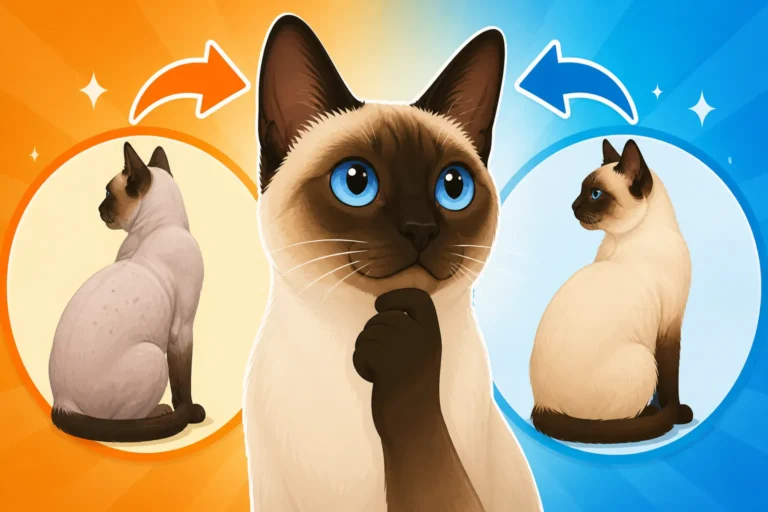
It's important for owners to understand the difference between the temporary, seasonal darkening and the more permanent, age-related shift in coat color. Seasonal darkening is cyclical: it intensifies in winter and tends to lighten again in summer, primarily affecting the points. The body might get a little darker, but it's typically less dramatic and will mostly revert with warmer weather.
Age-related darkening, on the other hand, is a one-way street. It's a continuous process that results in the entire body becoming progressively darker over years, and this change generally doesn't lighten significantly even in the height of summer. An older Siamese might still show seasonal variations on top of their generally darker base color, meaning their already darker points will become even more intense in winter. It’s like their overall canvas gets a deeper base coat as they age, and then the seasonal changes are applied on top of that. This understanding helps you appreciate both the youthful vibrancy and the wise, deeper hues of your aging companion.
Can You Influence Your Siamese's Winter Hue?
Given that temperature is the primary driver of their coat color, many owners wonder if they can influence how dark their Siamese's coat becomes. While you can't fundamentally change their genetics, you can certainly manage their environment.
Creating a Warm Haven: Heated Beds and Cozy Nooks
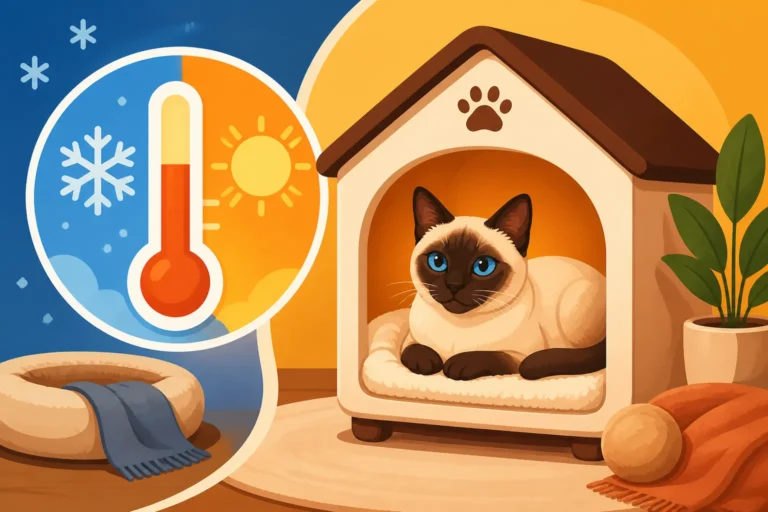
If you prefer your Siamese to stay a little lighter, or if you simply want to ensure they are comfortable in the colder months, creating a warm environment is your best bet. A well-heated home will naturally keep your cat's skin temperature higher, which can reduce the extent of melanin production. Think about investing in a heated cat bed, readily available from retailers like Chewy or Amazon, where they can snuggle up and keep warm. These beds are a godsend for Siamese cats, who are naturally predisposed to seeking out warmth.
Beyond heated beds, consider where your cat spends its time. Provide plenty of soft, warm blankets in their favorite napping spots. Perhaps a cat tree placed away from drafty windows or even a sunny spot where they can bask. Minimizing prolonged exposure to cold surfaces or drafts can make a difference. However, remember that some darkening will always occur if the ambient temperature is cool enough, as it's a natural biological response. The goal isn't necessarily to prevent darkening, but to ensure your cat is comfortable. Keeping a Siamese Cat Warm offers more insights into making your home cozy for your meezer.
The Myth of Diet and Coat Color
It’s a common misconception that diet can significantly alter a Siamese cat's natural point coloration. While a high-quality, balanced diet is absolutely essential for your cat's overall health, coat shine, and skin condition, it does not directly influence the genetically determined, temperature-sensitive pigment production. There isn't a magical food or supplement that will make their points lighter or prevent seasonal darkening. The tyrosinase enzyme's activity is primarily governed by temperature, not by the nutrients they consume.
However, a cat on a poor diet might have a dull, unhealthy coat that appears less vibrant, regardless of its color. So, while nutrition won't change the underlying mechanism of point coloration, it will ensure their coat is as healthy and shiny as possible, allowing their natural colors to truly stand out. Always choose a reputable cat food that provides complete and balanced nutrition, discussing any dietary concerns with your vet.
The Health Connection: What Color Changes Tell Us
The darkening of a Siamese cat's coat is almost always a normal, healthy process. However, it's natural for owners to wonder if any significant or unusual changes could indicate an underlying health issue.
Normal Variation vs. Concerning Shifts
For the vast majority of Siamese cats, the seasonal deepening of their points and the gradual darkening with age are completely normal and healthy genetic traits. You should expect these changes and embrace them as part of your cat's unique beauty. A well-cared-for Siamese will have a sleek, shiny coat, regardless of its exact shade.
However, any sudden, drastic, or patchy changes in coat color, especially if accompanied by other symptoms like skin irritation, hair loss (beyond normal shedding), dullness, or changes in behavior or appetite, should warrant a visit to your veterinarian. While not typically related to the pigment gene, conditions like thyroid issues, nutritional deficiencies, or certain skin conditions could theoretically affect coat quality and appearance. For instance, a shaved patch after surgery will often grow back darker initially due to the skin being cooler, but this is a localized and temporary phenomenon. The Shaved Patch That Grows Back Dark on a Siamese Cat details this specific occurrence. Always trust your instincts: if something about your cat's coat or health feels "off," it's always best to consult a professional.
The Unaffected Health of a Well-Pointed Cat
The genetic mutation that gives the Siamese its distinctive point coloration is generally benign and does not negatively impact the cat's overall health or lifespan. In fact, point coloration is often linked to the blue eyes and sometimes the tendency for crossed eyes (strabismus) that are also characteristic of the breed, but these are generally considered cosmetic traits rather than significant health detriments in modern Siamese lines. The mechanism of color change itself is a beautifully adapted biological function, not a pathology.
So, rest assured that your Siamese cat's winter darkening is a testament to their genetic heritage and a normal, healthy response to their environment. It’s part of what makes them so special. Their health and well-being are far more dependent on proper nutrition, regular veterinary care, a stimulating environment, and plenty of love, rather than the exact shade of their points. How Healthy the Siamese Cat Actually Is provides a broader look at the breed's general health profile.
Embracing the Beauty: A Living Work of Art
Ultimately, the changing coat color of your Siamese cat is one of their most unique and captivating features. It's a characteristic that makes them stand out and adds to their mystique.
Each Winter, a Unique Canvas
Every Siamese cat is an individual, and while the genetic principle of temperature-sensitive tyrosinase applies to all of them, the exact shades and the extent of darkening can vary from cat to cat. Factors such as their specific point color (Seal, Blue, Chocolate, Lilac), their individual genetics, their age, and even their lifestyle choices (do they love a cool windowsill or a heated bed?) all contribute to their unique "winter coat."
This means that your Siamese cat's appearance is always subtly evolving. Each winter brings a new rendition of their classic beauty, a slightly different palette of deep, rich tones that are a joy to behold. It’s a gentle reminder of the natural cycles of the year and the exquisite adaptability of nature. Rather than being a fixed portrait, your Siamese is a dynamic, living work of art that changes with the seasons.
Celebrating the Siamese's Distinctive Trait
Far from being a problem to be fixed, the winter darkening of a Siamese cat's coat is a celebrated aspect of the breed. It’s a hallmark of their elegance and distinctiveness. It connects them to their ancient origins and the genetic lottery that gave them such a memorable appearance.
Embrace these changes, observe the nuances, and celebrate the fact that your Siamese cat carries such a unique and visually stunning genetic trait. It’s another reason why these vocal, intelligent, and affectionate companions are so utterly captivating. So, next time you notice your Siamese's points deepening as the temperatures drop, you'll know exactly why, and you can appreciate the intricate science behind their seasonal splendor. What a Siamese Cat's Coat Feels Like further describes the tactile experience of their beautiful fur.
Here’s a quick overview of what influences your Siamese cat’s coat color:
| Factor | Effect on Coat Color | Reversible? |
|---|---|---|
| Cold Temperatures | Darkens points (ears, paws, tail, face) | Yes, generally lightens with warmer temperatures |
| Warm Temperatures | Lightens points | Yes, generally darkens with cooler temperatures |
| Aging | Gradual overall body darkening, even outside points | Generally no, this is a cumulative effect |
| Shaving/Injury | Fur grows back darker in the shaved area | Yes, over time, can fade back to original shade with sustained warmth |
| Genetics | Determines ability to produce pigment (always present) | No, this is an inherent trait of the breed |
| Diet | Affects coat health and shine, but not pigment production | Indirectly, a healthy coat looks better, but color mechanism is unchanged |
Disclaimer
This article is for general informational purposes only and does not constitute professional advice. Laws, prices and regulations vary by location and change over time. Consult a qualified professional for guidance on your specific situation.