How Much an Adult Siamese Cat Eats
It's a common dilemma for us Siamese cat parents: you look at your lean, lanky Meezer, who seems to eat everything and still looks like they've missed a few meals, and you start to wonder if you're actually feeding them enough. Or perhaps your vocal companion is constantly demanding food, making you question if their hunger is genuine or just part of their charming, insistent personality. This guide is here to demystify the dietary needs of adult Siamese cats, helping you understand their unique metabolism and how to feed them appropriately to keep them healthy and happy.
Understanding the Siamese Cat Metabolism and Energy Needs
Siamese cats are truly special, and their bodies reflect their vibrant personalities. Unlike some other breeds, they aren't built for bulk; they're designed for agility, speed, and constant engagement. This inherent athleticism significantly influences how much food they need.
The Siamese Cat's High-Energy Lifestyle
If you've ever shared your home with a Siamese, you know they are not content to be mere couch potatoes. These are cats with a capital "C" for Curiosity and Constant Motion. They love to explore, climb to the highest perches, chase imaginary (or real) prey through the house, and engage in lengthy, often loud, conversations with their humans. All this activity isn't just endearing; it's a calorie burner.
Think about a typical day: your Siamese might start with a morning zoomie session, tearing from one end of the house to the other, followed by a vigorous play session with a feather wand. Then, there's the intense observation of birds outside the window, perhaps a vocal debate about the exact contents of their food bowl, and another round of play later in the evening. This isn't passive living; it's an active, high-octane existence that demands fuel. Compared to a more placid, less active breed, a Siamese cat's energy expenditure can be significantly higher, meaning their food intake needs to match this dynamic lifestyle.
Why a Siamese Cat Burns Calories Fast
The lean, svelte physique of a Siamese cat isn't just for aesthetics; it's a testament to their efficient metabolism. These cats typically have a high muscle-to-fat ratio, which contributes to their naturally slender appearance. Muscle tissue burns more calories at rest than fat tissue does, meaning your Siamese is constantly operating at a higher metabolic rate even when they appear to be napping. It's why many owners might comment Why a Siamese Cat Feels Bony even when their feline friend is perfectly healthy.
Their genetic makeup predisposes them to this faster metabolism, meaning they process food and convert it into energy more quickly. It's not uncommon for a Siamese to appear perpetually hungry, a characteristic that can sometimes lead owners to worry they're not feeding enough. While some of this is certainly their "talkative" nature, much of it truly stems from their physical need to replenish their energy stores due to their high metabolism. This fast burn makes consistent, appropriate feeding crucial to avoid unintentional weight loss or muscle wasting. Why a Siamese Cat Burns Calories Fast is simply how they're built.
Factors Influencing Individual Calorie Requirements
While Siamese cats generally have higher energy needs, it's important to remember that every cat is an individual. Several factors play a significant role in determining their precise daily calorie intake. Age is a huge one; a growing kitten, for instance, will require substantially more calories per pound of body weight than a sedentary senior cat. Young adult Siamese are often at their peak activity and metabolic rates.
Activity level within the adult stage also matters. A Siamese who has constant access to stimulating toys, cat trees, and perhaps a catio for outdoor exploration will burn more calories than one who spends more time napping. Whether your cat is spayed or neutered also impacts their metabolism; fixed cats generally have lower caloric needs due to hormonal changes, making it easier for them to gain weight if their food isn't adjusted. Lastly, underlying health conditions, such as hyperthyroidism, can dramatically increase a cat's metabolic rate and, consequently, their hunger and caloric demands. A sudden increase in appetite coupled with weight loss should always prompt a vet visit to rule out medical issues. Hyperthyroidism in an Older Siamese Cat is one such condition that can manifest this way.
Deciphering Food Labels and Calorie Content
Navigating the world of cat food can feel like reading a foreign language, especially when you're trying to figure out the exact amount to feed your high-energy Siamese. The key is to look beyond generic serving suggestions and understand the actual nutritional information provided on the packaging.
The Importance of Calorie Density
Not all cat foods are created equal, and their calorie density – the number of calories per unit of food – can vary wildly. Dry kibble, for example, is generally much more calorie-dense than wet food. A single cup of premium dry kibble might contain significantly more calories than a large can of wet food, even if the volumes appear similar. This is why simply measuring "a cup" of food isn't sufficient; you need to know the kcal (kilocalorie) content.
Most quality cat food brands will list the caloric content on their packaging, often as "kcal/kg," "kcal/cup," or "kcal/can." This number is your golden ticket to precise feeding. Without understanding calorie density, it's very easy to either underfeed your active Siamese, leaving them perpetually hungry and potentially losing weight, or accidentally overfeed them, leading to gradual weight gain, especially as they age or their activity levels decrease. Prioritizing calorie density helps ensure you're providing the right amount of energy for their unique needs.
Understanding "Guaranteed Analysis" and Ingredients
While calorie count tells you how much energy is in the food, the "Guaranteed Analysis" and ingredient list tell you where that energy is coming from. For a lean, muscular breed like the Siamese, a diet rich in high-quality animal protein is paramount. Look for protein percentages, usually listed as a minimum. Cats are obligate carnivores, meaning their bodies are designed to thrive on meat.
The ingredient list will show you the actual components, in descending order by weight. Aim for real meat (chicken, turkey, beef, fish) as the first few ingredients, not fillers like corn or soy, or excessive plant proteins. By-products can be fine if they're from specified animals (e.g., "chicken by-product meal"), but generic "meat by-products" are less ideal. Understanding this analysis helps you select food that supports their lean muscle mass and overall vitality. When looking for good quality food, you can find a vast selection on Chewy, often with detailed nutritional information to help you compare. Which Food Suits a Siamese Cat often comes down to this close examination.
Calculating Daily Food Intake
Once you have the calorie density of your chosen food and a general idea of your cat's daily caloric needs (which your vet can help you estimate), calculating daily food intake becomes straightforward. Let's say your 8-pound adult Siamese needs approximately 200-250 kcal per day (a common starting point, but highly variable). If your dry kibble states it has 400 kcal per cup, you would need to feed about half a cup per day.
For wet food, if a 5.5 oz can contains 150 kcal, you'd feed roughly 1.5 cans to reach 225 kcal. It's a simple math equation, but it requires diligent reading of labels and consistency. Always remember that the feeding guidelines on the bag or can are averages and starting points; they don't account for your specific cat's unique activity level, metabolism, or exact body condition. Treat these guidelines as a suggestion, not a strict rule, and be prepared to adjust based on how your Siamese is actually doing.
Practical Feeding Strategies for a Siamese Cat
Siamese cats are smart, vocal, and can be quite demanding when it comes to food. Implementing effective feeding strategies isn't just about nutrition; it's also about managing their strong personalities and preventing undesirable behaviors.
Free-Feeding vs. Portion Control
The debate between free-feeding (leaving food out all the time) and portion control (scheduled meals) is ongoing, but for a Siamese cat, portion control often wins out. While a high-energy Siamese might burn off excess calories from free-feeding in their younger years, many can still become overweight, especially as they get older or their activity dips. Plus, free-feeding can exacerbate issues like scarf-and-barf, food aggression (especially in multi-cat households), or simply constant begging as they graze throughout the day.
Portion control, on the other hand, allows you to precisely measure their caloric intake, which is essential for managing their weight and ensuring they get adequate nutrition without overdoing it. It also helps establish a routine, which many Siamese cats actually thrive on. They learn when to expect food, making their mealtime demands more predictable. How Free Feeding Works for a Siamese Cat can be tempting, but it's often not the best long-term solution for this intelligent and food-motivated breed.
How Many Meals a Day a Siamese Cat Needs
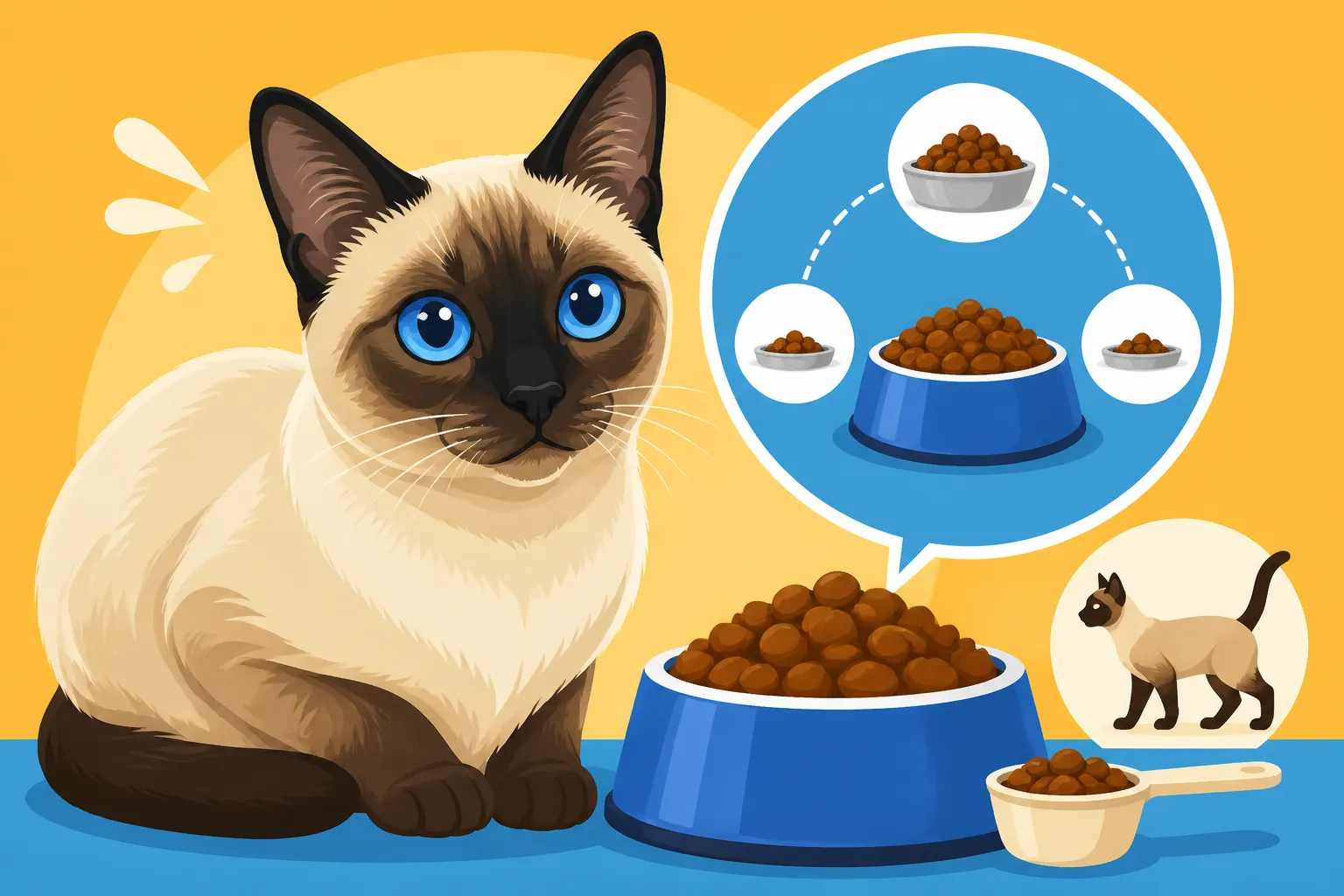
Cats in the wild are natural hunters who eat many small meals throughout the day, rather than one or two large ones. Mimicking this natural pattern can be highly beneficial for a Siamese. Instead of two large meals, consider breaking their daily caloric intake into three, four, or even five smaller meals. This approach has several advantages.
Firstly, it keeps their energy levels more stable throughout the day, preventing those "hangry" moments that can lead to excessive meowing or disruptive behavior. Secondly, it can help prevent a single meal from being eaten too quickly, which can sometimes lead to vomiting. Third, it provides more interaction opportunities and mental stimulation for a breed that craves attention. Automated feeders, widely available on sites like Amazon, can be incredibly helpful for managing these multiple small meals, especially if you work long hours or want to feed them in the middle of the night without waking up.
Managing the "Always Hungry" Siamese
Ah, the eternally "starving" Siamese! Their theatrical meows and persistent attempts to get your attention near the food bowl can be incredibly persuasive. But often, their "hunger" isn't purely physical; it's also a quest for interaction, mental stimulation, or a symptom of boredom. This is where enrichment plays a huge role.
Invest in puzzle feeders or slow-feeder bowls, which make your cat work for their food. This not only slows down their eating but also provides valuable mental engagement, tapping into their hunting instincts. Many fantastic options can be found on Chewy or Amazon. Schedule regular, interactive play sessions with toys that mimic prey, like feather wands or laser pointers. A tired cat is often a less "hungry" cat (at least for attention!). Distract them with affection, a grooming session, or a new toy when they start their food demands outside of meal times. Sometimes, what they're truly asking for isn't more food, but more you. Whether a Puzzle Feeder Occupies a Siamese Cat is often a resounding yes!
Monitoring Your Siamese Cat's Weight and Health
Even with careful feeding, monitoring your Siamese cat's weight and overall health is crucial. Their lean build can sometimes make it tricky to discern if they're at an ideal weight or if they're slowly gaining or losing too much.
Ideal Weight and Body Condition Score
The "ideal" weight for an adult Siamese cat can vary widely, typically ranging from 6 to 12 pounds, depending on their sex and individual frame. However, simply looking at a number on the scale isn't always enough. A more accurate assessment comes from evaluating their Body Condition Score (BCS), which involves feeling their ribs, spine, and waistline.
A healthy Siamese should have easily palpable ribs (you should feel them, but they shouldn't protrude sharply), a visible waist when viewed from above, and a tucked-up abdomen when viewed from the side. They should look sleek and athletic, not bony or portly. If their ribs are difficult to feel without pressing, or if they have no discernible waist, they might be carrying extra weight. Conversely, if their ribs, spine, and hip bones are very prominent, they might be underweight. Getting familiar with their healthy physique is key. What a Healthy Siamese Cat Weighs is about more than just numbers; it's about shape and feel.
Signs of Under- or Over-Feeding
Being observant of your cat's physical condition and behavior can provide vital clues about their feeding. If your Siamese is underfed, you might notice them becoming excessively vocal about food, constantly seeking out scraps, or displaying a dull, dry coat. They might seem lethargic, or, conversely, become overly restless as their body searches for energy. Persistent weight loss despite an apparent appetite is a significant red flag and warrants a vet visit immediately.
On the other hand, signs of overfeeding might be more subtle at first. A slight rounding of the belly, ribs that are harder to feel, or a less defined waistline are early indicators. They might become less agile, struggle with jumping, or simply seem a bit more sluggish. While Siamese cats are generally very active, even they can How Easily a Siamese Cat Gets Fat if their caloric intake consistently exceeds their expenditure. Keep an eye on their energy levels during play and their general enthusiasm for life.
When to Consult Your Veterinarian
Your veterinarian is your best partner in ensuring your Siamese cat's optimal health and nutrition. If you've been diligently monitoring their weight and making adjustments to their food, but they are still consistently underweight, overweight, or showing sudden, unexplained changes in appetite or body condition, it's absolutely time for a professional check-up.
Persistent weight loss, even with a seemingly good appetite, could indicate underlying medical conditions such as hyperthyroidism, kidney issues, or even Dental Disease in a Siamese Cat which makes eating painful. Similarly, unexplained weight gain could point to hormonal imbalances or other health concerns. Your vet can perform a thorough examination, run diagnostic tests if needed, and help you calculate your cat's ideal daily caloric intake based on their specific health status, age, and activity level. They can also recommend appropriate food choices or specialized diets if necessary, taking the guesswork out of feeding.
Choosing the Right Food Type for Your Siamese
The sheer variety of cat food on the market can be overwhelming. Dry kibble, wet food, raw, fresh, prescription diets – how do you choose what's best for your Siamese? It largely comes down to understanding the benefits and drawbacks of each type and how they align with your cat's specific needs and your lifestyle.
Wet Food vs. Dry Food: The Hydration Factor
Many experts advocate for a diet that includes a significant portion of wet food for cats, and Siamese are no exception. Cats are not naturally driven to drink large quantities of water, relying instead on the moisture content of their prey in the wild. Dry kibble, by its nature, is very low in moisture (typically 5-10%), whereas wet food contains about 70-80% water.
Incorporating wet food into your Siamese's diet significantly boosts their daily hydration. This is crucial for overall health, particularly for supporting kidney and urinary tract function. Adequate hydration can help prevent common feline issues like urinary crystals or kidney disease, especially as cats age. While dry food offers convenience and can be great for dental health (though not a substitute for brushing!), a blend of both wet and dry, or predominantly wet, often provides the best balance. Consider if Whether a Siamese Cat Needs Wet Food might be beneficial for your furry friend's long-term health.
Exploring Raw and Fresh Food Options
In recent years, there's been a growing interest in feeding cats raw or fresh, gently cooked diets. Proponents argue that these diets are closer to a cat's ancestral diet, offering highly digestible, unprocessed nutrition. Fresh food delivery services bring human-grade cat food directly to your door, often tailored to your cat's specific profile. These diets can be rich in high-quality protein and moisture, which, as we've discussed, is ideal for a Siamese.
However, raw and fresh diets require careful consideration. Nutritional completeness and safety are paramount. Raw diets, in particular, must be meticulously balanced to ensure all essential nutrients are present and prepared with strict hygiene to avoid bacterial contamination. If you're considering a raw or fresh food diet, it's highly recommended to consult with a veterinary nutritionist to ensure it's balanced and safe for your Siamese. While potentially beneficial, it's a commitment that requires research and careful execution.
Specialized Diets and Supplements
Sometimes, due to specific health conditions or life stages, a Siamese cat might benefit from a specialized diet or supplements. For instance, cats with sensitive stomachs might need a limited ingredient diet, while those with diagnosed kidney issues might require a prescription kidney-support diet that is lower in phosphorus and protein. Older Siamese cats may benefit from foods formulated for seniors, which often have different nutrient profiles to support aging joints and cognitive function.
Supplements, such as omega-3 fatty acids for skin and coat health, or glucosamine for joint support, might also be recommended by your vet. However, it's crucial never to embark on a specialized diet or introduce supplements without veterinary guidance. Over-supplementation can be just as harmful as deficiency, and a diet formulated for one condition might negatively impact another aspect of your cat's health. Always have a discussion with your vet about your Siamese's specific needs before making drastic dietary changes.
Common Feeding Mistakes to Avoid
Even the most well-intentioned Siamese cat owner can fall prey to common feeding pitfalls. Avoiding these mistakes can make a big difference in your cat's long-term health and well-being.
Ignoring Calorie Count
One of the biggest mistakes I see owners make is blindly following the feeding instructions on a bag of kibble or can of wet food without considering the actual calorie count. As we discussed earlier, calorie density varies significantly between brands and food types. A generic guideline of "feed X cups for a 10lb cat" might lead to overfeeding if your chosen brand is calorie-dense, or underfeeding if it's not.
For a Siamese, whose metabolism is uniquely active and whose persuasive meows can convince you they're always starving, this can be particularly problematic. Always take the time to find the kcal per serving information and do the math based on your cat's individual needs. If that information isn't readily available on the packaging, look it up on the manufacturer's website. This small step can prevent a lot of frustration and keep your Siamese at their ideal weight.
Over-Reliance on Treats
It's so tempting to spoil our beloved Siamese companions with treats, especially when they've been good (or even when they haven't!). However, treats are often calorie-dense and provide minimal nutritional value compared to their regular food. An over-reliance on treats can quickly add empty calories to their diet, contributing to weight gain and potentially unbalancing their overall nutrition.
Think of treats as occasional rewards, not a significant portion of their daily intake. As a general rule, treats should make up no more than 10% of your cat's daily caloric intake. If you're using treats for training, consider breaking them into tiny pieces or using a portion of their regular kibble as a reward. This way, you're not adding unnecessary calories or disrupting their main meal plan.
Frequent Food Changes
While variety might be the spice of life for humans, it's often a recipe for digestive upset for cats. A Siamese cat's digestive system, like most felines, can be quite sensitive to sudden changes in diet. Switching foods frequently, or abruptly, can lead to issues like vomiting, diarrhea, or a refusal to eat.
If you do need to change your Siamese's food – perhaps due to a life stage change, a new health requirement, or a change in availability – always do so gradually. Start by mixing a small amount of the new food with their old food, gradually increasing the proportion of the new food over a period of 7 to 10 days. This allows their digestive system to adjust slowly, minimizing the chances of gastrointestinal distress. Consistency in their diet, once a suitable food is found, is generally best for their health and happiness.
Here's a quick look at common feeding strategies for your Siamese:
| Strategy | Description | Pros | Cons |
|---|---|---|---|
| Free-Feeding | Food left out 24/7. | Convenient for owner; allows cat to eat on demand. | Risk of overeating/obesity; can lead to constant begging; difficult to monitor intake in multi-cat homes; food can spoil. |
| Scheduled Meals | Portioned food given at specific times (e.g., 2-4 times/day). | Precise portion control; easier weight management; establishes routine; allows monitoring of appetite. | Requires owner presence/automated feeder; cat may beg between meals; can be difficult if schedule is inconsistent. |
| Puzzle Feeders | Food dispensed as cat interacts with a puzzle toy. | Provides mental stimulation; slows eating; taps into natural hunting instincts; helps manage boredom. | Can be messy; some cats may find them frustrating; not all cats will adapt to them; still needs portion control. |
| Wet Food Predominant | Diet consists mostly of canned/pouch food. | Excellent hydration; typically lower in carbohydrates; palatable; good for urinary/kidney health. | More expensive; food spoils quickly if left out; might not provide dental abrasion benefits of kibble. |
| Dry Food Predominant | Diet consists mostly of kibble. | Convenient; less expensive; good for dental abrasion; can be left out longer without spoilage. | Low moisture content; often higher in carbohydrates; can contribute to dehydration if cat doesn't drink enough water. |
Disclaimer
This article is for general informational purposes only and does not constitute professional advice. Laws, prices and regulations vary by location and change over time. Consult a qualified professional for guidance on your specific situation.