How Many Meals a Day a Siamese Cat Needs
One of the most common worries I hear from fellow Siamese cat parents is about feeding. These elegant, energetic furballs seem to be perpetually hungry, and it can be truly bewildering to figure out just how many meals a day they really need without turning them into a portly pillow or leaving them feeling perpetually famished. This guide will walk you through the nuances of feeding your vocal, active Siamese, helping you establish a routine that keeps them healthy, happy, and well-fed.
Understanding the Siamese Cat's Unique Metabolism and Activity Level
Siamese cats aren't just beautiful; they're also bundles of high-octane energy with a metabolism that can sometimes feel like it's running on rocket fuel. This isn't just a quirky trait; it has real implications for how we approach their daily nutrition and meal scheduling.
Why Siamese Cats Seem to Burn Calories So Fast
Have you ever watched your Siamese zip from one end of the house to the other, scale a cat tree in seconds, and then proceed to "talk" your ear off for another ten minutes? It's exhausting just watching them! This breed is renowned for its intense activity levels. They're not content to simply lounge all day; they're explorers, conversationalists, and often, little athletes. All that energy expenditure means they're constantly burning calories, often at a rate higher than many other, more sedate cat breeds. It's why many Siamese owners often marvel at Why a Siamese Cat Stays So Thin despite what seems like a healthy appetite. They’re simply always doing something, and that something requires fuel.
Think of it like a high-performance sports car versus a sedan. Both need fuel, but the sports car burns through it quicker during its high-speed maneuvers. Your Siamese is that sports car, constantly revving its engine. Their lean, muscular build and constant engagement with their environment contribute significantly to their higher metabolic rate. They're often on the go, playing, jumping, and investigating every corner of their domain. This isn't just physical activity either; their highly intelligent and curious nature means they're mentally engaged, which also expends energy.
The Impact of Their High Energy on Nutritional Needs
Because they're burning through calories at such a pace, the nutritional needs of a Siamese cat can be surprisingly demanding. They require a diet that is not only high in quality but also appropriately portioned to meet their energy output. A diet that might be perfectly adequate for a more placid Persian could leave a Siamese feeling unsatisfied, leading to excessive meowing, or worse, actually losing weight over time. You don't want to find yourself dealing with Feeding a Lean Siamese Cat That Burns Everything and constantly worrying if they're getting enough.
Their diet needs to support muscle maintenance, provide sustained energy for their daily adventures, and keep their coat shiny and healthy. This often means a food rich in animal-based protein, healthy fats, and essential vitamins and minerals. Providing consistent, high-quality fuel is paramount. If their energy demands aren't met, you might notice them becoming restless, vocalizing even more than usual (which is saying something for a Siamese!), or constantly seeking out food, even if they just ate. It’s a delicate balance, and getting it right is key to their overall well-being.
The Great Debate: Free Feeding vs. Scheduled Meals
When it comes to feeding our feline friends, there are two main camps: free feeding and scheduled meals. For a Siamese cat, the choice between these can have a significant impact on their health, behavior, and your sanity!
The Lure and Pitfalls of Free Feeding for a Siamese Cat
Free feeding, where food is left out all day for your cat to graze on as they please, sounds wonderful in theory, doesn't it? No more frantic meows at dinner time, no strict schedule to adhere to. For some cats, particularly those who are self-regulating and not prone to overeating, it can work. However, for many Siamese cats, free feeding comes with a whole host of potential issues.
Firstly, Siamese cats are often very food-motivated. The constant availability of food can lead to overeating, which, despite their high metabolism, can still result in unhealthy weight gain over time. An overweight Siamese is an oxymoron to many, but it can happen, especially as they age or if their activity levels dip. This also makes it incredibly difficult to monitor their actual food intake, which is crucial for catching early signs of illness where appetite changes are often the first clue. Imagine trying to figure out How Many Calories a Siamese Cat Needs a Day when they're just picking at a bowl all day.
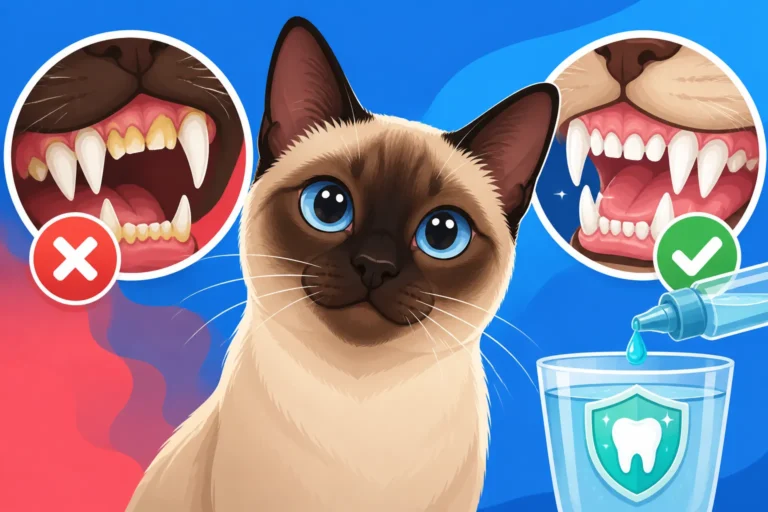
Secondly, free feeding dry kibble can be problematic for dental health and hydration. While some dry foods are marketed for dental benefits, many contribute to plaque and tartar buildup. More importantly, cats, especially Siamese, often don't drink enough water to compensate for a primarily dry diet, potentially leading to urinary tract issues down the line. Finally, in a multi-cat household, free feeding can lead to resource guarding or one cat monopolizing the food, leaving others underfed. It's an easy path for owners, but not always the best one for the cats themselves.
The Structure and Benefits of Scheduled Meal Times
Scheduled meal times, on the other hand, involve offering food at specific intervals throughout the day and then removing any uneaten portions after a set amount of time. This method offers numerous benefits, especially for an intelligent and routine-loving breed like the Siamese.
First and foremost, scheduled feeding allows for precise portion control. You know exactly How Much Food a Siamese Cat Gets Per Meal, ensuring they're consuming the right amount of calories for their age, weight, and activity level. This is vital for maintaining What a Siamese Cat Should Weigh and preventing both obesity and malnourishment. It also creates a predictable routine, which Siamese cats often thrive on. They are creatures of habit and knowing when to expect their meals can reduce anxiety and excessive begging between feedings. This structure also strengthens the bond between you and your cat, as you become the reliable provider of their sustenance.
Beyond weight management, scheduled meals make it easier to monitor their appetite. If your Siamese suddenly turns up their nose at a meal or leaves a significant amount behind, you'll notice immediately, which can be an early indicator of a health issue. It also allows for the inclusion of wet food, which provides essential hydration and can be more palatable. For those who need to administer medication with food, scheduled meals are indispensable. Finally, for multi-cat homes, scheduled feeding with individual bowls can prevent one cat from overeating or another from being pushed away.
Here’s a quick comparison of the two methods:
| Feature | Free Feeding (Siamese Cat) | Scheduled Feeding (Siamese Cat) |
|---|---|---|
| Convenience | High for owner | Requires owner presence/routine |
| Weight Control | Difficult, risk of overeating/obesity | Excellent, easy to monitor and adjust |
| Appetite Monitoring | Difficult to detect changes | Easy to detect changes, early illness indicator |
| Hydration | Lower, often associated with dry food only | Higher, encourages wet food and water intake |
| Behavior | Can lead to incessant begging, resource guarding | Establishes routine, reduces anxiety, strengthens bond |
| Dental Health | Can contribute to plaque (dry food) | Can incorporate wet food for better overall health |
| Multi-Cat Homes | Prone to unequal consumption | Easier to ensure each cat gets their fair share |
Determining the Ideal Number of Meals Per Day
There's no one-size-fits-all answer to how many meals your Siamese needs, but by considering a few key factors, you can tailor a schedule that's perfect for your individual cat.
Factors Influencing Your Siamese Cat's Feeding Schedule (Age, Activity, Health)
Several elements come into play when deciding on a feeding frequency. The first is age. Kittens have tiny tummies and incredibly high energy demands, so they need to eat more frequently than adults. As they mature, their metabolic rate stabilizes a bit. Senior cats, while perhaps less active, might benefit from smaller, more frequent meals due to potential dental issues, digestion changes, or underlying health conditions.
Activity level is another huge factor. A Siamese who spends hours chasing toys, climbing cat trees, and engaging in energetic play will naturally require more fuel than one who enjoys a more leisurely pace, even within the breed. Observe your cat's daily routine. Are they constantly on the move, or do they have extended nap sessions?
Finally, health status is critical. Cats with certain medical conditions, such as hyperthyroidism (which often makes them burn calories at an even faster rate), diabetes, or kidney disease, may require specific dietary management and meal frequencies as advised by a vet. For example, Hyperthyroidism in an Older Siamese Cat can dramatically increase appetite and metabolism, requiring more frequent, measured meals. Always consult your veterinarian if your Siamese has any health concerns that might impact their diet.
Common Recommendations for Adult Siamese Cats
For most healthy adult Siamese cats, two to three meals per day is generally an excellent starting point. This schedule allows them to receive adequate nutrition throughout the day without long stretches of hunger.
- Two Meals a Day: This is often the most common and manageable schedule for many owners. One meal in the morning, and one in the evening. This works well for cats who eat their full portion at each sitting and don't experience significant hunger pangs between meals. It's often the easiest to integrate into a human schedule.
- Three Meals a Day: For particularly active Siamese, those who seem to get "hangry" between meals, or those who benefit from smaller, more frequent portions (perhaps due to a sensitive stomach or if you're trying to manage weight), three meals can be ideal. Think breakfast, lunch, and dinner, or even breakfast, early afternoon, and evening. This can mimic a cat's natural hunting patterns more closely, where they might catch several small meals throughout the day.
- Four or More Smaller Meals: While less common for adults without specific medical needs, some Siamese thrive on even smaller, more frequent meals, especially if you use an automatic feeder. This can help keep their blood sugar stable and prevent overeating by providing just enough to satisfy them at each interval.
The key is to divide their total daily caloric intake across these meals. You determine this by knowing How Many Calories a Siamese Cat Needs a Day and then splitting that amount.
Special Considerations for Kittens and Seniors
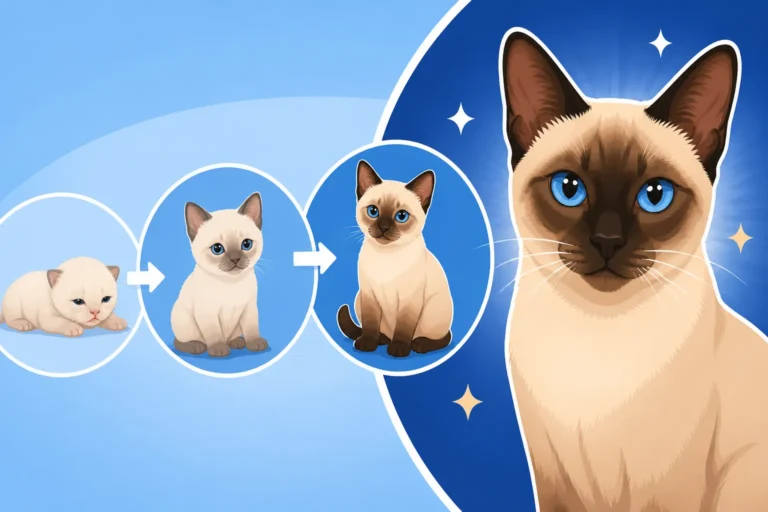
Siamese Kittens: These little dynamos are growing rapidly and have incredibly high energy needs. Their tiny stomachs can't hold much food at once, so they need frequent refueling. Kittens typically need three to four meals per day until they are around six months old. After six months, you can gradually transition them to two or three meals daily. Always ensure they have access to fresh water. What a Siamese Cat Kitten Should Eat will focus on their specific dietary needs, but frequency is just as important.
Senior Siamese Cats: As your Siamese gracefully enters their golden years (typically around 10-12 years old, though some stay spry much longer!), their needs might shift. While their activity may decrease, leading to fewer overall calories, some seniors can benefit from three or four smaller, more easily digestible meals spread throughout the day. This can be particularly helpful if they have dental issues (making large meals uncomfortable), kidney disease (where consistent hydration and specific diets are important, as discussed in Kidney Disease in an Older Siamese Cat), or simply prefer smaller portions. Monitoring their weight and appetite becomes even more critical in these years, and adjusting meal frequency can support better digestion and nutrient absorption. Don't forget their comfort either; an older cat might not want to wait as long for food.
Implementing a Successful Feeding Schedule
So, you've decided on a feeding schedule. Now comes the practical part: putting it into action! It's not always smooth sailing, especially with a clever and often demanding Siamese.
Transitioning Your Siamese Cat to a New Routine
Cats are creatures of habit, and Siamese cats, with their strong personalities, can be particularly resistant to change. If you're switching from free feeding to scheduled meals, or even just adjusting the timing of existing meals, patience is your best friend.
Start by making gradual changes. Don't just remove the food bowl cold turkey. Instead, over a week or two, begin to offer food at roughly the new desired meal times, leaving it down for a slightly shorter period each day. Slowly decrease the amount of free-fed food while increasing the amount at scheduled times. Your cat might protest, and believe me, a Siamese protest is something to behold – the meows, the vocalizations, the theatrics! But consistency is key. They will eventually learn the new routine.
During this transition, try to keep other routines consistent to minimize overall stress. Engage them in playtime just before meals to help burn off some energy and stimulate their appetite. Positive reinforcement, like praise and gentle petting after they eat, can also help them associate the new schedule with good things. Remember, the goal is to create a sense of predictability and security around food.
Tools and Strategies for Consistent Mealtimes
Making your feeding schedule consistent is much easier with the right tools and a bit of strategy.
- Automatic Feeders: These can be a lifesaver, especially if your schedule is erratic or if you want to provide smaller, more frequent meals throughout the day while you're at work. Many models allow you to program precise meal times and portion sizes. Some even come with voice recorders so your cat hears your voice calling them to dinner! Brands like those found on Amazon or Chewy offer a wide range of options, from basic gravity feeders to high-tech programmable ones.
- Puzzle Feeders: Siamese cats are highly intelligent and get bored easily. Puzzle feeders, which require your cat to "work" for their food, can provide much-needed mental stimulation and slow down rapid eaters. This turns mealtime into an enriching activity, satisfying their hunting instincts. This can be a great way to provide enrichment for a Siamese cat that needs to stay engaged.
- Designated Feeding Spots: Establish a consistent, quiet place for your cat to eat. This reduces stress and helps them associate that spot with mealtime. For multi-cat households, consider feeding cats in separate areas to prevent competition and ensure everyone eats their full portion.
- Consistent Timing: Try your best to feed at the same times every day, even on weekends. Cats are remarkably attuned to routine. Deviations can lead to anxiety and those insistent vocalizations we all know and love (or tolerate!).
Troubleshooting Common Feeding Schedule Challenges
Even with the best intentions, you might hit a few bumps.
- "My Siamese is still meowing constantly!": First, rule out medical issues with your vet. If it's behavioral, this often means they're used to getting attention for meowing. Stick to the schedule. Try to engage them in play or offer attention before the meowing escalates or at times unrelated to feeding. Ignore the pleading calls for food right before mealtime, but reward them when they are quiet and patient.
- "They're not eating their full meal!": If this is a sudden change, a vet visit is in order. If they're just adjusting to a new schedule or food, try offering smaller portions. Some cats prefer to graze a bit, even on a schedule. Make sure the food is fresh and at a palatable temperature (some cats dislike cold wet food).
- "They're scarfing their food down too fast!": This is common with Siamese. Slow feeder bowls or puzzle feeders are excellent for this. You can also divide their portion into multiple small dishes spread around a room, forcing them to move and "hunt" for their food, which helps manage weight and provides enrichment.
- "They're refusing wet food/dry food on the new schedule!": Cats can be notoriously picky. If you're introducing wet food, start with a tiny amount mixed into their preferred dry food and gradually increase the ratio. Patience and persistence are key. Whether a Siamese Cat Needs Wet Food delves deeper into balancing different food types.
What to Feed Your Siamese Cat Alongside a Good Schedule
A great feeding schedule is only as good as the food you put in the bowl. Choosing the right nutrition is fundamental to your Siamese cat's health and vitality.
The Importance of High-Quality Food Choices
For a cat as active and robust as the Siamese, a high-quality diet is non-negotiable. Look for cat foods where animal protein is the first ingredient. This means real meat, poultry, or fish, not vague "meat by-products" or excessive fillers. Cats are obligate carnivores, meaning their bodies are designed to derive nutrients primarily from animal sources. A diet rich in protein supports their lean muscle mass, high energy levels, and overall health.
Avoid foods with a long list of confusing ingredients, artificial colors, flavors, or excessive grains. While some grains can be tolerated, they shouldn't be the primary component of your cat's diet. Read labels carefully, and if you're unsure, consult your veterinarian. Premium brands often emphasize high-quality ingredients that cater to a cat's carnivorous needs. Remember, good nutrition isn't just about surviving; it's about thriving.
Balancing Wet and Dry Food in Their Diet
Many experts, including myself, advocate for a diet that includes both wet and dry food for Siamese cats. Each type offers distinct advantages.
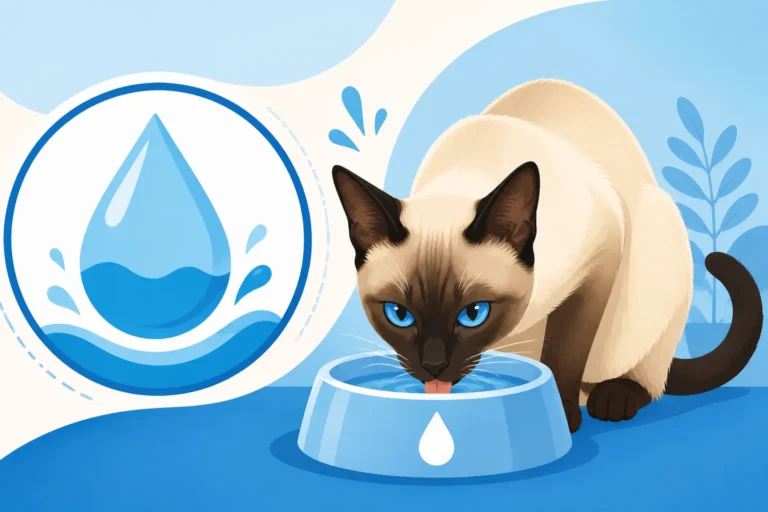
Wet food is excellent for hydration. As mentioned earlier, cats often don't drink enough water, and many health issues like urinary tract problems can be exacerbated by chronic dehydration. Wet food provides a significant portion of their daily water intake, which is especially beneficial for a breed prone to certain kidney issues as they age. It's also often more palatable and can be easier for older cats or those with dental sensitivities to eat. The aroma of wet food can also be a strong motivator for a picky eater.
Dry food, on the other hand, is convenient, cost-effective, and can be left out for short periods if using an automatic feeder. While it shouldn't be the sole component of their diet, it can play a role. If you do feed dry food, choose a high-quality, protein-rich kibble. Some dry foods are formulated to help with dental health, though nothing replaces regular dental care like How Often a Siamese Cat Needs a Dental.
A common approach is to offer wet food for one or two meals a day, and a small portion of dry food for another, or as an enrichment tool in puzzle feeders. This ensures they get the benefits of both, providing balanced nutrition and hydration.
Recognizing When Your Siamese Cat's Feeding Needs Change
Your Siamese cat's dietary requirements aren't static; they evolve throughout their life. Being observant is key to keeping them healthy and happy.
Signs Your Siamese Cat is Underfed or Overfed
It's crucial to regularly assess your Siamese cat's body condition. Their naturally lean build can sometimes make it tricky, but a hands-on approach is best.
Signs of Underfeeding:
- Prominent Ribs and Spine: If you can easily see or distinctly feel their ribs, spine, and hip bones without much muscle or fat covering, they might be too thin.
- Loss of Muscle Mass: Their hindquarters or back might appear noticeably thinner.
- Excessive Hunger/Meowing: While Siamese are vocal, relentless begging even after meals, or trying to steal food, can indicate they're not getting enough calories.
- Lack of Energy: Ironically, an underfed active Siamese might become lethargic as their body conserves energy.
- Poor Coat Condition: A dull, brittle, or shedding coat can sometimes be a sign of nutritional deficiency.
If you suspect your cat is too thin, consult your vet to rule out underlying medical conditions like Hyperthyroidism in an Older Siamese Cat or parasitic infections before simply increasing food.
Signs of Overfeeding:
- Difficulty Feeling Ribs: If you can't easily feel their ribs without pressing firmly, they might be carrying too much weight.
- "Paunch" or Sagging Belly: While a small primordial pouch is normal for many cats, an overly round or protruding belly can indicate excess fat.
- Reduced Activity/Reluctance to Play: Being overweight makes movement harder, leading to a vicious cycle of less activity and more weight gain.
- Difficulty Grooming: Overweight cats often struggle to groom themselves thoroughly, especially their backs and hindquarters.
- Changes in Behavior: Some cats become more withdrawn or less playful if they're uncomfortable due to excess weight.
Addressing overfeeding is important, as obesity can lead to serious health problems like diabetes and joint issues. Your vet can help you create a safe weight loss plan.
Adjusting for Life Stage and Health Conditions
Your Siamese cat will go through different life stages, each with its own dietary considerations:
- Kittens: As they grow from tiny floofs to energetic adolescents, their caloric needs change. Monitor their growth and adjust portions accordingly. They'll transition from kitten food to adult food typically around 12 months.
- Adults: Once fully grown, their caloric needs will stabilize. Regular weight checks (monthly weighing if possible) are excellent for catching subtle changes.
- Seniors: Around 10-12 years, your Siamese enters their senior years. While some remain incredibly active, many will slow down. This often means a slight reduction in overall calories to prevent weight gain, but as discussed, potentially more frequent, smaller meals for easier digestion. Conditions like Kidney Disease in an Older Siamese Cat or dental problems become more prevalent, requiring specialized senior diets or texture changes (more wet food).
- Health Conditions: Any new diagnosis should prompt a conversation with your vet about dietary adjustments. Conditions like diabetes, pancreatitis, or liver issues often require specific prescription diets and careful meal scheduling. Even behavioral issues like Psychogenic Alopecia in a Siamese Cat, often linked to stress, might benefit from the stability of a routine and appropriate diet, as a healthy gut can influence overall well-being.
Always remember that your veterinarian is your best resource for tailored advice on your Siamese cat's specific nutritional needs throughout their life. They can guide you through appropriate food choices and feeding schedules to ensure your beloved companion thrives for years to come.
Disclaimer
This article is for general informational purposes only and does not constitute professional advice. Laws, prices and regulations vary by location and change over time. Consult a qualified professional for guidance on your specific situation.