What a Siamese Cat Should Weigh
One of the most common worries I hear from new Siamese cat parents, and even seasoned ones, is "Is my cat too thin?" It's easy to look at their long, slender bodies and feel a pang of concern, especially when compared to fluffier, more stocky breeds. This feeling is completely normal because Siamese cats truly have a unique build! This guide will delve into what a healthy weight actually looks like for your Siamese, how to tell if they're just naturally lean or genuinely underweight, and practical steps to ensure they maintain optimal health throughout their lives.
The Unique Physique of the Siamese Cat
Siamese cats aren't like other cats, and their physical build is one of their most distinguishing characteristics. If you've ever had a fluffy Persian or a sturdy American Shorthair, you'll immediately notice the stark difference in body type. This isn't a flaw; it's simply how they're designed. Their lithe, athletic frame is part of their ancestral heritage, built for speed and agility rather than bulk. This lean musculature means they naturally carry less body fat than many other breeds, which can often lead owners to mistakenly believe their cat is underweight.
Why Siamese Cats Look So Lean
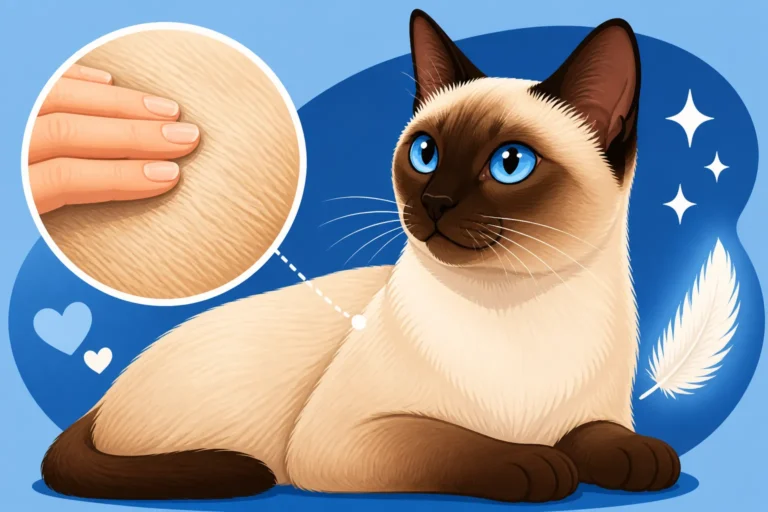
The Siamese cat's appearance is often described as "slinky" or "elegant," and that's because they genuinely are. They possess a long, tubular body, fine bones, and tightly muscled legs. Their short, close-lying coat offers no illusion of extra bulk, meaning every curve and contour of their body is visible. You can often see the ripple of their muscles as they move, and their prominent hip bones and shoulder blades are frequently visible even on a healthy cat. This visual leaness is completely normal for the breed and is, in fact, part of their breed standard in many registries.
Think about comparing a long-distance runner to a weightlifter; both are incredibly fit, but their body types are distinctly different. Your Siamese is the feline equivalent of a long-distance runner – sleek, efficient, and incredibly agile. What might look scrawny on another breed is often perfectly appropriate for a Siamese. They are built for movement and vocal expression, not for carrying extra padding. This distinct physique is a hallmark of the breed, a direct result of generations of selective breeding that emphasized their athletic grace. It’s crucial for owners to understand this fundamental difference so they can accurately assess their cat’s well-being without undue worry about perceived thinness. Why a Siamese Cat Stays So Thin dives deeper into this characteristic.
Understanding Their Metabolism and Energy Levels
Beyond their visual appearance, Siamese cats also boast a famously high metabolism. They are incredibly active, playful, and often seem to be in perpetual motion. This high energy output means they burn calories at a faster rate than many less active breeds. A Siamese cat that is constantly racing around, climbing, and "talking" to you is using a lot of energy, and their body is constantly working. This efficient metabolism contributes to their naturally slender frame; they're simply burning off those calories as fast as they consume them.
It's not uncommon for a Siamese to eat a surprising amount of food for their size and still maintain that svelte figure. This isn't a sign of a problem, but rather a reflection of their genetic predisposition and energetic temperament. A healthy Siamese is an active Siamese, and that activity helps to keep them trim and toned. Understanding their fast metabolism is key to providing appropriate nutrition. If you try to fatten up a healthy Siamese by overfeeding them, you might just end up with an overweight cat that is prone to other health issues down the line, rather than achieving a "normal" weight by other breed standards. How Many Calories a Siamese Cat Needs a Day provides more insight into their dietary requirements.
Healthy Weight Ranges for Siamese Cats
While Siamese cats are known for their lean build, there are still healthy weight ranges to aim for. It’s not about hitting an exact number on the scale as much as it is about ensuring their body condition is optimal for their individual size and frame. Just like people, there’s a spectrum of healthy weights, and what's ideal for one Siamese might be a bit different for another. Factors like age, sex, and individual bone structure can all play a role.
Average Weight for Adult Male Siamese Cats
Typically, an adult male Siamese cat will weigh a bit more than a female, reflecting their generally larger bone structure and muscle mass. A healthy male Siamese usually falls within the range of 8 to 12 pounds (approximately 3.6 to 5.4 kg). However, these are just averages. A particularly tall or muscular male might weigh slightly more and still be perfectly healthy, while a smaller-framed male could be on the lower end and still be in excellent condition.
The important thing is that the weight is stable and accompanied by good muscle tone and an energetic demeanor. If your male Siamese falls within this range and displays all the hallmarks of a happy, active cat – bright eyes, a sleek coat, a voracious appetite, and plenty of chatty interaction – then you likely have a healthy boy. What feels "light" in your arms compared to a heftier breed is often just the natural weight of a well-conditioned Siamese. Keeping track of their weight, perhaps with a digital pet scale (you can find various options on Amazon), can help you notice any significant changes.
Average Weight for Adult Female Siamese Cats
Female Siamese cats are generally more delicate and fine-boned than their male counterparts. This means their healthy weight range is typically a little lower. An adult female Siamese usually weighs between 6 to 10 pounds (approximately 2.7 to 4.5 kg). Again, these are guidelines, not strict rules carved in stone. Some queens might be petite and sit comfortably at the lower end, while others might be a bit larger and still be perfectly fit.
As with males, the overall body condition and health are far more important than hitting a precise number. A female Siamese who is active, has good muscle definition, a healthy appetite, and a shiny coat is almost certainly at a good weight, even if she feels incredibly light. Don’t be surprised if she feels like a bag of bones compared to a more curvaceous breed; that’s just her elegant build. Regular veterinary check-ups are essential to ensure any weight changes are natural and not indicative of an underlying issue. What a Healthy Siamese Cat Weighs provides more comparative figures.
Weight Considerations for Siamese Kittens
Siamese kittens grow rapidly, and their weight will steadily increase from birth until they reach their adult size around 12 to 18 months. They are born incredibly tiny and will gain weight quickly in their first few months. A healthy Siamese kitten will be active, playful, and have a good appetite. They should be steadily gaining weight week over week, not losing it.
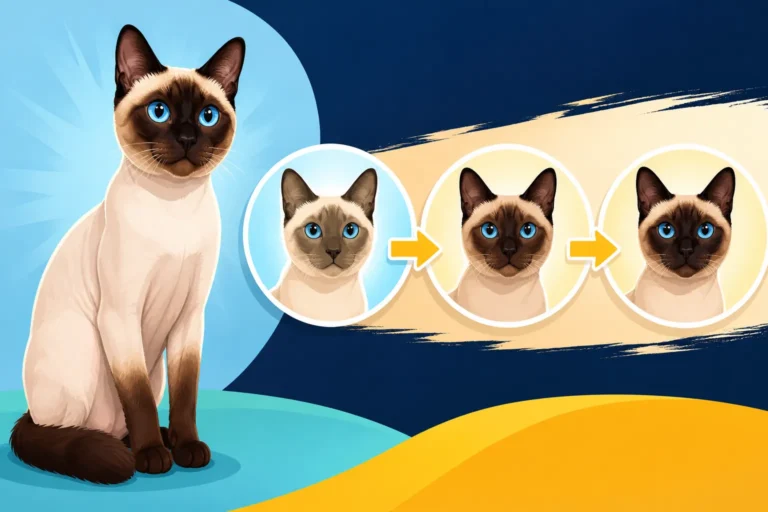
You'll notice their characteristic points (ears, nose, paws, tail) darkening as they grow, which is a good visual indicator of their development, but weight gain is a more direct measure of their physical health. By the time they're six months old, they'll likely be around 5-7 pounds, but this can vary. Consistent growth, proportional to their increasing length, is what you want to see. If a kitten seems lethargic, isn't eating well, or isn't gaining weight, it's a red flag to contact your vet immediately. What a Siamese Cat Kitten Should Eat explains more about supporting their rapid growth.
How to Assess if Your Siamese Cat is a Healthy Weight
Since the visual assessment of a Siamese can be misleading due to their naturally lean build, it's crucial to use objective tools to determine if your cat is at a healthy weight. Just looking at them might make you worry unnecessarily. The best approach involves a combination of visual cues and hands-on checks, often guided by your veterinarian.
The Body Condition Score (BCS) System
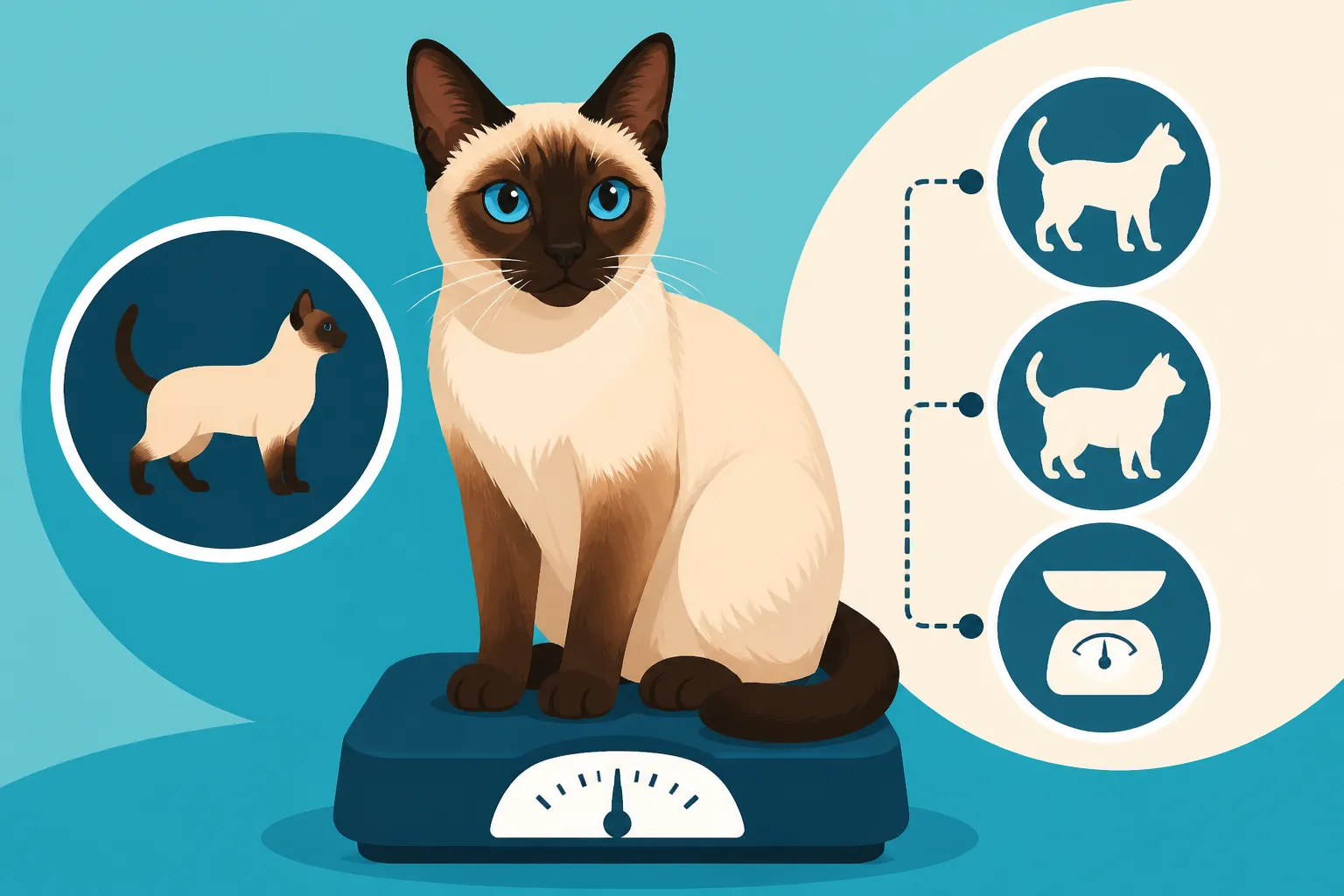
The Body Condition Score (BCS) system is a fantastic tool used by veterinarians worldwide, and it’s something you can learn to use at home too. It’s a standardized scale, usually from 1 to 5 or 1 to 9, where a score in the middle (e.g., 3/5 or 5/9) represents an ideal weight. The beauty of the BCS is that it doesn't rely on an arbitrary number on a scale but rather on the actual physical assessment of fat and muscle.
A BCS of 1 would be emaciated, with bones prominently visible and no fat. A 5/5 or 9/9 would be morbidly obese, with a huge belly and no discernable waist. For a Siamese cat, an ideal score might look slightly different visually than for a fluffier breed, but the feel of their bones and the amount of fat cover should align with the middle range. Your vet can demonstrate this during a check-up, showing you exactly what to feel for, which is incredibly helpful for long-term monitoring. This system helps to remove the guesswork and provides a consistent way to track your cat's physical condition over time.
Hands-On Assessment: Ribs, Spine, and Waistline
This is where you get tactile with your feline friend! Don't be afraid to gently feel your cat's body.
Here's what you're looking for:
- Ribs: You should be able to easily feel your Siamese cat's ribs under a thin layer of skin and muscle, but you shouldn't be able to see them protruding sharply without any effort. If you have to press hard to feel them, your cat might be overweight. If they are very prominent and easily visible with no padding, your cat might be too thin.
- Spine: Run your hand along their spine. You should be able to feel the individual bumps of the vertebrae, but they shouldn't feel sharp or knobby, nor should they be hidden under a thick layer of fat.
- Waistline: Look at your cat from above. There should be a noticeable "tuck" or indentation behind their ribs, before their hips. This creates a distinct waistline. From the side, their belly should gently tuck up, rather than sagging down.
For a Siamese, this "lean" feeling is often more pronounced. You might feel their hip bones quite readily, and that's okay, as long as they don't feel like sharp points with no muscle mass around them. The key is to feel for a slight covering over the bones, indicating healthy muscle and a minimal fat layer, which is exactly what their breed standard asks for. If you are ever in doubt, a quick call to your vet or a visit can help settle your mind. Whether a Thin Siamese Cat Is Underweight explores these nuances further.
Visual Cues of Healthy Weight
While we've established that visual assessment alone can be tricky with Siamese, there are still some helpful things to look for:
- Overall Proportionality: Does your cat look balanced? Their head, body, and legs should all seem to fit together harmoniously. If their head looks too big for their body, or their legs seem disproportionately spindly, it might indicate an issue.
- Defined Muscle Tone: Even though they're lean, Siamese cats should have visible muscle definition. When they walk or stretch, you should be able to see the play of muscles under their short coat. They shouldn't look "flabby" or "wobbly," but rather firm and athletic.
- Alertness and Energy: A healthy Siamese is an active, curious, and often vocal cat. If your cat is lethargic, uninterested in play, or unusually quiet, these are much bigger red flags than a slightly bony appearance. Their coat should be sleek and shiny, and their eyes bright and clear.
- Good Appetite: A healthy Siamese should eat regularly and with gusto. If they're suddenly turning their nose up at their food or eating significantly less, it's worth investigating.
Combine these visual cues with your hands-on assessment and your vet's input using the BCS. This holistic approach gives you the most accurate picture of your Siamese cat's true weight and health status.
Here's a quick reference table for body condition:
| Body Condition Score (BCS) | Description (General for Cats) | What to Feel/See on a Siamese |
|---|---|---|
| 1 (Emaciated) | Ribs, spine, pelvic bones easily visible & felt. No fat. Muscle loss. | Bones very prominent, sharp. No fat, obvious muscle wasting. Deep abdominal tuck. |
| 2 (Underweight) | Ribs, spine, pelvic bones easily felt. Minimal fat. Slight muscle loss. | Ribs/spine easily felt, little to no fat cover. Slight muscle definition but visible bony protrusions. |
| 3 (Ideal) | Ribs felt easily. Minimal fat over bones. Visible waist. Abdominal tuck. | Ribs felt easily with slight cover. Spine felt with gentle pressure. Distinct waist. Flat belly. |
| 4 (Overweight) | Ribs felt with difficulty. Moderate fat. Poor waist definition. | Ribs harder to feel. Waist less obvious. Belly may sag slightly. |
| 5 (Obese) | Ribs difficult to feel. Heavy fat deposits. No waist. Distended abdomen. | Ribs hard to feel. No waist. Large belly. Heavy fat on back and base of tail. |
Common Reasons for Weight Fluctuations in Siamese Cats
It’s completely normal for a cat’s weight to fluctuate slightly throughout their life, perhaps a little more in winter or as they age. However, significant or sudden changes in weight, either up or down, are often a signal that something needs attention. Understanding the common culprits can help you address issues proactively.
Diet and Feeding Habits
The most obvious factor influencing weight is, of course, their diet.
- Too Little Food/Poor Nutrition: If your Siamese isn’t getting enough calories, or the food isn't nutritionally dense enough, they will lose weight. This can happen if portion sizes are too small, or if they’re just not interested in the food you're offering. Sometimes, a cat might be eating, but not absorbing nutrients properly due to digestive issues. Using a high-quality food, whether a reputable commercial brand or a fresh food option, can make a huge difference.
- Too Much Food/Inappropriate Treats: Conversely, even with their high metabolism, a Siamese can become overweight. This often happens if they are free-fed and graze excessively, or if they receive too many high-calorie treats. We all love to spoil our cats, but those extra morsels can add up, especially if they’re not balanced with their activity level.
- Food Changes: A sudden change in diet can sometimes cause digestive upset, leading to temporary weight loss. Always transition new foods slowly over several days to avoid this.
Remember, a Siamese often begs for food with their characteristic vocalizations, which can make you think they're starving! It's important to stick to recommended portion sizes. How Much an Adult Siamese Cat Eats offers more detailed guidance on portion control.
Activity Levels and Enrichment Needs
Siamese cats are inherently active and intelligent creatures. They thrive on play and mental stimulation.
- Lack of Exercise: A bored or under-exercised Siamese might become more sedentary, leading to weight gain over time. If they're not burning off those calories, they'll start to accumulate. This can be a particular problem for indoor-only cats without adequate enrichment.
- Increased Activity: On the other hand, a sudden increase in activity (perhaps a new kitten joins the household, or they get a new favorite toy they play with non-stop) might lead to some slight weight loss as they burn more calories. This is usually healthy, as long as it's not extreme.
- Mental Stimulation: Beyond physical play, Siamese cats need to exercise their minds. Puzzle feeders, regular interaction, and even leash training can keep them engaged and active. A cat that's mentally stimulated is often a physically healthier cat. How Much Play a Siamese Cat Needs explores their activity requirements.
Underlying Health Issues Causing Weight Loss or Gain
Sometimes, weight changes are a symptom of a deeper problem. It's why regular vet check-ups are so crucial.
- Weight Loss:
- Dental Disease: Painful teeth can make eating difficult, leading to a decline in food intake and subsequent weight loss. Dental Disease in a Siamese Cat highlights this common issue.
- Hyperthyroidism: This condition, more common in older cats, ramps up their metabolism to an unhealthy degree, causing significant weight loss despite a ravenous appetite.
- Kidney Disease: As kidneys fail, cats often lose their appetite and muscle mass, leading to weight loss.
- Digestive Issues: Conditions like inflammatory bowel disease (IBD) or pancreatitis can impair nutrient absorption.
- Parasites: Intestinal worms can steal nutrients, leading to weight loss.
- Diabetes: Uncontrolled diabetes can cause weight loss despite increased appetite.
- Cancer: Various cancers can lead to cachexia (wasting syndrome) and significant weight loss.
- Stress/Anxiety: A stressed cat might stop eating or eat erratically.
- Weight Gain:
- Hypothyroidism: While rare in cats, it can slow metabolism.
- Fluid Retention: Certain heart or kidney conditions can cause fluid build-up, appearing as weight gain.
- Hormonal Imbalances: Less common but possible.
If you notice a sudden, unexplained weight change in your Siamese, especially if it's accompanied by changes in appetite, energy levels, litter box habits, or behavior, it's imperative to consult your veterinarian. Early diagnosis and treatment can make all the difference. What Changes in a Siamese Cat After Twelve talks about weight and aging.
Strategies for Maintaining a Healthy Weight
Keeping your Siamese cat at a healthy weight is an ongoing commitment, but it's one of the best ways to ensure a long, happy, and vibrant life for your feline companion. It's all about balancing their unique metabolic needs with appropriate nutrition, exercise, and preventative care.
Tailoring Their Diet to Their Needs
Because of their high metabolism and active nature, Siamese cats often benefit from a diet that supports their energy demands without leading to overfeeding.
- High-Quality Protein: Look for cat foods with real meat (chicken, turkey, fish) as the first ingredient. Protein is essential for maintaining their lean muscle mass.
- Appropriate Calories: Consult the feeding guide on your chosen cat food, but always adjust based on your individual cat's activity level and body condition. It’s a starting point, not a strict rule. If your cat is very active, they might need slightly more; if they're a couch potato (unlikely for a Siamese!), they might need a bit less.
- Wet Food Benefits: Wet food can be beneficial for Siamese cats. It provides essential hydration, which is great for kidney health, and its higher moisture content can help them feel full while consuming fewer calories overall compared to dry kibble. Many brands offer excellent wet food options, readily available from retailers like Chewy.
- Controlled Portions: Avoid free-feeding if your cat is prone to overeating. Measure out their daily food intake and divide it into two or three meals. This also allows you to monitor their appetite more closely.
- Healthy Treats: If you give treats, choose low-calorie, species-appropriate options. Better yet, use a portion of their daily kibble in a puzzle feeder to make them work for it. This combines feeding with mental enrichment.
It's a delicate balance, and sometimes you might need to experiment a little to find the perfect food and feeding schedule for your particular Siamese. If you're concerned about your cat's specific dietary needs, especially if they have health issues, discuss it with your vet.
Encouraging Active Play and Mental Stimulation
A well-fed Siamese still needs to be an active Siamese! Their high energy levels and sharp minds mean they need plenty of opportunities to burn off steam and stay engaged.
- Interactive Play Sessions: Dedicate at least two to three short (10-15 minute) play sessions daily. Use wand toys, laser pointers (with a solid "catch" at the end!), or feather teasers to mimic hunting behavior. Siamese cats love to chase and pounce.
- Puzzle Feeders: These are a fantastic way to slow down eating and provide mental stimulation. Instead of just putting food in a bowl, place it in a puzzle toy where they have to "work" to get it out. You can find many varieties on Amazon. This simulates their natural foraging instincts.
- Vertical Space: Siamese cats love to climb! Provide cat trees, wall shelves, and other vertical perches for them to explore. This encourages climbing and stretching, excellent for muscle development and burning energy.
- Rotate Toys: Keep their toy collection fresh by rotating toys every few days. A "new" toy can re-spark their interest and keep them engaged.
- Consider a Companion: As highly social cats, some Siamese thrive with a companion, another cat (or even a cat-friendly dog!) can provide endless hours of play and interaction. Whether a Siamese Cat Needs a Companion Cat offers more on this topic.
Remember, a bored Siamese is often a destructive or vocal Siamese. Channeling their energy into positive outlets like play and mental challenges is beneficial for both their physical and emotional well-being.
Regular Veterinary Check-ups and Monitoring
Even if your Siamese seems perfectly healthy, consistent veterinary care is paramount. These routine visits are crucial for catching potential health issues early, and your vet is your best resource for assessing weight and overall body condition.
- Annual Wellness Exams: Schedule yearly check-ups, even for young, healthy cats. For senior Siamese cats (typically over 7-8 years old), biannual check-ups are often recommended. During these visits, your vet will weigh your cat, assess their body condition score, and perform a thorough physical examination. How Often a Siamese Cat Needs a Wellness Exam emphasizes the importance of these visits.
- Bloodwork and Diagnostics: As Siamese cats age, or if there's a concern, your vet might recommend routine bloodwork. This can help detect underlying issues like hyperthyroidism, kidney disease, or diabetes before they become advanced.
- Discuss Concerns Openly: Don't hesitate to voice any concerns you have about your cat's weight, appetite, or behavior. Your observations are invaluable to your vet. They can help you interpret what you're seeing and feeling, and guide you on whether adjustments to diet or lifestyle are needed, or if further investigation is warranted.
- Track Weight at Home: As mentioned earlier, a simple pet scale can be a great tool for home monitoring. Keeping a log of your cat's weight, even once a month, can help you spot trends or sudden changes that you might otherwise miss.
Proactive care and a strong partnership with your veterinarian are the cornerstones of keeping your Siamese cat at a healthy weight and ensuring they live a long, happy life.
Disclaimer
This article is for general informational purposes only and does not constitute professional advice. Laws, prices and regulations vary by location and change over time. Consult a qualified professional for guidance on your specific situation.