Why a Siamese Cat’s Liver Can Rupture Without Warning
One of the most heart-wrenching and terrifying realities for a Siamese cat owner is the sudden, often catastrophic, rupture of their beloved feline's liver. It's a condition that frequently strikes without a whisper of a warning, leaving you reeling from shock and grief, wondering if you missed something crucial. This comprehensive guide aims to shed light on why this silent threat exists within the Siamese breed, how it progresses, and what you, as a loving owner, need to understand about this devastating possibility.
Understanding the Silent Threat: Amyloidosis in Siamese Cats
The idea that our vibrant, chatty Siamese could harbor a silent killer is truly frightening. Yet, for many, the reality of amyloidosis in Siamese cats is a deeply personal and painful one. This isn't just a random illness; it's a specific genetic predisposition that can tragically cut short their lives.
What is Amyloidosis and Why Siamese Cats are Prone?
Amyloidosis is a cruel disease characterized by the abnormal deposition of a protein called amyloid in various organs and tissues. In Siamese cats, this is predominantly an inherited form known as AA amyloidosis, which typically targets the liver and sometimes the kidneys. Unlike some diseases that manifest with clear symptoms from the outset, amyloidosis often progresses silently, like a ticking time bomb. The insidious nature of this condition means that by the time you see any outward signs, significant damage has already occurred. It's an agonizing thought for any owner, knowing that your cherished companion could be fighting a battle you can't even perceive. The genetic component makes it even more frustrating; you feel powerless against something woven into their very DNA. Understanding Why Siamese Cat Amyloidosis Is Inherited is key to grasping the depth of this challenge.
Imagine a tiny, invisible enemy slowly building barricades within your cat's most vital organs. That's essentially what amyloidosis does. This protein, once formed, doesn't dissolve; it just accumulates, displacing healthy tissue. For Siamese cats, this accumulation has a strong genetic link, passed down through generations. This hereditary predisposition means that if a Siamese cat has amyloidosis, it's highly likely one or both of its parents carried the gene, and unfortunately, passed it on. This adds a layer of complexity and sorrow, as ethical breeding practices struggle with a disease that is so difficult to screen for, particularly without a definitive genetic test. Owners often feel a profound sense of injustice, as their cat's vibrant personality gives no hint of the hidden battle within.
How Amyloid Accumulates and Damages the Liver
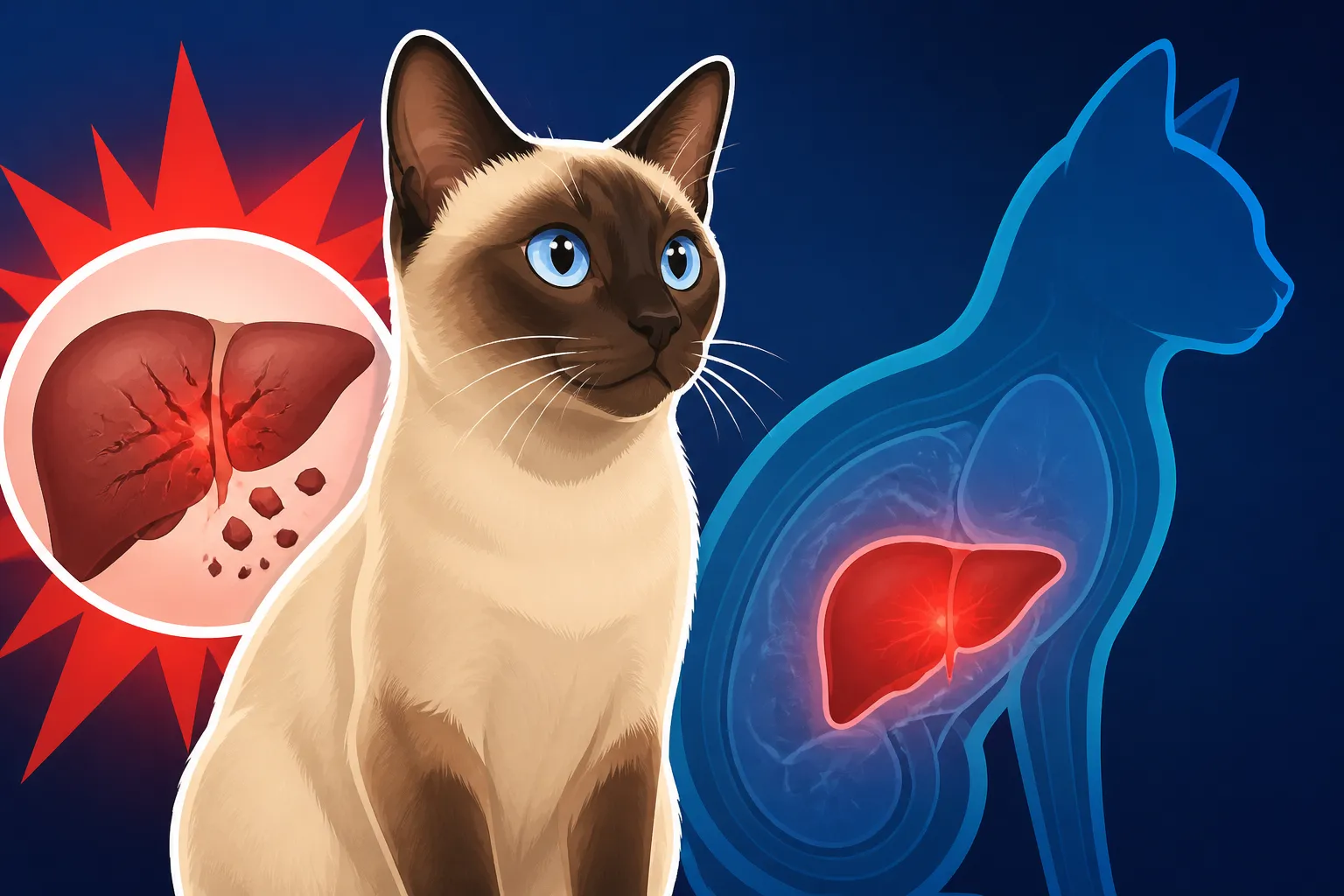
The process of amyloid accumulation in the liver is a slow, relentless siege. Tiny, insoluble protein fibrils begin to deposit themselves between the cells, in the spaces where healthy liver tissue should be functioning. Initially, these deposits are microscopic and cause no noticeable issues. The liver, being a highly resilient organ, often compensates remarkably well, continuing to perform its many critical functions. This compensatory ability is both a blessing and a curse; it allows the disease to progress undetected for extended periods. As the amyloid burden increases, these deposits merge and grow, forming larger, more rigid structures that begin to choke off the liver's normal architecture and blood supply.
Think of it like concrete being poured into the intricate framework of a delicate building. Slowly but surely, the concrete replaces the flexible, functional components, making the structure rigid, heavy, and ultimately, extremely fragile. This is precisely what happens with amyloidosis in a Siamese cat's liver. The amyloid deposits disrupt the liver's ability to maintain its own structural integrity, leading to a loss of elasticity. Over time, the liver transforms from a pliable, robust organ into a brittle, stiff mass. This gradual process means that your cat might appear perfectly healthy on the outside, displaying no signs of discomfort or illness, while internally, their liver is becoming dangerously compromised. The sheer unfairness of this silent progression is deeply frustrating for owners, who desperately wish they could have intervened sooner. For a deeper dive into this, consider understanding Why Amyloid Builds Up in a Siamese Cat's Liver.
The Liver's Crucial Role and How Amyloidosis Undermines It
The liver is nothing short of a superhero organ within your cat's body. It handles a dizzying array of essential tasks that keep everything running smoothly. When something goes wrong with the liver, it’s not just one system that's affected; it's the entire delicate balance of their health.
The Liver's Functions in a Healthy Siamese Cat
In a healthy Siamese cat, the liver is a powerhouse, performing over 500 vital functions. It acts as the body's primary detoxification center, filtering out toxins, medications, and metabolic waste products from the blood, essentially keeping your cat's system clean. Beyond detoxification, the liver is crucial for metabolism, processing nutrients from food, and storing vitamins and minerals. It synthesizes essential proteins, including albumin, which helps maintain fluid balance, and, most critically in the context of rupture, clotting factors necessary for blood coagulation. Without these clotting factors, even a minor injury could lead to uncontrollable bleeding. The liver also produces bile, which aids in fat digestion, and helps regulate blood sugar levels.
Consider the liver as the central command center for countless operations. If it falters, a cascade of problems can arise. For instance, if the liver can't produce enough albumin, fluid might leak into the abdomen, causing swelling. If it can't detoxify, harmful substances can build up, leading to neurological signs. Most critically, its role in producing clotting factors is what makes amyloidosis so dangerous. Imagine a construction crew trying to build a wall without enough bricks, or a gardener trying to stop a leak without patching materials. The liver's ability to create these "materials" is paramount to preventing internal hemorrhage, and amyloidosis directly compromises this vital function.
How Amyloidosis Weakens the Liver's Structure
As amyloid protein continues to accumulate within the liver, it doesn't just disrupt function; it fundamentally alters the organ's physical structure. Normally, the liver is somewhat flexible and resilient, able to withstand minor impacts and internal pressures. However, with significant amyloid deposition, this elasticity is lost. The amyloid fibrils are rigid and non-compliant, turning the liver tissue into something akin to hardened clay rather than supple, living tissue. This makes the liver incredibly fragile and prone to tearing.
Even a seemingly innocuous event can trigger a catastrophic rupture in a liver weakened by amyloidosis. Imagine dropping a ceramic plate versus a rubber mat – one shatters easily, the other simply bounces. An amyloid-laden liver is like that ceramic plate: brittle and easily fractured. The normal movements of a cat, such as jumping from a high perch, landing awkwardly, or even experiencing internal abdominal pressure from digestion or a sudden cough, can be enough to cause a tear in the compromised liver capsule or internal blood vessels. This is a cruel aspect of the disease, as there’s often nothing you could have done differently to prevent such an everyday occurrence from turning deadly. It's a stark illustration of How Amyloid Weakens a Siamese Cat's Liver Wall, making the threat of rupture an ever-present, terrifying possibility.
The Terrifying Reality of a Sudden Liver Rupture
The suddenness of a liver rupture due to amyloidosis is perhaps its most horrifying aspect. One moment your Siamese is their usual playful, affectionate self, and the next, they are in a life-threatening crisis. This lack of warning is what truly devastates owners.
Why a Rupture Can Happen Without Any Prior Symptoms
The reason a liver rupture can occur without prior symptoms lies in a combination of factors inherent to both the disease and feline physiology. Firstly, as we've discussed, amyloidosis is a silent, progressive disease. The liver can sustain a surprising amount of damage before clinical signs become apparent. Cats are also masters of disguise when it comes to illness or pain. Their evolutionary instincts drive them to hide weakness, as showing vulnerability in the wild would make them targets. This means they often suppress discomfort until a condition becomes severe or acute. You might not see them limping, vocalizing pain, or losing their appetite until the situation is critical.
Secondly, the rupture itself is an acute event, often triggered by something as mundane as a jump, a stretch, or even just internal pressure changes. Imagine your cat, Mittens, happily leaping onto the kitchen counter for a morning birdwatching session. If her liver is severely compromised by amyloid, that seemingly routine jump could be the final stressor that causes a fragile part of the liver to tear. Before that jump, Mittens might have eaten, played, and meowed just as usual, giving you no indication whatsoever of the underlying pathology. This sudden onset, with no pre-crisis warnings, is deeply unsettling and leaves owners grappling with immense guilt, despite having done nothing wrong.
The Mechanisms of Internal Bleeding
When a Siamese cat's amyloid-laden liver ruptures, the consequences are immediate and severe. The liver is a highly vascular organ, meaning it's packed with blood vessels. A tear in the liver tissue or its capsule can lead to a rapid and extensive hemorrhage directly into the abdominal cavity. This internal bleeding is dangerous for two primary reasons. First, the cat loses a significant volume of blood, leading to hypovolemic shock, where the body struggles to circulate enough blood to vital organs. This results in pale gums, rapid heart rate, weakness, and ultimately collapse.
Second, the very organ that produces the blood clotting factors – the liver – is compromised by amyloidosis. This means that even if a tear occurs, the body's natural ability to form a clot and stop the bleeding is severely impaired. It's a vicious cycle: the rupture causes bleeding, and the damaged liver can't provide the necessary tools to stop it. The blood pools in the abdomen, causing distension and pressure on other organs, further exacerbating the cat's distress. The speed at which this can happen is terrifying; a cat can go from seemingly fine to critical in a matter of minutes or a few hours. This makes understanding Why a Siamese Cat With Amyloidosis Bleeds Internally crucial for grasping the urgency of such a crisis.
Recognizing the Crisis: Signs of a Ruptured Liver
The signs of a ruptured liver in a Siamese cat are usually dramatic and undeniable. While there might not have been any pre-rupture symptoms, once the liver tears and internal bleeding begins, the symptoms will be acute and demand immediate veterinary intervention.
Acute and Rapidly Worsening Symptoms
When a Siamese cat experiences a liver rupture, the onset of symptoms is typically sudden and severe. You might notice your cat suddenly become extremely weak, collapsing or struggling to move. Their breathing may become rapid and shallow as their body tries to compensate for the lack of oxygen from blood loss. A quick check of their gums will often reveal a frightening pallor, indicating severe anemia. Their abdomen might appear distended or feel taut and painful to the touch as blood accumulates internally. Some cats may vocalize in pain, though many will simply withdraw and become unresponsive.
This isn't a slow decline; it's a precipitous drop in health that demands immediate action. Imagine finding your normally vibrant Siamese, like Luna, suddenly collapsed on the floor, breathing heavily, her bright blue eyes dulled and distant. Her normally pink gums are almost white. This is not a situation where you wait to see if she improves; this is an absolute emergency. The critical thing to remember is that these symptoms are the result of the rupture and internal bleeding, not pre-warnings of amyloidosis itself. They appear after the catastrophic event has occurred. Every second counts, and delay can be fatal. Being aware of these acute indicators, such as Signs a Siamese Cat's Liver Has Ruptured, can be life-saving.
The Importance of Immediate Veterinary Attention
Given the rapid and life-threatening nature of a liver rupture, immediate veterinary attention is not just recommended, it's absolutely non-negotiable. If you suspect your Siamese has experienced such an event, you need to get them to the nearest emergency veterinary clinic without delay. Call ahead if you can, so they can prepare for your arrival, but the priority is simply getting your cat there. Upon arrival, the veterinary team will immediately assess your cat's condition, focusing on stabilizing them. This will typically involve placing an intravenous (IV) catheter to administer fluids rapidly to combat shock, and providing oxygen if they are struggling to breathe.
The vet will perform a quick physical exam, checking mucous membrane color, capillary refill time, heart rate, and respiratory rate. They'll also carefully palpate the abdomen, looking for signs of pain or fluid accumulation. While these initial steps are crucial for stabilization, the underlying cause needs to be addressed. Sometimes, even with immediate and aggressive treatment, the damage is too extensive, or the bleeding too profuse, to save the cat. However, prompt action provides the only chance of survival, however slim. This is a scenario where pet insurance, such as a policy from Healthy Paws, becomes incredibly valuable, alleviating the immediate financial pressure during such a high-stress, urgent medical crisis.
Diagnostic Challenges and Post-Mortem Discoveries
The devastating nature of a Siamese cat's liver rupture is compounded by the extreme difficulty in diagnosing amyloidosis before such a catastrophic event occurs. This leaves many owners feeling blindsided and heartbroken, often only discovering the true cause after it's too late.
The Difficulty of Diagnosing Amyloidosis Pre-Rupture
One of the most frustrating aspects of amyloidosis in Siamese cats is the sheer challenge of diagnosing it before a crisis hits. There is no simple blood test or non-invasive screening method to reliably detect amyloid deposits in the liver in a living, seemingly healthy cat. While certain blood values might be suggestive of liver disease, they are not specific to amyloidosis and often only become abnormal once significant damage has already occurred. This means your cat can appear perfectly healthy, pass routine wellness exams with flying colors, and still be harboring this silent disease.
The only definitive way to diagnose amyloidosis is through a liver biopsy, where a small piece of liver tissue is surgically removed and examined under a microscope. This is an invasive procedure that carries risks, especially for a cat whose liver might already be fragile. Vets are often hesitant to recommend it unless there are strong indicators of liver disease, which, as we know, are usually absent in the early stages of amyloid accumulation. This diagnostic dilemma leaves owners in an impossible situation: you can't test for it easily, and by the time symptoms appear, it's often too late. It’s a tragic reality that Why Siamese Cat Amyloidosis Is Usually Found After Death holds true for far too many beloved pets.
The Role of Ultrasound and Bloodwork in an Emergency
In an emergency situation, such as a suspected liver rupture, diagnostic tools shift from trying to find the underlying disease to assessing the immediate crisis. An ultrasound becomes a rapid and invaluable tool. A veterinary radiologist or emergency vet can quickly perform an abdominal ultrasound to look for free fluid (blood) in the abdomen, which is a hallmark of internal hemorrhage. They can also examine the liver's architecture, looking for abnormal size, texture, or any obvious tears or lesions. While ultrasound can show signs of liver disease, it cannot definitively diagnose amyloidosis, but it can strongly suggest its presence if the liver appears unusually fragile or enlarged with an irregular texture.
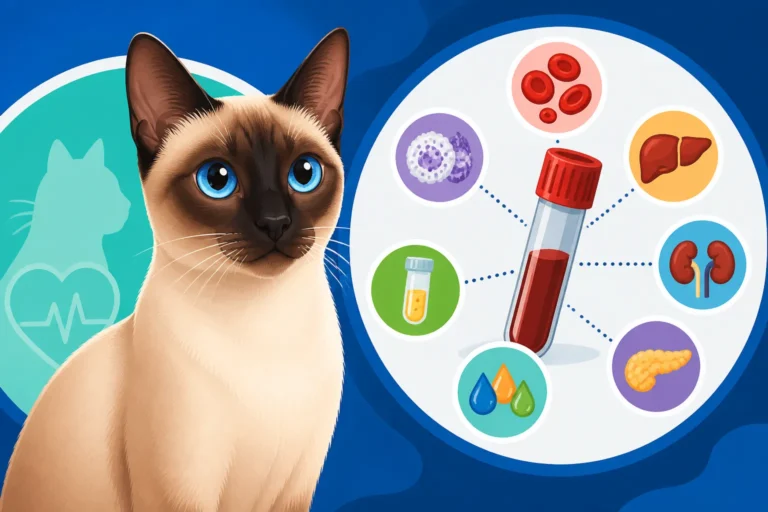
Simultaneously, bloodwork will be run to assess the extent of blood loss and the cat's overall systemic health. A complete blood count (CBC) will reveal if the cat is anemic (low red blood cell count) due to internal bleeding. A chemistry panel will provide information about liver enzyme levels and other organ functions. While elevated liver enzymes might indicate liver damage, they don't pinpoint amyloidosis specifically. Abnormal coagulation profiles (blood clotting tests) would further confirm the liver's inability to produce clotting factors, exacerbating the bleeding. These blood values can offer critical clues, and understanding Which Blood Values Flag Amyloidosis in a Siamese Cat can sometimes aid in the diagnostic puzzle, but they are primarily reactive indicators in an emergency rather than proactive screening tools.
Treatment and Prognosis for a Ruptured Liver
Facing a ruptured liver in your Siamese cat is a profoundly difficult experience, and while emergency treatment is critical, the long-term prognosis, sadly, is often grim. It's a testament to the severe nature of the underlying disease.
Emergency Stabilization and Supportive Care
When a Siamese cat arrives at the veterinary emergency room with a suspected liver rupture, the immediate priority is stabilization. This often involves a multi-pronged approach to address shock and internal bleeding. Intravenous (IV) fluids are administered aggressively to help maintain blood pressure and combat dehydration. If blood loss is severe, a blood transfusion may be necessary to replenish red blood cells and, in some cases, provide essential clotting factors that the damaged liver can no longer produce. Pain medication will be given to ensure the cat's comfort during this traumatic event.
In some rare instances, if the bleeding is minor and the cat can be stabilized, some vets might attempt conservative management, hoping the bleeding will stop on its own with intensive medical support. However, surgical intervention to directly address the bleeding, while technically possible, is highly risky for a fragile, bleeding liver, and is often not attempted due to the cat's critical condition and the poor integrity of the amyloid-laden tissue. The goal of these emergency measures is to get the cat through the immediate crisis, but it's important to understand that this is supportive care for the acute event, not a cure for the underlying amyloidosis. While miraculous saves do happen, the prognosis for survival after a major liver rupture is generally guarded. For a comprehensive look at the critical first steps, consider How a Vet Stabilizes a Bleeding Siamese Cat.
The Heartbreaking Reality of Long-Term Outlook
Even if a Siamese cat survives the immediate crisis of a liver rupture, the long-term outlook is heartbreakingly poor. The underlying amyloidosis, which caused the rupture, remains. This means the liver is still compromised and vulnerable to further damage and potential future ruptures. Amyloidosis is a progressive disease, and unfortunately, there is currently no cure. The amyloid protein will continue to accumulate, gradually worsening liver function and potentially affecting other organs like the kidneys.
Owners are often left to grapple with the knowledge that their cat has a terminal condition, and while they might have bought some precious extra time, the inevitable is likely not far off. The emotional toll of this reality is immense. You're left cherishing every moment, while constantly monitoring for any sign of decline. Discussions with your veterinarian will shift to quality of life and making your cat as comfortable as possible for whatever time they have left. This period is a profound test of an owner's strength and love, and it’s a grim reminder of How Long a Siamese Cat Lives After an Amyloidosis Diagnosis. During such an emotionally draining and financially burdensome time, having pet insurance like Healthy Paws can provide much-needed support, allowing you to focus on your cat's comfort rather than worrying about the accumulating bills for critical care.
Living with the Knowledge: Prevention and Management
The reality of amyloidosis in Siamese cats is a heavy burden, largely due to the frustrating limitations in prevention and treatment. However, understanding what we can do, and coming to terms with what we cannot, is part of responsible pet ownership.
The Limitations of Prevention for Hereditary Conditions
It's truly frustrating to know that a disease like amyloidosis, which can rip your beloved Siamese cat away without warning, is inherited, yet there's no clear path to prevention. The main hurdle is the absence of a specific genetic test to identify carriers or affected individuals before symptoms develop. This means even the most responsible breeders, who strive to produce healthy kittens, are often working in the dark. They may meticulously track pedigrees, observe the health of their breeding cats and their offspring, and pull any lines known to have produced amyloidosis cases. This diligent record-keeping is vital, and it’s important to ask a breeder about the health history of their lines, particularly concerning liver or kidney issues. However, without a definitive DNA test, the disease can still be silently passed down.
This lack of a concrete screening tool makes genetic counseling and selective breeding incredibly difficult. While some breeders might make decisions based on family history, the insidious nature of the disease, often only manifesting in middle to older age, means a breeding cat could have passed on the gene long before their own health status becomes clear. The heartbreak for owners is knowing that despite all the love and care, this hidden genetic predisposition can still strike. This challenge underscores There Is No DNA Test for Siamese Cat Amyloidosis and highlights why asking What a Siamese Cat Breeder Should Have Screened can still leave critical gaps.
Supportive Measures and Monitoring for At-Risk Cats
While we can't prevent amyloidosis, for cats with a family history or those who have had previous, less severe liver issues, supportive care and careful monitoring become paramount. The goal is to minimize stress on the liver and kidneys and manage any secondary symptoms that might arise. This typically involves a high-quality, easily digestible diet, potentially one formulated for liver support if recommended by your vet. Some veterinarians may discuss medications like colchicine, which has been used in human and some animal amyloidosis cases to try and reduce amyloid deposition, though its efficacy and optimal dosage in feline amyloidosis are still debated and not universally accepted as a preventative measure. It's not a cure, but a potential attempt to slow progression.
Regular veterinary check-ups, ideally every six months for at-risk cats, are crucial. Your vet can monitor bloodwork for subtle changes in liver and kidney values, and perform regular ultrasounds to look for any changes in organ appearance. While these won't prevent the disease, they might offer early indicators of progression, allowing for timely supportive interventions. It's a delicate balance of vigilance without causing undue stress to your cat. Ultimately, it’s about providing the best possible quality of life and being prepared to act swiftly if any symptoms arise. Having robust pet insurance, like a comprehensive plan from Healthy Paws, is a practical step here. It offers significant peace of mind that if your cat were to develop severe liver or kidney issues, or another catastrophic health event, you'd have financial support for expensive diagnostics and treatments, letting you prioritize their care without overwhelming financial worry.
The Broader Impact of Amyloidosis on Siamese Health
While the acute, terrifying scenario of a liver rupture is often the most dramatic presentation of amyloidosis, it's important to understand that this disease can have a broader, more chronic impact on a Siamese cat's health, affecting other vital organs in a devastating way.
Systemic Amyloidosis Beyond the Liver
Amyloidosis, particularly the AA type prevalent in Siamese cats, isn't always confined solely to the liver. While the liver is frequently the primary target, amyloid protein can also deposit in other organs, most notably the kidneys. This means that even if a Siamese cat doesn't experience an acute liver rupture, they could still suffer from progressive kidney disease due to amyloid accumulation. Kidney amyloidosis can lead to chronic kidney failure, a condition where the kidneys gradually lose their ability to filter waste products from the blood, leading to a buildup of toxins in the body.
The signs of kidney involvement are often more subtle and develop over a longer period than the sudden onset of a liver rupture. You might notice your Siamese cat drinking significantly more water and urinating more frequently. They may also experience weight loss, decreased appetite, and lethargy. These are all classic symptoms of kidney dysfunction. While not as immediately catastrophic as a liver rupture, chronic kidney disease is a serious, life-limiting condition that requires ongoing management. It's a grim reminder that amyloidosis is a systemic problem, and understanding What Systemic Amyloidosis Does to a Siamese Cat's Kidneys is vital for comprehensive care. It underscores the importance of monitoring all major organs, as Which Organs Amyloidosis Hits in a Siamese Cat can extend beyond just the liver.
The Emotional Toll on Siamese Cat Owners
Living with the knowledge that your Siamese cat is susceptible to amyloidosis, especially the risk of a sudden, unwarned liver rupture, takes a significant emotional toll. The anxiety can be constant, as you might find yourself scrutinizing every subtle change in their behavior, wondering if this is the start of something serious. When a liver rupture does occur, the speed and unexpectedness of the event often leave owners in a state of profound shock and grief, grappling with questions of "why" and "what if." The feeling of helplessness against a disease that is so difficult to predict or prevent can be truly overwhelming.
Siamese cats are known for their deep bonds with their humans, their vocal personalities, and their constant companionship. Losing such a unique and integrated family member so abruptly is devastating. It’s crucial for owners to acknowledge these feelings and seek support, whether from friends, family, online communities, or even pet bereavement counseling. Despite the risks and the heartbreak, the joy and unique companionship that a Siamese cat brings to a home are immeasurable. Owners often attest that every moment with these intelligent, affectionate felines is worth it, even with the shadow of potential health challenges. Having a reliable pet insurance provider like Healthy Paws can also offer a small measure of comfort, knowing that should the worst happen, at least the enormous financial burden of emergency care won't compound the already overwhelming emotional pain.
| Symptom Category | Signs of Impending Rupture (Often Absent) | Signs of Acute Rupture (Emergency) | Underlying Cause | Urgency Level |
|---|---|---|---|---|
| General Behavior | Subtle lethargy, reduced playfulness | Sudden weakness, collapse, unresponsiveness | Amyloid buildup in liver | IMMEDIATE |
| Respiratory | None specific | Rapid, shallow breathing | Shock, pain, fluid pressure on diaphragm | IMMEDIATE |
| Mucous Membranes | Normal | Pale gums, tongue | Severe internal blood loss | IMMEDIATE |
| Abdomen | Mild discomfort on deep palpation | Distended, painful, taut abdomen | Internal bleeding, blood accumulation | IMMEDIATE |
| Pain | Hidden, subtle | Acute pain, vocalization (some cats) | Tearing of liver tissue, internal hemorrhage | IMMEDIATE |
| Appetite/Thirst | Slight decrease (variable) | Anorexia, refusal to drink | Systemic shock, nausea from internal bleeding | IMMEDIATE |
Disclaimer
The information provided in this article is for educational purposes only and should not be considered a substitute for professional veterinary advice. Always consult with a qualified veterinarian for any health concerns or before making any decisions related to your pet's medical care. While we strive to provide accurate and up-to-date information, medical knowledge is constantly evolving.