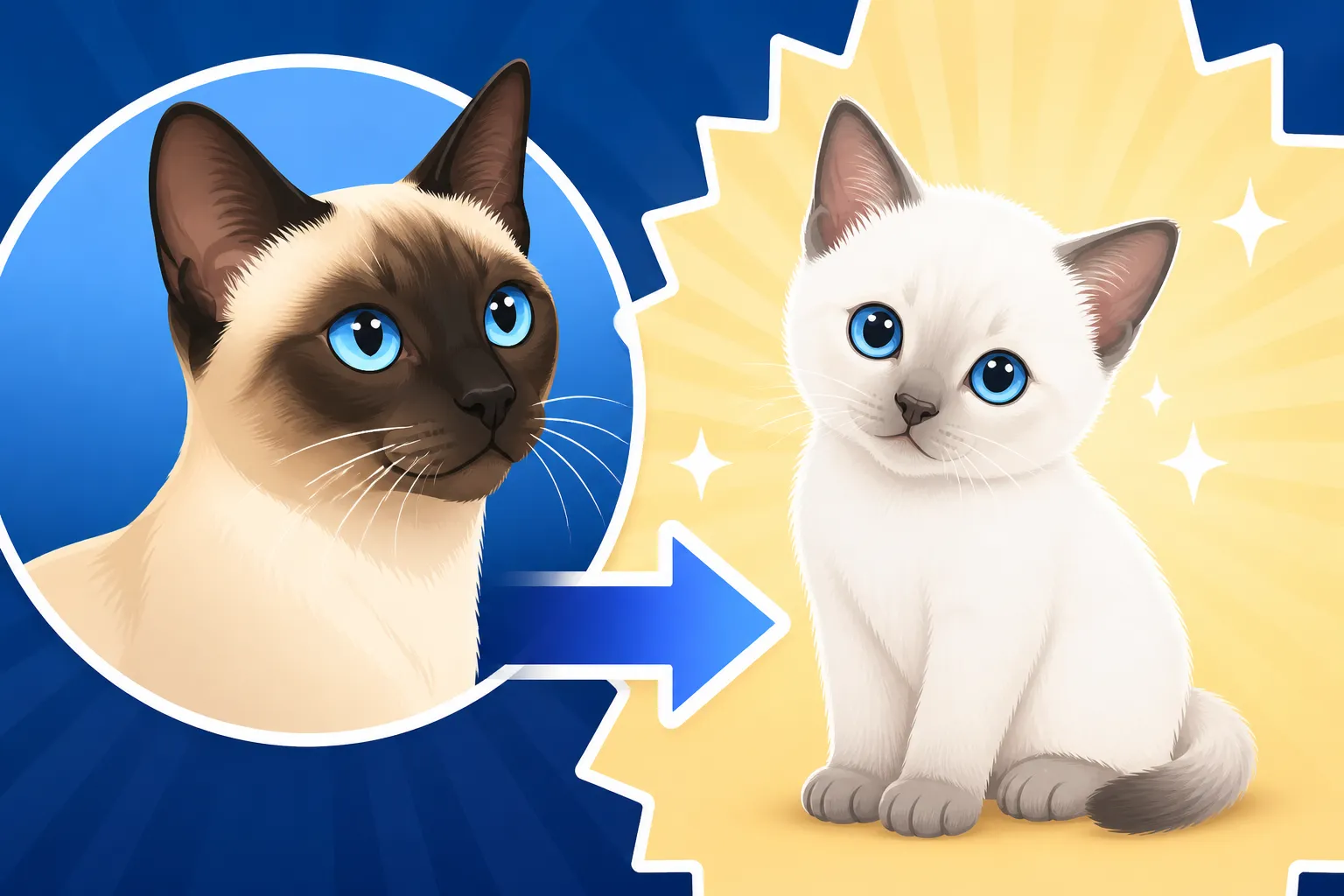
Why a Siamese Cat Kitten Comes Out White
It can be quite a surprise for first-time Siamese cat owners, and even seasoned enthusiasts might wonder about the deep science behind it: why exactly does a tiny Siamese kitten emerge into the world looking like a fluffy, pale marshmallow, only to develop those iconic dark points later on? This guide will dive into the fascinating genetic and environmental factors that orchestrate this unique color transformation, helping you understand the beautiful mystery of your Siamese kitten's initial white coat.
The Genetic Blueprint for Siamese Coloration
The unique color of a Siamese cat isn't just a pretty pattern; it's a direct result of a specific genetic mutation that affects pigment production. Understanding this genetic blueprint is key to grasping why they start out white.
The Temperature-Sensitive Gene
At the heart of the Siamese cat's distinctive coat pattern is a gene that controls a crucial enzyme called tyrosinase. This enzyme is responsible for producing melanin, the pigment that gives hair and skin its color. However, in Siamese cats, this tyrosinase enzyme is mutated, making it temperature-sensitive. What does that mean for your little fluffball? It means the enzyme only functions effectively and produces pigment when the body temperature is cooler. You can think of it as a tiny internal thermostat for color. Which Tyrosinase Mutation a Siamese Cat Carries explains more about the specifics of this genetic quirk.
During gestation, inside the warm, cozy environment of their mother's womb, a Siamese kitten's body temperature is consistently high. This warmth essentially "deactivates" the temperature-sensitive tyrosinase enzyme across the entire body. Because the enzyme can't do its job in the heat, no melanin is produced, and consequently, the kitten's fur remains white or a very pale cream. It's a marvel of genetics that sets the stage for the dramatic color change you'll witness.
Albinism vs. Pointed Coloration
Sometimes, people confuse the initial white appearance of a Siamese kitten with albinism. It's an easy mistake to make, but they are fundamentally different. True albinism involves a complete lack of melanin production throughout the body, regardless of temperature, resulting in white fur and typically pink eyes. Siamese cats, however, are not albino. They have what's known as "pointed" coloration. What Point Coloration in a Siamese Cat Is delves into the specific patterns.
The key distinction lies in those beautiful blue eyes, which are characteristic of Siamese cats and are not found in true albinos. The blue eye color in Siamese cats is also related to the same temperature-sensitive gene, but it's a separate aspect of its expression. While the fur production is entirely halted by warmth, the eye pigment is affected differently, resulting in that stunning sapphire hue. So, your white kitten isn't an albino; it's a Siamese, pre-transformation!
The Remarkable Color Transformation Process
Witnessing a Siamese kitten transform from its initial white coat to its signature pointed pattern is one of the most exciting parts of bringing one of these beauties into your home. It's a gradual process, but absolutely captivating to watch.
From Womb to World: The Start of the Change
When a Siamese kitten is born, its entire body has been kept uniformly warm inside its mother. This means the temperature-sensitive enzyme has been inactive everywhere, leading to that universally pale coat. But the moment they enter the cooler outside world, the magic begins. The extremities—the nose, ears, paws, and tail—are the parts of the body that naturally experience lower temperatures compared to the core. This temperature difference is what kicks the tyrosinase enzyme into action in these specific areas.
Think of it like this: your kitten is born with an internal coloring kit that's only activated by cold. As soon as those ears and paws are exposed to room temperature air, the enzyme starts working, albeit slowly at first. You might not see it instantly, but beneath that soft white fluff, the pigment production has already started its very subtle, very gradual march.
The Gradual Unveiling of Points
The development of the points is a slow, steady unveiling rather than a sudden change. Typically, you'll start to notice the very lightest hints of color appearing on the tips of the ears and nose within the first week or two. Then, over the next few weeks and months, the color will deepen and spread to the paws and tail. How Old a Siamese Cat Kitten Is When Points Show gives a timeline for this fascinating development. It's a process that continues for many months, sometimes even up to a year, until the kitten's full point coloration is established.
The intensity and speed of this process can vary slightly from kitten to kitten, even within the same litter. Some might show their points earlier and more dramatically, while others take their sweet time. It's all part of the unique charm of the breed! During this time, you might also notice that the color isn't completely uniform. The very tips of the ears and nose might be darker than the base, showing you the progression of the pigment.
Point Coloration Table: Progression Timeline
To give you a clearer idea of what to expect, here's a general timeline for Siamese kitten point development:
| Age | Expected Appearance | Key Factors |
|---|---|---|
| Birth | Completely white or very pale cream, including nose leather and paw pads. Eyes are bright blue. | Consistent warmth in the womb prevents pigment production. |
| 1-2 Weeks | Faint greyish or brownish smudges might appear on ear tips and nose. Paw pads may show a hint of pinkish-grey. | Exposure to ambient room temperature allows temperature-sensitive enzyme to begin working in cooler extremities. |
| 1-2 Months | Ear tips, nose, and tail tip show noticeable, though still light, point color. Paw pads are more distinctly pigmented. Leg and foot points start to emerge. | Sustained exposure to cooler temperatures allows more melanin to be produced. The specific point color (seal, blue, chocolate, lilac) becomes more identifiable. |
| 3-6 Months | Points are well-defined and darker, matching the expected color (e.g., dark brown for seal point, slate grey for blue point). Body fur may still be quite pale, but a slight darkening along the spine can begin. | Pigment production continues to intensify in the cooler extremities. Hormonal changes and growth contribute to overall color development. |
| 6-12 Months | Full point coloration is established. Body fur may have a subtle, even tint, depending on the individual cat and environment. Color will continue to deepen slightly with age. | Maturation and ongoing environmental factors influence the final depth and spread of color. The cat's lifestyle, including its warmth, plays a role. How Long a Siamese Cat's Points Take to Finish explains further. |
It's truly a beautiful journey to observe, showing how nature meticulously paints your beloved companion.
Factors Influencing Point Development and Intensity
While genetics lay the groundwork, external factors, primarily temperature, play a significant role in how quickly and intensely a Siamese cat's points develop and even how dark their overall coat becomes.
The Role of Ambient Temperature
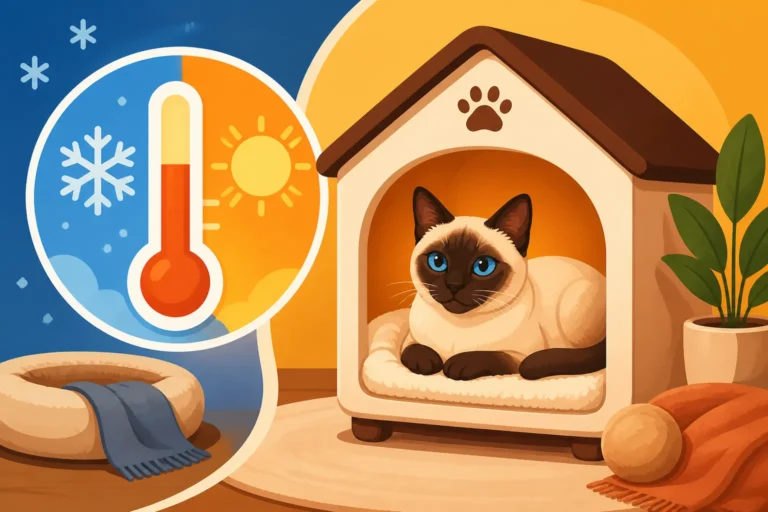
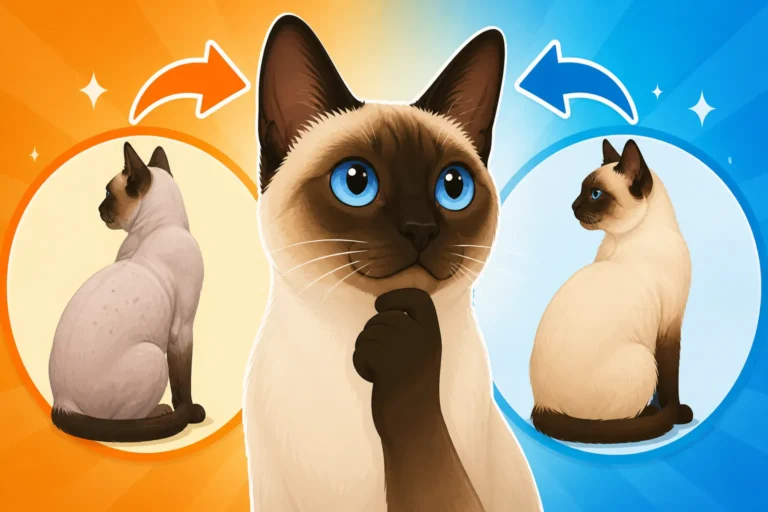
The temperature of your home environment is a major player in your Siamese cat's coloration. Simply put, a Siamese cat living in a cooler climate or a cooler home tends to develop darker, more extensive points, and their body fur might even take on a slightly darker shade over time. Conversely, a Siamese living in a consistently warm environment might have lighter, less defined points. How Much a Siamese Cat Darkens in a Cold House and How Much a Siamese Cat Lightens in a Warm House offer more insights into this fascinating phenomenon.
This isn't just about the occasional chilly day; it's about prolonged exposure. If your Siamese loves to sprawl on cool tile floors, or snuggles up to a window on a cold day, those areas are getting more "color-activating" chill. If they're always burrowed under blankets or lounging on a heated cat bed, their pigment development might be a bit more restrained. It's a wonderful illustration of how nature and nurture interact to create their unique beauty.
Age and Overall Color Darkening
Just like a fine wine, a Siamese cat's color often deepens with age. It’s a common observation that older Siamese cats have significantly darker points and often a more shaded body coat compared to their younger selves. This is a natural consequence of sustained exposure to cooler temperatures over time, allowing the temperature-sensitive enzyme to work more consistently. The Age a Siamese Cat Starts Darkening covers this in more detail.
This age-related darkening can sometimes be quite dramatic, especially if you compare kitten photos to a senior Siamese. You might even find yourself wondering if it's the same cat! It's a completely normal part of their development and not a sign of any health issue. This process also means that if you have an older Siamese, their body might appear a lovely, toasted brown, especially along their back.
Scars, Shaved Patches, and Healing
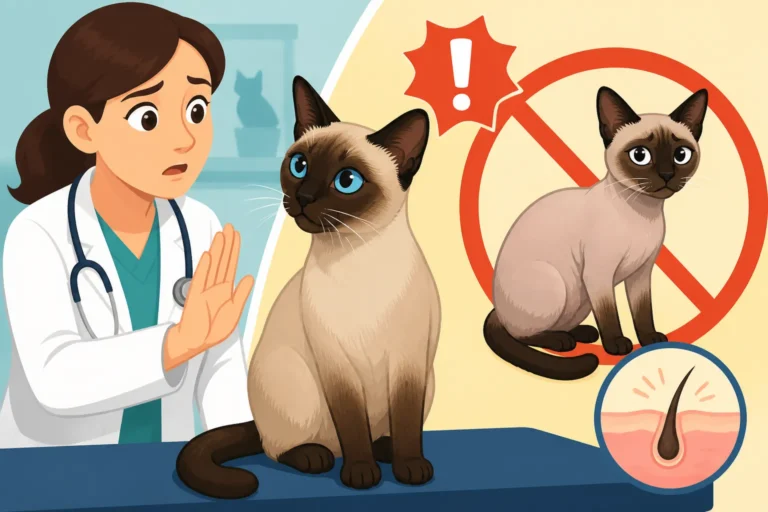
One of the most striking demonstrations of the temperature-sensitive gene is what happens if a Siamese cat has surgery or sustains an injury that requires shaving. When the fur is shaved for a medical procedure, the skin underneath is exposed to the cooler ambient air. As the new fur grows back, it will often come in significantly darker, creating a distinct "dark patch" where the shaving occurred. Why a Shaved Siamese Cat Grows Back Dark explains this intriguing process.
This dark patch isn't permanent, but it can take many months to gradually lighten and blend back into the cat's regular coat as the core body temperature influences the new growth once again. It’s a vivid reminder of how responsive their pigmentation is to local temperature changes. Owners who've had a Siamese with a shaved belly for an ultrasound or a limb for an IV will often attest to this noticeable color change during regrowth. It's a good reminder that if your cat needs surgery, that temporary dark patch is a normal, if surprising, outcome.
Caring for Your Siamese Kitten's Health and Development
Beyond the fascinating color changes, ensuring your Siamese kitten thrives involves a holistic approach to their care. Proper nutrition, a stimulating environment, and attentive health monitoring are crucial for their overall well-being.
Essential Nutrition for Growth
A growing Siamese kitten needs a diet rich in high-quality protein and essential nutrients to support their rapid development, including the healthy growth of their coat and the intricate processes of pigment production. While diet doesn't change their inherent point color genetics, good nutrition ensures they have the building blocks for a robust immune system, strong bones, and healthy skin and fur. Look for reputable cat food brands that list real meat as the first ingredient. Many owners find that high-quality, balanced fresh food appeals even to picky eaters, while established brands offer a wide variety of excellent dry and wet foods.
Just like with human babies, consistency in feeding and ensuring they're getting enough calories for their energetic nature is vital. A Siamese cat's metabolism is often quite high, which contributes to Why a Siamese Cat Stays So Thin as adults, but as kittens, they're little growth machines. Always ensure fresh water is available, perhaps even considering a cat fountain, as Siamese are often keen drinkers.
Providing a Warm and Safe Environment
Given their lack of an undercoat and their temperature-sensitive coloration, keeping your Siamese cat warm is important not just for their comfort, but also impacts their appearance. While you shouldn't try to artificially warm them to keep their points lighter (their natural color development is beautiful!), ensuring they don't get too cold can prevent excessive body darkening. Keeping a Siamese Cat Warm is an article worth reading. Provide cozy sleeping spots, like soft beds or blankets. Heated cat beds, easily found on Amazon, can be a real hit, especially in cooler homes.
Beyond warmth, a safe environment means protecting them from potential hazards. Siamese kittens are incredibly curious and intelligent, often getting into places you wouldn't expect. "Cat-proofing" your home means securing cabinets, putting away small objects they might chew or swallow, and ensuring toxic plants are out of reach. Their inquisitive nature and tendency for oral fixation can sometimes lead to Why a Siamese Cat Sucks Wool, so keeping an eye on their environment is doubly important.
Regular Vet Check-ups and Monitoring
Regular veterinary check-ups are paramount for your Siamese kitten's first year and throughout their life. These visits allow your vet to monitor their growth, administer necessary vaccinations, and address any health concerns early on. While the gradual darkening of their coat is normal, sudden, unexplained changes in fur texture or overall health should always prompt a vet visit.
During these check-ups, your vet can also confirm that your kitten's development is on track. Don't hesitate to ask questions about their changing appearance. Sometimes, a very pale kitten might lead owners to worry if their Siamese is "developing correctly," but typically, patience is all that's needed. Your vet can reassure you that their transformation is purely genetic and natural. These regular visits are crucial in ensuring your energetic and vocal companion remains happy and healthy for years to come.
Disclaimer
This article is for general informational purposes only and does not constitute professional advice. Laws, prices and regulations vary by location and change over time. Consult a qualified professional for guidance on your specific situation.