Whether a Siamese Cat Kitten’s Final Color Can Be Predicted
Many first-time Siamese cat owners find themselves staring at a litter of nearly white kittens, completely bewildered. You might be asking, "Where are those gorgeous dark points everyone talks about?" This isn't just a fun mystery; it's a common point of curiosity and sometimes concern, as predicting the exact final shade of a Siamese cat's coat when they're a tiny kitten isn't as straightforward as you might think. This guide will walk you through the fascinating science behind Siamese coloration, explain how those iconic points develop, and help you understand what determines your beloved kitten's ultimate, stunning hue.
The Genetic Blueprint: How Siamese Coloration Works
The distinctive beauty of a Siamese cat, with its striking contrast between a pale body and dark "points" on the extremities, isn't just a happy accident. It's the result of a truly unique genetic trait, a fascinating biological quirk that makes predicting their final color both intriguing and complex.
The Unique Tyrosinase Enzyme at Play
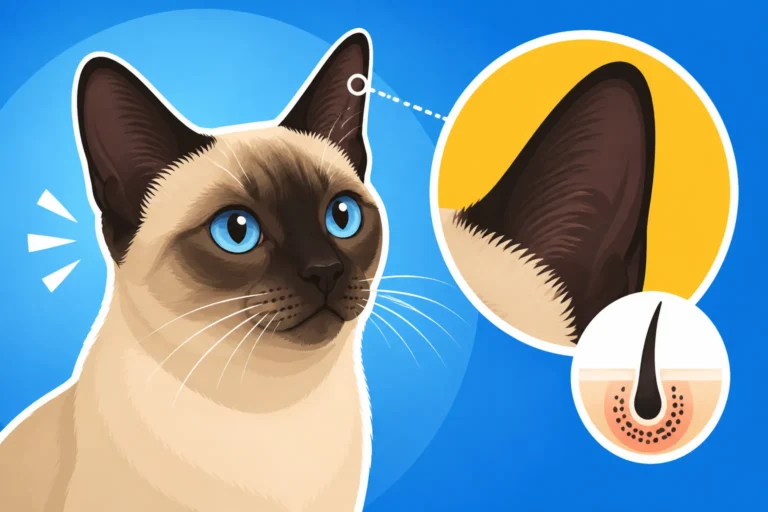
At the heart of a Siamese cat's coloration lies a special enzyme called tyrosinase. This isn't just any enzyme; it's a super important protein involved in the production of melanin, which is the pigment responsible for all the colors we see in fur, skin, and eyes. In most animals, tyrosinase works consistently throughout the body. But in the Siamese cat, there's a specific genetic mutation that makes this enzyme incredibly sensitive to temperature.
What does that mean for your cat? Well, it means the tyrosinase enzyme in a Siamese cat is like a little factory that only works well when it's cool. In warmer temperatures, this enzyme becomes less active, or even "shuts down" almost entirely. This explains precisely Which Gene Makes a Siamese Cat's Points and Why a Siamese Cat's Pigment Only Works When Cool. Imagine trying to sculpt ice cream on a hot day – it just doesn't work! Similarly, in the warmer parts of a Siamese cat's body, the enzyme struggles to produce much pigment, leading to lighter fur. But in the cooler areas, like the tips of their ears, paws, tail, and face, it can get to work, creating those beautiful, dark points. It’s a natural thermostat determining their masterpiece.
Why Kittens Enter the World Dressed in White
If you've ever seen a newborn litter of Siamese kittens, you might have done a double-take. They don't look like the adults at all! Instead of having clear, dark points, Siamese kittens are typically born a creamy white or a very pale off-white color. It’s quite astonishing, especially if you’re expecting to see tiny versions of their pointed parents.
The reason for this seemingly odd start is directly linked to the temperature-sensitive tyrosinase enzyme. When a kitten is developing inside its mother's womb, the environment is uniformly warm and cozy. The entire little body is kept at a consistent, elevated temperature, which means the tyrosinase enzyme across the whole kitten can't function effectively to produce much melanin. Therefore, pigment production is minimal, and the fur grows in nearly colorless. This is the fundamental answer to Why a Siamese Cat Kitten Comes Out White. It’s a protective environment that temporarily overrides their genetic predisposition to grow darker points, setting the stage for a dramatic transformation once they enter the world.
The Slow Reveal: When Points Start to Appear
The first few days and weeks after a Siamese kitten is born are a period of subtle but exciting change. As the kitten adjusts to life outside the warmth of the womb, its body is exposed to ambient air temperatures, and certain extremities naturally become cooler. This drop in temperature in specific areas acts as a signal, activating that previously dormant tyrosinase enzyme.
Typically, the first places you’ll notice a hint of color are the tips of the ears, the nose leather, the paw pads, and the very end of the tail. These are the coolest parts of a kitten's body, and thus, where pigment production begins to kick into gear earliest. The points usually start as a very faint smudge or a barely perceptible darkening. This fascinating process dictates How Old a Siamese Cat Kitten Is When Points Show. It’s a gradual unfolding, not an instant reveal. A chocolate point kitten might show only a faint tan smudge on its nose, while a seal point kitten could have a slightly darker, almost grayish hue. It's a wonderful journey to observe, a testament to the intricate workings of their unique genetic makeup.
Unraveling the Predictability of a Kitten's Final Hue
It's natural to want to know what your adorable, pale Siamese kitten will look like when they grow up. While we can't offer a crystal ball for the exact shade, understanding the interplay between genetics and environment helps clarify what can and cannot be predicted about their eventual coat.
Genetic Color vs. Environmental Intensity
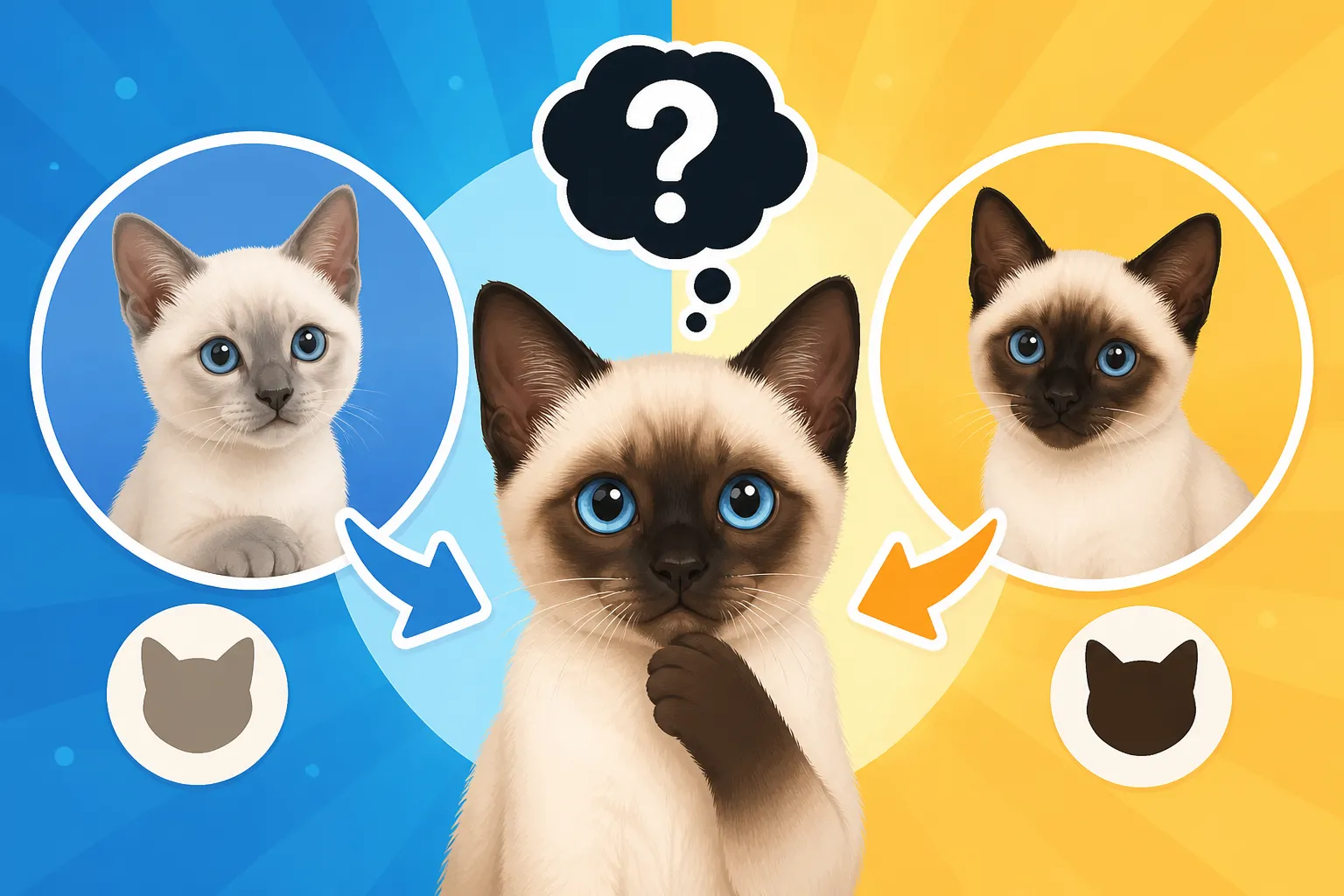
Here’s the crux of the matter: Whether a Siamese Cat Kitten's Final Color Can Be Predicted involves two distinct aspects. The type of point color — whether your kitten will be a Seal Point, Blue Point, Chocolate Point, or Lilac Point — is absolutely determined by their genetics at the moment of conception. This is passed down from their parents, and a reputable breeder can usually tell you what point colors are possible in a litter based on the parents' pedigrees and genetic makeup. A kitten with the genetic code for Seal Point will never turn into a Blue Point, for instance.
However, the intensity or depth of that point color is where things get interesting and less predictable. Two Seal Point kittens from the same litter might end up with vastly different shades of brown on their points. One could develop into a very rich, dark, almost black-brown, while the other might remain a softer, medium brown. This variation in shade is primarily influenced by environmental factors experienced during their growth. So, while you know the "category" of their color, the exact "hue" is a developing story, shaped by their surroundings.
Understanding the Range Within Each Point Color
Don't be surprised if your Seal Point kitten doesn't look exactly like every other Seal Point cat you've seen. Each point color, be it Seal, Blue, Chocolate, or Lilac, has its own wide spectrum of shades. For example, a Seal Point can range from a medium, warm brown to an almost black-brown, often with a subtle reddish undertone. Blue Points can vary from a light, icy silver-grey to a deep, dark slate grey. Chocolate Points might present as a creamy milk chocolate to a richer, darker cocoa, and Lilac Points, which are often the palest, can range from a frosty pinkish-grey to a more pronounced lavender hue.
This inherent variability means that even with a clear genetic prediction of the point type, the final appearance of that color is unique to each individual cat. It's not just genetics at play; factors like diet, general health, and even stress levels can subtly influence how deeply pigmented their points become. This means that How Long a Siamese Cat's Points Take to Finish isn't just about time, but also about the many subtle influences on their developing coat. Embracing this range is part of appreciating the breed's natural diversity and beauty.
The Role of Temperature in Darkening
As we’ve established, temperature is the maestro conducting the symphony of Siamese coloration. This influence isn't just limited to the initial development of points; it continues to play a significant role in the darkening process throughout a kitten's first year and beyond. The ambient temperature of your home, and even where your kitten prefers to sleep, will directly impact how dark their points become and how quickly.
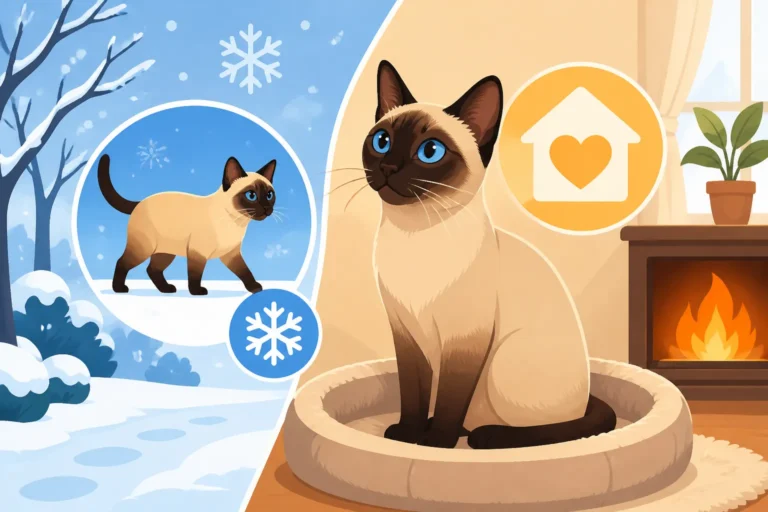
A kitten that spends more time in cooler environments will generally have more active tyrosinase enzymes, leading to more pigment production and thus darker, richer points. Conversely, a kitten raised in a consistently warm household might develop slightly paler points, even if genetically it's a Seal Point. We can say that At What Temperature a Siamese Cat Stops Making Pigment effectively – once the body part is sufficiently warm, pigment production significantly slows or ceases. This explains why an indoor Siamese Cat might stay paler overall compared to one that sneaks out for chilly adventures (though keeping them safely indoors is always recommended!). It’s a continuous, dynamic process that makes each Siamese cat’s color truly one of a kind.
Here's a quick look at the typical point colors and how they might appear:
| Point Color (Genetic Type) | Typical Kitten Appearance | Adult Color Range | Predictability of Type | Predictability of Shade |
|---|---|---|---|---|
| Seal Point | Pale cream/fawn body, faint brown points | Rich dark brown to almost black points | High | Low (varies with environment and age) |
| Blue Point | Off-white/silver body, faint grey points | Slate grey to deep blue-grey points | High | Low (varies with environment and age) |
| Chocolate Point | Creamy ivory body, faint milk chocolate points | Warm brown to dark chocolate points | High | Low (varies with environment and age) |
| Lilac Point | Very pale white body, barely visible pinkish-grey points | Frosty grey to lavender-pink points | High | Low (varies with environment and age) |
The Lifelong Journey of a Siamese Cat's Evolving Coat
The color journey of a Siamese cat doesn't stop once they're out of kittenhood. Their coat is a dynamic canvas, continually responding to age, environment, and even their health. This ongoing transformation is one of the many unique charms of owning a Siamese.
Age and Gradual Darkening
It's a common misconception that a Siamese cat's color is "set" once they reach adulthood. In reality, Siamese cats continue to darken throughout their entire lives. This is a natural and expected part of their aging process. As a cat matures, subtle changes occur in its body temperature regulation and metabolism, leading to a slow, cumulative activation of the temperature-sensitive tyrosinase enzyme across more of its body.
This is why you'll often see older Siamese cats with much darker bodies compared to their younger counterparts. What started as a crisp, cream-colored body may gradually mellow into a warm tan, then a light brown, and in some very old cats, almost a rich, medium brown all over. This phenomenon is a key reason Why an Older Siamese Cat's Body Goes Brown and understanding The Age a Siamese Cat Starts Darkening can vary, but it's typically a continuous process that becomes more noticeable as they enter their senior years. It’s a beautiful testament to their long lives, showcasing every year they’ve spent with you.
Environmental Influences on Adult Coat Color
Beyond simply aging, the environment in which your adult Siamese lives continues to exert a powerful influence on their coat color. Think of your home as a giant color studio! If your Siamese adores basking in sunbeams or lives in a home that's kept particularly warm year-round, their body fur may remain lighter and more contrasted against their points. The consistent warmth keeps the tyrosinase enzyme less active over their core body.
Conversely, a Siamese cat living in a cooler climate, or in a household that maintains lower ambient temperatures, will often develop a significantly darker body over time. This is a clear demonstration of How Much a Siamese Cat Darkens in a Cold House and, conversely, How Much a Siamese Cat Lightens in a Warm House. You might notice seasonal changes too; some owners report their cats are slightly darker in winter and lighter in summer, though these changes are usually subtle. This also touches on Whether an Indoor Siamese Cat Stays Paler, as indoor cats are generally exposed to more stable, often warmer temperatures than if they were allowed to roam freely outdoors in varying weather conditions.
Unexpected Color Changes: The Shaved Patch Phenomenon
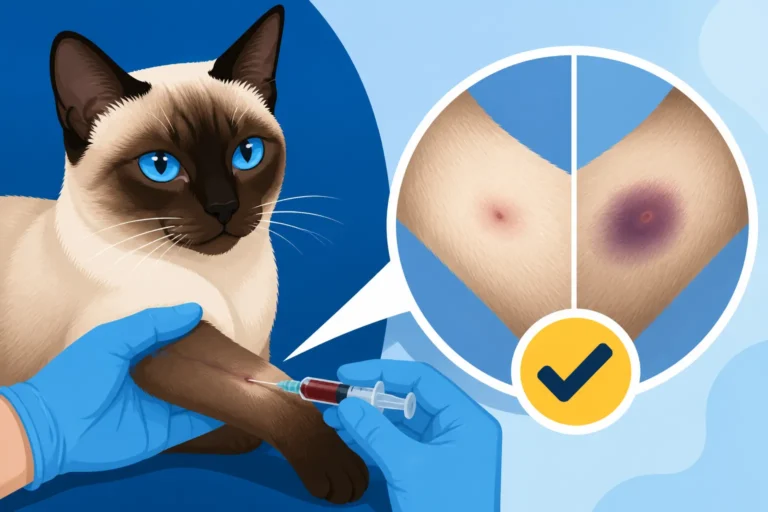
One of the most striking and undeniable demonstrations of the Siamese cat's temperature-sensitive gene is the "shaved patch" phenomenon. If your Siamese cat ever needs surgery, a blood draw, or any procedure that requires a small patch of fur to be shaved, you'll likely observe something remarkable when that fur starts to grow back.
Almost without exception, the fur in the shaved area will grow back significantly darker than the surrounding coat. This isn't just a quirk; it's a direct, visible consequence of the skin in that area being exposed to cooler air after the insulating fur is removed. The cooler skin temperature allows the tyrosinase enzyme in that specific spot to become much more active, leading to a concentrated burst of pigment production. This vividly illustrates Why a Shaved Siamese Cat Grows Back Dark and often perplexes owners who aren't aware of this unique breed trait. Rest assured, this darker patch is usually temporary, and as the new fur grows in and matures, and the area is re-insulated by the surrounding coat, it will typically lighten back to match the body color over many months.
Embracing the Unique Color Story of Your Siamese
Ultimately, the journey of your Siamese cat's coat color is a beautiful and dynamic one. Instead of focusing on predicting an exact shade, it's far more rewarding to appreciate the unfolding masterpiece that is your cat's unique coloration.
Accepting the Natural Variation
While we might wish for a crystal ball to know precisely what our adorable kitten's adult shade will be, the truth is that their full beauty unfolds over time. It's one of the most wonderful and intriguing aspects of the Siamese breed – their coat isn't static; it's a living, breathing canvas, constantly adapting to their environment, their age, and even subtle changes within their own body. You might have a kitten that starts very pale, and as it grows, its points deepen dramatically. Or perhaps a Whether a Pale Siamese Cat Kitten Stays Pale question resolves into a stunning, albeit lighter, adult. Each Siamese cat's color story is unique, a testament to the intricate dance between genetics and the world around them. This variability makes each Meezer truly one-of-a-kind.
Providing Optimal Care for Coat Health
Regardless of the specific shade your Siamese cat develops, maintaining a healthy, lustrous coat is always paramount. A healthy cat is a beautiful cat, and their coat is often a good indicator of their overall well-being. A balanced, high-quality diet is fundamental. Many owners find success with premium kibble or even specialized fresh food options, which can contribute to vibrant skin and fur. Ensure their diet is rich in essential fatty acids to promote a glossy, sleek coat, which is characteristic of the breed.
Regular, gentle grooming with a soft brush or a grooming mitt helps remove loose hairs and distributes natural oils, making their short, fine fur incredibly soft and shiny. While Siamese cats aren't heavy shedder, a quick brush once a week keeps them looking their best. Beyond diet and grooming, ensure your Siamese has a comfortable and stimulating environment. Providing cozy, warm spots for sleeping (you can find fantastic heated beds on Amazon) allows them to regulate their body temperature naturally. Similarly, access to a cool, shady spot in warmer weather is also important. Remember, What Point Coloration in a Siamese Cat Is is inextricably linked to their environment, so a well-cared-for cat will always display its most stunning coloration.
Disclaimer
This article is for general informational purposes only and does not constitute professional advice. Laws, prices and regulations vary by location and change over time. Consult a qualified professional for guidance on your specific situation.