Why a Siamese Cat’s Eyes Cross and Its Tail Kinks
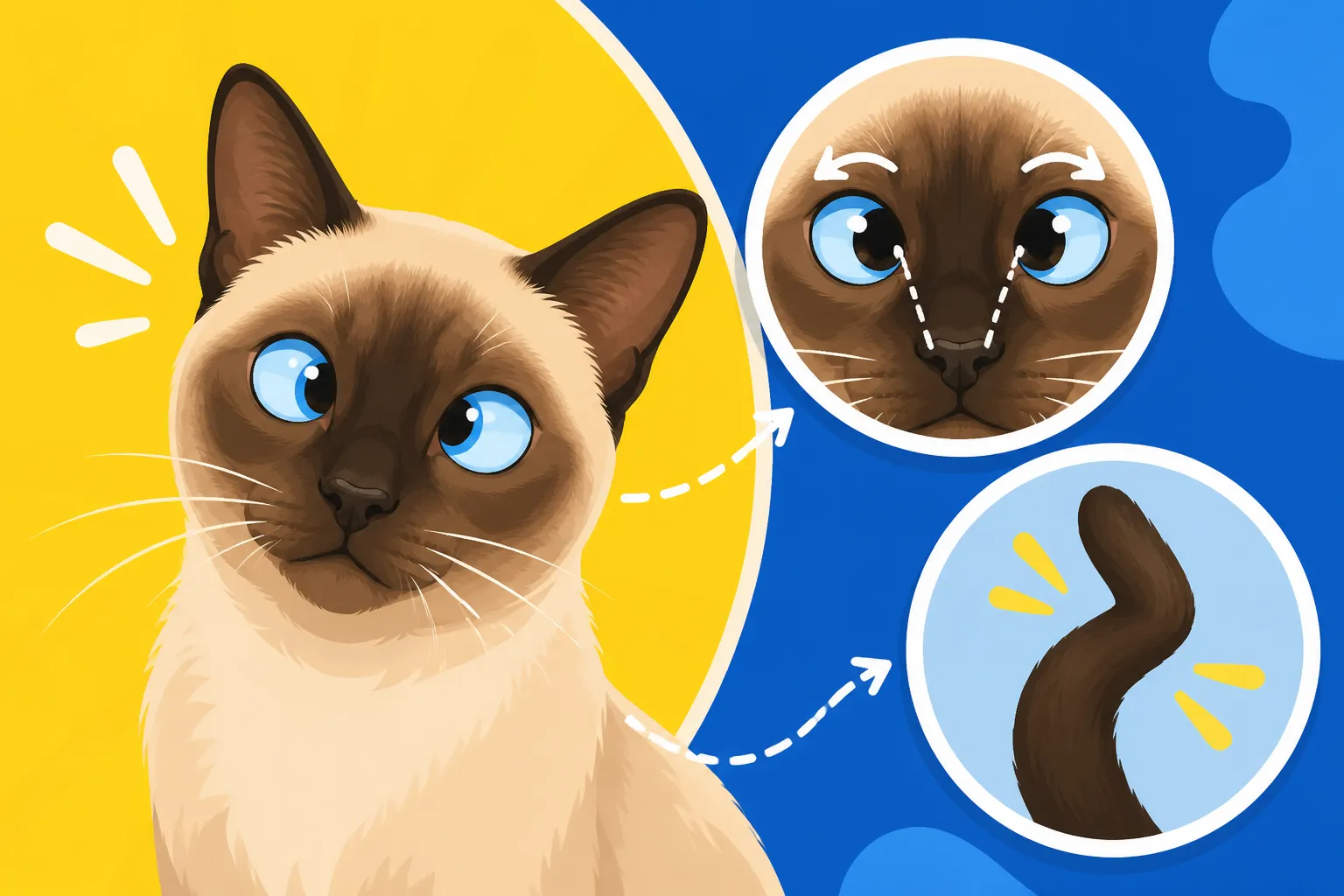
It’s a sight that stops you in your tracks: those stunning blue eyes of a Siamese cat, sometimes looking a little… inward. Or perhaps you’ve noticed a charming little bend or knot in their otherwise elegant tail. These distinctive physical traits, while often endearing, can leave many Siamese cat lovers wondering about their origins and whether they signify a hidden health concern. This comprehensive guide will unravel the mysteries behind the crossed eyes and kinked tails, diving deep into their genetics, history, and impact on your beloved feline companion.
The Ancient Origins of These Unique Traits
The Siamese cat, with its striking appearance and vocal personality, has a history as rich and fascinating as its physical characteristics. For centuries, these cats have been revered in their native Siam (modern-day Thailand), often associated with royalty and sacred temples. It's within these ancient origins that we find the earliest mentions and explanations for their most unusual features: the captivating crossed eyes and the distinctive kinked tail.
Legends and Lore from Old Siam
Long before Western breeders began to meticulously document feline genetics, the people of Siam had their own vibrant explanations for the traits they observed in their beloved "Wichianmat" cats. These tales, passed down through generations, often weave together mythology and keen observation. One prevalent legend speaks of Siamese cats guarding ancient royal chalices or treasures. The cats, in their unwavering devotion, would stare intently at the precious items, causing their eyes to cross from the constant focus. Simultaneously, they would wrap their tails around the chalice base, gripping it so tightly that a permanent kink formed as a testament to their loyalty. This romanticized origin story highlights the deep cultural significance these cats held. Another variation suggests that princesses would place their rings on the cats' tails while bathing, and the cats would kink their tails to keep the precious jewelry safe. These stories, found in traditional texts like the Tamra Maew manuscripts, paint a picture of cats whose physical quirks were seen not as flaws, but as badges of honor and signs of a noble lineage. They certainly explain why ancient depictions of these cats often showcase these very features.
Historical Records and Early Observations
Beyond the charming legends, early Western visitors to Siam, particularly in the late 19th century, also documented these physical traits when the cats were first introduced to Europe. When the first Siamese cats, such as the famous Pho and Mia, arrived in Britain in 1884, their crossed eyes and kinked tails were noted as distinguishing features, not necessarily as defects. In fact, for many years, these characteristics were considered perfectly acceptable, even desirable, within the early show standards. Photographs from the turn of the 20th century often feature Siamese cats proudly displaying a noticeable eye cross or a distinct tail kink. These were seen as part and parcel of the "true" Siamese look, a direct link to their exotic, faraway homeland. It wasn't until later, as breed standards became more refined and focused on a particular aesthetic, that these traits began to be viewed with some skepticism in the show ring. However, for many traditionalists and enthusiasts who cherished the breed's history, these features remained an integral part of the Siamese cat's charm and unique identity.
The Genetics Behind Crossed Eyes in Siamese Cats
While ancient legends offer delightful explanations, modern science provides a clearer understanding of why many Siamese cats have crossed eyes, a condition technically known as strabismus. It turns out to be deeply intertwined with the very gene that gives them their distinctive point coloration. It's a fascinating example of how one genetic trait can influence another, creating a truly unique feline.
The Albinism Gene and Visual Pathways
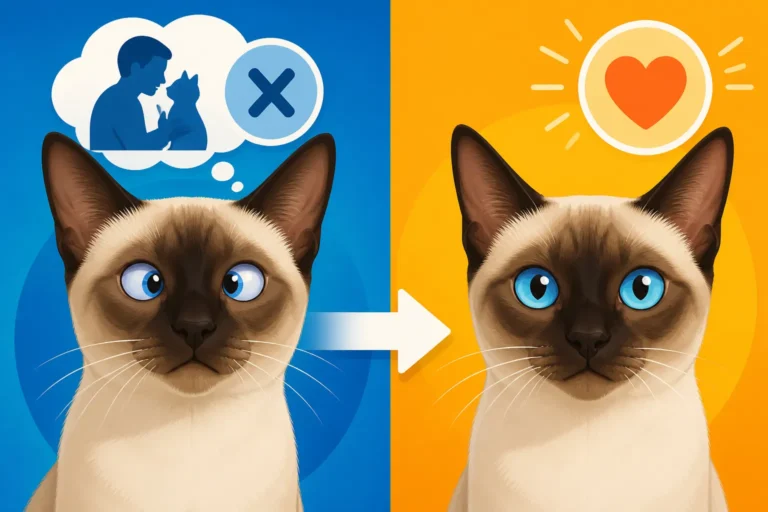
The characteristic "points" – the darker fur on the ears, face, paws, and tail – of a Siamese cat are a form of partial albinism. This is caused by a temperature-sensitive enzyme that only produces pigment in cooler areas of the body. This same genetic mutation, however, doesn't just affect fur color; it also impacts the development of the cat's visual system. Specifically, it influences the wiring of the optic nerves. In cats without this albinism gene, the optic nerves from each eye cross over evenly in the brain, sending signals to both sides. In Siamese cats, this crossover is often incomplete or aberrant. To compensate for this unusual wiring, the cat's brain essentially has to "rewire" itself to interpret the visual information correctly. This compensation often manifests physically as the eyes turning inward, or "crossing," to help align the visual fields and allow the brain to process a cohesive image. It's a remarkable adaptive mechanism, allowing them to see clearly despite the atypical wiring. This is also why Why a Siamese Cat's Eyes Cross is often observed alongside other eye conditions like nystagmus.
Hereditary Basis of Strabismus
Because the strabismus in Siamese cats is directly linked to the gene responsible for their unique coloration, it is, by definition, a hereditary trait. It's not something a cat "catches" or that develops due to environmental factors. If a Siamese cat inherits the gene for point coloration, there's a higher likelihood they will also inherit the associated atypical visual pathway development that can lead to crossed eyes. Not every Siamese with the gene will have noticeable strabismus, as there can be varying degrees of expression. Some may have a very subtle cross, while others are quite pronounced. For many years, breeders actually considered crossed eyes an acceptable, even standard, feature of the breed. However, as show standards evolved to favor a more "perfect" or conventional appearance, efforts were made to breed away from pronounced strabismus. Despite these efforts, the underlying genetic predisposition remains, making it a persistent and charming characteristic for many Siamese cats, especially those from traditional lines. When looking into potential Siamese companions, particularly from breeders, it’s worth asking about the prevalence of these traits in their lines, even though for most pet owners, a slight eye cross is simply part of their cat's individual charm.
Understanding Strabismus: More Than Just a Look
When you first notice your Siamese cat's eyes crossing, it's natural to wonder if it causes them any discomfort or affects their vision. While it might look a little unusual to us, for a Siamese cat, strabismus is typically a harmless, even functional, adaptation to their unique genetic makeup. It's rarely a cause for alarm, but understanding what it is and isn't can help you provide the best care for your feline friend.
How Vision is Affected
Despite the appearance of their eyes turning inward, most Siamese cats with strabismus actually have perfectly functional vision. Their brains have adapted to the altered optic nerve pathways, creating a single, clear image. Think of it less as a flaw and more as a different way of processing visual input. In fact, attempting to "fix" strabismus in a Siamese cat through surgery is rarely recommended and can often do more harm than good, potentially disrupting the brain's established visual processing and leading to genuine vision problems. The crossing of the eyes is the brain's ingenious solution to a genetic quirk, allowing them to compensate for the unusual wiring and perceive the world without issue. They can hunt, play, and navigate their environment just as effectively as any other cat. Owners often worry that their cat can't see properly, but observing their agility and precision in daily activities usually puts those fears to rest. It's a testament to the incredible adaptability of the feline brain.
When to Consult Your Vet
While strabismus is generally benign in Siamese cats, it's always wise to be observant of any sudden or significant changes in your cat's eyes or vision. If your cat develops strabismus suddenly as an adult, or if the degree of crossing dramatically increases, this could be a sign of an underlying neurological issue, trauma, or another health problem unrelated to their breed-specific genetics. Similarly, if you notice other concerning symptoms like nystagmus (involuntary eye movements), difficulty navigating, bumping into objects, or changes in pupil size, it's time for a vet visit. These symptoms could indicate something more serious than benign strabismus, such as a head injury, an infection, or even a tumor. A qualified veterinarian, familiar with the breed's specific traits, can assess the situation and rule out any concerning conditions. Comprehensive pet insurance plans, like those offered by Healthy Paws, can be incredibly helpful for covering unexpected veterinary costs, especially if your cat needs diagnostics or treatment for a sudden eye issue that isn't typical for their breed. Regular check-ups are always crucial for catching any potential health concerns early. Understanding What Nystagmus Looks Like in a Siamese Cat can help you differentiate normal eye movements from potentially problematic ones.
The Kinked Tail: A Relic of the Past
The kinked tail, much like the crossed eyes, is another charming and historically significant feature often associated with the Siamese cat. While modern breeding practices have largely ironed out this particular "flaw" in show-quality cats, it remains a common and perfectly harmless trait in many traditional and pet-quality Siamese, serving as a physical link to their ancient lineage.
Genetic Basis and Development
The kinked tail in Siamese cats is primarily a genetic trait, usually caused by a vertebral anomaly, where one or more tail vertebrae are misshapen or fused. This can result in a visible bend, knot, or even a corkscrew appearance in the tail. It’s typically a dominant or polygenic trait, meaning that it can be inherited directly from parents or influenced by multiple genes. Interestingly, some research suggests a potential link between the same genetic factors that contribute to the Siamese cat’s unique albinism and its skeletal development, including the tail. However, unlike the strabismus, which is an adaptive visual compensation, the kinked tail is simply a structural variation that rarely, if ever, causes any discomfort or functional problems for the cat. It's essentially a harmless birth defect, much like a dimple in a human. For many generations, this was simply part of the breed's genetic blueprint, passed down through the centuries alongside their stunning blue eyes and vocal nature.
The Evolution of Breeding Standards
For centuries, a kinked tail was not only accepted but often celebrated as a hallmark of a "true" Siamese cat, deeply embedded in their cultural lore. As we discussed, the legends of the princesses and their rings specifically mention this trait. However, when the Siamese cat gained popularity in the Western world, particularly within the nascent cat fancy, breeding standards began to prioritize a more "perfect" and aesthetically uniform appearance. A straight, whip-like tail became the ideal, and the kink was gradually (and quite aggressively) bred out of many show lines. This shift reflects a broader trend in selective breeding, where unique but harmless physical variations are often eliminated in favor of a specific, sometimes more extreme, aesthetic. While this meant fewer kinked tails in championship rings, it did not erase the trait entirely from the breed's genetic pool. Many wonderful Siamese cats, especially those from less stringently bred lines or rescues, still proudly carry this charming ancestral mark. It's a gentle reminder of their ancient heritage and a testament to the fact that perfection in beauty is often in the eye of the beholder. You might still find Why a Siamese Cat's Tail Kinks explored in various old breed discussions.
Impact on the Cat's Life: Do These Traits Cause Problems?
When our beloved felines exhibit unique physical traits, it's natural for us to worry about their well-being. With crossed eyes and kinked tails in Siamese cats, the good news is that these characteristics are almost universally benign, meaning they don't typically cause pain, discomfort, or significant health issues for your cat. Understanding this can bring immense peace of mind.
Quality of Life for Cats with These Traits
For the vast majority of Siamese cats born with crossed eyes or a kinked tail, their quality of life is completely unaffected. A cat with strabismus, as we've discussed, adapts visually from birth. They don't experience double vision or headaches, nor do they struggle to navigate their environment. They can chase toys, judge distances for jumps, and track moving objects with the same agility and precision as any other cat. Similarly, a kinked tail is almost always a purely cosmetic trait. The cat has full use of their tail for balance, communication, and self-expression. They can wag it, twitch it, and wrap it around you without any discomfort. There's no nerve impingement or pain associated with these vertebral anomalies. It's crucial for owners to remember that what might look unusual or "imperfect" to human eyes does not translate to suffering for the cat. Their bodies have simply developed in a slightly different way, which is perfectly normal and functional for them. When considering a Siamese cat, especially a rescue, these traits should not be seen as a barrier to a happy, healthy life.
Owner Concerns and Reassurance
Despite the scientific and historical reassurance, new Siamese owners or those unfamiliar with the breed might still harbor concerns. They might wonder if a vet will judge them for having a cat with a kinked tail, or if the crossed eyes indicate a deeper, undiagnosed problem. It's important to know that reputable veterinarians are well aware of these breed-specific traits and will typically offer reassurance rather than concern. They understand that for Siamese cats, these are often normal variations. If you're ever in doubt, a quick mention during a routine check-up can alleviate worries. The only time these traits might become a concern is if they develop suddenly in an adult cat, indicating a new underlying issue, rather than a congenital one. For instance, a tail kink appearing after an injury is very different from a congenital kink present since birth. Always maintain open communication with your vet. Many pet insurance providers, like Healthy Paws, are excellent resources for understanding what conditions are typically covered, although congenital traits like these that don't cause health issues usually don't require specific claims. The primary takeaway is that these unique physical markers are usually just part of what makes your Siamese distinct and wonderful, without hindering their joyous existence.
Breeding and Modern Standards: What's Accepted Today
The world of cat fancy and breed standards is a dynamic one, constantly evolving based on aesthetics, health considerations, and cultural shifts. For the Siamese cat, both crossed eyes and kinked tails have undergone significant changes in how they are perceived and accepted within official breeding circles. This evolution highlights a fascinating tension between historical authenticity and modern ideals of perfection.
Show Standards and Disqualifying Faults
In the early days of the Siamese cat in Western cat shows, both crossed eyes and kinked tails were either tolerated or even considered charming characteristics. However, as the breed gained popularity and more stringent standards were developed by organizations like the Cat Fanciers' Association (CFA) and The International Cat Association (TICA), these traits began to be viewed as faults. Today, in most major cat registries worldwide, both distinctly crossed eyes (strabismus) and kinked tails are considered disqualifying faults in the show ring. This means a cat exhibiting these traits cannot compete for championship titles. The aim of these standards is to promote a uniform appearance and to breed away from what are deemed "imperfections" in the pursuit of a particular aesthetic ideal—often a sleeker, more refined, and less "rustic" look than the original Siamese. Therefore, serious show breeders meticulously select for cats that do not display these traits, gradually reducing their prevalence in show lines over many generations. While these standards are paramount for competitive breeding, they don't negate the historical significance or the endearing nature of these traits for many pet owners.
Ethical Considerations and Genetic Diversity
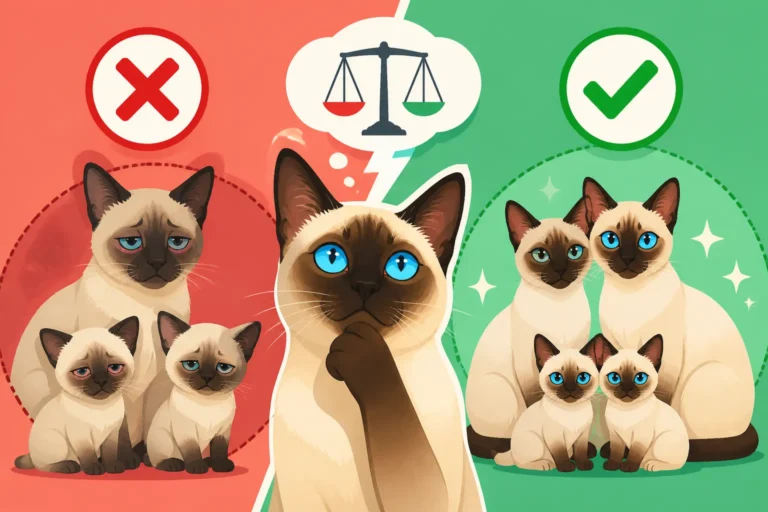
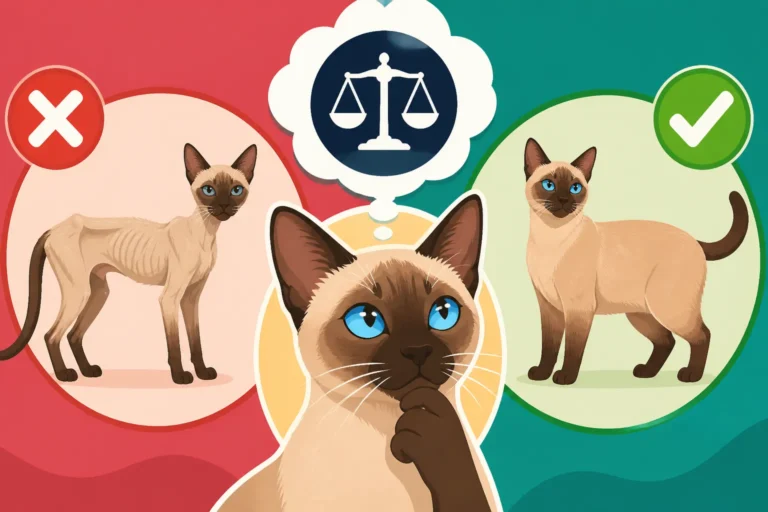
The push to eliminate specific traits, even benign ones, from a breed raises important ethical considerations regarding genetic diversity. When breeders focus intensely on breeding out certain characteristics, it can inadvertently narrow the gene pool, potentially increasing the risk of other, more serious inherited health problems. For instance, if the genes for crossed eyes or kinked tails were closely linked to genes for robust health or particular desirable personality traits, breeding them out could have unforeseen consequences. Thankfully, for the Siamese, breeding away from these particular traits generally hasn't introduced widespread health issues beyond the breed's already known predispositions like amyloidosis or certain cancers. However, it does underscore the constant balancing act breeders face: striving for a "perfect" appearance while maintaining a healthy, diverse genetic foundation. For pet owners, it's a good reminder that a cat with a kinked tail or crossed eyes is not "lesser" in any way; in fact, they might represent a lineage closer to the original, ancient Siamese cats. When seeking a kitten, understanding What a Siamese Cat Breeder Should Have Screened can help you discern responsible breeding practices that prioritize health over mere aesthetics, and they should be transparent about any known issues in their lines, even benign ones like these.
Living with a Siamese Cat with Crossed Eyes or a Kinked Tail
Bringing a Siamese cat into your home, whether they have crossed eyes, a kinked tail, or neither, is an absolute joy. These are intelligent, vocal, and incredibly affectionate companions. If your Siamese happens to have these unique physical markers, it simply adds to their individual charm and rarely requires any special care beyond what you’d offer any other beloved feline.
Embracing Their Unique Charm
The most important thing for an owner is to embrace and celebrate these unique traits. Your Siamese cat isn't aware that their eyes cross or that their tail has a little bend; they simply exist as they are. These characteristics often become signature features that owners adore, making their cat even more memorable and distinct. Far from being a flaw, they are part of the story and heritage of the Siamese breed. Many rescue organizations will actively highlight these traits as part of a cat's individual appeal, and many adopters specifically seek out cats with these charming quirks. It’s a wonderful reminder that true beauty comes in many forms, and a loving heart and vibrant personality far outweigh any minor physical deviation from a strict breed standard. Some might even say these traits make a Siamese cat more authentically Siamese, harkening back to their origins. For instance, my own Siamese, Luna, had the most adorable, almost imperceptible kink right at the very tip of her tail, and it made her unique and utterly charming.
Practical Care and Considerations
From a practical standpoint, caring for a Siamese cat with crossed eyes or a kinked tail is no different from caring for any other Siamese. Their feeding, grooming, play, and veterinary needs remain the same. Ensure they receive a high-quality diet, plenty of fresh water (a water fountain can encourage more drinking!), regular play sessions to keep their intelligent minds engaged, and routine veterinary check-ups. The crossed eyes do not necessitate special lighting or environmental adjustments, and the kinked tail does not require any protective measures or cause issues with litter box use. The best "care" you can provide for these traits is simply acceptance and love. As with any pet, a robust pet insurance plan, like those offered by Healthy Paws, can provide peace of mind for any unexpected health issues that might arise, but it’s unlikely to be needed specifically for these benign congenital traits. Focus on providing a stimulating and loving environment, and your Siamese will thrive, regardless of their unique ancestral features. Understanding what makes How Healthy the Siamese Cat Actually Is will equip you with better overall care knowledge.
| Feature | Traditional/Historical View | Modern Breed Standard View (Show Cats) | Impact on Cat's Health/Life |
|---|---|---|---|
| Crossed Eyes | Sign of loyalty, intense focus (e.g., guarding chalices) | Disqualifying fault in the show ring | None; functional vision |
| Kinked Tail | Sign of devotion, holding royal rings | Disqualifying fault in the show ring (for most registries) | None; purely cosmetic |
| Acceptance | Celebrated, characteristic of the breed | Actively bred out for aesthetic uniformity in show lines | High for pet quality cats |
| Prevalence | Common | Less common in modern show lines, still present in pet lines | N/A |
Understanding Congenital Differences in Siamese Cats
The unique physical traits we've discussed, the crossed eyes and kinked tails, fall under the umbrella of congenital differences – characteristics present from birth. While these particular traits are generally harmless, understanding the broader context of congenital conditions in Siamese cats can help owners be more informed and proactive about their pet's health. It’s a delicate balance of celebrating uniqueness and being vigilant about well-being.
Differentiating Benign from Problematic Congenital Issues
It's crucial for any Siamese cat owner to understand that not all congenital conditions are created equal. Crossed eyes and kinked tails are typically benign congenital differences, meaning they are present from birth but do not cause pain, discomfort, or health complications. These are purely aesthetic or, in the case of strabismus, a harmless visual adaptation. However, some other congenital conditions can indeed be problematic. For example, some Siamese kittens might be born with congenital heart defects, which could significantly impact their health and lifespan. Similarly, severe neurological conditions or deformities can occur. The key is to differentiate. A responsible breeder will be transparent about any known congenital issues in their lines, even those that are less severe. For any concerning symptoms in a kitten, such as difficulty feeding, unusual lethargy, or developmental delays, immediate veterinary attention is paramount. It’s important to know that while Congenital Defects in a Siamese Cat Kitten can occur, the charming traits discussed here are almost always on the harmless side of the spectrum. Pet insurance, such as through Healthy Paws, is a great safety net for unexpected health concerns, especially in young kittens, and knowing what is typically covered can help budget for potential medical needs.
The Role of Genetics in Breed-Specific Traits
The existence of breed-specific congenital traits, like the crossed eyes and kinked tails in Siamese cats, underscores the powerful role of genetics in purebred animals. Selective breeding, while creating distinct and beloved breeds, can also inadvertently concentrate certain genetic predispositions. In the case of the Siamese, the gene for point coloration is intrinsically linked to the visual pathway development, making strabismus a common accompaniment. Similarly, the genetic factors influencing tail formation have historically led to kinks. While these particular traits are often deemed acceptable or even desirable in a pet, other genetic predispositions, such as the inherited tendency towards amyloidosis, a serious condition that can impact organs like the liver and kidneys, are much more concerning. This is why it’s so vital to support breeders who prioritize health screening and genetic diversity, and who are open about the health history of their breeding lines. While you won't typically find a genetic test for the benign kinked tail or crossed eyes, understanding the broader genetic landscape helps owners appreciate the complexity of their cat's heritage and be prepared for potential health challenges associated with Why Siamese Cat Amyloidosis Is Inherited.
Disclaimer
The information provided in this article is for general informational and educational purposes only and is not a substitute for professional veterinary advice. Always consult with a qualified veterinarian regarding any medical condition or health concerns your pet may have.