Whether an Aging Siamese Cat Feels the Cold More
As our beloved Siamese cats gracefully enter their golden years, it's not uncommon for us to notice subtle changes in their behavior and needs. One common concern for many Siamese parents is whether their aging feline friends are feeling the chill more keenly than they used to. This guide aims to thoroughly explore why older Siamese cats might be more susceptible to cold, what physiological changes contribute to this, and, most importantly, provide actionable steps to ensure your senior Meezer stays cozy and comfortable, especially during cooler months.
Understanding Why Senior Cats Feel the Cold More
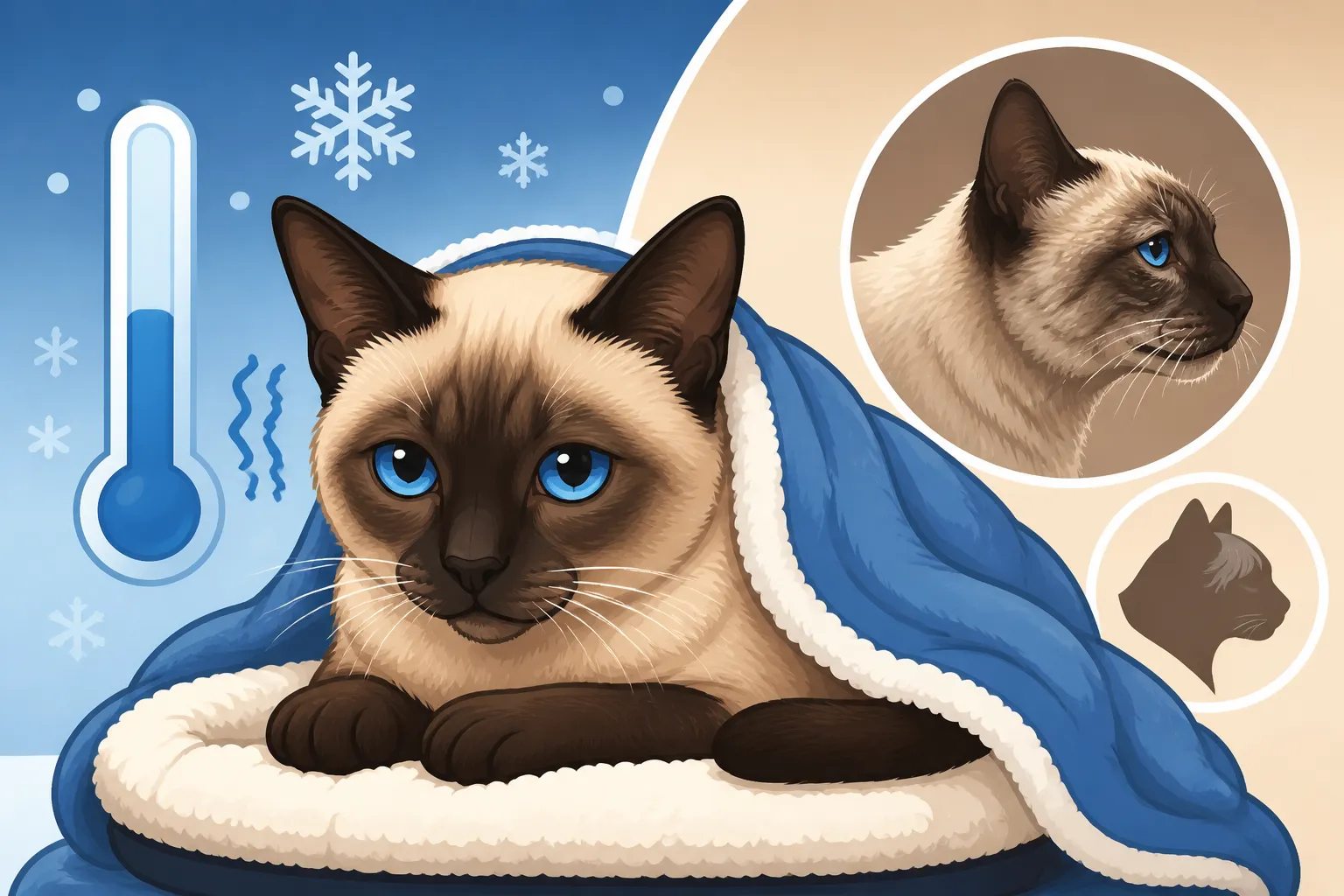
It's a natural part of the aging process for most creatures, including our feline companions, to experience a shift in their ability to regulate body temperature. What might have been a perfectly comfortable room temperature for your Siamese in their youth could now feel quite nippy, leading to them seeking out warmer spots or shivering more. This isn't just a perception; there are several genuine physiological reasons behind this increased sensitivity to cold.
Metabolic Slowdown and Reduced Heat Production
Think about how a young, energetic kitten seems to vibrate with internal warmth; that's their high metabolism hard at work. As cats age, their metabolism naturally begins to slow down. This isn't a bad thing in itself, but it means their bodies aren't generating as much internal heat as they once did. They're essentially running on a lower-power setting. This metabolic shift means their internal thermostat isn't quite as efficient at keeping them toasty, especially when the ambient temperature drops. It's a key reason why you might find your senior Siamese snuggled deeper under blankets or hogging the sunny spot on the carpet for longer stretches. The Age a Siamese Cat Is Considered Senior often marks the beginning of these subtle metabolic changes.
Loss of Muscle and Fat Insulation
Two critical components contribute to a cat's natural insulation: muscle mass and subcutaneous fat. As a Siamese cat ages, they can experience sarcopenia, which is the age-related loss of muscle mass. Muscle tissue not only provides strength and mobility but also plays a significant role in generating heat through activity and even at rest. Less muscle means less natural internal heating.
Alongside muscle loss, some senior cats, despite appearing thin, may also have a reduced layer of subcutaneous fat. While it's true that Why a Siamese Cat Stays So Thin is often attributed to their naturally lean build, an aging cat can lose even more of this crucial insulating layer that acts as a buffer against the cold. Without the plumpness of youth, their lean bodies have less natural padding to keep warmth in and cold out.
Changes in Circulation and Blood Flow
Just like in humans, an older cat's circulatory system might not be as robust as it once was. Less efficient blood flow, particularly to the extremities like paws, ears, and tail, can make these areas feel colder. When blood doesn't circulate as vigorously, it's harder for the body to distribute warmth evenly. This means that even if their core is relatively warm, their delicate ears or slender tails might get chilly, triggering their overall sensation of cold. This can sometimes be exacerbated by underlying health conditions, making it even more important to monitor your senior cat's comfort levels.
The Siamese Cat's Unique Vulnerabilities to Cold
Beyond the general effects of aging, our beautiful Siamese cats have some inherent characteristics that make them particularly susceptible to feeling the cold, even in their younger years. These traits are amplified as they age, making careful temperature management a crucial part of Caring for an Old Siamese Cat.
The Single-Layered, Fine Coat
One of the most distinguishing features of a Siamese cat is their strikingly short, fine coat. Unlike many other cat breeds that boast a thick, insulating undercoat, Siamese cats have a single layer of fur. This means there's no fluffy buffer trapping warm air close to their skin. Why a Siamese Cat Has No Undercoat is due to their genetic makeup, which gives them that sleek, elegant silhouette, but also leaves them without a natural defense against the cold.
Imagine wearing a thin silk shirt in winter versus a thick wool sweater. Your Siamese is essentially wearing that silk shirt all the time. As they age and their internal heat production decreases, this thin coat becomes even less effective at keeping them warm, making them feel any drop in temperature much more acutely.
Lean, Athletic Physique
Siamese cats are known for their long, lithe, and muscular bodies. While this gives them their signature graceful appearance, it also means they don't have a lot of bulk to generate or retain heat. Compared to a stockier, more rounded breed, a Siamese has a higher surface area to volume ratio, which means heat escapes from their bodies more readily. Their slender legs, long tails, and large ears all contribute to this rapid heat loss.
When you feel Why a Siamese Cat Feels Bony, it's a reminder of their inherently lean structure. As they age and potentially lose even more muscle and fat, this physical characteristic becomes an even greater factor in their susceptibility to cold. They simply don't have the natural "insulation" that some other breeds possess, necessitating extra warmth measures from their human companions.
The Role of Temperature-Sensitive Pigmentation
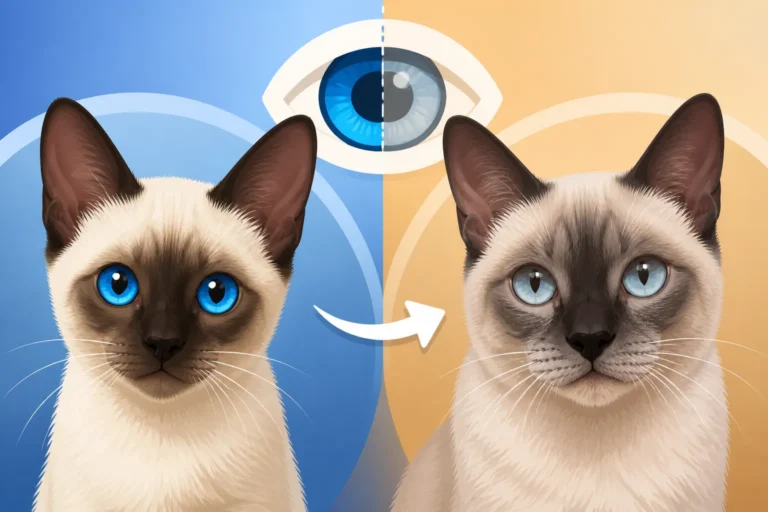
It might seem a bit tangential, but the very mechanism that gives Siamese cats their iconic point coloration also ties into their relationship with temperature. Their color points—the darker fur on their ears, face, paws, and tail—develop because a specific enzyme responsible for pigment production (tyrosinase) only functions at cooler body temperatures. This means the cooler parts of their body develop color, while their warmer core remains lighter.
While this genetic trait (which is beautifully explained in Why a Siamese Cat's Points Are Made by Temperature) doesn't directly make them feel colder, it highlights how their physiology is intimately linked to temperature. Their bodies are literally designed to react to temperature fluctuations in a visible way, underscoring their sensitivity to environmental conditions. It's a fascinating reminder that while we cherish their unique looks, those very traits are a product of their unique interaction with heat and cold.
Practical Strategies to Keep Your Senior Siamese Warm
Knowing why your senior Siamese feels the cold more is one thing, but knowing what to do about it is what truly helps them live comfortably. There are many simple yet effective ways to provide extra warmth and coziness for your aging Meezer, transforming your home into a senior-cat-friendly haven.
Creating Warm and Inviting Sleeping Nooks
This is perhaps the most crucial step. Older cats spend a lot more time sleeping and resting, so their chosen snooze spots must be exceptionally warm and comfortable.
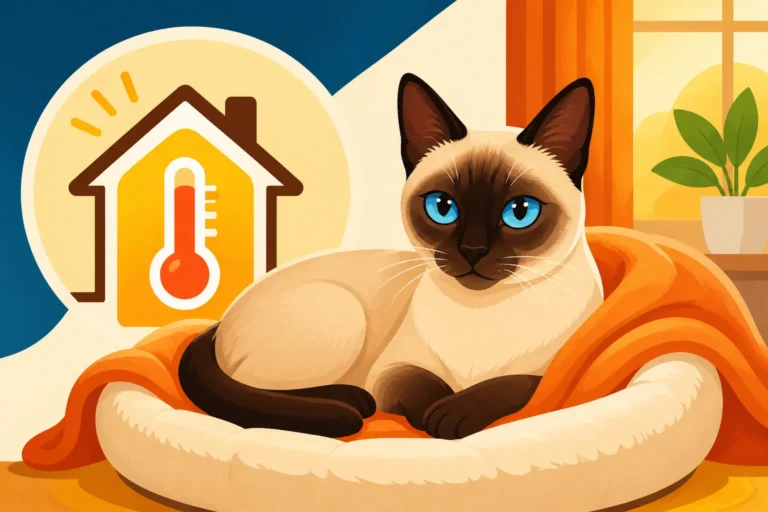
- Heated Beds: These are a game-changer for many senior cats. Look for beds designed specifically for pets, with low, consistent heat. You can find excellent options on platforms like Chewy or Amazon. There are different types, from self-warming mats that use your cat's body heat to electrically heated beds. Just make sure to choose one with appropriate safety features, like an automatic shut-off or a low-voltage design. Your cat will likely gravitate to it immediately, making it their new favorite sanctuary.
- Soft Blankets and Cushions: Layering is your friend! Provide plenty of soft, plush blankets, fleece throws, or even old sweaters in their favorite spots. Cats love to knead and burrow, and these soft materials allow them to create a custom-insulated nest. Place these in sunny spots, near radiators (but not too close to avoid burns!), or in sheltered corners of the room.
- Elevated Beds or Cat Trees: Getting off the cold floor can make a big difference. An elevated bed or a cat tree with a cozy perch can provide a warmer resting spot away from drafts. If your cat has mobility issues, ensure ramps or easily accessible steps are available for cat trees.
Optimizing Your Home Environment
It’s not just about their bed; the overall temperature and air quality of your home play a significant role in your senior Siamese's comfort.
- Maintaining a Consistent Temperature: Aim to keep your home at a consistent, comfortably warm temperature, especially during cooler months. Sudden drops in temperature can be particularly jarring for an older cat. This might mean adjusting your thermostat a few degrees higher than you usually would, especially at night. For reference, consider How Warm a Room a Siamese Cat Needs for guidance.
- Blocking Drafts: Those little breezes that don't bother you might be a real chill factor for a sensitive senior cat. Check windows and doors for drafts and use draft stoppers, heavy curtains, or even strategically placed furniture to block them. Even a subtle draft can make a cozy corner feel cold.
- Sunlight Access: Cats are natural sun-worshippers, and this instinct becomes even stronger with age. Ensure your Siamese has easy access to sunny windowsills or spots on the floor where they can soak up natural warmth. A soft blanket on a sunny sill becomes a prime real estate.
Nutritional and Grooming Support
While less direct than physical warmth, good nutrition and regular care indirectly support your senior Siamese's ability to stay warm and healthy.
- Adequate Calories and High-Quality Food: An aging cat still needs a nutritionally complete diet to maintain body condition and generate energy, which contributes to body heat. If your senior Siamese is losing weight, consult your vet about dietary changes. Sometimes, a more palatable or calorie-dense food designed for seniors can help. Fresh food options can be highly appealing to picky older cats and provide good nutritional support.
- Hydration: Staying well-hydrated supports overall circulation and metabolic function. Ensure your Siamese has multiple sources of fresh water, perhaps even a water fountain, to encourage drinking.
- Grooming Assistance: While Siamese cats are typically fastidious groomers, an aging cat might struggle to groom themselves as effectively, especially if they have arthritis or dental issues. Why an Aging Siamese Cat Stops Grooming can be a sign of discomfort. While their short coat rarely mats, regular gentle brushing can stimulate circulation and remove loose hair, contributing to overall skin and coat health.
| Strategy | Description | Benefits | Considerations |
|---|---|---|---|
| Heated Pet Beds | Electrically warmed or self-warming mats/beds for consistent heat. | Direct, focused warmth; often becomes their favorite spot. | Safety features (auto-shutoff, low voltage); cost; placement. |
| Soft Blankets/Bedding | Plush throws, fleece, or old sweaters for nesting. | Allows burrowing; cost-effective; versatile placement. | Regular washing; can be moved by active cats. |
| Consistent Room Temperature | Maintaining a warm, stable ambient temperature in the home. | Overall comfort for the cat and household. | Energy costs; finding a balance for human comfort. |
| Draft Blocking | Sealing windows/doors, using heavy curtains to prevent cold air intrusion. | Eliminates cold spots; improves overall warmth of specific areas. | Requires identification of drafts; may alter aesthetic. |
| Sunny Nooks | Providing access to sunlit windowsills or floor areas. | Natural warmth; psychological benefits; free. | Sunlight moves; not always available; can overheat if trapped. |
| Nutritional Support | High-quality, appropriate diet; monitoring weight and hydration. | Supports metabolism, energy production, and overall health. | Vet consultation for diet changes; picky eaters; cost of premium food. |
When to Consult Your Veterinarian
While many changes in a senior Siamese cat are a normal part of aging, an increased sensitivity to cold can sometimes be a symptom of an underlying medical condition. It's important to differentiate between typical aging and signs that warrant veterinary attention.
Persistent Shivering or Lethargy
If your senior Siamese is consistently shivering, even when you've provided ample warmth, or if they appear unusually lethargic and disengaged, it's time for a vet visit. This could indicate that they are genuinely too cold, but it could also be a sign of pain, infection, or another systemic illness. Signs a Siamese Cat Is Unwell often include changes in energy levels and body language. Don't dismiss persistent shivering as merely "being cold"; it can be a significant indicator.
Unexplained Weight Loss
Despite efforts to keep them warm and well-fed, if your senior Siamese continues to lose weight, it’s a red flag. Weight loss can reduce their insulating fat layer, making them feel colder, but it's also a common symptom of various age-related diseases. Conditions like hyperthyroidism (though more common for them to feel hot), kidney disease, or even certain cancers can lead to muscle wasting and weight loss. A vet can help identify the cause and formulate a treatment plan.
Changes in Appetite or Thirst
Any significant deviation from your cat's normal eating or drinking habits should prompt concern. An increased or decreased appetite, or excessive thirst, can be symptoms of several common senior cat ailments. For example, Kidney Disease in an Older Siamese Cat often presents with increased thirst and urination, while dental pain might lead to a reluctance to eat. These conditions can indirectly impact their overall vitality and ability to stay warm.
Mobility Issues and Arthritis
If your Siamese is showing signs of stiffness, reluctance to jump, or difficulty getting into their favorite warm spots, arthritis might be playing a role. Whether an Aging Siamese Cat Gets Stiff is a common concern, and joint pain can prevent them from moving to a warmer location or adjusting their position to get comfortable. If they can't easily access their heated bed or sunbeam, they'll inevitably feel colder. Your vet can recommend pain management or mobility aids to improve their quality of life and access to warmth.
Underlying Medical Conditions Affecting Temperature Regulation
Certain health issues can directly interfere with a cat's ability to regulate its body temperature.
- Hyperthyroidism: While many hyperthyroid cats actually feel hotter due to an overactive metabolism, some may present atypical symptoms. It's always worth checking, as this is a common condition in older cats.
- Heart Disease: Conditions like Heart Disease in a Siamese Cat can affect circulation, reducing blood flow to the extremities and making them feel colder. Poor circulation can make it harder for the body to warm itself effectively.
- Anemia: A low red blood cell count (anemia) can make a cat feel cold and weak due to reduced oxygen delivery throughout the body.
Regular veterinary check-ups for your senior Siamese are paramount. These visits allow your vet to catch subtle changes early, address any underlying health concerns, and offer advice tailored to your cat's specific needs, ensuring they stay as comfortable and warm as possible throughout their golden years.
Disclaimer
This article is for general informational purposes only and does not constitute professional advice. Laws, prices and regulations vary by location and change over time. Consult a qualified professional for guidance on your specific situation.