When the Siamese Cat Club Was Founded
The Siamese cat's captivating allure and distinct personality have charmed cat lovers for centuries, but for many, the formal history of how this beloved breed became officially recognized can feel a bit murky. It's easy to wonder how these beautiful creatures transitioned from exotic imports to cherished household members with established standards and dedicated advocates. This guide will take you on a journey through time, exploring the foundational moments and key figures that led to the establishment of the very first Siamese Cat Club, a pivotal step in securing the breed's future.
The Early Arrival of Siamese Cats in the West
Imagine a world where the only cats you'd ever seen were the familiar moggies of your village or town. Then, suddenly, a creature of stark contrasts arrives: sleek, short-coated, with brilliant blue eyes that might even cross, and dark "points" on its extremities. This was the reality for Europeans and Americans when the first Siamese cats began to appear in the late 19th century, sparking immediate fascination and no small amount of mystique. Their exotic origins from Siam (modern-day Thailand) only added to their legendary status, with tales of them guarding temples and accompanying royalty.
These early arrivals weren't just pets; they were living, breathing curiosities, often gifted by the King of Siam to foreign dignitaries, a symbol of goodwill and an intriguing glimpse into another culture. They were rare, precious, and utterly unlike anything previously encountered, setting the stage for an intense interest that would soon necessitate formal organization to protect and promote them.
The First British Siamese Cats
Britain holds a special place in the early history of the Siamese cat in the Western world. In 1884, a pair of Siamese cats named Pho and Mia arrived on British shores, brought back by the then British Consul-General in Bangkok, Mr. Owen Gould. These cats were not just personal pets; they were ambassadors of their breed, captivating everyone who saw them. Their distinct coloration, unusual vocalizations, and striking appearance made them an instant sensation, especially in the burgeoning world of cat shows.
Pho and Mia were exhibited at the Crystal Palace Show, one of the most prestigious cat shows of the era, and their appearance caused quite a stir. People were mesmerized by their slender bodies, wedge-shaped heads, and those piercing blue eyes. They were so different from the long-haired Persians and sturdy British Shorthairs that dominated the show rings at the time. This public debut ignited a widespread fascination with the Siamese breed, prompting more people to seek out these "royal cats of Siam" and laying the groundwork for a dedicated fancier base. Who Pho and Mia the Siamese Cats Were delves deeper into their story and impact.
Early American Introductions
Across the Atlantic, America was also beginning to encounter the enchanting Siamese cat, albeit slightly later and through different channels. One of the most famous early Siamese cat arrivals in the United States was a cat named Siam, gifted to President Rutherford B. Hayes and his wife Lucy by the American Consul in Bangkok in 1878. Siam lived in the White House, becoming a cherished pet and further raising the profile of the breed in America.
Like their British counterparts, American Siamese cats were initially viewed as exotic novelties. Their unique appearance and vocal nature were topics of much discussion. These early individuals, whether in presidential residences or private collections, were the seed from which American interest in the breed would sprout. The scarcity of these cats and the expense of importing them meant that ownership was largely confined to the wealthy and well-connected, contributing to their elite status. For more on this specific cat, see Who Sent Siam the Siamese Cat to the Hayes White House.
The Genesis of Formal Recognition
As more Siamese cats arrived in the West and their unique characteristics became better known, it became clear that a more organized approach was needed. Informal groups of enthusiasts began to form, sharing information, comparing notes on their cats, and discussing the best ways to care for these somewhat mysterious animals. This was a time before widespread veterinary knowledge specifically tailored to breeds, so collective experience was invaluable. The growing popularity meant that mere appreciation wasn't enough; preservation and standardization were becoming crucial.
This period was marked by a passion to understand and uphold what made a Siamese cat truly a Siamese. Owners were keen to ensure that the distinct features they so admired – the points, the blue eyes, the body type – were maintained and recognized. This informal advocacy soon paved the way for more structured organizations, which would play a vital role in defining the breed for generations to come.
Why Clubs Formed
The primary driver behind the formation of breed clubs was the desire for standardization. When you have a new and exotic breed, there's always a risk of variations emerging that might dilute its defining characteristics. Early fanciers understood that to maintain the integrity of the Siamese cat, a clear, written standard was essential. This standard would serve as a blueprint, guiding breeders on what to aim for and judges on what to look for in the show ring.
Beyond standardization, clubs provided a crucial community. Importing cats was expensive and challenging, and access to knowledgeable veterinarians was limited. Clubs offered a forum for sharing best practices, discussing health concerns, and connecting breeders to ensure healthy lines. It was a place for like-minded individuals to pool their resources and passion, working together to elevate the breed's status and ensure its longevity. Without these foundational clubs, the breed's development could have been far more haphazard and less successful.
Early Challenges and Misconceptions
Despite their appeal, the early Siamese cats faced their share of challenges and misconceptions. Their striking appearance, particularly their crossed eyes and kinked tails, were often seen as charming quirks, but in some circles, they were viewed as defects. These traits, now understood to be part of the breed's genetic heritage and even celebrated in some traditional lines, caused debates among early fanciers about what constituted the "perfect" Siamese. Why a Siamese Cat's Eyes Cross and Why a Siamese Cat's Tail Kinks explain the origins of these traits.
Health concerns were also prominent. The Siamese cat's lean build and vocal nature sometimes led to misunderstandings about their hardiness or temperament. Breeders had to contend with limited genetic pools and the lack of scientific understanding regarding inherited conditions. These early years were a learning curve, requiring dedication, observation, and a willingness to collaborate to overcome these initial hurdles and build a robust foundation for the breed.
The Founding of the Siamese Cat Club
The growing momentum among British fanciers culminated in a significant milestone for the breed: the official establishment of the Siamese Cat Club. This event marked a turning point, moving the Siamese cat from a mere novelty to a formally recognized and actively promoted breed with a dedicated organization behind it. The formation of the club underscored the commitment of its members to the long-term health, development, and popularity of these unique felines. It solidified the breed's presence in the UK cat fancy and set a precedent for similar organizations worldwide.
The Historic Meeting and Key Figures
The Siamese Cat Club was officially founded in Britain in 1901. This pivotal moment brought together passionate individuals who shared a common goal: to protect and promote the Siamese cat. Among the key figures involved in its inception were many of the early importers and prominent cat fanciers of the time, whose dedication and vision were instrumental. They gathered, often in private homes or small meeting rooms, united by their love for the breed and their desire to see it thrive within the structured world of pedigree cats.
The club's early members were not just enthusiasts; they were pioneers. They took on the considerable task of documenting lineage, establishing breeding guidelines, and educating the public. Their work wasn't just about showing cats; it was about ensuring the survival and appropriate development of a breed that was still quite new to Western society. The foundational efforts of these individuals laid the groundwork for all future Siamese cat clubs and associations globally.
Setting the First Breed Standard
One of the Siamese Cat Club's most immediate and crucial tasks was to establish a formal breed standard. Before this, "Siamese" could mean slightly different things to different people. A standard provided a definitive description of the ideal Siamese cat, detailing everything from body type and head shape to eye color and point coloration. This written document became the bedrock upon which all future breeding and judging decisions would be based.
The first standard, as published by the Siamese Cat Club, sought to define the elegant, striking appearance that captivated early fanciers. It emphasized the slender, lithe body, the relatively small, wedge-shaped head, the vivid blue eyes, and, of course, the distinctive dark points on the ears, mask, paws, and tail. While standards would evolve over time, this initial document was critical in giving breeders a clear target and ensuring a consistent type for the breed. What the First Siamese Cat Standard Said offers an in-depth look at these early guidelines.
The Club's Early Impact and Evolution
Once established, the Siamese Cat Club quickly became a central force in the cat fancy community, influencing breeding practices, public perception, and the overall trajectory of the Siamese breed. Its impact was far-reaching, transforming how Siamese cats were bred, shown, and understood. The club wasn't just a talking shop; it was an active organization dedicated to securing the breed's future and enhancing its reputation.
The club's activities went beyond simply writing down a standard. They organized shows, published articles, and acted as a hub for all things Siamese. This meant that newcomers to the breed, or those seeking to breed responsibly, had a reliable source of information and a network of experienced individuals to consult. This collective effort was crucial in those early days when veterinary science was still developing and knowledge of specific breed traits was scarce.
Promoting the Breed and Responsible Breeding
A core function of the Siamese Cat Club was to actively promote the breed to a wider audience, moving it beyond the realm of exotic curiosity into the mainstream of pet ownership. They did this through participation in cat shows, where their beautiful specimens could be admired, and by distributing information about the breed's temperament, care needs, and unique characteristics. This promotional work was vital in increasing the Siamese cat's popularity and ensuring a healthy demand for well-bred kittens.
Equally important was the club's role in advocating for responsible breeding practices. They encouraged members to prioritize health and temperament, maintain accurate pedigrees, and select breeding pairs carefully to avoid undesirable traits. This focus on ethical breeding helped to establish the Siamese as a robust and well-adjusted companion, dispelling some of the earlier misconceptions. Reputable breeders today still uphold these principles, often providing health guarantees and ensuring their kittens are socialized. When considering a kitten, always ask about the breeder's club affiliations and health screening practices, and remember that quality pet supplies are essential; you can find a wide range on sites like Chewy.
The Club's Role in Changing the Siamese Cat Standard
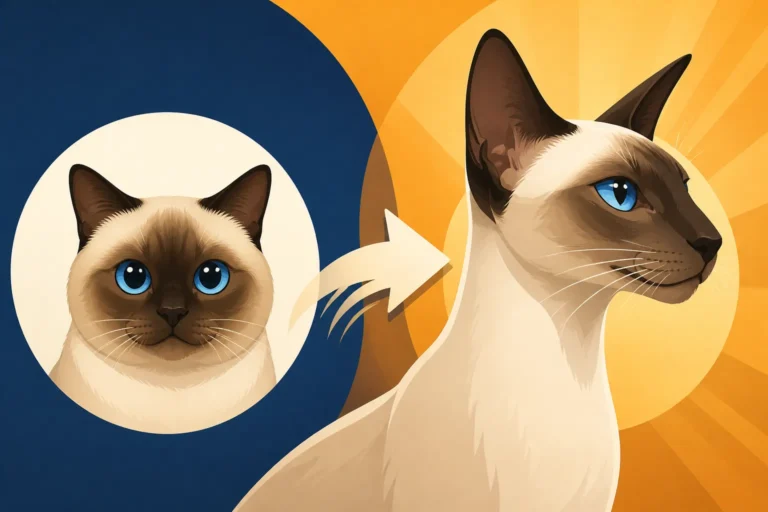
The breed standard is not a static document; it evolves as breeders and judges gain a deeper understanding of genetics and as aesthetic preferences shift. The Siamese Cat Club, along with other emerging cat registries, played a significant role in these evolutionary changes. Over the decades, there was a noticeable shift in the preferred "look" of the Siamese cat, moving from the more rounded "applehead" or "traditional" type towards the more angular, extreme "wedge" head that is characteristic of the modern show Siamese.
This shift was driven by a desire to refine and exaggerate certain features, creating a more dramatic and distinctive profile for the breed. While some lament the loss of the older style, this evolution was a direct result of the club's influence and the collective decisions of its members. It's a fascinating aspect of breed history, demonstrating how human preference can shape the very appearance of an animal over time. How the Applehead Siamese Cat Became the Wedge details this significant transformation in the breed's appearance.
Legacy and Modern Relevance
The pioneering efforts of the early Siamese Cat Club reverberate strongly into the present day. What began as a small group of dedicated fanciers has grown into a global network of clubs and associations, all working towards similar goals. The foundations laid over a century ago continue to support the breed, ensuring its continued health, popularity, and adherence to established standards. Their legacy is evident in every show-winning Siamese and every beloved family pet.
Today, these clubs are not just about pedigree and showing; they've expanded their roles to encompass welfare, education, and community support, reflecting a more holistic approach to responsible pet ownership. They serve as vital resources for both seasoned enthusiasts and those new to the world of Siamese cats, offering guidance on everything from finding a reputable breeder to caring for an aging companion.
How Today's Clubs Operate
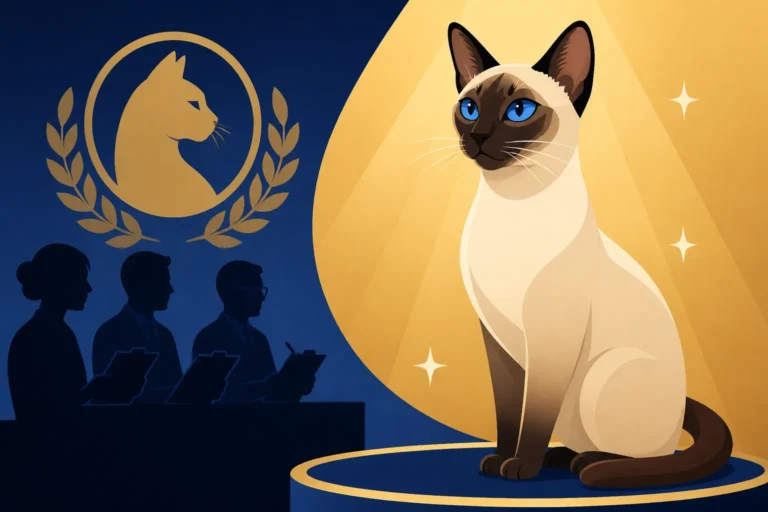
Modern Siamese Cat Clubs continue many of the traditions established by their predecessors, but with a contemporary twist. They host cat shows, which are not just beauty pageants but also crucial opportunities for breeders to assess their lines against the breed standard and for the public to admire these magnificent animals. These events foster camaraderie and allow for the exchange of knowledge among members.
Beyond shows, clubs are actively involved in promoting the health and well-being of the breed. Many clubs encourage health screening for inherited conditions and support research into feline diseases. They also play a vital role in rescue and rehoming efforts, providing a safety net for Siamese cats in need. Through their websites and social media, they disseminate information, connect members, and advocate for responsible pet ownership. You can often find a directory of ethical breeders through these club resources. What a Siamese Cat Breeder Should Have Screened is a great resource to understand the importance of health testing promoted by clubs.
Finding a Reputable Breeder Today
For anyone considering bringing a Siamese cat into their home, finding a reputable breeder is paramount, and this is where the legacy of breed clubs shines through. A good breeder will be affiliated with a recognized club or registry, demonstrating their commitment to ethical practices and adherence to the breed standard. They will be transparent about their cats' health, genetic history, and living conditions. They'll ask you questions, too, ensuring their kittens go to loving, appropriate homes.
When you contact a breeder, don't hesitate to ask for references, inquire about health testing for the parents, and request to see the kitten's living environment. A reputable breeder will welcome your questions and be eager to share their knowledge and passion. Organizations like The Cat Fanciers' Association (CFA) or The International Cat Association (TICA) are excellent starting points for finding member breeders who uphold high standards. And once you've found your perfect companion, you'll want to stock up on all the essentials; online retailers like Chewy make it easy to find everything from high-quality food to interactive toys that your clever Siamese will adore.
| Aspect | Early Siamese Cat Club (1901) | Modern Siamese Cat Clubs (Today) |
|---|---|---|
| Primary Focus | Breed standardization, initial promotion, community building | Breed preservation, health, welfare, education, promotion, rescue |
| Key Activities | Establishing breed standard, organizing early shows, information exchange | Hosting shows, health testing initiatives, breeder directories, rescue programs, online resources |
| Breed Standard | Focused on defining core traits, initial "applehead" tendencies | Evolved to refine features, often favoring the "wedge" type, but recognizing traditional |
| Health Emphasis | Limited scientific understanding, relied on anecdotal experience | Promotes genetic screening, supports research, advises on veterinary care |
| Community Role | Essential for connecting rare cat owners | Continues to connect owners and breeders, offers broader support networks |
| Public Engagement | Primarily through cat shows | Shows, websites, social media, educational outreach |
Disclaimer
This article is for general informational purposes only and does not constitute professional advice. Laws, prices and regulations vary by location and change over time. Consult a qualified professional for guidance on your specific situation.