How a Siamese Cat Differs From an Oriental Shorthair
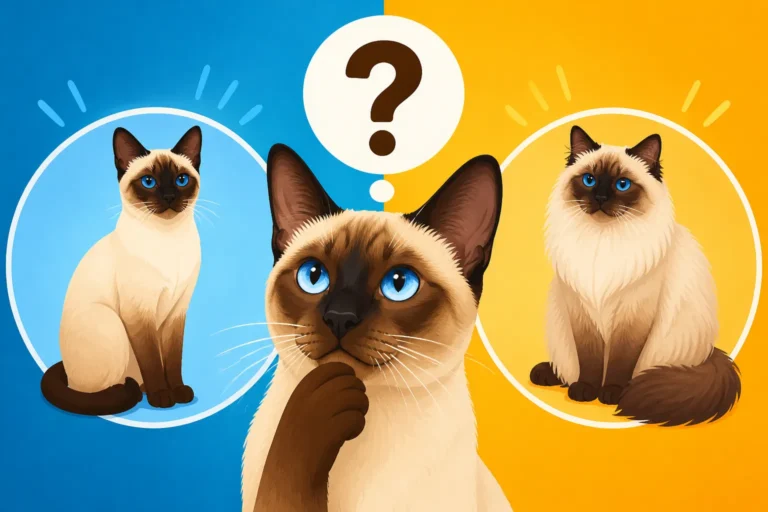
If you've ever found yourself admiring the sleek, elegant lines of a Siamese cat, only to then spot an equally striking feline that looks almost identical but with a completely different coat pattern, chances are you've encountered an Oriental Shorthair. It's a common point of confusion for many cat lovers, and honestly, who can blame us? These two breeds share so much genetic heritage that distinguishing them can feel like a riddle. But don't worry, we're here to unravel it for you, exploring the subtle and not-so-subtle differences that make each breed unique, while also celebrating their undeniable similarities.
Shared Ancestry: A Tale of Two Breeds
Understanding the relationship between the Siamese and the Oriental Shorthair begins with their shared history. It's not a case of completely separate origins, but rather one breed being meticulously developed from the other. This close familial bond explains why they have so much in common, from their athletic build to their famously talkative personalities.
The Siamese Foundation
The Siamese cat, with its striking point coloration and sapphire eyes, is one of the oldest and most recognizable cat breeds in the world. Its roots trace back to ancient Siam, now Thailand, where these cats were revered and often kept by royalty and within temples. These traditional "Meezers" arrived in the Western world in the late 19th century, captivating enthusiasts with their unique appearance and vocal charm. Early Siamese cats often exhibited traits like Why a Siamese Cat's Eyes Cross and Its Tail Kinks, which were once considered hallmark characteristics but have largely been bred out of modern show lines.
The early breeders, particularly in Britain and then America, were fascinated by the Siamese and set about refining its look to what we largely recognize today. This selective breeding focused on enhancing its slender body, long head, and distinct point coloration, establishing the breed standard. The Siamese, truly, is the bedrock from which many other beloved breeds have sprung, including its close cousin, the Oriental Shorthair. The Siamese Cat Came From Siam, Not Thailand dives deeper into this fascinating history.
The Oriental Shorthair's Development
The Oriental Shorthair, on the other hand, is a much newer breed, intentionally developed in the mid-20th century. Breeders, many of whom were already working with Siamese cats, had a vision: to create a cat with the elegant Siamese body type and personality, but without the restrictive point coloration. They wanted to explore the full spectrum of coat colors and patterns that were available in the feline genetic pool, using the Siamese as a starting point. This meant outcrossing Siamese cats with other domestic shorthairs, and then breeding back to Siamese to regain the desired conformation and temperament.
This careful breeding program resulted in the Oriental Shorthair, a breed that essentially is a Siamese in every way but color. It's a testament to the dedication of breeders who saw the potential to expand the aesthetic diversity of the Siamese family. How the Oriental Shorthair Came From the Siamese Cat provides a detailed look at this captivating journey, showing how a new breed was born from a desire for color innovation.
The Distinctive Coat: Color and Pattern Differences
This is where the rubber meets the road, folks. If you're trying to tell these two gorgeous breeds apart, their coats are your biggest clue. While they share so much in terms of physical structure, their genetic differences in coat color expression are what truly set them apart visually.
Siamese Pointed Perfection
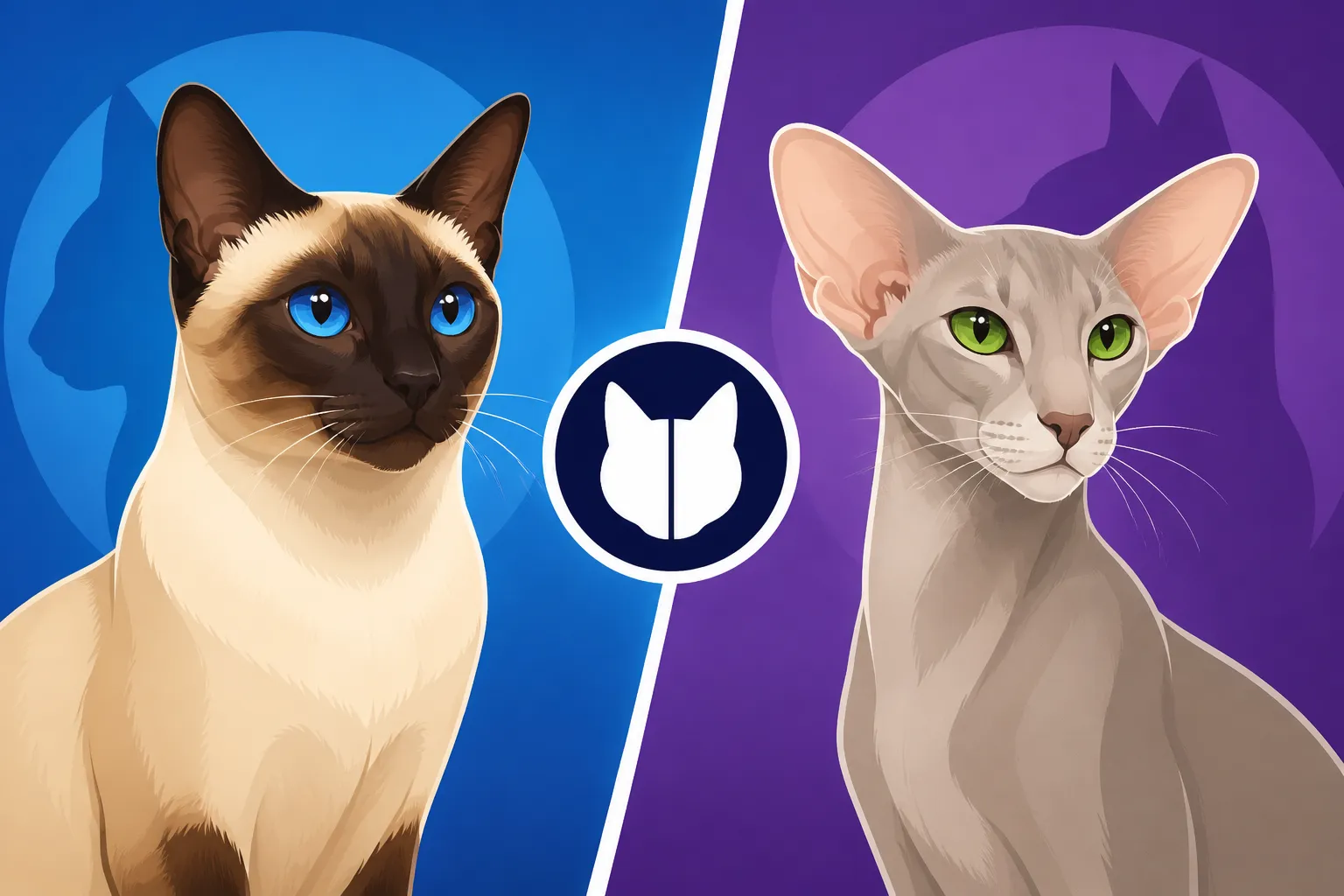
The defining characteristic of a Siamese cat is its "pointed" coat pattern. This means that the color is concentrated on the cooler extremities of the body: the face (mask), ears, paws, and tail, while the body remains a much lighter shade. This unique coloration is due to a temperature-sensitive enzyme that only produces pigment in cooler areas of the skin. That's Why a Siamese Cat Kitten Is Born White and gradually develops its points as it gets older and exposed to cooler temperatures. The primary recognized point colors for a Siamese cat are seal point (dark brown/black), blue point (slate gray), chocolate point (milk chocolate brown), and lilac point (a pale, frosty gray with a pinkish cast). You might also encounter red points, cream points, or lynx points, but traditionally, the core four are the most widely accepted by major cat registries for a purebred Siamese.
It's a marvel of genetics, really. A Siamese cat's body will actually darken over time, especially if it lives in a cooler environment or as it ages. Why a Siamese Cat Darkens Every Winter explains this fascinating phenomenon. The stark contrast between the body and the points is what gives the Siamese its iconic, elegant look. There’s no mistaking those deep blue eyes against the rich points!
Oriental Shorthair's Kaleidoscope of Colors
Now, imagine the sleek, athletic body of a Siamese, but then drape it in an almost endless array of colors and patterns – that's your Oriental Shorthair. Unlike the Siamese, the Oriental Shorthair's coat gene allows for solid colors, tabbies, bi-colors, torties, and even shaded and smoke patterns, distributed evenly across the entire body. They don't have the temperature-sensitive gene that creates the points; their pigment is expressed uniformly. This means you can find an Oriental Shorthair in solid black, white, blue, red, cream, cinnamon, fawn, or even a beautiful ebony tabby with green eyes.
This incredible diversity is why the Oriental Shorthair is sometimes called the "rainbow cat" of the cat world. While a Siamese cat’s color is almost always blue, an Oriental Shorthair can have green or blue eyes, depending on its coat color genetics. For example, solid white Orientals with blue eyes are a stunning sight. If you're looking for Which Colors a Siamese Cat Comes In, you'll see a distinct difference when you compare them to the hundreds of combinations an Oriental can offer.
Here’s a quick comparison of their defining coat traits:
| Feature | Siamese Cat | Oriental Shorthair Cat |
|---|---|---|
| Coat Pattern | Pointed (color on extremities) | Solid, tabby, tortie, bi-color, smoke, shaded |
| Primary Colors | Seal, Blue, Chocolate, Lilac Point | Any color imaginable (black, white, red, blue, etc.) |
| Eye Color | Always blue (deep sapphire is preferred) | Green (most common), blue (in white cats) |
| Body Color | Lighter body, darker points | Uniform color distribution across the body |
| Genetic Basis | Temperature-sensitive pigmentation gene | Full pigmentation gene |
Body Type and Conformation: More Alike Than Different?
Beyond the dramatic differences in coat color, when you strip away the fur (figuratively speaking, of course!), you'll find that the Siamese and Oriental Shorthair are remarkably similar in their underlying physical structure. This isn't a coincidence; it's a direct result of their shared genetic lineage and the deliberate breeding choices made during the Oriental Shorthair's development.
The Elegant Siamese Standard
Both breeds adhere to a very similar breed standard when it comes to body type. They are characterized by a long, slender, and muscular body that is often described as "slinky" or "sylph-like." This isn't your average chunky house cat; these are athletes, built for agility and grace. Their legs are long and fine-boned, proportionate to their body, ending in small, oval paws. The tail is long and tapers to a fine point, often described as a whip-like tail.
The head is a distinctive "wedge" shape, starting narrow at the nose and widening to the tips of the ears, forming a perfect triangle. Their ears are strikingly large and set wide apart, continuing the lines of the wedge. And those eyes? Almond-shaped, medium-sized, and slanting towards the nose. For a Siamese, they are always a vivid, brilliant blue. This specific look is What a Siamese Cat Looks Like by the Standard and What the Siamese Cat Standard Asks For detail, emphasizing the importance of these elegant proportions.
Oriental Shorthair's Mirror Image
The Oriental Shorthair mirrors the Siamese in almost every aspect of its physical conformation. The breed standard for an Oriental is essentially the Siamese standard, just without the color restriction. This means you'll see the same long, lithe, and muscular body; the same long, tapering tail; the same fine-boned legs and delicate paws. Their heads are also the characteristic "wedge" shape, and their ears are equally large and wide-set, contributing to that distinctive, angular profile.
The only real deviation in physical standards lies in the eye color. While a Siamese must have blue eyes, an Oriental Shorthair can have green eyes, particularly in solid colored cats. White Orientals can sometimes have blue eyes, or even heterochromia (one blue, one green eye), which adds another layer to their diverse appearance. If you place a solid black Oriental Shorthair next to a seal point Siamese, you'll immediately see the identical body structure and head shape, only separated by their breathtaking coats.
Personality and Temperament: Echoes of the Siamese Voice
Beyond their captivating looks, both Siamese and Oriental Shorthairs share an incredibly similar, and often famously intense, personality. If you've ever heard someone describe a Siamese as "dog-like" or "attention-seeking," you can generally apply those same descriptors to an Oriental Shorthair. Their shared genetic background means they share many of the same endearing, and sometimes demanding, traits.
The Siamese Charm and Chatter
Siamese cats are legendary for their vocal prowess. They aren't just meowers; they converse. Their voices are distinct, often described as a "Meezer yowl" or a baby's cry, and they are not shy about using them to express their opinions, demands, or simply to tell you about their day. They will follow you from room to room, narrating their thoughts, and expect you to respond. How Loud a Siamese Cat Is and Why a Siamese Cat Meows So Much delve into the nuances of their communication.
Beyond their vocalizations, Siamese cats are intensely social and bond deeply with their human companions. They thrive on interaction, playtime, and being the center of attention. They're often described as "velcro cats" because they want to be right there with you, whether that's curled up on your lap, perched on your shoulder, or "helping" you with your computer work. They're highly intelligent, curious, and playful, often retaining their kitten-like energy well into adulthood. They're quick learners and can even be taught tricks, making them incredibly engaging companions. What a Siamese Cat's Temperament Is Really Like explores their complex and captivating nature.
Oriental Shorthair's Vibrant Spirit
The Oriental Shorthair embodies the very same vibrant spirit as the Siamese. They are equally vocal, though some owners report that their voices might be a tad less piercing than their pointed cousins. Still, don't expect a quiet, demure lap cat; an Oriental will let you know exactly what they're thinking with a rich vocabulary of meows, trills, and purrs. They are just as prone to following you around the house, demanding your attention, and engaging in lengthy "conversations."
Like the Siamese, Orientals are incredibly intelligent, curious, and active. They need mental stimulation and plenty of playtime to keep them from getting bored (and potentially destructive!). They form strong bonds with their families and crave companionship, making them less suited for households where they'd be left alone for long periods. They are playful and energetic, often enjoying games of fetch or chasing wand toys. Their need for interaction and engagement is a hallmark trait, ensuring they'll always be an active participant in your daily life. They truly are the Siamese in a new outfit.
Health Considerations: Understanding Genetic Predispositions
While both breeds are generally healthy and long-lived, their shared ancestry means they can also share some genetic predispositions to certain health conditions. Being aware of these can help prospective owners provide the best possible care for their feline companions.
Common Siamese Health Concerns
Siamese cats, despite their robust nature, are known for a few inherited conditions. One of the most significant is Amyloidosis, a disease where abnormal protein deposits build up in organs, most commonly the liver in Siamese cats. This can lead to serious health issues, including Why a Siamese Cat's Liver Can Rupture Without Warning. Unfortunately, there's currently There Is No DNA Test for Siamese Cat Amyloidosis, making it a challenging condition for breeders to screen for.
Another condition sometimes seen in Siamese cats is Progressive Retinal Atrophy (PRA), which can lead to blindness. While there are some genetic tests for PRA in other breeds, PRA and the Siamese Cat Eye Test That Does Not Settle It for Siamese specifically. Other conditions that have been observed in the breed include certain types of cancer, such as Mediastinal Lymphoma, and sometimes a predisposition to Dental Disease in a Siamese Cat. Responsible breeders will always strive to minimize these risks through careful breeding practices and by screening for conditions where tests are available. Generally, with good care, The Fifteen to Twenty Years a Siamese Cat Gets is a realistic lifespan.
Oriental Shorthair Health Profile
Because the Oriental Shorthair was developed directly from the Siamese, it shares many of the same potential genetic health concerns. This includes the possibility of Amyloidosis and Progressive Retinal Atrophy, although prevalence can vary between lines and breeders. Breeders of Oriental Shorthairs are typically just as diligent in attempting to screen for these issues where possible.
Other conditions that Siamese and Oriental Shorthairs might share due to their close lineage include certain forms of heart disease, like hypertrophic cardiomyopathy (HCM), though it is not as prevalent as in some other breeds. They also share the Siamese's lean body type, which sometimes leads owners to wonder Why a Siamese Cat Stays So Thin, even when perfectly healthy. Regular veterinary check-ups are crucial for both breeds to catch any potential issues early. Good breeders for both breeds will provide health guarantees and be transparent about the health history of their breeding lines.
Care Requirements: What Owners Need to Know
When it comes to daily care, the similarities between Siamese and Oriental Shorthairs continue. Both breeds are relatively low-maintenance in terms of grooming but require significant attention and mental stimulation due to their highly intelligent and social natures.
Grooming and Physical Care
Neither the Siamese nor the Oriental Shorthair has an undercoat, and their short, sleek coats shed minimally. This makes them relatively easy to groom. A quick brush a couple of times a week with a rubber curry brush or a soft bristled brush is usually all that's needed to remove loose hairs and keep their coats gleaming. This is generally a pleasant bonding experience for both cat and owner. Grooming a Siamese Cat Takes Five Minutes a Week isn't an exaggeration! Because they are so clean, baths are rarely necessary unless they've gotten into something particularly messy.
Beyond coat care, regular dental hygiene is paramount for both breeds. Siamese cats can be prone to dental issues, so brushing their teeth regularly at home, combined with professional dental cleanings as recommended by your vet, can make a huge difference. You can find specialized feline toothbrushes and toothpaste on sites like Chewy that make this task a bit easier. Keeping their nails trimmed and their large ears clean (checking for wax buildup) are also important parts of their routine care.
Nutrition and Enrichment Needs
Due to their lean, muscular build and high energy levels, both Siamese and Oriental Shorthairs often have active metabolisms. They need a high-quality, protein-rich diet to support their energy and maintain their physique. Free-feeding might not be suitable for all cats, especially if they are prone to eating too quickly or if you're trying to manage their weight. Portion control with scheduled meals can be a good approach. You'll find a wide range of premium cat foods, both wet and dry, on Chewy that cater to active breeds. Feeding a Lean Siamese Cat That Burns Everything covers this topic in more detail.
When it comes to enrichment, this is where both breeds truly demand attention. Their high intelligence and social nature mean they need interaction and mental stimulation. They thrive on puzzle feeders, interactive toys, regular play sessions with their human companions, and climbing opportunities like cat trees. A bored Siamese or Oriental Shorthair can quickly become a destructive one. Many owners find that these breeds also benefit from a companion, whether it's another cat or even a cat-friendly dog, to keep them company and engaged when their humans are busy or away. Consider durable, engaging toys from retailers like Chewy to keep these clever cats entertained.
In essence, while the Siamese and Oriental Shorthair dazzle us with their distinct coat patterns, they are two sides of the same exquisitely crafted coin. They share a profound history, an unmistakable physical grace, and a vivacious, communicative personality that captivates anyone lucky enough to share their home with them. Choosing between them often comes down to a preference for a specific coat color or pattern, rather than a difference in temperament or fundamental care needs.
Disclaimer
This article is for general informational purposes only and does not constitute professional advice. Laws, prices and regulations vary by location and change over time. Consult a qualified professional for guidance on your specific situation.