Which Health Tests a Siamese Cat Breeder Runs
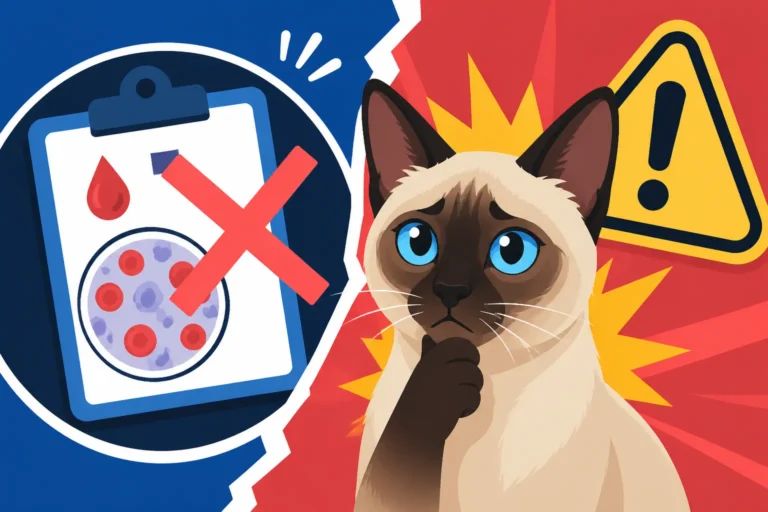
Bringing a new Siamese cat into your life is incredibly exciting, but the journey can be fraught with anxiety, especially when it comes to finding a truly healthy kitten. You're trying to do your due diligence, but navigating breeder claims and understanding which health tests are actually meaningful can feel like deciphering a complex medical journal. It's a real frustration when you just want to ensure your new family member has the best possible start. This guide aims to cut through the confusion, detailing the essential health tests and practices a reputable Siamese cat breeder should be diligently performing, giving you the clarity and confidence you need to make an informed decision.
The Essential Health Screens Every Siamese Breeder Should Prioritize
When you're looking for a Siamese kitten, you're not just looking for a cute face; you're looking for a healthy companion who will be with you for many years to come. A responsible breeder understands this and prioritizes the health and well-being of their cats above all else. This means going beyond basic veterinary care and delving into the specific genetic predispositions of the Siamese breed. It's a proactive approach that aims to minimize the heartache of inherited conditions down the line.
Why Reputable Breeders Focus on Inherited Conditions
Siamese cats, like many purebred animals, can be prone to certain inherited health conditions. This isn't a flaw in the breed itself, but rather a consequence of careful selective breeding over generations to achieve specific looks and temperaments. The problem arises when breeders aren't vigilant about screening their breeding lines, inadvertently passing on genes that can cause serious health issues. For you, the prospective owner, this translates into potential heartbreak and significant veterinary bills if you unknowingly acquire a kitten with a predisposition to a severe genetic disease. A reputable breeder is deeply invested in the longevity and quality of life of their cats, and they know that screening is the cornerstone of responsible breeding. They are trying to ensure that the genetic legacy of the breed remains strong, and that each kitten leaves their care with the best possible chance at a long, healthy life. It’s about more than just avoiding immediate illness; it's about safeguarding the future of the breed and the well-being of individual cats. This kind of dedication helps to improve How Healthy the Siamese Cat Actually Is overall.
General Health Checks and Initial Veterinary Care
Beyond genetic screening, every Siamese kitten should receive comprehensive general health checks and initial veterinary care before going to its new home. This is the baseline, the non-negotiable standard. You should expect a kitten to have had at least two rounds of core vaccinations (typically against feline distemper, calicivirus, and rhinotracheitis) and multiple deworming treatments appropriate for its age. A breeder should also ensure the kitten has been tested for internal and external parasites and treated if necessary. The kitten should have a clean bill of health from a licensed veterinarian, usually evidenced by a health certificate issued within a few days of sale. This certificate is vital, confirming that the vet has examined the kitten and found it to be free of obvious signs of illness, congenital defects (like heart murmurs or hernias), and in good general condition. You should also expect the kitten to be eating well, playing actively, and have bright, clear eyes and ears. These basic but crucial steps are fundamental to ensuring a healthy start and provide immediate reassurance to new owners.
Understanding Specific Genetic Tests for Siamese Cats
When delving into specific health tests for Siamese cats, it becomes clear that not all conditions can be screened for in the same way, and some pose unique challenges. It’s important to understand the available tests, their reliability, and the conditions for which screening is unfortunately still unavailable.
Progressive Retinal Atrophy PRA
Progressive Retinal Atrophy (PRA) is a heartbreaking inherited eye disease that affects various cat breeds, including the Siamese. It causes the gradual degeneration of the retina, leading to irreversible blindness. For a Siamese cat, which is so alert and engaged with its environment, losing its sight can be a profound challenge, even though many blind cats adapt remarkably well. The good news is that there is a DNA test available for one specific form of PRA in Siamese cats, often referred to as rdAc-PRA. This test identifies carriers of the gene, as well as affected individuals.
A responsible breeder will screen their breeding cats for this specific PRA mutation. If a cat carries one copy of the gene, it's a carrier and won't go blind itself, but it can pass the gene to its offspring. If two carriers are bred together, there's a 25% chance that their kittens will inherit two copies of the gene and develop PRA. By testing, breeders can make informed decisions, ensuring that at least one parent in a breeding pair is clear of the mutation, thus preventing affected kittens. However, it's crucial to understand that while the rdAc DNA test is a valuable tool, it doesn't cover all possible forms of PRA or other eye conditions that a Siamese cat might develop. There's a lot of discussion around Whether the rdAc DNA Test Works on a Siamese Cat and its limitations, which highlights why a comprehensive eye exam by a veterinary ophthalmologist can still be a critical component of screening, sometimes providing more insight than a DNA test alone, particularly in cases where the DNA test might not settle all questions, as explored in PRA and the Siamese Cat Eye Test That Does Not Settle It.
Amyloidosis and the Lack of a DNA Test
Now, let's talk about the elephant in the room for Siamese cat health: Amyloidosis. This is arguably one of the most devastating inherited diseases in the Siamese breed, and it causes immense frustration for both breeders and owners because, tragically, there is currently no DNA test available to screen for it. Amyloidosis is a condition where abnormal protein (amyloid) deposits accumulate in various organs, most commonly the liver and kidneys in Siamese cats. When these amyloid deposits build up, they disrupt the normal function of the organ, eventually leading to organ failure. In many Siamese cats, it manifests as hepatic (liver) amyloidosis, which can lead to sudden and catastrophic liver rupture and internal bleeding. This is truly a terrifying prospect for any owner. We have an entire piece on What Amyloidosis Does to a Siamese Cat because it's so critical.
The sudden nature of a ruptured liver, often with no prior symptoms, means that many Siamese cats appear perfectly healthy one day and are gone the next, leaving their families utterly devastated. This silent killer is why it's heartbreaking that There Is No DNA Test for Siamese Cat Amyloidosis. Without a genetic marker, breeders cannot definitively identify carriers or affected cats before they show symptoms, or even before they've been bred. This means the primary tool breeders have against amyloidosis is meticulous tracking of family history and pedigrees. A responsible breeder will be transparent about any known cases of amyloidosis in their lines and will actively avoid breeding cats from families where the disease is prevalent. They understand that Why Siamese Cat Amyloidosis Is Inherited and they work to mitigate that risk, even without a direct genetic test. They will often share information about the longevity and causes of death of their breeding cats' ancestors, which is the best indicator currently available. This is a tough reality for the breed, and it underscores the importance of buying from breeders who are committed to honesty and long-term health monitoring of their lines. Understanding that Amyloidosis Is the Disease That Kills Young Siamese Cats makes this commitment all the more vital.
Heart Health and Screening for Hypertrophic Cardiomyopathy HCM
Hypertrophic Cardiomyopathy (HCM) is the most common heart disease in cats, leading to a thickening of the heart muscle. While many breeds are predisposed, including Maine Coons and Ragdolls, Siamese cats can also be affected. HCM can lead to heart failure, blood clots, and sudden death, making early detection incredibly important.
The primary screening method for HCM is an echocardiogram, which is a specialized ultrasound of the heart. This procedure allows a veterinary cardiologist to visualize the heart's structure and function, identify any thickening of the heart muscle, and assess blood flow. Reputable Siamese breeders will often have their breeding cats (both males and females) screened for HCM by a board-certified veterinary cardiologist on a regular basis, typically annually or biennially. This helps to identify affected individuals before they are bred, removing them from the breeding program to prevent the condition from being passed on to kittens.
While there are DNA tests for HCM in some breeds (like the Maine Coon and Ragdoll), there isn't a widely recognized or reliable DNA test specifically for HCM in Siamese cats at this time. Therefore, the echocardiogram remains the gold standard for screening. It's also worth noting that HCM can develop at any age, so a single clear echocardiogram doesn't guarantee a cat will never develop the condition. This is why ongoing screening of breeding adults is crucial. When considering a kitten, ask the breeder about the cardiac health of their breeding cats and be prepared to review documentation from their cardiologist, detailing their clear echo results.
Non-Genetic Health Concerns and Breeder Practices
While inherited conditions often grab the headlines due to their serious nature, a responsible Siamese breeder also maintains rigorous standards for general health and hygiene, proactively addressing common feline ailments that can affect kittens regardless of genetic predisposition. These practices are fundamental to raising robust, well-socialized kittens.
FeLV/FIV Testing and Disease Prevention
Feline Leukemia Virus (FeLV) and Feline Immunodeficiency Virus (FIV) are two highly contagious and serious retroviruses that can cause a range of chronic illnesses and compromise a cat's immune system, ultimately shortening their lifespan. These are not genetic conditions in the same way PRA or amyloidosis are, but they are critical diseases that every responsible breeder must screen for.
A cornerstone of disease prevention in any cattery is routine testing of all breeding cats for FeLV and FIV. Most commonly, this involves a simple blood test. A reputable breeder will ensure that their entire cattery is negative for both viruses, creating a safe and healthy environment for their cats and kittens. It's not enough to just test the queen; the stud cat, if external, should also have current negative test results. These viruses can be transmitted through saliva, blood, and other bodily fluids, meaning that even a seemingly healthy carrier can spread the disease. For kittens, passive immunity from a vaccinated or uninfected mother can protect them early on, but they should also be tested before going to their new homes. You should always ask to see current FeLV/FIV test results for both parents. This practice ensures that the kittens are entering your home free of these devastating diseases and gives you peace of mind that they haven't been exposed in the critical early weeks of their lives.
Dental Health and Early Indicators
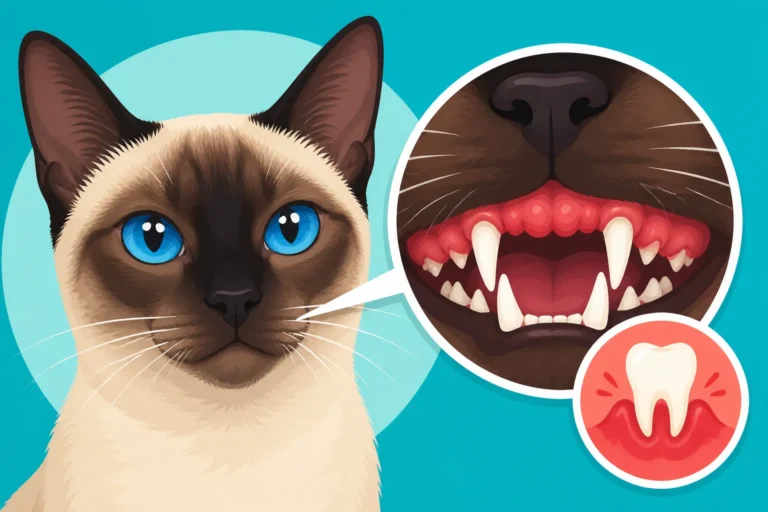
Siamese cats, like many purebreds, can be particularly prone to dental issues, sometimes even at a young age. While severe dental disease is more common in older cats, a good breeder will be vigilant about early indicators in their kittens. Conditions like gingivitis (inflammation of the gums) or malocclusions (misalignment of the teeth or jaws) can sometimes be spotted even in young kittens. The shape of a Siamese's head, especially the modern wedge type, can sometimes lead to overcrowding of teeth, which can exacerbate dental problems. This is why dental health is so critical in this breed, as highlighted in our discussion on Dental Disease in a Siamese Cat.
A responsible breeder will routinely check their kittens' mouths, ensuring their gums look healthy and their teeth are coming in properly. They'll also be feeding a high-quality diet that supports overall health, including dental development. While a kitten isn't going to have a full dental cleaning, the breeder should be able to tell you about the dental health history of the parents, as some dental predispositions can have a genetic component. They should also provide guidance on how to maintain good dental hygiene in your new kitten from an early age, emphasizing the importance of regular home care and professional vet checks as they grow. Early intervention and proactive care can prevent severe issues like Why a Siamese Cat Loses Teeth Young from developing prematurely.
Managing Common Kitten Ailments
Beyond specific diseases, a good breeder is also an expert in managing the everyday bumps, scrapes, and minor illnesses that can affect growing kittens. Kittens, with their developing immune systems, are susceptible to common ailments like upper respiratory infections (URIs), various parasites (worms, giardia, coccidia), and fungal infections like ringworm.
A clean, meticulously maintained cattery environment is the first line of defense against many of these issues. Breeders should have strict hygiene protocols, regularly cleaning and disinfecting all surfaces, litter boxes, and bedding. They should also isolate any kitten showing signs of illness immediately to prevent spread. When ailments do occur, a reputable breeder will seek prompt veterinary care, diagnosing and treating the condition before the kitten leaves for its new home. For example, if a kitten has a mild URI, they'll have received appropriate medication and be fully recovered before you take them home. If parasites are detected, the kitten will have undergone a full course of treatment and follow-up testing to ensure they are clear. You should expect transparent communication from the breeder about any minor health issues the kitten has had, along with documentation of the veterinary care provided. This proactive and transparent approach demonstrates a breeder's commitment to delivering truly healthy, thriving kittens, not just those without visible problems.
What a Buyer Should Ask For and Expect
As a prospective Siamese cat owner, you have every right to expect transparency and thoroughness from a breeder. This isn't just about protecting your investment; it's about making a lifelong commitment to a living creature. Knowing what to ask for and what to look for will empower you in your search for a healthy, well-adjusted Siamese companion.
Documentation and Health Guarantees
When you're ready to bring a Siamese kitten home, a reputable breeder will provide you with a wealth of documentation. This should include a written contract detailing the terms of the sale, health guarantees, and often a spay/neuter agreement if the kitten is sold as a pet. The health guarantee is particularly important; it typically covers the kitten for a certain period against life-threatening congenital or hereditary defects. While the specifics can vary, a common guarantee might offer a full refund or replacement kitten if a severe genetic condition is diagnosed within the first year or two. Be wary of guarantees that are overly vague or require you to return a sick kitten without offering financial recourse for veterinary care. This type of clause is precisely why investing in pet insurance, like a policy from Healthy Paws, is a smart decision from day one. Even the best breeders cannot guarantee against every single potential health issue, and an insurance plan can provide a crucial safety net for unforeseen medical expenses that might arise even years down the line, including hereditary conditions that aren't pre-existing.
Beyond the contract, you should receive veterinary records detailing all vaccinations, deworming treatments, and any other medical interventions the kitten has had. This is often accompanied by a health certificate signed by a veterinarian within a few days of the sale. Furthermore, ask to see the health screening results for the breeding parents themselves – especially for conditions like PRA and HCM. A transparent breeder will readily provide copies of these documents or allow you to verify them directly with their veterinarian. If a breeder is hesitant or dismissive when you ask for this information, that’s a significant red flag. You deserve to understand Which Health Tests a Siamese Cat Breeder Runs and see proof of those tests.
Observing the Cattery Environment and Parents
One of the most telling indicators of a breeder's commitment to health and welfare is the cattery environment itself and the condition of the breeding cats. If possible, a visit to the cattery (or at least extensive video tours for distant buyers) is invaluable. The environment should be clean, spacious, and stimulating, providing ample room for cats and kittens to play, eat, and rest. It should not smell strongly of ammonia or waste. Observe how the cats interact with the breeder and with each other; they should appear well-socialized, confident, and curious, not fearful or timid.
Pay particular attention to the queen (the mother cat) and, if available, the stud cat. Are they healthy-looking? Do they have clear eyes, clean coats, and good body condition? Their temperament is also crucial; a calm, friendly mother often produces calm, friendly kittens. Ask about their age, how many litters the queen has had, and her general health history. A responsible breeder will not over-breed their queens and will ensure they are in peak condition. This is also an opportunity to discuss any history of health issues in their lines, such as cases of amyloidosis, which requires detailed tracking of family deaths, as covered in Whether a Siamese Cat Breeder Tracks Family Deaths. Observing the parents gives you insight not only into the genetic health but also the behavioral foundation of your potential kitten.
The Role of Pet Insurance in Supporting Your Kitten's Health
Even with all the diligent health testing and responsible breeding practices in the world, the truth is that no living creature comes with a 100% guarantee. Accidents happen, unexpected illnesses can crop up, and even well-screened lines can sometimes produce a kitten with an unforeseen issue. This is where pet insurance becomes an absolutely invaluable part of responsible pet ownership, especially with a breed like the Siamese, who can have specific health vulnerabilities. Think of it as investing in peace of mind.
Companies like Healthy Paws offer comprehensive pet insurance plans that can cover a wide range of veterinary costs, from accidental injuries to unexpected illnesses and even many hereditary and congenital conditions, provided they aren't pre-existing at the time you enroll. This means if your Siamese kitten, despite all the breeder's best efforts, develops a condition like asthma or needs emergency dental work, a good insurance policy can significantly offset the financial burden. Facing a sudden, large vet bill can be incredibly stressful, and pet insurance can allow you to make treatment decisions based on what's best for your cat, rather than solely on your wallet. While the initial What a Siamese Cat Costs to Buy in 2026 might seem high, planning for ongoing care, including insurance, is part of budgeting for a healthy companion over their entire lifespan. It's a proactive step that complements a breeder's health screening, providing a crucial layer of financial protection and ensuring your beloved Siamese gets the best possible care throughout their life.
Summary of Key Siamese Cat Health Screenings
To help simplify the information, here's a quick overview of the conditions and the typical screening methods used by reputable Siamese breeders:
| Health Condition | Type | Screening Method(s) | Notes |
|---|---|---|---|
| Progressive Retinal Atrophy (PRA) | Genetic | DNA Test (rdAc mutation) | Identifies carriers and affected cats; crucial for preventing blindness in offspring. Not all forms of PRA are covered by this test. |
| Amyloidosis | Genetic | Meticulous Pedigree/Family History Tracking | No DNA test available. Breeders rely on tracking health and causes of death in ancestral lines to reduce risk. |
| Hypertrophic Cardiomyopathy (HCM) | Genetic | Echocardiogram by Veterinary Cardiologist | Identifies heart muscle thickening; screening done on breeding adults, typically annually or biennially. No Siamese DNA test. |
| Feline Leukemia Virus (FeLV) | Infectious | Blood Test (ELISA/IFA) | Screens for current infection; all breeding cats should be negative. |
| Feline Immunodeficiency Virus (FIV) | Infectious | Blood Test (ELISA/Western Blot) | Screens for current infection; all breeding cats should be negative. |
| Parasites (Internal & External) | Environmental | Fecal & Physical Exams | Routine deworming, flea/tick prevention, and testing for giardia/coccidia in kittens. |
| General Health & Physical Defects | Developmental | Comprehensive Veterinary Exam (Health Certificate) | Checks for overall health, congenital issues (heart murmurs, hernias, etc.) before kittens go home. |
| Dental Health | Developmental | Visual Inspection & Monitoring | Breeder checks for early signs of gingivitis or malocclusion; parent dental history is considered. |
Disclaimer
The information provided in this article is intended for general informational purposes only, and does not constitute veterinary advice. Always consult with a qualified veterinarian for any health concerns or before making any decisions related to your pet's health and treatment. Breed-specific health information is general and individual animals may vary.