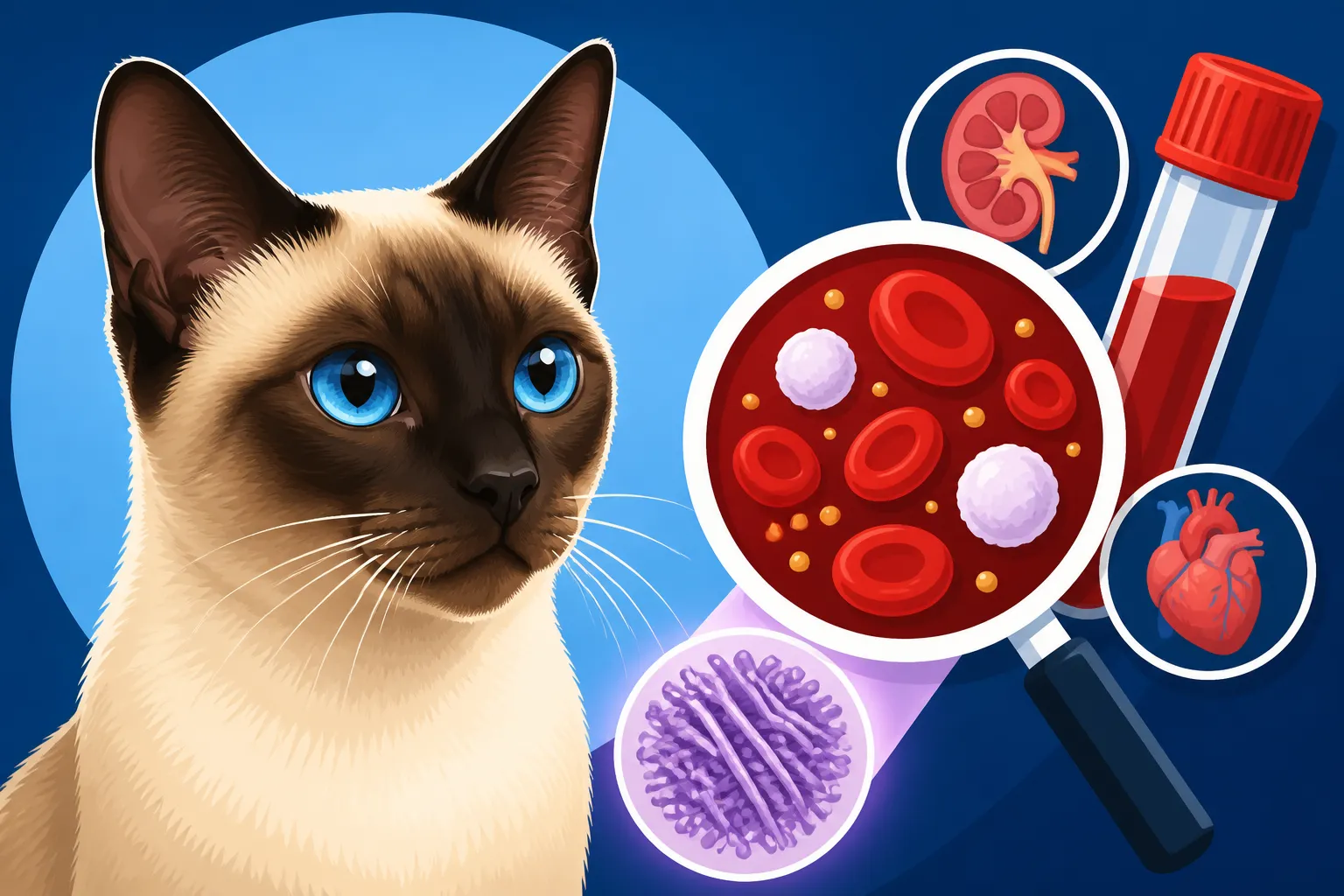
Which Blood Values Flag Amyloidosis in a Siamese Cat
It’s a heart-wrenching reality for many Siamese cat owners: that gnawing fear that something might be wrong with their beloved, vocal companion, but not knowing what. Siamese cats are known for their lively personalities and often, their incredible resilience, which means they can be masters at hiding illness until it's quite advanced. One of the most insidious conditions that can affect our Meezers is amyloidosis, a genetic disease that can silently damage vital organs. This guide aims to shed light on which blood values, while not definitive for diagnosis, might raise a red flag and prompt further investigation for amyloidosis in your Siamese cat.
The Elusive Nature of Amyloidosis in Siamese Cats
Amyloidosis is a word that strikes fear into the hearts of many Siamese cat enthusiasts, and for good reason. It’s a progressive, inherited disease where an abnormal protein, called amyloid, gets deposited in various organs, interfering with their normal function. While it can affect other breeds, Siamese cats, particularly those from certain family lines, are unfortunately predisposed to it. The frustrating part is that it often doesn't show clear signs until significant damage has occurred, making diagnosis incredibly challenging.
Understanding Amyloidosis and Its Impact
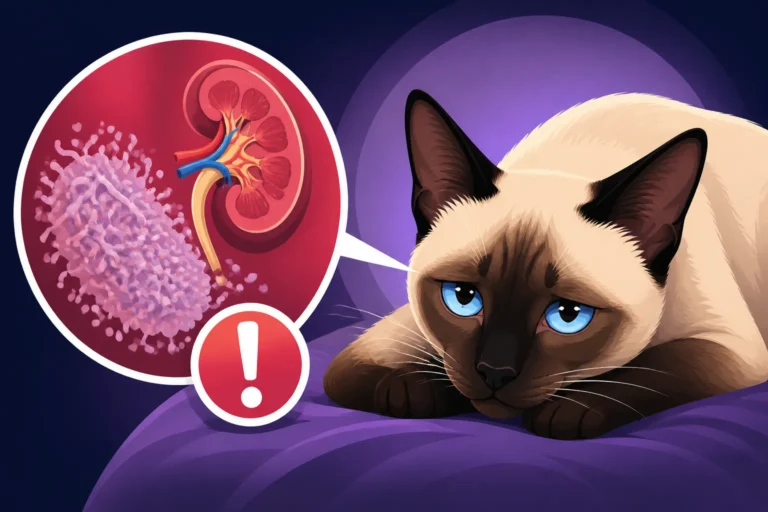
Imagine tiny, sticky protein fragments accumulating in an organ, slowly but surely choking off its ability to work properly. That's essentially what amyloidosis does. In Siamese cats, the liver and kidneys are the most commonly affected organs, though other systems can also be involved. When amyloid builds up in the liver, it can make the organ fragile and prone to rupture, leading to life-threatening internal bleeding. This is often the sudden, tragic way many owners discover their cat has the condition. If it impacts the kidneys, it leads to chronic kidney disease, which progresses over time, impairing the body's ability to filter waste. To truly grasp the gravity, it helps to understand more about What Amyloidosis Does to a Siamese Cat and Which Organs Amyloidosis Hits in a Siamese Cat.
The insidious nature of this disease means that your Siamese might seem perfectly healthy one day, and then suddenly decline. Owners often recount stories of their cats being energetic and playful, only to crash within hours or days due to an acute crisis. This makes it incredibly difficult to catch early, and veterinarians often have a tough time pinpointing the issue without invasive diagnostics. It’s not uncommon for the true cause of death to only be confirmed post-mortem, which is a devastating revelation for any owner who wished they could have done more.
Why Early Detection is Such a Challenge
The biggest hurdle with amyloidosis is that there's no single, simple test to definitively diagnose it in a living cat, especially not in its early stages. Unlike some genetic diseases where a DNA test can give you a clear answer, unfortunately, There Is No DNA Test for Siamese Cat Amyloidosis. This means breeders and owners alike are often left in the dark until symptoms appear. Symptoms, when they do finally show up, can be quite vague and mimic many other illnesses. We’re talking about things like lethargy, a decreased appetite, weight loss, or changes in drinking and urination habits. These are signs that could indicate anything from a dental issue to inflammatory bowel disease, which makes it a diagnostic nightmare for veterinarians trying to piece together the puzzle.
Furthermore, the onset can vary. While some cats might show signs of amyloidosis relatively young, others might not develop issues until they are well into their senior years. This variability adds another layer of complexity, as does the fact that amyloidosis can affect different organs at different rates, leading to a wide range of clinical presentations. Owners often feel a deep sense of frustration, knowing that this condition lurks in the background for their Siamese, but having so few tools to proactively detect it. It’s a constant worry that underscores the importance of every vet visit and every piece of diagnostic information you can gather.
Blood Markers That Can Hint at Trouble
While blood tests cannot definitively diagnose amyloidosis, they can certainly provide crucial clues and raise suspicions, especially when interpreted in the context of a Siamese cat's breed predisposition and clinical signs. These values typically reflect organ function and general inflammatory responses in the body. It’s important to remember that these are just pieces of a larger puzzle, and abnormal results will always require further investigation.
Liver Enzymes and Bilirubin: Early Indicators?
When amyloid starts to accumulate in the liver, it can cause stress and damage to the liver cells. This damage often leads to an elevation in certain liver enzymes that are measured in a routine blood panel. The most common ones your vet will look at include Alanine Aminotransferase (ALT), Aspartate Aminotransferase (AST), and Alkaline Phosphatase (ALP). An increase in these enzymes can signal that the liver is under duress. However, many things can cause elevated liver enzymes, including infections, toxins, other inflammatory conditions, or even certain medications. So, while concerning, elevated liver enzymes alone don't scream "amyloidosis."
Another important indicator related to liver function is bilirubin. Bilirubin is a yellow pigment that's produced when red blood cells break down, and it's processed by the liver. If the liver isn't functioning properly, bilirubin can build up in the blood, leading to jaundice (a yellowing of the skin, gums, or whites of the eyes). An elevated bilirubin level, especially when combined with elevated liver enzymes, points strongly to liver disease. In the context of a Siamese cat, this combination could certainly make a vet consider amyloidosis as a potential underlying cause, particularly if other, more common liver issues have been ruled out. These signs, if present, are a strong prompt for further diagnostics, because they can be a precursor to the dreaded Signs a Siamese Cat Has Liver Amyloidosis or even Why a Siamese Cat's Liver Can Rupture Without Warning.
Kidney Values: When the Disease Progresses
If amyloidosis primarily affects the kidneys, or if liver amyloidosis is advanced and causing systemic issues, you might see changes in your Siamese cat's kidney blood values. The two most common markers for kidney function are Blood Urea Nitrogen (BUN) and creatinine. Both are waste products that healthy kidneys efficiently filter out of the blood. When kidney function declines, these values will start to rise. An elevated BUN and creatinine indicate that the kidneys aren't doing their job effectively, and this can be a strong indicator of kidney disease.
Additionally, your vet will look at phosphorus levels and sometimes potassium. Kidneys also play a critical role in regulating these electrolytes. As kidney disease progresses, phosphorus levels tend to rise, and potassium levels can fluctuate. These changes, especially if consistent over time, paint a clearer picture of kidney compromise. It’s often in the later stages of renal amyloidosis that these values become significantly abnormal, as the kidneys have a remarkable ability to compensate until a large percentage of their function is lost. When you see these numbers climbing, it's a serious indicator that something significant is affecting your cat's renal system, potentially leading to How Amyloidosis Damages a Siamese Cat's Kidneys.
Protein Levels and Inflammatory Markers
Amyloidosis is, at its heart, a disease of abnormal protein deposition. So, it stands to reason that protein levels in the blood might offer some insight. Your vet will often look at total protein, albumin, and globulin levels. Albumin is a major protein produced by the liver, and globulins are a group of proteins involved in the immune system. In some cases of amyloidosis, especially if there's kidney involvement (where protein is lost through urine) or severe liver dysfunction (where albumin production is impaired), you might see a decrease in albumin. Conversely, chronic inflammation associated with amyloidosis can sometimes lead to an increase in globulins.
Beyond general protein levels, inflammatory markers can be telling. While not typically part of a standard annual panel, your vet might recommend specific inflammatory markers like Serum Amyloid A (SAA) if they have a strong suspicion. SAA is an acute-phase protein that increases significantly during inflammation. While elevated SAA doesn't directly diagnose amyloidosis, persistently high levels can signal ongoing systemic inflammation, which is a characteristic feature of the disease's progression. It can be a useful, albeit non-specific, indicator that something is chronically amiss in your cat's body, urging a closer look into potential underlying causes.
Red and White Blood Cell Counts
A complete blood count (CBC) provides a snapshot of your cat’s red blood cells, white blood cells, and platelets. While amyloidosis doesn't directly cause specific changes in these counts, secondary effects can certainly show up. If a Siamese cat has a ruptured liver due to amyloidosis, they will experience significant internal bleeding, which will manifest as a severe anemia – a dramatic drop in red blood cell count and hemoglobin. This is an emergency situation and often requires immediate intervention, including potential blood transfusions. Learning How a Vet Stabilizes a Bleeding Siamese Cat is crucial for owners facing this crisis.
In terms of white blood cells, chronic inflammation or infection, which can sometimes accompany or exacerbate amyloidosis, might lead to an elevated white blood cell count (leukocytosis). However, this is a very general indicator and not specific to amyloidosis. Platelet counts can also be important. If the liver is severely compromised, its ability to produce clotting factors might be impaired, which could be reflected in abnormal clotting times or low platelet counts, further increasing the risk of bleeding. Again, these aren't diagnostic for amyloidosis itself, but they are critical pieces of information for assessing the overall health and stability of a Siamese cat presenting with suspicious symptoms.
Here’s a simplified table summarizing some relevant blood values:
| Blood Test Parameter | What it Measures | Potential Change in Amyloidosis | Significance (Non-Diagnostic) |
|---|---|---|---|
| ALT, AST, ALP | Liver enzyme activity | Elevated | Indicates liver cell damage or stress. |
| Bilirubin | Pigment from red blood cell breakdown | Elevated | Suggests impaired liver function or bile flow; can cause jaundice. |
| BUN, Creatinine | Kidney waste products | Elevated | Indicates reduced kidney filtration efficiency. |
| Phosphorus | Electrolyte balance | Elevated (with kidney disease) | Poor kidney function affects phosphate excretion. |
| Albumin | Major protein produced by liver | Decreased (with severe liver/kidney) | Impaired liver synthesis or protein loss via kidneys. |
| Globulins | Immune system proteins | Increased (with chronic inflammation) | General indicator of inflammation or immune response. |
| Red Blood Cell Count | Oxygen-carrying cells | Decreased (in hemorrhage) | Severe anemia if liver rupture causes internal bleeding. |
| Serum Amyloid A (SAA) | Acute-phase inflammatory protein | Elevated (with inflammation) | Non-specific indicator of systemic inflammation. |
Why Blood Tests Alone Aren't Definitive
It’s easy to hope that a simple blood test could give you all the answers, especially when you’re worried about your Siamese cat's health. But with amyloidosis, the reality is far more complex and often frustrating. While blood work provides invaluable insights into organ function and general health, it rarely, if ever, delivers a definitive diagnosis for this particular condition.
The Non-Specific Nature of Many Abnormalities
One of the biggest challenges with using blood tests for amyloidosis is that many of the changes you might see are incredibly non-specific. For example, elevated liver enzymes can be caused by a myriad of issues – everything from exposure to certain toxins or medications to inflammatory conditions, infections, or even other types of liver disease. The same goes for kidney values; an increase in BUN and creatinine certainly indicates kidney compromise, but it doesn't specify why the kidneys are failing. It could be due to amyloidosis, but it could also be chronic kidney disease from other causes, acute kidney injury, or even severe dehydration.
This non-specificity means that while a blood panel might flag an organ system as being "sick," it doesn't tell your vet the exact underlying pathology. It's like knowing there's a problem with the engine, but not knowing if it's a spark plug, a fuel injector, or something far more serious. For Siamese cat owners, this can be incredibly disheartening. You want answers, you want a clear path forward, but often, the blood work just opens up more questions, forcing you and your vet down a longer, more expensive diagnostic road. The emotional toll of this uncertainty, combined with potential costs, is something many owners grapple with. This is where a robust pet insurance plan like those from Healthy Paws can truly alleviate some of the financial burden, allowing you to pursue further tests without immediate worry about the bill.
The Need for a Holistic Diagnostic Approach
Given the non-specific nature of blood tests, diagnosing amyloidosis requires a much more comprehensive approach, where every piece of information is carefully weighed. Your vet won't just look at a single blood value; they'll consider the entire blood panel, your cat's clinical signs, their age, their breed, and their family history. For instance, if you have a Siamese cat with a family history of sudden liver failure or kidney disease, and their blood work shows elevations in liver enzymes and bilirubin, that combination would certainly raise a strong suspicion for amyloidosis. This is especially true if you are aware of Why Amyloidosis Runs in Siamese Cat Families.
It's about connecting the dots. Has your cat recently lost weight? Are they more lethargic? Are they drinking more water? All of these subtle signs, when combined with abnormal blood work, start to paint a clearer picture. Your vet will also perform a thorough physical examination, looking for things like jaundice, abdominal pain, or changes in organ size. Only when all of these factors are considered together can your veterinarian start to formulate a strong suspicion and recommend the next, more targeted, diagnostic steps. It's a testament to the complexity of veterinary medicine and the unique challenges posed by diseases like amyloidosis that hide so well.
Beyond Blood Work: When Your Vet Needs More
When blood tests suggest a potential issue, but don't give a definitive diagnosis, your veterinarian will inevitably recommend further diagnostics. This can be frustrating, especially if you’ve already invested in blood panels, but these next steps are crucial for narrowing down the possibilities and aiming for a definitive diagnosis of amyloidosis, if possible.
Imaging Techniques for Organ Assessment
Once blood tests point to potential liver or kidney issues, imaging is often the next step. An abdominal ultrasound is usually the go-to procedure. This non-invasive technique allows your vet to visually assess the size, shape, and internal architecture of your cat's organs, especially the liver and kidneys. With amyloidosis, the affected organs might appear enlarged, abnormally textured, or have an unusual pattern of echogenicity (how they reflect sound waves). For instance, a liver affected by amyloidosis might appear diffusely hyperechoic, or show signs of fragility. If there's internal bleeding due to a ruptured liver, the ultrasound can detect free fluid in the abdomen. This diagnostic tool is often the first real visual clue and is significantly more informative than blood work alone for assessing the structural damage caused by amyloid deposition. Understanding Whether an Ultrasound Finds Siamese Cat Amyloidosis is key for owners.
In some cases, especially if kidney disease is suspected, X-rays might also be taken to assess kidney size and look for other abnormalities that could contribute to kidney issues. However, ultrasound provides much greater detail for soft tissues. These imaging techniques help your vet understand the extent of the organ damage and can guide decisions about further, more invasive procedures. They allow for a deeper look into the mystery that blood values can only hint at, providing crucial pieces of the puzzle that lead closer to understanding Why Siamese Cat Amyloidosis Is Usually Found After Death.
The Role of Biopsy in Confirming Diagnosis
Ultimately, the only definitive way to diagnose amyloidosis in a living cat is through a biopsy. This involves taking a small tissue sample from the affected organ – usually the liver or kidney – and sending it to a specialized laboratory for histopathological examination. Pathologists can then stain the tissue with Congo red stain, which specifically highlights amyloid deposits, confirming their presence. However, performing a biopsy, especially on a fragile liver or kidney, is not without risks, particularly in a cat that might already be unwell.
Your vet will carefully weigh the benefits of a definitive diagnosis against the potential complications, such as bleeding, especially if the liver is already compromised. If the cat is severely ill, a biopsy might be deemed too risky. For Siamese cats, specifically, the procedure to obtain a liver biopsy is more complicated than for other breeds and sometimes requires specialized clotting tests beforehand. It's a decision that needs to be made in close consultation with your veterinarian, considering your cat’s overall health and prognosis. This is where pet insurance from providers like Healthy Paws can be incredibly helpful, as diagnostic procedures like biopsies can be expensive, and having coverage can make the difficult decision a little easier. While a biopsy is the gold standard for confirmation, it's a testament to the challenge of this disease that it often comes at a point where treatment options may already be limited, which is why there's so much focus on understanding subtle indicators like blood values to begin with. Many owners ask Whether a Liver Biopsy Is Safe in a Siamese Cat, and it's a valid concern.
Disclaimer
This article is intended for informational purposes only and is not a substitute for professional veterinary advice, diagnosis, or treatment. Always seek the advice of your veterinarian or other qualified health provider with any questions you may have regarding a medical condition. Never disregard professional veterinary advice or delay in seeking it because of something you have read in this article.