Why Siamese Cat Amyloidosis Is Usually Found After Death
It’s a heartbreaking, all-too-common scenario for Siamese cat guardians: you’ve lost your beloved feline friend, and only then, through a necropsy, does the devastating truth emerge – your cat suffered from amyloidosis. This elusive disease, known for its silent progression, often leaves owners feeling confused, frustrated, and filled with questions about why it couldn't have been discovered sooner. This guide delves deep into the reasons why Siamese cat amyloidosis is so frequently diagnosed post-mortem, offering insights and validation for those who’ve faced this painful reality.
The Elusive Nature of Amyloidosis in Living Siamese Cats
Amyloidosis, especially in Siamese cats, has a cruel way of operating. It’s a stealthy adversary, often doing its damage long before any overt signs become noticeable to even the most vigilant owner or experienced veterinarian. This silent progression is a major reason why diagnosis in a living cat is so incredibly challenging.
The Silent Progression of the Disease
At its core, amyloidosis involves the abnormal deposition of a protein called amyloid in various organs, most commonly the liver and kidneys in Siamese cats. Think of it like a slow, insidious build-up of microscopic, sticky goo that gradually impairs organ function. In the early stages, this accumulation causes no discernible symptoms. Your cat might seem perfectly healthy, active, and their usual vocal self, all while these dangerous deposits are growing within their vital organs.
Siamese cats are, by nature, incredibly stoic creatures. They are masters at hiding pain and illness, a trait that served their wild ancestors well but often works against them in a domestic setting. A slight decrease in appetite, a tiny bit less energy, or a subtle change in routine might be the only clues, but these are so easily dismissed as normal feline quirks or minor off-days. By the time symptoms do appear, the disease is often advanced, and the affected organs are already severely compromised. It’s a truly frustrating paradox for owners who want nothing more than to provide the best care. You might even wonder What Amyloidosis Does to a Siamese Cat internally before any outward signs appear.
Diagnostic Challenges with Standard Vet Visits
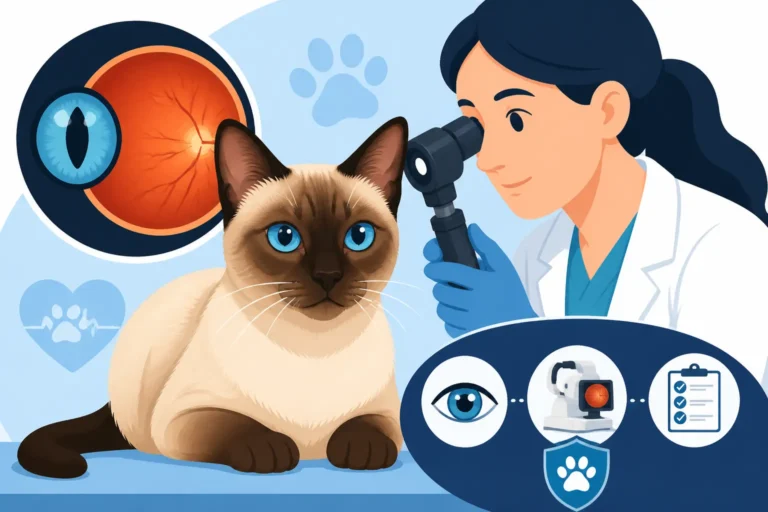
When you take your Siamese cat for a routine wellness check, your vet will typically perform a physical exam and perhaps recommend annual blood work. While these are crucial for general health monitoring, they are often insufficient to detect amyloidosis in its early, treatable stages. Standard blood panels might show elevated liver enzymes or kidney values, but these usually only become abnormal when significant damage has already occurred, and they aren’t specific to amyloidosis. Many other conditions can cause similar blood changes, making a definitive diagnosis incredibly difficult.
Non-invasive imaging, such as X-rays or even ultrasounds, also presents significant limitations. An ultrasound, for example, might reveal that the liver or kidneys appear enlarged or have an altered texture, which could certainly raise a red flag. However, these findings are non-specific. They indicate a problem with the organ, but they don't tell you what the problem is. Is it cancer? Is it inflammation? Is it amyloidosis? The images alone cannot differentiate. This is why the question of Whether an Ultrasound Finds Siamese Cat Amyloidosis often yields a disheartening answer: it can suggest a problem but rarely confirm amyloid deposits. Without a direct tissue sample, vets are left with educated guesses and a frustrating lack of certainty.
Why Post-Mortem Diagnosis Becomes the Norm
Given the stealthy nature of amyloidosis and the difficulties in live diagnosis, it’s little wonder that the disease is most often confirmed after a Siamese cat has passed away. The acute, severe complications of the disease often lead to a sudden decline, making a definitive diagnosis during life nearly impossible.
When Symptoms Become Obvious, It's Often Too Late
For many Siamese cats with amyloidosis, the first truly unmistakable signs of illness are catastrophic. One of the most common and devastating outcomes of liver amyloidosis is a spontaneous liver rupture. The amyloid deposits weaken the liver tissue, making it fragile and prone to tearing. When this happens, internal bleeding occurs rapidly, leading to acute shock, severe pain, and often, sudden death. Owners might find their once-vibrant cat in distress, collapsing, or even already gone. This tragic event often happens so quickly that there's simply no time for extensive diagnostic procedures or treatment. It’s a brutal way for a beloved pet to go, leaving their human companions reeling and without answers. If you’ve experienced this, you know the horror of trying to understand Why a Siamese Cat's Liver Can Rupture Without Warning and the suddenness of Signs a Siamese Cat's Liver Has Ruptured.
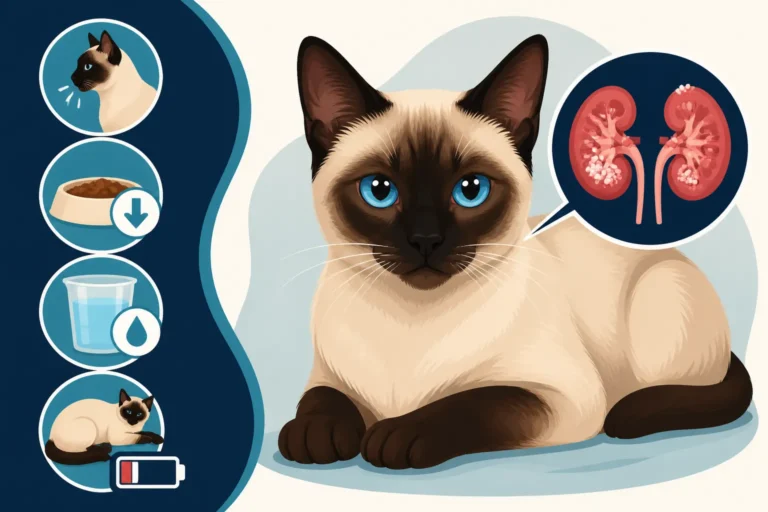
In other cases, severe kidney amyloidosis can lead to acute kidney failure. Again, the symptoms—lethargy, vomiting, loss of appetite, increased thirst and urination—might be vague initially but then progress rapidly to a crisis point. By the time a vet is able to intervene, the damage is irreversible, and the cat's condition too precarious for extensive testing. In these desperate situations, the focus shifts to palliative care and comfort, rather than pursuing a definitive diagnosis that might offer little immediate benefit.
The Role of Necropsy and Histopathology
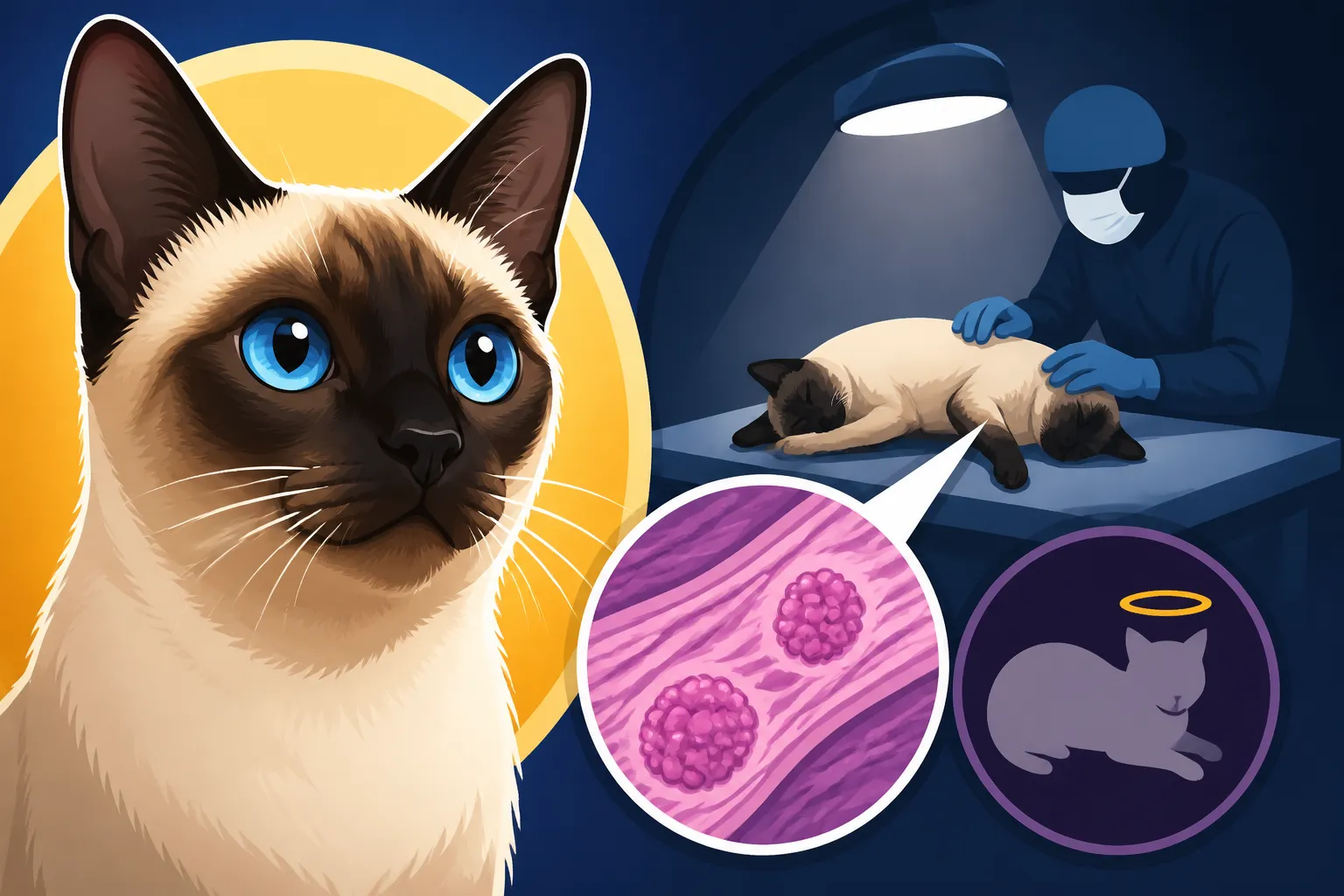
A necropsy, essentially an autopsy for animals, is the gold standard for definitively diagnosing amyloidosis. It involves a thorough post-mortem examination of the cat's organs and tissues. During a necropsy, the veterinarian can visually inspect the liver and kidneys for signs of enlargement, pallor, or other abnormalities that might suggest amyloid deposition.
However, the real confirmation comes from histopathology. Small tissue samples are taken from suspicious organs and processed into incredibly thin slices that can be viewed under a microscope. Special stains, like Congo red, are used to highlight amyloid deposits, which appear as a distinctive apple-green birefringence under polarized light. This microscopic examination provides undeniable proof of the disease. It allows veterinarians and pathologists to identify the characteristic protein fibrils and confirm that amyloidosis was indeed the cause of death. For owners, while painful, this definitive diagnosis can offer a measure of closure, providing an answer to the agonizing question of what happened to their cherished Siamese cat.
The Emotional Toll and Lack of Proactive Solutions
Discovering your Siamese cat had amyloidosis only after their passing can be profoundly distressing. It’s a unique grief, compounded by the feeling of helplessness and the lack of opportunity to intervene.
The Heartbreak of Retrospective Understanding
For many Siamese cat parents, the post-mortem diagnosis of amyloidosis brings a wave of conflicting emotions. There's the profound sadness of loss, certainly, but often also guilt and frustration. You might find yourself replaying every subtle behavioral change, every slight dip in appetite, wondering if you missed something crucial. It’s natural to think, "If only I had known, maybe I could have done something differently." This is a deeply painful burden to carry, but it’s vital to understand that this disease is incredibly difficult to detect in living cats. The signs are usually too vague, and the diagnostic tools too limited, until it's far too late.
The truth is, even if diagnosed earlier, treatment options for amyloidosis are very limited, primarily focusing on managing symptoms and slowing progression, not curing the disease. This is why the question of Whether Siamese Cat Amyloidosis Can Be Caught Early is so heartbreaking – even if it were, the outcome might not be drastically different, but the knowledge itself allows for more informed decisions and palliative care. Pet insurance, such as a policy from Healthy Paws, might cover some of these diagnostic efforts and palliative care, but even the best coverage can’t change the fundamental challenges of detecting this silent killer.
Genetic Predisposition and Breeding Implications
One of the most challenging aspects of Siamese cat amyloidosis is its genetic component. It's known to run in certain family lines, pointing towards an inherited predisposition. This creates a difficult situation for responsible breeders who strive to produce healthy kittens. Without a specific genetic marker or a reliable pre-symptomatic diagnostic test, it's impossible to screen breeding cats to prevent the transmission of the disease. This is why Why There Is No Siamese Cat Amyloidosis Gene Test is such a critical barrier in efforts to eradicate this illness from the breed.
Breeders are often left with the grim task of tracking family histories and observing trends. If multiple cats from a particular line succumb to amyloidosis, especially at a young age, responsible breeders will often make difficult decisions about removing those lines from their breeding programs. However, even this proactive approach relies on the devastating post-mortem diagnosis of previous generations. Owners considering a Siamese kitten should discuss the breeder's history with amyloidosis and ask about the longevity of the cat's ancestors. Understanding Whether an Affected Siamese Cat's Relatives Should Be Bred is a complex and ethical dilemma for the entire Siamese cat community.
Navigating Suspicion and Future Considerations
While the path to diagnosing amyloidosis in a living Siamese cat is fraught with difficulty, understanding the limitations can help owners and vets make the most informed decisions possible.
What to Do if Amyloidosis is Suspected
If your veterinarian suspects amyloidosis based on non-specific symptoms like lethargy, weight loss, or abnormal liver/kidney values, the options for definitive diagnosis in a live cat are unfortunately limited and carry risks. The most direct method is a biopsy of the affected organ, usually the liver or kidney. This involves surgically or laparoscopically obtaining a small tissue sample, which is then sent for histopathological examination.
However, a biopsy is an invasive procedure that carries significant risks, especially for a cat who is already unwell. For a Siamese cat with suspected liver amyloidosis, the liver might be extremely fragile due to the amyloid deposits, making it prone to bleeding during a biopsy. This makes the question Whether a Liver Biopsy Is Safe in a Siamese Cat a serious consideration, often weighed against the cat's overall health and the potential benefits of a definitive diagnosis versus the risks of the procedure. For many owners and vets, the risks outweigh the benefits, especially since definitive treatment options are scarce. The decision often becomes about managing symptoms and providing comfort rather than pursuing a risky diagnosis.
The Importance of Open Communication and Pet Insurance
Even without a definitive pre-mortem test for amyloidosis, open communication with your veterinarian is paramount. Discuss your Siamese cat’s breed-specific predispositions, including amyloidosis, and any subtle changes you observe. While a routine blood panel might not confirm amyloidosis, consistent monitoring of liver and kidney values can flag abnormalities that warrant further investigation, helping you be proactive about your cat's health, even if it's for symptomatic management.
This is also where pet insurance can play a role, offering peace of mind even if it can't directly prevent the disease. A comprehensive policy from providers like Healthy Paws can significantly ease the financial burden of diagnostic tests, emergency care, and long-term palliative treatments for various conditions, including those that might initially mimic amyloidosis or develop alongside it. While it may not cover every expense, knowing you have support for potential high costs can allow you to pursue every reasonable diagnostic avenue, or simply focus on providing comfort during difficult times. Remember, while direct amyloidosis screening is tricky, robust pet insurance ensures you can act on symptoms with your vet without added financial stress, ensuring your beloved Siamese receives the best possible care for all their health needs throughout their life, which can often span The Fifteen to Twenty Years a Siamese Cat Gets.
Diagnostic Tools and Their Limitations
| Diagnostic Method | What it Shows | Limitations | Usefulness for Amyloidosis |
|---|---|---|---|
| Physical Exam | General health, pain, organ size (palpation) | Non-specific; cats hide illness well. | Low |
| Blood Work | Liver/kidney enzyme levels, protein, anemia | Abnormalities usually indicate significant damage; not specific to amyloidosis. | Moderate (late stage) |
| Urinalysis | Protein in urine, kidney function | Can indicate kidney disease, but not specific to amyloidosis as the cause. | Moderate (kidney amyloid) |
| Ultrasound | Organ size, texture, masses, fluid | Can show organ changes (e.g., enlarged, abnormal texture) but cannot identify amyloid deposits definitively. | High (suggestive, not confirmatory) |
| Biopsy | Direct tissue sample for microscopic exam | Invasive, requires anesthesia, risks of bleeding/complications, especially with fragile organs. | Very High (confirmatory) |
| Necropsy | Post-mortem examination of all organs, histopathology | Only performed after death; provides definitive diagnosis and cause of death. | Definitive |
Disclaimer: This article is intended for informational purposes only and does not constitute veterinary advice. Always consult with a qualified veterinarian for any health concerns regarding your Siamese cat.