How Common PRA Is in Siamese Cats
It’s a truly frightening thought for any Siamese cat owner: the possibility of your beloved companion slowly losing their sight due to an inherited condition. The distinctive blue eyes of a Siamese are one of their most captivating features, making any threat to their vision particularly distressing. Progressive Retinal Atrophy, or PRA, is one such genetic eye disease that has historically concerned breeders and owners alike, leading many to wonder just how common this challenging condition is within the Siamese breed. This comprehensive guide will explore the prevalence of PRA in Siamese cats, delve into its genetic underpinnings, and equip you with the knowledge to understand, identify, and manage this condition should it ever affect your feline family member.
Understanding Progressive Retinal Atrophy in Siamese Cats
Progressive Retinal Atrophy (PRA) isn't a single disease but rather a group of genetic conditions that all lead to the degeneration of the retina, the light-sensitive tissue at the back of the eye. For a Siamese cat, this means a gradual, irreversible loss of vision, which can be heartbreaking to witness, even if it's not a painful process for them. It’s important for owners to grasp what this means for their cat's daily life and how they can best support them through these changes.
The Gradual Loss of Sight
PRA typically begins subtly, often with night blindness as the rod cells in the retina, responsible for low-light vision, start to degenerate. Your Siamese might become hesitant to navigate dimly lit rooms, bump into furniture after dark, or be more easily startled in low light conditions. This early stage can be tricky to spot because cats are masters at adapting to their surroundings, especially within a familiar home environment.
As the disease progresses, the cone cells, which are responsible for daytime and color vision, also begin to fail. This leads to a more noticeable overall vision impairment. Eventually, the cat will become completely blind. The pace of this progression can vary between individual cats and the specific genetic mutation at play, but the outcome is always the same. While the loss of sight is total, it’s crucial to remember that this process is generally not painful for your cat; the discomfort comes more from their disorientation and the inability to perceive their world as they once did. To learn more about how this condition impacts their vision, read our guide on What PRA Does to a Siamese Cat's Sight.
Genetic Basis of PRA in Siamese
In Siamese cats, a specific form of PRA, known as progressive rod-cone degeneration (often referred to by its genetic marker, rdAc), is the primary concern. This condition is inherited in an autosomal recessive manner, meaning a cat must inherit two copies of the defective gene—one from each parent—to be affected by the disease. Cats that inherit only one copy of the gene are considered carriers; they won't develop PRA themselves but can pass the gene on to their offspring.
Understanding this recessive inheritance pattern is vital for breeders and future owners. Two carrier cats, when bred together, have a 25% chance of producing an affected kitten, a 50% chance of producing carrier kittens, and a 25% chance of producing clear, non-carrier kittens. This genetic lottery highlights why responsible breeding practices are so important in managing and reducing the prevalence of PRA. For a deeper dive into the specific genetic cause, check out Which Gene Causes PRA in a Siamese Cat. This genetic insight is key to preventing the spread of the disease through generations.
How Common Is PRA in Siamese Cats?
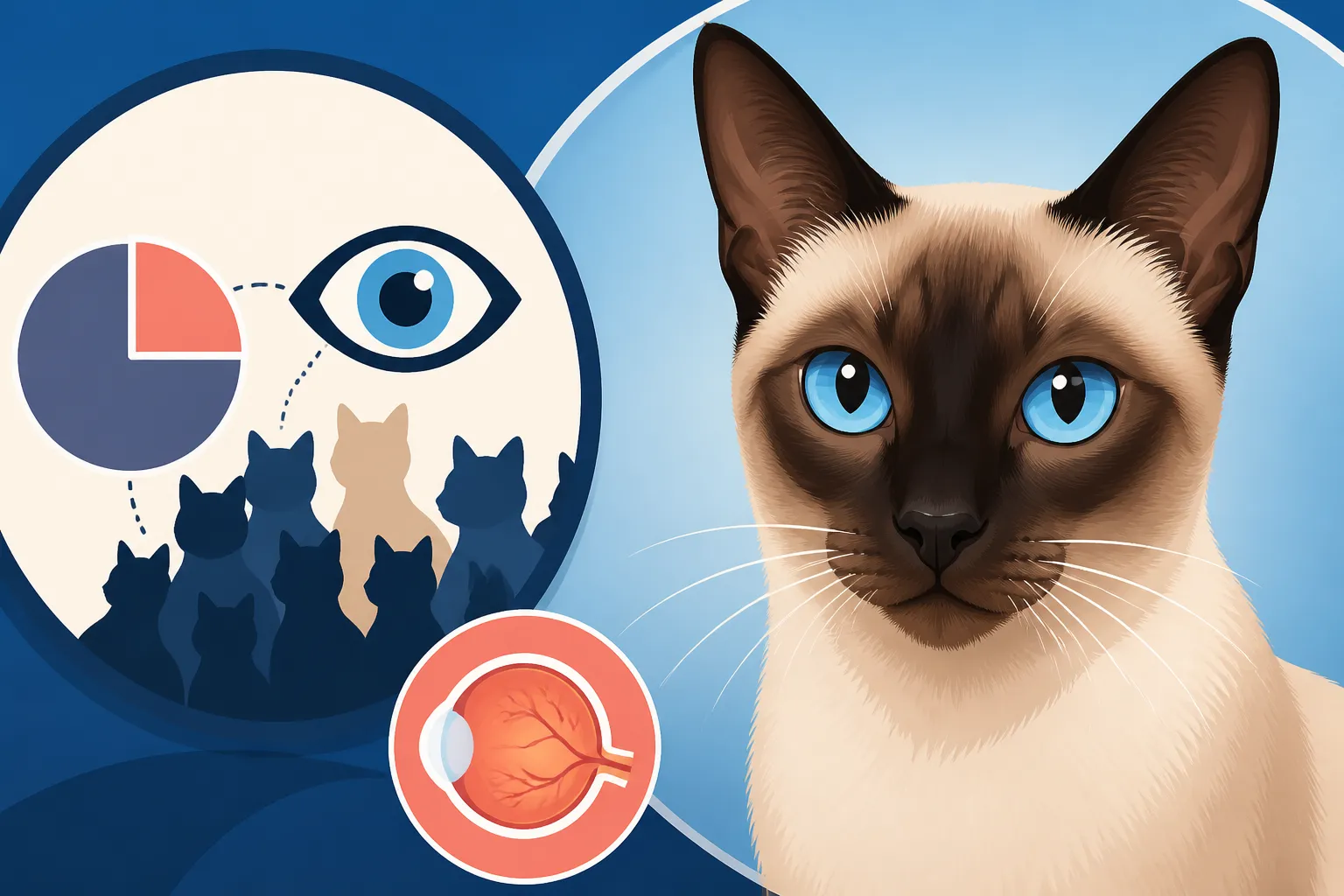
The question of how common PRA is in Siamese cats isn't as straightforward as it might seem. Historically, before the advent of genetic testing, PRA was considered a significant concern within the breed, with various degrees of prevalence reported. Today, thanks to advances in genetic science and the efforts of responsible breeders, the landscape has shifted considerably.
Prevalence Rates and Breed Susceptibility
In the past, when genetic screening wasn't widely available, PRA was a more prevalent issue in the Siamese breed. It was one of the conditions that conscientious breeders worried about, impacting a noticeable percentage of the population and often leading to kittens going blind by early adulthood. Compared to some other breeds that also carry genetic predispositions to PRA, like Abyssinians or Bengals, the Siamese historically had a moderate to high susceptibility to the rdAc form.
However, the widespread adoption of genetic testing, even with its nuances, has allowed many dedicated breeders to make informed decisions. This has significantly reduced the incidence of PRA in well-bred lines, making it less "common" than it once was. While it’s not eradicated, and carriers still exist, careful breeding practices mean that finding an affected Siamese from a reputable breeder is now far less likely. It's a testament to the power of genetic screening, even when imperfect, to improve breed health.
| Breed | Type of PRA | Genetic Test Availability | Historical Prevalence (Before widespread testing) | Current Prevalence (With responsible testing) |
|---|---|---|---|---|
| Siamese | Progressive Rod-Cone Degeneration (rdAc) | Yes (with known interpretation nuances) | Historically significant, moderate to high | Significantly reduced in ethical lines, still present |
| Abyssinian | rdAc | Yes | High | Lower, but still requires screening |
| Persian/Exotic | Early Retinal Degeneration | Yes | Moderate | Reduced |
| Bengal | PRA-b | Yes | Moderate | Reduced |
| Maine Coon | PRA-Rdy | Yes | Low to Moderate | Managed |
Challenges with Testing and Diagnosis
While genetic tests exist for PRA in Siamese cats, the journey to definitive and reliable screening has had its bumps. The rdAc DNA test for Siamese has been available for some time, but its interpretation, and sometimes its broad applicability, has been debated among experts. There have been instances where test results didn't perfectly align with clinical presentations, leading to questions about false positives or negatives, or perhaps indicating that other genetic factors might be at play.
This is why, despite the availability of DNA tests, a thorough eye examination by a board-certified veterinary ophthalmologist remains a critical component of screening, especially when evaluating breeding cats. While genetic tests can identify carriers, they don't always tell the whole story, and a vet can detect early signs of retinal degeneration even before vision loss is apparent. For more information on the complexities of genetic testing, you might find our article on Whether the rdAc DNA Test Works on a Siamese Cat to be particularly illuminating. Understanding these nuances helps owners appreciate the full scope of ensuring their cat's eye health.
Recognizing and Living with PRA
Discovering your beloved Siamese has PRA can be an emotionally overwhelming experience. While there’s no cure, understanding the signs and adapting your home environment can make a world of difference in maintaining your cat’s quality of life. The key is early recognition and proactive management, ensuring they feel secure and loved even as their world darkens.
Spotting the Early Warning Signs
The very first sign of PRA in a Siamese cat is almost always night blindness. You might notice your cat becoming clumsier in dimly lit areas, hesitating at stairs or doorways when the light fades, or bumping into furniture they usually navigate with ease. Their pupils might appear more dilated than usual, especially in normal lighting conditions, as their eyes try to gather more light. You might even observe an enhanced "eye shine" when light catches their eyes in photos, which is due to the tapetum lucidum reflecting more light through an atrophied retina.
As the disease progresses and daytime vision begins to decline, other signs become more apparent. Your cat might become more reliant on sound and smell, startling more easily, or becoming more vocal. They may become more clingy, seeking comfort and guidance from their humans, or conversely, more withdrawn due to anxiety. Noticing these subtle changes and knowing Signs a Siamese Cat Is Going Blind can prompt an early veterinary visit, which is crucial for diagnosis and planning. Generally, The Age a Siamese Cat With PRA Goes Blind can vary, but early signs often appear in young to middle-aged cats.
Diagnosis and Ongoing Care
If you suspect your Siamese cat might be developing PRA, the first step is a comprehensive veterinary examination. Your regular vet might perform a basic eye exam, but for a definitive diagnosis of PRA, a referral to a veterinary ophthalmologist is highly recommended. These specialists can conduct advanced diagnostic tests, such as an ophthalmoscopy (examining the back of the eye) and, most definitively, an electroretinogram (ERG). An ERG measures the electrical responses of the retina to light, providing clear evidence of retinal degeneration. To understand this process more deeply, check out How a Vet Confirms PRA in a Siamese Cat.
Once diagnosed, the focus shifts entirely to supportive care. There is currently no cure or treatment to halt the progression of PRA. However, you can significantly improve your cat's quality of life by creating a safe and predictable environment. Keep furniture in the same place, use textured mats to indicate important areas like litter boxes or food bowls, and consider using scent markers. Providing consistent routines and talking to your cat frequently can help them feel secure. This is where financial planning for your cat's health can really come into play. Investing in a good pet insurance plan, like one from Healthy Paws, early in your cat’s life can help cover the costs of these specialized diagnostics and any ongoing veterinary care as they adapt to blindness. Read about How a Blind Siamese Cat Manages to learn more about adaptation strategies.
The Breeder's Role in Minimizing PRA
Responsible breeding practices are the cornerstone of reducing the prevalence of genetic diseases like PRA within the Siamese breed. Ethical breeders are not just passionate about their cats; they are committed to the long-term health and well-being of the breed as a whole. This involves a diligent approach to health screening, meticulous record-keeping, and making difficult but necessary decisions for the betterment of future generations.
Health Screening and Genetic Testing
A responsible Siamese breeder will go above and beyond to screen their breeding cats for known genetic conditions, including PRA. This typically involves using available DNA tests for rdAc, even with the understanding that the test's reliability or comprehensiveness may have nuances. While some debate the complete accuracy of the rdAc test for all forms of PRA in Siamese, it remains a valuable tool for identifying carriers and affected individuals. Beyond DNA tests, breeders should also have their breeding cats examined annually by a board-certified veterinary ophthalmologist. These expert eye exams, which involve a thorough inspection of the retina, can often detect early signs of PRA even before a cat starts showing symptoms or if the genetic test isn't fully comprehensive.
This dual approach—combining genetic testing with regular clinical evaluations—offers the best chance of ensuring that only healthy cats with no signs of genetic eye disease are used for breeding. It's a proactive measure that prioritizes health over aesthetics or pedigree alone. Understanding Which Health Tests a Siamese Cat Breeder Runs can help prospective owners choose a reputable breeder who takes these precautions seriously. In fact, many would argue that Whether an Eye Exam Beats a DNA Test for a Siamese Cat isn't about one being superior, but rather how they complement each other to provide a full picture.
Ethical Breeding and Future Generations
Ethical breeding extends beyond simply testing cats; it's about making informed decisions to gradually eliminate genetic diseases from the gene pool while maintaining breed diversity. This means never breeding a cat known to be affected by PRA. For carriers, the approach requires careful consideration. A responsible breeder might choose to breed a carrier cat, but only if that cat is paired with a genetically clear (non-carrier) mate. This ensures that no kittens produced will be affected by the disease, though half will likely be carriers.
The ultimate goal for dedicated breeders is to eventually breed out the PRA gene entirely, or at least reduce its frequency to negligible levels. This requires meticulous record-keeping, tracking pedigrees, and sometimes making the difficult decision to retire a valuable breeding cat if they carry the gene. It’s a long-term commitment that impacts the health of the entire Siamese breed. Investing in a cat from such a breeder, knowing they prioritize health, can save you significant heartache and veterinary bills down the line. This forethought is part of why many consider robust pet insurance plans from providers like Healthy Paws to be an essential part of responsible pet ownership, helping to mitigate unforeseen health challenges that can arise even with the best breeding practices. They understand that unforeseen conditions can still occur, and being prepared offers peace of mind.
Disclaimer
Please remember that this article provides general information and should not be used as a substitute for professional veterinary advice. Always consult with a qualified veterinarian or a board-certified veterinary ophthalmologist for any health concerns or before making any decisions about your cat's medical care.