Signs a Siamese Cat Is Going Blind
It’s truly heartbreaking to notice subtle changes in your beloved Siamese cat, especially when those changes hint at something as profound as vision loss. You might catch them hesitating before a familiar jump, or perhaps they're bumping into furniture that's always been there. This guide is here to walk you through the various signs, both subtle and overt, that indicate your Siamese cat might be losing their eyesight, helping you understand what to look for and how to provide the best care.
Understanding the Gradual Onset of Feline Blindness
Vision loss in cats, particularly our highly intelligent and adaptable Siamese friends, isn't always a sudden event. More often, it's a gradual process, and cats are incredibly adept at compensating for their diminishing sight, using their other keen senses to navigate their world. This can make early detection a real challenge for even the most observant owner.
Early, Subtle Changes in Behavior
When vision starts to fade, your Siamese might begin to act a little differently, especially in environments where they once felt completely confident. These changes are often so subtle that you might initially dismiss them as just "getting older" or "being a bit clumsy."
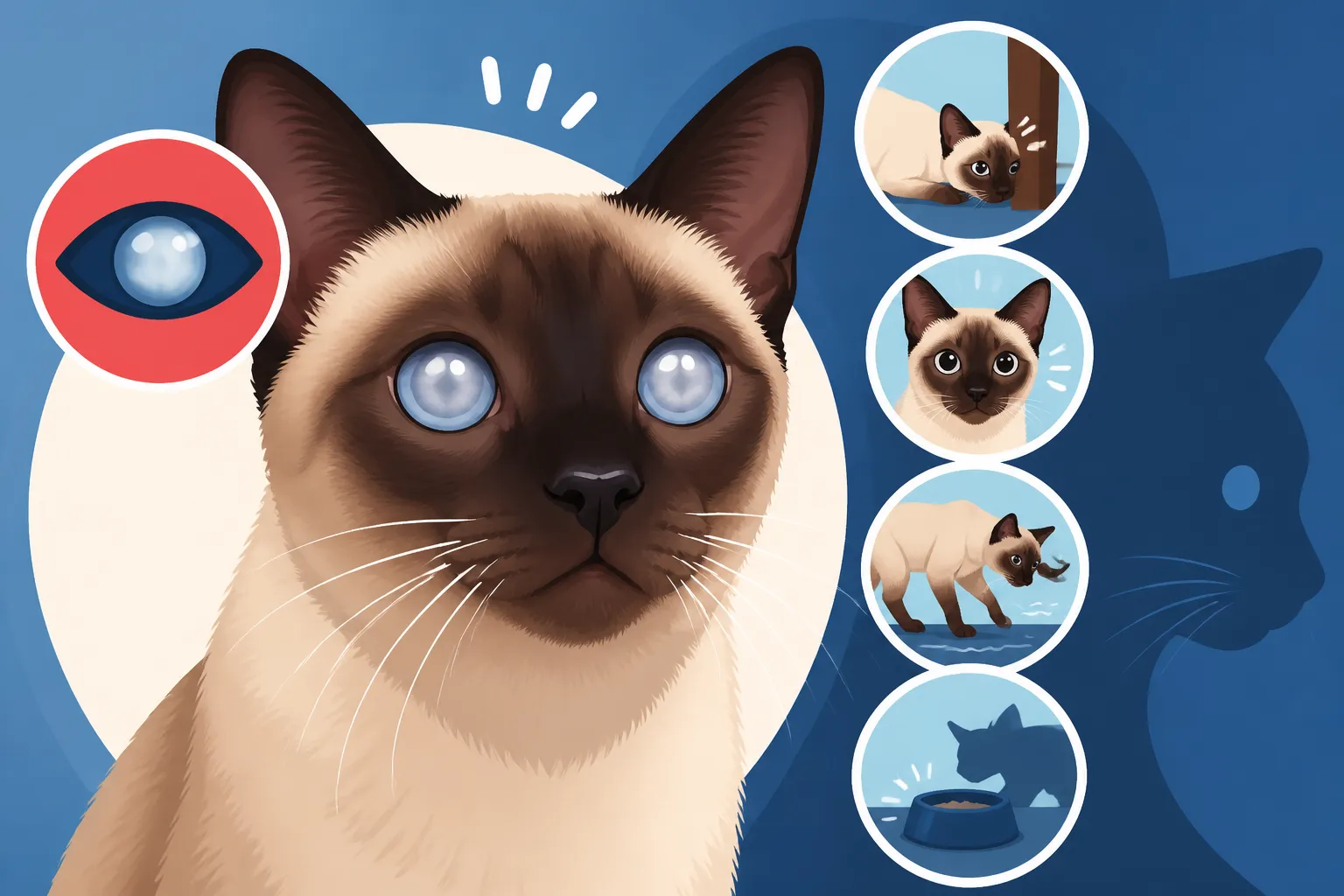
One of the first things you might notice is a newfound hesitation or clumsiness when your cat is trying to navigate familiar territory, particularly if the lighting isn't perfect. They might slow down when walking through a room they've known their entire life, or pause for a moment longer before stepping off a sofa or a chair. It’s almost as if they’re double-checking their footing, or trying to map out the room with their whiskers and memory rather than their eyes. You might see them missing a favorite toy during playtime, or perhaps they'll overstep or undershoot when trying to reach their food or water bowls. This isn't just a sign of aging; it could be their way of coping with reduced visual input. Increased clinginess or a noticeable rise in anxiety, especially if you rearrange furniture even slightly, can also be a tell-tale sign. Cats thrive on routine and familiarity, and a loss of vision profoundly disrupts this, leading to heightened stress and a desire for more reassurance from their human companions.
Physical Indicators to Watch For
Beyond behavioral shifts, there are also physical signs in your Siamese cat’s eyes themselves that can point towards vision impairment. These are often easier to spot once you know what to look for and can be critical for an early diagnosis.
Perhaps the most common physical sign is dilated pupils, even in well-lit conditions. Normally, a cat's pupils constrict to mere slits in bright light to protect their sensitive eyes. If your Siamese's pupils remain wide and unreactive to light, it's a strong indicator that their retina might not be responding as it should. This can be particularly noticeable if you compare their pupils in a sunny room versus a dim one; if there's no significant change, it's a red flag. You might also observe cloudiness in the lens (which could indicate cataracts) or other changes in the general appearance of their eyes. Sometimes, there might be a visible opacity, a change in color, or even a visible injury. In some cases, cats might exhibit nystagmus, which is an involuntary, rhythmic oscillation of the eyeballs. While not always directly related to blindness, it can be a symptom of underlying neurological issues that also affect vision. And, of course, the most obvious sign: bumping into walls, furniture, or tripping over obstacles they once easily avoided. This is less a subtle cue and more a clear indication that their vision has significantly deteriorated. For breeds like the Siamese, which can be prone to certain genetic conditions, understanding How Common PRA Is in Siamese Cats is particularly important, as Progressive Retinal Atrophy (PRA) specifically impacts sight.
Navigating the Home Environment with a Visually Impaired Siamese
As vision loss progresses, your Siamese cat will increasingly rely on their other senses, and you’ll notice more pronounced adaptations in their daily life. Their ability to compensate is truly remarkable, but it doesn't mean they aren't facing significant challenges.
Adapting to Decreased Vision
Cats are creatures of habit and masters of their territory. When their vision starts to fail, they begin to construct a mental map of their environment using sound, scent, and touch. This mental map is incredibly robust, but any disruption can throw them off.
One of the most noticeable adaptations is a change in play patterns. They might lose interest in toys that require visual tracking, like a laser pointer or a feather wand far off in the distance. Instead, they’ll gravitate towards toys that make noise or have a strong scent. You might find them playing more with crinkly balls, toys filled with catnip, or those that have bells inside. Their hunting instincts are still there, but the method shifts dramatically. They'll also become much more vocal, using their distinct Siamese "meezer yowl" not just to communicate desires but also to "check in" on your location or to orient themselves within the house. This increased vocalization can sometimes be mistaken for attention-seeking behavior, but it's often a sign of their heightened anxiety and reliance on auditory cues. Furthermore, a visually impaired Siamese might startle much more easily. Unexpected touches, sudden noises, or even the subtle shift in air current from someone walking by can cause them to jump or become defensive, simply because they didn't visually anticipate the stimulus. Their whiskers also become hyper-sensitive, acting like miniature radar systems to detect nearby objects and changes in their immediate surroundings.
Recognizing Advanced Stages of Blindness
When blindness becomes severe or complete, the signs are far less subtle and can be quite distressing to witness. At this stage, your Siamese will struggle immensely with navigation and might even show signs of profound disorientation.
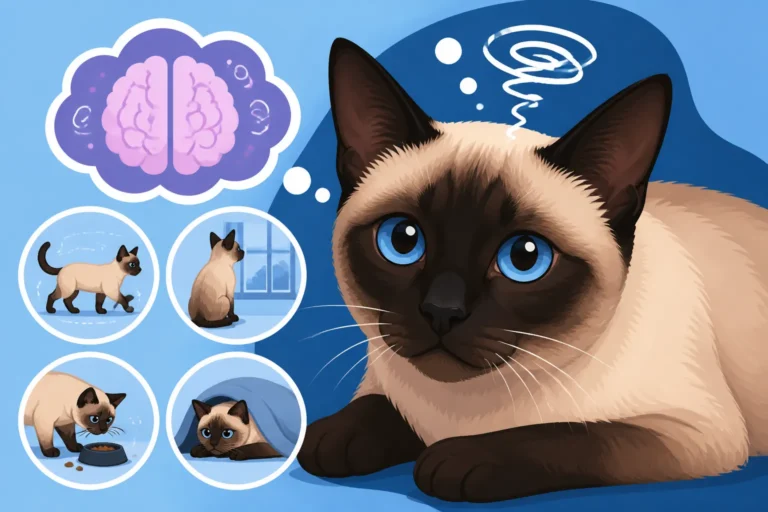
In advanced stages, your Siamese cat might appear completely disoriented, especially if moved to an unfamiliar room or if furniture has been rearranged. They will bump into things repeatedly, move very slowly, and might be hesitant to explore at all. Their pupils will likely remain fully dilated and unresponsive to light, giving their eyes a glassy, fixed appearance. The fearfulness and anxiety noticed in earlier stages can escalate into genuine aggression if they feel trapped or threatened because they cannot see what is approaching them. They might hiss or swat unexpectedly if approached too quickly. You might also see a significant withdrawal from interaction, as they find comfort in familiar, unchanging spaces and become less inclined to venture out or engage in activities they once loved. It's a heartbreaking transformation, but it's crucial to understand that these behaviors stem from fear and confusion, not malice. If you suspect your cat is experiencing such advanced stages, it’s imperative to seek veterinary help. It's important to differentiate between general aging and specific conditions, as sometimes Signs of Dementia in an Old Siamese Cat can overlap with vision loss, making a vet's assessment even more critical.
When to Seek Veterinary Attention and What to Expect
Noticing any of these signs in your Siamese cat warrants a visit to your veterinarian. Early intervention can sometimes slow progression or treat underlying conditions, and at the very least, it helps you understand how to best support your feline companion.
The Importance of Early Diagnosis
Getting a professional diagnosis as soon as you suspect vision loss is paramount. It's not just about confirming blindness; it's about identifying the cause, which could potentially be treatable.
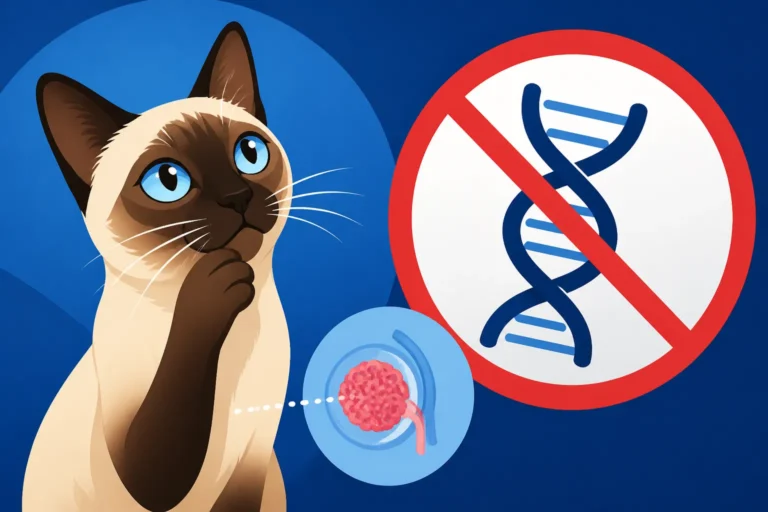
For instance, conditions like glaucoma, if caught early, might be managed with medication to preserve some remaining vision or alleviate pain. Cataracts, while less common in cats than dogs, can sometimes be surgically removed to restore sight. Retinal detachment, though often sudden, might also have specific underlying causes that need addressing. Without a proper diagnosis, you're left guessing, and your cat could be suffering from a condition that could have been helped. Your vet can distinguish between age-related decline, which is often a slow, irreversible process, and other conditions that might have a better prognosis. It’s also worth noting that sometimes eye exams can provide more immediate and accurate information than genetic tests for certain conditions. For example, Whether an Eye Exam Beats a DNA Test for a Siamese Cat can be a crucial consideration for conditions like Progressive Retinal Atrophy (PRA), where genetic tests might not cover all possible mutations or be fully reliable. A thorough ophthalmic exam by a specialist can offer a clearer picture of your cat's retinal health and overall eye function.
Diagnostic Procedures and Support
When you visit the vet, they will likely perform a comprehensive ophthalmic exam. This isn't just a quick peek; it's a detailed assessment of your cat's eyes and overall health.
The vet will check pupillary light reflexes, examine the retina and optic nerve, and possibly measure intraocular pressure to rule out glaucoma. They might use specialized equipment like an ophthalmoscope to look inside the eye. If necessary, they may recommend blood tests to check for systemic diseases that can affect vision, such as hypertension (high blood pressure) or diabetes. An ultrasound of the eye can sometimes reveal retinal detachments or other internal abnormalities. They might also refer you to a veterinary ophthalmologist for more specialized diagnostics. For a Siamese cat suffering from a condition like PRA, which can lead to complete blindness, understanding What PRA Does to a Siamese Cat's Sight and The Age a Siamese Cat First Loses Night Vision can help you prepare for the progression. Your vet will discuss the prognosis and work with you to develop a management plan. This might include medication for pain or inflammation, or simply strategies for making your home safer and more comfortable for your visually impaired friend. Organizations like Healthy Paws, which offer pet insurance, can be a lifesaver in these situations, potentially covering a significant portion of the diagnostic and treatment costs, allowing you to focus on your cat's care without undue financial stress.
Supporting Your Siamese Cat Through Vision Loss
Discovering your Siamese is losing their sight is undoubtedly difficult, but with patience, adaptation, and a lot of love, you can ensure they continue to live a full and happy life. They rely on you more than ever now.
Creating a Safe and Predictable Environment
The most crucial step in helping a blind or visually impaired cat is to make their environment as stable and predictable as possible. Their mental map of your home is their lifeline.
This means maintaining consistent furniture placement. Resist the urge to redecorate frequently. If you absolutely must move something, do it slowly and allow your cat to explore the new arrangement with supervision. Using scent markers can also be incredibly helpful. You can place different scents (like a specific essential oil on a cotton ball, used very sparingly and safely, away from direct contact with your cat, or even different laundry detergents on their beds) near important areas like their food bowl, water fountain, or litter box. This helps them navigate by smell. For cats that previously enjoyed the outdoors, consider investing in a secure "catio" or a supervised harness walk in a very safe, familiar area. This allows them to experience fresh air and different textures underfoot without the dangers of being truly unleashed in an environment they cannot see. Creating a safe and predictable home is key, and this might involve specific modifications like those outlined in How to Rearrange a Home for a Blind Siamese Cat.
Emotional and Physical Comfort
Beyond environmental adjustments, your Siamese will need extra emotional and physical comfort to cope with their changing world. Their bond with you becomes even more vital.
Gentle reassurance and consistent vocal cues are incredibly important. Talk to your cat as you approach them so they aren’t startled by an unexpected touch. Use a consistent phrase when you’re about to pick them up, or when you enter a room. Maintaining a routine for feeding, playtime, and cuddle sessions provides a sense of security. Even though their play patterns might change, regular interactive play (with noisy or scented toys) is still essential for their physical and mental well-being. Consider puzzle feeders that engage their sense of smell and touch rather than sight. Providing warm, cozy beds in familiar, safe spots will also offer immense comfort. Some owners find that a companion cat, if introduced carefully, can also help a blind cat by acting as a guide and providing social interaction. When considering vet visits or unexpected emergencies, having pet insurance like that offered by Healthy Paws can alleviate financial worries, ensuring you can always provide the necessary care and maintain consistency in their comfort. It's a marathon, not a sprint, but with your love and commitment, your Siamese cat can absolutely thrive, as discussed in How a Blind Siamese Cat Manages.
Early vs. Advanced Signs of Vision Loss
| Feature | Early Signs | Advanced Signs |
|---|---|---|
| Behavior | Hesitation, mild clumsiness in low light, increased clinginess, missing toys sometimes. | Bumping into objects frequently, complete disorientation, refusal to move, withdrawing. |
| Eyes (Physical) | Subtle pupil dilation, slight cloudiness, occasional nystagmus. | Persistent wide pupil dilation, unresponsive to light, distinct cloudiness/color change, fixed gaze. |
| Navigation | Slowing down, increased caution, relying more on memory. | Disoriented, stumbling, unable to find food/litter, fearful of new environments. |
| Vocalization | Slight increase in "checking in" meows. | Significant increase in anxious yowling, distress calls. |
| Interaction | More solicitous of attention, easily startled. | Avoids interaction, defensive if surprised, hides. |
| Compensation | Increased use of whiskers, reliance on familiar pathways. | Heavy reliance on hearing and smell, minimal exploration. |
Disclaimer
This article is intended for informational purposes only and does not constitute professional veterinary advice. If you notice any signs of vision loss or other health concerns in your Siamese cat, please consult with a qualified veterinarian immediately. They can provide an accurate diagnosis and recommend the best course of treatment for your pet.