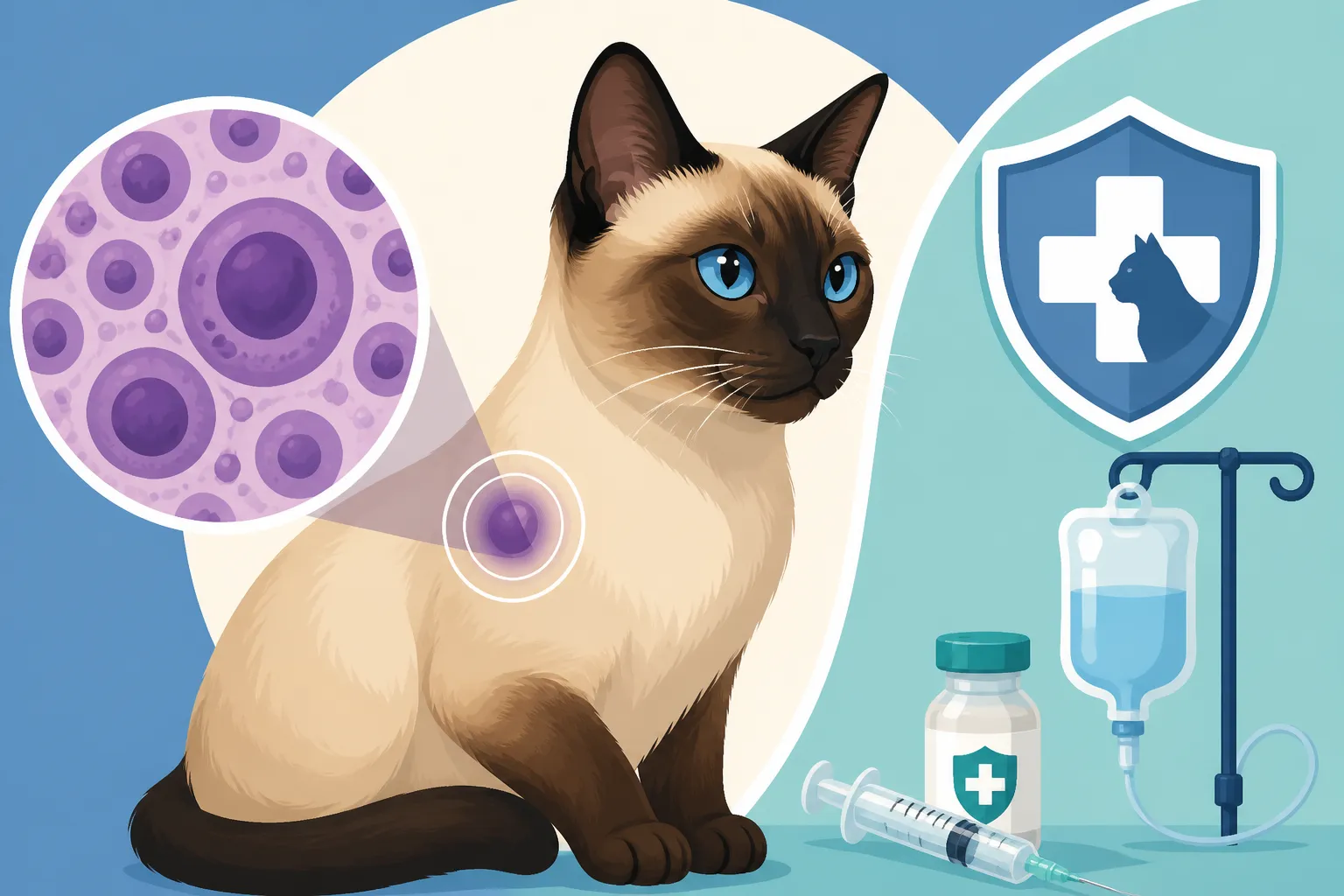
How Siamese Cat Lymphoma Is Treated
Receiving a diagnosis of lymphoma in your beloved Siamese cat can feel like the world has stopped. The shock, the fear, and the immediate question of "What now?" are overwhelming. This guide is here to walk you through the various treatment options available, helping you understand each step, what to expect, and how to best support your feline companion through this challenging time.
Understanding Siamese Cat Lymphoma Before Treatment
Before we dive into the specific treatments, it’s absolutely vital to have a clear picture of what lymphoma is, especially when it affects a breed as unique as the Siamese. This isn't just about having a name for the disease; it's about understanding the enemy we're fighting to give your cat the best chance.
The Different Types of Lymphoma in Siamese Cats
Lymphoma is a type of cancer that originates in the lymphocytes, a type of white blood cell crucial for the immune system. When these cells become cancerous, they can accumulate in various organs, forming tumors. The tricky part is that lymphoma isn't just one disease; it’s a category with several distinct forms, each with its own preferred locations and behaviors. For Siamese cats, we often see a predisposition to certain types, which can be particularly heartbreaking given their generally robust nature, as discussed in How Healthy the Siamese Cat Actually Is.
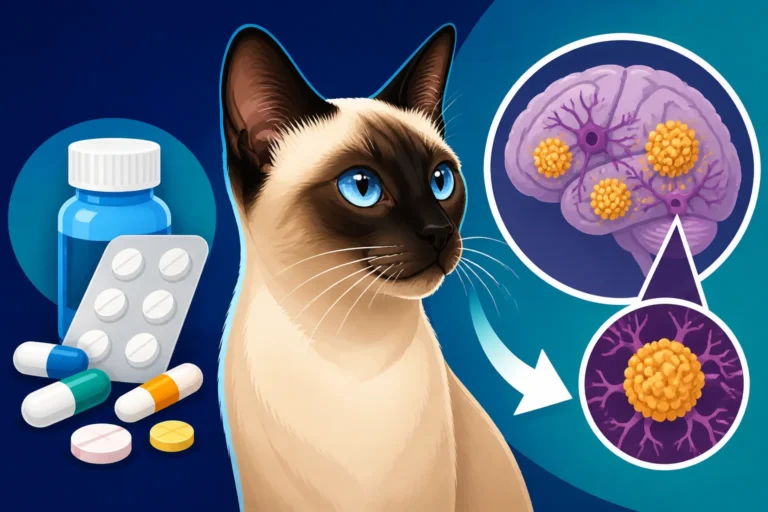
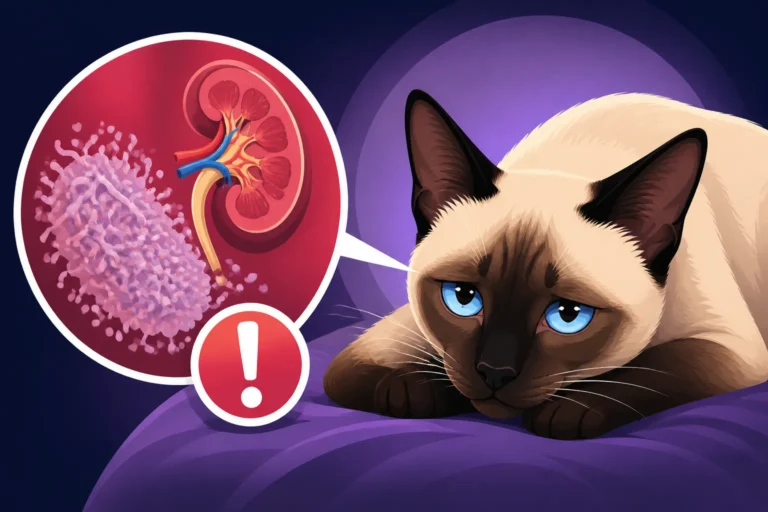
One of the most concerning forms, particularly prevalent in younger Siamese cats, is mediastinal lymphoma. This type develops in the mediastinum, the area in the chest between the lungs, often involving the thymus gland or lymph nodes there. When these masses grow, they press on the trachea and lungs, leading to severe respiratory distress. It’s a very aggressive form that can progress quickly, making early detection and intervention critical. Other common forms include alimentary (gastrointestinal) lymphoma, which affects the digestive tract, leading to symptoms like vomiting, diarrhea, and weight loss; multicentric lymphoma, which involves multiple lymph nodes throughout the body; and less commonly, renal (kidney) or nasal lymphoma. Each of these types will present differently and require a tailored treatment approach.
Recognizing these distinctions is crucial because the location and aggressiveness of the lymphoma will heavily influence the treatment plan. A cat with a localized nasal lymphoma might respond well to radiation therapy, whereas a cat with widespread multicentric lymphoma will almost certainly need systemic chemotherapy. It's not a one-size-fits-all situation, and understanding which type your Siamese is battling is the first step toward effective treatment. The specific type also often correlates with prognosis, guiding your vet in setting realistic expectations for the journey ahead.
Diagnosing Lymphoma: The Pre-Treatment Steps
Getting to a definitive lymphoma diagnosis can be a frustrating, anxious period for any cat owner. You know something is wrong, your cat is showing distressing signs, but you’re waiting for answers. The initial signs of lymphoma in a Siamese cat can be vague, mimicking other conditions, which often delays diagnosis. Owners might notice their usually vocal and active Siamese becoming lethargic, losing their appetite, experiencing unexplained weight loss, or showing signs of gastrointestinal upset like vomiting or diarrhea. For those with mediastinal lymphoma, difficulty breathing, coughing, or a muffled heart sound can be key indicators, as detailed in Mediastinal Lymphoma Signs in a Siamese Cat.
Once your vet suspects something serious, they'll embark on a series of diagnostic procedures. This usually starts with a thorough physical examination, feeling for enlarged lymph nodes or abdominal masses. Blood work, including a complete blood count (CBC) and biochemistry panel, can reveal abnormalities like anemia or altered liver/kidney values, though these aren't specific to lymphoma. The next crucial steps involve imaging: X-rays of the chest can identify masses in the mediastinum or enlarged lymph nodes, while an abdominal ultrasound can visualize internal organs like the intestines, kidneys, or abdominal lymph nodes for signs of tumor growth. An ultrasound is particularly vital for identifying alimentary lymphoma and can also help guide biopsies, as discussed in What a Siamese Cat's Emergency Ultrasound Costs.
However, the definitive diagnosis of lymphoma almost always requires a biopsy. This involves collecting tissue samples from the suspected tumor or affected lymph nodes. A fine needle aspiration (FNA) is a less invasive first step, where cells are drawn out with a needle and examined under a microscope. While quick, FNAs don't always provide enough tissue for a conclusive diagnosis, especially if the cells aren't clearly malignant. In many cases, a surgical biopsy is necessary, providing a larger tissue sample for histopathology (microscopic examination by a veterinary pathologist). This allows for precise classification of the lymphoma, including its grade (low, intermediate, or high) and immunophenotype (B-cell or T-cell), which are critical factors in determining the most effective treatment protocol and predicting the likely outcome. This staging process, which assesses how widespread the cancer is, is paramount for guiding treatment decisions and setting expectations for your cat's journey.
The Cornerstones of Lymphoma Treatment for Siamese Cats
Once a definitive diagnosis is made and the specific type of lymphoma is identified, your veterinary oncologist will develop a treatment plan. This plan is highly individualized, taking into account the type, stage, and location of the lymphoma, as well as your Siamese cat's overall health and your family's preferences. The primary goal is always to achieve remission, alleviate symptoms, and maintain a good quality of life.
Chemotherapy Protocols and Administration
For most types of feline lymphoma, chemotherapy is the primary treatment modality. It’s a systemic treatment, meaning it affects cancer cells throughout the body, making it particularly effective for widespread or aggressive forms of lymphoma. When people hear "chemotherapy," they often envision the severe side effects humans experience, but it’s important to remember that chemotherapy protocols for cats are generally designed to prioritize quality of life. Vets aim to manage the cancer effectively while minimizing adverse reactions, which is a huge relief for worried owners.
The most common chemotherapy protocol for feline lymphoma is often referred to as the "CHOP" protocol, or a variation of it. This multi-agent regimen typically involves a combination of drugs such as Cyclophosphamide, Hydroxydoxorubicin (Doxorubicin), Vincristine, and Prednisolone (a steroid). These drugs work in different ways to target and destroy rapidly dividing cancer cells. The treatment is usually administered over several weeks or months, with cycles of drug administration followed by rest periods. Some drugs are given orally at home, while others require injections at the veterinary clinic. For instance, cyclophosphamide might be given orally for a few days each week, while vincristine and doxorubicin are typically given intravenously at the clinic. The exact schedule and combination will depend on the specific protocol chosen by your oncologist, which considers the cat's tolerance and response.
While feline chemotherapy is generally well-tolerated, side effects can occur. The most common include mild nausea, temporary loss of appetite, lethargy, or mild diarrhea. More serious, though less frequent, side effects can include a temporary suppression of the bone marrow, leading to a drop in white blood cell count (neutropenia), which can increase the risk of infection. Your vet will closely monitor blood counts throughout treatment, especially before each chemotherapy session, to ensure your cat is healthy enough for the next dose. They will also provide medications to manage any side effects, such as anti-nausea drugs. Most cats maintain a good quality of life during chemotherapy, continuing to eat, play, and interact normally, especially when supported by careful veterinary monitoring and care. For more information on post-treatment life, you might find How Long a Siamese Cat Lives After Chemotherapy helpful.
Radiation Therapy as a Targeted Approach
While chemotherapy is the workhorse for systemic lymphoma, radiation therapy offers a powerful, localized approach. It's less commonly used as a sole treatment for widespread lymphoma, but it can be incredibly effective in specific situations, such as treating localized tumors that are difficult to remove surgically or when used for palliative care to reduce the size of a painful or obstructive tumor. For example, if your Siamese has nasal lymphoma or a very localized mediastinal mass, radiation might be a primary or adjunctive treatment.
The process of radiation therapy for cats is meticulous and requires specialized equipment. It involves precisely targeting high-energy beams at the tumor cells to damage their DNA and inhibit their growth, while minimizing damage to surrounding healthy tissues. Because absolute stillness is critical for accurate targeting, cats typically need to be sedated or anesthetized for each treatment session. This can be a concern for some owners, but modern anesthetics and monitoring protocols make it quite safe, especially when administered by experienced veterinary staff. You might want to review Whether a Siamese Cat Tolerates Anesthesia for more insights on this topic. Treatment usually consists of multiple daily or weekly sessions over a few weeks, depending on the type and goal of the radiation.
Side effects of radiation therapy are typically localized to the treated area. For example, skin irritation, hair loss, or changes in fur color can occur in the treated field. If the head or neck is irradiated, temporary oral discomfort or changes in taste might happen. These side effects are usually managed with supportive medications and often resolve once treatment is complete. Radiation therapy can offer excellent tumor control for localized disease and significantly improve a cat's comfort and quality of life, especially in cases where surgery isn't feasible or complete removal isn't possible. It works differently from chemotherapy, directly destroying cells in a specific area, making it a valuable tool in a comprehensive treatment plan.
Surgical Intervention and Supportive Care
Surgery plays a more limited role in the treatment of most feline lymphomas compared to other types of cancer. Because lymphoma is a systemic disease, simply removing a single tumor often doesn't address the underlying issue of cancerous cells elsewhere in the body. However, surgery can be incredibly valuable in specific scenarios. For instance, if there's a localized mass causing an obstruction – perhaps an intestinal tumor causing blockages or a mediastinal mass severely impeding breathing – surgical removal or debulking (reducing the size of the tumor) can provide immediate relief and improve the cat's quality of life. It can also be crucial for obtaining large, high-quality tissue samples for definitive diagnosis, especially when less invasive biopsies are inconclusive. In rare cases of truly localized lymphoma, such as a solitary cutaneous (skin) lesion, surgery might even be curative if all cancerous tissue can be completely excised.
Following any surgical procedure, comprehensive post-surgical care is paramount to ensure your Siamese cat’s comfort and recovery. This involves managing pain with appropriate medications, monitoring the surgical site for infection, and ensuring they have a quiet, comfortable space to heal. But beyond surgery, every cat undergoing lymphoma treatment, whether with chemotherapy or radiation, requires extensive supportive care. This aspect of treatment cannot be overstated; it’s what truly helps your cat tolerate therapies and maintain their well-being. Supportive care includes a range of interventions designed to manage symptoms and side effects, making their daily life as comfortable as possible.
This vital supportive care often involves anti-nausea medications to prevent stomach upset, appetite stimulants to encourage eating, and pain relievers if discomfort is present. Nutritional support is also key, as many cats with cancer struggle with appetite or maintaining weight; feeding palatable, high-calorie diets, or even considering a feeding tube in severe cases, can make a huge difference. Fluid therapy might be administered to prevent dehydration, and antibiotics could be prescribed to combat secondary infections, especially if the cat’s immune system is temporarily suppressed by chemotherapy. Creating a warm, quiet, and stress-free home environment is also crucial, providing cozy beds (perhaps even heated ones, as Siamese cats can be prone to feeling the cold), easily accessible food and water, and a clean litter box. Monitoring their overall demeanor and checking for subtle changes, as described in Signs a Siamese Cat Is Unwell, is an ongoing act of love and vigilance that contributes significantly to their success.
Navigating the Treatment Journey and Prognosis
Embarking on a cancer treatment journey with your Siamese cat is a marathon, not a sprint. It requires patience, vigilance, and a close partnership with your veterinary team. Understanding the ongoing process and planning for the financial aspects are crucial for both your cat's well-being and your peace of mind.
Monitoring and Adjusting Treatment Plans
Once treatment begins, the journey is dynamic. Your cat will require regular check-ups, often including physical examinations, blood tests (to monitor blood counts, organ function, and potential side effects), and periodic imaging (X-rays or ultrasound) to assess the tumor's response to therapy. These monitoring appointments are vital for your vet to gauge the effectiveness of the treatment and make necessary adjustments. It’s a bit like constantly recalibrating a complex machine to ensure it’s running optimally.
The goal of treatment is typically to achieve remission, which means a significant reduction or complete disappearance of all detectable cancer cells. It's important to differentiate between remission and a "cure." While some lucky cats may achieve long-term remission, often essentially living out their natural lifespan, true cures for lymphoma are rare. However, many cats can enjoy a good quality of life for months or even years in remission. If the initial treatment isn't yielding the desired results, or if side effects are too severe, your oncologist might adjust drug dosages, swap out certain chemotherapy agents, or explore alternative protocols. This adaptive approach ensures that the treatment remains as effective and tolerable as possible for your individual cat.
A significant challenge in lymphoma treatment is the possibility of relapse, where the cancer returns after a period of remission. This is incredibly disheartening for owners who've invested so much emotionally and financially. When a relapse occurs, it doesn't mean all hope is lost. Often, different chemotherapy drugs or a modified protocol can be tried, sometimes leading to a second remission. However, subsequent remissions can sometimes be shorter or harder to achieve than the first. Your veterinary team will discuss these possibilities with you upfront, helping you understand the potential trajectory of the disease and prepare for various scenarios. It's a journey filled with ups and downs, but continuous monitoring helps you and your vet navigate each twist and turn.
The Role of Owner Commitment and Financial Considerations
Caring for a Siamese cat with lymphoma demands an extraordinary level of commitment – emotionally, physically, and financially. The emotional toll of watching your beloved companion go through treatment, the worry, and the hope can be immense. Practically, it means adhering to medication schedules, bringing your cat to frequent veterinary appointments, and closely observing them for any changes or side effects. This daily vigilance, combined with your cat's innate tendency to hide discomfort as explored in How a Siamese Cat Hides Pain, means you become their most important advocate.
Let's be candid about the financial aspect: treating feline lymphoma, especially with chemotherapy, can be expensive. The costs accumulate from diagnostic tests (blood work, X-rays, ultrasounds, biopsies), the chemotherapy drugs themselves, administration fees for injectable drugs, follow-up appointments, supportive medications (anti-nausea, pain relief), and potential emergency visits if complications arise. Many owners find themselves grappling with these substantial bills, often leading to difficult choices. This is where having pet insurance can be a literal lifesaver. Companies like Healthy Paws offer comprehensive coverage that can significantly alleviate the financial burden of cancer treatment, allowing you to focus on your cat's care rather than the cost. Their plans often cover a high percentage of vet bills for accidents and illnesses, including cancer therapies.
To give you a clearer picture, here's a general breakdown of typical costs associated with lymphoma treatment. Keep in mind these are estimates and can vary widely based on location, specific protocols, and individual clinic pricing.
| Treatment Component | Estimated Cost Range (USD) | Notes |
|---|---|---|
| Initial Diagnosis (Labs, X-ray, Ultrasound, Biopsy) | $1,000 – $3,000 | Essential for confirming diagnosis and staging. |
| Chemotherapy (per treatment cycle) | $200 – $800 | Varies greatly by drugs used; typically weekly/bi-weekly for months. |
| Ongoing Bloodwork & Rechecks | $100 – $300 (per visit) | Crucial for monitoring side effects and treatment efficacy. |
| Supportive Medications | $50 – $200 (per month) | Anti-nausea, appetite stimulants, pain meds. |
| Radiation Therapy (full course) | $3,000 – $8,000 | For localized tumors, requires specialized facilities. |
| Emergency Care | $500 – $2,000+ | For complications like severe neutropenia or obstruction. |
| Total (over 6-12 months) | $4,000 – $15,000+ | Highly variable based on type of lymphoma, protocol, and complications. |
As you can see, the expenses can quickly add up. Investing in a pet insurance policy from a provider like Healthy Paws when your cat is young and healthy can provide invaluable protection against unexpected illnesses, including cancers like lymphoma, throughout their long lifespan, which for a Siamese can be The Fifteen to Twenty Years a Siamese Cat Gets. It's a crucial part of responsible pet ownership that many owners wish they had considered sooner.
Quality of Life and End-of-Life Decisions
Throughout the entire treatment journey, the overarching goal must always be to maintain your Siamese cat's quality of life. We treat cancer to give them more good days, not just more days. It’s essential to regularly assess your cat’s comfort, happiness, and ability to engage in their normal activities. Are they still vocalizing their demands? Are they eating with enthusiasm? Do they still seek out your affection and playtime? These indicators, unique to your cat, are far more important than any numerical lab result.
There will inevitably come a time when treatments may no longer be effective, or the side effects begin to outweigh the benefits. This is arguably the most difficult conversation any pet owner will have with their veterinarian: the discussion about end-of-life care and euthanasia. It's a decision fraught with guilt, sadness, and profound love. Your vet can provide an objective assessment of your cat's physical condition, but ultimately, you are the one who knows your Siamese cat best. You see their daily struggles, their subtle shifts, and their moments of joy or pain.
Making the decision to euthanize is an act of profound love, prioritizing your cat's peace and dignity over your own desire for more time. It’s about preventing suffering when it can no longer be alleviated, and ensuring their final moments are peaceful and surrounded by love. Your veterinary team will support you through this painful process, offering guidance on recognizing signs of declining quality of life, discussing pain management options, and helping you create a peaceful farewell. It's an unimaginable heartache, but giving your beloved Siamese a gentle, dignified exit is often the kindest choice you can make.
Beyond Conventional Treatments: Emerging Options and Holistic Approaches
While traditional chemotherapy, radiation, and supportive care form the backbone of lymphoma treatment, the field of veterinary oncology is constantly evolving. For some owners, exploring advanced or complementary therapies might be part of their cat's journey.
Investigational Therapies and Clinical Trials
The landscape of feline cancer treatment is dynamic, with ongoing research continually bringing new drugs and approaches to the forefront. For some Siamese cats whose lymphoma isn't responding to standard treatments, or for owners looking to explore cutting-edge options, participation in clinical trials can be a consideration. These trials, conducted at veterinary specialty hospitals and university veterinary teaching hospitals (like those at Cornell University or UC Davis), evaluate new drugs, combinations of existing drugs, or novel therapies. They often aim to improve efficacy, reduce side effects, or target specific cancer pathways.
The benefits of a clinical trial can include access to treatments that aren't yet widely available, receiving care from leading specialists, and often having a significant portion of the treatment costs covered by the trial sponsor. However, it's not without its considerations. Clinical trials involve strict protocols, may require frequent visits to the trial site, and there's no guarantee that the experimental treatment will be effective for your individual cat. Some trials are placebo-controlled, meaning your cat might receive the standard treatment or a placebo, though this is less common in direct cancer intervention where a known effective treatment exists. Your veterinary oncologist can help you determine if your Siamese cat might be a suitable candidate for any ongoing trials and weigh the pros and cons carefully. It’s a brave step, offering hope not just for your own cat, but for future generations of felines facing similar diagnoses, including other forms of cancer a Siamese cat gets.
Complementary and Alternative Therapies
Many pet owners, seeking to provide every possible comfort and advantage, look into complementary and alternative medicine (CAM) for their cats with cancer. These therapies can include acupuncture, herbal remedies, specialized diets, nutritional supplements, and even practices like reiki or massage. The desire to support your cat through such a challenging time is entirely understandable, but it's crucial to approach CAM with caution and always in collaboration with your primary veterinarian and oncologist.
For example, acupuncture might be considered for pain management or to help stimulate appetite in a cat undergoing chemotherapy. Certain herbal remedies or supplements are sometimes suggested to boost the immune system or reduce inflammation. However, the scientific evidence supporting the efficacy and safety of many of these treatments in feline cancer patients is often limited compared to conventional medicine. The biggest risk is that some supplements or herbs can interact negatively with conventional chemotherapy drugs, either reducing their effectiveness or increasing their toxicity. Therefore, it is paramount that you discuss any complementary therapies you are considering with your veterinary oncologist. They can advise on potential interactions, recommend reputable practitioners, and ensure that any additional therapies are truly complementary – working alongside, not against, the prescribed medical treatment. The goal is always to enhance your cat's well-being and comfort, not to put them at risk or interfere with life-saving medications.
Disclaimer
The information provided in this guide is intended for general educational purposes only and should not be considered a substitute for professional veterinary advice. Always consult with a qualified veterinarian or veterinary oncologist regarding any health concerns or before making any decisions about your Siamese cat's medical care.