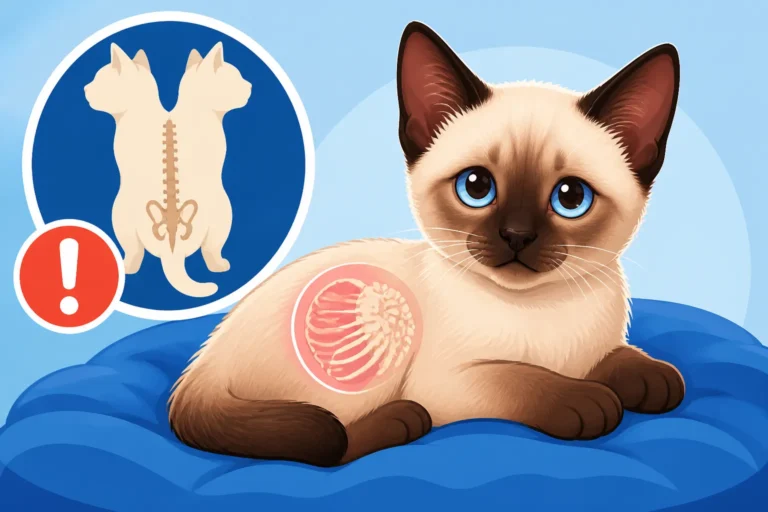
Which Anesthetic Risks a Siamese Cat Carries
Bringing your beloved Siamese cat to the vet for any procedure requiring anesthesia can be an incredibly nerve-wracking experience. You’re entrusting their precious life to medical professionals, and naturally, you worry about all the potential risks involved. This comprehensive guide aims to shed light on the specific anesthetic considerations for Siamese cats, helping you understand what to expect, what questions to ask your veterinarian, and how to best prepare your feline friend for a safe procedure.
Understanding Anesthesia and General Feline Risks
Anesthesia, whether local or general, is a powerful medical tool designed to render your cat unconscious or numb to pain, allowing veterinarians to perform necessary surgeries, dental work, or diagnostic procedures without stress or discomfort. While modern veterinary anesthesia is incredibly safe, especially compared to decades past, it's never entirely without risk. These risks vary depending on the cat's overall health, age, the type of procedure, and even breed-specific sensitivities.
The Science Behind Feline Anesthesia
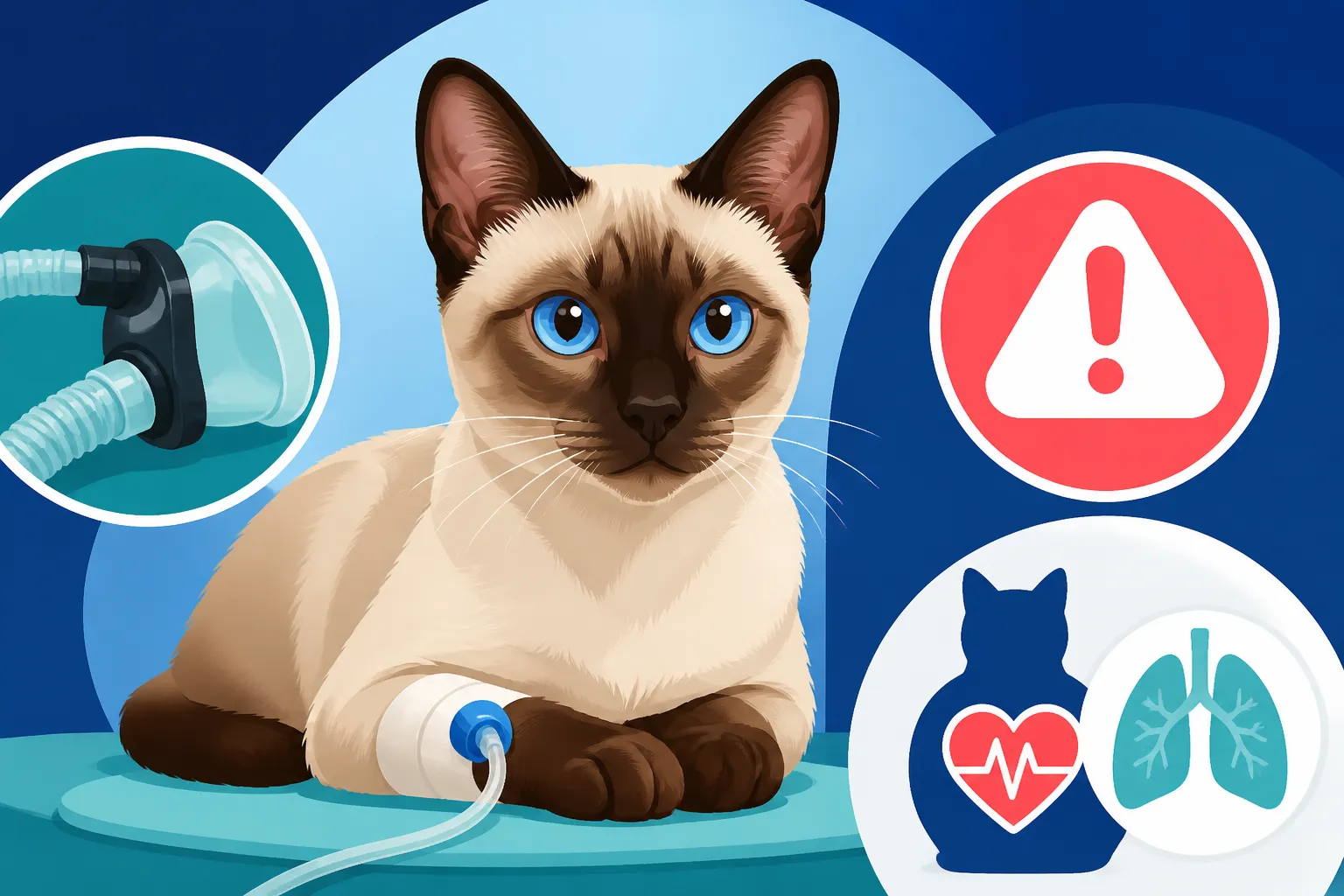
When your Siamese cat is anesthetized, a combination of drugs is used to achieve several goals: pain relief (analgesia), muscle relaxation, and unconsciousness. This carefully balanced approach ensures your cat remains still and unaware during the procedure. Typically, an initial sedative is given, often an injectable, to help them relax before an intravenous catheter is placed. This catheter is crucial for administering fluids, emergency medications, and the main anesthetic agent. Once an endotracheal tube is placed into their windpipe, an inhalant anesthetic gas, like isoflurane or sevoflurane, is used to maintain the desired depth of anesthesia.
During this entire process, your cat's vital signs are meticulously monitored by a veterinary technician, often using specialized equipment. This includes heart rate, respiratory rate, blood pressure, oxygen saturation, and body temperature. The goal is always to keep them in a stable and safe state, ready to react quickly if any parameters start to drift outside the normal range. The technology and expertise available today make these procedures far safer than they once were, but vigilance is key.
Common Anesthetic Concerns in All Cats
Before we dive into what makes Siamese cats a bit different, it's important to acknowledge the general risks that apply to any feline undergoing anesthesia. These can include anything from mild side effects to severe complications, though the latter are rare.
- Nausea and Vomiting: It's quite common for cats to feel a bit queasy after anesthesia. They might vomit in the immediate recovery period. This is why vets often advise withholding food for several hours before surgery.
- Hypothermia: Cats can lose body heat under anesthesia, especially during longer procedures, as their body temperature regulation is affected by the drugs. Maintaining body temperature is critical for a smooth recovery.
- Bradycardia or Tachycardia: Fluctuations in heart rate are possible. While some changes are expected, a significant drop (bradycardia) or increase (tachycardia) can indicate an underlying issue or a reaction to the anesthetic.
- Hypotension: A drop in blood pressure (hypotension) is another common concern, which can reduce blood flow to vital organs. Intravenous fluids are usually administered to help maintain blood pressure.
- Prolonged Recovery: Some cats take longer to "wake up" completely, remaining drowsy or disoriented for several hours. This is usually not serious but can be worrying for owners.
- Allergic Reactions: Though rare, a cat can have an allergic reaction to one of the anesthetic drugs. This is why thorough patient history is so important.
- Cardiac or Respiratory Arrest: This is the most serious, albeit extremely rare, complication. It highlights why constant monitoring and immediate intervention capabilities are absolutely essential.
Understanding these baseline risks for all cats helps put the specific Siamese considerations into perspective.
Specific Anesthetic Risks for Siamese Cats
While Siamese cats are generally a healthy and long-lived breed, they do carry a few specific predispositions that can influence their anesthetic risk profile. It's not about them being "frail" or "unsuitable" for anesthesia, but rather about acknowledging these nuances so your veterinary team can tailor their approach accordingly.
Respiratory System Sensitivities
Siamese cats, with their often sleek and refined body type, can sometimes have slightly smaller or more delicate airways compared to a robust domestic shorthair. This can present a few challenges during anesthesia.
- Laryngeal Spasm: Cats in general, and sometimes Siamese cats more acutely, can be prone to laryngeal spasms during intubation (when the breathing tube is placed). This is a protective reflex where the larynx (voice box) closes off to prevent foreign objects from entering the airway. While this is a natural reflex, it can make intubation difficult and, in rare cases, lead to temporary oxygen deprivation if not managed swiftly. Vets often use a topical anesthetic spray on the larynx to minimize this risk.
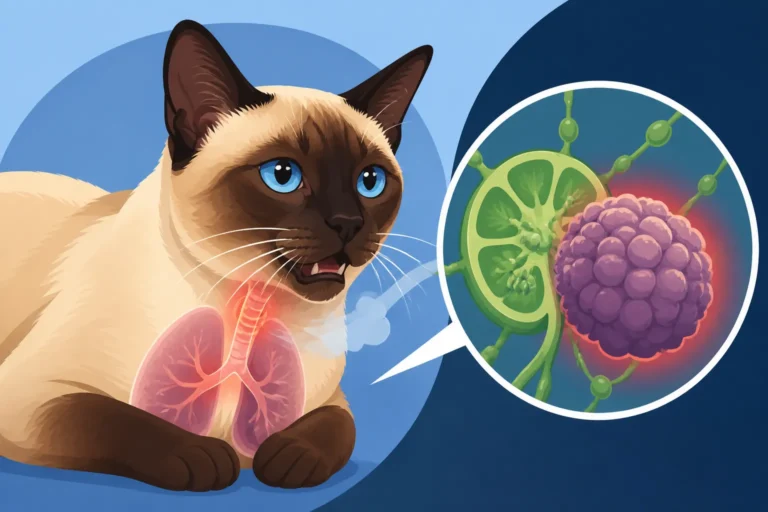
- Bronchial Reactivity: Some Siamese cats can be predisposed to respiratory conditions like asthma. While not all Siamese cats have asthma, those that do might have more reactive airways. This means they could be more prone to bronchoconstriction (tightening of the airways) during anesthesia, making breathing more difficult. If your cat has a history of asthma or even unexplained coughing, it's crucial to discuss this with your vet beforehand. You might find more information on managing this in our article about Asthma in a Siamese Cat.
These respiratory concerns emphasize the need for careful intubation techniques and vigilant monitoring of breathing throughout the procedure.
Cardiac Considerations
Heart conditions can sometimes be an unseen risk in any cat breed, but certain breeds might have a higher prevalence of specific cardiac issues. For Siamese cats, hypertrophic cardiomyopathy (HCM) is a condition that warrants attention.
- Hypertrophic Cardiomyopathy (HCM): HCM is the most common heart disease in cats, characterized by a thickening of the heart muscle. While it affects many breeds, including Maine Coons and Ragdolls, Siamese cats can also be affected. Many cats with HCM show no outward signs, making it a "silent killer" until a crisis. Anesthesia puts additional stress on the cardiovascular system, and a cat with undiagnosed or poorly managed HCM could be at higher risk for complications like arrhythmias or even heart failure during or after the procedure. This is why pre-anesthetic screening, especially for older Siamese cats, is so vital. If you're concerned about your cat's heart, you can read more in our post about Heart Disease in a Siamese Cat.
- Stress-Induced Cardiac Changes: Siamese cats are known for their strong personalities and can be quite sensitive to stress. While not a direct anesthetic risk, a highly stressed cat might experience elevated heart rates and blood pressure even before anesthesia begins. This can complicate the initial assessment and drug administration. A calm environment and pre-sedation can help manage this.
It's important to remember that not every Siamese will have HCM, but a thorough pre-anesthetic exam, including listening carefully to the heart and perhaps even blood tests, can help detect potential issues.
Unique Thermoregulation and Recovery
One of the most defining characteristics of a Siamese cat is its gorgeous point coloration, which is directly tied to its unique thermoregulation. This genetic quirk can also play a subtle role during anesthesia.
- Temperature Sensitivity: Siamese cats possess a temperature-sensitive enzyme that produces pigment only in cooler areas of their body. This also means they are naturally prone to feeling the cold more easily than other breeds, as their metabolism might be slightly different or their fur less insulating due to the lack of an undercoat. Under anesthesia, all cats are susceptible to hypothermia, but a Siamese cat might lose heat more rapidly. This means your veterinary team will need to be extra diligent in providing warming support, such as heated blankets, warm IV fluids, and recovery incubators, to prevent excessive heat loss. You can learn more about this in Keeping a Siamese Cat Warm.
- Prolonged Recovery from Cold: If a Siamese cat becomes significantly hypothermic during surgery, their recovery might be slower. Lower body temperature can affect drug metabolism and wake-up times. Ensuring they are warm and cozy throughout and after the procedure is paramount for a smooth and comfortable return to consciousness.
This unique physiological trait isn't a "risk" in itself, but rather a factor that requires extra attention from the veterinary team to ensure optimal care.
Mitigating Anesthetic Risks in Your Siamese
The good news is that with careful planning, thorough communication, and modern veterinary practices, the risks associated with anesthesia for your Siamese cat can be significantly minimized. Knowledge truly is power here.
Comprehensive Pre-Anesthetic Screening
Before your Siamese cat undergoes any anesthetic procedure, a comprehensive pre-anesthetic workup is the single most important step. This isn't just a formality; it's a critical investigation into your cat's overall health.
- Physical Examination: A thorough nose-to-tail physical exam by your vet is the first line of defense. They will listen to the heart and lungs, check for any murmurs or abnormal rhythms, assess hydration, and look for any signs of illness.
- Blood Work: Pre-anesthetic blood tests are absolutely essential. A complete blood count (CBC) can detect anemia, infection, or other blood disorders, while a chemistry panel assesses organ function, particularly the kidneys and liver, which are crucial for metabolizing and eliminating anesthetic drugs. If the kidneys or liver aren't functioning optimally, specific anesthetic protocols might need to be adjusted. It's a good idea to discuss these costs with your vet, and if you have pet insurance like Healthy Paws, understand what your policy covers. Knowing What a Siamese Cat's Yearly Bloodwork Should Cover can help you understand the comprehensive nature of these tests.
- Urinalysis: A urinalysis can provide additional information about kidney function and detect other underlying issues like urinary tract infections or diabetes that might influence anesthetic safety.
- Cardiac Diagnostics: For older cats or those with a heart murmur detected during the physical exam, additional cardiac diagnostics might be recommended. This could include an ECG (electrocardiogram) to assess heart rhythm or even a consultation with a veterinary cardiologist for an echocardiogram (ultrasound of the heart) to look for structural abnormalities like HCM. If your vet recommends an echocardiogram, be aware of Whether a Siamese Cat Needs an Echo. These tests are proactive steps to catch issues before they become emergencies.
| Pre-Anesthetic Screening Component | What it Checks For | Why it Matters for Anesthesia |
|---|---|---|
| Physical Exam | Overall health, hydration, heart/lung sounds, temperament | Identifies obvious illness, murmurs, respiratory issues |
| Complete Blood Count (CBC) | Anemia, infection, platelet count | Anemia affects oxygen delivery; infection increases risk |
| Chemistry Panel | Kidney & liver function, blood glucose, electrolytes | Organs metabolize drugs; imbalances affect vital functions |
| Urinalysis | Kidney function, infection, diabetes | Kidney health is vital for drug excretion; infection adds stress |
| Cardiac Screening (ECG/Echo) | Heart rhythm, structural heart disease (e.g., HCM) | Undetected heart disease can lead to severe complications |
Advanced Monitoring During and After the Procedure
Even with thorough screening, continuous and advanced monitoring during and after anesthesia is critical for the safety of your Siamese cat.
- Dedicated Monitoring Team: Your cat should have a dedicated veterinary technician whose primary job is to monitor them throughout the entire procedure and into the initial recovery phase. They are the eyes and ears, constantly observing vital signs and ensuring the anesthetic depth is appropriate.
- Multi-Parameter Monitors: Modern veterinary clinics utilize sophisticated multi-parameter monitors that track key vital signs:
- ECG: Continuously monitors heart rhythm.
- Pulse Oximetry: Measures oxygen saturation in the blood.
- Capnography: Measures the carbon dioxide in the inhaled and exhaled breath, giving crucial information about ventilation and circulation.
- Blood Pressure: Provides real-time data on cardiovascular function.
- Temperature: Monitored to prevent hypothermia, especially important for Siamese cats.
- Post-Operative Care: The recovery period is just as important as the procedure itself. Your Siamese cat should be kept in a warm, quiet area, closely monitored as they wake up. This includes continued temperature monitoring, observation for nausea or pain, and ensuring they are breathing comfortably. The veterinary team will ensure they are fully alert and stable before sending them home.
Open Communication with Your Veterinary Team
Never hesitate to voice your concerns or ask questions. Your veterinary team is there to help you understand the process and make informed decisions for your Siamese cat.
- Discuss Your Cat's History: Share any past illnesses, quirky behaviors, or sensitivities you've noticed. This includes if your cat gets stressed easily, or if you've ever had concerns about Signs a Siamese Cat Is Unwell. Every piece of information is valuable.
- Inquire About the Anesthetic Protocol: Ask what specific drugs will be used and why. Understand the monitoring equipment and procedures that will be in place.
- Clarify Emergency Plans: While rare, it's prudent to know what steps would be taken in the unlikely event of a complication.
- Understand Recovery Expectations: Get clear instructions on what to expect during recovery at home, including feeding, medication, and signs of potential issues that warrant a call to the vet.
Choosing a vet clinic that prioritizes patient safety, invests in quality monitoring equipment, and fosters open communication is key to a positive outcome for your Siamese cat. While serious complications are rare, they can happen, and having a robust pet insurance plan such as Healthy Paws can provide peace of mind regarding unexpected veterinary costs.
Preparing Your Siamese for Anesthesia Day
The day of the procedure can be stressful for both you and your Siamese cat. Taking a few proactive steps can help make it smoother for everyone.
Following Pre-Procedure Instructions Meticulously
Your veterinary clinic will provide specific instructions for the day before and the morning of the procedure. Adhering to these is non-negotiable.
- Fasting Guidelines: The most common instruction is to withhold food for a certain period before the appointment, typically 8-12 hours, but often water is allowed until just a few hours before. This is crucial to prevent aspiration pneumonia should your cat vomit during or after anesthesia. If your cat has a specific medical condition, your vet might give different instructions, so always clarify.
- Medication Schedule: Discuss any regular medications your Siamese cat takes. Your vet will advise if they should be given or withheld on the day of surgery. Never assume; always ask.
- Travel and Arrival: Plan for a calm and stress-free journey to the clinic. Use a secure carrier, perhaps lined with a familiar blanket to provide comfort. Arrive a little early to allow your cat to acclimate to the environment before check-in. This can help reduce their stress levels, which in turn can make the initial sedative administration smoother.
Creating a Calm Environment at Home
Even before you leave for the clinic, you can help set a positive tone for your Siamese cat.
- Familiar Scents: Consider using Feliway pheromone sprays or diffusers in the carrier or in the room where your cat will spend time before leaving. These can help reduce anxiety.
- Comfortable Carrier: Ensure the carrier is clean, comfortable, and perceived as a safe space, not just something that signals a trip to the vet. Leave it out for a few days before, perhaps with treats or toys inside, so your cat associates it with positive experiences.
- Your Own Demeanor: Cats are incredibly perceptive. If you're stressed and anxious, your Siamese will pick up on it. Try to remain calm and reassuring, speaking softly and offering gentle pets. Your steady presence can be a huge comfort to them.
Planning for Post-Anesthetic Care at Home
Recovery doesn't end when your cat leaves the clinic. The first 24-48 hours at home are a critical part of the process.
- Designate a Quiet Recovery Space: Prepare a warm, quiet, and comfortable room or area where your Siamese cat can recover undisturbed. This should be a low-traffic zone away from other pets or young children. Ensure they have access to their litter box, food, and water.
- Monitor Closely: Continue to observe your cat for any signs of discomfort, unusual behavior, or complications. This includes monitoring their appetite, urination, bowel movements, and incision sites (if applicable). Signs like persistent vomiting, extreme lethargy, difficulty breathing, or uncontrolled pain warrant an immediate call to your vet. You might find our guide on Caring for an Old Siamese Cat helpful if your cat is a senior, as their recovery might be slightly different.
- Pain Management: Your vet will likely send home pain medication. Administer it exactly as prescribed, even if your cat seems to be feeling better. Managing pain is crucial for a comfortable and speedy recovery. If you are ever unsure about the medication dosage or frequency, do not hesitate to call your veterinarian.
By being well-informed and actively participating in your Siamese cat's care, you significantly contribute to a safer anesthetic experience. Your bond with your feline companion is special, and ensuring their well-being through medical procedures is a testament to that love.
Disclaimer
The information provided in this article is for general informational purposes only and is not intended as a substitute for professional veterinary advice. Always consult with a qualified veterinarian regarding any medical concerns or before making any decisions about your pet's health. Individual circumstances may vary, and a veterinarian can provide the most accurate and personalized guidance for your Siamese cat's specific needs.