What a Siamese Cat’s Blockage Surgery Costs
There's nothing quite like the panic that sets in when you realize your beloved Siamese isn't just having a hairball, but might have actually swallowed something that's now stuck. Intestinal blockages in cats are a serious, often life-threatening emergency, and the thought of surgery can be terrifying, not just for your cat's immediate health but also for the financial strain it can put on your household. This guide is here to walk you through what to expect if your Siamese needs blockage surgery, from identifying the problem to understanding the comprehensive financial implications of treatment, recovery, and prevention.
Why Siamese Cats Are Prone to Ingesting Foreign Objects
Siamese cats are renowned for their intelligence, curiosity, and often, their peculiar habits. While these traits make them incredibly engaging companions, they can also lead to some concerning behaviors, particularly when it comes to exploring their environment with their mouths. This breed is known for a condition called pica, which is the compulsion to eat non-food items. It's not just a cute quirk; it can be a serious medical concern.
The Link Between Pica and Blockages in Siamese Cats
Pica in Siamese cats often manifests as wool sucking, fabric chewing, or the ingestion of other unusual materials like plastic, string, or even rubber bands. This isn't just casual nibbling; for many Siamese, it's a deep-seated, almost obsessive behavior. Experts aren't entirely sure why some Siamese develop pica, but theories range from genetics and early weaning to stress or nutritional deficiencies. Whatever the root cause, the consequence is that your intelligent, curious cat might decide your favorite sweater, a loose thread from the carpet, or a small toy is a delightful snack. Unlike a dog who might chew and pass something, a cat's digestive tract is narrower and less forgiving, making blockages a much higher risk.
These ingested items don't just sit there innocently. They can get tangled, lodge in the stomach or intestines, or even act as a linear foreign body, where a string-like object anchors itself and then the intestine "bunches up" around it, sawing through the delicate tissue. The silent danger is that these habits, which might seem harmless or even endearing at first, can quickly escalate into a life-threatening emergency requiring immediate veterinary intervention. Understanding Why a Siamese Cat Sucks Wool is crucial for prevention, as is recognizing Whether Pica Is a Medical Problem in a Siamese Cat in the first place.
Common Household Hazards for a Curious Siamese
Given their inquisitive nature and propensity for pica, it's vital for Siamese owners to be extra vigilant about potential hazards around the home. Think about all the small, seemingly innocuous items that could become a deadly snack. String, yarn, dental floss, hair ties, rubber bands, small children's toys, tinsel, and even plastic bags are incredibly tempting to a Siamese cat. They might not just swallow them whole; they might chew them into smaller, equally dangerous pieces.
Consider a typical day: you're wrapping gifts, and a stray piece of ribbon falls on the floor. Your Siamese, drawn by its movement, pounces and before you know it, it's half-swallowed. Or perhaps you leave your laundry basket unattended, and your cat takes a liking to a wool sock. These scenarios play out in countless homes, often with devastating consequences. The cost of prevention, such as thoroughly How to Cat Proof a Home for a Siamese Cat, pales in comparison to the emotional and financial cost of emergency surgery. It’s about more than just keeping food items out of reach; it’s about a comprehensive strategy to protect your clever, sometimes mischievous, feline friend.
Recognizing the Signs of an Intestinal Blockage
The tricky thing about an intestinal blockage is that the signs can be vague at first, mimicking other, less severe illnesses. However, time is absolutely critical. The longer a blockage goes untreated, the more damage it can cause, increasing complications, recovery time, and ultimately, the cost. Knowing what to look for can literally save your cat's life and significantly reduce your veterinary bills.
Subtle and Overt Symptoms to Watch For
Initially, your Siamese might just seem a little "off." Perhaps they're a bit lethargic, not as vocal as usual, or they've turned their nose up at their favorite meal. These subtle changes are often the first hint that something serious is brewing. As the blockage progresses, however, the symptoms become more pronounced and concerning. Persistent vomiting is a major red flag, especially if your cat is trying to vomit but nothing is coming up, or if they're bringing up food, bile, or even water shortly after consuming it. You might notice a lack of appetite and a disinterest in drinking.
Constipation or a complete absence of stool is another critical sign. If your cat usually has regular bowel movements and suddenly isn't using the litter box, or if they're straining without success, it's time for concern. Abdominal pain, which can be difficult to assess in cats, might manifest as your cat hiding, growling if you try to touch their belly, or adopting a hunched posture. They might become very withdrawn. It's a race against time, as a complete blockage can quickly lead to dehydration, electrolyte imbalances, and severe pain. For a more detailed understanding, consult Signs a Siamese Cat Has an Intestinal Blockage. Pay close attention to Why a Siamese Cat Vomits After Eating Fabric, as this can be a specific indicator of an ingested foreign body.
When to Seek Emergency Veterinary Care
Given the severity of intestinal blockages, waiting to see if symptoms improve is a dangerous gamble. If you observe any combination of the symptoms above, particularly persistent vomiting, lethargy, or a refusal to eat and drink, you need to contact your veterinarian immediately. This isn't a situation for a "wait and see" approach. The risk of intestinal tissue death (necrosis) due to lack of blood flow is very real, and if that happens, the prognosis becomes much grimmer and the surgery infinitely more complex and expensive.
Don't hesitate to call your vet's emergency line, even if it's after hours. Describe your cat's symptoms clearly and concisely. They will likely advise you to bring your Siamese in for an immediate examination. Remember, early diagnosis and intervention are absolutely critical for a positive outcome. Every hour counts.
The Veterinary Process and Initial Costs
When you arrive at the vet with a suspected blockage, the first priority is to stabilize your Siamese and determine if a foreign object is indeed the culprit. This initial diagnostic phase carries its own set of costs, which are typically separate from the surgery itself.
Diagnostic Tests: X-rays, Ultrasounds, and Bloodwork
Upon arrival, the veterinary team will perform a thorough physical examination. They'll likely palpate your cat's abdomen to feel for any abnormalities or pain. However, a blockage isn't always palpable, especially if the object is small or located deep within the intestines. This is where diagnostics come in.
X-rays are usually the first line of imaging. They can sometimes reveal the foreign object directly, especially if it's dense, or show gas patterns and fluid accumulation that are indicative of an obstruction. However, many objects, particularly soft ones like fabric or string, are radiolucent, meaning they don't show up clearly on standard X-rays. This is why an abdominal ultrasound is often the next step. An ultrasound provides a much more detailed view of the soft tissues, allowing the vet to see the object, assess the health of the intestinal wall, and determine the exact location and extent of the blockage. This also helps them gauge if the intestine is still viable or if there's significant damage. Bloodwork, including a complete blood count (CBC) and a chemistry panel, will also be run to assess your cat's overall health, hydration status, kidney function, and to check for signs of infection or inflammation, which can escalate quickly with a blockage. These tests are essential for confirming the diagnosis, evaluating the cat's surgical risk, and planning the appropriate intervention.
Emergency Stabilization Before Surgery
Before any surgery can begin, especially if your cat has been vomiting extensively or is severely dehydrated, the veterinary team will focus on stabilization. This often involves intravenous (IV) fluid therapy to correct dehydration and electrolyte imbalances. Pain medication will be administered to keep your cat comfortable, and anti-nausea drugs might be given to help control vomiting. In some cases, if the cat is in shock or has a very low red blood cell count due to a possible internal injury, they might need a blood transfusion. These initial emergency procedures are crucial to improve your cat's chances of surviving surgery and recovering well. They ensure your Siamese is as strong as possible before undergoing anesthesia and the invasive procedure of removing the obstruction. While these steps add to the overall bill, they are non-negotiable for the best outcome. Sometimes, this initial stabilization is similar to the care provided when addressing other acute emergencies, such as in How a Vet Stabilizes a Bleeding Siamese Cat.
The Surgery Itself: What's Involved and What Drives the Cost
Once a blockage is confirmed and your Siamese is stabilized, surgery becomes the primary course of action. This is the most significant part of the cost, reflecting the expertise, equipment, and time required for such a delicate procedure.
Anesthesia and Surgical Procedure Details
The first major component is the anesthesia. Administering and monitoring anesthesia in cats requires careful skill, especially in an emergency situation where the cat's health might be compromised. A dedicated veterinary technician will monitor your cat's heart rate, breathing, blood pressure, and oxygen levels throughout the entire procedure.
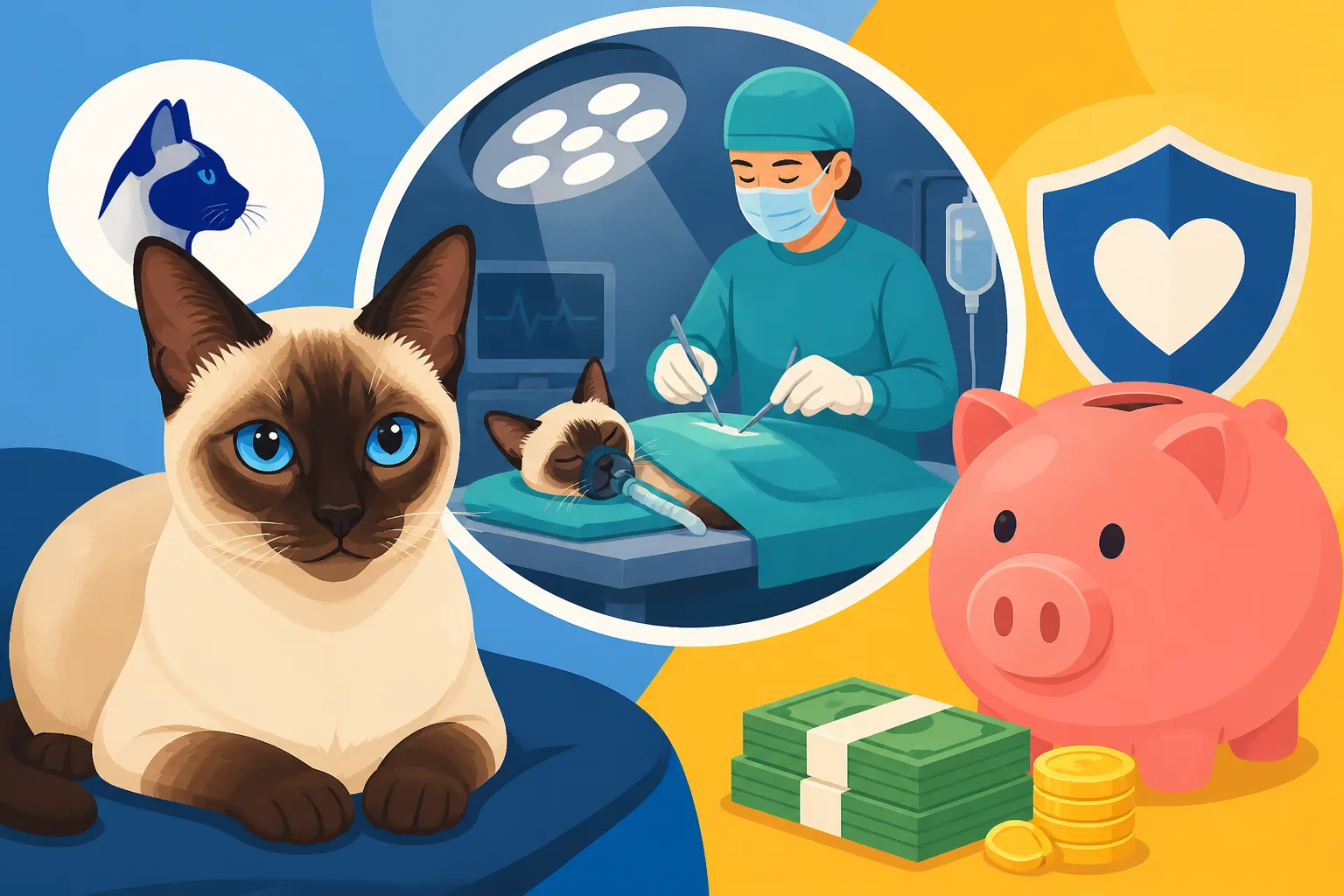
The surgery itself, known as an exploratory laparotomy, involves making an incision into the abdomen to locate and remove the foreign object. The surgeon will carefully examine the stomach and entire length of the intestines. If the object is within the stomach, it might be removed via a gastrotomy (incision into the stomach). If it's in the intestines, an enterotomy (incision into the intestine) is performed. However, if the blockage has caused irreversible damage to a section of the intestine—such as necrosis or perforation—that damaged section must be removed, and the healthy ends reconnected (an intestinal resection and anastomosis). This latter procedure is far more complex and carries a higher risk of complications, significantly increasing both surgical time and cost. The skills of a board-certified veterinary surgeon can also influence the cost, as their specialized expertise often commands higher fees, though it can also lead to better outcomes. For more detailed information, see What Blockage Surgery Involves for a Siamese Cat.
Variations in Cost Based on Severity and Complications
The cost of blockage surgery can vary dramatically depending on several factors, primarily the severity of the blockage and whether complications have arisen. A straightforward removal of an object from the stomach without any damage to the tissue will be on the lower end of the surgical cost spectrum. Conversely, if your Siamese has a linear foreign body that has started to cut through the intestinal wall, or if a large section of intestine has become necrotic and requires removal and re-anastomosis, the procedure becomes far more involved. This translates to longer surgical time, more intricate techniques, more specialized materials, and a higher risk of post-operative complications.
Furthermore, if the blockage has caused a perforation, leading to peritonitis (inflammation and infection of the abdominal cavity), the surgery will involve extensive lavage (washing out the abdomen) and likely a longer hospital stay with intensive antibiotic therapy, further escalating the total bill. Location can also play a role, with emergency veterinary hospitals in urban areas typically having higher overheads and thus higher charges than those in more rural settings.
Here’s a general breakdown of potential cost components you might encounter:
| Service Category | Cost Drivers |
|---|---|
| Initial Exam & Diagnostics | Emergency exam fee, X-rays (multiple views), abdominal ultrasound, bloodwork panel |
| Pre-Surgical Stabilization | IV fluids, medications (pain, anti-nausea, antibiotics), blood transfusions, oxygen |
| Surgical Procedure | Anesthesia (drugs, monitoring), surgeon's fees, operating room use, surgical supplies |
| Intestinal Damage | Enterotomy vs. Resection & Anastomosis, repair of perforations, abdominal lavage |
| Post-Operative Care | Hospitalization (days), IV fluids, pain management, antibiotics, feeding tubes |
| Medications (Take Home) | Pain relief, anti-inflammatories, antibiotics, gut motility drugs |
| Follow-up Care | Recheck exams, suture removal, further diagnostics if complications arise |
Post-Operative Care and Recovery Costs
The journey doesn't end when your Siamese comes out of surgery. The recovery period is just as crucial and can also incur significant costs, especially if there are complications.
Hospitalization and Monitoring
After blockage surgery, your Siamese will typically need to remain hospitalized for several days. This allows the veterinary team to closely monitor their recovery, ensuring they are comfortable, pain-free, and that their digestive system is starting to function correctly. During this time, they will continue to receive IV fluids, pain medication, and potentially antibiotics to prevent infection. Their vital signs will be constantly monitored, and the surgical incision will be regularly checked for any signs of swelling or discharge.
This intensive post-operative care is vital, especially in the first 24-48 hours when the risk of complications like leakage from the surgical site or ileus (slowed gut motility) is highest. Each day of hospitalization, with its associated nursing care, monitoring, and medication, adds to the overall bill. If complications arise, such as an infection or the need for additional diagnostic tests, the hospital stay could be extended, and the costs could increase dramatically.
Medications and Special Diets for Recovery
Once your Siamese is deemed stable enough to go home, you'll be sent with a regimen of medications. These typically include pain relievers to manage any discomfort, antibiotics to prevent post-surgical infection, and sometimes gut motility modifiers to encourage their digestive system to get back on track. These medications can vary in cost depending on the specific drugs prescribed and the duration of treatment.
Your vet will also likely recommend a special diet during the initial recovery phase. This is usually a highly digestible, bland prescription diet designed to be gentle on their healing digestive tract. You might find these specialized foods at your vet's office or through online retailers like Chewy. Some cats might also benefit from probiotic supplements to help restore healthy gut flora. It's crucial to follow your vet's dietary instructions carefully to avoid upsetting their stomach and potentially causing further issues. Fresh, easily digestible meals could be an option down the line once your cat is fully recovered, especially if you're looking for ways to support their overall digestive health.
Managing Future Risks and Financial Preparedness
Dealing with a blockage emergency is not only terrifying but also a significant financial hit. Looking forward, it’s important to consider strategies to prevent recurrence and prepare for any future health challenges your Siamese may face.
Pet Insurance and Emergency Funds
One of the most effective ways to mitigate the financial shock of an emergency like blockage surgery is to have pet insurance. Policies vary widely, but many can cover a substantial portion of emergency veterinary costs, from diagnostics to surgery and post-operative care. While it’s unlikely to cover pre-existing conditions, if you enroll your Siamese when they are young and healthy, a good policy can provide immense peace of mind. Companies like Healthy Paws offer comprehensive plans that can be a true lifeline when unexpected emergencies strike. Researching What Insuring a Siamese Cat Costs a Month can give you an idea of the ongoing expense, but the protection it offers against major bills is invaluable. Always read the fine print to understand what is covered, deductibles, and reimbursement percentages.
Even with pet insurance, it’s wise to have an emergency fund specifically for your cat. Insurance policies often have deductibles, waiting periods, and might not cover every single expense. A dedicated savings account can bridge these gaps or cover smaller emergencies that don't meet your deductible. This dual approach—insurance for the big, unexpected events and savings for the smaller, more frequent ones—provides the most robust financial safety net for your beloved Siamese.
Long-Term Prevention Strategies
After experiencing a blockage, you'll want to do everything you can to prevent it from happening again. This starts with a thorough review of your home environment. Identify and remove any items that your Siamese might be tempted to chew or swallow. Think like a cat: if it's small, dangles, crinkles, or has an interesting texture, it's a potential hazard. Secure all loose strings, put away sewing kits, keep laundry baskets covered, and be mindful of holiday decorations like tinsel. Regularly inspect toys for damage and discard anything that could break into ingestible pieces.
For cats with severe pica or wool-sucking habits, environmental enrichment becomes even more critical. Ensure your Siamese has plenty of appropriate outlets for their energy and intelligence. Puzzle feeders, interactive toys, and regular play sessions can help redirect their chewing instincts. Some owners find that providing specific, safe chew toys, perhaps from retailers like Chewy, can help satisfy their cat's oral fixation. If stress is a trigger for your cat's pica, working with your vet on behavioral modification, pheromone diffusers, or even medication may be necessary. For more ideas on managing this behavior, consider Whether a Chew Toy Redirects a Siamese Cat or How to Stop a Siamese Cat Eating Fabric.
Dietary changes can also play a role; sometimes a high-fiber diet is suggested to aid digestion and help items pass more easily, though this should always be discussed with your vet. Ultimately, a combination of vigilance, environmental management, and proactive healthcare is the best way to keep your Siamese safe and healthy, avoiding another costly and dangerous emergency.
Disclaimer
This article is for general informational purposes only and does not constitute professional advice. Laws, prices and regulations vary by location and change over time. Consult a qualified professional for guidance on your specific situation.