What a Siamese Cat Costs in Damaged Clothing
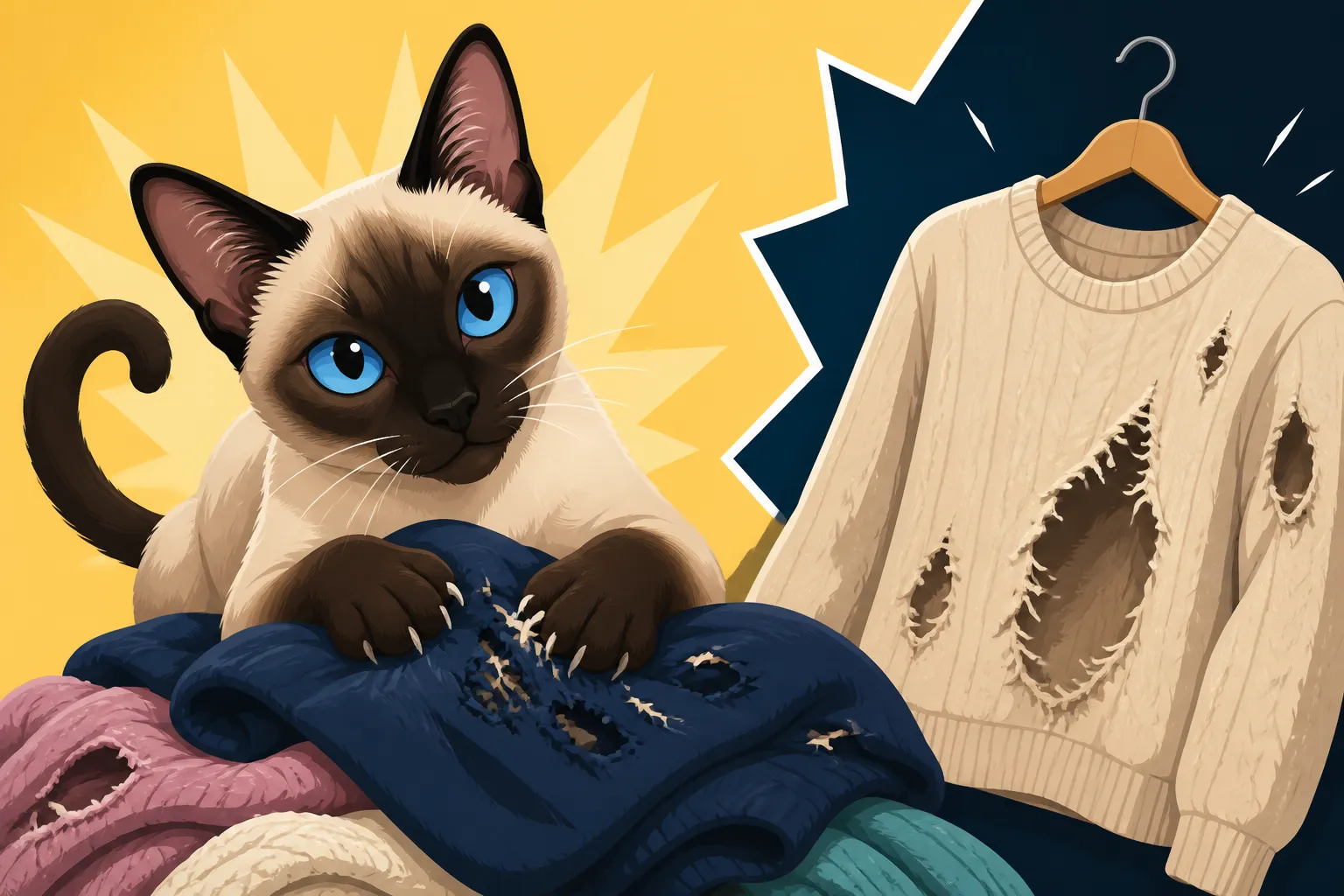
It's a familiar and frankly, incredibly frustrating, scenario for many Siamese cat owners: you pull out your favorite cashmere sweater, only to find a perfectly chewed hole right in the sleeve, or discover a brand new pair of jeans with unmistakable claw marks running down the leg. Our spirited Siamese companions, for all their charm and vocal affections, can sometimes wreak havoc on our wardrobes, leaving us to wonder if we'll ever wear anything un-mended again. This guide is all about understanding why your Siamese might be turning your closet into their personal playground and, more importantly, what you can do to protect your beloved clothing and your sanity.
Why Your Siamese Cat Targets Your Wardrobe
It's easy to assume your Siamese is just being "naughty" when you find another piece of clothing ruined, but their motivations are usually rooted in instinct, curiosity, or even anxiety. Understanding the 'why' is the first step in addressing the behavior. These aren't malicious acts; they're often a sign your clever cat is trying to tell you something, or simply following an urge they can't resist.
The Allure of Textures and Scents
Siamese cats are incredibly tactile creatures. Their paws are sensitive, and their mouths are how they explore the world around them. Clothing, especially items worn by you, carries a potent combination of interesting textures and comforting, familiar scents. A soft wool sweater, a silky scarf, or even the rough texture of denim can be incredibly appealing for chewing or kneading. The fabric might feel good on their teeth and gums, particularly if they're still experiencing teething discomfort as a kitten, or if they have underlying dental issues, which are not uncommon in the breed.
Moreover, your scent on clothing is a huge draw. Your Siamese is deeply bonded to you, and your smell is a source of comfort and security. Chewing on your worn t-shirt or snuggling into a pile of your laundry might be their way of feeling close to you, especially if you've been out of the house. It's like a security blanket, but one that gets significantly more damaged over time.
Boredom and Attention-Seeking Behaviors
A Siamese cat is a highly intelligent, active, and social animal. They thrive on interaction and mental stimulation. If they're not getting enough engagement, either through play, training, or human company, boredom can quickly set in. And a bored Siamese is a destructive Siamese. Chewing or scratching your clothes can be an easy, accessible way to alleviate that boredom. It's an activity that provides sensory input and, often, a reaction from you – even if that reaction is a frustrated shout.
Consider your Siamese's routine. How long are they How Long a Siamese Cat Can Be Left Alone? If they're left alone for extended periods without adequate enrichment, they might escalate to behaviors like tearing up clothing. They might even learn that destroying your things gets your immediate attention, inadvertently reinforcing the very behavior you want to stop. Providing ample play is crucial; sometimes, they need How Many Play Sessions a Siamese Cat Needs a Day to really burn off that energy.
Pica and Anxiety
Sometimes, the chewing and eating of fabric can go beyond simple play or boredom and delve into more concerning territory: pica. Pica is the persistent craving and consumption of non-food items, and in Siamese cats, it often manifests as wool sucking or fabric eating. This isn't just a minor annoyance; it can be dangerous if indigestible materials cause an intestinal blockage, which can lead to emergency surgery. Why a Siamese Cat Sucks Wool is often rooted in genetics, early weaning, or an underlying anxiety.
Anxiety can manifest in many ways in a Siamese. Separation anxiety, changes in routine, new pets, or even a perceived lack of attention can trigger stress. When stressed, some Siamese cats will over-groom themselves to the point of baldness, a condition called What Psychogenic Alopecia Does to a Siamese Cat. Others might direct that anxiety towards fabric, finding the act of sucking or chewing to be self-soothing. If you suspect pica or anxiety, it's vital to address the root cause, not just the symptom. You might need to learn How to Stop a Siamese Cat Eating Fabric through a combination of environmental changes and veterinary guidance.
The Financial Impact of Feline Fashion Faux Pas
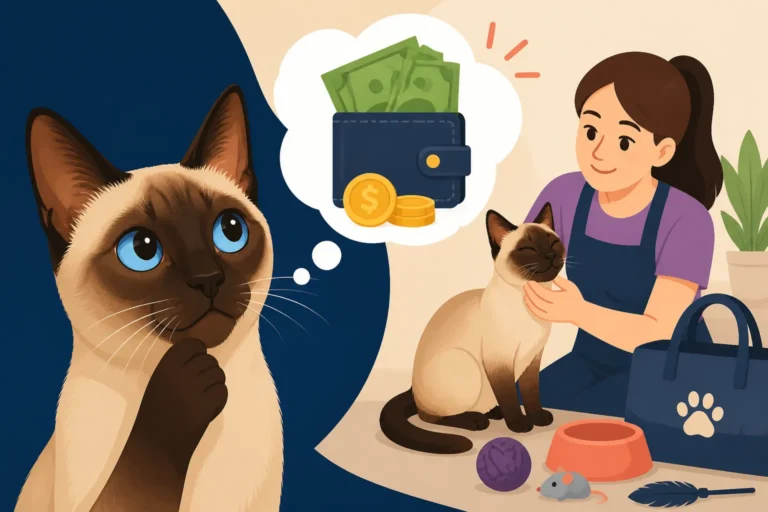
Beyond the emotional attachment to a favorite garment, the cost of dealing with a Siamese cat's destructive tendencies towards clothing can quietly, but significantly, add up. It's not just the price tag of a single ruined item; it's the ongoing cycle of replacement, repair, and even preventative measures. When you consider What a Siamese Cat Costs Over Twenty Years, these recurring clothing expenses can become a surprising line item.
Calculating the Cost of Replacement
Think about how often you find yourself replacing items due to your cat's activities. Is it a sock here, a shirt there, or does it feel like a constant stream of new purchases? For someone who loves their designer sweaters or invests in high-quality clothing, a few well-placed claw rips or chew holes can mean replacing items that cost hundreds, or even thousands, of dollars. Even for more budget-friendly items, the sheer volume can be surprising. If your Siamese loves to climb your curtains, that's another replacement cost. If they target your bedding, that's another.
| Item Type | Common Damage | Typical Impact on Clothing Budget |
|---|---|---|
| Sweaters (Wool, Cashmere) | Chew holes, snags from claws | High, especially for expensive materials |
| Shirts/T-shirts | Claw rips, chew marks, pulls | Moderate, depending on fabric quality |
| Pants/Jeans | Claw marks, frayed edges | Moderate, especially for designer denim |
| Underwear/Socks | Chew holes, pulled threads | Low, but frequent replacement adds up |
| Blankets/Throws | Chewed corners, claw pulls | Moderate, depending on material |
| Curtains | Claw runs, shredded fabric | High, particularly for delicate drapes |
This isn't just about replacing cheap items. Our Siamese cats often seem to have a radar for our most cherished or expensive possessions. The silk scarf you got on vacation? A prime target. The new blanket from that artisan shop? Absolutely irresistible. Retailers like Chewy offer a vast array of pet products, but they also have replacement household goods. The more often you're replacing things, the more frequent your orders become, adding up over time.
The Hidden Costs of Dry Cleaning and Repairs
Sometimes, an item isn't completely destroyed, but it's damaged enough that it needs professional intervention. A snag in a delicate fabric might require reweaving, or a stain from an overzealous play session might necessitate a trip to the dry cleaner. These costs might seem small individually, but they chip away at your budget. Imagine the dry cleaning bill for several items that need special care after a cat incident.
Then there's the emotional cost of having to part with a beloved item for repair, or worse, deciding it's beyond saving. You might have a sentimental piece that you'd pay almost anything to fix, only to find the repair cost prohibitive, or the damage too extensive. It's not just about the monetary value; it's about the feeling of loss when a cherished belonging is irrevocably altered by tiny, adorable paws.
Strategies to Protect Your Clothes and Your Wallet
The good news is that you don't have to live in a perpetual state of wardrobe anxiety. There are many proactive steps you can take to redirect your Siamese cat's natural instincts and keep your clothing safe. It’s about creating an environment that meets their needs while safeguarding your belongings, similar to How to Cat Proof a Home for a Siamese Cat.
Environmental Enrichment and Alternative Outlets
One of the most effective ways to protect your clothing is to provide your Siamese with plenty of appropriate alternatives for their chewing, scratching, and playing instincts. A bored cat is a destructive cat, and a Siamese, with their high intelligence and energy, needs constant mental and physical stimulation.
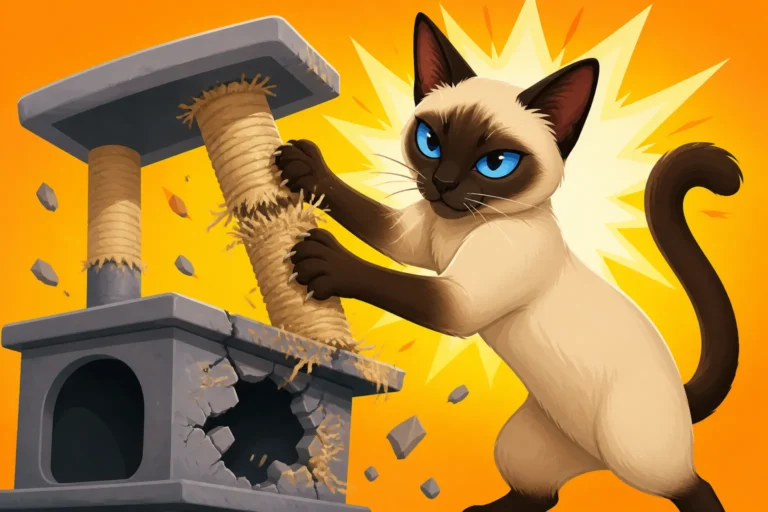
Invest in a variety of scratching posts and surfaces. Some cats prefer vertical sisal posts, others love horizontal cardboard scratchers, and some enjoy carpeted ramps. Place these strategically near areas where your cat currently targets furniture or fabrics. Offer a wide range of toys that appeal to their predatory instincts – wand toys for interactive play, puzzle feeders to challenge their minds, and durable chew toys specifically designed for cats. What Toys a Siamese Cat Actually Uses can vary, so experiment to find their favorites. Look for robust cat trees and climbing structures where they can expend energy safely, perhaps even from a reputable pet supplier like Chewy. These aren't just luxuries; they are essential tools for a well-adjusted Siamese.
Training and Behavioral Modification
Yes, you can train a Siamese cat! They are incredibly intelligent and respond well to positive reinforcement. When you catch your cat targeting clothing, interrupt the behavior with a firm "no" or a clap, then immediately redirect them to an appropriate toy or scratching post. When they use the correct item, reward them with praise, a treat, or a short play session. Consistency is key here.
For cats prone to pica or wool sucking, ensure they have safe, durable chew toys made from cat-safe materials. Some owners find that increasing fiber in their diet can help, but always consult your vet before making dietary changes. If you suspect an underlying anxiety issue is driving the behavior, How Psychogenic Alopecia in a Siamese Cat Is Treated often involves environmental modifications, increased playtime, and sometimes, anti-anxiety medication prescribed by a veterinarian. This kind of problem-solving is an investment in your cat's well-being and your peace of mind.
Secure Storage Solutions
This might seem obvious, but simply keeping tempting items out of reach is a huge deterrent. Get into the habit of putting away all clothing, especially delicate or favored items. Use drawers, closets with doors, and laundry hampers with lids. Don't leave sweaters draped over chairs or dirty laundry piles on the floor.
Consider what your cat is drawn to most. If it's your socks, make sure they go straight into a lidded hamper. If it's your scarves, hang them in a closed closet. This is particularly important for items that could pose a choking hazard if ingested. A little vigilance in tidying up can save you a lot of heartache and expense down the line. It's a small change in habit that can have a big impact on preventing What a Bored Siamese Cat Destroys.
When to Seek Professional Help
While many clothing damage issues can be managed with environmental enrichment and behavioral adjustments, there are times when your Siamese's destructive habits signal a deeper problem that warrants professional attention. Ignoring these signs can lead to worsening behavior and, potentially, significant health risks for your beloved companion.
Recognizing Red Flags
How do you know when it's more than just a playful nip or an occasional scratch? The red flags often involve the frequency and intensity of the behavior, especially if your cat is actually ingesting fabric. If your Siamese is consistently chewing, sucking, or eating non-food items, particularly fabrics, it's a strong indicator of pica. This is not just annoying; it can be very dangerous. Ingested fabric can lead to gastrointestinal blockages, which are medical emergencies requiring expensive surgery. Signs of a blockage include vomiting, lethargy, loss of appetite, straining to defecate, or abdominal pain.
Another red flag is if the behavior appears suddenly or escalates dramatically without any apparent environmental changes. This could indicate an underlying medical issue causing discomfort or stress. Similarly, if your cat is exhibiting other signs of anxiety or distress, like excessive vocalization, hiding, aggression, or changes in litter box habits, combined with the clothing destruction, it's time to take note.
Consulting Your Veterinarian
The first point of contact should always be your veterinarian. They can perform a thorough physical examination to rule out any underlying medical conditions that might be contributing to the behavior. For example, dental disease could make chewing on soft fabrics feel good on their gums, while nutritional deficiencies, though less common with quality cat foods, can sometimes lead to pica. Your vet can check for Dental Disease in a Siamese Cat or other physical ailments that might be causing discomfort or stress.
Be prepared to give your vet a detailed history of the behavior: when it started, what items are targeted, how often it occurs, and any other changes you've observed in your cat's routine or health. Your vet might recommend blood tests or other diagnostics to ensure there's no physiological reason for the behavior. If a medical issue is identified, treating it might resolve the clothing destruction as a secondary benefit. If your vet suspects pica, they may discuss medications or supplements to help manage it. If you have pet insurance like Healthy Paws, it's a good idea to understand what medical costs related to behavioral issues or potential blockage surgeries might be covered. What a Wool Sucking Siamese Cat Costs in Surgery can be substantial, making insurance a valuable consideration.
Behavioral Consultations
If your vet rules out medical causes, they might refer you to a certified veterinary behaviorist or a professional cat behavior consultant. These specialists have advanced training in animal behavior and can help you delve deeper into the psychological reasons behind your Siamese's actions. They'll assess your cat's environment, your interactions, and the specific triggers for the behavior.
A behaviorist can help you develop a comprehensive behavior modification plan tailored to your cat's individual needs. This might involve structured enrichment activities, specific training techniques, environmental adjustments, or even anti-anxiety medications if stress is a significant factor. They can provide guidance on how to gradually introduce new toys, manage stressors, and reinforce positive behaviors. Working with a specialist can be an invaluable investment in both your cat's well-being and the longevity of your wardrobe. Understanding why your Siamese engages in these behaviors, and addressing the root cause, is the most sustainable way to protect your clothing in the long run.
Disclaimer
This article is for general informational purposes only and does not constitute professional advice. Laws, prices and regulations vary by location and change over time. Consult a qualified professional for guidance on your specific situation.