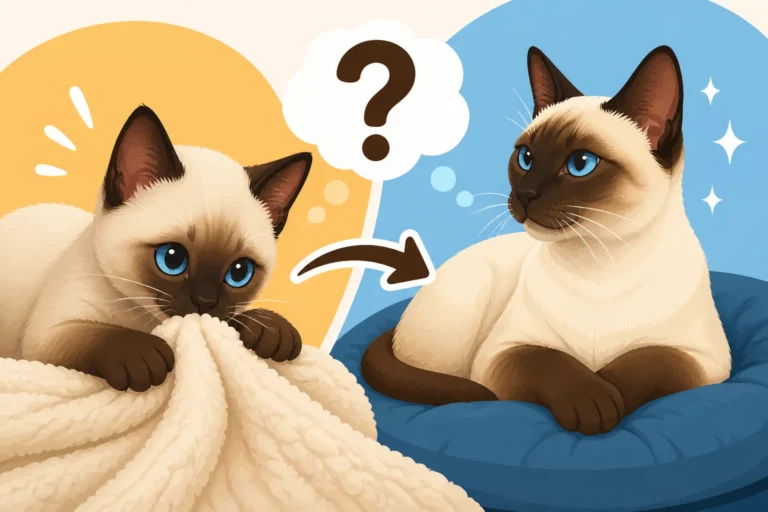
A Siamese Cat With Children, Dogs and Other Cats
Bringing a vibrant, intelligent Siamese cat into a home that already has children, dogs, or other cats can feel like navigating a complex social dynamic, full of potential joys but also genuine worries about how everyone will get along. It's not just about two different species coexisting; it's about personalities, energy levels, and established routines all finding a new rhythm together. This comprehensive guide will walk you through understanding your Siamese's unique needs and temperament, and provide practical, empathetic strategies for successful introductions and harmonious multi-pet living, ensuring a happy household for all.
Understanding the Siamese Cat's Social Nature
Before you even think about introductions, it’s vital to really grasp what makes a Siamese cat tick, especially their innate social wiring. These aren't your typical aloof felines who might tolerate company; Siamese cats are renowned for their intense need for connection and their highly communicative personalities. Ignoring these core traits can lead to friction, not just with other pets or children, but with your Siamese themselves. They thrive on interaction, and understanding this is the first step to a peaceful multi-species home.
Their Need for Connection
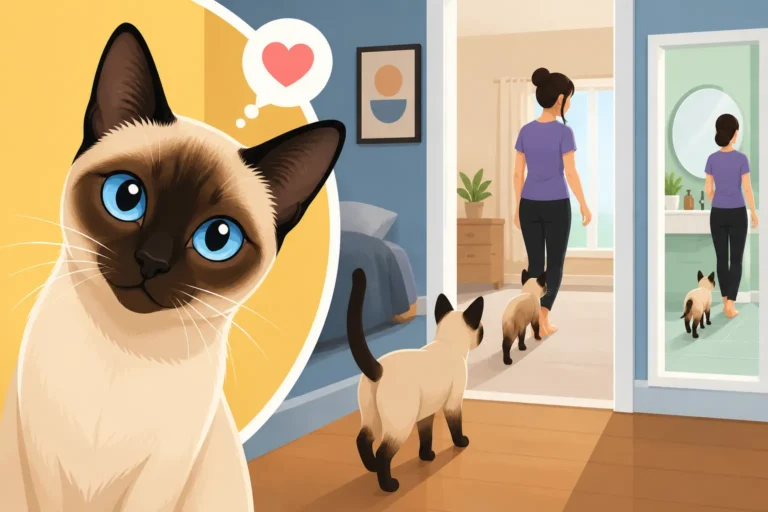
Siamese cats are often described as "dog-like" in their devotion, and it's not an exaggeration. They crave companionship, whether it's from their human family, another cat, or even a friendly dog. This isn't a cat who is content to be a decorative houseplant; they want to be involved. This strong bond means they can be prone to separation anxiety if left alone for extended periods, making them ideal candidates for homes where there's usually someone around or another pet to keep them company. They truly flourish when they feel like an integral part of the family unit, often choosing one person as their primary confidante but extending their affection to all who show them love and attention. You might find your Siamese following you from room to room, supervising your chores, or demanding to be in your lap the moment you sit down.
This inherent need for connection means that if they don't get enough mental and physical stimulation, or if they feel ignored, they might develop unwanted behaviors. They can become destructive, excessively vocal, or even start over-grooming. The key is to channel their social energy positively. Providing interactive play, regular cuddle sessions, and ensuring they have a companion — human or animal — goes a long way. This isn't just a suggestion for Siamese cats; it's practically a requirement for their well-being. Think of them as tiny, furry extroverts who recharge their batteries by being with you. For more on this, you might find A Siamese Cat Should Not Live Alone particularly insightful.
Their Vocal Communication Style
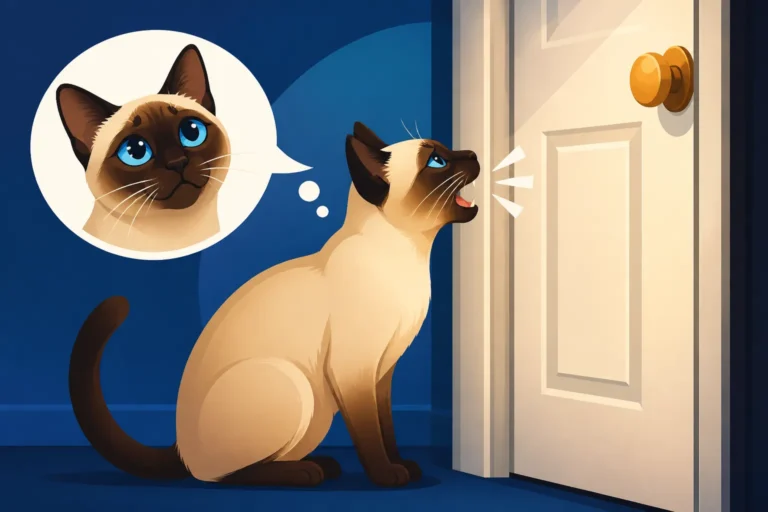
If you've spent any time around a Siamese, you know they are not shy about using their voice. Their distinctive "meezer yowl" is legendary, and they employ a wide range of vocalizations to communicate their desires, opinions, and even their complaints. They will talk at you, with you, and to you. This isn't just random noise; it's a sophisticated system of communication. They'll tell you when they're hungry, when they want to play, when they're bored, or when they simply demand attention. This constant vocal presence is a huge part of their charm for many owners, but it can be startling for those unfamiliar with the breed.
This vocal nature also plays a role in their interactions with other household members, be they human, canine, or feline. They might "talk" to children, "yowl" at a dog they want to play with, or have full-blown conversations with another cat. While this is normal for the breed, it's something to consider when introducing them to other pets, especially those who might be easily startled or annoyed by a chatty companion. Teaching children that the cat's meows mean something and shouldn't be ignored (within reason!) can foster a better understanding. Similarly, dogs and other cats will eventually learn to interpret the Siamese's varied vocalizations, but it takes time and patience from everyone involved. Understanding What the Siamese Cat's Meezer Yowl Sounds Like can prepare you for this unique trait.
Their Playful and Energetic Demeanor
Siamese cats are bundles of energy, even well into their senior years. They possess a kitten-like playfulness that demands an outlet. They love to chase, pounce, climb, and explore. Interactive play is not just a leisure activity for them; it’s a fundamental need that helps them burn off energy, stay mentally stimulated, and bond with their family. Laser pointers, feather wands, puzzle feeders, and even just crumpled paper balls can provide endless entertainment for a Siamese. They are highly intelligent and can easily get bored if not given enough to do, which can, again, lead to destructive behaviors.
This high energy and intelligence mean they often seek out interaction and play from whomever is available – including children and other pets. For a dog that loves to play or a child who enjoys engaging with pets, a Siamese can be an incredible companion. However, for a more sedate pet or a very young child who doesn't understand boundaries, this boundless energy could be overwhelming. It's important to provide appropriate outlets for their energy, such as dedicated play sessions with you, plenty of toys (you can find a huge variety of engaging cat toys on Amazon that cater to their intelligence and hunting instincts), and possibly another active pet. Enrichment for a Siamese Cat That Gets Bored in an Hour offers more ideas for keeping them engaged.
Introducing a Siamese Cat to Children
Bringing a Siamese into a home with children can be a match made in heaven, as these cats often adore the attention and playful energy kids provide. However, it requires careful preparation and supervision to ensure both the cat and the children learn to interact safely and respectfully. Siamese cats are known for their strong personalities, and while many are incredibly tolerant and affectionate, establishing clear boundaries from the start is paramount.
Preparing Your Child for a Siamese Cat
Before your new Siamese even steps paw in the door, it’s crucial to prepare your children, regardless of their age. For younger children, this means explaining that the cat is a living creature, not a toy, and has feelings. Teach them how to approach a cat gently, using a soft voice, and offering a hand to sniff before petting. Emphasize never to pull tails, ears, or fur, and to respect the cat's space, especially when it's eating, sleeping, or using the litter box. Reading age-appropriate books about cat care and behavior can be incredibly helpful. For older children, involve them in the research about Siamese cats; let them learn about their vocalizations, their need for play, and their general temperament.
A key part of preparation is setting expectations. Explain that the cat might be shy at first, or it might be very vocal and demand attention. Help them understand that patience is key and that earning the cat's trust is a rewarding process. You can even create a "cat care chart" together, assigning age-appropriate tasks like helping to fill the food bowl (under supervision) or assisting with playtime using a wand toy. This early education not only protects the cat but also fosters empathy and responsibility in your children.
Supervised Interactions and Boundaries
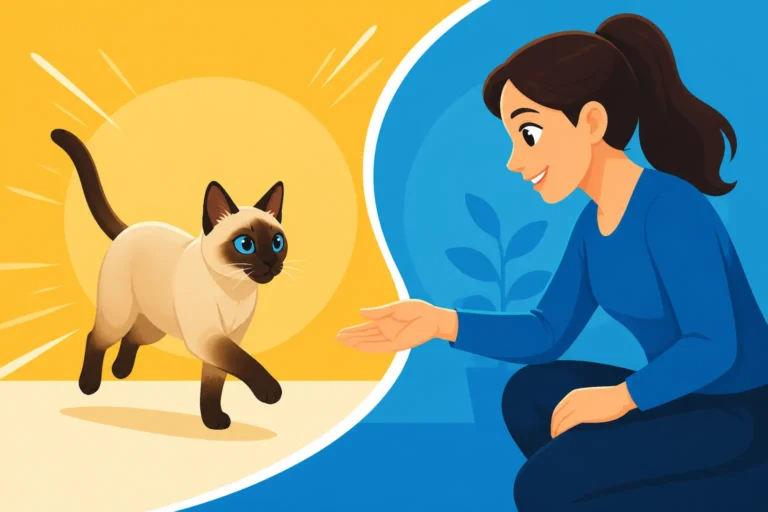
The initial interactions between your Siamese and children must always be supervised. This isn't just for the cat's safety, but for the child's too. Even the most tolerant cat can react defensively if startled or handled roughly. Start with short, positive encounters. Encourage your child to sit quietly and let the cat approach them. Use treats to create positive associations – a small, safe cat treat offered gently can do wonders. Show your child the proper way to pet the cat, focusing on areas like the head and back, avoiding the belly which is often a vulnerable spot for cats.
Establish clear boundaries for both the cat and the children. For instance, define "cat-only" zones where the cat can retreat and feel safe, such as a tall cat tree or a cozy bed in a quiet room. Teach your children that when the cat goes to these spots, they must leave it alone. Similarly, teach the cat that while children are part of the family, certain behaviors like playful nipping or pouncing on bare ankles are not acceptable towards humans. Consistent gentle redirection and positive reinforcement are far more effective than punishment, which can damage the cat's trust.
Teaching Respect for Cat Space
Respecting a cat's personal space is vital for a harmonious relationship with children. Siamese cats, despite their social nature, still need their downtime and quiet retreats. These safe havens are essential for their emotional well-being, giving them a place to decompress and feel secure. This could be a high shelf, a cat condo from Amazon, a carrier left open, or even just a cozy blanket under a bed. The important thing is that these places are inviolable to children.
Teach your children to recognize the cat's body language signals for "leave me alone." These can include a swishing tail, flattened ears, dilated pupils, hissing, or growling. Explain that these are the cat's ways of communicating discomfort, and it's time to back off. Reinforce the idea that a happy, relaxed cat is a friendly cat, and giving them space when they need it ensures they'll be more willing to interact when they feel ready. Consistent enforcement of these rules will prevent misunderstandings and potential negative incidents, building a foundation of mutual respect.
Integrating a Siamese Cat with Dogs
The idea of a cat and a dog living together sometimes conjures images of epic rivalries, but with a Siamese, it can often be a surprising success. Their bold, confident personalities and their need for companionship can actually make them excellent candidates for cohabiting with a dog. However, not all dogs are created equal, and a careful, structured introduction process is crucial to ensure safety and foster a lasting friendship.
Assessing Your Dog's Temperament
Before bringing a Siamese into a home with a dog, take a very honest look at your dog's temperament and history. Not all dogs are suitable for living with cats. Consider these factors:
- Prey Drive: Does your dog have a strong prey drive? Does it chase squirrels, rabbits, or even small children running? A high prey drive can make living with a cat dangerous, as the dog might view the cat as prey.
- Energy Level: Is your dog calm and laid-back, or excitable and high-energy? A very energetic dog might overwhelm a cat, especially a timid one, though a Siamese might enjoy the challenge.
- Past Experience: Has your dog lived with cats before? If so, what was the dynamic like? Positive past experiences are a good indicator.
- Temperament Around Small Animals: How does your dog react to smaller animals in general? Are they curious and gentle, or aggressive and possessive?
Dogs with a low prey drive, a calm demeanor, and previous positive experiences with cats are the best candidates. If your dog exhibits any signs of aggression towards small animals, or an uncontrollable prey drive, it might be best to reconsider getting a Siamese cat, as the risk is simply too high. Never assume your dog will just "get used to it."
Initial Separated Introductions
Once you've assessed your dog and decided to proceed, the introduction must be done slowly and carefully, always with separation initially. This is not a "throw them in together and see what happens" scenario. Start by keeping your Siamese cat in a separate, secure room (with its own food, water, litter box, and toys), allowing the dog to sniff under the door. This allows them to become familiar with each other's scents without direct contact. You can even swap blankets or toys between their spaces to further acclimate them to each other's smells.
During this phase, feed them on opposite sides of the closed door. This creates a positive association with each other's presence. Gradually, you can introduce visual access, perhaps through a baby gate or a cracked door held open by a doorstop. Keep these initial visual sessions very short and always supervised. Reward both animals with treats and praise for calm behavior. If either animal shows signs of stress (hissing, growling, lunging, flattened ears, tail tucked), immediately separate them and try again later with less exposure. Patience here is absolutely vital; rushing this step can set back progress significantly.
Gradual Supervised Interactions
Once both the Siamese and the dog appear calm and curious with visual-only contact, you can move to supervised, leashed interactions. Keep your dog on a leash, ensuring you have full control. Allow the Siamese to approach the dog on its own terms. Never force the cat into an interaction. Keep these sessions brief and positive, again rewarding calm behavior from both animals with treats and praise. Focus on making sure the dog remains calm and doesn't chase or lunge.
Increase the duration of these sessions gradually, eventually allowing the dog off-leash in a contained space once you are absolutely confident in its calm behavior. Always have an escape route for the cat, such as a high shelf or a cat tree. Continue to supervise all interactions until you are completely comfortable that both animals are safe and relaxed in each other's company. Some Siamese cats and dogs form incredibly close bonds, often sleeping together or even playing. For more insights on this particular dynamic, consider reading How a Siamese Cat Gets On With a Dog.
Bringing a Siamese Cat Home to Other Cats
Introducing a new cat, especially a confident and vocal Siamese, to an existing feline resident can be one of the trickiest introductions. Cats are territorial by nature, and while Siamese cats are often quite social, they can also be demanding. A proper, slow introduction process is paramount to prevent stress, aggression, and potential long-term animosity between your feline companions.
The Importance of a Slow Introduction
As with dogs, a slow and deliberate introduction is the only way to go when bringing a new Siamese cat into a multi-cat household. The golden rule is separation, scent swapping, and then gradual visual and physical introductions. Start by giving your new Siamese a dedicated "safe room" with everything it needs: food, water, litter box, bed, and toys. This room should ideally be somewhere the existing cats can sniff under the door.
For the first few days, let them get used to each other's scents. You can use separate petting sessions, rubbing a cloth on one cat and then letting the other sniff it. This gentle exchange of scent is a low-stress way to introduce them. Feed them on opposite sides of the closed door, creating positive associations with the presence of the other cat. Do not rush this stage, as it builds the foundation for their future relationship. Trying to speed things up often results in fear, aggression, and a much longer, more difficult process overall.
Managing Resources in a Multi-Cat Home
One of the most common causes of conflict in multi-cat households is resource guarding. Cats need access to enough food, water, litter boxes, scratching posts, and resting spots. The general rule of thumb is to have N+1 resources, where N is the number of cats. So, for two cats, you'd ideally want three litter boxes, three scratching posts, multiple feeding stations, and several water bowls. This prevents competition and stress.
When introducing your Siamese, ensure there are plenty of resources spread throughout the house, especially during the introduction phase. Place feeding bowls in separate areas to prevent one cat from blocking access for the other. Provide multiple, easily accessible litter boxes that offer privacy. Vertical space is also incredibly important. Cat trees, shelves, and window perches from Amazon give cats options to escape, observe, and feel secure, which is especially important for a new Siamese trying to establish its place or for a resident cat feeling a bit displaced.
Recognizing and Addressing Conflict
Even with the best intentions and a slow introduction, conflicts can arise. It's important to recognize the signs of stress and aggression early on. These can include:
- Hissing, Growling, Spitting: Clear signs of discomfort or aggression.
- Flattened Ears, Puffed Fur, Arched Back: Defensive postures.
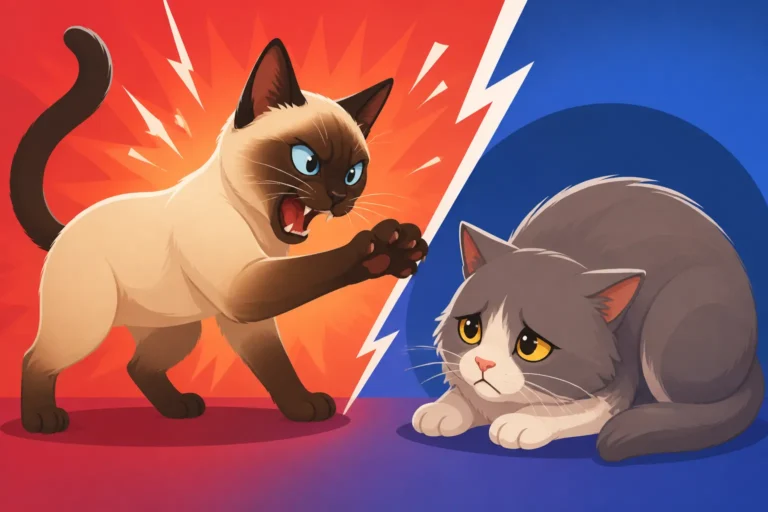
- Staring, Blocking, Stalking: One cat trying to intimidate or control the other.
- Inappropriate Urination/Defecation: A common sign of stress in cats, often near resources or in common areas.
- Over-grooming or Hiding: Signs of anxiety or fear in one of the cats.
If you observe these signs, immediately separate the cats and go back a step in your introduction process. Never punish either cat; this will only increase their stress and fear. Instead, focus on positive reinforcement when they are calm and interacting appropriately. Use calming diffusers, like Feliway, which can help reduce feline stress. Increase playtime for both cats separately to burn off energy and reduce tension. Sometimes, temporary separation for a few days can reset the dynamic. Remember, a Siamese cat's need for connection means they are often eager to make friends, but a cautious approach is still best to ensure long-term harmony.
| Introduction Stage | Goal | Actions | Signs of Success |
|---|---|---|---|
| Stage 1: Scent Swapping | Familiarize with each other's smell without direct contact. | Keep new cat in a separate room; swap bedding/toys; feed on opposite sides of door. | No hissing/growling at scent; calm eating; curiosity. |
| Stage 2: Visual Contact | Allow sight without physical interaction. | Use a baby gate or screen door; short, supervised sessions; positive reinforcement. | Calm observation; no aggression or fear; relaxed body language. |
| Stage 3: Supervised Interaction | Allow brief physical contact under controlled conditions. | Dog on leash; cat has escape routes; short play sessions; treats. | Relaxed postures; sniffing; no chasing or swiping. |
| Stage 4: Unsupervised Time | Gradually increase time together without direct supervision. | Start with short periods; ensure ample resources and safe spaces for all. | Playful interactions; mutual grooming; sleeping near each other. |
Setting Up Your Home for Harmonious Multi-Pet Living
Once you've navigated the initial introductions, the next step is to ensure your home environment is set up to support a peaceful coexistence between your Siamese and any children, dogs, or other cats. A well-designed living space can dramatically reduce stress, prevent conflicts, and allow all family members to thrive. This isn't just about avoiding problems; it's about actively fostering a happy, integrated household.
Creating Safe Retreats and Vertical Spaces
Siamese cats, like all felines, value their personal space and need safe places to retreat when they feel overwhelmed, tired, or simply want to observe the household from a distance. In a multi-pet home, this becomes even more critical. Think vertically! Investing in sturdy cat trees, wall-mounted shelves, or even just clearing off the top of a tall bookshelf can provide invaluable escape routes and observation points that are inaccessible to dogs or small children.
These vertical spaces serve multiple purposes:
- Safety: They offer a refuge from an overly enthusiastic dog or child.
- Observation: Cats love to survey their territory from above, which helps them feel secure and in control.
- Exercise: Climbing and jumping contribute to their physical health, especially for an energetic Siamese.
- Stress Reduction: Having a designated safe spot significantly reduces anxiety in a busy household.
Ensure these retreats are placed in various rooms, especially in high-traffic areas where they might need to escape. Consider cozy cat beds or blankets in these spots to make them even more inviting. You can find a fantastic selection of robust cat trees and climbing structures on Amazon that cater to the agile and adventurous nature of a Siamese.
Ensuring Ample Resources for Everyone
Resource guarding, as mentioned before, is a common source of tension, particularly in multi-cat homes, but it can also manifest between cats and dogs. To minimize this, you need to provide an abundance of resources, and strategically place them throughout your home. This means more than just one food bowl or one litter box.
For cats, specifically:
- Litter Boxes: Aim for one more litter box than the number of cats (N+1 rule), spread across different locations. Some cats prefer covered, some open; offer variety if you can.
- Food and Water: Use multiple feeding stations in separate, quiet areas. If a dog is present, consider elevated feeders for cats or feeding them in a room the dog cannot access. Water should also be available in several spots; some Siamese cats adore a cat water fountain.
- Scratching Posts: Offer a variety of scratching surfaces – vertical and horizontal, sisal and cardboard – in different locations. This satisfies their natural urge to scratch and protects your furniture.
For dogs:
- Ensure they have their own designated bed, toys, and feeding area that feels secure and isn't encroached upon by the cat.
- Supervise treat time, as some cats can be quite bold in trying to swipe a dog's treat.
Children, too, need their space and toys protected. Teach them to put away their toys when not in use, and provide a dedicated play area where the cat isn't allowed to climb or scratch their belongings. Clear boundaries around resources help prevent jealousy and promote a sense of security for every member of the household.
Enrichment for All Family Members
Boredom and lack of stimulation can lead to behavioral problems in any pet, and a Siamese cat, with its high intelligence and energy, is particularly susceptible. An under-stimulated Siamese can become destructive, overly vocal, or anxious, which can then spill over into negative interactions with other pets or children. Providing adequate enrichment for all animals and children in the home is vital for overall harmony.
For your Siamese cat:
- Interactive Play: Daily play sessions with wand toys, laser pointers, and puzzle feeders are a must. They crave engagement.
- New Experiences: Rotate toys, offer new textures, and maybe even try leash training them for supervised outdoor adventures. How Trainable a Siamese Cat Really Is touches on their capacity for learning.
- Window Perches: Give them views of the outside world, perhaps with a bird feeder outside the window.
For your dog:
- Ensure they also get regular exercise and mental stimulation appropriate for their breed and energy level. Daily walks, training sessions, and interactive toys keep them happy and less likely to bother the cat out of boredom.
For children:
- Provide engaging activities that don't always involve the pets directly. When they do interact, ensure it's structured, supervised playtime that benefits the animals too, like using a wand toy with the cat or gently throwing a ball for the dog.
When everyone's needs are met, the household functions like a well-oiled machine. A happy, well-exercised, and stimulated Siamese is far more likely to be a gentle, friendly companion to everyone in the home.
Troubleshooting Common Multi-Pet Challenges
Even with the best preparation, living with multiple pets and children isn't always smooth sailing. Challenges can arise, and it's important to know how to address them calmly and effectively. Proactive troubleshooting can prevent minor issues from escalating into major conflicts, maintaining the peace in your busy household.
Dealing with Chasing and Play Aggression
A common issue, especially when introducing a high-energy Siamese to a dog or other cat, is chasing behavior. While some chasing can be playful, it can quickly turn into aggression or fear if one animal is consistently the aggressor or the victim.
- Cat Chasing Dog/Other Cat: A bold Siamese might enjoy playfully pouncing on a dog's tail or initiating chases with other cats. If the other animal tolerates and enjoys it, and there's no fear, it might be harmless play. However, if the dog or cat shows signs of fear (hiding, hissing, growling, avoiding), you need to intervene. Redirect the Siamese's energy with a wand toy or a game of fetch. Provide high perches for the other animals to escape to.
- Dog Chasing Cat: This is more serious due to the size difference. If your dog is chasing the cat aggressively, immediately separate them. Revisit your introduction steps, ensuring more separation and control. Work on your dog's "leave it" and "stay" commands. Never leave them unsupervised if this is happening. The cat must always have safe, inaccessible escape routes.
- Play Aggression Among Cats: Siamese cats, with their intense play style, can sometimes be too rough for more sedate felines. If one cat is constantly ambushing, biting, or cornering the other, separate them and play with each one individually to burn off excess energy. Use vertical space to create safe zones, and ensure each cat has plenty of toys and enrichment to avoid boredom-induced aggression. Consider interactive toys they can play with alone, like those found on Amazon.
Managing Resource Guarding
Resource guarding isn't just about food; it can extend to litter boxes, favorite sleeping spots, toys, or even access to a particular human. This behavior, if left unchecked, can lead to serious stress and conflict.
- Food: As mentioned, use multiple feeding stations. If one cat is eating another's food, ensure separate meal times or feed the more dominant cat in a separate room. For dogs, feed them separately from cats to avoid any tension over bowls. Pick up uneaten dog food after 15-20 minutes to prevent the cat from raiding it.
- Litter Boxes: If a cat is blocking access to a litter box or ambushing another cat using it, you need more boxes, spread out. Ensure at least one box is in a low-traffic, private area.
- Favorite Spots: If one pet is guarding a prime sunny spot or a beloved cat tree, ensure there are multiple equally appealing alternatives available. Sometimes, adding a second identical cat tree can solve the problem.
- Attention: A Siamese cat's need for attention can sometimes manifest as "guarding" their human. If your Siamese hisses at another pet trying to get on your lap, gently push the Siamese off and allow the other pet to join. Reward both with attention when they are calm together. Never reinforce the guarding behavior by giving the Siamese exclusive attention when they act possessively.
Addressing Stress and Behavioral Changes
Stress in multi-pet households can lead to a host of behavioral issues. Your Siamese, or any other pet, might show signs like:
- Inappropriate Elimination: Urinating or defecating outside the litter box is almost always a sign of stress or a medical issue. Rule out medical causes first with your vet. If it's behavioral, it usually points to litter box aversion (too few boxes, dirty boxes, wrong litter type) or territorial marking due to stress from other pets.
- Over-grooming (Psychogenic Alopecia): A Siamese cat that suddenly starts licking its fur raw can be deeply stressed. This requires vet attention to rule out skin conditions, followed by behavioral intervention to reduce stress.
- Hiding or Withdrawal: A pet that suddenly becomes reclusive or hides excessively might be fearful or overwhelmed.
- Changes in Appetite or Energy: Significant changes warrant a vet visit, but can also be stress-related.
To address these:
- Identify the Stressor: What changed? Was it the introduction, a new routine, a particular interaction?
- Increase Resources: More safe spaces, more litter boxes, more food/water stations can reduce competition.
- Calming Aids: Feliway diffusers or calming supplements (after vet consultation) can help.
- Increase Positive Interactions: Create structured, positive interactions between pets, and dedicate individual quality time to each animal.
- Maintain Routine: Cats thrive on routine. Disruptions can cause stress.
Remember, patience is key. It can take weeks or even months for all pets to fully adjust and settle into a harmonious routine. Consistently addressing issues with positive methods and providing a secure environment will set everyone up for success.
When to Seek Professional Help
There are times when despite your best efforts, the challenges in a multi-pet home become too overwhelming to manage on your own. Recognizing when to seek professional help isn't a sign of failure; it's a responsible and often necessary step to ensure the well-being of all your beloved animals and maintain peace in your home.
Identifying Persistent Behavioral Issues
It's one thing for pets to have a squabble or a momentary disagreement, but persistent behavioral issues are a different matter. These are problems that don't resolve with consistent management, don't improve over time, or even worsen.
- Ongoing Aggression: If one pet is consistently showing aggression (hissing, growling, biting, attacking) towards another, to the point where you fear for their safety, this is a red flag. This includes redirected aggression, where a cat might lash out at a human or another pet after a stressful encounter.
- Severe Fear or Anxiety: If one pet is constantly hiding, refusing to eat, or exhibiting excessive stress behaviors like constant urination outside the box or psychogenic alopecia (over-grooming to the point of baldness), their quality of life is severely impacted. Psychogenic Alopecia in a Siamese Cat often stems from underlying stress.
- Resource Guarding That Escalates: If resource guarding leads to actual fights or prevents one pet from accessing essential resources, it's a serious problem.
- Unmanageable Vocalization: While Siamese cats are vocal, if their yowling is continuous and indicates extreme distress or frustration that you can't alleviate, it might be a deeper behavioral issue. A Siamese Cat Will Not Be Ignored for long, and their vocalizations can be intense.
These persistent issues aren't just annoying; they can cause significant stress for both the animals and the humans in the household and can even lead to health problems in your pets.
Consulting with a Feline Behaviorist
When you've tried everything you can think of and the issues persist, a certified feline behaviorist (or a veterinary behaviorist) is the next step. These professionals specialize in understanding animal behavior and developing personalized modification plans. They can help you:
- Identify the Root Cause: Behaviorists are trained to look beyond the surface behavior to identify the underlying reasons for conflict or stress. Is it fear, territoriality, lack of resources, medical issues, or something else entirely?
- Develop a Tailored Plan: They will create a step-by-step plan that is specific to your pets, your home environment, and your lifestyle. This isn't a one-size-fits-all solution.
- Teach Effective Techniques: They can show you how to implement management strategies, positive reinforcement techniques, and environmental modifications that you might not have considered.
- Provide Objective Perspective: Sometimes, when you're in the thick of it, it's hard to see the situation clearly. A professional offers an unbiased view and expert guidance.
Finding a qualified behaviorist is important. Look for those certified by organizations like the Animal Behavior Society (CAAB or ACAAB) or the American College of Veterinary Behaviorists (Diplomate ACVB). They often work virtually, making their services accessible.
Working with Your Veterinarian
Before consulting a behaviorist, or often in conjunction with one, a visit to your veterinarian is crucial. Many behavioral issues have underlying medical causes. For example:
- Pain: A cat in pain might become aggressive or withdrawn.
- Hormonal Imbalances: Can affect temperament.
- Kidney Disease or Hyperthyroidism: Can lead to increased urination outside the litter box or changes in appetite and energy. Hyperthyroidism in an Older Siamese Cat can significantly alter their behavior.
- Anxiety Disorders: Can be treated with medication, often alongside behavioral modification.
Your vet can perform a thorough physical exam, blood tests, and other diagnostics to rule out any medical conditions that might be contributing to the behavioral problems. If a medical issue is found, treating it can often resolve or significantly alleviate the behavioral symptoms. In some cases, your vet might even recommend anti-anxiety medication to help your pet cope while behavioral modification techniques are being implemented. A collaborative approach between you, your vet, and a behaviorist offers the best chance for resolving complex multi-pet dynamics and ensuring a peaceful, loving home for your Siamese cat and all its companions.
Disclaimer
This article is for general informational purposes only and does not constitute professional advice. Laws, prices and regulations vary by location and change over time. Consult a qualified professional for guidance on your specific situation.