How a Siamese Cat Gets On With a Dog
Bringing a dog into a home with a Siamese cat, or vice versa, can feel like navigating a minefield of potential personality clashes. You envision harmonious cohabitation, but you're worried about incessant barking, territorial disputes, or worse, outright fear and aggression. It's a valid concern, as these two species, and indeed these two distinct personalities, interact very differently. This guide will help you understand the dynamics at play and offer practical, empathetic strategies to foster a peaceful, even loving, relationship between your beloved Siamese and a canine companion.
Understanding the Siamese Cat's Unique Personality
Siamese cats aren't just any feline; they are a breed with a personality as distinct as their striking looks. If you already share your life with one, you know exactly what I mean. They're often described as "dog-like" themselves, but don't let that fool you into thinking they'll automatically welcome a furry four-legged rival for your affection. Their intelligence, vocal nature, and intense need for interaction mean they'll have strong opinions about any new housemate.
Their Vocal Nature and Need to Communicate
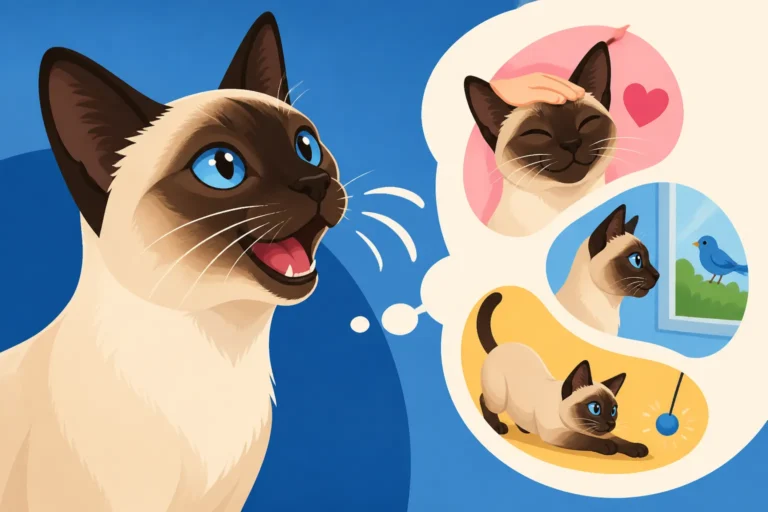
One of the first things you learn about living with a Siamese is that they are talkers. Oh, they are talkers. From soft chirps to demanding yowls, a Siamese communicates its every thought and desire. The Siamese Cat Talks and Expects an Answer, and they truly do. This vocal nature can be a significant point of contention with a dog, especially if the dog is sensitive to sound or prone to barking in response. Imagine a persistent Siamese meow, asking for attention or a fuller food bowl, suddenly met with an equally persistent dog bark. It's not a recipe for peace.
This constant communication isn't just noise; it's how your Siamese expresses itself. They are not shy about letting you know when they're hungry, bored, or simply want to be in your lap. A dog might interpret these vocalizations differently than a human does. A curious dog might try to investigate, leading to a startled Siamese, or a nervous dog might become agitated. Understanding this fundamental aspect of your Siamese's personality is crucial when considering how they might react to a dog's more overt forms of communication, like barking or playful growling.
High Energy, Intelligence, and Insatiable Curiosity
Siamese cats are incredibly intelligent and energetic creatures. They love to play, explore, and be involved in everything you do. "Curiosity killed the cat" might as well have been coined for a Siamese, as they will investigate every new sound, object, and, yes, living being that enters their domain. This high energy and intelligence mean they need a lot of mental and physical stimulation. Enrichment for a Siamese Cat That Gets Bored in an Hour isn't just a suggestion; it's a necessity.
This combination of traits can be a double-edged sword when introducing a dog. On one hand, their curiosity might lead them to investigate the new dog, which can be a positive step. On the other hand, their energy might be overwhelming for a more sedate dog, or their intelligence might lead them to constantly test boundaries, which a dog might not appreciate. A bored Siamese is also a mischievous Siamese, and they might engage in behaviors that annoy or even provoke a dog, simply out of a need for stimulation.
The Siamese's Strong Bond and Demand for Attention
If you have a Siamese, you know they are not aloof. They are famously people-oriented, often choosing one or two favorite humans to shadow endlessly. How Attached a Siamese Cat Gets to One Person is a common trait, and they can be fiercely devoted. They thrive on interaction, playtime, and a good snuggle. This intense bond means they expect to be the center of your universe, and they can be quite demanding about it. A Siamese Cat Will Not Be Ignored, and they'll make sure you know it.
The introduction of a dog, especially one that also demands attention, can feel like a direct threat to this cherished bond. Your Siamese might see the dog as a competitor for your affection, your lap, and your valuable time. This can manifest as jealousy, territorial behavior, or even a withdrawal if they feel displaced. Managing this aspect requires a delicate balance of ensuring both pets feel loved and secure, without playing favorites or inadvertently creating a rivalry.
Understanding the Dog's Personality and Breed
Just as no two Siamese cats are exactly alike, dogs come in an astounding variety of temperaments, sizes, and energy levels. It's not just about the breed; individual personality plays a huge role. Thinking about how a specific dog's traits will mesh with your Siamese's can prevent a lot of headaches down the line.
Temperament, Play Style, and Energy Levels
The dog's temperament is arguably the most critical factor. A calm, gentle, and cat-savvy dog is always going to be a better match than a high-strung, boisterous one. Consider the dog's typical play style: do they roughhouse? Chase small animals? Or are they content with a quiet chew toy? A dog with a naturally lower prey drive and a more mellow disposition will likely adjust better to living with a cat. Terriers, for example, often have a strong prey drive, making them a less ideal choice for homes with cats unless they have been raised with felines from puppyhood.
Energy levels are also key. A high-energy dog needs significant exercise and mental stimulation to prevent them from channeling that energy into chasing the cat. Conversely, a very high-energy Siamese might actually enjoy a playful dog, but it needs to be the right kind of play. A dog that just wants to tackle and mouth might be terrifying to a cat, while one that enjoys parallel play or gentle nudges might be tolerated.
Prey Drive and History with Small Animals
This is a big one. Dogs, by their very nature, can have a strong prey drive. Some breeds were specifically developed to hunt and retrieve small animals. While your Siamese is certainly not "prey" in the way a rabbit might be, their quick movements and smaller size can unfortunately trigger a dog's instinctual chase response. It's not always malicious; sometimes it's just ingrained behavior.
Knowing a dog's history with cats or other small animals is invaluable. A dog that has successfully lived with cats before, or has been raised with them, often understands canine-feline boundaries. A rescue dog, however, might have an unknown history. It's vital to assess this as carefully as possible. Even a dog with no prior cat experience might do well if they have a low prey drive and a gentle disposition, but it's a risk that needs careful management.
Training and Socialization History
A well-trained dog is a significant asset in a multi-pet household. A dog that understands and obeys commands like "leave it," "stay," and "come" can be redirected easily if they become too fixated on the cat. Early socialization with various people, environments, and even other animals (supervised, of course) helps a dog develop good manners and confidence. A confident dog is less likely to react out of fear or over-excitement when encountering a cat.
Conversely, a dog with little training or poor socialization can be a challenge. They might not understand boundaries, respond to cues, or control their impulses. This puts the Siamese cat at a disadvantage and increases the risk of negative interactions. Even the most patient cat can only tolerate so much unsolicited attention or chasing. A dog's history of positive reinforcement training tends to produce a more adaptable and respectful companion.
The Importance of Early Introduction and Socialization
The timing and method of introduction are paramount when bringing a Siamese and a dog together. A rushed or poorly managed first meeting can set the stage for a lifetime of tension or, at worst, an unsafe environment. Slow and steady truly wins the race when it comes to interspecies friendships.
Kitten vs. Adult Siamese Introduction
Introducing a puppy to an adult Siamese cat is generally easier than introducing an adult dog to an adult Siamese, but bringing a kitten into a home with a dog also has its nuances. A kitten is often more adaptable and less set in their ways than an adult cat. They might be more curious and less fearful of a dog, especially if the dog is gentle and respectful. However, a kitten is also incredibly vulnerable. A playful but clumsy dog could accidentally injure a small kitten.
When bringing a kitten into a dog home, you need to ensure the dog understands the kitten is not a toy. Supervision is constant, and providing high-up escapes for the kitten is non-negotiable. If you're introducing an adult Siamese to an existing dog, the Siamese will likely be more wary and need significantly more time and safe spaces. Their established routines and territorial instincts mean they'll need gradual exposure and plenty of reassurance that their world isn't being taken over.
Puppy vs. Adult Dog Introduction
The age of the dog you're introducing also matters immensely. A puppy is often seen as less threatening by a Siamese cat due to its size and less imposing presence. Puppies are also highly impressionable, and you can shape their behavior from the start to be respectful of cats. Training a puppy early to ignore the cat and to use polite greetings is much easier than trying to break established habits in an adult dog.
Introducing an adult dog, especially one with an unknown history with cats, is a more delicate operation. You have to rely on careful observation and gradual steps. If the adult dog has a known history of chasing or being aggressive with cats, it might be an impossible or unsafe situation. However, many adult dogs, particularly those from rescues, can be successfully integrated with cats if their temperament is calm and they are introduced correctly.
Gradual Exposure and Scent Swapping
Rushing an introduction is the biggest mistake you can make. The goal is to create positive associations and allow both animals to get used to each other's presence and scent before they even lay eyes on each other. This is where gradual exposure comes in. Start by keeping them completely separate, perhaps in different rooms or even different floors of the house. Use baby gates or closed doors to ensure no accidental meetings.
Scent swapping is your secret weapon during this stage. Take a blanket or a towel that one pet has slept on and place it in the other pet's area. This allows them to get accustomed to each other's scent in a non-threatening way. You'll observe their reactions – curiosity is good, fear or aggression is a red flag. Repeat this for several days, swapping items and gradually moving them closer to the dividing barrier. Consider using calming diffusers like Feliway for cats and Adaptil for dogs, which can be found easily on Amazon, to help reduce anxiety during this critical period.
Strategies for a Successful Introduction
Once you've managed initial scent swapping and a period of separate living, it's time to move to the next stage. Remember, patience is absolutely vital. You're building a relationship, not just facilitating a meeting.
Visual Introductions with a Barrier
After several days of successful scent swapping, you can move to visual introductions. This still needs to be done with a barrier in place to ensure safety. A sturdy baby gate, especially a tall one designed for pets, or a screen door, works well. The goal here is controlled, positive exposure.
During these initial visual sessions, keep them short and positive. Distract both animals with treats or toys on opposite sides of the barrier. Feed them their meals on either side of the gate. This creates a positive association with the other animal's presence. If either animal shows signs of stress (hissing, growling, flattening ears, body stiffness, tail tucked), immediately end the session and try again later for a shorter duration. It's always better to end on a neutral or positive note than to push them past their comfort zone. Consistency and calmness from you are key.
Supervised, Controlled Interactions
Once they are calm and curious (or at least tolerant) during barrier introductions, you can progress to supervised, leash-controlled interactions. This is usually done with the dog on a leash and harness, ensuring you have full control. Never, ever force interaction. Allow the cat to approach the dog on its own terms. Have high-value treats ready for both animals, rewarding calm behavior.
Keep these sessions very short initially – just a few minutes. Gradually increase the duration as long as both animals remain calm. It’s crucial that the dog understands it’s not allowed to chase, lunge, or bark excessively at the cat. If the dog shows any undesirable behavior, a firm "no" and a gentle leash correction (not a yank) followed by redirection to a toy or a "sit" command can be effective. If your Siamese shows signs of stress, provide an escape route. Cats prefer to have an exit strategy, and a high perch or another room available is vital. How to Introduce a Siamese Cat to a Resident Cat shares some similar principles for slow and steady introductions, even though it's focused on feline-to-feline.
Here's a quick checklist for a smooth introduction:
| Step | Duration | Goal | Notes |
|---|---|---|---|
| 1. Separate Living | 3-7+ days | Zero direct contact, allow settling | Essential for safety and reducing initial stress |
| 2. Scent Swapping | 3-7+ days | Familiarize with each other's smell | Rub cloths on each, place in beds, swap rooms |
| 3. Parallel Feeding (Door) | 3-5 days | Positive association with presence | Feed on opposite sides of a closed door, gradually open slightly |
| 4. Visual Introduction (Barrier) | 5-10+ days | Controlled visual contact, positive reward | Use sturdy baby gates, reward calm behavior with treats |
| 5. Supervised Interactions (Leashed) | Weeks to months | Short, controlled, positive meetings | Dog on leash, reward calm, no chasing. Cat chooses approach. |
| 6. Gradual Unsupervised Time | Weeks to months | Build trust for independent cohabitation | Start with short periods, always provide escape routes for cat |
| 7. Ongoing Management | Lifelong | Maintain peace, provide resources | Separate eating, safe zones, enrichment, monitor interactions |
Creating Safe Spaces and Escape Routes
No matter how well your Siamese and dog get along, your cat must have safe spaces where the dog cannot reach them. This is non-negotiable for a Siamese cat's sense of security and well-being. This might mean tall cat trees, high shelves, or cat-only rooms accessed by a cat flap. These sanctuaries allow your Siamese to observe the dog from a safe distance, retreat when overwhelmed, and maintain a sense of control over their environment.
Using baby gates, even those available on Amazon, can be incredibly effective. Install them across doorways leading to cat-only rooms, or create a small gap high enough for the cat to slip under but too small for the dog. Vertical space is a cat's best friend. Providing multiple high perches around the house gives your Siamese the confidence that they can always escape if they feel threatened, which actually helps them feel more comfortable being in the same room as the dog.
Managing Multi-Pet Households Long-Term
Getting past the initial introduction is a huge achievement, but maintaining harmony in a multi-pet household is an ongoing effort. It requires consistent management, attention to individual needs, and proactive problem-solving.
Separate Feeding and Resource Management
One of the most common sources of conflict in multi-pet homes is competition over resources. Food is a prime example. Always feed your Siamese and your dog in separate locations. This prevents food guarding from the dog, and ensures your cat can eat in peace without feeling rushed or threatened. Many cat owners feed their Siamese on a high surface, like a counter or a tall cat tree, where the dog cannot reach.
Beyond food, consider water bowls, litter boxes, beds, and toys. Ideally, your Siamese should have their own designated items that are kept separate from the dog's. Ensure there are more litter boxes than cats (the general rule is one per cat plus one extra), and place them in areas the dog cannot access, or where the cat feels secure. A dog rummaging in the litter box is not only unhygienic but also incredibly stressful for a fastidious Siamese.
Ongoing Enrichment and Attention for Both
Both your Siamese and your dog need individual attention and enrichment. Just because they live together doesn't mean they'll fulfill all of each other's social needs. Your Siamese still needs dedicated playtime with you, chasing wand toys or solving puzzle feeders. What a Bored Siamese Cat Destroys can give you a clear idea of what happens when their mental and physical needs aren't met, and a dog's presence certainly won't magically solve boredom. Ensure you're spending one-on-one time with each pet every day.
For dogs, this means walks, training sessions, and interactive toys. For cats, it means stimulating toys, scratching posts, and mental games. A tired and content dog is less likely to harass a cat, and a well-exercised, mentally stimulated Siamese is less likely to act out from boredom or stress. Rotate toys, use puzzle feeders (many great options on Amazon), and engage them in activities that suit their species-specific needs.
Monitoring Interactions and Recognizing Stress Signals
Even after a successful introduction, it's crucial to continuously monitor the interactions between your Siamese and dog. Learn to recognize the subtle signs of stress or discomfort in both animals. For cats, this can include flattened ears, dilated pupils, a stiff posture, tail twitching, excessive grooming (which could escalate to Psychogenic Alopecia in a Siamese Cat if stress is chronic), hiding, or hissing. For dogs, stress can manifest as lip licking, yawning, whale eye (showing the whites of the eyes), tail tucked, trembling, or growling.
If you observe any signs of tension, immediately separate the animals and re-evaluate. It might mean going back a step in the introduction process, or simply increasing the amount of separate time they have. Never assume that "they'll work it out." Your role as their guardian is to ensure their safety and emotional well-being. Intervention is key to preventing minor squabbles from escalating into serious conflicts.
When Things Don't Go as Planned
Sometimes, despite your best efforts, the introduction doesn't go smoothly, or new issues arise down the line. It's disheartening, but it's important to know when to seek help and what your options are.
Recognizing Persistent Stress and Aggression
If your Siamese is constantly hiding, refusing to eat, over-grooming, or showing signs of fear whenever the dog is near, they are experiencing chronic stress. This isn't just uncomfortable for them; it can lead to health problems. Similarly, if the dog shows persistent chasing, growling, or attempts to injure the cat, this is outright aggression and cannot be tolerated.
Persistent stress or aggression is a clear sign that the current arrangement isn't working. It's not a failure on your part, but an indication that professional intervention or a change in living arrangements might be necessary. It's easy to dismiss minor squabbles, but consistent, negative interactions erode trust and can make things worse over time. Pay close attention to Signs a Siamese Cat Is Unwell, as stress often manifests physically.
Seeking Professional Help
If you're struggling to achieve harmony, don't hesitate to seek professional help. A certified animal behaviorist or a veterinary behaviorist can assess your specific situation, observe your pets' interactions, and provide tailored advice and training plans. They might suggest specific modifications to your home environment, behavior modification techniques, or even temporary medication to help reduce anxiety in one or both pets.
These professionals have the expertise to identify the root cause of the issues and guide you through solutions that are safe and effective. Sometimes, an outside perspective is exactly what's needed to break through a stalemate. They can help you decipher subtle body language cues you might be missing and teach you how to respond appropriately.
Re-evaluation and Considering Alternatives
In some rare cases, despite all efforts and professional help, a Siamese cat and a dog simply cannot coexist safely or happily. This is a painful realization for any pet owner, but sometimes it's the most responsible decision to make for the well-being of both animals. This doesn't mean you've failed; it means you've put their welfare first.
Alternatives could include rehoming one of the animals to a suitable home where they can thrive, or, in some situations, even maintaining entirely separate living spaces within your home for the duration of their lives. This might mean the dog has one section of the house and the Siamese another, with strict management to prevent interactions. While not ideal, it is preferable to a lifetime of fear or conflict. It's a tough call, but ultimately, the peace and safety of your beloved companions should be the top priority.
Disclaimer
This article is for general informational purposes only and does not constitute professional advice. Laws, prices and regulations vary by location and change over time. Consult a qualified professional for guidance on your specific situation.