Whether Two Siamese Cats Are Louder
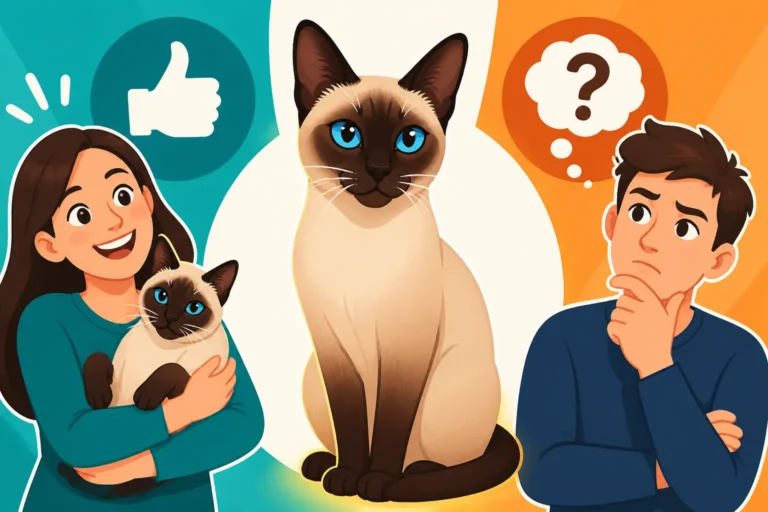
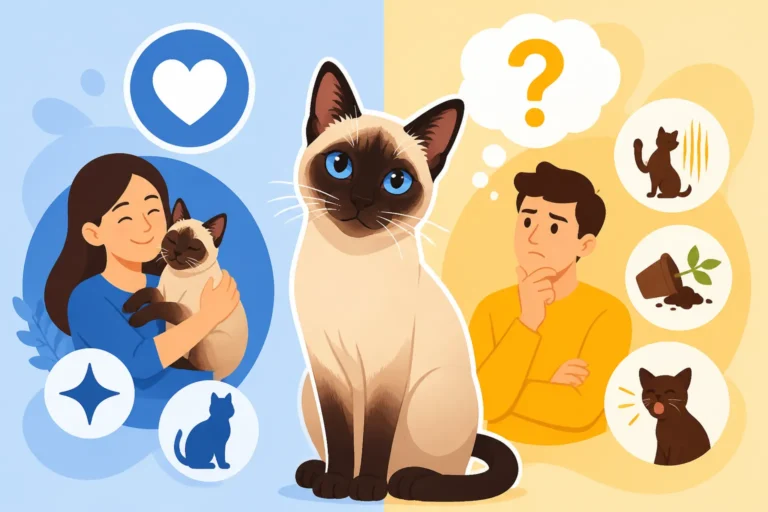
Many Siamese cat owners find themselves wondering if their household will become an echo chamber if they decide to bring home a second meezer. It's a valid concern, given their reputation for being incredibly vocal, and the truth is a bit more complex than a simple yes or no. This guide dives deep into the fascinating world of Siamese cat communication, exploring how adding another one to your family might impact the decibel level in your home, and offering insights into managing their expressive voices.
The Inherent Vocal Prowess of the Siamese Cat
Let's be real, the Siamese cat isn't known for being a quiet, demure lap cat. They are performers, conversationalists, and often, quite the divas when it comes to expressing themselves. Understanding their baseline vocalizations is the first step to figuring out what adding a second one might mean for your eardrums.
The Iconic Siamese Yowl
If you've ever lived with a Siamese, you know that sound. It's not just a meow; it's a full-bodied, guttural, often prolonged "yowl" that seems to emanate from their very soul. This isn't just attention-seeking; it's a deeply ingrained part of their communication style. Imagine a Siamese standing by the door at 3 AM, letting out a series of these profound calls because they spotted a moth on the window. Or perhaps they've decided their water bowl is half a millimeter too low and the world absolutely must know about this injustice. This yowl is often used to demand attention, voice displeasure, or simply announce their presence. You can read more about it in What a Siamese Cat's Yowl Means.
Variety of Vocalizations
Beyond the legendary yowl, Siamese cats have an impressive repertoire of sounds. They purr, they chirp, they trill, they growl, they hiss, and they have various nuances of meows, each carrying a different message. A soft chirp might signal a friendly greeting, while a more urgent, repetitive meow usually means "feed me now!" or "play with me!" They truly converse with their humans, turning every interaction into a dialogue. Sometimes, it feels less like having a cat and more like living with a tiny, furry opera singer. This rich linguistic palette is part of their charm, but it also means there are many ways they can make noise.
Reasons Behind the Chatter
Why are Siamese cats so incredibly vocal? It's simply part of their breed's genetic makeup and personality. They are highly intelligent, social creatures who thrive on interaction. Unlike some more aloof breeds, Siamese cats actively seek out engagement with their human companions and other pets. They use their voices to communicate their needs, desires, and even their opinions on the day's events. A bored Siamese is often a vocal Siamese, expressing their discontent with a lack of stimulation. A hungry Siamese will absolutely let you know, and a lonely Siamese will cry out for companionship. For a deeper dive into their vocal habits, check out Why a Siamese Cat Meows So Much.
The Dynamics of Multiple Siamese Cats
Now, let's consider what happens when you introduce a second Siamese to the mix. Does it simply double the noise, or does something more complex occur? Often, it's a fascinating interplay of communication, mimicry, and even a bit of competitive vocalizing.
Communicative Chorus or Competitive Cacophony?
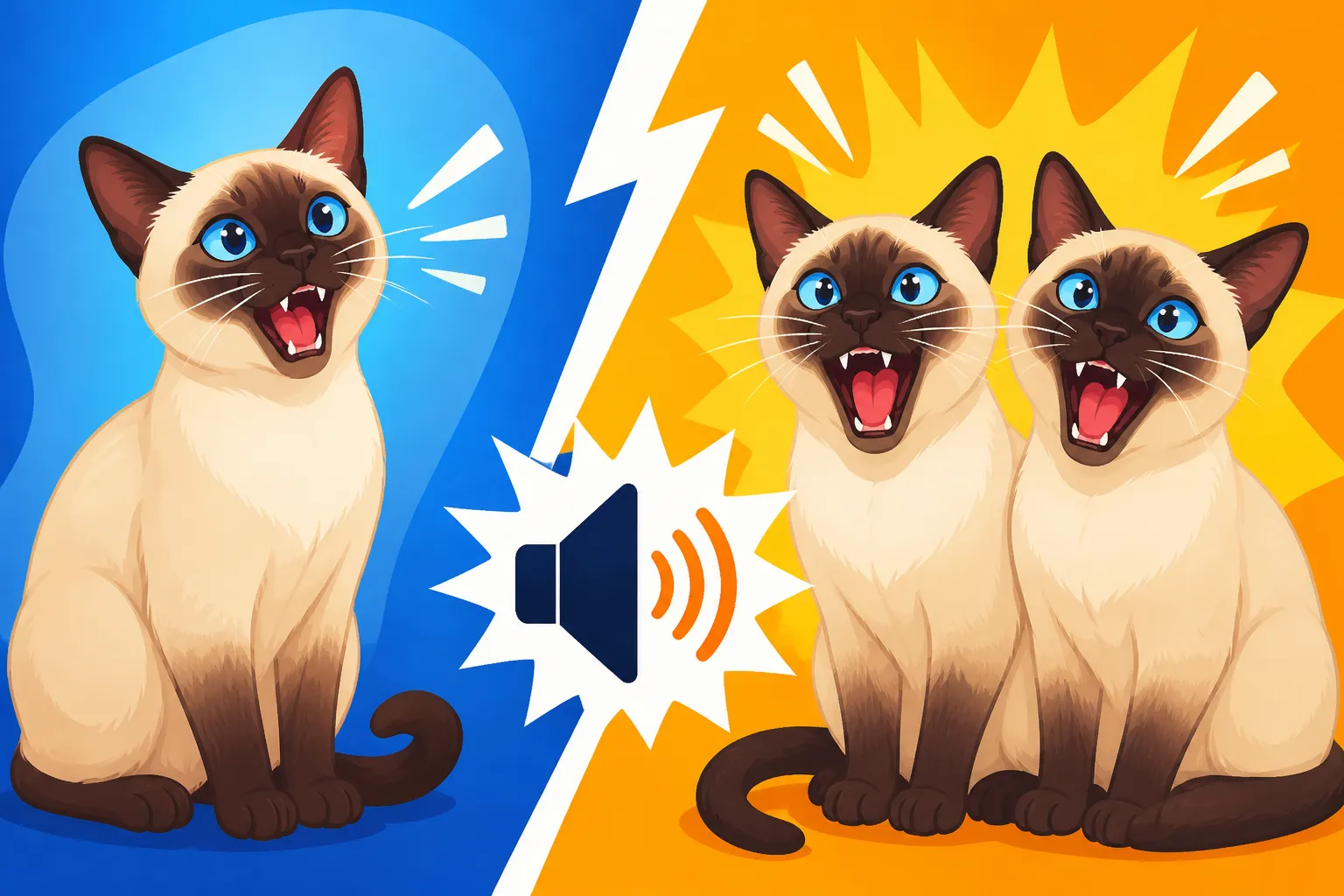
It's tempting to assume that two vocal cats will automatically create twice the noise. In some scenarios, this can absolutely be true. If you have two Siamese cats with equally strong personalities, both vying for your attention at the same time, you might find yourself living in a constant symphony of demands. Imagine one cat letting out a plaintive meow because they want to play, and the other immediately joining in with their own, louder yowl, not because they want to play, but because they simply can't let the first cat be the star of the show.
However, it's not always a cacophony. Often, two Siamese cats will engage in a communicative chorus, chattering back and forth to each other and to you. They might "talk" about what's happening outside the window, or have a lengthy discussion about who gets the prime sunbeam spot. This kind of interaction, while still vocal, can be incredibly endearing and feels more like shared conversation than relentless noise.
Mimicry and Learned Behavior
One interesting aspect of having multiple Siamese cats is their tendency to learn from each other. If one cat discovers that a certain type of vocalization gets a specific response from you – say, a persistent, high-pitched meow results in treats – the other cat is highly likely to pick up on this and try it themselves. This mimicry can lead to an amplification of certain vocal behaviors.
Conversely, they might also learn quieter ways of communicating with each other. Cats often develop their own unique ways of interacting, which can include silent signals, gentle nudges, or soft purrs shared between them, reducing their reliance on loud calls to express everything. But for the most part, expect them to pick up each other's "best practices" for getting human attention, which often involves sound.
The "Call and Response" Effect
Siamese cats are inherently social and often form strong bonds, especially when introduced as kittens or carefully integrated as adults. This bond frequently manifests in a "call and response" pattern. One cat might let out a short, questioning meow from another room, and the other will respond with their own sound, letting their sibling know their location or acknowledging their presence. This isn't necessarily loud, but it is constant background chatter.
Think of it as their way of keeping tabs on each other, a continuous confirmation of their bond. While charming, this can contribute to the overall noise level, particularly if they are prone to moving around the house and initiating these vocal check-ins frequently. It's like having a little inter-cat radio station playing all day.
Factors Influencing Vocalization in a Multi-Siamese Household
While Siamese cats are inherently vocal, the actual volume and frequency of their chatter in a multi-cat home aren't solely determined by breed. Several factors come into play, from their individual personalities to their environment and even their health.
Individual Personalities and Temperaments
Just like people, every Siamese cat has a unique personality. Some are naturally more outgoing and vocal, while others, though still Siamese, might be a bit more reserved. When you bring two together, their combined personalities will dictate a lot. Two extremely vocal cats will, predictably, lead to a louder home. However, if one cat is more dominant in terms of vocalizing, the other might take a more subdued role, or they might engage in a duet where one initiates and the other responds.
It's also worth noting that the dynamic between the two cats themselves plays a huge role. Do they get along famously, engaging in playful wrestling and shared naps? Or are they more independent, tolerating each other but not necessarily seeking constant interaction? Cats with a strong, positive bond might communicate more frequently but perhaps in a more harmonious way. If one cat is particularly anxious, the presence of a calm companion might actually reduce their vocalizations related to stress. On the other hand, if both are high-strung, you could be in for a boisterous time.
Environmental Triggers and Boredom
A quiet house with little going on can sometimes lead to more vocal Siamese cats, as they try to create their own excitement or get you to entertain them. Conversely, a chaotic, loud house might make them vocalize more to be heard, or less if they feel overwhelmed. Boredom is a massive trigger for Siamese vocalization. If two Siamese cats don't have enough stimulation, they might resort to yowling, meowing, and general fussing to get your attention or simply to alleviate their ennui. This is where a second cat can sometimes help, as they can entertain each other, reducing the amount of "I'm bored, entertain me!" meows directed at you.
However, if their environment lacks sufficient resources (like enough litter boxes, food bowls, or vertical space), competition for these resources can lead to stress and increased vocalization. Ensuring a stimulating and resource-rich environment is crucial. For ideas on keeping them entertained, consider Enrichment for a Siamese Cat That Gets Bored in an Hour.
Health and Age Considerations
Changes in vocalization, whether an increase or decrease, can sometimes be a sign of underlying health issues. An older Siamese cat might become more vocal due to cognitive dysfunction or pain, as discussed in Why an Old Siamese Cat Yowls More. Similarly, any cat experiencing discomfort, hunger, or disorientation might vocalize more intensely. If you notice a sudden, inexplicable change in your Siamese cats' vocal habits, especially if it's accompanied by other behavioral changes, a vet visit is always a good idea to rule out medical causes.
Young kittens, naturally, are often more vocal as they learn to communicate and explore their world. As they mature, their vocal patterns usually stabilize. However, chronic conditions like hyperthyroidism in older cats can also lead to increased vocalization due to heightened metabolism and anxiety. Always keep an eye on these subtle shifts in behavior.
Managing and Mitigating Noise Levels
So, you've accepted that your Siamese cats are going to be vocal. But that doesn't mean you're doomed to live in a constant concert hall. There are proactive steps you can take to manage and, to some extent, mitigate the noise.
Environmental Enrichment Strategies
A bored Siamese cat is a vocal Siamese cat. This is doubly true for two Siamese cats. Providing ample mental and physical stimulation is paramount. This means plenty of interactive toys, puzzle feeders, and vertical climbing spaces like tall cat trees. I've found some fantastic, sturdy options on Amazon that stand up to the vigorous play of multiple Siamese cats. Rotating their toys regularly keeps things fresh and prevents boredom. Laser pointers, feather wands, and automatic toys can keep them engaged when you're busy.
Consider setting up cat shelves or a catio if possible, giving them safe access to outdoor sights and sounds without actually being outside. A window perch looking out onto a bird feeder can provide hours of quiet entertainment. The more engaged and stimulated your cats are, the less likely they are to resort to excessive vocalization out of sheer boredom or frustration. Regular play sessions, perhaps two to three times a day, can help burn off excess energy and satisfy their hunting instincts, often leading to more peaceful periods afterward. For ideas on play, check out How Many Play Sessions a Siamese Cat Needs a Day.
Training and Behavioral Modification
Believe it or not, you can actually train a Siamese cat! While you might not be able to eliminate their vocal nature entirely, you can certainly teach them when and how to be vocal. Positive reinforcement is key. Reward quiet behavior, especially when they are attempting to get your attention. If they yowl incessantly for food, wait for a moment of silence before putting the bowl down. This teaches them that quiet gets results, not loudness.
Clicker training can be incredibly effective. You can teach them commands like "quiet" or "inside voice" by rewarding them for being silent. It takes consistency, but Siamese cats are incredibly intelligent and eager to please, especially if treats are involved. Never punish them for vocalizing, as this can create fear and anxiety, potentially making the problem worse or leading to other behavioral issues. Instead, redirect their energy or simply ignore the unwanted vocalization until they quiet down, then reward. You can find more tips in How to Train a Siamese Cat to Meow Less.
Soundproofing and Neighborly Relations
If your Siamese cats' vocalizations are genuinely disruptive, especially in an apartment setting, you might need to consider some practical solutions. Heavy curtains, rugs, and upholstered furniture can help absorb sound. Wall panels designed for sound dampening, often available on Amazon, can also make a noticeable difference in reducing echoes and overall noise levels.
Communicating with your neighbors is also important, especially if you live in close quarters. Let them know you're aware of your cats' vocal nature and are actively working on managing it. Sometimes, simply being understanding and open can go a long way. Providing your cats with a stimulating environment can also prevent them from yowling excessively when you're away, which is often when neighbor complaints arise.
Benefits of Having Two Siamese Cats
While the potential for increased vocalization is a common concern, it's crucial to balance this with the many wonderful benefits of having two Siamese cats. Often, the joys and companionship far outweigh the occasional increase in sound.
Companionship and Reduced Separation Anxiety
Siamese cats are incredibly social. They thrive on companionship, and for many, a human alone isn't quite enough, especially if you work long hours. A second Siamese cat can provide invaluable companionship, reducing feelings of loneliness and boredom that often manifest as destructive behavior or excessive vocalization due to What Separation Anxiety Looks Like in a Siamese Cat. When they have a feline friend to play with, groom, and nap alongside, they are often happier and more content.
This can actually lead to less vocalization directed at you, as their need for constant interaction is partly fulfilled by their sibling. They might engage in long, quiet naps together, or chase each other around the house in a playful, rather than demanding, manner. Many owners report that their Siamese cats are noticeably calmer and more settled when they have a companion. If you're pondering whether your cat needs a friend, Whether a Siamese Cat Needs a Companion Cat offers more insights.
Enhanced Play and Mental Stimulation
Two Siamese cats mean double the fun and double the mental stimulation. They'll chase each other, wrestle, and engage in elaborate games of hide-and-seek. This natural play keeps them physically active and mentally sharp. Instead of constantly looking to you for entertainment, they have a built-in playmate. This can be a huge relief for owners, as it lessens the pressure to be the sole source of their cat's amusement.
Observing two Siamese cats interacting is also endlessly entertaining. Their intricate play styles, their shared grooming sessions, and their coordinated explorations of the house can bring immense joy to an owner. This enriched environment, fueled by their mutual companionship, often results in happier, more well-adjusted cats, even if it comes with a bit more chatter. After all, a happy cat is often a less demanding cat.
The Joy of a Double Dose of Meezer Love
Let's face it: if you love Siamese cats, you love their unique personalities, their intelligent eyes, and yes, even their vocalizations. Having two means twice the purrs, twice the headbutts, and twice the intense, unwavering affection. The bond between two Siamese cats is often profound and beautiful to witness. They become a little unit, relying on each other, and extending their affection to you as part of their expanded family.
The occasional increase in vocalization becomes a small price to pay for the sheer joy and enrichment these incredible cats bring into your home. It's not just about managing the noise; it's about embracing the vibrant, lively presence of these intelligent, social creatures. If you've been wondering Whether a Siamese Cat Is Happier in a Pair, many will tell you the answer is a resounding yes, and a little extra noise is often part of the package deal.
Single Siamese vs. Multiple Siamese Vocalization
To help put things into perspective, here's a quick comparison of what you might generally expect from a single Siamese versus a pair.
| Characteristic | Single Siamese Cat | Two Siamese Cats |
|---|---|---|
| Vocalization Source | Directed primarily at human companions and environment | Directed at humans, each other, and environment |
| Motivation | Boredom, hunger, attention-seeking, loneliness | Boredom, hunger, attention-seeking, play invitation, communication with sibling |
| Frequency | Can be high, especially if bored or lonely | Can be higher due to inter-cat communication; potentially lower for human attention if self-entertaining |
| Intensity | Can be loud (iconic yowl) | Can be louder if both cats vocalize simultaneously; can also be softer chatter |
| Type of Sounds | Wide range of meows, yowls, chirps | Wider range, including duets, call-and-response, and shared vocalizations |
| Separation Anxiety | Higher risk if left alone frequently | Lower risk due to companionship |
| Management Focus | Direct human interaction, solo play | Facilitating inter-cat play, providing ample shared resources and enrichment |
While this table provides a general overview, remember that individual personalities will always play the biggest role. Some single Siamese cats can be far louder than a quiet pair, and vice-versa.
Conclusion: Embracing the Siamese Symphony
Ultimately, the question of whether two Siamese cats are louder isn't a simple equation. Yes, having two intensely vocal cats can lead to a more boisterous home. You might experience a "communicative chorus" where they chatter to each other and to you, or a "competitive cacophony" if they both decide they need your undivided attention right now. However, the presence of a companion can also alleviate loneliness and boredom, which are major drivers of vocalization in a single Siamese. A happy, stimulated pair might, in some ways, be less demanding of your attention through sound because they have each other.
What's clear is that adding a second Siamese often enhances their lives through companionship and shared play, leading to more enriched and potentially less anxious cats. If you adore the Siamese breed, with all their quirky, conversational charm, then the potential for a bit more vocal expression is often a small trade-off for the immense joy and unique dynamics a pair can bring to your home. You're not just getting two cats; you're getting two expressive, intelligent, and deeply loving companions who will always have something to say.
Disclaimer
This article is for general informational purposes only and does not constitute professional advice. Laws, prices and regulations vary by location and change over time. Consult a qualified professional for guidance on your specific situation.