Why a Siamese Cat Yowls in the Middle of the Night
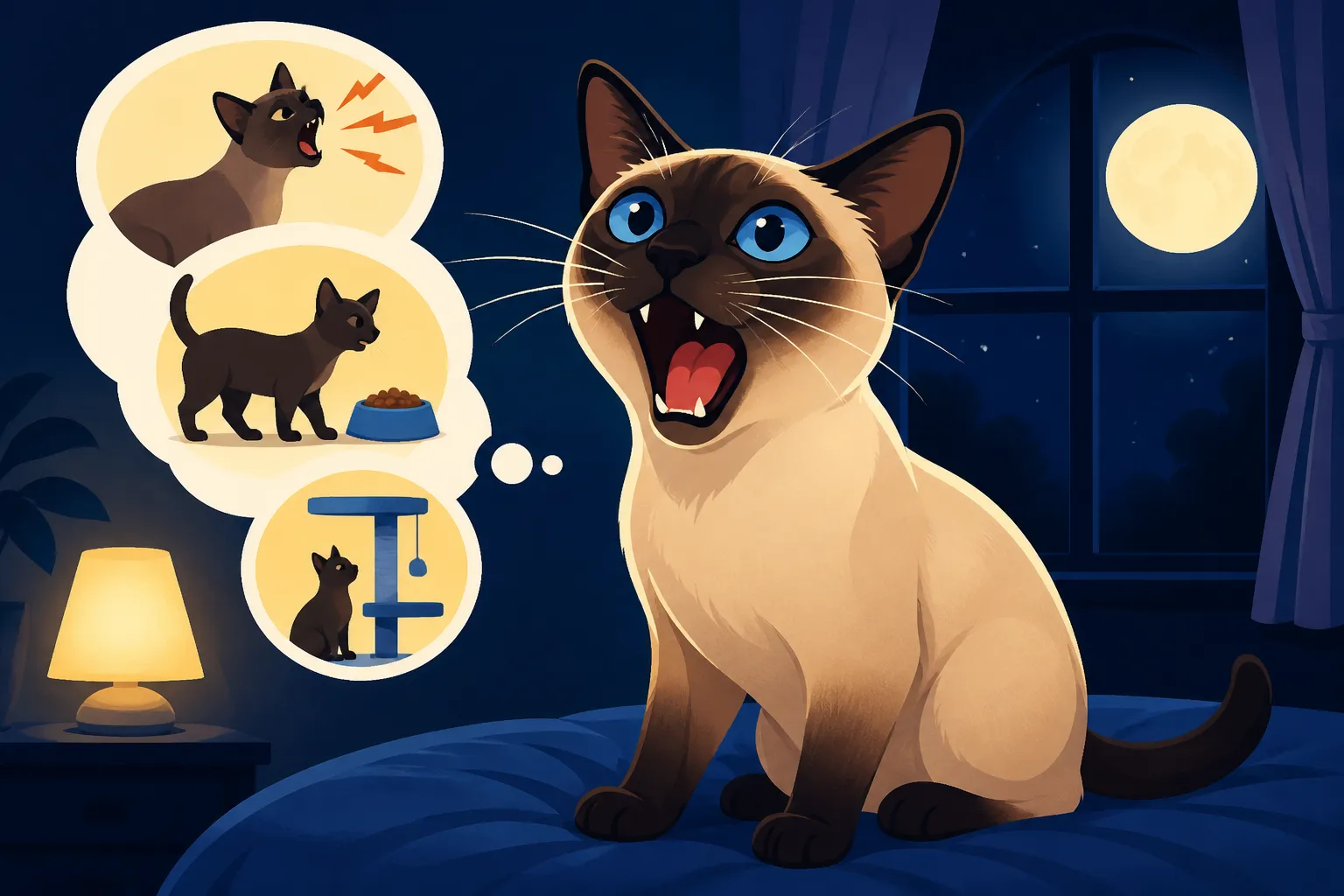
There are few things quite as jarring as being wrenched from a deep sleep by the insistent, piercing yowl of your Siamese cat. It's not just a little meow; it's often a full-throated, attention-demanding vocalization that can leave you feeling frustrated, sleep-deprived, and wondering what on earth your feline friend could possibly want at 3 AM. This guide will delve into the various reasons behind your Siamese cat's nocturnal vocalizations and offer practical strategies to help restore peace to your nights.
The Unique Voice of a Siamese Cat and Its Nocturnal Symphony
If you've ever owned a Siamese, you know they are not shy. They are renowned for their distinctive, often loud, and highly expressive voices. This isn't just a quirk; it's a fundamental part of their breed's personality and communication style. While their daytime chatter can be endearing, it becomes far less charming when it echoes through a quiet house in the dead of night.
The Meezer's Unique Voice
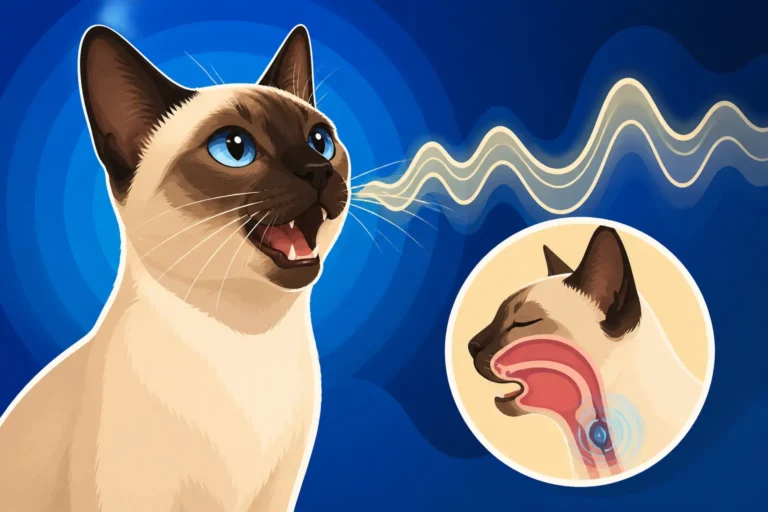
The term "Meezer" is an affectionate nickname given to Siamese cats, and it perfectly encapsulates their vocal nature. Their meow isn't a delicate purr; it's more of a demand, a conversation starter, or sometimes, a lament. It's often compared to a human baby crying or a guttural wail, and it's certainly not something that can be easily ignored. This inherent vocal prowess means that when a Siamese wants to communicate, they do so with conviction, and often, volume. Many owners initially find this endearing, but when it's your alarm clock long before sunrise, the novelty can quickly wear off. The sheer intensity of their vocalizations can make addressing the issue feel incredibly urgent, pushing owners to seek immediate solutions, often by simply giving in to the demands. For more on their vocalizations, you might find What the Siamese Cat's Meezer Yowl Sounds Like insightful.
Why They're So Persistent
Siamese cats are incredibly intelligent and keenly observant. They learn very quickly what elicits a response from their human companions. If yowling in the middle of the night has ever resulted in you getting out of bed, even just to tell them to be quiet, they've registered that as a success. They've discovered that noise equals attention, and attention, in their world, is a high-value commodity. This makes them incredibly persistent. They're not just trying for a few minutes and giving up; they will often continue their vocal protest until they achieve their desired outcome. This persistence can be exhausting for owners, leading to a vicious cycle where tired humans give in, inadvertently reinforcing the very behavior they want to stop.
Common Reasons for Nighttime Yowling
Understanding why your Siamese cat is yowling at night is the first crucial step toward finding a solution. It's rarely out of malice; instead, it's usually a form of communication, signaling a need or a problem.
Hunger or Thirst
This is perhaps one of the most common and straightforward reasons. Many cats, Siamese included, are creatures of habit. If their dinner schedule changes, or if their food bowl is unexpectedly empty in the wee hours, they will certainly let you know. A growling stomach is a powerful motivator for a vocal cat. They might have finished their last meal earlier than usual, or perhaps they've decided they need a midnight snack. Similarly, a dry water bowl can trigger distress. Even if you think you've filled it, a picky Siamese might prefer fresh, running water, leading to complaints if their fountain isn't topped up or if it’s usually active overnight. It's easy to assume they've had enough, but a long night can feel like an eternity to a cat waiting for breakfast.
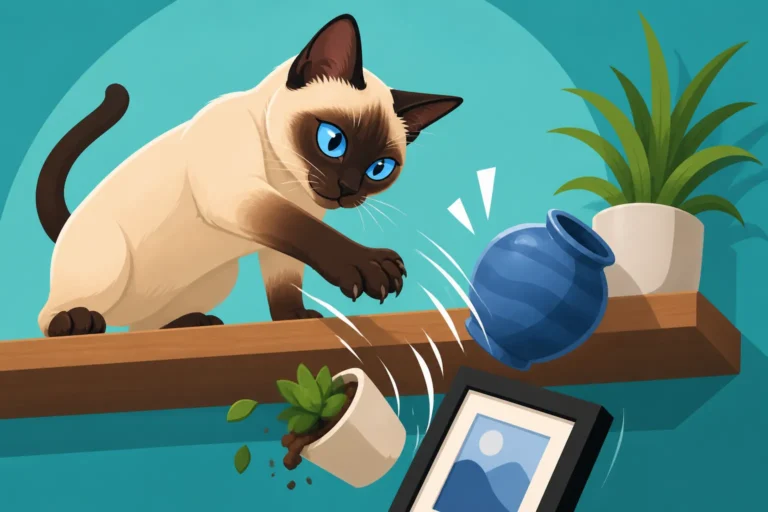
Boredom and Lack of Stimulation
Siamese cats are highly intelligent, energetic, and curious. They need a lot of mental and physical stimulation to thrive. If they haven't had enough playtime, enrichment, or interaction during the day, that pent-up energy and boredom can manifest at night. They might decide that since you're sleeping, it's the perfect time to explore, hunt imaginary prey, or, failing that, to stir you into action. A cat who is bored will often try to engage their primary source of entertainment – you! They might walk around yowling, batting at objects, or even jumping on your bed to get you to play. Think about whether their daily routine provides enough outlets for their keen minds and active bodies. A cat that naps all day might be wide awake and ready to party when you're trying to sleep. This often ties into How Much Play a Siamese Cat Needs.
Attention-Seeking Behavior
As we've touched upon, Siamese cats crave interaction. They are not aloof, independent creatures; they form strong bonds with their human families and want to be involved in everything. If they feel neglected or simply want more attention, they will seek it out, even in the middle of the night. This isn't always about hunger or thirst; sometimes, it's simply a demand for pets, cuddles, or a conversation. They might rub against you, jump on your head, or parade around your bedroom, issuing loud "meows" and "yowls" until you respond. Even a stern "no" is a form of attention for them, reinforcing the idea that vocalizing gets a reaction. Breaking this cycle requires consistency and a bit of a thick skin.
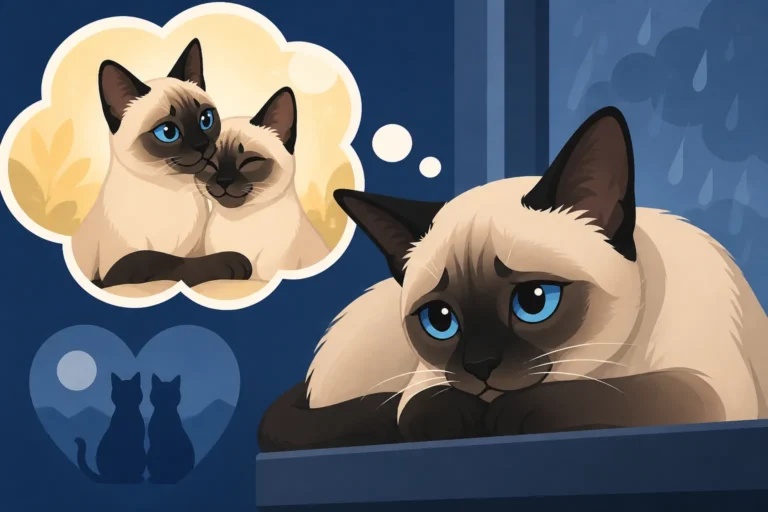
Loneliness or Separation Anxiety
Siamese cats are known for their strong attachment to their people. This can sometimes lead to feelings of loneliness or even separation anxiety, especially if they spend long hours alone during the day or if there's been a recent change in household dynamics. A Siamese who feels lonely might yowl at night because they miss your presence or feel insecure without you nearby. This is particularly true if they're used to sleeping in the same room as you or having constant companionship. The quiet of the night can amplify these feelings, making them seek reassurance through vocalization. They might pace anxiously, or their yowling might have a mournful quality. If you've been working longer hours or a family member has moved out, this could be a contributing factor. Learn more about the signs in Signs a Siamese Cat Is Lonely and What Separation Anxiety Looks Like in a Siamese Cat.
Medical Concerns and Discomfort
While often overlooked in the initial frustration, any sudden or unusual increase in nighttime yowling should prompt a visit to the vet. Cats are masters at hiding pain and illness, but increased vocalization can be a sign that something is physically wrong. They might be experiencing discomfort from arthritis, dental pain, digestive issues, kidney disease, hyperthyroidism (especially in older cats), or even something as simple as a urinary tract infection. A cat in pain or feeling unwell may yowl because they are distressed, confused, or seeking help. This is particularly important for senior Siamese cats, where underlying health issues become more common. Don't dismiss a sudden change in vocal habits; it could be their only way of telling you they're hurting. When a Siamese Cat's Meowing Means Pain is a good resource here.
Environmental Changes or Stress
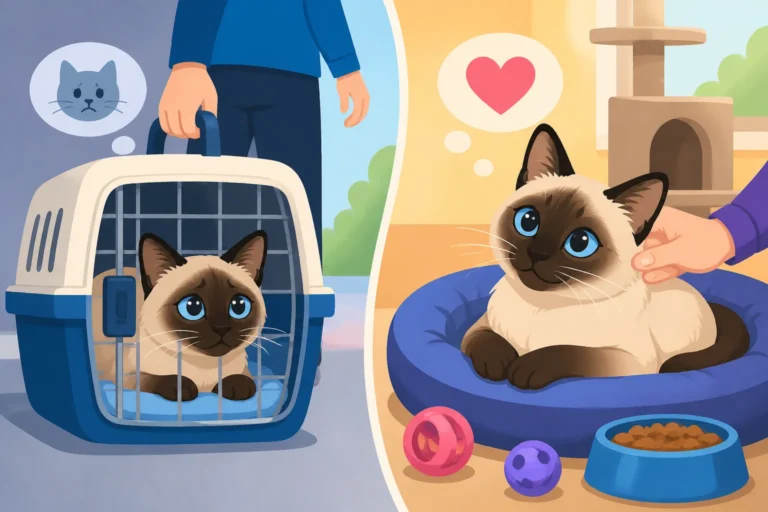
Cats are creatures of routine, and Siamese cats, with their sensitive natures, can be particularly susceptible to stress from environmental changes. A new pet, a new baby, moving to a new house, changes in furniture, or even a different litter can trigger anxiety and lead to increased nighttime vocalization. They may yowl as a way to express their discomfort, disorientation, or unhappiness with their altered surroundings. This is their way of voicing their protest or trying to make sense of a situation that feels unfamiliar or threatening to them. Even subtle shifts that you might not even notice can be a big deal to a Siamese.
Hormonal Urges (Intact Cats)
If your Siamese cat is not spayed or neutered, hormonal urges are a very strong reason for nighttime yowling. Intact female cats (queens) will go into heat, often every few weeks, and their primary goal during this time is to attract a mate. This involves incredibly loud, persistent yowling, often described as a caterwaul, along with other behaviors like rolling, rubbing, and a heightened need for attention. Intact male cats (toms) will also yowl, especially if they detect a female in heat nearby, as they are driven by the instinct to find and breed. This kind of yowling is intense and almost impossible to ignore. Spaying or neutering your cat is the most effective solution for this specific type of vocalization and offers numerous health and behavioral benefits.
Cognitive Decline in Senior Cats
Just like humans, cats can experience cognitive decline as they age, often referred to as Feline Cognitive Dysfunction (FCD). This can manifest as disorientation, confusion, changes in sleep-wake cycles, and increased vocalization, particularly at night. An older Siamese might yowl because they are disoriented, feeling lost in their own home, or simply experiencing anxiety in the dark. They might forget where their litter box is, or why they're in a particular room. This isn't a deliberate act; it's a symptom of their aging brain. If your older Siamese has started yowling more frequently at night, especially with other signs of confusion, it's worth discussing with your vet. For more on this, check out Why an Old Siamese Cat Yowls More.
Strategies to Quiet a Nighttime Yowler
Once you have a better idea of why your Siamese is yowling, you can start to implement strategies to address the root cause. Consistency is key here!
Establishing a Routine and Enrichment
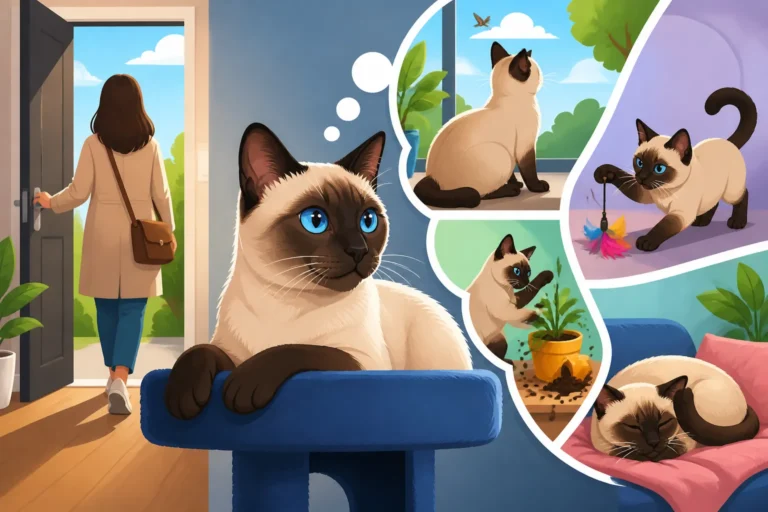
A consistent daily routine can work wonders for a Siamese cat, providing the predictability and engagement they crave. Schedule regular, interactive play sessions, especially in the evening. Think laser pointers, feather wands, or toys on a string that mimic hunting. Aim for at least 15-20 minutes of vigorous play before their last meal, helping them to burn off energy and satisfy their predatory instincts. A tired cat is a quiet cat.
Beyond play, provide ample mental enrichment. Puzzle feeders (you can find many options on Amazon) can slow down meal times and challenge their minds. Cat trees, shelves, and window perches give them vertical space to explore and observe their surroundings. Rotate toys regularly to keep things fresh and interesting. Consider a timed feeder that dispenses a small meal or snack during the night, which can effectively address hunger-related yowling. If boredom is the culprit, increasing daytime activity will make them more likely to sleep soundly through the night.
Addressing Physical Needs Before Bed
This seems obvious, but it's often overlooked in the rush of the evening. Ensure your Siamese has eaten enough a few hours before bedtime, so they aren't waking up hungry. A small, final snack right before you turn in can help tide them over. Make sure their water bowl is fresh and full, or that their water fountain is operating and cleaned.
Litter box cleanliness is paramount for Siamese cats. A dirty litter box can definitely lead to complaints. Scoop their boxes thoroughly right before you go to bed. If your cat tends to soil outside the box when agitated, this might prevent an accident and associated yowling. Also, ensure their sleeping area is comfortable, warm, and secure. A soft bed or blanket in a quiet spot can make a big difference, especially as they get older.
Managing Attention-Seeking Effectively
This is perhaps the hardest strategy to implement, as it requires immense patience and resolve. When your Siamese yowls for attention at night, the absolute best thing you can do is ignore it completely. No talking, no eye contact, no getting out of bed, no throwing things (please don't!). This is incredibly difficult, especially with the piercing volume of a Siamese yowl, but any reaction, positive or negative, teaches them that yowling works.
If you consistently ignore the yowling, they will eventually learn that this particular behavior does not achieve the desired outcome. The behavior might initially get worse (an "extinction burst") as they try harder to get your attention, but if you persevere, it will gradually diminish. It's a tough few nights, but it's crucial for breaking the cycle. Redirect their need for attention to appropriate times during the day. Shower them with love and interaction when they are quiet and calm, reinforcing the good behavior. For more on this, consider Whether Ignoring a Siamese Cat's Meowing Works and Whether Answering a Siamese Cat Makes It Worse.
Considering a Companion
For Siamese cats that suffer from loneliness or separation anxiety, especially if you're out of the house for long periods, bringing a companion animal into the home can sometimes alleviate nighttime yowling. Another cat, particularly one with a similar energy level or even another Siamese, can provide the companionship and interaction your cat craves. They can play together, groom each other, and simply offer a comforting presence when you're not available.
However, this isn't a guaranteed fix and requires careful consideration. Introducing a new cat must be done slowly and thoughtfully to ensure a harmonious household. Two Siamese cats might double the daytime chatter, but they might also provide each other with enough enrichment to sleep through the night. Explore Whether a Siamese Cat Is Happier in a Pair to weigh the pros and cons.
Consulting Your Veterinarian
If you've tried behavioral and environmental changes and the yowling persists or has started suddenly, a veterinary visit is non-negotiable. As mentioned, medical issues can be a significant cause of nighttime vocalization. Your vet can perform a thorough examination, including blood work, urinalysis, and potentially imaging, to rule out any underlying health problems.
Be prepared to provide your vet with a detailed history of the yowling: when it started, how often it occurs, what it sounds like, and any other changes in your cat's behavior, appetite, or litter box habits. They can assess for conditions like hyperthyroidism, kidney disease, dental pain, or cognitive decline and recommend appropriate treatments or pain management strategies. Sometimes, medication can significantly improve the quality of life for a cat suffering from pain or anxiety, which in turn reduces yowling.
When to Seek Professional Help
While many nighttime yowling issues can be managed at home with consistent effort, there are times when it’s best to call in the professionals. Don't hesitate to seek help if you're feeling overwhelmed or if your cat's behavior is causing significant distress.
Persistent or Sudden Changes
If your Siamese cat's nighttime yowling has been persistent for an extended period despite your best efforts, or if there was a sudden and unexplained onset of intense vocalization, it's time to reach out to a professional. This means either a veterinary behaviorist or your primary veterinarian. A sudden change, especially in an older cat, is a red flag that something is fundamentally amiss. It could indicate a rapid decline in health, an acute pain issue, or a significant stressor that you haven't identified.
A veterinary behaviorist is a specialist who can help diagnose and treat complex behavioral issues in pets. They can observe your cat's behavior, analyze your home environment, and develop a comprehensive treatment plan that might include behavioral modification techniques, environmental adjustments, and, if necessary, medication. They have the expertise to differentiate between a simple attention-seeking yowl and a cry for help related to underlying neurological or psychological issues.
Signs Beyond Yowling
Nighttime yowling is rarely an isolated symptom if there's a deeper problem. Pay close attention to any other changes in your cat's behavior, which could provide crucial clues.
Here are some additional signs that warrant professional attention:
- Changes in Appetite or Thirst: Is your Siamese eating more, less, or drinking excessively? These can point to endocrine issues like hyperthyroidism or kidney disease.
- Changes in Litter Box Habits: Accidents outside the box, increased frequency of urination or defecation, or straining can signal urinary tract infections, kidney problems, or even severe stress.
- Restlessness or Pacing: If your cat seems unable to settle, pacing throughout the house, it could indicate pain, anxiety, or cognitive dysfunction.
- Lethargy or Hiding: A previously social Siamese suddenly becoming withdrawn, lethargic, or hiding could be a sign of illness or significant stress.
- Aggression or Irritability: Uncharacteristic aggression, even subtle shifts like swatting when petted, could be due to pain or severe discomfort.
- Disorientation: Bumping into objects, getting stuck in corners, staring blankly, or seeming confused about their surroundings, especially in older cats, strongly suggests cognitive decline.
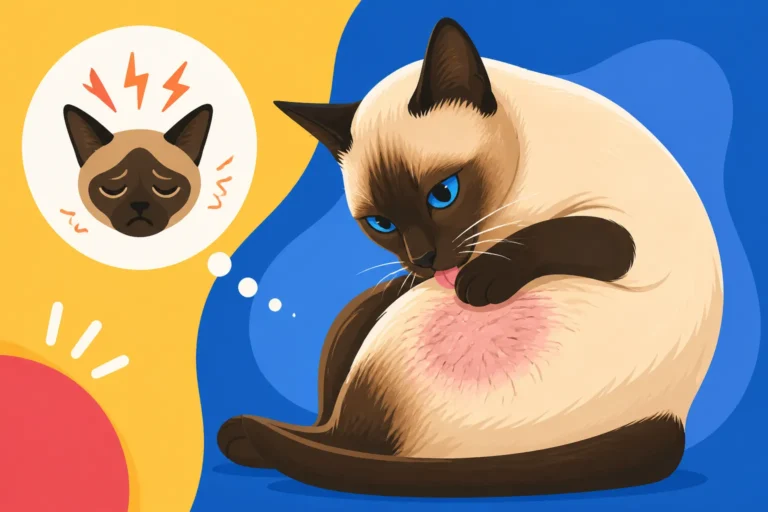
- Excessive Grooming or Self-Mutilation: Licking or chewing at themselves excessively can be a sign of pain, allergies, or extreme anxiety, sometimes leading to Psychogenic Alopecia in a Siamese Cat.
When compiling your notes for the vet, be as detailed as possible. Keep a log of when the yowling occurs, how long it lasts, and what other behaviors accompany it. This information will be invaluable in helping your veterinarian or behaviorist pinpoint the cause and prescribe the most effective course of action for your beloved Siamese.
| Reason for Yowling | Associated Signs | Quick Solutions Before Bedtime |
|---|---|---|
| Hunger/Thirst | Empty bowl, pawing at food dish, drinking more, begging | Ensure fresh food & water, give small bedtime snack, timed feeder |
| Boredom/Lack of Stim. | Pacing, restless, swatting at objects, excessive daytime napping, destructive play | Interactive play session, puzzle feeders (Amazon), toy rotation |
| Attention-Seeking | Rubbing, jumping on bed, following you, direct eye contact | Ignore vocalization, reward quiet behavior, intense daytime interaction |
| Loneliness/Anxiety | Clinginess, destructive behavior, inappropriate urination, pacing | Consider a companion, increase daytime interaction, calming diffusers (Amazon) |
| Medical Concerns | Changes in appetite, litter habits, lethargy, hiding, unusual posture, lameness | Vet check-up immediately for any sudden changes |
| Environmental Stress | Hiding, spraying, changes in grooming, aggression, decreased appetite | Create safe spaces, gradual introductions, Feliway Classic Diffuser (Amazon) |
| Hormonal Urges | Loud, persistent caterwauling, rolling, rubbing, spraying (intact cats) | Spay/neuter your cat |
| Cognitive Decline | Disorientation, confusion, staring, getting stuck, altered sleep cycles | Vet consultation, consistent routine, nightlights, accessible resources |
Disclaimer
This article is for general informational purposes only and does not constitute professional advice. Laws, prices and regulations vary by location and change over time. Consult a qualified professional for guidance on your specific situation.