Signs a Siamese Cat Is Lonely
It’s truly heartbreaking to wonder if your beloved Siamese cat, with their boundless energy and famously social nature, might be feeling a bit blue or, worse, profoundly lonely. You get home after a long day, and instead of the usual joyous greeting, you might notice something is just off. Perhaps they’re more vocal, less playful, or even engaging in behaviors you can’t quite understand. This guide is here to help you identify those subtle — and sometimes not-so-subtle — signs that your Siamese cat might be struggling with loneliness and, most importantly, what you can do to bring back their spark.
Why Siamese Cats are Prone to Loneliness
Siamese cats aren't just pretty faces; they are known for their incredibly complex personalities and deep emotional needs. Unlike some more aloof feline breeds, a Siamese thrives on interaction and can suffer deeply if their social needs aren't met. It’s not just in their heads; it’s rooted in their very nature.
Their Inherently Social Nature
From their ancient origins, Siamese cats have been companions to royalty and temple dwellers, bred and appreciated for their affectionate and communicative disposition. They are often described as "dog-like" in their loyalty and desire for connection with their human family. This isn't a mere quirk; it's a fundamental aspect of their being. A Siamese truly thrives when they are an integral part of the household activities, constantly seeking out closeness, conversation, and companionship. They don't just tolerate human presence; they demand it, and they flourish under it. If that constant presence or regular interaction is suddenly reduced, their sensitive nature can lead them to feel abandoned and, consequently, very lonely.
High Intelligence and Need for Stimulation
Beneath those striking blue eyes lies a sharp, active mind. Siamese cats are highly intelligent creatures, constantly observing, learning, and trying to figure out the world around them. This intelligence means they require a significant amount of mental stimulation to stay happy and engaged. A bored Siamese is often a lonely Siamese. If they don't have enough to occupy their minds – whether it's interactive play, training, or simply observing the hustle and bustle of family life – that clever brain can turn its energy towards anxiety or destructive behaviors. They need puzzles to solve, "conversations" to participate in, and new things to investigate. Without this mental engagement, the quiet emptiness of being alone can weigh heavily on them.
Strong Bonds with Owners
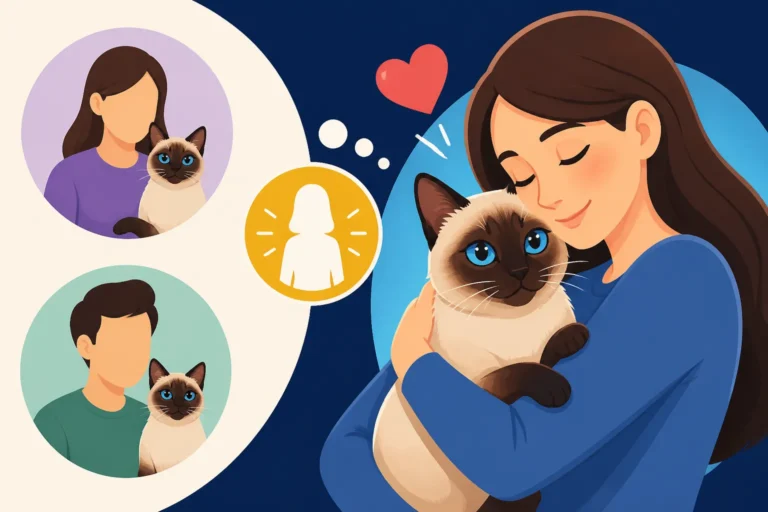
Siamese cats don't just like their people; they bond with them on an incredibly deep level. Many Siamese owners will tell you their cat chooses one or two primary humans and forms an almost exclusive attachment. This isn't to say they don't love everyone in the household, but there's often that one special person they follow from room to room, sleep next to, and confide their every thought to through various vocalizations. When that primary bond is interrupted – perhaps due to a change in work schedule, a vacation, or a family member moving out – the Siamese can experience a profound sense of loss and separation anxiety. They mourn the absence of their chosen person, leading directly to feelings of loneliness.
Behavioral Signs of Loneliness
Observing your Siamese cat's behavior is often the first and most critical step in recognizing loneliness. They are masters of communication, and while their vocalizations are legendary, their actions can speak volumes too.
Excessive Vocalization
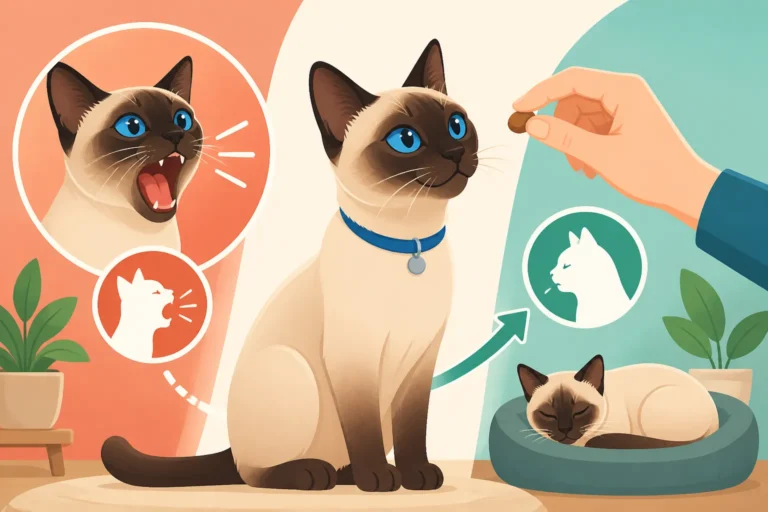
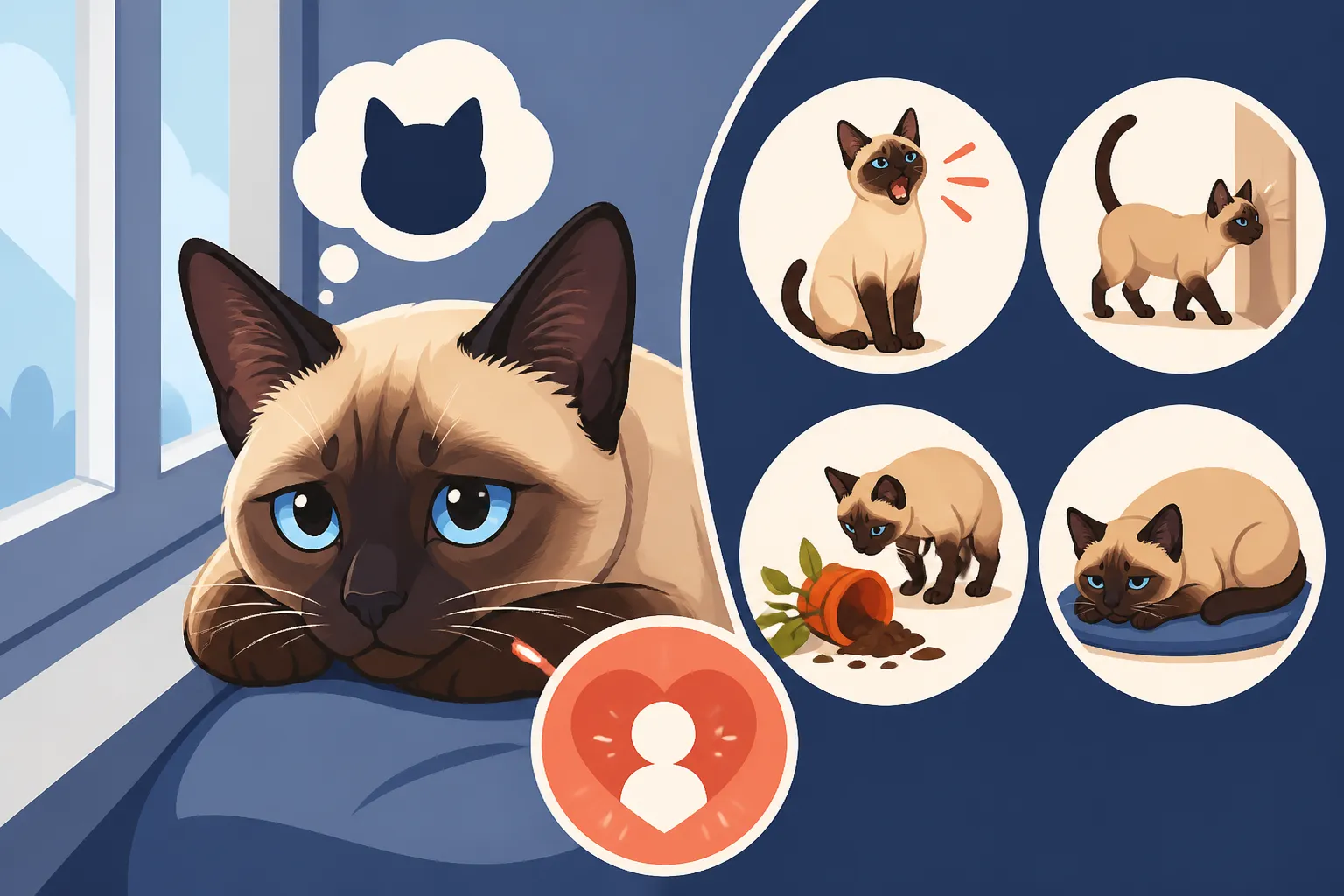
This is often the most obvious sign, especially with a Siamese. We all know What the Siamese Cat's Meezer Yowl Sounds Like – it's distinctive and often quite insistent. However, when a Siamese is lonely, their vocalizations can go into overdrive. You might notice them meowing or yowling more frequently, at all hours, and with an almost plaintive, demanding tone. It's not just their usual chatty self; it's a louder, more desperate call for attention, a continuous lament for their missing companion or stimulation. They might follow you around the house, crying out until you acknowledge them, or yowl incessantly when you leave a room, seemingly unable to cope with even a short separation. This is their way of saying, "Hey, where did you go? I need you!"
Destructive Behavior
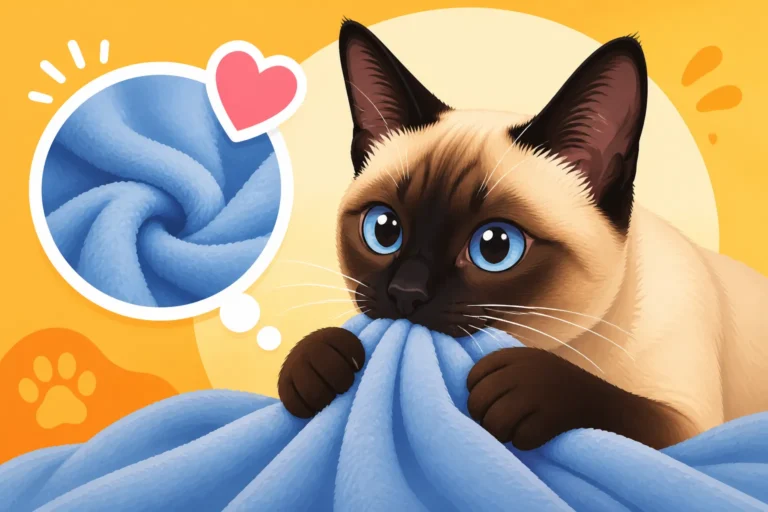
A lonely Siamese cat might redirect their pent-up energy, anxiety, or boredom into destructive habits. This could manifest as excessive scratching of furniture, inappropriate chewing on blankets, clothing, or even electrical cords. What a Bored Siamese Cat Destroys can sometimes be surprising and costly, but it's rarely done out of malice. Sometimes, this destructive urge can even lead to wool sucking or pica, where they chew and sometimes ingest fabrics or other non-food items. This behavior can be a self-soothing mechanism, an attempt to cope with stress or fill the void of loneliness. They're not being "bad"; they're expressing distress in the only way they know how.
Inappropriate Urination or Defecation
This is a deeply frustrating issue for any cat owner, but it's crucial to understand it's almost always a sign of distress, not spite. A lonely Siamese might start urinating or defecating outside their litter box. This could be due to stress, a sudden change in routine, or a desperate attempt to communicate their unhappiness. They might be marking territory because they feel insecure, or perhaps the act itself provides some small, fleeting comfort. Before assuming a behavioral problem, always rule out medical issues with a vet visit, but once those are excluded, consider loneliness and anxiety as prime suspects.
Clinginess and Demanding Attention
When you are home, a lonely Siamese might become overwhelmingly clingy. They might follow you like a shadow from room to room, jump onto your lap the moment you sit down, or constantly rub against your legs, nudging you for pets and interaction. This isn't just their typical affectionate nature; it's an intensified need for reassurance and connection. They might interrupt your tasks, walk across your keyboard, or paw at you relentlessly. While it’s wonderful to feel loved, an extreme level of clinginess can indicate a deeper emotional need stemming from the periods they spend alone.
Withdrawal and Hiding
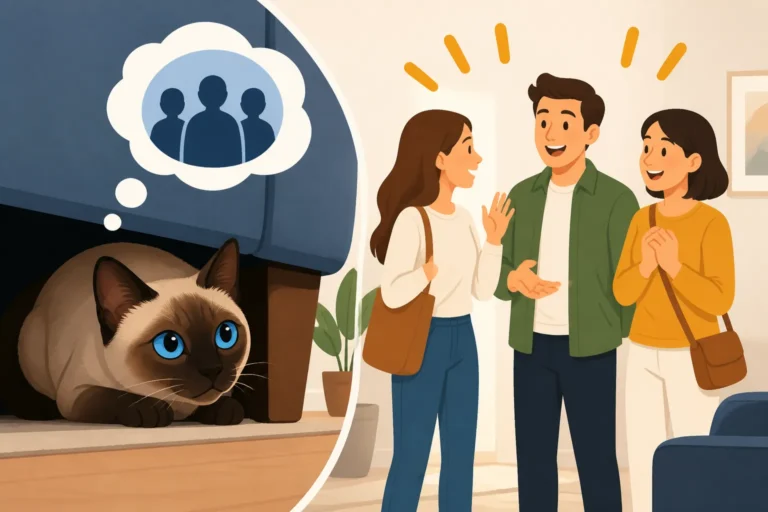
On the flip side, some lonely Siamese cats might react by withdrawing and hiding. Instead of seeking you out, they might become more reclusive, spending much of their time under beds, in closets, or in other secluded spots. They might avoid interaction even when you try to initiate it. This can be a sign of depression or overwhelming anxiety, where they simply don't have the energy or desire to engage. It’s a quiet form of suffering, often harder to spot than excessive meowing, but equally indicative of emotional distress.
Changes in Eating Habits
Loneliness and stress can significantly impact a Siamese cat's appetite. You might notice they suddenly eat much more or much less than usual. Overeating could be a form of comfort eating, or they might be trying to fill a void. Conversely, a loss of appetite could signal depression or anxiety. If your cat’s food bowl is consistently full when you get home, or they’re begging for food constantly, these could be signs that their emotional state is impacting their physical needs. Always consider a vet check for any sudden changes in eating habits, but remember that emotional factors play a huge role.
Physical Manifestations of Loneliness
Beyond behavioral shifts, loneliness and stress can have tangible physical effects on your Siamese cat. These signs are often more subtle but equally important to recognize.
Overgrooming or Psychogenic Alopecia
A highly anxious or lonely Siamese cat might resort to excessive self-grooming. This can manifest as relentless licking, chewing, or pulling out their fur, often concentrating on specific areas like their belly, inner thighs, or paws. This behavior, known as What Psychogenic Alopecia Does to a Siamese Cat, can actually lead to bald patches, skin irritation, and even open sores. The act of licking releases endorphins, providing a temporary sense of calm, but it's a clear indicator of underlying stress and unhappiness. If you notice thin patches or raw skin, it’s a strong signal your cat is struggling.
Lack of Interest in Play
Siamese cats are naturally playful, even into their senior years. If your once-energetic Siamese suddenly shows a marked disinterest in their favorite toys, laser pointers, or interactive play sessions, it could be a sign of loneliness or depression. They might stare blankly at a feather wand, refuse to chase a thrown toy, or simply lie there, seeming listless and uninspired. Their usual zest for life and engagement might be dulled, indicating an emotional slump. This lack of play can also exacerbate their boredom, creating a vicious cycle.
Weight Changes
As mentioned, changes in eating habits can lead to noticeable weight fluctuations. If your Siamese is overeating due to stress, you might see them gain weight, appearing less lean than their typical athletic build. On the other hand, a cat that’s severely stressed or depressed might lose their appetite, resulting in noticeable weight loss. Because Siamese cats tend to be naturally slender, any significant deviation from their healthy weight is a red flag. Regular monitoring of their weight can help you spot these changes early. Why a Siamese Cat Stays So Thin is usually due to their high metabolism, so unexpected weight gain or loss is particularly noteworthy.
Dull Coat
A healthy cat, especially a short-haired breed like the Siamese, typically has a sleek, shiny coat. However, a lonely or depressed Siamese might neglect their grooming routine, or the stress itself might impact their overall health, leading to a dull, unkempt coat. You might notice flakes, mats, or a general lack of luster. While a dull coat can also point to other health issues, when combined with behavioral changes, it can be another physical manifestation of emotional distress. It shows that their usual self-care has taken a back seat to their internal struggles.
Addressing Loneliness in Your Siamese Cat
Once you've identified the signs of loneliness, the good news is there's a lot you can do to help your Siamese feel happier and more secure. It often requires a multi-pronged approach tailored to your cat's specific needs.
Increase Interaction and Playtime
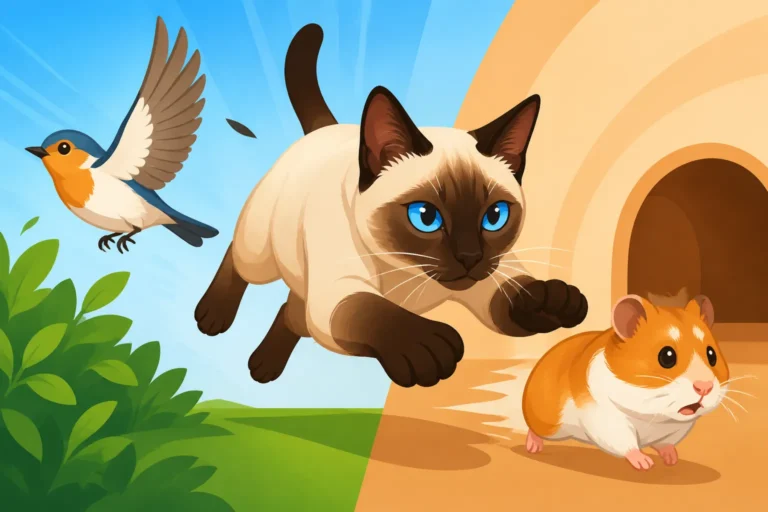
This is paramount for a social breed like the Siamese. Schedule dedicated play sessions at least twice a day, focusing on interactive toys that mimic prey. Think feather wands, fishing pole toys, or even just a crumpled piece of paper that you bat around for them. Make these sessions engaging and allow them to "catch" the toy at the end to satisfy their hunting instincts. Even 15-20 minutes of focused, high-energy play can make a world of difference. Beyond structured play, simply being present and talking to them, acknowledging their presence, and offering gentle pets as you move through your day contributes immensely to their sense of companionship. Remember, A Siamese Cat Will Not Be Ignored, so actively engaging them fulfills a deep need.
Environmental Enrichment
A stimulating environment can go a long way in combating boredom and loneliness. Think vertical space: cat trees, shelves, and window perches give them vantage points and climbing opportunities. Puzzle feeders, readily available on Amazon or at your local pet store, can turn mealtime into a mental game, keeping their clever brains occupied. Rotate toys regularly to keep things fresh, and consider toys that move on their own or dispense treats. Even simply leaving a window open to a bird feeder can provide hours of entertainment. Enrichment for a Siamese Cat That Gets Bored in an Hour is not just a suggestion, it's a necessity for this breed. Look for items on Amazon that encourage exploration and physical activity.
| Intervention Category | Specific Examples | How It Helps with Loneliness |
|---|---|---|
| Increased Interaction | Dedicated play sessions (15-20 mins, 2x daily), regular verbal communication, consistent petting and cuddles | Fulfills their deep need for companionship, strengthens human-cat bond, provides mental & physical exercise. |
| Environmental Enrichment | Cat trees, window perches, puzzle feeders, rotating toys, catio access | Alleviates boredom, provides mental stimulation, offers safe vantage points, mimics hunting behavior. |
| Companionship | Introducing another compatible cat (if appropriate), consistent human presence | Provides constant social interaction, mutual grooming, play, and comfort when humans are absent. |
| Routine & Predictability | Consistent feeding times, play times, litter box cleaning, daily interaction | Reduces anxiety, creates a sense of security, helps them anticipate positive experiences. |
| Health Check-ups | Regular vet visits, bloodwork, dental exams | Rules out underlying medical conditions contributing to behavioral changes, ensures overall well-being. |
Considering a Companion
For some Siamese cats, especially those in single-cat households where owners are often away, a feline companion can be the ultimate solution to loneliness. A Siamese Cat Should Not Live Alone is often advice given by experienced breeders and owners. Another cat, particularly one with a similar energy level and social disposition, can provide constant interaction, play, and comfort. This isn't a replacement for human interaction, but a supplement that fills the gaps. Carefully consider the personality of both cats during introduction, but for many Siamese, the joy of a feline friend is immeasurable. You can often find great deals on companion toys or even additional litter boxes on Amazon to prepare for a new arrival.
Maintaining Routine
Cats, Siamese especially, thrive on routine. Predictability provides a sense of security and reduces anxiety. Try to maintain consistent feeding times, play schedules, and even times for cuddles. If your schedule is erratic, your Siamese might struggle with the uncertainty of when their next interaction will be. A stable daily rhythm helps them feel safe and cared for, mitigating feelings of abandonment. Even small things, like when you clean the litter box or come home from work, can contribute to their sense of order.
Consulting Your Vet
If you've noticed significant changes in your Siamese cat's behavior or physical condition, it's always wise to start with a visit to your veterinarian. Behavioral issues, including those stemming from loneliness, can sometimes mimic or be exacerbated by underlying medical conditions. Your vet can rule out health problems that might be causing discomfort, pain, or changes in appetite or grooming. Once medical causes are excluded, your vet can also offer advice on behavioral interventions, and in some cases, might even suggest anti-anxiety medications or supplements to help your Siamese cope while you implement other strategies. A healthy cat is a happier cat, and ensuring their physical well-being is the foundation of addressing emotional needs.
Disclaimer
This article is for general informational purposes only and does not constitute professional advice. Laws, prices and regulations vary by location and change over time. Consult a qualified professional for guidance on your specific situation.