Whether a Siamese Cat Overgrooms From Stress
It’s truly disheartening to see your beloved Siamese cat constantly licking, chewing, and grooming themselves to the point of hair loss. You might walk in one day and notice a thinning patch on their belly, or worse, a completely bald spot on their leg, and your heart just sinks. You wonder, "Is this stress? Are they unhappy? What on earth can I do?" This pervasive issue, often driven by anxiety or discomfort, leaves many Siamese owners feeling helpless and frustrated. This comprehensive guide is here to shed light on whether a Siamese cat overgrooms from stress, helping you understand the causes, recognize the signs, and explore actionable steps to bring relief to your feline friend.
Understanding Siamese Cat Overgrooming and Stress
The sight of a Siamese cat meticulously grooming themselves is a familiar one, a hallmark of their fastidious nature. But there’s a distinct line between healthy grooming and compulsive, stress-induced overgrooming, also known as psychogenic alopecia. When that line is crossed, it's a clear signal that something isn't right in your cat's world.
What is Psychogenic Alopecia in Siamese Cats?
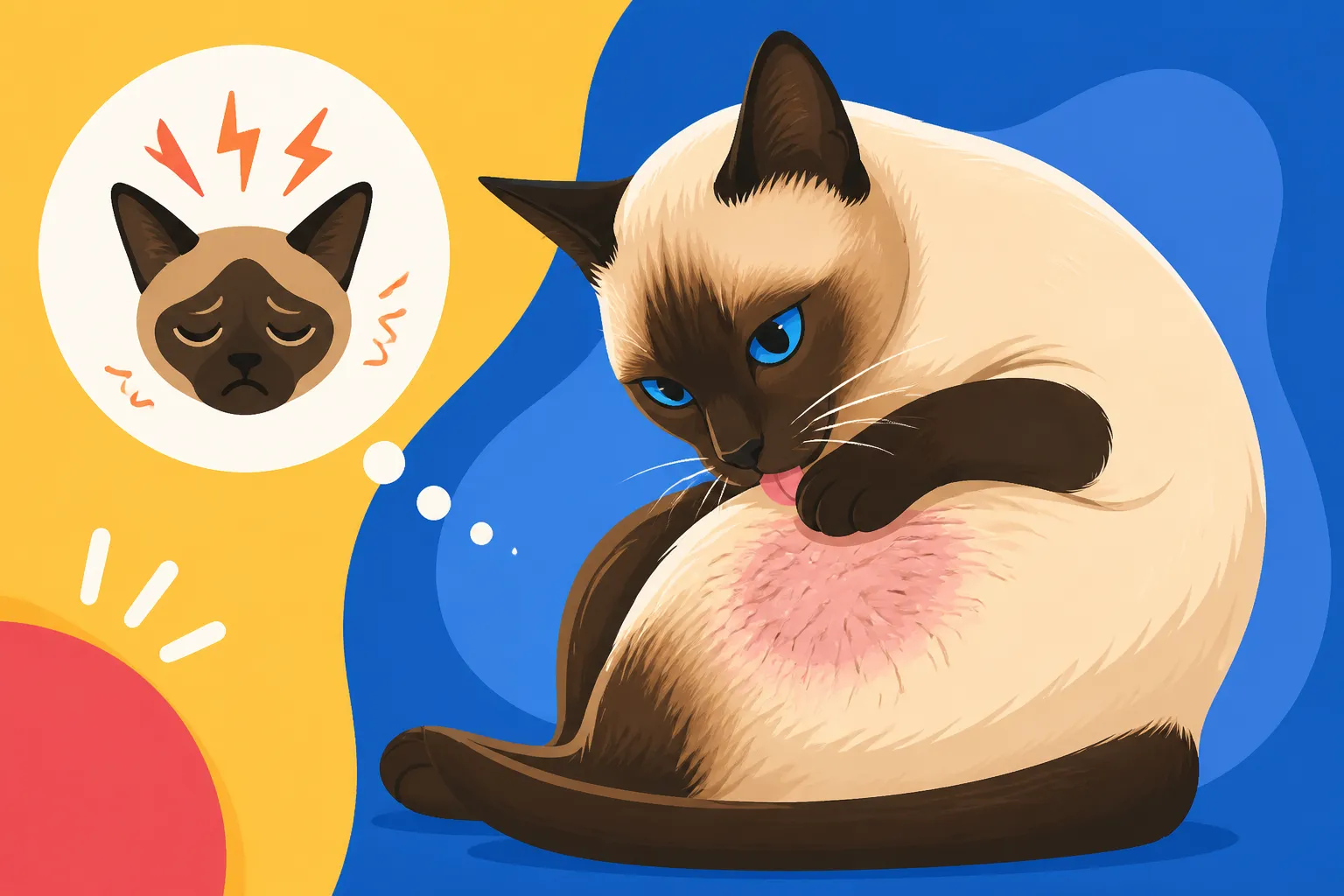
Psychogenic alopecia isn't just a fancy term for hair loss; it describes a behavioral disorder where a cat compulsively licks, chews, and pulls out their own fur, leading to hair thinning or complete baldness in affected areas. Unlike other breeds, Siamese cats are particularly susceptible to this condition. Their intelligent, sensitive, and often high-strung personalities make them more prone to expressing stress through physical behaviors. You might notice the hair loss typically on their abdomen, inner thighs, flanks, or front legs. What starts as a seemingly innocent lick can quickly escalate into a persistent habit, causing significant skin irritation and discomfort. It's a cyclical problem: the more they lick, the more irritated the skin becomes, which in turn can lead to more licking. This isn't just about aesthetics; it's a sign of underlying emotional distress that needs to be addressed. To delve deeper into this specific issue, you might find Psychogenic Alopecia in a Siamese Cat helpful.
The Link Between Stress and Compulsive Licking
For a Siamese cat, stress isn't always obvious. They might not hide under the bed or become aggressive, but they might internalize their feelings, which then manifest physically. Compulsive licking becomes a coping mechanism, a way for them to self-soothe when faced with anxiety, boredom, or frustration. Imagine biting your nails when you're nervous; it's a similar principle. The act of licking releases endorphins, natural feel-good chemicals, which temporarily relieves their stress. This creates a positive feedback loop: stress leads to licking, licking brings temporary relief, and so the behavior is reinforced. This makes it incredibly hard to break the habit once it's established. Understanding this connection is the first step toward helping your Siamese. It’s not about them being naughty or spiteful; it’s about them trying to manage feelings they don't know how else to express.
How to Differentiate Stress-Induced Overgrooming from Medical Issues
This is perhaps the most crucial point for any worried Siamese cat owner: you absolutely cannot assume overgrooming is purely behavioral without a vet visit. Many medical conditions can cause excessive licking, and some of them can be quite serious. Allergies (food, environmental, flea), skin infections (bacterial, fungal), parasites, pain (arthritis, bladder issues), and even hormonal imbalances can all mimic the signs of psychogenic alopecia. If you notice your cat licking themselves bald, the very first step should always be a thorough veterinary examination. Your vet will rule out any physiological causes through physical exams, skin scrapes, blood tests, or allergy trials. Only once medical causes have been excluded can you confidently focus on stress and behavioral interventions. Missing an underlying medical condition could lead to prolonged suffering for your cat, so always, always prioritize that vet check-up. The article Signs a Siamese Cat Is Unwell offers more general indicators of health problems that might be useful to consider.
Common Stressors That Trigger Overgrooming in Siamese Cats
Siamese cats, with their famously intelligent and sensitive personalities, are creatures of habit. Any disruption to their carefully constructed world can be a source of significant stress, potentially leading to overgrooming. Pinpointing these stressors is key to providing relief.
Environmental and Routine Changes
Think about how much a small change in your daily life can throw you off balance. Now imagine how a cat, whose entire existence revolves around consistency and territory, might feel. Major shifts in their environment are huge triggers for stress-induced overgrooming. This could be something as obvious as moving to a new house, which completely uproots their familiar scent markers and safe spaces. But it can also be more subtle: new furniture, redecorating, a change in your work schedule leading to different feeding times, or even a sudden shift in the placement of their litter box or food bowls.
For example, I once had a Siamese, Luna, who started overgrooming her tummy after I repainted the living room. It wasn't the paint fumes (the room was aired out), but the new color and the disruption of her favorite napping spot for a few days that threw her off. She felt like her territory had changed, and it made her incredibly anxious. These changes, no matter how small they seem to us, can be perceived as a threat or an unpredictable element in their lives, leading them to self-soothe through excessive licking. If you're heading back to the office after a period of working from home, this could be a major shift for your cat, and you might find insights in How to Prepare a Siamese Cat for a Return to the Office.
Social Dynamics and Anxiety
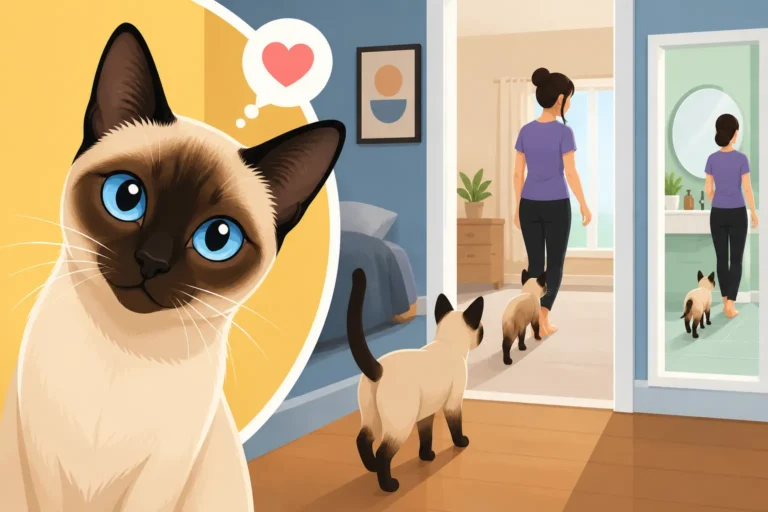
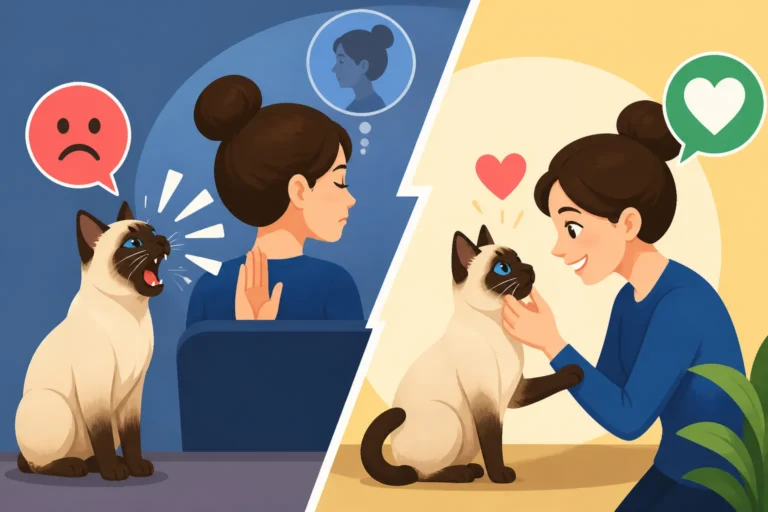
Siamese cats are known for their deep bonds with their human companions, often described as "dog-like" in their loyalty. This intense attachment, while endearing, also makes them particularly susceptible to separation anxiety. If you're suddenly spending more time away from home, your Siamese might begin overgrooming as a way to cope with loneliness or fear of abandonment. They thrive on interaction and being a part of your daily life. A sudden decrease in attention, even if unintentional, can be devastating for them.
Beyond their bond with you, social dynamics with other pets in the household can also cause immense stress. A new cat, a new dog, or even long-standing rivalries can create an atmosphere of tension. One cat might be subtly bullying another, preventing access to resources like food or litter boxes, or simply creating an underlying sense of unease. Even if there are no overt fights, the constant low-level stress of navigating a complex social hierarchy can manifest as overgrooming. Consider if your Siamese is genuinely happy with their companion, or if a second cat truly suits them. Sometimes, even if they seem to tolerate each other, there can be hidden stressors. The internal link Signs a Siamese Cat Is Lonely can provide more detail on how loneliness manifests.
Lack of Enrichment and Boredom
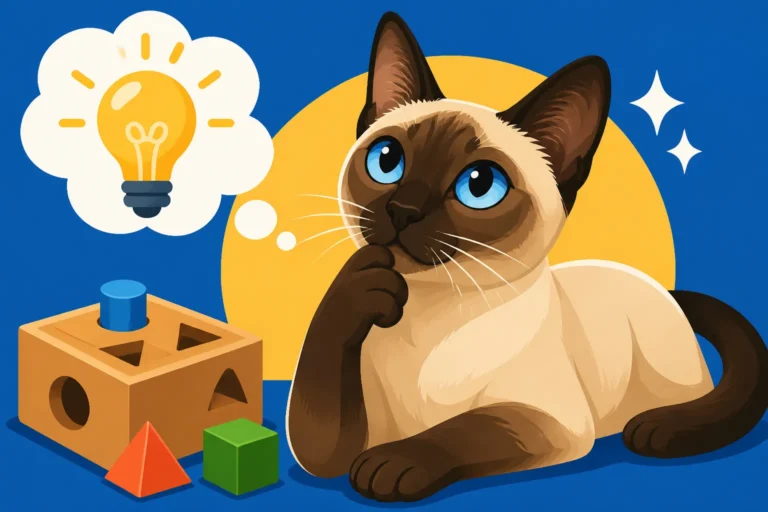
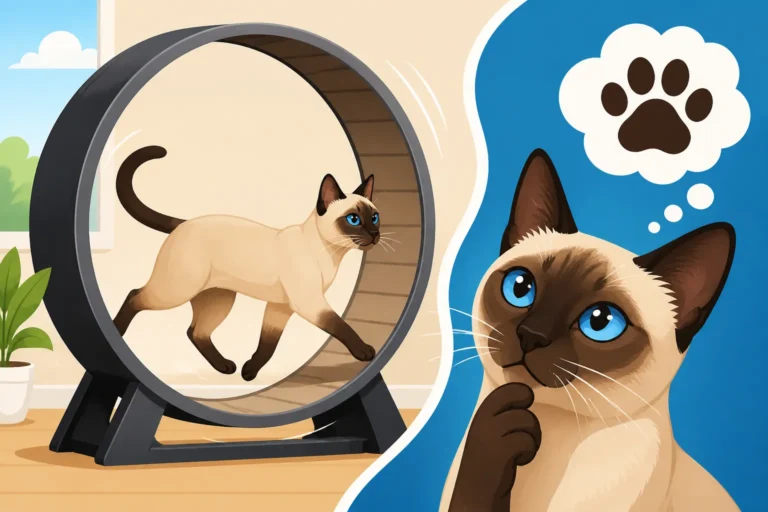
Siamese cats are renowned for their intelligence and high energy. They are not ornamental creatures content to sleep all day. Without adequate mental and physical stimulation, they can become profoundly bored, and boredom can quickly morph into anxiety. An understimulated Siamese is a stressed Siamese. If their days are monotonous, without opportunities to hunt, climb, explore, or interact, they will find ways to occupy themselves, and sometimes, that means turning their energy inward through overgrooming.
This is especially true for indoor-only Siamese cats, who don't have the natural enrichment of the outdoors. You might think, "My cat has toys!" but often, generic toys aren't enough for their sharp minds. They need interactive play, puzzle feeders, climbing structures, and windows with a view. A lack of these outlets can lead to them developing destructive habits, including overgrooming, as a way to burn off pent-up energy or to simply feel something. Providing rich, varied Enrichment for a Siamese Cat That Gets Bored in an Hour is paramount to their well-being and can be a powerful tool in preventing stress-induced behaviors.
Steps to Address Stress-Related Overgrooming
Once your veterinarian has given the all-clear that there are no underlying medical conditions causing your Siamese cat's overgrooming, it's time to become a detective and a compassionate caregiver. Addressing psychogenic alopecia is a multi-faceted approach, often requiring patience and consistency.
Veterinary Assessment is Always First
I cannot stress this enough: before you jump to conclusions about stress, a trip to the vet is absolutely non-negotiable. Your veterinarian needs to rule out every possible medical cause. This isn't just a quick peek; it involves a thorough physical exam, potentially skin scrapings to check for mites, fungal cultures for ringworm, blood tests for systemic issues, and sometimes even allergy testing or a trial diet to eliminate food sensitivities. Some vets might even suggest a biopsy if the skin looks unusual or if simpler tests are inconclusive.
Remember, a Siamese cat can be stoic about pain, so what looks like stress might actually be discomfort from an itchy rash or an aching joint. Don't waste precious time trying to guess. Your vet will systematically eliminate physical causes, giving you the confidence to then focus on the behavioral aspects. This foundational step ensures you're treating the right problem and not overlooking something serious that could be easily managed medically. You might hear the vet mention looking for signs of Dental Disease in a Siamese Cat or other pain points, as even subtle discomfort can lead to overgrooming.
Modifying the Environment and Routine
Once medical issues are out of the way, it's time to look at your cat's environment and daily routine through their eyes. Even small changes can make a big difference for a sensitive Siamese.
Start by ensuring consistency. Cats thrive on predictability. If feeding times, playtime, or even your comings and goings are erratic, try to establish a more stable routine. If you've recently moved or redecorated, dedicate time to making the new space feel like home again. This might involve scent marking by rubbing a cloth on your cat's cheeks and then wiping it on furniture at their height, or providing familiar comfort items.
Consider ways to reduce sensory overload. If your home is often noisy or bustling, create a quiet, safe haven where your Siamese can retreat. This could be a high perch, a cozy box in a seldom-used room, or a dedicated cat tree. Some cats benefit from pheromone diffusers, like Feliway, which emit calming synthetic feline facial pheromones that help reduce stress and anxiety. These are widely available, and you can often find starter kits and refills on platforms like Amazon.
Finally, evaluate resource availability. Does your cat have easy access to multiple litter boxes (the general rule is one per cat, plus one extra, and don't forget Which Litter Box Suits a Siamese Cat), fresh water (a water fountain from Amazon might entice them to drink more), and food bowls in quiet, safe locations? Ensure their scratching posts are sturdy and appealing, offering a proper outlet for their natural instincts.
Behavioral Support and Enrichment
For an intelligent and energetic Siamese, mental and physical enrichment is not a luxury; it's a necessity. A bored Siamese is a stressed Siamese.
- Interactive Play: Dedicate at least two to three short, intense play sessions daily. Use wand toys that mimic prey, allowing them to stalk, chase, and "kill." This fulfills their innate hunting drive. Put away toys after playtime to keep them novel and exciting.
- Puzzle Feeders: Instead of just putting food in a bowl, make them work for it. Puzzle feeders (you can find a huge variety on Amazon) are excellent for mental stimulation and slow down eating, which can be beneficial. This keeps their minds engaged and reduces boredom during your absence.
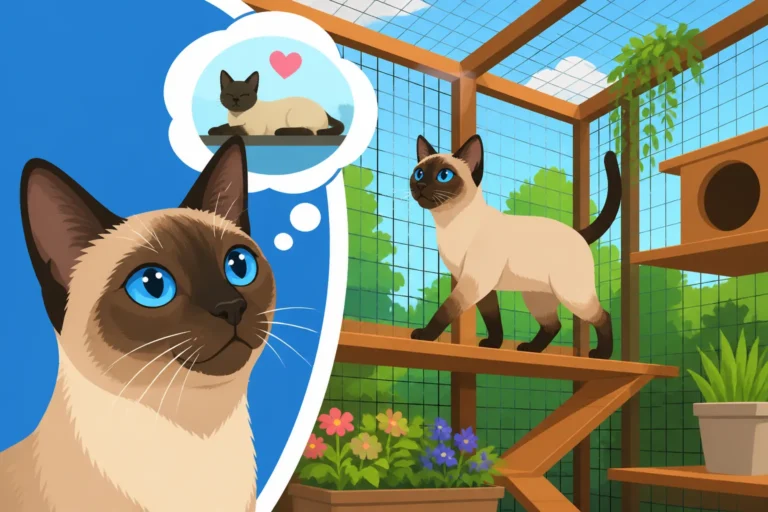
- Vertical Space: Siamese cats love to climb and observe from high vantage points. Invest in tall cat trees, shelves, or wall-mounted perches. This gives them a sense of security and control over their environment, crucial for reducing anxiety.
- Window Perches: A secure window perch offering a view of birds or squirrels can provide hours of entertainment and mental engagement, transforming a boring window into a feline cinema.
- Comfort and Affection: While some cats prefer their space, Siamese often crave interaction. Regular petting, gentle grooming (by you, not them excessively!), and lap time can strengthen your bond and provide comfort. Just be mindful not to reinforce the licking behavior by giving attention only when they're licking. Instead, try to distract them with play or affection before the compulsive licking starts.
If you suspect loneliness is a factor, especially if your cat is left alone for long hours, you might consider if Whether a Siamese Cat Is Happier in a Pair applies to your situation. Sometimes, a compatible feline companion can provide the social interaction needed to alleviate stress.
When Medical Intervention is Necessary
Even after you've thoroughly addressed environmental and behavioral factors, some Siamese cats might still struggle with severe anxiety that manifests as overgrooming. In these cases, your veterinarian might discuss the possibility of anti-anxiety medication. This isn't a first resort, but rather a tool used in conjunction with behavioral modification to help break the cycle of stress and compulsive behavior.
Medications like selective serotonin reuptake inhibitors (SSRIs) or tricyclic antidepressants (TCAs), typically prescribed in feline-friendly doses, can help regulate your cat's mood and reduce their overall anxiety levels. The goal is not to sedate them, but to lower their anxiety enough so that they can learn new, healthier coping mechanisms and respond better to environmental changes and enrichment. These medications are almost always prescribed for a trial period and are gradually tapered off once the cat's behavior has improved and stabilized. Your vet will guide you through the process, monitoring for side effects and adjusting dosages as needed. It's about finding the right balance to give your beloved Siamese the best quality of life. The article How Psychogenic Alopecia in a Siamese Cat Is Treated offers more detailed information on various approaches, including medical interventions.
Living with a Siamese Cat Prone to Stress Overgrooming
Welcoming a Siamese cat into your life is an absolute joy, but it also comes with the responsibility of understanding their unique needs and sensitivities. If your Siamese has shown a propensity for overgrooming due to stress, it’s not a one-time fix; it’s an ongoing commitment to their well-being. Think of it as managing a chronic condition that requires constant vigilance and proactive care.
Firstly, you become an expert observer. You’ll learn to recognize the subtle cues that signal your Siamese is starting to feel anxious before the compulsive licking begins. Is there a new, unfamiliar sound outside? Has your routine shifted slightly? Are they reacting differently to the other pets? Paying attention to these early warning signs allows you to intervene with comfort, distraction, or increased play before the overgrooming escalates. This might involve a special treat, a calming play session with their favorite wand toy, or simply some quiet lap time to reassure them.
Secondly, maintaining a consistent and enriched environment becomes a cornerstone of their care. This means regularly rotating toys, perhaps introducing new puzzle feeders from Amazon, ensuring their climbing structures are accessible, and making sure their safe spaces remain undisturbed. It also means being mindful of changes in the household. If you anticipate guests, a renovation, or even just a busy week, prepare your Siamese in advance by providing extra comfort, sticking to routines as much as possible, and potentially using pheromone diffusers.
Finally, patience and empathy are your greatest allies. It can be frustrating to see the bald patches return or to feel like you're constantly battling their anxiety. But remember, your Siamese isn't doing this to annoy you; they're genuinely struggling. Their overgrooming is a cry for help. With consistent effort, a strong partnership with your veterinarian, and a deep understanding of their emotional landscape, you can help your sensitive Siamese cat live a calm, happy, and well-furred life. And yes, Whether a Siamese Cat's Bald Patch Grows Back is a common question, and with the right approach, it absolutely can.
Disclaimer
This article is for general informational purposes only and does not constitute professional advice. Laws, prices and regulations vary by location and change over time. Consult a qualified professional for guidance on your specific situation.