How to Stop a Siamese Cat Waking You
There's nothing quite like the unique bond you share with your Siamese cat, is there? They're incredibly smart, ridiculously charming, and, let's be honest, often the boss of the house. But one of the most persistent frustrations many Siamese owners face is the relentless early morning wake-up call, often a loud, insistent yowl that slices through your peaceful slumber. This guide is dedicated to helping you understand why your vocal companion feels the need to rouse you before the sun, and more importantly, what you can realistically do to reclaim your restful nights.
The Early Morning Serenade: Why Your Siamese Is Waking You Up
Waking up to a furry alarm clock might sound charming in theory, but when it's 3 AM and your Siamese is performing their rendition of "Feed Me Now" directly into your ear, it quickly loses its appeal. It's easy to feel like they're doing it just to be annoying, but often, there are very understandable reasons behind their insistent pleas. Unpacking these reasons is the first step toward a more peaceful morning.
The Siamese Cat's Circadian Rhythm and Your Sleep Cycle
Let's face it, our cats operate on a different schedule than we do. While we're built for a largely diurnal existence, meaning we're active during the day and sleep at night, our feline friends, including our beloved Siamese, are often crepuscular. This means they are naturally most active at dawn and dusk. Think about it: in the wild, these are prime hunting times. Their instincts are telling them that as the first light breaks or as evening descends, it's time to be alert, explore, and maybe even find a meal.
This fundamental difference in biological clocks creates a natural clash with our human desire for an uninterrupted eight hours. Your Siamese isn't trying to be malicious when they decide 4:30 AM is an excellent time for zoomies, a deep conversation, or a demanding scratch at your bedroom door. To them, it's just the start of their most active period. If you've ever thought, "Why is my Siamese cat so loud in the morning?" or wondered How Often a Siamese Cat Meows at Night, this natural rhythm is a huge part of the answer. They're simply following millions of years of evolutionary programming that says, "Go time!" when you're still in dreamland. Understanding this helps us approach the problem with more empathy and less frustration.
The Universal Call of Hunger or Thirst
Perhaps the most straightforward and common reason for those early morning disruptions is simply that your Siamese cat is hungry or thirsty. These intelligent creatures are quick learners, and they've likely figured out that a persistent, loud meow, a determined paw to the face, or a strategically placed head-bonk on your sleeping form will eventually lead to you getting up and filling their bowl. We, as doting pet parents, often reinforce this behavior without even realizing it. You give in "just this once" because you're desperate for sleep, and in their minds, you've just confirmed that their vocal tactics work.
Siamese cats, with their lean, energetic builds, often have efficient metabolisms and can genuinely feel hungry or thirsty earlier than you might expect. If their last meal was at 6 PM, by 4 AM, they might feel ready for breakfast. They also rely on you for fresh water, and if their bowl is empty or stale, they'll certainly let you know. Establishing a clear understanding of when food and water are available, and breaking the direct link between your waking up and their immediate gratification, is crucial. If you've ever heard the distinctive What a Siamese Cat's Yowl Means, sometimes it's literally just "feed me, human!"
A Need for Attention and Interactive Play
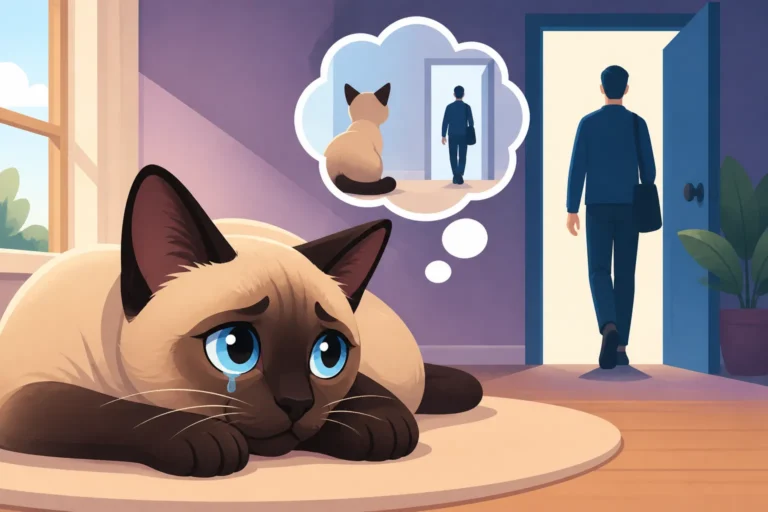
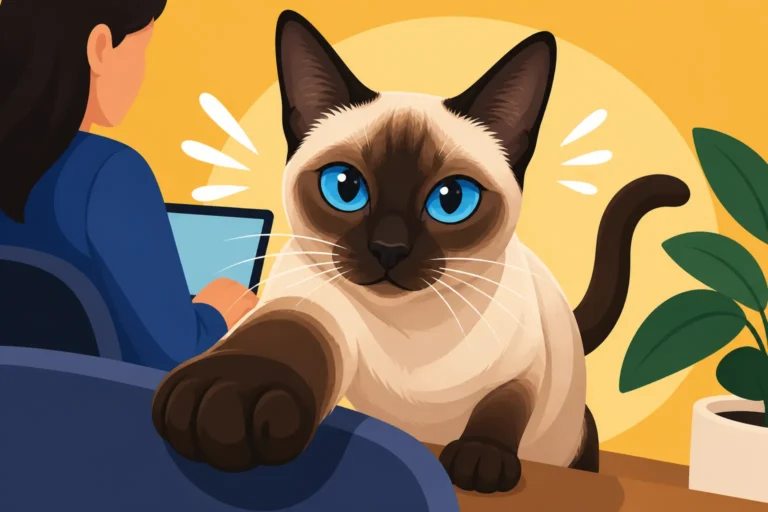
Beyond the basic needs of food and water, Siamese cats are notorious for their demanding and highly social personalities. They don't just coexist with you; they want to interact with you. If your cat isn't getting enough mental stimulation, physical exercise, or plain old human companionship during their waking hours, they might decide to make up for it by waking you up. Think of it as their way of saying, "Hey, you're awake now, let's play!" or "I'm bored, entertain me!"
A bored Siamese is often a vocal Siamese, and a sleeping human is a prime, captive audience for their engagement strategies. They might bat at your hair, chew on your toes, or perform acrobatics on your dresser, all in an effort to get your attention. They thrive on interaction, and if they've spent too much time alone during the day or didn't have a good, energetic play session before you went to bed, they'll be bursting with energy and a desire to connect when their internal clock says it's prime time. This isn't just about their physical energy; their keen intelligence also needs an outlet.
Investigating Potential Medical Concerns
While most early morning wake-up calls from your Siamese are purely behavioral, a sudden or significant change in their nighttime habits should always prompt a closer look at their health. Cats are incredibly stoic animals, often masters at hiding pain or discomfort, and increased vocalization, restlessness, or unusual litter box behavior can sometimes be their subtle way of telling you something is amiss. It's easy to assume they're just being a pest, but a truly distressed cat will often act out of character.
If your usually quiet Siamese suddenly starts yowling loudly at night, or if their vocalizations sound more pained or frantic than demanding, it's time to consider a vet visit. Other accompanying symptoms might include changes in appetite, increased thirst, more frequent trips to the litter box, difficulty moving, or even just a general "off" feeling. Conditions like hyperthyroidism, dental pain, kidney disease, or even simple arthritis can manifest as nighttime restlessness and increased vocalization. Checking out Signs a Siamese Cat Is Unwell can give you a good overview of what to look for. It's always better to rule out a medical issue first, ensuring your beloved companion isn't suffering in silence while you're trying to sleep.
Strategies for a More Peaceful Night's Sleep
Okay, now that we understand some of the "whys," let's talk about the "hows." The good news is that with a bit of patience, consistency, and a few clever strategies, you absolutely can shift your Siamese cat's routine and minimize those jarring nocturnal disturbances. It's about setting boundaries and meeting their needs in a way that respects both your sleep and their instincts.
Establishing a Predictable Daily Routine
Consistency, consistency, consistency! When it comes to managing a Siamese cat's behavior, especially their sleep-wake cycles, a predictable routine is your secret weapon. These intelligent creatures thrive on structure, and creating a regular schedule for feeding, playtime, and even quiet time can help reset their internal clock to better align with yours. Imagine trying to explain daylight saving time to a cat; it's easier to just adjust their world around yours gradually.
This means sticking to specific times for meals, interactive play, and even a "bedtime" winding-down routine. If they know when to expect food and play, they're less likely to create their own schedule (which inevitably involves waking you up). For example, try to feed them at consistent times, rather than when they demand it. A late-evening meal can help them feel full through the night. Consider linking this with How to Quiet a Siamese Cat or How to Train a Siamese Cat to Meow Less, as routine is foundational to both. Over time, this predictability will help manage their expectations, reducing the need for them to "remind" you it's time for something.
Maximizing Play and Enrichment During Waking Hours
A tired cat is a quiet cat – this adage is especially true for the high-energy, highly intelligent Siamese. Ensuring your cat gets ample physical and mental stimulation throughout the day, and critically, a dedicated play session right before your bedtime, can make a world of difference. They need to burn off that boundless energy and engage their sharp minds.
Invest in interactive toys, like feather wands or laser pointers (used responsibly, never ending with frustration), that encourage them to run, jump, and "hunt." Puzzle feeders are fantastic for mental enrichment, forcing them to "work" for their food rather than just gobbling it down. You can find a huge variety of these on platforms like Amazon, offering everything from simple treat balls to complex multi-stage puzzles. Dedicate at least 15-20 minutes, twice a day, to vigorous, interactive play, with one of those sessions ending close to your bedtime. A good workout will leave them physically and mentally satisfied, making them far more inclined to sleep soundly through the night. This is also key for Enrichment for a Siamese Cat That Gets Bored in an Hour.
Intelligent Feeding and Hydration Solutions
The timing and method of feeding your Siamese cat can be a game-changer for those early morning wake-up calls. As we discussed, hunger is a big motivator. To combat this, consider moving a significant portion of their daily food intake to a meal closer to your bedtime. This helps ensure they feel full and content throughout the night, reducing the likelihood of them seeking sustenance from you at ungodly hours.
Automatic feeders are another excellent tool, and again, Amazon offers a wide selection. By using a timed feeder, you decouple feeding time from your presence. Your cat learns that the food appears at specific times, not because they woke you up, but because the machine delivers it. This breaks the powerful association between your waking and their meal. Make sure their water bowl is always full and fresh, perhaps even investing in a feline water fountain (many available on Amazon) which encourages hydration and keeps water circulating, often making it more appealing. This can help with their natural thirst cycle without them needing to nudge you.
Optimizing Your Home Environment for Nighttime Calm
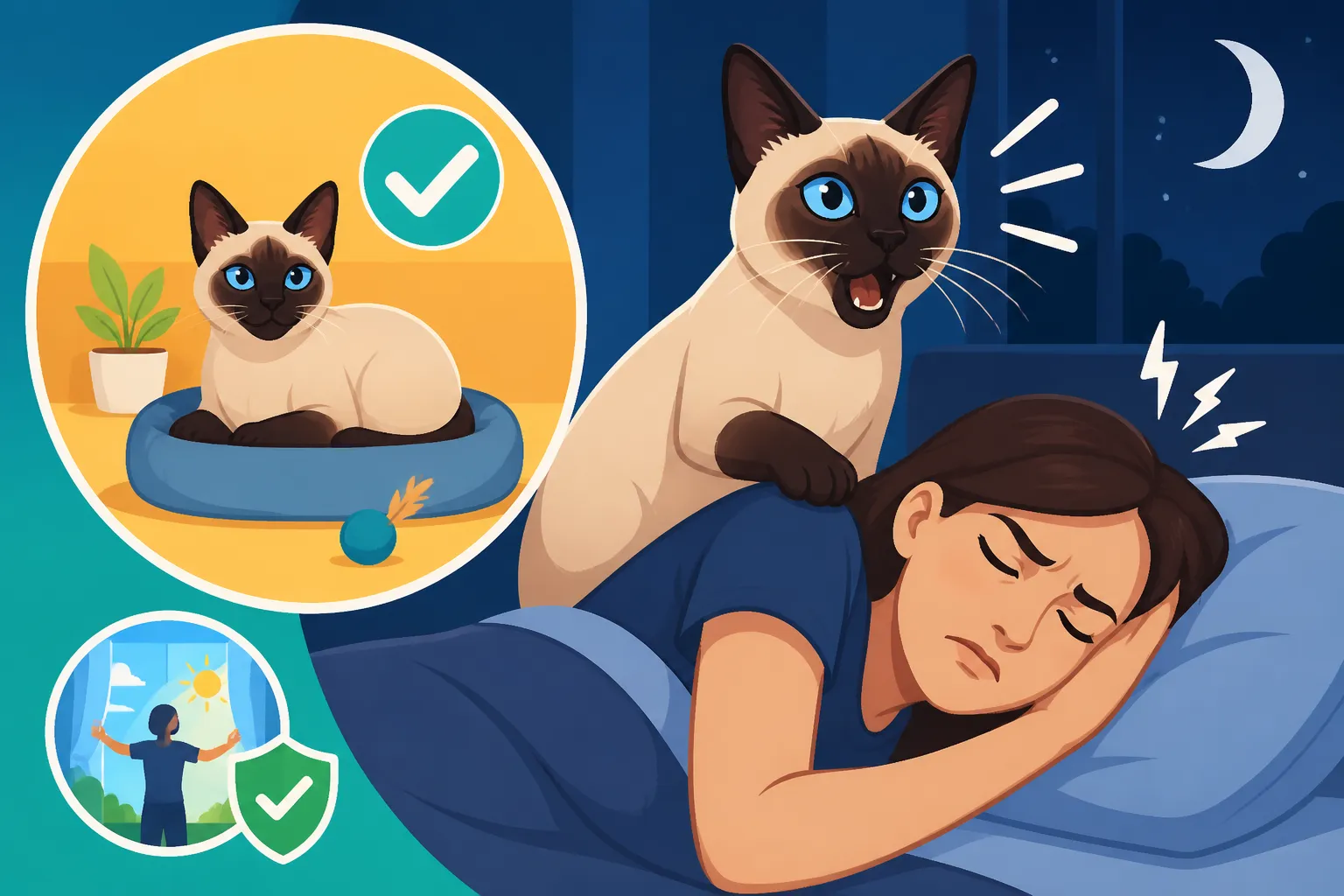
Your home environment plays a significant role in how well your Siamese cat sleeps and whether they feel the urge to wake you. Consider what might be triggering their instincts or making them restless. Do they have warm, comfortable sleeping spots available throughout the house, especially in quiet, secure areas? A heated cat bed (also readily available on Amazon) can be a real luxury for a Siamese, as they tend to feel the cold more easily due to their short coats and lack of undercoat.
Minimize external stimuli that might trigger their crepuscular instincts. Blackout curtains can help block out the first hints of dawn, which might signal "go time" to your cat. Provide engaging distractions away from your bedroom, such as a cat tree near a window or a puzzle toy left in the living room, in case they do wake up and need something to do besides bother you. For some highly social Siamese, especially if they are the only pet, loneliness can be a factor. While not a quick fix, considering Whether a Siamese Cat Needs a Companion Cat could be a long-term solution for mental and social stimulation.
What NOT to Do When Woken Up
This is arguably the hardest part, because when you're half-asleep and your cat is being insistent, every fiber of your being screams to just make it stop. However, certain responses, no matter how well-intentioned, can actually make the problem much, much worse. This section is about understanding those common pitfalls and resisting the urge to fall into them.
Responding Reinforces the Behavior
This is the golden rule of managing unwanted cat behavior, and it's brutally difficult to implement: do not respond. Every single time you give in to your Siamese cat's early morning demands – whether it's feeding them, petting them, speaking to them, or even just rolling over and groaning – you are, in their brilliant feline minds, teaching them that their tactics work. Even negative attention is still attention, and for a social Siamese, any attention is often better than none.
The concept at play here is called intermittent reinforcement. If your cat knows that sometimes their meows get them food, they will try even harder and longer next time. It's like a slot machine: if you win sometimes, you keep pulling the lever. By responding, you're not just giving them what they want in that moment; you're actively training them to be more persistent. This is where topics like Whether Ignoring a Siamese Cat's Meowing Works become crucial. It takes immense willpower and consistency, but ignoring the behavior completely is the most effective way to extinguish it.
The Temptation of "Just Five More Minutes"
We've all been there: the insistent meowing starts, you groggily think, "Just five more minutes," you get up, feed them, maybe give a quick head scratch, and then stumble back to bed, hoping for a sliver more sleep. The problem? That fleeting peace comes at a significant cost to your long-term sanity. By giving in, even for what feels like a short, desperate compromise, you're actually reinforcing the behavior more powerfully than if you responded immediately.
Your cat learns that persistence pays off. If they have to meow for ten minutes before you get up, they'll learn to meow for ten minutes. If you always give in after five, they'll learn to push for five. This makes breaking the habit even harder because they now have a higher "expectation" of how long they need to try before you cave. It's a tough cycle to break, and it requires a strong commitment to your new routine. Think of that "just five more minutes" as a setback that could undo days or even weeks of consistent effort.
Punishing Your Cat (And Why It Doesn't Work)
It's utterly frustrating to be woken up, especially day after day, and the temptation to scold, spray with water, or even lock your cat out of the bedroom can be high. However, punishing your Siamese cat for their natural behaviors will not solve the problem and will likely cause more harm than good. Cats don't understand punishment in the way humans do. They won't connect your anger to their early morning meow; instead, they'll associate your presence with fear or anxiety.
Yelling at them, squirting them with water, or isolating them will only make them fearful of you, damage your bond, and potentially lead to other behavioral issues like hiding, anxiety-related spraying, or over-grooming (psychogenic alopecia). Instead of stopping the unwanted behavior, you'll simply teach them to be fearful or to engage in the behavior when you're not around. Positive reinforcement and redirection are always the most effective and humane strategies. You want your cat to associate you with good things, not with being startled or scolded.
When Professional Help Is Needed
Sometimes, despite your best efforts, unwavering consistency, and a deep understanding of feline behavior, the early morning disruptions persist or, worse, become more problematic. It's important to recognize when the issue might be beyond standard behavioral modification and when it's time to seek expert guidance. Don't feel like a failure if you reach this point; some cats have complex needs that require a professional touch.
Sudden Changes, Increased Vocalization, or New Habits
If your Siamese cat's nighttime waking is a relatively new phenomenon, or if their vocalizations have suddenly become excessive, frantic, or accompanied by other unusual behaviors, it's always prudent to rule out underlying medical issues first. As we mentioned, cats are creatures of habit, and significant shifts in their behavior often signal something more than just a desire for breakfast. For example, a normally quiet cat who suddenly starts yowling loudly could be in pain or experiencing cognitive decline if they are older.
Observe your cat closely for any other changes: are they eating less or more? Drinking more? Using the litter box differently? Are there any visible signs of discomfort or distress? A visit to your veterinarian for a thorough check-up is the absolute first step. They can perform diagnostic tests to ensure there's no hidden health problem contributing to their nighttime restlessness. A clear bill of health from the vet allows you to confidently move forward with behavioral interventions. What a Siamese Cat's Yowl Means can truly vary, and a vet can help distinguish.
Suspecting Pain or Discomfort
It bears repeating: cats are incredibly good at masking pain. If your Siamese is unusually restless at night, seems uncomfortable, is constantly shifting positions, or is vocalizing in a way that sounds distressed rather than simply demanding, they might be experiencing pain. This could be anything from dental issues (which are common in Siamese cats) to arthritis, an injury, or an internal ailment.
Subtle cues that might indicate discomfort include changes in gait, reluctance to jump, excessive licking of a particular area, or even just a general "grumpy" demeanor. If you notice any of these alongside the nighttime waking, don't delay in seeking veterinary attention. Your vet can conduct a comprehensive physical exam and potentially recommend further diagnostics to pinpoint any underlying health problems. Addressing their pain will not only improve their quality of life but will likely resolve the nighttime issues as well.
Engaging with a Certified Feline Behaviorist
If your veterinarian has given your Siamese a clean bill of health, and you've diligently and consistently applied all the behavioral strategies without significant success, it might be time to bring in a professional feline behaviorist. These experts have specialized knowledge in cat behavior and can offer insights you might miss as a dedicated owner. They can provide a fresh perspective and help you uncover subtle triggers or dynamics in your household that might be contributing to the problem.
A certified feline behaviorist will typically start with a detailed history of your cat's behavior, your household routine, and your environment. They may even observe your cat in their home setting. Based on their assessment, they can develop a tailored plan that goes beyond general advice, offering specific techniques and strategies designed for your unique Siamese and your family's lifestyle. They can provide advanced techniques, implement specific counter-conditioning plans, and even help you understand if your Siamese is experiencing anxiety or other complex emotional states that contribute to the nighttime disturbances. Their expertise can be invaluable in helping both you and your Siamese find a peaceful, coexisting rhythm.
Patience and consistency truly are your best friends when trying to stop a Siamese cat from waking you up. It's not an overnight fix, and there will be times when you feel like throwing in the towel. But by understanding their natural inclinations, meeting their needs proactively, and steadfastly refusing to reward unwanted behavior, you can gently guide your vocal companion toward a schedule that allows everyone in the house to enjoy a full night's rest. You've got this!
Disclaimer
This article is for general informational purposes only and does not constitute professional advice. Laws, prices and regulations vary by location and change over time. Consult a qualified professional for guidance on your specific situation.