Whether Ignoring a Siamese Cat’s Meowing Works
The ceaseless meowing of a Siamese cat can sometimes feel like a personal challenge, pushing the boundaries of patience for even the most devoted cat parent. When your typically talkative Meezer takes vocalizations to an entirely new level, it's natural to wonder if simply ignoring them might be the secret to peace and quiet. This guide will dive deep into whether ignoring a Siamese cat's meowing actually works, exploring the nuances of their vocal nature and offering more effective strategies to manage their communication.
Understanding the Siamese Cat's Vocal Nature
Before we even consider strategies, it’s crucial to understand why Siamese cats are such renowned chatterboxes. They aren't just making noise; they are communicating, often quite eloquently, about their world and their needs.
Why Siamese Cats Are So Vocal in the First Place
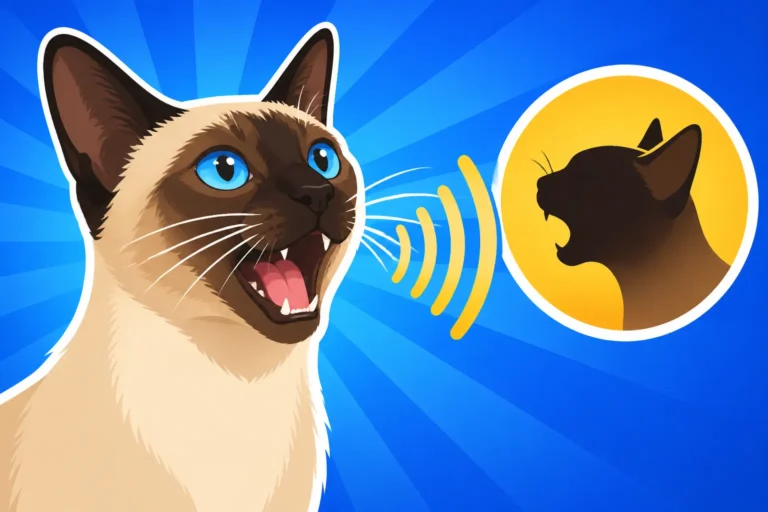
Siamese cats are often described as the "dogs of the cat world," and part of that reputation comes from their incredibly social and vocal nature. Unlike some more reserved breeds, a Siamese thrives on interaction and sees themselves as an integral, vocal member of your family unit. They have a vast vocabulary, ranging from soft trills and chirps to the distinctive, often loud, "Meezer yowl" that many owners quickly learn to recognize. This isn't a flaw in their personality; it's a fundamental part of their breed's identity. They evolved to communicate, and they are very good at it!
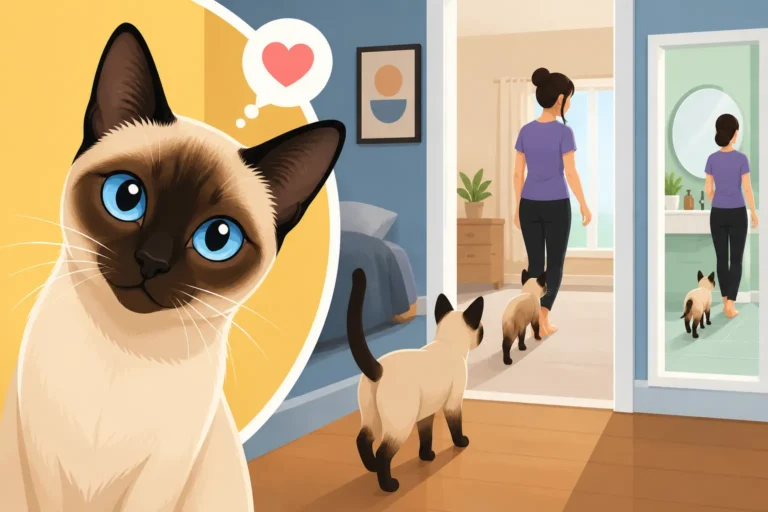
Think of it this way: your Siamese isn't just meowing; they're having a conversation, asking questions, making demands, or simply narrating their day. They want to know what you're doing, where you're going, and why you aren't paying attention to them at this precise moment. Their strong bond with humans means they treat you like another cat in their colony, and in a cat colony, constant communication is key to survival and social cohesion. To a Siamese, silence might just mean you're not listening, or worse, that you're not there at all! You can learn more about their unique sounds in What the Siamese Cat's Meezer Yowl Sounds Like and Why a Siamese Cat Meows So Much.
Common Reasons Behind Excessive Meowing
While it might feel like your Siamese just loves to hear themselves talk, there's usually a specific reason behind their vocalizations. Pinpointing the "why" is the first step to addressing the "how."
One of the most common reasons for incessant meowing is, simply, attention-seeking. Siamese cats crave interaction, and if they feel neglected or bored, they will often try to "talk" you into engaging with them. This could manifest as meowing while you're on the phone, trying to work, or even just relaxing on the couch. They're basically saying, "Hey, human, I'm here! And I'm fabulous! Acknowledge me!"
Beyond attention, there are more practical reasons. Hunger or thirst is a classic. Many Siamese cats will vocally remind you if their food bowl is anything less than full, or if their water fountain is running low. Sometimes, it's a call for playtime – a Siamese cat with pent-up energy will often vocalize their desire for a good hunt-and-pounce session. Pain or discomfort can also cause increased meowing, though this might be accompanied by changes in behavior or body language. An older Siamese might start meowing more due to declining hearing, cognitive dysfunction, or even health issues like hyperthyroidism or kidney disease. It's always a good idea to consider health if the vocalization is new or significantly increased. You might find this helpful: When a Siamese Cat's Meowing Means Pain and Why an Old Siamese Cat Yowls More.
The Theory Behind Ignoring Undesired Behavior
The idea of ignoring a cat's meowing stems from basic behavioral psychology, often called extinction. The premise is that if a behavior no longer yields a desired result (like attention or food), the animal will eventually stop performing it.
How Extinction Bursts Work in Cats
When you decide to ignore a behavior that your Siamese has learned will get them what they want, you're essentially trying to extinguish that behavior. However, it's rarely a straight line to silence. What often happens first is something called an "extinction burst." Imagine your Siamese has learned that meowing loudly will eventually get you to respond. If you suddenly stop responding, their initial reaction isn't to give up; it's to try harder.
They'll meow louder, more frequently, or perhaps try different tactics altogether, like pawing at you, jumping on counters, or even more persistent yowling. This escalation is the extinction burst, and it can be incredibly challenging for owners. It feels like the problem is getting worse, not better, and this is where many people give up, inadvertently teaching their cat that if they just try even harder, they will eventually get a response. Consistency is key here; if you give in during the burst, you've just reinforced the most intense version of the behavior.
When Ignoring Might Be Appropriate
In very specific, carefully managed situations, ignoring might play a small part in a broader behavioral plan. This is primarily when you are absolutely certain the meowing is solely for attention and all other needs are met. For example, if your Siamese is well-fed, watered, has a clean litter box, has had plenty of play, and has been recently checked by a vet, and they still start up with a persistent yowl while you're trying to read, then ignoring the vocalization for a short, consistent period might be considered.
The key is "short, consistent period" and "purely for attention." This is a tricky balance. You might choose to ignore them for a minute or two, waiting for a brief moment of silence, and then reward that silence with attention. The goal isn't to ignore the cat, but to ignore only the meowing behavior and reward the absence of it. However, this is incredibly difficult to implement effectively with a Siamese, as their determination is legendary, and their emotional response to being ignored can be counterproductive.
The Pitfalls and Risks of Ignoring a Siamese Cat
While the theory of extinction bursts sounds logical, applying it to a highly intelligent, social, and sensitive Siamese cat often leads to more problems than solutions.
The Emotional Toll on Both Cat and Owner
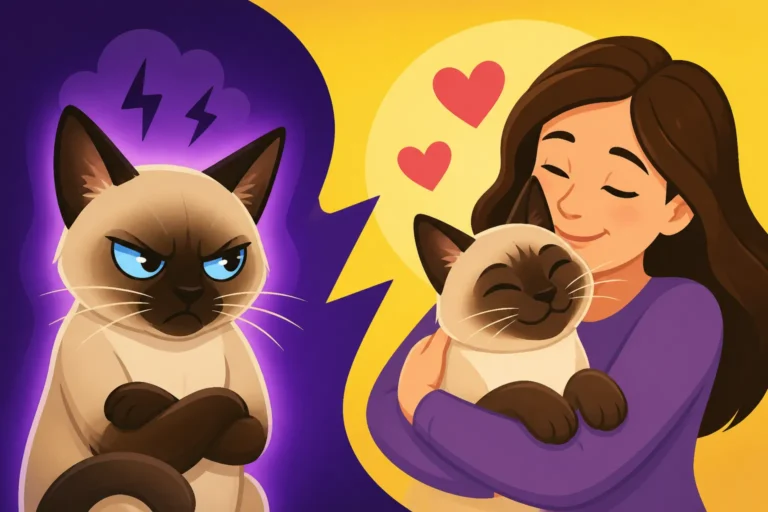
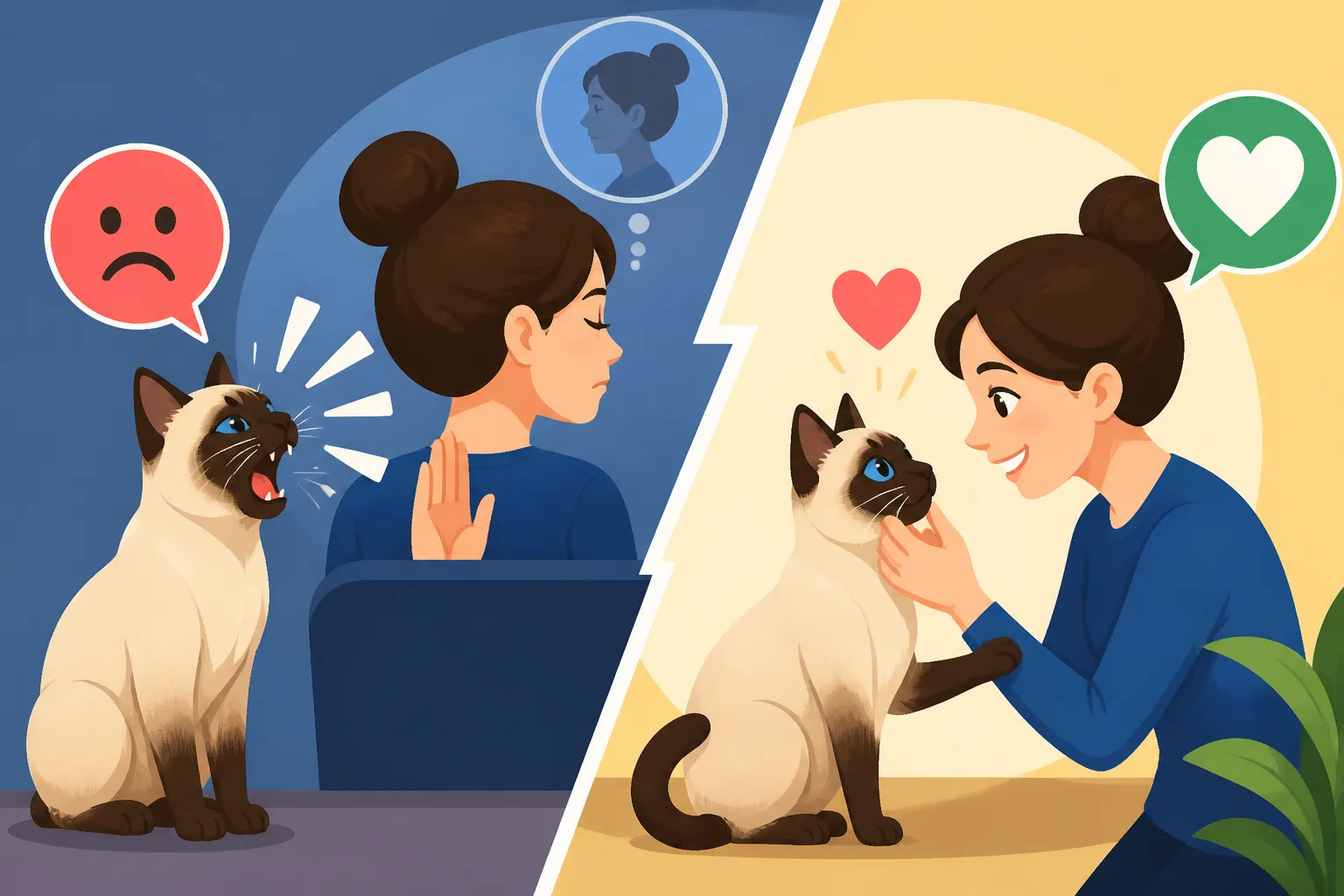
Siamese cats are not solitary creatures; they thrive on interaction and connection with their human companions. A Siamese Cat Will Not Be Ignored, and deliberately ignoring their vocalizations, especially their distinctive "yowl," can be emotionally damaging to them. They might perceive it as rejection or a breakdown in your bond. This isn't just a simple case of "tough love" for a pet; it's denying a fundamental aspect of their nature. A Siamese that feels ignored can become anxious, stressed, or even depressed. They might withdraw, or conversely, escalate their efforts to get your attention through other, potentially destructive, means.
For the owner, consistently ignoring a beloved pet's pleas is incredibly hard. Their vocalizations are designed to get a reaction, and listening to them can be mentally exhausting. The temptation to "just give in" is immense, especially during an extinction burst. If you cave, even once, you've taught your cat that perseverance pays off, making the problem even harder to solve next time. The emotional strain on both sides can lead to a fractured relationship, turning what should be a joyful companionship into a source of constant frustration. Remember, How Attached a Siamese Cat Gets to One Person means they feel your reactions deeply.
Missing Critical Cues
One of the most significant dangers of adopting a blanket "ignore the meowing" policy is the risk of missing genuine pleas for help. As we discussed, Siamese cats use their voices for many reasons, including expressing pain, fear, or distress. If your cat is suddenly meowing more, or with a different tone, it could be a sign of a medical issue. A urinary tract infection, dental pain, hyperthyroidism, or even just feeling trapped or unsafe can manifest as increased vocalization. If you're consistently ignoring all meowing, you might unknowingly overlook these critical signals, delaying necessary veterinary intervention.
It's very difficult for a human, even a seasoned cat owner, to differentiate between "I want attention" meows and "I'm in pain/distress" meows, especially when the cat is prone to dramatic vocalizations anyway. The risk of brushing off a serious health concern as "just seeking attention" is too high. A sudden change in vocal habits should always warrant a call to your vet. You can learn more about recognizing health issues in Signs a Siamese Cat Is Unwell.
Escalation of Undesired Behaviors
When ignoring meowing doesn't work, which is often the case with a persistent Siamese, the cat will frequently resort to other behaviors to get their message across. This can lead to a whole new set of problems that are far more difficult to live with than the meowing itself.
A frustrated Siamese might start engaging in destructive behaviors. This could mean scratching furniture, knocking items off shelves (a common Siamese tactic!), or even inappropriate urination or defecation outside the litter box. These actions are often desperate attempts to elicit a reaction, any reaction, from their human. They've learned that meowing isn't working, so they're trying something else that will get your attention, even if it's negative attention. What a Bored Siamese Cat Destroys can give you an idea of the mayhem they might unleash. This escalation can be incredibly frustrating for owners and further strain the bond, often leading to people considering rehoming their cats, which is heartbreaking for everyone involved.
Effective Strategies Beyond Just Ignoring
Instead of the often counterproductive tactic of ignoring, a more holistic and positive approach is usually far more successful with a Siamese cat. The goal is to meet their needs and teach them more appropriate ways to communicate.
Proactive Engagement and Environmental Enrichment
A bored Siamese is a vocal Siamese. One of the best ways to reduce excessive meowing is to keep their brilliant minds and agile bodies engaged. Daily, structured play sessions are paramount. Think of it as satisfying their inner hunter. Use interactive toys like feather wands, laser pointers (with a treat at the end to "catch" the dot), or even remote-controlled toys. Two to three 10-15 minute play sessions a day can work wonders for expending energy and fulfilling their predatory instincts.
Environmental enrichment is also key. Provide plenty of vertical space with sturdy cat trees, wall shelves, or even a catio if possible, so they can survey their territory from on high. Puzzle feeders are fantastic for mental stimulation and slowing down meal times; you can find a huge variety of options on Amazon. These make your cat "work" for their food, mimicking the challenge of hunting. Rotating toys regularly keeps them fresh and exciting. A cat wheel can also be a great investment for particularly energetic Siamese. The more enriched their environment, the less they'll feel the need to loudly demand your attention. Take a look at Enrichment for a Siamese Cat That Gets Bored in an Hour for more ideas, and consider How Much Play a Siamese Cat Needs.
Teaching Alternative Behaviors and Positive Reinforcement
Instead of trying to suppress a natural behavior (vocalization) by ignoring it, focus on teaching your Siamese what you want them to do. Positive reinforcement is your best friend here.
First, identify when your cat is quiet and calm, especially when they would normally be meowing for attention. When you notice a moment of silence or calm presence, immediately reward it with praise, a gentle stroke, or a small, high-value treat. This teaches them that quiet behavior earns positive attention. You can even use clicker training to mark these quiet moments precisely. For example, if your cat is sitting quietly beside you, click and treat. Over time, they'll associate quietness with good things.
Another strategy is to give your Siamese attention before they start meowing, not after. Anticipate their needs. If you know they usually start meowing for dinner at 5 PM, initiate a play session at 4:45 PM and then feed them. This breaks the cycle of them having to demand your attention vocally. You can also teach a "quiet" cue using clicker training. When your cat is vocalizing, wait for a momentary pause, click and treat, saying "quiet." Gradually, you can extend the duration of silence before the reward. Consistency is vital for this to work. Read more about this in How to Clicker Train a Siamese Cat and How to Train a Siamese Cat to Meow Less.
Rule Out Medical Issues and Seek Professional Help
As mentioned earlier, a sudden or significant increase in vocalization should always prompt a visit to your veterinarian. Your vet can rule out underlying medical conditions that might be causing discomfort, pain, or confusion, such as hyperthyroidism, kidney disease, dental problems, arthritis, or even a decline in hearing or vision, especially in older cats. They might recommend blood tests, urinalysis, or a physical examination to get to the root of the problem. Your vet can advise on How Often a Siamese Cat Needs a Wellness Exam.
If medical issues are ruled out and the excessive meowing persists despite your best efforts with environmental enrichment and positive reinforcement, it might be time to consult with a certified feline behaviorist. These professionals specialize in understanding cat behavior and can help you identify specific triggers, create a tailored behavior modification plan, and guide you through its implementation. They can offer insights into subtle feline cues you might be missing and help you restore harmony in your home.
Here's a quick comparison of ignoring versus proactive management:
| Behavior Trigger | Strategy: Ignoring (Passive) | Strategy: Proactive Management (Active & Positive) | Potential Outcome with Ignoring | Potential Outcome with Proactive Management |
|---|---|---|---|---|
| Attention-Seeking | Avoid eye contact, don't speak, don't touch while cat is vocal. | Engage in structured play, provide attention before meowing, reward quietness. | Extinction burst (meowing gets worse), cat becomes anxious/frustrated. | Reduced meowing, stronger bond, happier cat, more predictable interactions. |
| Hunger/Thirst | Do not feed or refill water bowl until cat is quiet. | Maintain consistent feeding schedule, use puzzle feeders, ensure fresh water. | Cat becomes more distressed, might scratch at food containers, overeat when fed. | Cat learns routine, less anxiety around food, slower eating, mental stimulation. |
| Boredom | Expect cat to self-entertain; no new toys or play. | Offer varied toys, puzzle feeders, cat trees, regular interactive play. | Destructive behaviors (scratching, knocking things over), increased vocalization. | Mentally and physically stimulated cat, less destructive, calmer demeanor. |
| Pain/Discomfort | Misinterpret as attention-seeking; delay vet visit. | Seek immediate vet consultation for new or increased vocalization. | Worsening medical condition, prolonged suffering for the cat. | Timely diagnosis and treatment, relief for the cat, peace of mind for owner. |
| Stress/Anxiety | Fail to address underlying stressors. | Identify and mitigate stressors (e.g., provide safe spaces, pheromones). | Increased anxiety symptoms (overgrooming, inappropriate urination), louder meowing. | Calmer cat, reduced stress, improved overall well-being. |
Disclaimer
This article is for general informational purposes only and does not constitute professional advice. Laws, prices and regulations vary by location and change over time. Consult a qualified professional for guidance on your specific situation.