Signs a Siamese Cat Has Swallowed Fabric
It's a frightening thought for any Siamese cat owner, but their unique predisposition to wool-sucking can, unfortunately, sometimes lead to accidentally swallowing fabric. This isn't just a quirky habit; ingesting a piece of string, yarn, or even a corner of a blanket can lead to a severe, life-threatening intestinal blockage. Recognizing the subtle and not-so-subtle signs that your beloved Siamese has swallowed fabric is absolutely critical for their health and survival. This guide will help you understand what to look for, why it happens, and what urgent steps you need to take.
Understanding the "Why": Pica and Wool-Sucking in Siamese Cats
Before we dive into the symptoms, it's really important to grasp why your Siamese might be tempted to swallow fabric in the first place. This isn't just naughtiness; it's often rooted in a deep-seated behavioral or even medical predisposition unique to the breed. Many Siamese cats are famous for their love of wool-sucking, but sometimes that innocent-looking habit can cross the line into actual ingestion.
The Behavioral Roots of Fabric Obsession
Siamese cats are incredibly intelligent, sensitive, and often quite emotionally driven animals. Their intense bond with their human companions, combined with a tendency towards anxiety or boredom, can manifest in some unusual behaviors. Wool-sucking, for instance, is often linked to being weaned too early or simply a comforting self-soothing mechanism. It's a way for them to cope with stress or fill a need for oral stimulation. What starts as a comforting suckling on a favorite blanket or sweater can easily become more serious. Why a Siamese Cat Sucks Wool explores this phenomenon in greater detail, highlighting that it's often not malicious, but rather a deeply ingrained response to their environment or genetics.
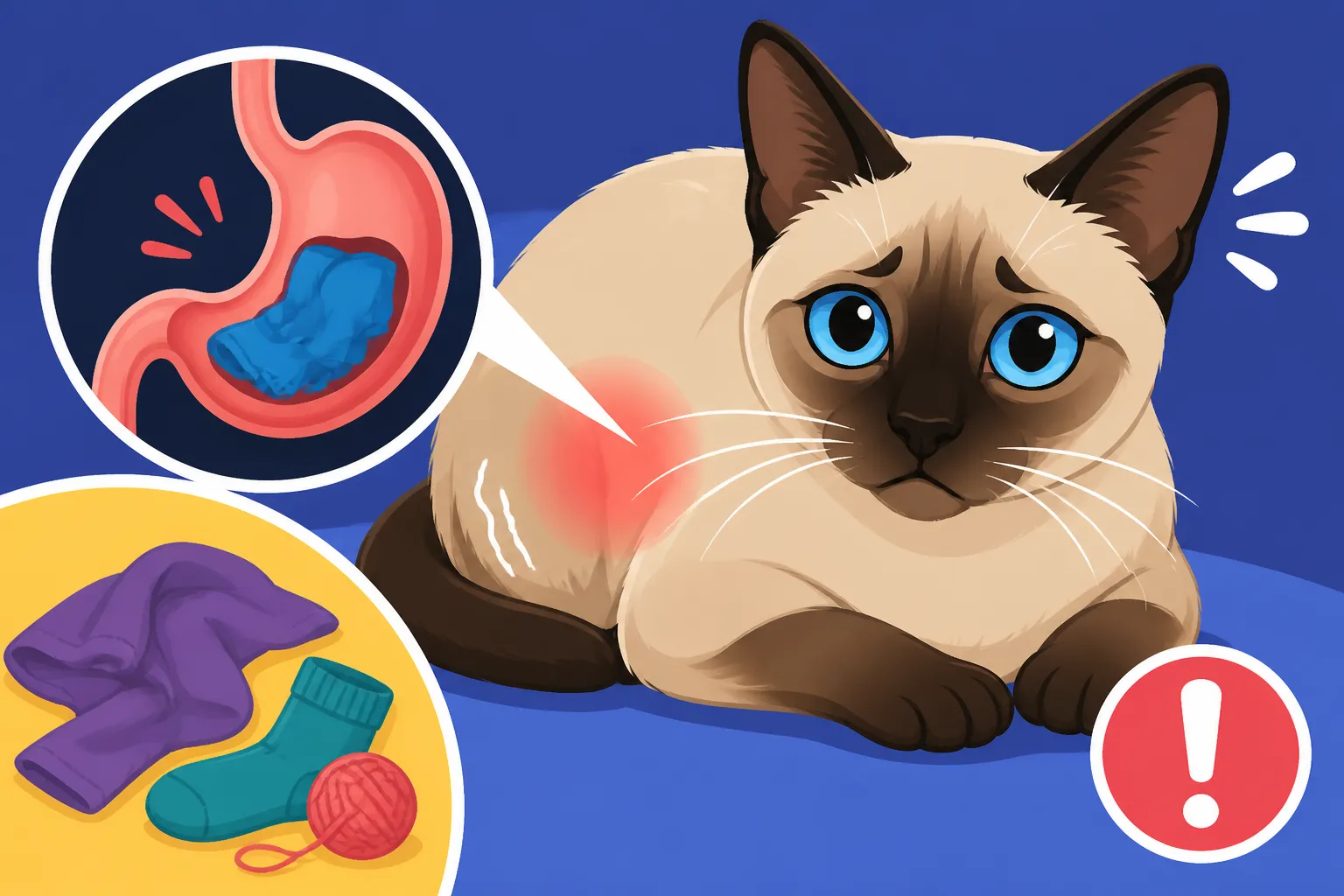
The problem arises when this behavior escalates from mere sucking to actually chewing and ingesting pieces of fabric. A tiny thread from a blanket or a piece of yarn can seem harmless, but inside a cat's delicate digestive system, it can act like a linear foreign body. Imagine a long thread getting caught on one end in the stomach, and the intestines trying to pass it, bunching up like an accordion. It’s incredibly dangerous. Many owners struggle with finding ways to redirect this behavior, often buying various toys or fabric alternatives on platforms like Amazon, only to find their Siamese still gravitates toward forbidden textures.
When Pica Becomes a Medical Concern
While behavioral factors are often at play, pica – the craving and chewing of non-food items – can also have medical underpinnings. Nutritional deficiencies, underlying gastrointestinal issues, or even certain metabolic conditions can sometimes drive a cat to seek out and consume unusual items. It’s a bit of a chicken-and-egg situation sometimes: is the pica causing the GI upset, or is the GI upset causing the pica? Regardless, when a Siamese cat begins to eat fabric, it’s no longer just a behavioral quirk; it's a significant health risk.
It's crucial to differentiate between a cat that just likes to suckle and one that is actively ingesting fabric. If you've ever found chewed up pieces of clothing, string, or carpet fibers, you know you're dealing with the latter. This level of pica warrants a vet visit to rule out any underlying medical causes. Whether Pica Is a Medical Problem in a Siamese Cat dives into the diagnostic process and potential medical reasons behind this worrisome habit, emphasizing that it's not something to be ignored or dismissed as "just a weird cat thing."
Acute, Urgent Signs of a Swallowed Fabric Obstruction
This is where things get serious, fast. If your Siamese has swallowed fabric that is now causing a blockage, you're likely to see some very alarming and immediate symptoms. These signs indicate an emergency and mean you need to get to the vet now. Time is absolutely of the essence when it comes to intestinal obstructions.
Persistent Vomiting and Regurgitation
One of the most common and concerning signs of an intestinal blockage is persistent vomiting. We're not talking about a once-in-a-while hairball; this is often repeated, forceful vomiting. Your cat might vomit immediately after eating or drinking, or even when their stomach is empty, bringing up bile or foamy liquid. The key here is persistence. It's a clear signal that something is blocking the normal passage of food and fluids through their digestive tract. Why a Siamese Cat Vomits After Eating Fabric details how the body tries desperately to expel the foreign object when it can't pass it.
It can be heartbreaking to watch your cat try to eat, only to throw it all back up minutes later. They might show interest in food or water, approach their bowl, maybe even take a few bites, and then almost immediately retch. This cycle is a strong indicator that their system is blocked and unable to process anything. This isn't just discomfort; it's a sign their body is in crisis.
Lethargy and Abdominal Pain
A cat experiencing an intestinal blockage will very quickly become lethargic. They won't want to play, interact, or move much. You'll likely find them hunkered down in a quiet, secluded spot, clearly feeling unwell. Their usual Siamese zest for life will be completely absent. This deep fatigue is a combination of pain, dehydration from vomiting, and the body's energy being spent trying to overcome the obstruction.
Accompanying this lethargy will often be signs of abdominal pain. This can be harder to spot in cats, as they are masters at hiding discomfort. Look for a hunched posture, a reluctance to be picked up or touched, particularly around their belly. Some cats might guard their abdomen, growl, or even swat if you try to palpate their belly. Their stomach might feel tight or distended. In severe cases, they might pant or breathe rapidly due to pain and distress. If you gently press on their belly and they react sharply, or even hiss, it's a huge red flag. Signs a Siamese Cat Has an Intestinal Blockage lists these and other critical indicators, stressing the need for immediate veterinary intervention.
Subtler, Chronic Indicators of a Partial Blockage
Sometimes, a swallowed piece of fabric might cause a partial obstruction, or it might be a linear foreign body that slowly causes issues rather than an immediate, complete block. These situations can be even more insidious because the symptoms are less dramatic and can mimic other illnesses, making diagnosis challenging. It's easy to dismiss these signs, but they still warrant close attention and a vet visit.
Changes in Appetite and Weight
With a partial blockage, your Siamese might still eat, but their appetite will likely decrease significantly. They might pick at their food, eat only small amounts, or show disinterest in meals they usually gobble up. Because they aren't getting adequate nutrition, you'll start to notice weight loss. This isn't the rapid weight drop of an acute blockage, but a gradual thinning over days or weeks. Their usually lean body might start to feel even bonier.
You might also observe changes in their thirst. Some cats with partial obstructions might drink more water in an attempt to alleviate discomfort or rehydrate, while others might become dehydrated and drink less. It’s a tricky balance, but any sustained change in eating or drinking habits, especially coupled with weight loss, should never be ignored in a Siamese cat.
Irregular Bowel Movements
While a complete obstruction often means no stool at all, a partial blockage can result in irregular bowel movements. Your cat might strain to defecate, pass very small, hard stools, or even experience periods of diarrhea as fluids try to navigate around the blockage. Sometimes, you might see tiny flecks of blood or mucus in their stool, indicating irritation to the intestinal lining.
Another critical sign, especially with linear foreign bodies like string or thread, is if you see a piece of string protruding from their anus. Crucially, never, ever pull on this string. It could be caught higher up and pulling it could cause severe damage or even rupture their intestines. This is an immediate vet emergency. The vet will need to assess it properly. The presence of such an object confirms fabric ingestion and demands urgent care.
What to Do When You Suspect Fabric Ingestion
If you even suspect your Siamese has swallowed fabric, the course of action is clear and urgent. Procrastination can literally be the difference between life and death. You need to act quickly and decisively.
Emergency Veterinary Care is Paramount
The moment you notice any of the acute signs – persistent vomiting, extreme lethargy, obvious abdominal pain – or if you find string protruding from their rectum, you need to contact your veterinarian immediately. This is not a "wait and see" situation. Describe your concerns clearly, mention the possibility of fabric ingestion, and head to the nearest emergency veterinary clinic.
At the clinic, the vet will perform a thorough physical exam, which might include gently palpating your cat's abdomen. They will likely recommend diagnostic imaging such as X-rays, often with contrast material, or an ultrasound. An ultrasound, in particular, can be incredibly effective at identifying linear foreign bodies or bunched-up intestines. What a Siamese Cat's Emergency Ultrasound Costs can give you an idea of the expense involved, but frankly, your cat's life is priceless. These diagnostics are crucial for confirming the blockage and determining the best course of action.
Treatment Options and Potential Outcomes
If a blockage is confirmed, treatment almost always involves surgery. What Blockage Surgery Involves for a Siamese Cat is a comprehensive look at what this procedure entails. During the surgery, the vet will carefully open the abdomen, locate the foreign body, and remove it. If the fabric has caused significant damage to the intestines, a section might need to be removed (resection and anastomosis). This is a major surgery with risks, but it is often the only way to save your cat's life.
Post-operative care is just as vital. Your Siamese will need pain management, IV fluids, and careful monitoring as they recover. The recovery period can be challenging, but with dedicated care, many cats make a full recovery. It's a stressful and expensive ordeal, so it's wise to consider whether Insurance Covers a Siamese Cat That Eats Fabric before you find yourself in such a situation. Having a plan for these unexpected emergencies can make a huge difference.
Prevention Strategies for the Future
After the immediate crisis is over, it’s time to seriously cat-proof your home. This means being incredibly vigilant about putting away anything that could be tempting for your Siamese.
Consider these steps:
- Secure All Fabrics: This includes blankets, throws, towels, clothing, string, yarn, dental floss, elastic hair ties, and even plastic bags. If it's chewable, assume your Siamese will find it. Store items in closed drawers, containers, or behind locked doors.
- Enrichment and Redirection: Siamese cats are smart and get bored easily. Ensure they have plenty of appropriate toys and mental stimulation. Look for durable, fabric-free toys on Amazon that can withstand vigorous chewing. Puzzle feeders, interactive toys, and regular play sessions with you can help redirect their energy. How to Cat Proof a Home for a Siamese Cat provides excellent strategies for creating a safer environment.
- Dietary Adjustments: Sometimes, increasing fiber in their diet can help a cat feel fuller and potentially reduce pica, though this is not a guaranteed solution. Discuss dietary changes with your vet. Whether More Fiber Stops a Siamese Cat's Pica explores this topic in depth.
- Veterinary Consultation for Pica: If your Siamese continues to struggle with pica despite environmental changes, consult your vet again. They might suggest behavioral modification strategies, anti-anxiety medications (as explored in Whether Medication Helps a Siamese Cat's Pica), or a referral to a veterinary behaviorist.
The table below summarizes common signs of fabric ingestion and their general urgency:
| Symptom Category | Specific Signs | Urgency Level | What it Might Indicate |
|---|---|---|---|
| Acute Emergency | Persistent, forceful vomiting | IMMEDIATE | Complete intestinal obstruction |
| Severe lethargy, unresponsive | IMMEDIATE | Complete obstruction, pain, dehydration | |
| Obvious abdominal pain (hunched, guarding, hissing) | IMMEDIATE | Severe obstruction, intestinal damage | |
| String/thread protruding from anus (DO NOT PULL) | IMMEDIATE | Linear foreign body caught in intestines | |
| Serious Concern | Significant decrease in appetite, refusing food | HIGH | Partial obstruction, severe discomfort |
| Rapid or noticeable weight loss | HIGH | Inadequate nutrient absorption, illness | |
| Straining to defecate, small hard stools, diarrhea | HIGH | Partial blockage, intestinal irritation | |
| Watch & Monitor | Mild, intermittent vomiting | MEDIUM | Mild irritation, hairball, minor blockage |
| Occasional lethargy, but still interacts | MEDIUM | General malaise, early stage of issue | |
| Minor changes in eating habits, but still finishing food | MEDIUM | General discomfort, behavioral shift |
Recognizing the signs of swallowed fabric can be daunting, but as a Siamese cat owner, being informed is your best defense. Their unique personalities and tendencies make them prone to issues like pica, which means we, as their guardians, need to be extra vigilant. By knowing what to look for and acting swiftly, you can help ensure your cherished companion lives a long, healthy life free from the dangers of swallowed textiles.
Disclaimer
This article is for general informational purposes only and does not constitute professional advice. Laws, prices and regulations vary by location and change over time. Consult a qualified professional for guidance on your specific situation.