Whether a Siamese Cat Is Happier in a Pair
It's a common misconception that cats are solitary creatures, perfectly content with their own company. While some breeds might fit that description, anyone who has shared their home with a Siamese cat knows this couldn't be further from the truth. These highly intelligent, vocal, and deeply affectionate felines thrive on interaction, and when they don't get enough, they can truly struggle. Many owners find themselves wondering if their beloved Siamese would be happier with a companion, and the answer, more often than not, is a resounding yes. This guide will dive deep into why a second cat can be a game-changer for your Siamese, how to choose the right friend, and what to consider when bringing another furry family member home.
Why Siamese Cats Thrive on Companionship
Siamese cats are often described as having dog-like personalities, and it’s true – they crave attention and engagement in a way many other cat breeds simply don't. Their historical role might have been as temple guardians in ancient Siam, but their modern-day purpose seems to be to charm and converse with their human companions. When that human companion is out working or sleeping, a solo Siamese can quickly become bored and lonely.
Their Social Nature and Vocal Needs
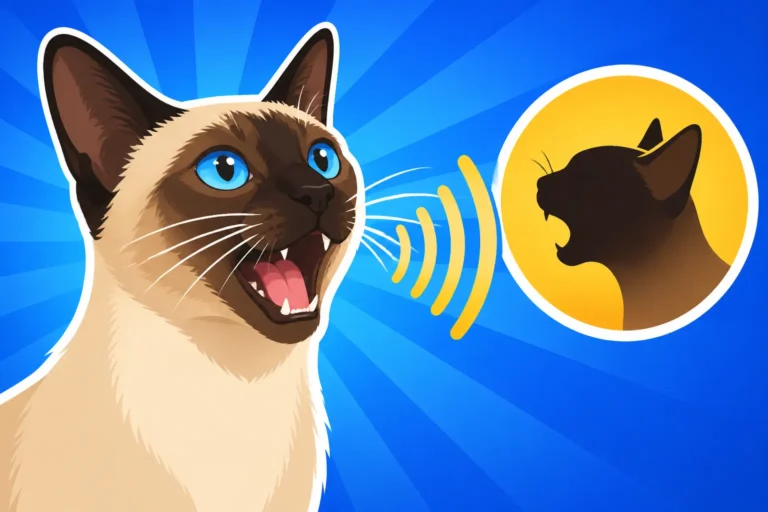
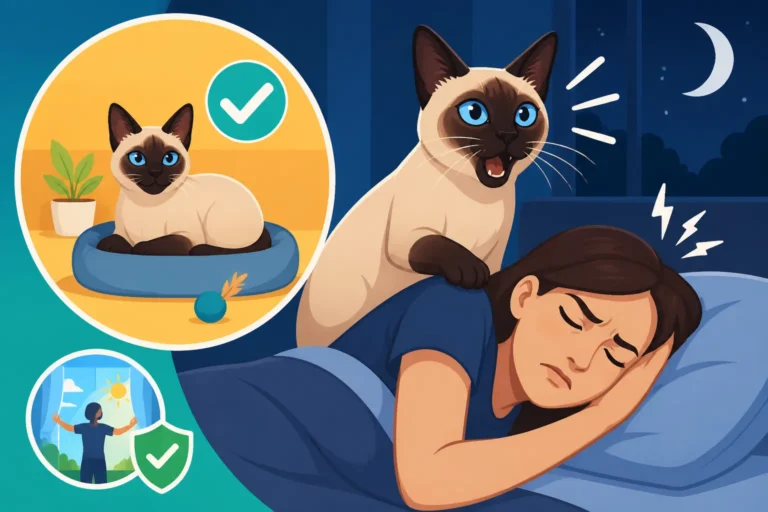
A Siamese cat isn't just a pet; they're a family member who wants to be involved in everything you do. They'll follow you from room to room, sit on your lap while you read, and engage in lengthy "conversations" with their distinctive, loud meow. This deep-seated need for interaction means they don't do well in isolation. A single Siamese left alone for long periods often develops a cry for help – quite literally. They might yowl incessantly, not just at night, but throughout the day, expressing their profound loneliness and boredom. This isn't just them being "naughty"; it's a genuine plea for connection. Think of it this way: if you had a friend who loved to talk and spend time with you, but you were always busy, wouldn't they eventually seek out another friend? That's what a Siamese often needs.
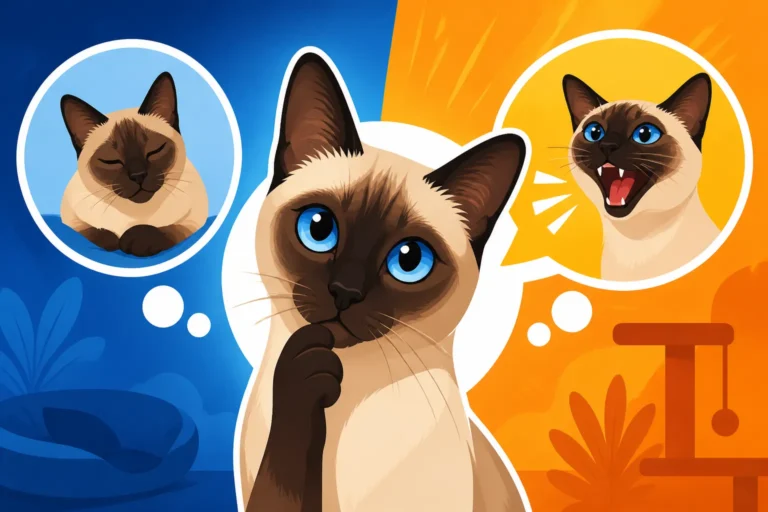
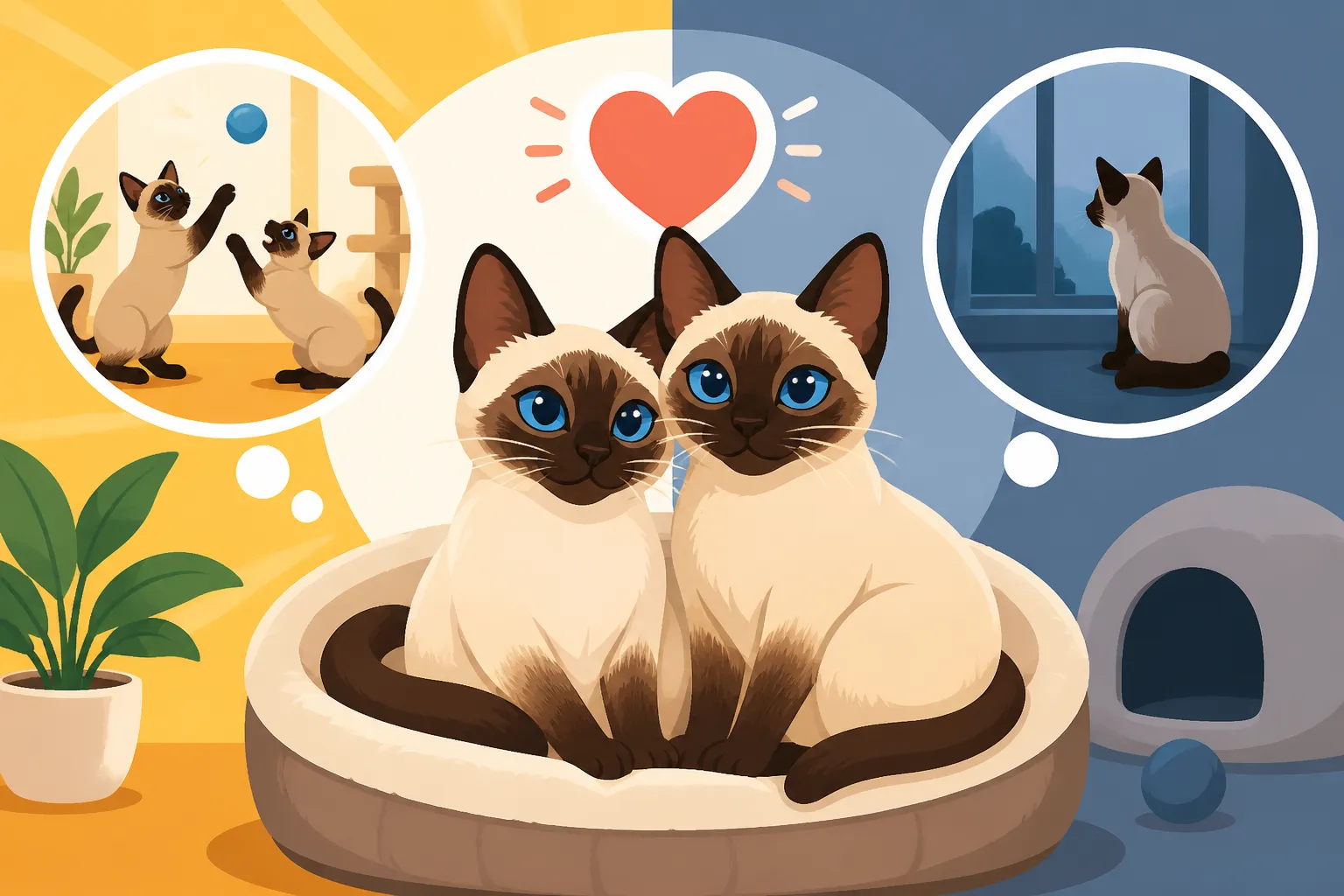
Having a companion cat provides a constant source of interaction that no human, no matter how devoted, can entirely replicate. Another cat can offer wrestling matches, grooming sessions, shared naps in sunbeams, and simply another warm body to curl up with. This reduces the pressure on you to be their sole source of entertainment and affection. It allows them to express their natural social behaviors with a peer, leading to a much more content and well-adjusted cat. When a Siamese has a feline friend, you'll often notice a decrease in excessive vocalizations directed solely at you, as they have an outlet for their social energy.
Preventing Destructive Behaviors
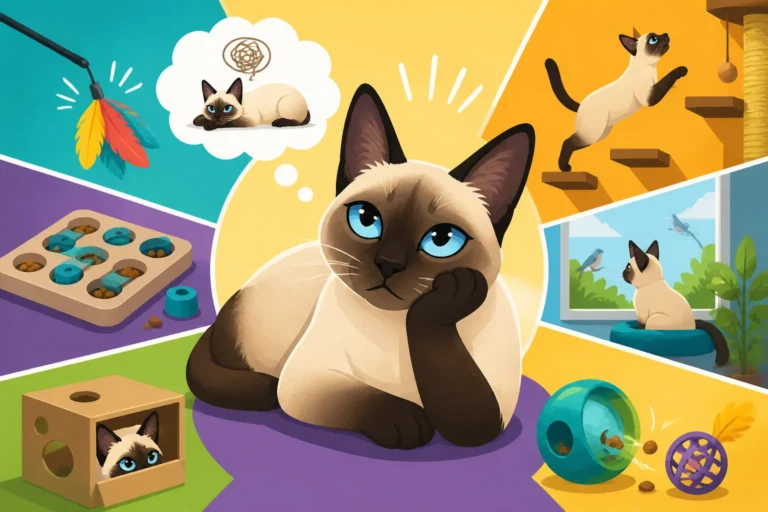
A bored or lonely Siamese is a recipe for trouble. Their high intelligence, combined with their need for stimulation, means they'll find ways to entertain themselves if you don't provide sufficient outlets. Unfortunately, these self-created entertainment methods can often be destructive or indicate significant stress. For instance, What Separation Anxiety Looks Like in a Siamese Cat often manifests as destructive scratching, inappropriate urination, or frantic greetings when you return home. These aren't spiteful acts; they're symptoms of deep emotional distress.
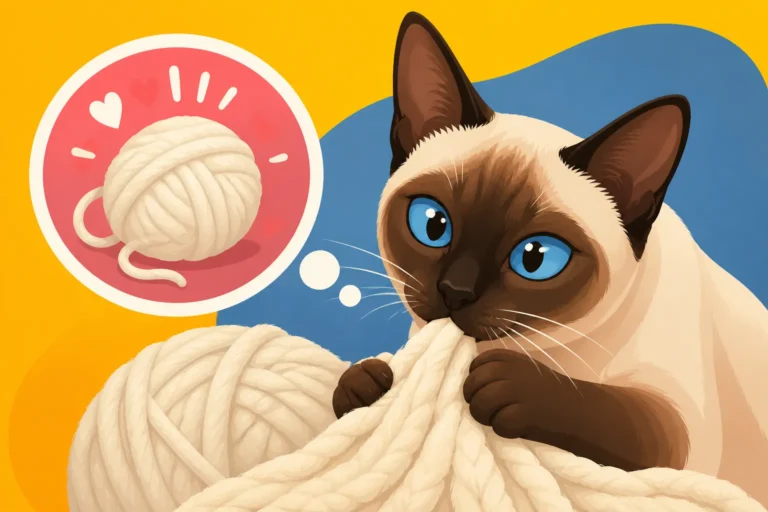
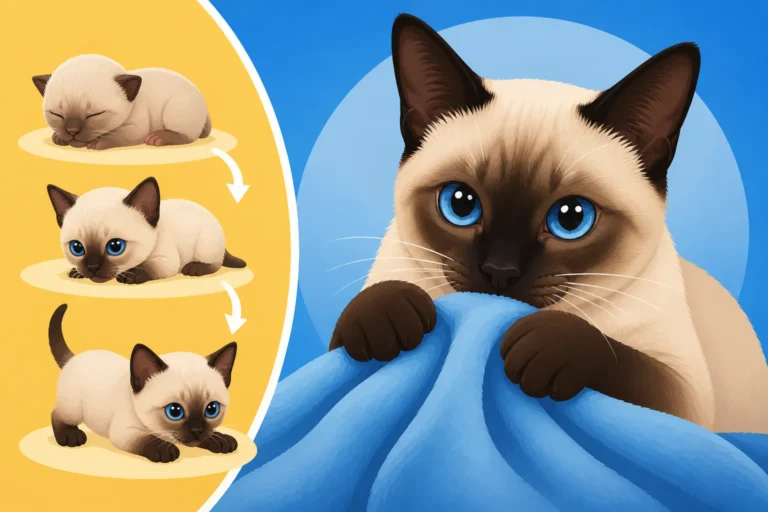
One particularly concerning behavior in lonely or anxious Siamese cats is wool sucking or pica, where they chew and sometimes ingest non-food items like blankets, sweaters, or plastic. Why a Siamese Cat Sucks Wool is thought to have genetic roots, but stress and boredom can exacerbate it, leading to potential intestinal blockages that require costly surgery. Similarly, What Psychogenic Alopecia Does to a Siamese Cat involves excessive grooming to the point of bald patches, a common stress response in many cats, but especially prevalent in sensitive breeds like the Siamese when they feel understimulated or anxious. A companion cat can offer a healthy distraction and a positive outlet for their energy, helping to prevent or alleviate these stress-induced behaviors. Instead of chewing on your favorite throw blanket, they might be engaged in a rousing game of chase with their feline friend.
The "Two-Cat" Rule for Siamese
It’s often said that if you have one Siamese cat, you should have two. This "rule" stems from decades of experience with the breed and is rooted in their inherent need for constant social engagement. Unlike some more independent cat breeds that might tolerate being a "single cat household" with plenty of human attention, a Siamese truly flourishes with a feline friend. While you can certainly provide your Siamese with ample love, play, and enrichment, you simply cannot be a cat, and that peer interaction is crucial for their mental and emotional well-being.
Consider the times you're away at work, running errands, or simply sleeping. For How Long a Siamese Cat Can Be Left Alone, even a few hours can feel like an eternity to a highly social Siamese. A companion ensures that there's always someone to interact with, to wrestle with, to groom, or just to share a sunny nap. This isn't about replacing your bond with your cat; it's about enriching their life in a way that only another cat can. It ensures they are never truly alone, reducing the chances of boredom, stress, and the associated behavioral issues. Many owners report that once they introduce a second Siamese, both cats become calmer, more affectionate, and generally happier.
Choosing the Right Companion for Your Siamese
Bringing a new cat into your home is a big decision, and it's especially important to get it right when you have a Siamese. Their strong personalities mean they need a friend who can keep up, but also one who won't be too overwhelming. The goal is harmonious companionship, not constant conflict.
Another Siamese or a Similar Breed
When considering Which Companion Suits a Siamese Cat, another Siamese often tops the list, and for good reason. They share the same high energy levels, vocal tendencies, and intense need for interaction. A pair of Siamese cats will often be seen wrestling, chasing each other through the house, and engaging in long, loud conversations that only another Siamese truly understands. This shared language and play style can lead to a very deep bond. They'll mirror each other's needs and energy, ensuring neither cat feels out of place or misunderstood.
However, if another Siamese isn't an option, or if you're looking for a slightly different dynamic, breeds with similar temperaments can also be excellent choices. Oriental Shorthairs, for instance, are very closely related to Siamese cats, sharing many of their personality traits, including high intelligence, vocalness, and an insatiable curiosity. Balinese and Javanese cats, being long-haired versions of the Siamese and Oriental Shorthair respectively, also make wonderful companions. Even highly social, playful domestic shorthairs can be a good match, provided their personality aligns with the Siamese's energy. The key is to look for a cat that is confident, playful, and enjoys interaction, rather than a shy or overly dominant personality that might clash.
Introducing a New Cat: The Scent-Swapping Method
Introducing a new feline friend to an existing Siamese needs to be done gradually and thoughtfully. Siamese cats can be territorial, and a sudden, unmanaged introduction can lead to stress, fear, and even aggression, souring the chances of a successful bond. The golden rule here is slow and steady. How to Introduce a Siamese Cat to a Resident Cat isn't a race; it's a marathon of patience and positive reinforcement.
Start with scent swapping. Before the new cat even arrives, bring home a blanket or towel that smells of the newcomer (perhaps from the shelter or breeder) and let your Siamese investigate it. Do the same with an item that smells of your Siamese for the new cat. This allows them to get used to each other's presence without direct confrontation. When the new cat comes home, keep them in a separate room with their own litter box, food, and water. Feed your existing Siamese on one side of the closed door and the new cat on the other. This creates a positive association with the other cat's scent. Gradually move to supervised visual contact, perhaps through a baby gate, slowly increasing the duration of their time together. Always end these sessions on a positive note, and use treats and praise to reinforce calm behavior. Never force interaction, and be prepared for this process to take weeks, or even months. The goal is acceptance, not necessarily instant best friends, though many Siamese pairs do become inseparable.
Age and Temperament Matching
When selecting a companion, age and temperament are paramount. A playful, energetic Siamese kitten will likely do best with another young, equally energetic cat who can match their zest for life. Bringing a rambunctious kitten into a home with a calm, elderly Siamese might be stressful for the older cat. Conversely, an older Siamese might appreciate a more laid-back, mature companion who enjoys quiet cuddles rather than constant play.
Consider the individual personalities of both cats. If your Siamese is confident and outgoing, they might be able to handle a slightly shyer but still social companion who will eventually blossom under their influence. If your Siamese is a bit more reserved (yes, some exist!), a very bold or dominant new cat could be overwhelming. Observing the new cat's behavior at the shelter or breeder's home can give you valuable clues. Do they approach you confidently? Do they play with toys? How do they react to other cats? The ideal scenario is to find a cat whose energy levels and social needs complement, rather than clash with, your Siamese's personality. A good match means less stress for everyone and a much higher chance of a lifelong friendship.
Recognizing Signs of Loneliness or Stress in a Solo Siamese
Understanding your Siamese cat's body language and behavioral cues is essential. Because they are so deeply attached to their humans, signs of unhappiness or stress can be heartbreaking to witness. Often, these signs are their way of telling you that something is missing, and a companion might be the answer they're searching for.
Behavioral Cues
One of the most immediate and common signs that a Siamese cat is feeling lonely or under-stimulated is excessive vocalization. We all know What the Siamese Cat's Meezer Yowl Sounds Like, and while their talking is part of their charm, a constant, mournful, or demanding yowl when you're not actively interacting with them can be a clear indicator of distress. They might follow you relentlessly, crying for attention, or pace restlessly. When you leave, they might become frantic, pawing at the door or staring out the window, exhibiting classic Signs a Siamese Cat Is Lonely. This isn't just a desire for cuddles; it's a deep-seated need for interaction and engagement that isn't being met.
Beyond vocalizations, a lonely Siamese might turn to destructive behaviors. Scratching furniture excessively, inappropriate elimination outside the litter box (especially if medical causes have been ruled out), or developing pica behaviors like chewing on fabrics are all ways a stressed cat tries to cope. They might even become overly dependent, exhibiting clingy behavior that, while flattering at first, can become overwhelming and is often a sign of underlying anxiety. They want to be with you every second, and when you can't oblige, their world feels empty.
Physical Manifestations
Stress in cats can manifest physically, sometimes subtly, sometimes overtly. One telling sign in a lonely or anxious Siamese is changes in grooming habits. While Siamese cats are generally meticulous groomers, excessive licking or chewing of their fur, particularly in specific areas, can lead to bald patches. This is known as psychogenic alopecia, and as mentioned earlier in What Psychogenic Alopecia Does to a Siamese Cat, it's a common stress response. If you notice your Siamese meticulously over-grooming their belly, inner thighs, or flanks, and a vet has ruled out skin conditions, anxiety is a strong possibility.
Other physical signs might include changes in appetite – either eating too much (comfort eating) or too little. A sudden drop in weight, even if they're still eating, could also be a red flag. Digestive upset, like frequent vomiting or diarrhea, can sometimes be stress-related. While these symptoms always warrant a vet visit to rule out medical issues, once physical ailments are excluded, looking at their emotional well-being, particularly their social environment, becomes crucial. A happy, stimulated Siamese is generally a healthy one, and a persistent physical ailment with no medical cause can often be traced back to psychological stress from loneliness.
When a Companion Might Be the Answer
If you're noticing several of these behavioral and physical cues, despite providing your Siamese with ample play, toys, and human affection, it's a strong indication that a feline companion could significantly improve their quality of life. Think about it: you provide food, shelter, and love, but you can't speak "cat" or engage in the intricate social rituals that are so important to them. A companion cat can fill that void.
A well-matched companion offers round-the-clock interaction, play, and comfort that no human can provide 24/7. They can chase each other up the cat tree you got from Amazon, groom each other in a sunbeam, or simply share a quiet nap. This constant, species-specific interaction alleviates boredom, reduces anxiety, and provides a healthy outlet for their boundless energy and social needs. Many owners are amazed at the transformation in their Siamese once a suitable companion is introduced, observing a calmer, happier, and more content cat who still cherishes their human bond but no longer relies on it exclusively for all their social needs.
Practical Considerations for a Multi-Cat Household
Deciding to bring a second cat home is wonderful, but it does come with practical considerations. It's not just about doubling the love; it's also about doubling some of the responsibilities. Being prepared for these changes will ensure a smoother transition for everyone involved.
Increased Costs
Let's be realistic: two cats mean more expenses. While the love they bring is priceless, the bills aren't. You'll need to budget for twice the food, litter, and routine veterinary care. Vaccinations, annual check-ups, flea and worming treatments – these all add up. And let's not forget potential emergency vet visits; a sudden illness or accident can quickly become a significant financial burden. What a Second Siamese Cat Adds to the Bill is substantial, and it's something every potential multi-cat owner needs to carefully consider.
Beyond the basics, you might find yourself investing in more toys, more scratching posts (especially important for Siamese to prevent furniture damage), and perhaps even a larger cat tree or an additional pet bed. While it might seem like a lot, many owners find the joy and companionship their Siamese cats gain is well worth the investment. Just make sure you're financially prepared to provide for two cats comfortably throughout their potentially long lifespan. Checking out a wide range of options on Amazon for food and litter can help you manage costs without sacrificing quality.
Space and Resources
The "number of litter boxes plus one" rule is a solid guideline for multi-cat households. So, for two cats, you should ideally have three litter boxes placed in different, accessible locations. This prevents territorial disputes and ensures both cats always have a clean, private place to do their business. Similarly, it's wise to have multiple feeding stations. Some cats prefer to eat alone, and having separate bowls in different areas can prevent competition and stress, especially during the initial introduction phase.
Vertical space is also incredibly important, particularly for active breeds like the Siamese. They love to climb, survey their domain from up high, and having elevated perches, cat trees, or shelves allows them to escape when they need peace or to feel safe. You might find yourself browsing Amazon for another sturdy cat tree or some wall-mounted shelves to maximize their climbing opportunities. Providing ample resources helps reduce stress and conflict between cats, allowing them to coexist happily. Make sure each cat has their own favorite napping spot, whether it's a heated bed or a cozy cubby, allowing for individual space when desired.
Maintaining Individual Bonds
Even with a companion cat, your bond with your Siamese remains incredibly important. While they now have a feline friend, they still crave human interaction and affection. Make sure you dedicate individual quality time to each cat every day. This could be a special play session with a feather wand, quiet cuddle time, or just a few minutes of brushing. This ensures both cats feel loved and secure in their relationship with you, preventing any feelings of jealousy or competition for your attention.
It's also worth noting that while two Siamese cats can be incredibly fun, they can also be double the vocal fun. Whether Two Siamese Cats Are Louder is a question many ponder, and the answer is often "yes!" They might egg each other on, leading to even more elaborate "conversations" or midnight yowls. However, this is often a sign of their happiness and engagement, rather than loneliness. By providing a rich, stimulating environment with plenty of resources and dedicated human attention, you can foster a loving and harmonious multi-cat household where both your Siamese and their companion truly thrive.
| Aspect | Single Siamese Cat (Potential Issues) | Paired Siamese Cats (Potential Benefits) |
|---|---|---|
| Social Interaction | Relies solely on humans; prone to loneliness | Constant feline companionship and play |
| Vocalization | Excessive, often stress-induced yowling | More balanced vocalization; "conversations" with peer |
| Boredom/Enrichment | High risk of boredom; seeks destructive outlets | Self-entertains with companion; less reliance on human |
| Stress Behaviors | Higher incidence of pica, psychogenic alopecia | Reduced stress, less prone to destructive behaviors |
| Independence | Overly clingy; separation anxiety symptoms | More confident, independent while still affectionate |
| Physical Activity | May lack a consistent playmate for exercise | Regular play sessions with companion; active lifestyle |
| Owner Time Commitment | Sole source of entertainment; demanding | Shares social load with companion; less pressure on owner |
| Cost & Resources | Lower initial costs | Higher costs for food, litter, vet; more resources needed |
Disclaimer
This article is for general informational purposes only and does not constitute professional advice. Laws, prices and regulations vary by location and change over time. Consult a qualified professional for guidance on your specific situation.