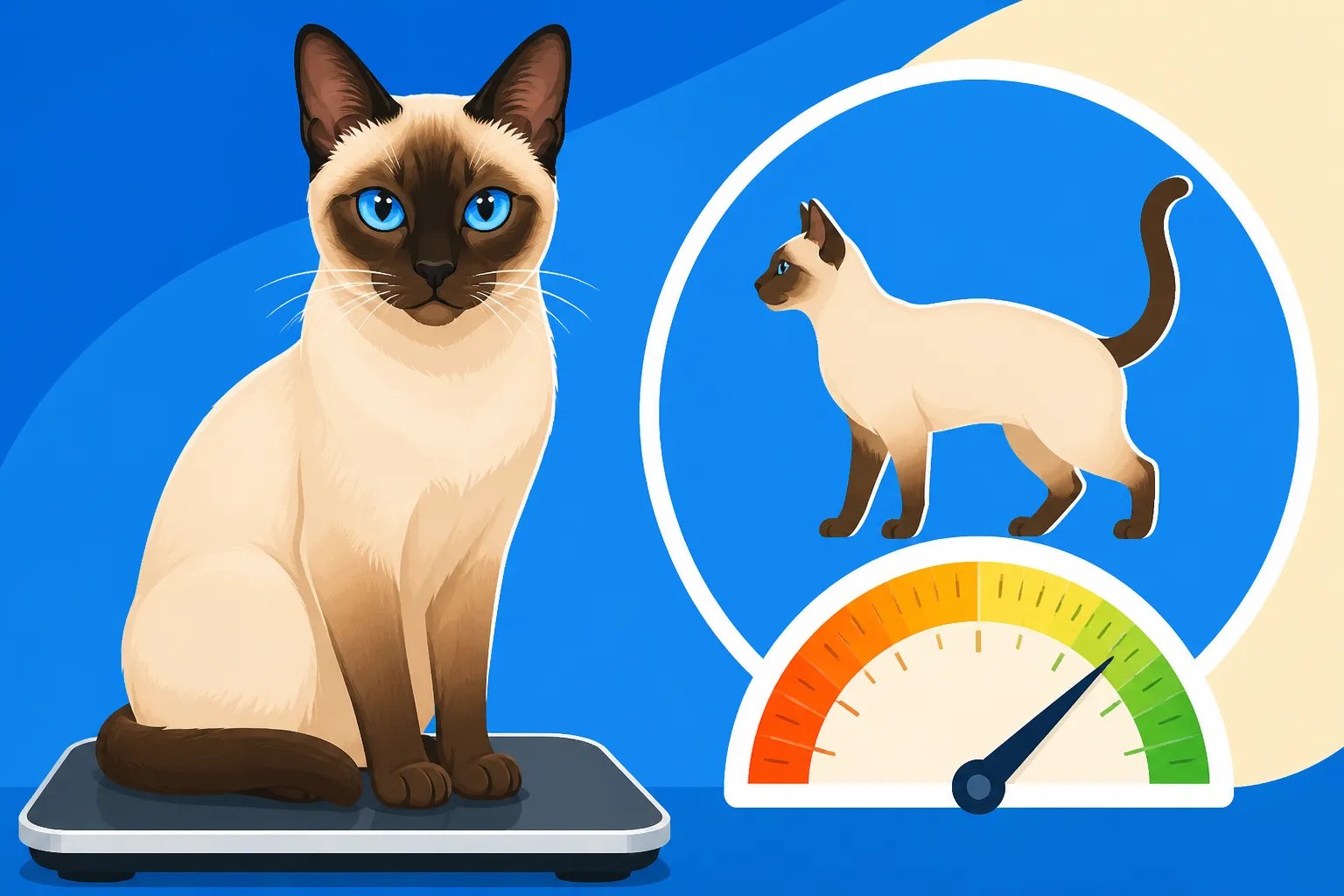
How Much a Male Siamese Cat Should Weigh
It's incredibly common for Siamese cat parents to gaze at their sleek, svelte companion and wonder, "Are they eating enough? Are they too thin?" This worry stems from their naturally athletic build, which can look quite different from the chunkier physiques of other breeds. This guide will walk you through what a healthy weight truly looks like for your male Siamese, helping you understand their unique body type and when it's time to check in with the vet.
Understanding the Unique Siamese Physique
Let's be honest, Siamese cats are often described as "elegant" or "slinky," and for good reason! Their bodies are a testament to grace and agility, but this distinct build can sometimes lead to misunderstandings about what constitutes a healthy weight for them. Many owners, especially those new to the breed, often worry that their Siamese is underweight when, in reality, they are perfectly healthy and within their ideal range.
The Lean, Muscular Build
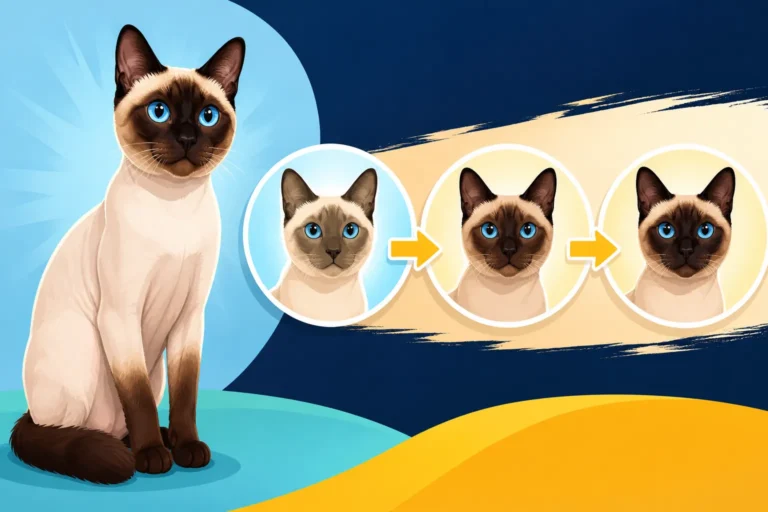
Unlike some of their more robust feline cousins, Siamese cats possess a long, tubular body with fine bones and well-developed, hard muscles. This isn't a fluffy exterior masking a small frame; it's a genuine athletic build designed for speed and stealth. When you run your hands over your Siamese, you should be able to feel their ribs and spine easily, but they shouldn't protrude sharply. You're feeling muscle, not just bone. This lean physique is a hallmark of the breed and contributes to their famously energetic personalities. They are built for movement, and their body shape reflects that active lifestyle.
A Metabolism That Burns Bright
One of the fascinating characteristics of the Siamese cat is their incredibly high metabolism. It often feels like they're little furnaces, constantly burning energy, even when they appear to be napping. This high metabolic rate means they can eat a surprising amount of food for their size and still maintain that slender figure. If you've ever watched your male Siamese tear around the house like a furry rocket, then settle down for a quick nap before starting all over again, you'll understand why their bodies are so efficient at processing calories. This is why you might find yourself questioning Why a Siamese Cat Stays So Thin even with a generous food bowl. It's not necessarily a sign of illness, but rather a normal aspect of their breed's physiology. This inherent characteristic means their weight often hovers on the lower end compared to other breeds of similar stature.
Ideal Weight Ranges for Male Siamese Cats
When it comes to your male Siamese's weight, it's less about hitting a magic number on the scale and more about their overall body condition. There's a healthy range, and within that, individual variations are completely normal. Don't fall into the trap of comparing your sleek Siamese to a fluffy Persian next door; they are built differently from the ground up!
General Weight Guidelines
Typically, a healthy adult male Siamese cat will weigh somewhere between 8 to 12 pounds (approximately 3.6 to 5.4 kg). However, this is just a general guideline, and some may be a little lighter or heavier while still being perfectly healthy. Factors like their specific lineage (some bloodlines are naturally larger or smaller), activity level, and age can all play a role. A young, extremely active male might be on the lower end, while a slightly older, less frenetic fellow might be a bit closer to the higher end. The key is to understand that the number on the scale is only one piece of the puzzle. It's more important to focus on what you see and feel when you interact with your cat daily. For a deeper dive, check out What a Healthy Siamese Cat Weighs.
Why Body Condition Score Matters More
Veterinarians often use a Body Condition Score (BCS) system rather than just focusing on weight. This is a hands-on assessment that helps determine if a cat is underweight, ideal, or overweight, regardless of their specific breed or size. It's a much more accurate way to gauge your Siamese's health. You can learn to do a quick check at home:
- Look: Observe your cat from above and from the side. You should see a distinct waistline when viewed from above (like an hourglass figure, but subtle), and their abdomen should tuck up slightly when viewed from the side.
- Feel: Gently run your hands along their sides. You should be able to easily feel their ribs without pressing hard, like feeling the knuckles on your hand. Their spine should also be palpable with slight pressure. There should be a minimal layer of fat covering these bones.
If you can't feel their ribs at all, or you have to press very hard, they might be carrying too much weight. Conversely, if their ribs, spine, and hip bones are sharply visible and easily felt without any padding, they might be underweight. This body condition assessment is far more telling than just the number on the scale. When assessing your Siamese, remember that Whether a Thin Siamese Cat Is Underweight often depends on this BCS, not just the raw poundage.
Here’s a simplified table to help you understand the Body Condition Score:
| Score | Description | Appearance | Feel |
|---|---|---|---|
| 1 | Emaciated | Ribs, spine, pelvic bones prominent from distance | No discernible body fat; severe muscle loss |
| 2 | Very Thin | Ribs, spine, pelvic bones easily visible | Minimal fat; obvious waist, severe abdominal tuck |
| 3 | Ideal/Lean | Well-proportioned; visible waist from above | Ribs easily felt with minimal fat; slight abdominal tuck |
| 4 | Overweight | Ribs difficult to feel; no waist or abdominal tuck | Moderate fat deposits; prominent abdomen |
| 5 | Obese | Ribs not palpable; extensive fat deposits | Broad, flat back; bulging abdomen; no waist |
Note: Most Siamese cats will fall ideally into the lean side of a 3, sometimes even a higher 2, due to their natural conformation.
Factors Influencing a Male Siamese Cat's Weight
Your male Siamese's weight isn't a static number; it's a dynamic reflection of various elements, from their daily routine to their genetic blueprint. Understanding these influences can help you keep them in peak condition throughout their The Fifteen to Twenty Years a Siamese Cat Gets.
Age and Activity Level
Just like humans, a Siamese cat's weight can fluctuate with age and activity. A rambunctious kitten or a young adult male, constantly exploring, playing, and scaling cat trees, will naturally be leaner and burn more calories. Their muscles will be well-defined, and their energy levels are usually through the roof. As they mature into middle age and then senior years, their metabolism might slow down a bit, and their activity levels often decrease. This can lead to a tendency to gain a little weight if their diet isn't adjusted accordingly. Caring for a Siamese Cat Past Twelve often involves a closer watch on their diet and ensuring they still get some gentle exercise to maintain muscle mass and prevent unnecessary weight gain.
Diet and Nutrition
What you feed your male Siamese is, of course, a huge factor. Given their high metabolism, they need a high-quality diet that provides ample protein and appropriate fats to fuel their energy without packing on excess pounds. Portion control is important, even if they seem to burn everything off. Overfeeding can still lead to weight gain, especially as they get older. If your Siamese is a particularly enthusiastic eater (and many are!), using puzzle feeders can slow them down and provide mental enrichment.
Many excellent cat food brands are available, and you can find a wide selection of high-protein, nutritionally balanced options on platforms like Chewy or Amazon. When considering Feeding a Lean Siamese Cat That Burns Everything, look for foods specifically formulated for active cats or those with higher protein content. Some owners also opt for fresh food delivery services, which can offer tailored nutritional plans, though it's always best to discuss any significant dietary changes with your vet first.
Genetics and Health Conditions
Genetics play a significant role in determining your male Siamese's natural build and potential for weight fluctuations. Some Siamese lines are simply predisposed to being larger or smaller than average, and this is completely normal. If your cat comes from a reputable breeder, they might be able to provide information on the typical size and weight of your cat's parents and lineage.
Beyond genetics, various health conditions can impact a cat's weight. Conditions like hyperthyroidism can cause unexplained weight loss despite a ravenous appetite, while others, such as certain hormonal imbalances, might lead to weight gain. Dental issues can make eating painful, leading to weight loss. Conversely, if your Siamese is on certain medications, weight gain can be a side effect. It’s important to stay on top of regular veterinary check-ups, especially as your cat ages, to catch any underlying health issues early. Your vet can perform bloodwork and other tests to rule out medical reasons for significant weight changes.
Monitoring Your Male Siamese Cat's Weight and Health
It's one thing to understand the ideal weight for your male Siamese; it's another to consistently monitor and maintain their health throughout their life. Regular observation and interaction are key to catching any issues early.
Regular Weigh-Ins and Body Condition Checks
While you don't need to weigh your cat daily, a monthly or bi-monthly weigh-in can be a good habit, especially if you have a sensitive scale at home. More importantly, regularly perform that body condition score check we talked about. Gently run your hands over their ribs, spine, and hip bones. Feel for that subtle layer of muscle and minimal fat. It becomes easier to detect subtle changes over time once you get used to what your individual cat feels like at their ideal weight. This hands-on approach is far more informative than just the number on the scale. Pay attention to changes in their eating habits and activity levels, too. How Much an Adult Siamese Cat Eats can vary, but a sudden, drastic change might signal a problem.
Signs of Being Underweight
While Siamese cats are naturally lean, there's a difference between lean and underweight. Signs that your male Siamese might be too thin include:
- Prominent Bones: Ribs, spine, and hip bones are very easily seen or felt without any real padding. They might appear sharp or angular.
- Lack of Muscle Mass: Their hindquarters or back might look sunken or wasted.
- Lethargy: While a dip in energy can happen for many reasons, an underweight cat often lacks the fuel for their usual energetic antics.
- Poor Coat Condition: A dull, dry, or brittle coat can sometimes indicate nutritional deficiencies.
- Visible Abdominal Tuck: While a slight tuck is normal, an extreme, hollowed-out abdomen is a cause for concern.
If you observe these signs, it's crucial to schedule a vet visit promptly. They can help identify the underlying cause and recommend a safe and effective plan to help your cat gain weight.
Signs of Being Overweight
Although less common in Siamese cats due to their high metabolism, it's still possible for them to become overweight, particularly as they age or if their activity levels drop significantly. Signs of being overweight include:
- Difficulty Feeling Ribs: You have to press firmly to feel their ribs.
- No Visible Waist: When viewed from above, their body is more like a straight line or even bulges out.
- Rounded Abdomen: Their belly might hang lower or appear saggy.
- Fat Deposits: You might feel fatty pads over their hips or at the base of their tail.
- Reduced Activity: They may be less inclined to play, jump, or climb.
- Difficulty Grooming: They might struggle to reach certain areas, leading to a poorer coat condition.
Being overweight carries significant health risks for cats, including diabetes, arthritis, and heart disease. If you suspect your male Siamese is carrying too many pounds, your vet can help you devise a safe weight loss plan, including dietary adjustments and increased activity.
When to Consult Your Veterinarian
Your vet is your best partner in ensuring your male Siamese maintains an ideal weight and overall health. Don't hesitate to reach out to them if you have concerns.
Sudden Weight Changes
Any sudden, unexplained weight gain or, more commonly with Siamese, unexplained weight loss, warrants a vet visit. A rapid change, even if it seems minor, can be the first indicator of an underlying health problem that needs attention. It's often difficult for us as owners to connect a subtle symptom to a serious issue, but a veterinarian has the expertise to perform the right diagnostics.
Visible Health Concerns
If you notice any of the physical signs of being underweight or overweight, such as protruding bones, a very distended abdomen, or a lack of muscle mass, it's time to get a professional opinion. Similarly, if your cat is experiencing changes in appetite (eating much more or much less), changes in thirst, vomiting, diarrhea, lethargy, or any other unusual symptoms accompanying a weight change, a vet appointment is non-negotiable. They can help rule out serious conditions like hyperthyroidism, kidney issues, or even Amyloidosis Is the Disease That Kills Young Siamese Cats. Early detection and intervention are always best for your beloved companion.
Establishing a Baseline and Regular Check-ups
Even if your male Siamese seems perfectly healthy, regular wellness check-ups are crucial. These appointments allow your vet to establish a baseline for your cat's normal weight and body condition. They can monitor trends over time, catch subtle changes you might miss, and provide personalized advice on diet, exercise, and preventative care. Think of these check-ups as an investment in your cat's long-term health and well-being. They'll help ensure your Siamese can enjoy a full, active life, full of playful antics and chatty conversations.
Disclaimer
This article is for general informational purposes only and does not constitute professional advice. Laws, prices and regulations vary by location and change over time. Consult a qualified professional for guidance on your specific situation.