Why a Siamese Cat Cannot Be Boarded Cheaply
As a Siamese cat parent, you know that packing for a trip is complicated enough without the added stress of finding someone reliable to care for your beloved feline companion. The sticker shock when inquiring about quality boarding for a Siamese cat can be a real punch to the gut. It's not just about finding a cage; it's about finding a place that truly understands the unique, demanding, and utterly charming personality of these incredible cats. This guide is here to shed light on why boarding a Siamese cat often comes with a higher price tag and what goes into providing the exceptional care they deserve.
Understanding the Unique Needs of a Siamese Cat
Let's face it, Siamese cats aren't your average, aloof felines. They are bundles of personality, intelligence, and a whole lot of vocalization. These traits, while endearing to us, mean they have very specific needs that standard boarding facilities often struggle to meet, leading to the necessity for more specialized—and therefore pricier—care.
Their Social and Vocal Nature
Siamese cats are famously social creatures. They thrive on interaction with their human companions, often forming deep, almost dog-like bonds. This intense need for connection means that being suddenly left alone in an unfamiliar environment, surrounded by other cats they don't know, can be incredibly distressing. Imagine a Siamese, used to chirping conversations and cuddling up to you on the sofa, suddenly finding itself in a small enclosure with minimal human contact. It's a recipe for anxiety, loud protests, and potential behavioral issues. Their renowned "Meezer yowl" isn't just a quirk; it's a profound expression of their feelings, and loneliness is definitely something they'll let you know about. What the Siamese Cat's Meezer Yowl Sounds Like
They're not just vocal when they're unhappy, either. They talk constantly, narrating their day, asking for attention, and demanding answers. A boarding facility needs staff who not only tolerate this but appreciate it and are willing to engage with it. They need someone to chat back, to reassure them, and to provide that crucial human connection their breed craves. Generic boarding, which might involve a quick feed and litter scoop a couple of times a day, simply won't cut it for a Siamese who expects a full dialogue. A Siamese Cat Will Not Be Ignored
Sensitivity to Stress and Environment
Siamese cats are creatures of habit and sensitive souls. Any significant change to their routine or environment can be a major source of stress. A new place, new smells, new sounds, and a lack of familiar faces can trigger a cascade of issues. We're talking about everything from appetite loss and hiding to more serious stress-related health problems like bladder issues or even respiratory flare-ups. Their short, sleek coats also mean they can feel the cold more acutely than their fluffier cousins, so a consistent, warm environment is non-negotiable. Keeping a Siamese Cat Warm
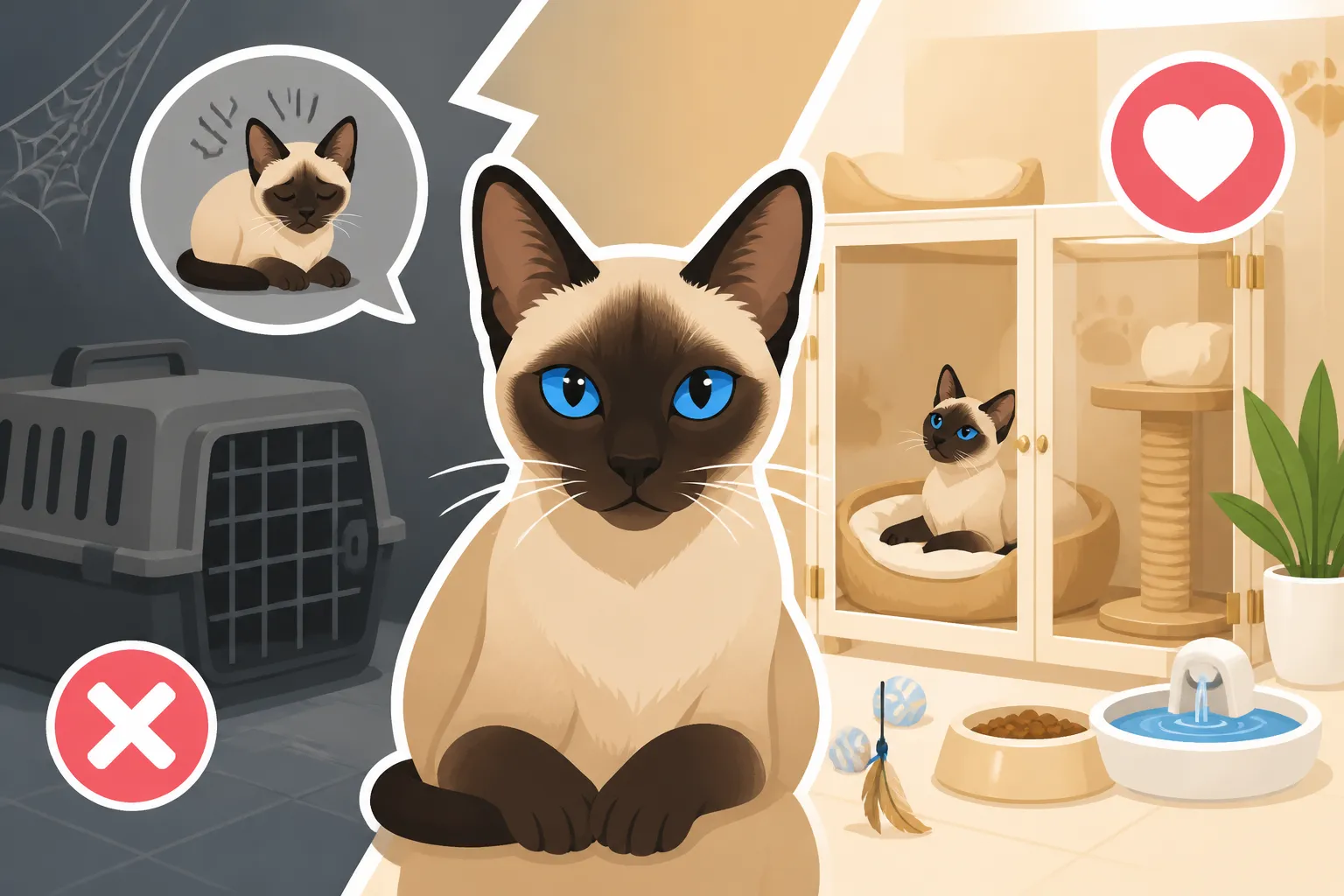
High-quality boarding facilities understand this sensitivity. They aim to minimize stress through thoughtful design, often providing individual "cat condos" that offer vertical space, hiding spots, and windows to the outside world, rather than just simple cages. They focus on maintaining a quiet, calm atmosphere, and some even use pheromone diffusers to help soothe anxious felines. All these considerations go beyond basic care and require more investment in facility setup and ongoing management. A stressed Siamese is a miserable Siamese, and a good cattery knows that preventing stress is paramount.
Dietary and Health Considerations
Many Siamese cats have particular dietary needs or sensitivities. Some might be prone to digestive upset, while others simply have very specific preferences. A boarding facility needs to be prepared to cater to these individual requirements, whether it's administering medication, offering a special prescription diet, or simply ensuring fresh water is always available in a way your cat prefers (some are notoriously picky about water bowls!). If your cat is on a specialized diet or has other health needs, finding a facility that can reliably maintain this routine is essential.
Beyond diet, Siamese cats, like any purebred, can be predisposed to certain health conditions. For example, some may experience Asthma in a Siamese Cat or have sensitive stomachs. A quality boarding establishment will have protocols in place for monitoring health, recognizing subtle signs of distress or illness, and contacting veterinary care promptly if needed. This isn't just about having a vet on call; it's about having staff trained to spot when a typically chatty Siamese suddenly goes quiet, or when a normally voracious eater turns their nose up at food. This level of vigilant health monitoring requires experienced staff and more rigorous training, which contributes to the overall cost. Signs a Siamese Cat Is Unwell
What Goes into "Quality" Cat Boarding
When you're shelling out good money for Siamese cat boarding, you're not just paying for a roof over their head. You're paying for peace of mind, knowing your demanding darling is receiving the best possible care tailored to their unique needs.
Specialized Facilities and Staff
A truly good cat boarding facility, often referred to as a "cattery," is designed specifically with felines in mind. This means individual enclosures that offer more than just floor space – they provide vertical climbing opportunities, separate areas for eating, sleeping, and litter, and often a view or interaction with other cats (safely, through glass, of course). These aren't just kennels repurposed for cats; they're purpose-built havens. The air quality, temperature control, and cleanliness are all meticulously managed to prevent stress and the spread of illness.
But even the most luxurious facility is nothing without the right staff. For a Siamese, you need staff who genuinely understand cat behavior, especially the nuances of a highly intelligent and communicative breed. They need to be patient, observant, and willing to spend individual time with each cat. This means:
- Higher Staff-to-Cat Ratios: More staff per cat means more individualized attention, playtime, and monitoring. This is crucial for a Siamese who craves interaction.
- Trained Personnel: Staff should be trained in cat handling, recognizing signs of stress or illness, and administering medications. They should know how to approach an anxious cat and how to engage a playful one.
- Cat-Centric Environment: From calming music to quiet cleaning routines, everything is geared towards a cat's comfort, not just human convenience.
A facility investing in these aspects will naturally have higher operating costs, which are reflected in their boarding fees.
Individualized Care and Enrichment
For a Siamese, "individualized care" means more than just having their own space. It means their specific preferences are known and respected. Does your Siamese only drink from a fountain? Do they need to play with a feather wand for at least 15 minutes before dinner? Do they prefer to sleep on a heated bed? Which Heated Bed Suits a Siamese Cat A top-tier boarding service will ask these questions and genuinely try to accommodate them.
Enrichment is another huge factor. A bored Siamese cat can quickly become a destructive or stressed one. High-quality boarding provides:
- Daily Play Sessions: Dedicated time for interactive play with staff, using toys your cat enjoys.
- Mental Stimulation: Puzzle feeders, window perches for bird-watching, or even access to cat-friendly videos can keep their sharp minds engaged. Whether a Puzzle Feeder Occupies a Siamese Cat
- Comfort and Routine: Efforts to maintain as much of their home routine as possible, from feeding schedules to quiet times.
This level of tailored attention requires more staff time and specialized equipment. It's not a "one-size-fits-all" approach, and that customization is where a lot of the cost comes from. Imagine the difference between a facility where staff spend five minutes with each cat versus one where they dedicate a significant portion of their day to individual interaction and enrichment for demanding breeds.
Health Monitoring and Emergency Protocols
The reality is, even with the best care, cats can get sick or have an accident. This is where a quality boarding facility truly earns its stripes and justifies its cost. For a Siamese cat, known for sometimes being prone to specific health issues, robust health monitoring and emergency protocols are non-negotiable.
- Constant Vigilance: Staff are trained to observe each cat closely for changes in appetite, litter box habits, energy levels, and behavior. A sudden lack of vocalization from a Siamese could be a red flag, for instance.
- Medication Administration: If your Siamese needs daily medication, whether for allergies or a chronic condition, you need absolute confidence it will be given correctly and on schedule. This requires meticulous record-keeping and trained staff.
- Veterinary Access: A good facility will have a clear, established relationship with a local veterinarian for emergencies and will know how to get your cat prompt medical attention if needed. They should also be prepared to follow your specific vet's instructions. Having pet insurance from a provider like
Healthy Pawscan certainly provide peace of mind in these situations, but the boarding facility still needs the expertise to facilitate that care.
These are not just checkboxes; they represent a significant investment in staff training, protocols, and partnerships that contribute to a higher boarding fee but ultimately safeguard your cat's well-being.
The Cost Factors Behind Siamese Cat Boarding
So, why exactly does all this specialized care translate into a higher bill? It boils down to the resources required to meet the high standards a Siamese cat owner expects and their cats truly need.
Staffing Ratios and Training
This is perhaps the biggest driver of cost. If a facility has a low staff-to-cat ratio, it means each staff member can dedicate more time and individualized attention to fewer cats. For a Siamese that thrives on interaction and gets stressed easily, this one-on-one time is invaluable. These staff members aren't just cleaning cages; they're playing, talking, observing, and providing comfort. This intensive care model requires:
- More Employees: Simply put, you need more people on the payroll.
- Higher Wages: Experienced, well-trained staff who understand cat behavior, especially that of particular breeds, command better wages. They are professionals, not just casual laborers.
- Ongoing Training: Best practices in feline care evolve, and good facilities invest in continuous training for their team. This includes things like stress reduction techniques, advanced first aid, and recognizing subtle health cues.
Consider a place where one person is responsible for twenty cats versus a place where one person handles five. The level of individual attention and care is vastly different, and the cost structure will reflect that.
Customization and Amenities
Think about the difference between a standard hotel room and a boutique suite with personalized services. Quality cat boarding is similar. The ability to cater to individual preferences, from specific types of bedding to the exact brand of kibble they eat (perhaps even a custom order from Chewy), adds layers of logistical complexity and cost.
Amenities that go beyond basic shelter include:
- Spacious Enclosures: Larger "cat condos" or rooms, sometimes with outdoor access (safely enclosed, of course), are more expensive to build and maintain than simple cages.
- Environmental Enrichment: Investing in climbing structures, puzzle toys, pheromone diffusers, and air purification systems.
- Specialized Services: Things like grooming, extra play sessions, "cuddle time" packages, or specific meal preparations all incur additional costs.
- Climate Control and Hygiene: Maintaining optimal temperature, humidity, and hospital-grade cleanliness in a cat-specific environment requires significant utility and cleaning supply expenses.
All these "extras" are designed to make your Siamese as comfortable and happy as possible during their stay, but they come at a premium.
Location and Reputation
Just like human lodging, the cost of cat boarding can vary significantly depending on its location. Facilities in or near urban centers, where real estate and labor costs are higher, will naturally charge more. A facility situated in a prime area, perhaps conveniently close to major airports or within an affluent community, reflects those overheads in its pricing.
Furthermore, a facility with a long-standing reputation for excellent care, especially with demanding breeds like Siamese, can command higher prices. This reputation isn't just handed out; it's earned through consistent, high-quality service, positive word-of-mouth, and often, glowing reviews. These establishments often have waiting lists, indicating that owners are willing to pay for that peace of mind. They often have dedicated facilities, highly experienced staff, and a track record of successfully caring for cats with special needs or quirky personalities. Choosing such a reputable place means you're paying for their expertise and the trust they've built within the pet community.
Alternatives to Traditional Boarding (and their costs)
Boarding isn't the only option, and exploring alternatives can sometimes offer a better fit for your Siamese's unique personality and your budget, though "cheaply" is still relative when it comes to quality care for these sensitive felines.
Professional Pet Sitters
For many Siamese owners, a professional pet sitter who comes to your home is the gold standard. This allows your cat to remain in their familiar environment, maintaining their routine, scents, and territory. This significantly reduces stress for sensitive cats. A good pet sitter will not only feed and clean the litter box but also spend quality time interacting, playing, and observing your Siamese. How Long a Siamese Cat Can Be Left Alone
However, "professional" is the key word here, and it comes with a cost. You're paying for:
- Individualized Attention: The sitter's time is dedicated solely to your pet during their visit.
- Experience and Reliability: Reputable sitters are often bonded, insured, and have references. They understand feline behavior and can spot issues quickly.
- Convenience: They come to you, saving you travel time and stress.
- Multiple Visits: A Siamese typically needs at least two visits per day to maintain their social needs and routine, which means paying for each visit.
While often more expensive per day than basic boarding, the reduced stress for your Siamese can be priceless in terms of their health and happiness, potentially avoiding vet bills down the line. It's often the preferred option for cats that don't cope well with change or strangers. How a Siamese Cat Handles a House Move
In-Home Care with Friends/Family
Many of us lean on trusted friends or family when we go away. This can be a wonderful, often less expensive, alternative if the person genuinely understands and loves cats, especially the particular demands of a Siamese. The major benefit is that your cat stays home and is cared for by someone they might already know.
However, there are potential "hidden costs" and considerations:
- Reliability: Friends and family, while well-intentioned, might not have the professional commitment of a paid sitter. A busy schedule could lead to missed visits or rushed care.
- Lack of Expertise: They might not recognize subtle signs of illness or stress, or know how to administer medication properly. What if your Siamese starts showing signs of Signs a Siamese Cat Has Liver Amyloidosis? Would they know what to do?
- Awkwardness: You might feel uncomfortable providing detailed instructions or asking for specific levels of interaction (like demanding 15 minutes of feather wand play).
- Reciprocity: There's often an unspoken expectation to return the favor, which might not be practical or desired.
While seemingly "cheap," if the care isn't up to par, the actual cost could be a stressed, unhappy, or even sick cat upon your return.
Exploring House Sitting Services
House sitting is another option that ensures your Siamese stays at home, but with a different kind of caregiver. A house sitter lives in your home while you're away, providing continuous presence for your cat in exchange for free accommodation. This is particularly appealing for highly social cats like the Siamese who truly benefit from a constant human presence.
Benefits include:
- Constant Companionship: Your Siamese gets round-the-clock attention and company, which can be ideal for preventing separation anxiety. What Separation Anxiety Looks Like in a Siamese Cat
- Home Security: Your home looks occupied, deterring potential issues.
- Other Chores: House sitters often also handle mail, plants, and other household tasks.
However, house sitting also has its nuances:
- Cost Variation: While some services connect you with sitters who work for free accommodation, others involve membership fees for platforms, or direct payments to the sitter. The "cheapness" depends heavily on the platform and sitter's experience.
- Trust and Vetting: You are inviting someone new into your home for an extended period, so thorough vetting, background checks, and references are absolutely crucial.
- Availability: Finding a suitable sitter for your specific dates, especially during peak travel times, can be challenging.
House sitting can be a fantastic solution, offering the closest thing to your own presence for your Siamese, but it requires careful planning and due diligence.
Here's a quick comparison of these options for your Siamese:
| Feature | Traditional Quality Boarding | Professional Pet Sitter (At Home) | Friend/Family Care (At Home) | House Sitter (In Home) |
|---|---|---|---|---|
| Familiar Environment | No (new facility) | Yes (your home) | Yes (your home) | Yes (your home) |
| Individual Attention | High (specialized staff) | High (dedicated visits) | Varies (depend on commitment) | High (live-in presence) |
| Stress Level for Cat | Moderate to High | Low | Low to Moderate | Low |
| Health Monitoring | High (trained staff, vet protocols) | High (trained, observant) | Varies (low to moderate expertise) | High (present for observation) |
| Emergency Preparedness | High | High | Varies (may be untrained) | High (present, can act quickly) |
| Cost | Moderate to High | Moderate to High | Low (often free, but with hidden costs) | Varies (platform fees, some pay sitters) |
| Convenience | Drop-off/Pick-up | You provide keys/access | You provide keys/access | You provide keys/access |
| Vetting Required | Research facility reputation | Interview, check references/insurance | Trust-based, communicate expectations | Extensive background checks |
Ultimately, for a Siamese cat, investing in quality care when you're away isn't a luxury; it's a necessity for their physical and emotional well-being. Whether you choose a top-tier cattery, a professional pet sitter, or a trusted house sitter, understanding the reasons behind the costs helps you make an informed decision for your talkative, demanding, and utterly lovable companion.
Disclaimer
This article is for general informational purposes only and does not constitute professional advice. Laws, prices and regulations vary by location and change over time. Consult a qualified professional for guidance on your specific situation.