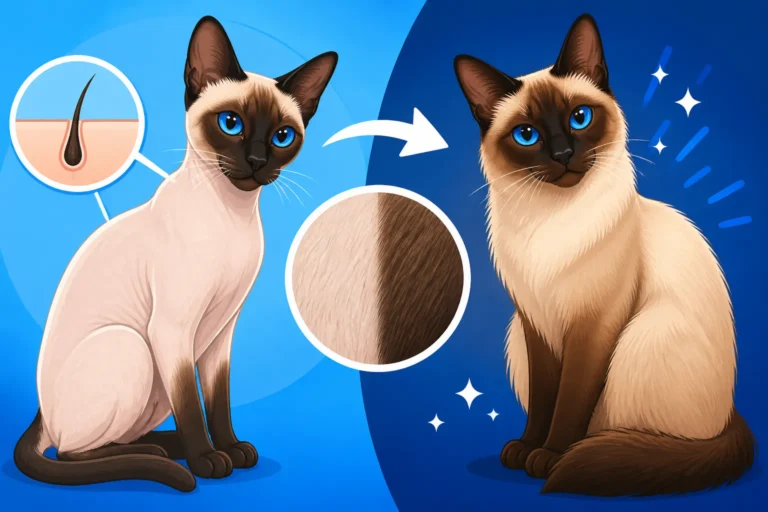
How Easily a Siamese Cat Gets Fat
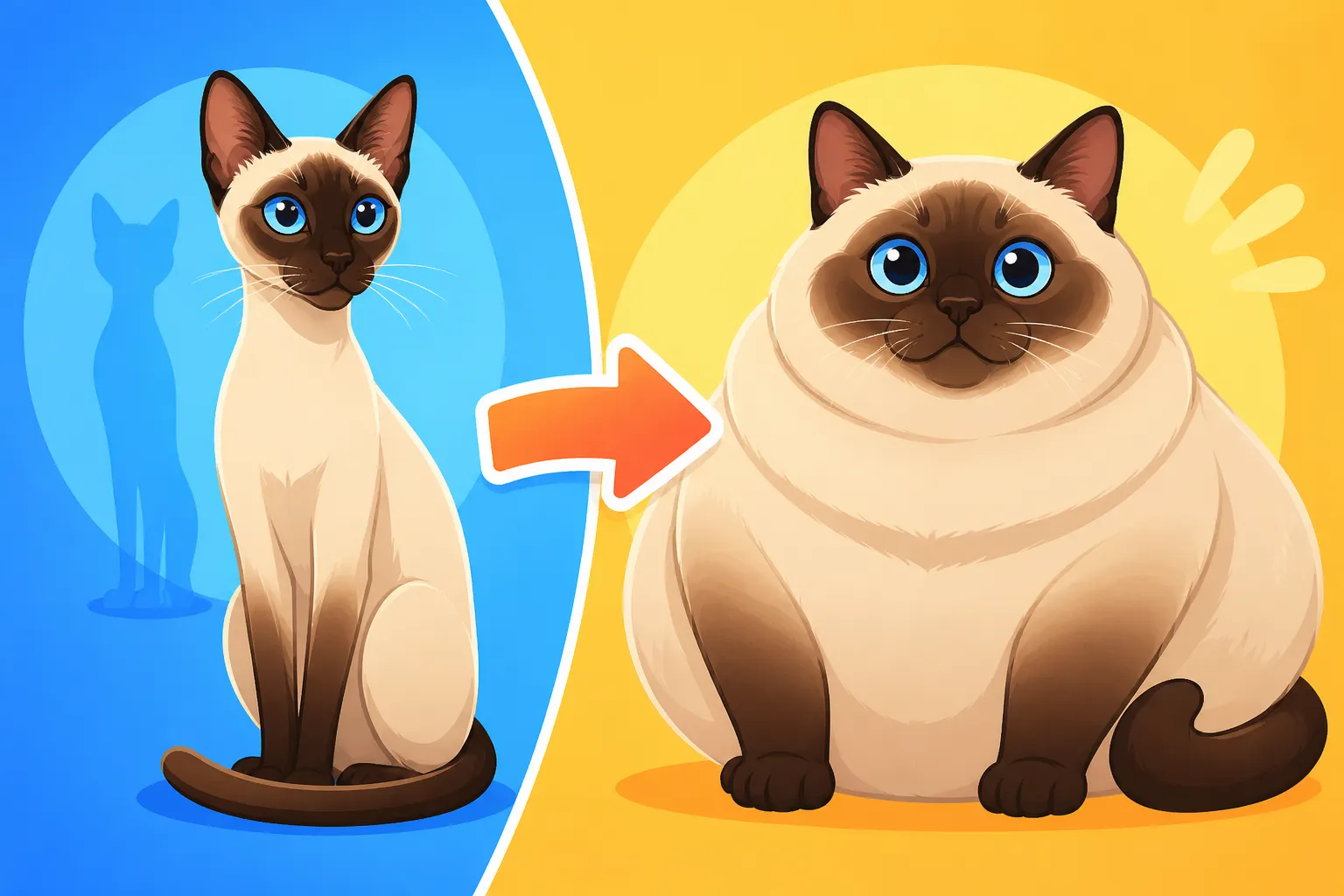
Many Siamese cat owners are surprised when their typically slender, agile companions start packing on the pounds. It's a common misconception that these energetic felines can eat anything and stay svelte, but the reality is that a Siamese cat can get fat, and sometimes quite easily. This guide will dive deep into the unique metabolic traits, lifestyle factors, and dietary habits that can contribute to weight gain in your beloved Meezer, and most importantly, how to keep them healthy and trim.
The Siamese Metabolism: A Double-Edged Sword
We often hear about the boundless energy of Siamese cats, their sleek lines, and how they seem to burn through calories just by existing. While it's true they generally have a higher metabolism than many other breeds, this doesn't grant them immunity from weight gain. In fact, their very nature can sometimes lead to situations where they become susceptible to putting on extra weight if their specific needs aren't met. It’s a delicate balance, and understanding their unique physiology is the first step toward preventing a chunky Meezer.
The Myth of the "Naturally Thin" Siamese
It's easy to look at a Siamese cat's lithe, muscular frame and assume they're immune to obesity. They are indeed known for being quite lean, with a long, svelte body that gives them a graceful appearance. This body type, coupled with their active and vocal personalities, often leads owners to believe they can free-feed or indulge them without consequence. However, this "naturally thin" perception can be a dangerous myth. Just like any other cat, if a Siamese takes in more calories than they expend, those calories will be stored as fat. The difference is, because they start so lean, a small amount of extra weight can actually make a bigger impact on their overall health and mobility than it might on a stockier breed. We discuss Why a Siamese Cat Stays So Thin in detail elsewhere, which gives a good baseline.
Think of it this way: a few extra pounds on a breed like a Maine Coon might not seem as dramatic, but on a delicate Siamese, those same few pounds can shift them from ideal to overweight. This can put undue strain on their joints, heart, and other organs, even if they don't look "fat" by conventional standards. The sleekness we adore needs careful maintenance, not complacent disregard.
Factors Influencing Their Unique Energy Burn
While a Siamese cat's metabolism is generally efficient, several factors can influence how effectively they burn calories. Age is a huge one; a spry, playful kitten or young adult Siamese might seem like a perpetual motion machine, but as they mature and especially as they reach their senior years, their activity levels naturally decrease. An older Siamese might still seem active to us, but their bursts of energy might be shorter, and their overall daily calorie burn will likely be lower. This means their caloric intake needs to be adjusted accordingly.
Another significant factor is activity level. While many Siamese are naturally energetic, individual personalities vary, and environmental enrichment plays a huge role. A Siamese who lives in a small apartment with little to no interactive play, or without a companion, might become less active than one who has ample space, toys, and human or feline playmates. Genetics can also play a subtle role, with some individual cats having slightly faster or slower metabolic rates within the breed's general parameters. Understanding these nuances helps us tailor their care rather than relying on broad generalizations.
Dietary Pitfalls That Lead to Weight Gain
Diet is, without a doubt, the single biggest controllable factor when it comes to a Siamese cat's weight. Even with a good metabolism, the wrong diet or feeding habits can quickly lead to an unhealthy weight. It's easy to fall into traps, especially when our Meezers are so good at communicating their desires with those loud, insistent meows! We want to make them happy, but sometimes what makes them happy in the short term isn't what's best for their long-term health.
Overfeeding and Portion Control Challenges
This is perhaps the most common culprit. Many cat owners, with the best intentions, simply feed too much. The feeding guidelines on commercial cat food bags are often just that – guidelines – and sometimes they're geared towards highly active outdoor cats or are a bit generous to encourage more consumption. For an indoor Siamese, those recommendations might be far more than they actually need. It's incredibly tempting to keep filling that bowl when your Siamese is looking up at you with those big blue eyes, letting out a What the Siamese Cat's Meezer Yowl Sounds Like. Their vocalizations are powerful!
Free-feeding, where food is left out all day, is a particular challenge for Siamese cats. While some cats can self-regulate, many cannot, especially if the food is palatable. They might graze out of boredom or habit rather than true hunger. Even portioning out food can be tricky if you're not precise. Using a measuring cup is a good start, but weighing their food with a kitchen scale is the most accurate way to ensure they're getting exactly the right amount of calories for their How Many Calories a Siamese Cat Needs a Day. Consistency is key here.
The Lure of High-Calorie Treats and Table Scraps
Who can resist giving a treat to their adorable, demanding Siamese? Treats are a wonderful way to bond and reinforce positive behaviors. However, they are often surprisingly calorie-dense and can quickly add up, easily pushing a cat over their daily caloric needs. A few small pieces of dry kibble as a treat might seem insignificant, but if you're giving them multiple times a day, or using larger, richer commercial treats, it's a different story.
Table scraps are an even bigger no-no. Human food is typically far too rich, salty, fatty, or even toxic for cats. Even seemingly harmless bits of chicken can throw off their nutritional balance and add unnecessary calories. It's a hard habit to break, especially when your Siamese is an expert at begging and weaving between your legs during dinner. But resisting those pleading looks is crucial for their waistline and overall health. If you're looking for appropriate treats, there are many lower-calorie, cat-specific options available on sites like Chewy that can satisfy their craving without overdoing it.
Choosing the Right Food for a Siamese Cat's Needs
The type of food you offer your Siamese also plays a critical role in weight management. Not all cat foods are created equal. Some are packed with fillers and carbohydrates that offer little nutritional value but contribute to calorie overload, while others are rich in protein and healthy fats. Given that cats are obligate carnivores, a high-protein, moderate-fat, low-carbohydrate diet is generally recommended. This mirrors their natural diet and helps them feel full while building lean muscle mass.
Consider the energy density of the food as well. A very active Siamese might thrive on a food with a slightly higher calorie count per serving, but a more sedentary one will need something less dense. Wet food can be beneficial because its high moisture content helps cats feel fuller on fewer calories and contributes to hydration. For advice on Which Food Suits a Siamese Cat and Whether a Siamese Cat Needs Wet Food, you'll find extensive information. Fresh, human-grade food can be an excellent option for precise portion control and high-quality ingredients, often making it easier to manage weight. It's always best to consult your vet on the best food choice for your individual cat's age, activity level, and any specific health concerns.
Lifestyle and Environmental Contributions to Chunky Meezers
Beyond what goes into their bowl, how your Siamese lives their life significantly impacts their potential for weight gain. Siamese cats are highly intelligent, incredibly social, and bursting with energy. If these fundamental needs aren't met, they can become bored, stressed, and consequently, less active, which is a perfect recipe for packing on the pounds.
The Impact of Insufficient Play and Mental Stimulation
A bored Siamese is often a lethargic Siamese, or a destructive one. These cats need a lot of physical and mental engagement to thrive. If they're not getting enough interactive play – think wand toys, feather teasers, or even just chasing a thrown toy – they won't burn enough calories. Worse, boredom can lead to comfort eating, just like in humans. They might patrol the food bowl more frequently or demand treats just for something to do.
It’s not just about running around, either. Mental stimulation is just as vital. Puzzle feeders, which make them work for their meals, can slow down eating and provide a mental challenge. Regularly rotating toys and engaging them in short, frequent play sessions throughout the day can make a huge difference. If you're struggling to keep them engaged, consider Enrichment for a Siamese Cat That Gets Bored in an Hour to spark some ideas. Without this stimulation, they might become less interested in activity and more interested in the food dish.
Indoor-Only Living and Sedentary Habits
While keeping Siamese cats indoors is generally safer for them, preventing exposure to traffic, predators, and diseases, it does come with the responsibility of replicating an engaging environment. An outdoor cat naturally expends a huge amount of energy patrolling territory, hunting, climbing, and exploring. An indoor Siamese, without a conscious effort from their owner, can easily become a couch potato.
This sedentary lifestyle means their calorie needs are lower, but their appetites might not be. They might sleep more, play less, and spend their days simply observing rather than actively engaging. Providing vertical space like cat trees, cat shelves, or a "catio" can encourage climbing and exploration. Even simple activities like chasing a laser pointer (though always end with a tangible toy to catch!) or playing fetch can contribute significantly to their daily calorie burn. Remember, their natural instinct is to be active hunters, and we need to facilitate that, even within the confines of our homes.
Stress, Boredom, and Emotional Eating in Siamese Cats
Yes, cats can experience stress and boredom, and for some Siamese cats, this can manifest as emotional eating, similar to humans. A sudden change in routine, the addition of a new pet or family member, a lack of attention, or even just not enough engaging activity can cause stress. Some cats react to stress by becoming withdrawn, while others might seek comfort in food.
A Siamese who is constantly meowing for food, even after being fed, might not be genuinely hungry but rather seeking attention or coping with boredom. This is where understanding What a Bored Siamese Cat Destroys can give you clues about their underlying mental state. Instead of reaching for the treat jar, try redirecting their attention with a play session or a new interactive toy. Ensuring they have a stable, enriching environment, plenty of attention, and a consistent routine can help mitigate stress and prevent food from becoming their primary coping mechanism. Consider browsing Amazon for a wide selection of puzzle feeders or interactive toys that can keep their minds and bodies busy.
| Feeding Mistake | Best Practice |
|---|---|
| Free-feeding | Scheduled meals, 2-3 times a day |
| Relying on bag guidelines | Weighing food portions with a kitchen scale |
| Too many high-calorie treats | Limited, low-calorie, cat-specific treats |
| Sharing human table scraps | Never give human food or fatty trimmings |
| Ignoring calorie content | Choosing high-protein, moderate-fat cat food |
| Using food as sole enrichment | Combine food with puzzle feeders and play |
| Reacting to incessant meowing | Rule out hunger, then redirect with play/cuddles |
Recognizing the Signs of an Overweight Siamese
It's one thing to understand how a Siamese cat can get fat, but it's another to actually recognize when it's happening. Because they start so lean, subtle weight gain can sometimes be overlooked until it becomes a more significant problem. Being vigilant and knowing what to look for is crucial for early intervention.
Beyond the Scale: Visual and Tactile Clues
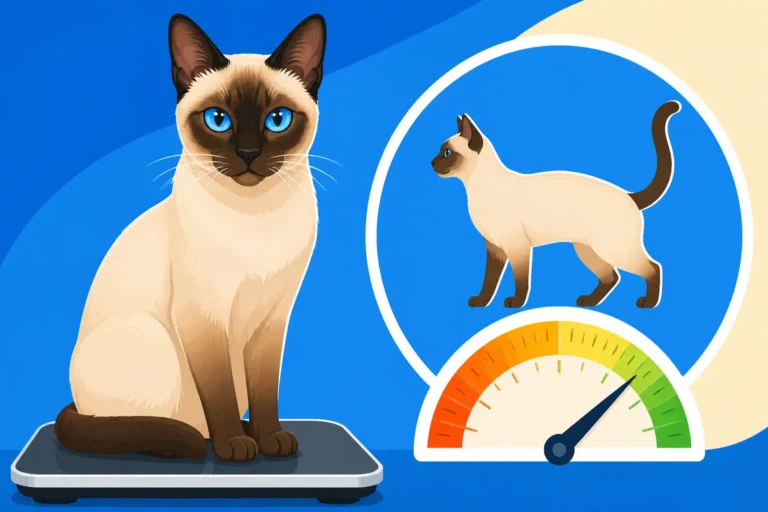
The number on the scale is certainly important, and knowing What a Healthy Siamese Cat Weighs provides a good baseline. However, not every cat fits a rigid weight bracket perfectly. A better assessment involves both visual cues and a hands-on approach. When you look at your Siamese from above, do they have a defined "waist" behind their ribs? Or do they look more like a straight line or even bulge out a little? From the side, can you see an abdominal tuck, or is their belly sagging?
The tactile test is even more important:
- Ribs: Gently run your hands along your cat's sides. You should be able to easily feel their ribs, almost like knuckles under a thin blanket, without having to press hard. If you can't feel them at all, or only with significant pressure, your cat is likely overweight.
- Spine: Similarly, you should be able to feel the bumps of their spine when you run your hand down their back, again, without pressing hard.
- Waist: Feel the area behind their rib cage. There should be a noticeable narrowing. If it feels wide and soft, they're carrying extra weight.
- Fat Pads: Check for excessive fat around the base of the tail or a noticeable saggy "primordial pouch" (a small amount is normal, but an overly large, swinging one can indicate obesity).
These are much more reliable indicators than just the scale alone, especially for a breed with such a distinct body type.
Health Risks Associated with Excess Weight
Being overweight isn't just about aesthetics; it carries a significant burden of health risks for your Siamese cat. These are real, serious conditions that can dramatically impact their quality of life and lifespan. Just a few extra pounds can lead to a cascade of problems.
One of the most immediate concerns is diabetes mellitus. Overweight cats are much more prone to developing insulin resistance, which can lead to diabetes, requiring daily insulin injections and careful dietary management. Another major risk is joint problems, like arthritis. The extra weight puts immense strain on their delicate joints, leading to pain, reduced mobility, and a reluctance to jump and play. Imagine trying to navigate your day with an extra 20 pounds strapped to your body – that's what it can feel like for your cat.
Furthermore, obesity increases the risk of heart disease, Heart Disease in a Siamese Cat is already a concern in the breed, and being overweight only exacerbates it. It can also lead to urinary tract issues, liver disease (like hepatic lipidosis, a serious condition), and even a higher risk during anesthesia for any necessary surgeries. Overweight cats often have difficulty grooming themselves, leading to matted fur and skin infections. In essence, allowing your Siamese to become fat is putting them on a path toward a shorter, less comfortable life. This is why vigilance and proactive management are so critical.
Strategies for Healthy Weight Management
So, you've realized your beloved Siamese might be carrying a few extra ounces, or you're determined to prevent it from happening in the first place. Don't despair! Managing a Siamese cat's weight is entirely achievable with consistency, knowledge, and a little creativity. It involves a two-pronged approach: careful dietary control and boosting their physical activity.
Crafting a Balanced Meal Plan
This is where the rubber meets the road. The goal is to feed a diet that provides all necessary nutrients without excess calories.
- Calculate Caloric Needs: This is best done with your vet, as they can assess your cat's ideal weight and current condition. Based on that, they can recommend a precise daily calorie target. It's often lower than you think!
- Portion Control: Once you have that calorie target, use a kitchen scale to measure out their food precisely. Divide their daily allowance into 2-3 smaller meals rather than one large one. This can help prevent them from feeling ravenous and mimics a more natural grazing pattern.
- Choose High-Quality Food: Opt for foods that are high in animal protein and have moderate fat and low carbohydrate content. These foods are more satisfying and support lean muscle mass. Many prescription weight-loss diets are also available through your vet, designed specifically to help cats lose weight safely while feeling full.
- Limit Treats: If treats are part of your routine, choose low-calorie options and factor their calories into the daily total. A single piece of their regular kibble can often suffice as a treat.
- Consider Puzzle Feeders: As mentioned earlier, puzzle feeders turn mealtime into a game. They slow down eating, provide mental stimulation, and make your cat work for their food, burning a few extra calories in the process. You can find a wide range of these on platforms like Chewy or Amazon.
Remember, consistency is paramount. Everyone in the household needs to be on board with the new feeding plan. For more specific guidance on portioning, see How Much Food a Siamese Cat Gets Per Meal.
Boosting Activity Levels Through Play and Enrichment
Diet alone isn't enough; your Siamese needs to move! Their high energy levels are a gift when channeled correctly.
- Scheduled Play Sessions: Aim for several short (5-10 minute) interactive play sessions throughout the day. Wand toys with feathers or ribbons are often irresistible to Siamese cats, tapping into their prey drive. Laser pointers can be fun, but always end the session with a tangible toy they can "catch" to prevent frustration. How Much Play a Siamese Cat Needs is generally more than you'd expect.
- Interactive Toys: Beyond wand toys, offer a variety of interactive toys they can play with on their own. Balls, crinkle toys, and even simple crumpled paper can keep them entertained. Rotate toys regularly to maintain interest.
- Vertical Space: Siamese cats love to climb and observe their world from above. Provide tall cat trees, wall-mounted shelves, or even a cat-friendly bookshelf setup. This encourages natural climbing behavior and physical exertion.
- Leash Training (Optional): Some Siamese cats take well to leash training and enjoy exploring the outdoors in a harness. This can provide fantastic enrichment and exercise, but always prioritize their safety and comfort.
- Companion Cat: If appropriate for your household and circumstances, another active cat can be a fantastic playmate for a Siamese, encouraging mutual activity and reducing boredom-related issues.
Remember, a tired Siamese is a happy (and thinner) Siamese! These enrichment activities are not just for weight loss, but for their overall mental well-being too.
The Role of Regular Vet Check-ups and Monitoring
Finally, never underestimate the importance of your veterinarian in weight management. Regular check-ups are essential for monitoring your Siamese cat's weight and overall health. During these visits, your vet can accurately assess their body condition score, track their weight, and discuss any concerns you might have.
They can also rule out underlying medical conditions that might contribute to weight gain, such as hypothyroidism (though less common in cats than dogs) or other metabolic issues. Your vet is the best resource for tailoring a specific diet plan, recommending appropriate food, and advising on safe exercise routines. They can also help you understand how to manage any weight-related health problems that may have already developed. It's a team effort, and your vet is your most important partner in ensuring your Siamese stays at a healthy weight for a long, happy life. For guidance on general health monitoring, you can refer to How Often a Siamese Cat Needs a Wellness Exam.
Disclaimer
This article is for general informational purposes only and does not constitute professional advice. Laws, prices and regulations vary by location and change over time. Consult a qualified professional for guidance on your specific situation.