Mediastinal Lymphoma in a Young Siamese Cat
It's absolutely devastating to hear that a beloved young cat, full of life and mischief, could be facing something as terrifying as cancer. When it's a Siamese, a breed renowned for its vivacious personality and strong bond with its human family, the news of a diagnosis like mediastinal lymphoma hits particularly hard. This guide is here to walk you through understanding this specific type of cancer, recognizing the signs, navigating the diagnostic process, and exploring the treatment options available, offering a compassionate and realistic look at what you might be up against.
Understanding Lymphoma in Cats, Especially Our Siamese Friends
Learning that your feline companion has cancer is a punch to the gut. It's a word that immediately conjures fear and uncertainty, and for cat owners, lymphoma is a particularly common and distressing diagnosis. Our chatty, intelligent Siamese cats, with their unique genetic makeup, seem to have their own specific vulnerabilities, and mediastinal lymphoma is unfortunately one of them.
What is Lymphoma and Why is it So Common?
Lymphoma isn't just one disease; it's a group of cancers that originate from lymphocytes, a type of white blood cell crucial to the immune system. These cells are found throughout the body, in lymph nodes, bone marrow, spleen, and other organs, which is why lymphoma can appear in so many different places – in the gut, the kidneys, the nasal passages, or, as we're discussing today, in the chest. It's a frustratingly common cancer in felines, and the reasons for its prevalence are complex, often involving a mix of genetic predisposition, environmental factors, and in some cases, viral infections like Feline Leukemia Virus (FeLV). The sheer ubiquity of lymphocytes means there are many opportunities for these cells to go rogue, leading to tumor formation. It can be incredibly disheartening because it often strikes without warning, leaving us scrambling to understand what's happening to our precious pets.
The Unique Vulnerability of Siamese Cats to Mediastinal Lymphoma
While lymphoma can affect any cat breed, Siamese cats, like many purebreds, often carry a higher risk for certain conditions due to their specific genetic lines. When it comes to mediastinal lymphoma, there appears to be a breed-specific predisposition that makes them more susceptible, particularly at a younger age. This isn't just bad luck; it points to underlying genetic factors or unique aspects of their immune system that we don't yet fully understand. For owners, this knowledge brings little comfort when faced with the diagnosis, but it does highlight the importance of being extra vigilant for any changes in your Siamese cat's health. The heartbreak of seeing a young Siamese, full of energy and personality, suddenly struggling with a severe illness like this is truly profound. It’s a harsh reality that some of the most beautiful and beloved breeds also come with a heightened risk for certain health challenges.
Pinpointing the Mediastinum: Where This Cancer Strikes
The location of mediastinal lymphoma is a major factor in its severity and the rapid onset of symptoms. Understanding exactly where the mediastinum is, and what vital organs it contains, helps to grasp why a tumor in this specific area is so dangerous for our feline friends.
The Anatomy of the Mediastinum and Its Vital Role
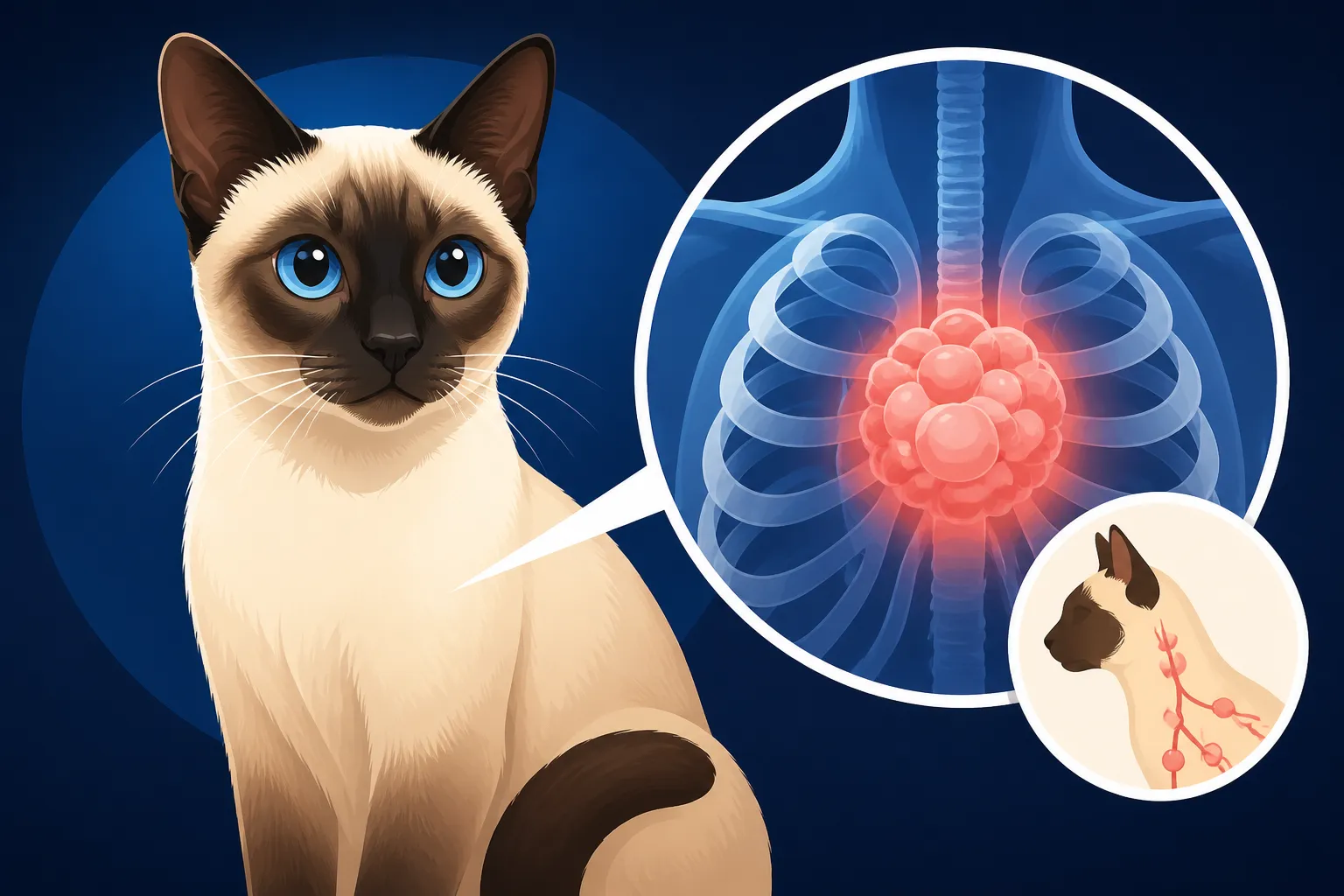
Imagine your cat's chest cavity. It's not just a big empty space; it's densely packed with crucial organs. The mediastinum is a central compartment within this chest cavity, nestled between the two lungs. It's not a specific organ itself, but rather the area that houses some of the most important structures in the body: the heart and its major blood vessels (like the aorta and vena cava), the trachea (windpipe) that carries air to the lungs, the esophagus (food pipe) that leads to the stomach, and a network of lymph nodes that are part of the immune system. Because this area is so tightly confined, any abnormal growth, like a tumor, can quickly put immense pressure on these vital structures. This compression is what leads to many of the distressing symptoms associated with mediastinal lymphoma, making it a particularly aggressive and life-threatening form of the disease.
How Lymphoma Manifests in This Delicate Area
In the context of mediastinal lymphoma, the cancerous lymphocytes typically proliferate within the thymus gland, an organ located in the cranial (front part) of the mediastinum that is prominent in young animals and shrinks with age, or within the mediastinal lymph nodes. As these cancerous cells multiply, they form a mass that can grow surprisingly quickly. Even a relatively small tumor can have significant consequences because the mediastinum is a non-expandable space. Think of it like trying to fit an extra item into an already packed suitcase – something has to give. In this case, what "gives" is the function of the heart, lungs, and major blood vessels. The growing tumor compresses the trachea, making breathing difficult. It can squeeze the esophagus, leading to problems with swallowing or regurgitation. It might even press on the major veins returning blood to the heart, causing fluid to back up and accumulate in the chest cavity (pleural effusion) or swelling in the face and neck. The rapid onset of severe symptoms is a hallmark of this type of lymphoma, making early detection and intervention incredibly challenging but also critically important.
Recognizing the Alarming Signs of Mediastinal Lymphoma in a Young Siamese Cat
The urgency with which mediastinal lymphoma can progress means that recognizing the signs swiftly is paramount. While our Siamese cats are known for their vocal complaints, there are some symptoms that should never be ignored, particularly when they involve breathing.
Respiratory Distress: The Most Common and Frightening Symptom
For most Siamese cat owners, the first sign that something is terribly wrong is usually severe respiratory distress. This isn't just a mild cough or a sneeze; it's a desperate struggle for air. You might notice your cat breathing rapidly, even when at rest, a condition known as tachypnea. Their breathing might become labored and shallow, or you might see them actively using their abdominal muscles to try and draw breath, which is called dyspnea. Sometimes, they might even resort to open-mouth breathing, which is always an emergency sign in cats, indicating they are in serious trouble and cannot get enough oxygen through their nose. You might also observe coughing or gagging, sometimes mistaken for a hairball, but persistently and without relief. The reason for these frightening symptoms is the tumor's relentless growth, which directly compresses the trachea, making it harder for air to pass, and sometimes pushing against the lungs themselves, reducing their capacity. Often, the tumor can also lead to fluid accumulation in the chest cavity, known as pleural effusion, further restricting lung expansion. When you see your normally energetic Siamese struggling to breathe, it's a clear signal for an immediate, emergency vet visit. Trust your gut instinct; don't wait. This isn't the time to wonder if it's just a cold or a passing irritation.
Other, More Subtle Clues That Something Is Wrong
While respiratory issues are usually the most alarming and obvious signs, mediastinal lymphoma can present with other, more subtle symptoms that can be easy to miss or misattribute, especially in the early stages. Your Siamese might become unusually lethargic, no longer engaging in their typical playful antics or greeting you with their usual enthusiastic meows. They might start losing weight, even if their appetite seems normal, or conversely, they might show a decreased interest in food altogether. Regurgitation, not necessarily vomiting, can occur if the tumor is pressing on the esophagus, making it difficult for food to pass. In some cases, you might even notice swelling in their face, neck, or front limbs. This less common but serious symptom is known as cranial vena cava syndrome, where the tumor is compressing the large vein that returns blood from the head, neck, and front legs to the heart, causing blood to back up. Because many of these subtle signs can mimic other less serious conditions, it's easy to overlook them or hope they'll simply go away. However, in a young Siamese, especially if combined with any hint of breathing difficulty, these signs warrant a thorough investigation by your veterinarian. Remember, cats are masters at hiding pain and illness, so any noticeable change in behavior or routine could be a critical indicator that something serious is developing. Keeping an eye out for Signs a Siamese Cat Is Unwell can sometimes give you an earlier heads-up.
The Crucial Diagnostic Journey: Uncovering the Truth
Once you suspect something is wrong, the diagnostic journey begins. It can be a stressful time, filled with tests and waiting, but it's essential for getting an accurate diagnosis and determining the best course of action for your Siamese.
Initial Vet Visit and Physical Examination
When you bring your struggling Siamese to the vet, the first step is always a thorough physical examination. Your vet will carefully listen to your cat's heart and lungs, often noting muffled sounds if there's significant pleural effusion (fluid in the chest) or reduced lung sounds if the tumor is large. They might try to palpate (feel) for any masses, although mediastinal tumors are usually too deep to feel externally. They'll also assess your cat's breathing pattern, gum color (checking for signs of oxygen deprivation), and overall demeanor. If your cat is in severe respiratory distress, the vet's priority will be to stabilize their breathing, often by providing supplemental oxygen or performing an emergency procedure to remove fluid from the chest. This initial assessment helps the vet understand the severity of the situation and guides the next steps in the diagnostic process. Sometimes, just the physical exam gives strong clues, but definitive answers require further investigation. For a comprehensive overview of potential health concerns, it's worth understanding How Healthy the Siamese Cat Actually Is.
Imaging and Biopsy: Getting a Definitive Diagnosis
After the initial exam and stabilization, imaging is usually the next crucial step. Chest X-rays (radiographs) are often the first diagnostic tool. These can reveal a mass in the cranial mediastinum, often looking like a large, opaque shadow in the chest, and will also show any pleural effusion that might be present. While X-rays provide a good overview, a thoracic ultrasound offers a more detailed look at the soft tissues of the mediastinum, allowing the vet to see the tumor itself, assess its size, and determine if there's fluid. An ultrasound can also guide the safe removal of fluid from the chest (thoracocentesis), which is not only therapeutic for breathing but also provides fluid samples for analysis.
However, the gold standard for definitively diagnosing lymphoma and determining its specific type is a biopsy. This involves taking a tissue sample from the mass or lymph nodes. This might be done through fine needle aspiration (FNA) – inserting a thin needle to collect cells – or a more invasive surgical biopsy. While FNA can sometimes provide enough cells for diagnosis, a surgical biopsy often yields a larger, more comprehensive sample, allowing for more accurate staging and classification of the lymphoma. The challenge, especially in a cat with severe respiratory compromise, is that these procedures can carry risks, requiring careful anesthesia and monitoring. Sometimes, if a surgical biopsy is too risky, a presumptive diagnosis might be made based on imaging and response to initial steroid therapy, but a definitive diagnosis is always preferred for guiding treatment. Knowing What a Siamese Cat's Emergency Ultrasound Costs can help you prepare for the financial aspect of this critical diagnostic step.
Navigating Treatment Options and Prognosis
Receiving a diagnosis of mediastinal lymphoma is terrifying, but it's important to know that there are treatment options available. While the prognosis for this aggressive form of cancer, especially in young cats, can be challenging, every cat's response is unique.
Chemotherapy: The Primary Weapon Against Lymphoma
For mediastinal lymphoma, chemotherapy is typically the primary and most effective treatment. The goal of chemotherapy isn't always to achieve a complete cure, but rather to induce remission, extend the cat's life, and maintain a good quality of life for as long as possible. The most common protocol used in cats is a multi-agent chemotherapy regimen, often referred to as the CHOP protocol (Cyclophosphamide, Hydroxydaunorubicin (Doxorubicin), Oncovin (Vincristine), and Prednisolone), which involves a combination of different drugs administered over several weeks or months. These drugs target rapidly dividing cells, including cancer cells, but also some healthy cells, which is why side effects can occur.
Your cat would likely be seen by a veterinary oncologist who specializes in cancer treatment. They will tailor the protocol, dosage, and frequency based on your cat's specific condition, overall health, and how they tolerate the treatment. Side effects can include temporary nausea, vomiting, diarrhea, and decreased appetite, but most cats tolerate chemotherapy surprisingly well compared to humans. The aim is always to balance killing cancer cells with preserving the cat's comfort and well-being. It's a journey that requires commitment and close communication with your veterinary team. You might be wondering How Long a Siamese Cat Lives After Chemotherapy, and while it varies, many cats can achieve a period of good quality remission.
Supportive Care and Managing Symptoms
Beyond chemotherapy, supportive care is absolutely vital for managing the immediate and ongoing symptoms of mediastinal lymphoma. If your cat is struggling to breathe due to pleural effusion (fluid around the lungs), a thoracocentesis – draining the fluid with a needle – provides immediate relief and can dramatically improve their breathing. This is often done as an emergency procedure. Steroids like prednisolone are frequently prescribed, sometimes even before a definitive diagnosis, because they can rapidly shrink lymphoma cells and reduce inflammation, offering a crucial window of relief. However, long-term steroid use alone is not a cure and can interfere with the effectiveness of chemotherapy down the line, so their use must be carefully managed by your vet.
Nutritional support is also paramount. Cats with cancer can lose their appetite, so enticing them with palatable, high-calorie foods or even using appetite stimulants might be necessary. Keeping them comfortable, warm, and stress-free in their environment also contributes significantly to their quality of life. Regular monitoring at home for any changes in breathing, appetite, or energy levels is crucial, as is maintaining an open dialogue with your veterinary team. This holistic approach ensures that while you're fighting the cancer, you're also ensuring your cat feels as good as possible every single day.
Prognosis: The Hard Realities for Young Siamese Cats
Discussing prognosis is never easy, and for mediastinal lymphoma in young Siamese cats, it can be a particularly hard conversation. This form of lymphoma is generally considered aggressive, and the prognosis is often guarded. Without treatment, survival times are typically very short, often only a few weeks to a couple of months, due to the rapid progression of the tumor and its impact on vital organs.
With multi-agent chemotherapy, many cats can achieve remission, meaning the cancer cells are no longer detectable, and their symptoms resolve. The median survival times with treatment can range from several months to over a year, with some cats living longer. However, mediastinal lymphoma has a tendency to recur. The response to chemotherapy can vary widely from cat to cat, influenced by factors like the specific type of lymphoma (immunophenotype), whether FeLV is involved, and the stage of the disease at diagnosis. It’s important to have realistic expectations and to discuss all outcomes with your veterinary oncologist. The focus is always on maximizing quality of life, and for some, managing the disease might involve a combination of active treatment and palliative care. This is an emotionally taxing journey, but making informed decisions alongside your vet will ensure your Siamese receives the best possible care for them. For specific signs to look out for, you can refer to Mediastinal Lymphoma Signs in a Siamese Cat.
Understanding the Age Factor: Why "Young" Matters in Siamese Lymphoma
It's particularly cruel when a disease like lymphoma strikes a young animal. For Siamese cats, the age at which mediastinal lymphoma often appears adds another layer of heartbreak and complexity to the diagnosis.
The Typical Age Range for Mediastinal Lymphoma in Siamese Cats
One of the most distinguishing and devastating aspects of mediastinal lymphoma in Siamese cats is the age of onset. Unlike many other cancers that tend to affect older, senior felines, this specific type of lymphoma frequently targets kittens and young adult Siamese cats, often between 1 and 5 years of age. It's not unheard of to see cases even younger. This young age range contrasts sharply with other forms of lymphoma, such as the gastrointestinal form, which is more commonly diagnosed in middle-aged to older cats. The sheer unfairness of a beloved pet, who should be in the prime of their life, being struck down by such a serious illness is a profound shock for owners. It means their vibrant, playful companion suddenly faces a life-threatening battle when they should be enjoying years of healthy happiness. Understanding The Age Mediastinal Lymphoma Hits a Siamese Cat helps owners and vets alike be vigilant, even for cats who seem too young to be sick.
The Link to Feline Leukemia Virus FeLV and Its Declining Role
Historically, there was a very strong and well-documented link between Feline Leukemia Virus (FeLV) infection and the development of lymphoma, especially mediastinal lymphoma, in young cats. FeLV compromises the immune system and can directly cause cancerous changes in cells, making infected cats significantly more susceptible to various forms of cancer, including lymphoma. For many years, a diagnosis of mediastinal lymphoma in a young cat almost automatically meant an FeLV positive status.
However, the landscape has changed significantly. Thanks to widespread FeLV vaccination programs and the increased practice of testing all cats (especially kittens) for the virus, the prevalence of FeLV has dramatically declined in many regions. This means that while FeLV can still cause mediastinal lymphoma, a growing number of cases, particularly in purebred cats like Siamese, are now considered FeLV-negative. This "idiopathic" or non-FeLV related lymphoma is a frustrating reality for owners, as it removes a clear, preventable cause. Despite the decline in FeLV cases, the importance of testing your cat for the virus and considering vaccination, especially if they have outdoor access or live in a multi-cat household, cannot be overstated. While FeLV may not be the sole culprit it once was, it still plays a role, and its prevention remains a critical part of overall feline health. You can learn more about this connection by reading Whether FeLV Causes Siamese Cat Lymphoma.
Prevention and Proactive Measures (Or Lack Thereof)
When faced with a devastating diagnosis like mediastinal lymphoma, it's natural to wonder what could have been done to prevent it. The reality is often complex and, frankly, sometimes frustrating, particularly when dealing with conditions that have a genetic component or no clear environmental trigger.
The Limited Scope of True Prevention for Idiopathic Lymphoma
This is often the hardest pill to swallow for pet parents: for many cases of mediastinal lymphoma, especially those that are FeLV-negative and occur in young, seemingly healthy Siamese cats, there isn't a clear preventative measure you could have taken. These cases are often referred to as "idiopathic," meaning the cause is unknown, or they are suspected to have a genetic predisposition within the breed. It’s incredibly frustrating to feel helpless against something so serious. While responsible breeding practices aim to reduce the incidence of inherited diseases, pinpointing the exact genetic markers for complex conditions like lymphoma can be incredibly challenging. Therefore, despite an owner's best efforts in providing excellent care and nutrition, a cat might still develop this illness. This isn't a reflection of poor care; it's a testament to the unpredictable nature of certain diseases. The best you can do is focus on general wellness and early detection, which, while not preventing the disease, can certainly improve outcomes. Thinking about Which Cancers a Siamese Cat Gets generally can give you a broader picture, but mediastinal lymphoma is unfortunately a specific challenge for the breed.
The Role of FeLV Vaccination and Testing
Even though not all cases of mediastinal lymphoma are linked to FeLV anymore, the historical connection is strong enough to make FeLV testing and vaccination incredibly important preventative steps. If your Siamese cat is at risk of exposure to other cats (e.g., if they go outdoors, are boarded, or live in a multi-cat household where other cats' statuses are unknown), routine FeLV testing is crucial. It’s standard practice for kittens to be tested, and any new cat joining a household should also be tested before introduction.
Furthermore, vaccination against FeLV, while not 100% effective, significantly reduces the risk of infection and, consequently, the risk of FeLV-associated lymphoma. While an FeLV-negative diagnosis won't prevent all types of lymphoma, it eliminates a major, preventable risk factor. Beyond specific vaccinations, simply providing consistent, high-quality veterinary care throughout your cat's life can aid in early detection of any health issues. Regular wellness exams, even for young, seemingly healthy cats, give your vet the opportunity to catch subtle changes that might indicate a problem. Think of it as your best defense: while you can't prevent every illness, you can minimize known risks and increase the chances of catching issues early when they are most treatable. For peace of mind with unexpected emergencies, considering pet insurance from providers like Healthy Paws can also offer a crucial financial safety net.
Living with and Caring for a Siamese Cat with Lymphoma
A diagnosis of lymphoma doesn't mean the end of the road. With proper treatment and dedicated care, many Siamese cats can still enjoy a good quality of life for a significant period. This journey, however, requires immense commitment and emotional resilience from you, the owner.
Maintaining Quality of Life During Treatment
The focus during and after treatment for mediastinal lymphoma is always on maintaining your Siamese cat's quality of life. Chemotherapy can be tough, and while cats generally tolerate it better than humans, side effects like temporary nausea, loss of appetite, or lethargy can occur. Your veterinary team will guide you on how to manage these, perhaps with anti-nausea medication or appetite stimulants. It's essential to administer all medications exactly as prescribed and to monitor your cat closely at home. Keep a diary of their eating habits, energy levels, and any changes in breathing or demeanor. This detailed information is invaluable for your vet to adjust treatment protocols as needed. Creating a calm, comfortable, and predictable home environment is also key. Ensure they have easy access to food, water, and litter boxes. Offer tempting, high-quality foods to encourage appetite. Remember that their immune system might be compromised during chemotherapy, so try to minimize stress and exposure to other sick animals. Regular communication with your veterinary oncologist is paramount; don't hesitate to call them with any concerns, no matter how small they seem. Managing the ongoing expenses of treatment, from diagnostics to medication, can be substantial, and this is where pet insurance, like a comprehensive plan from Healthy Paws, can really alleviate financial stress, allowing you to focus purely on your cat's care without constantly worrying about the bill.
Emotional Support for Owners and End-of-Life Decisions
Caring for a young Siamese cat with lymphoma is an emotionally grueling experience. The bond we share with these intelligent, communicative animals is profound, and facing their illness can feel overwhelming. It's completely normal to feel a rollercoaster of emotions – fear, hope, sadness, and frustration. Don't underestimate the toll this takes on you. Seek support from friends, family, or even online communities of pet owners who understand what you're going through. Many veterinary clinics also offer counseling services or can recommend pet bereavement support groups.
As the disease progresses, or if treatment options are exhausted, you will inevitably face difficult decisions regarding end-of-life care. This is perhaps the most challenging part of pet ownership. The decision to prioritize comfort and dignity over aggressive treatment is a deeply personal one, guided by your cat's quality of life. Your vet will help you assess your cat's comfort levels, pain management, and overall happiness. Learning How a Siamese Cat Hides Pain can be crucial in making these assessments. It's about recognizing when the bad days outweigh the good, and when continuing treatment might cause more suffering than relief. Discussing palliative care options, which focus on symptom management and comfort, can be a vital step. Ultimately, the goal is to ensure your beloved Siamese feels cherished and loved every single moment, making their final days as peaceful and pain-free as possible. Pet insurance plans from Healthy Paws often extend coverage to end-of-life care, providing further support during these incredibly tender times.
| Symptom Category | Common Signs of Mediastinal Lymphoma | Why it Happens | Emergency Level |
|---|---|---|---|
| Respiratory | Difficulty breathing (dyspnea), rapid breathing (tachypnea), open-mouth breathing, persistent coughing/gagging, blue-tinged gums | Tumor compresses trachea/lungs; pleural effusion (fluid in chest) restricts lung expansion. | HIGH |
| General Systemic | Lethargy, decreased activity, weight loss, loss of appetite, hiding | Cancer consumes energy; overall illness, discomfort. | Moderate |
| Gastrointestinal | Regurgitation (not true vomiting), difficulty swallowing | Tumor presses on the esophagus. | Moderate |
| Vascular/Swelling | Swelling of face, neck, or front limbs | Tumor compresses the cranial vena cava, leading to fluid backup. | HIGH |
Disclaimer
The information provided in this guide is intended for educational purposes only and should not be considered a substitute for professional veterinary advice. If you suspect your Siamese cat is ill, please consult with a qualified veterinarian immediately. They can provide an accurate diagnosis and recommend the most appropriate course of treatment for your pet's specific needs.