Whether a Siamese Cat Can Go Out in Winter
The chill of winter can be a real headache for Siamese cat parents. We love seeing our agile, curious companions explore, but their lean builds and short coats just aren't designed for frosty temperatures. It's a common worry – how do you satisfy their natural adventurous spirit without putting their health at risk when the mercury drops? This guide will delve into the specific challenges Siamese cats face in cold weather and offer realistic strategies for keeping them safe, warm, and happy throughout the colder months, whether they're venturing out or enjoying a cozy indoor life.
Why Siamese Cats Are Uniquely Vulnerable to Winter Weather
Siamese cats are stunning, vocal, and incredibly active, but these very traits come with a particular sensitivity to cold. Unlike many other breeds, their physical characteristics don't provide much natural protection against harsh winter conditions, making them far more susceptible to chilling than you might realize.
Their Signature Short Coat and Lack of Undercoat
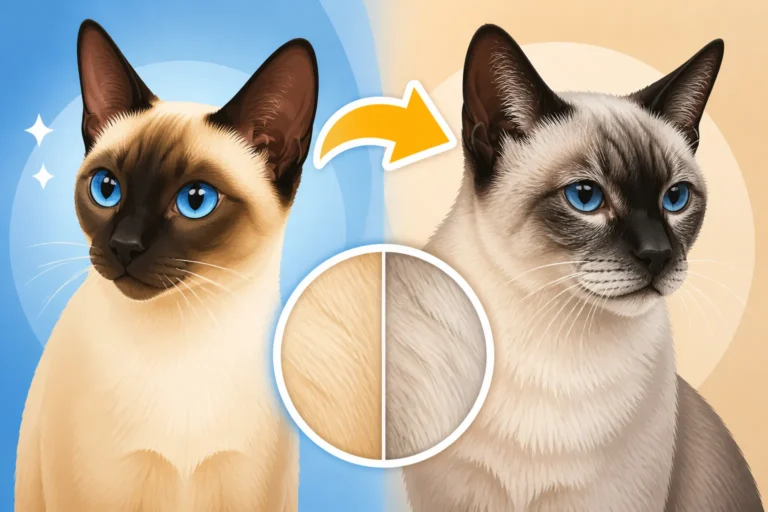
One of the most defining features of a Siamese cat is their sleek, short, and fine coat. While it feels incredibly soft and luxurious to the touch, it's not built for insulation. Most cat breeds, especially those originating from colder climates, boast a dense double coat: a soft, insulating undercoat beneath a coarser topcoat that repels water and snow. Your Siamese, however, has a single layer.
Imagine wearing a thin t-shirt in winter compared to a thick wool sweater. That's essentially the difference for a Siamese cat. Their fur lies flat against their skin, offering minimal air trapping for warmth. This means heat escapes their bodies much faster, leaving them exposed to the elements. I've often seen people assume that because a cat has fur, it's automatically fine in the cold, but with a Siamese, that simply isn't the case. Their fine coat doesn't provide the same thermal barrier, making it crucial for us to understand Why a Siamese Cat Has No Undercoat and What a Siamese Cat's Coat Feels Like so we can appreciate their need for extra warmth.
Metabolism and Body Fat
Siamese cats are often described as lithe and athletic, and for good reason. They're typically very lean, with a high metabolism that acts like a tiny internal furnace, constantly burning calories to generate heat. While this high metabolism keeps them energized, it also means they have very little body fat to serve as natural insulation. Think of it like a sports car – powerful and efficient, but not built for long, slow cruises in freezing temperatures without extra help.
This combination of a thin coat and low body fat means they feel the cold much more intensely and much faster than stockier, fluffier breeds. They're constantly working to maintain their core body temperature, and if they're exposed to cold for too long, their bodies can struggle to keep up. This is a key reason Why a Siamese Cat Feels the Cold, and it ties directly into their nutritional needs; they need sufficient, quality food to fuel that internal furnace, especially if they are expending energy trying to stay warm.
The Real Risks of Cold Exposure for Your Siamese Cat
It's easy to think a quick dash outside is harmless, but for a Siamese cat, even short bursts of cold exposure can lead to serious health issues. Understanding these dangers is crucial for making informed decisions about their winter freedom.
Hypothermia and Frostbite
Hypothermia occurs when a cat's body temperature drops dangerously low, and it's a very real risk for Siamese cats in winter. Their slender bodies and thin coats can't retain heat effectively, especially in damp or windy conditions. Signs can start subtly, like shivering or lethargy, but quickly progress to disorientation, shallow breathing, and a dangerously low heart rate. If left unchecked, severe hypothermia can be fatal.
Frostbite is another terrifying possibility, particularly on exposed areas like ear tips, paw pads, and tails. These areas have less fur and blood flow, making them prime targets for tissue damage from freezing temperatures. You might not even realize it's happening until the damage is done, as early signs can be difficult to spot. The affected skin might look pale or waxy, turning red and swollen later, often leading to blistering or even tissue death. This is why watching for Signs a Siamese Cat Is Unwell becomes even more critical during colder months, as hypothermia can manifest in subtle ways.
Worsening of Existing Health Conditions
Cold weather doesn't just create new problems; it can severely exacerbate existing ones. Older Siamese cats, for instance, might suffer from arthritis, and the damp chill of winter can make their joints ache even more. An outdoor excursion that might be manageable for a young, healthy cat could be agonizing for a senior cat, leading to increased pain and reduced mobility.
Respiratory issues are another significant concern. If your Siamese is prone to asthma or has any other pre-existing lung conditions, cold, dry air or sudden temperature changes can trigger severe attacks. What Triggers a Siamese Cat's Asthma can often include environmental factors like cold drafts or changes in humidity, making outdoor adventures in winter a high-risk activity for asthmatic felines. It's truly heartbreaking to see them struggle for breath when a little prevention could have made all the difference. As a Siamese cat ages, their resilience can also decrease, making What Changes in a Siamese Cat After Twelve particularly relevant to their cold tolerance.
Increased Vulnerability to Accidents and Predators
Winter conditions create a more hazardous environment all around. Snow and ice can obscure familiar landmarks, making it harder for your Siamese to navigate or find their way home. Their senses, usually so sharp, might be dulled by the biting wind or muffled by heavy snowfall. This increased disorientation makes them more vulnerable to traffic accidents if they venture near roads.
Furthermore, cats seeking shelter might hide in dangerous places, such as under car hoods, where they can be severely injured when an engine starts. The reduced visibility and harsh conditions can also make them easier targets for local wildlife or even less friendly neighborhood animals, as their usual agility might be hampered by the cold. It's not just about warmth; it's about overall safety when the world outside becomes a more challenging place.
Practical Strategies for Managing Winter Outdoor Access
Given their unique vulnerabilities, simply letting your Siamese cat roam freely in winter is rarely a good idea. However, if your cat is accustomed to outdoor time, there are strategies you can employ to minimize risks and make limited excursions safer.
Strict Time Limits and Supervision
If your Siamese insists on a bit of outdoor time, strict supervision is non-negotiable. Never let them out unsupervised when temperatures are low, and keep their time outdoors extremely brief. A good rule of thumb is that if it's too cold for you to comfortably stand outside without a heavy coat, it's too cold for your Siamese.
Start with just a few minutes, watching intently for any signs of discomfort like shivering, hunching, or trying to find shelter. Bring them back inside before they show any signs of being cold. For many Siamese, especially those who crave stimulation, leash training can be a fantastic compromise. A sturdy, escape-proof harness paired with a leash allows them to explore a small, safe area while you maintain control and can whisk them back inside at the first hint of chill. Investing in a high-quality, reflective harness from a retailer like Amazon can add an extra layer of visibility if you do venture out near dusk.
Providing Outdoor Shelter and Warmth
For cats who spend any time at all outdoors, even supervised, having an easily accessible, insulated shelter is crucial. This isn't just a cardboard box; it needs to be elevated off the cold ground, waterproof, and well-insulated to trap body heat. You can find excellent options online from pet supply retailers like Chewy that are specifically designed for outdoor cat use.
Inside the shelter, add straw (not hay, which holds moisture and molds) or a heated pet mat. Heated mats are a game-changer for outdoor warmth, but ensure they are rated for outdoor use and have a chew-proof cord. A heated water bowl is also essential to prevent dehydration; cats can't drink frozen water, and plain bowls freeze quickly in bitter temperatures. Remember that even with these provisions, outdoor shelters are meant as temporary havens, not as a primary solution for prolonged cold exposure. Your goal should always be to get them into a warm indoor environment. Proper Keeping a Siamese Cat Warm extends to these external provisions too.
Protective Gear and Identification
While not every cat tolerates clothing, some Siamese cats might benefit from a well-fitting sweater for very short, supervised outdoor stints. The key word here is "well-fitting" – it shouldn't restrict their movement or be so loose that they can get tangled. Look for breathable, soft materials. However, a sweater is never a substitute for actual warmth; it just adds a thin layer. Whether a Siamese Cat Should Wear a Sweater depends entirely on the cat's comfort and the duration of exposure.
Additionally, always ensure your Siamese is microchipped and wears a collar with up-to-date ID tags. In winter, pets can get disoriented more easily, and a visible tag with your contact information significantly increases the chances of their safe return if they somehow manage to get out or wander further than intended. Paw balm can also protect their delicate paw pads from ice, salt, and chemicals, but always choose a pet-safe product and apply it sparingly.
| Temperature Range (Fahrenheit) | Wind Chill (Feels Like) | Recommended Outdoor Time for Siamese Cats | Notes |
|---|---|---|---|
| Above 45°F (7°C) | Above 40°F (4°C) | Limited, supervised access (15-30 mins) | Monitor for comfort; no damp conditions |
| 32-45°F (0-7°C) | 20-39°F (-6 to 3°C) | Very limited, strictly supervised (5-10 mins) | Observe closely; ensure dry conditions |
| Below 32°F (0°C) | Below 20°F (-6°C) | No outdoor access recommended | High risk of hypothermia/frostbite |
| Below 20°F (-6°C) | Any | Absolutely no outdoor access | Extremely dangerous; even short exposure risky |
Always consider your individual cat's health, age, and coat condition when assessing outdoor tolerance. Wind, rain, and snow significantly increase risk.
Creating a Cozy and Stimulating Indoor Winter Haven
For many Siamese cat owners, the safest and most stress-free solution for winter is to keep their beloved companions indoors. This doesn't mean a boring winter; it means getting creative to ensure their indoor environment is both warm and enriching.
Ensuring Adequate Indoor Warmth
Since Siamese cats feel the cold so acutely, maintaining a comfortably warm indoor environment is paramount. How Warm a Siamese Cat's House Should Be is generally on the warmer side, aiming for temperatures that feel cozy to you. Provide plenty of soft, warm sleeping spots. Heated pet beds, easily found on Amazon or Chewy, are a fantastic investment. These can be particularly appealing to a Siamese, who will instinctively seek out warmth.
Consider placing a soft blanket or a Which Heated Bed Suits a Siamese Cat in a cozy nook, away from drafts. Many Siamese adore burrowing, so a cat bed with high sides or a little cave design can be very popular. You might notice your Siamese snuggled under blankets or even joining you under the duvet, which is a clear sign they're seeking warmth. Whether a Siamese Cat Sleeps Under the Duvet is a common behavior for these heat-seeking felines!
Enriching the Indoor Environment
Just because your Siamese is staying indoors doesn't mean they should be bored. These are intelligent, active cats who thrive on interaction and mental stimulation. Provide plenty of vertical space with cat trees, shelves, or window perches. These allow them to survey their territory and feel secure. Look for tall, sturdy cat trees on Chewy that can withstand their energetic climbing.
Interactive toys that mimic prey can keep them engaged for long periods. Think wand toys, laser pointers (used responsibly), and puzzle feeders. Puzzle feeders, available through Amazon, are brilliant for mental stimulation, as they challenge your cat to "hunt" for their food, slowing down mealtime and preventing boredom. Regular play sessions, at least two to three times a day, are essential for burning off energy and strengthening your bond. How Much Play a Siamese Cat Needs is often more than owners realize, and indoor life demands more intentional enrichment. Providing a rich indoor environment is key to living indoors only (How Well a Siamese Cat Lives Indoors Only) happily.
Diet and Hydration Support
Proper nutrition plays a role in keeping your Siamese warm and healthy. Ensure they're receiving a high-quality, nutrient-dense diet. If your Siamese is particularly active even indoors, or if your home runs on the cooler side, discuss with your vet if a slight increase in their caloric intake might be beneficial to help fuel their metabolism. Fresh, human-grade ingredients can provide excellent nutrition, though always check with your vet for specific dietary needs.
Hydration is also critical, especially in homes that become drier with winter heating. Consider incorporating wet food into their diet, as it provides a significant amount of moisture. Many cats prefer drinking from flowing water, so a pet water fountain can encourage increased water intake, which is beneficial for kidney health. A well-hydrated cat is a healthier cat, and good nutrition supports their overall resilience, helping them maintain their body temperature more effectively.
Disclaimer
This article is for general informational purposes only and does not constitute professional advice. Laws, prices and regulations vary by location and change over time. Consult a qualified professional for guidance on your specific situation.