What an Aging Siamese Cat’s Coat Looks Like
It’s a common moment for many of us who share our homes with Siamese cats: you look at your beloved senior feline, and suddenly you notice that their once sleek, distinctively pointed coat seems… different. Maybe it’s darker, a bit duller, or perhaps even a little thinner in spots. It's easy to worry if these changes are just a normal part of aging or if they signal something more serious. This guide is here to walk you through what to expect from an aging Siamese cat's coat, helping you understand normal shifts and when it might be time for a vet visit.
The Natural Evolution of a Siamese Cat's Coat with Age
Just like us, cats experience physical changes as they age, and their coat is often one of the most noticeable indicators. For Siamese cats, with their unique colorpoint genetics, these changes can be particularly striking.
Darkening of Points and Body Color
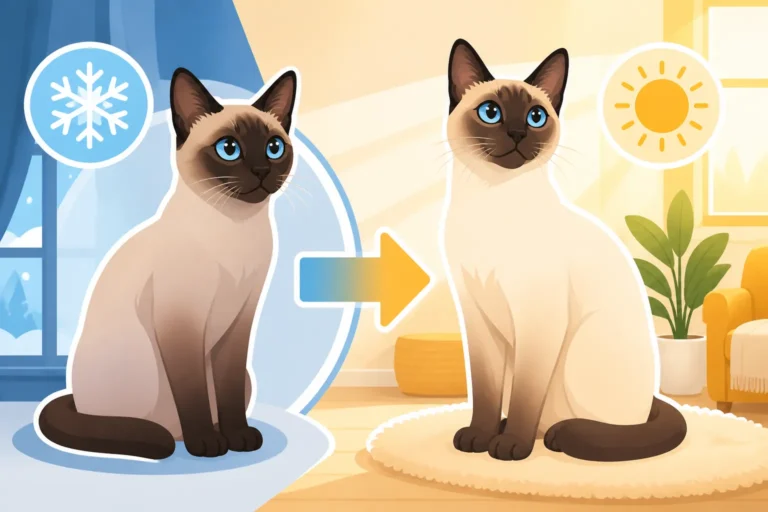
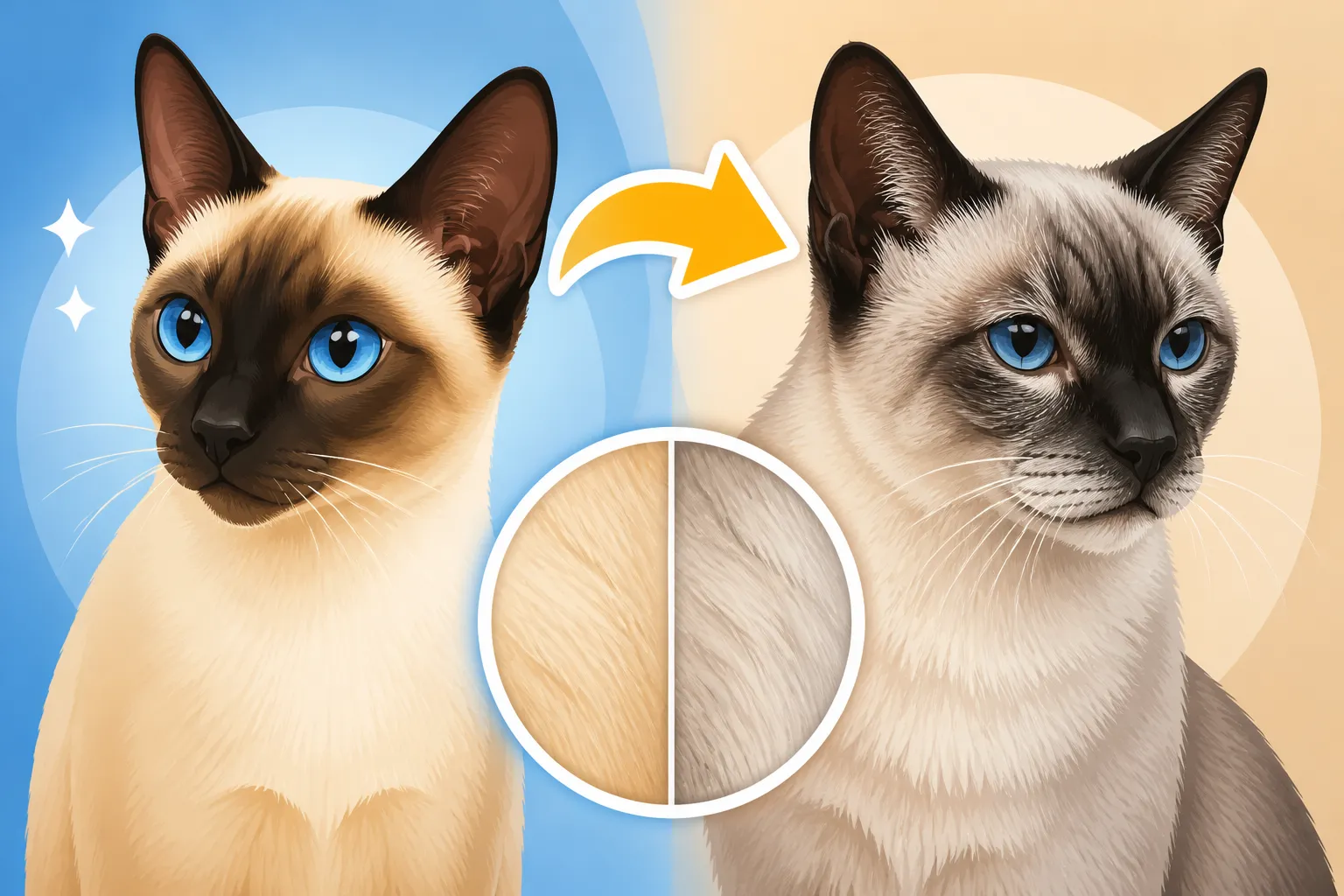
One of the most defining characteristics of a Siamese cat's coat is its point coloration – darker fur on the cooler extremities like the ears, face mask, paws, and tail, with a lighter body. This is all due to a temperature-sensitive enzyme that produces melanin. As a Siamese cat gets older, it's incredibly common to see a significant deepening of their body color. That crisp contrast you adored in their younger years between their cream body and dark points can start to soften, with their body fur becoming a much richer, sometimes almost chocolatey brown.
This isn't a sign of ill health; it's simply their genetics continuing to work as their body temperature regulation subtly shifts and as they spend more time in cooler environments, or simply, more melanin accumulates over time. A seal point Siamese kitten, born almost entirely white, gradually develops its deep brown points and a pale cream body. By the time that same cat reaches 10 or 12 years old, its body might be a warm tan or even a light brown, sometimes making the 'points' less distinct because the body color has deepened so much. It's fascinating how their internal thermostat dictates their outward appearance, and it’s a process that continues throughout their life, influencing Why a Siamese Cat's Pigment Only Works When Cool. You might even notice that the areas where they often lay, which tend to be cooler, become darker over time. This darkening is a completely natural part of The Age a Siamese Cat Starts Darkening and shouldn't be a cause for alarm on its own.
Texture Changes and Thinning
Beyond color, the texture and density of your Siamese's coat can also change with age. Many owners report that the soft, almost velvety feel of a young Siamese kitten's fur can become slightly coarser or, paradoxically, a bit thinner as they enter their senior years. This isn't usually dramatic hair loss, but rather a general reduction in the density of the undercoat or the overall thickness of individual hairs.
Think of it like human hair, which can thin or change texture as we get older. For our Siamese companions, this might mean their coat doesn't feel quite as plush to the touch, or you might notice their skin more easily when petting them, especially along their spine or flanks. Sometimes, you might see slight thinning around areas of friction, like their elbows, hips, or on their chest where they often rest. This is generally a normal physiological change and often goes hand-in-hand with other signs of aging, such as a subtle loss of muscle mass, making them appear even more svelte than their already lean physique suggests. The sheen might also diminish slightly, making the coat appear less lustrous than it once did.
Grooming Habits and Their Impact on an Aging Coat
As our Siamese cats gracefully age, their ability and motivation to maintain their meticulous grooming routines can unfortunately decline, which directly impacts the appearance and health of their coat.
Reduced Self-Grooming
It’s a sad reality, but many older cats, including our intelligent Siamese friends, simply can't groom themselves as thoroughly as they used to. This isn't for lack of trying or caring, but often due to physical limitations. Arthritis can make it painful to twist and reach certain parts of their body, especially their lower back or hind legs. Dental pain from common senior cat issues like tooth resorption or gingivitis can make licking uncomfortable. Even cognitive decline can play a role, as they might forget or simply lose interest in their regular grooming rituals. Why an Aging Siamese Cat Stops Grooming is a real concern for senior cat owners.
When a Siamese cat stops grooming effectively, the consequences for their coat are noticeable. You might start to see dull, greasy, or even matted patches of fur, particularly in hard-to-reach areas. Their fur, which was once so pristine, can start to look dishevelled. This isn't just an aesthetic issue; mats can pull on the skin, causing pain and even skin infections. This is where we, as their devoted caretakers, need to step in and become their personal groomers. Regular, gentle brushing sessions become less of a luxury and more of a necessity to keep their coat healthy and comfortable. These sessions also provide an excellent opportunity to check for any new lumps, bumps, or skin irritations.
Dry Skin and Flakiness
Another common issue stemming from reduced grooming, often compounded by other age-related factors, is dry, flaky skin. When a cat isn't grooming properly, the natural oils that distribute through their fur to keep their skin hydrated aren't spread as effectively. This can lead to a dry, sometimes itchy, scalp that manifests as visible flakes in their coat. This is particularly noticeable if their fur is thinning, making the skin more visible.
Furthermore, senior cats can sometimes become a bit dehydrated, which also impacts skin health. Changes in their diet, especially if they’re eating less or if their nutritional needs have shifted, can also contribute to dry skin and a dull coat. Investing in high-quality senior cat food formulated with omega fatty acids can make a world of difference. Tailored meal plans that prioritize whole ingredients can also support skin and coat health. Sometimes, your vet might even recommend a supplement available from retailers like Chewy to boost those essential fatty acids, helping to restore some moisture and luster to their skin and fur.
When Coat Changes Signal a Health Concern
While some changes in your senior Siamese's coat are a natural part of aging, others can be red flags for underlying health issues that require veterinary attention. It’s important to know the difference.
Unexplained Hair Loss or Bald Patches
Distinguishing between normal age-related thinning and actual hair loss is crucial. If you notice large amounts of hair falling out, or distinct bald patches appearing, it's definitely time for a vet visit. This isn't usually just "old age." Several medical conditions can manifest as significant hair loss in senior cats.
For example, an overactive thyroid, known as Hyperthyroidism in an Older Siamese Cat, is a very common condition in older felines and often causes a dull, greasy, or patchy coat with hair loss. Other possibilities include parasites, allergies, fungal infections, or even stress (which can lead to over-grooming or psychogenic alopecia). Kidney disease or other systemic illnesses can also impact coat quality and lead to hair loss, as the cat feels unwell and often stops grooming or has poor nutrient absorption. If your Siamese is suddenly losing clumps of fur, has symmetrical bald spots, or seems to be scratching excessively, these are clear signs that something is amiss and needs professional investigation.
Dullness, Oiliness, or Matting Beyond Normal Aging
While a slight dullness or less perfect grooming might be expected with age, an excessive degree of these symptoms should raise a red flag. A coat that is suddenly very greasy, feels exceptionally coarse, or becomes severely matted very quickly can indicate a serious problem. Cats who are in pain, for instance, from severe arthritis or a hidden injury, will often neglect their grooming. The same goes for cats suffering from metabolic disorders, diabetes, or even certain types of cancer.
A coat that’s unusually oily, for example, can be a symptom of hyperthyroidism, as mentioned above. If you notice your Siamese's coat has gone from slightly less polished to truly unkempt, matted, or has a greasy residue that wasn't there before, don't dismiss it as just "being old." This level of change is often a strong indicator that your cat is feeling unwell and needs a thorough check-up. Regular vet check-ups, which include a physical examination, are vital for catching these subtle changes early. Your vet can perform tests like What a Siamese Cat's Yearly Bloodwork Should Cover to get a clearer picture of your cat's internal health.
Changes in Coat Color That Aren't Darkening
We've established that a general darkening of the Siamese coat is normal with age. However, if you observe other, unusual color changes that aren't part of this gradual process, it warrants attention. For instance, if patches of fur seem to be lightening dramatically, or if the coat appears generally washed out, it could point to a nutritional deficiency, a chronic illness impacting their metabolism, or certain endocrine disorders.
While rare, some autoimmune conditions can also cause changes in pigmentation. Essentially, any coat change that deviates from the expected darkening trend for a Siamese cat, or occurs suddenly and dramatically, should prompt a discussion with your veterinarian. They are best equipped to determine if these cosmetic changes are merely aesthetic or if they are outward signs of an internal struggle your cherished companion is facing.
Supporting Your Senior Siamese's Coat Health
Taking a proactive approach to your senior Siamese's coat health involves a combination of dedicated grooming, optimal nutrition, and consistent veterinary oversight. These steps not only keep them looking their best but also contribute significantly to their overall well-being and comfort.
Gentle Grooming Routine
As your Siamese ages, your role in their grooming becomes increasingly important, especially if they are experiencing any of the difficulties mentioned earlier. Make brushing a regular, gentle, and positive experience. Start with short sessions, perhaps just five to ten minutes, increasing the duration if your cat enjoys it. Use a soft-bristled brush or a grooming glove, which can feel more like a massage than a chore. Gently work through their fur, paying close attention to areas that might mat easily, such as under their armpits, behind their ears, and around their hindquarters.
This isn't just about untangling fur; it's a wonderful opportunity for bonding and a chance for you to regularly check their skin for any lumps, bumps, or sores that might be hidden by their fur. You can find a wide array of gentle grooming tools on sites like Amazon, from silicone brushes to fine-toothed combs that are perfect for a Siamese's short, sleek coat. Remember, consistency is key, and it can become a soothing ritual for both of you, strengthening your bond and helping them feel more comfortable, especially if they can no longer reach all those itchy spots. Learn more about How Often a Siamese Cat Needs Brushing.
Nutritional Support and Hydration
A healthy coat truly starts from within, and this is never truer than for an aging Siamese cat. Their nutritional needs change as they get older; they may need fewer calories if their activity levels decrease, but often require higher quality, easily digestible protein and specific nutrients to support their aging bodies. A diet rich in omega-3 and omega-6 fatty acids, for example, is fantastic for skin and coat health.
Consider a high-quality senior formula cat food, specifically designed to meet the needs of older felines. Hydration is also paramount, especially given the prevalence of kidney issues in senior cats. Ensure your Siamese always has access to fresh, clean water. Many cats prefer drinking from a wide, shallow bowl, or even better, a water fountain, which can encourage them to drink more. Adding wet food to their diet is another excellent way to boost their fluid intake. Many reputable pet food brands, often found at retailers like Chewy, offer senior-specific formulas that are packed with these beneficial nutrients and provide increased moisture. For more insights on feeding your older Siamese, check out Whether an Aging Siamese Cat Needs Softer Food and Why an Aging Siamese Cat Loses Weight.
Regular Veterinary Care
Perhaps the most critical step in maintaining your senior Siamese’s coat health – and indeed their overall health – is consistent and thorough veterinary care. Many of the coat changes that indicate underlying health problems are subtle at first and can be easily missed or dismissed by even the most attentive owner. Your veterinarian is trained to spot these nuances and to conduct the necessary diagnostics.
Regular wellness exams, ideally twice a year for senior cats, allow your vet to monitor your cat’s weight, dental health, joint mobility, and organ function, all of which indirectly or directly affect coat quality. They can recommend blood tests, urinalysis, or other screenings to catch conditions like kidney disease or hyperthyroidism in their early stages, before they cause severe symptoms. Early detection and management of these conditions not only improve your cat's quality of life but can also prevent further deterioration of their coat and general health. Think of these visits as your cat's preventative maintenance, ensuring they continue to thrive through their golden years. For details on essential check-ups, see How Often a Siamese Cat Needs a Wellness Exam and What Changes in a Siamese Cat After Twelve.
Coat Changes in Young vs. Aging Siamese Cats
Here's a quick comparison of what you might typically observe in the coats of young versus aging Siamese cats:
| Feature | Young Siamese Cat (Kitten to Adult) | Aging Siamese Cat (Senior) |
|---|---|---|
| Color | Distinct, sharp contrast between light body and dark points. Body is usually cream or pale fawn. | Body color often deepens significantly, blurring the contrast with points. Can appear tanned or brownish all over. |
| Texture | Typically very sleek, soft, and fine. Dense and velvety to the touch. | Can become slightly coarser or, conversely, a bit thinner/less dense. Might feel less plush. |
| Luster | High natural sheen and gloss. | May appear slightly duller or less lustrous due to reduced oil production or grooming. |
| Shedding | Moderate, consistent shedding. | Can be variable; sometimes less dense fur leads to less noticeable shedding, but hair quality might be poorer. |
| Grooming | Meticulous self-grooming, keeping coat pristine. | May show reduced self-grooming due to pain, stiffness, or cognitive decline, leading to mats or greasiness. |
| Skin | Healthy, supple, usually unseen beneath fur. | Potentially drier or flakier, more visible if fur thins. |
Disclaimer
This article is for general informational purposes only and does not constitute professional advice. Laws, prices and regulations vary by location and change over time. Consult a qualified professional for guidance on your specific situation.