Why an Aging Siamese Cat Loses Weight
It’s a heart-wrenching moment for any Siamese cat owner when you notice your beloved, typically sleek and energetic companion, starting to lose weight in their golden years. That once-firm body might feel a little bonier, and their vibrant energy might seem a bit muted. This guide is here to help you understand the common reasons an aging Siamese cat might be losing weight, distinguish between normal age-related changes and more serious health concerns, and empower you with knowledge and actionable steps to support your senior feline friend.
Is It Normal Aging or Something More Serious?
When you’ve lived with a Siamese cat for years, you become intimately familiar with their unique physique. They're often described as svelte, athletic, and naturally lean, which can make any noticeable weight loss particularly alarming. The first step is always to take a deep breath and try to differentiate between what might be a natural part of aging and what truly warrants immediate veterinary attention.
The Lean Siamese Physique and Age-Related Muscle Loss
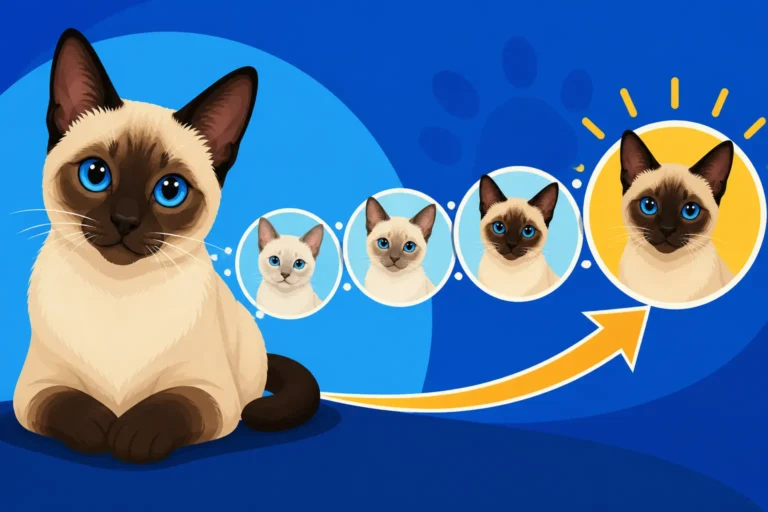
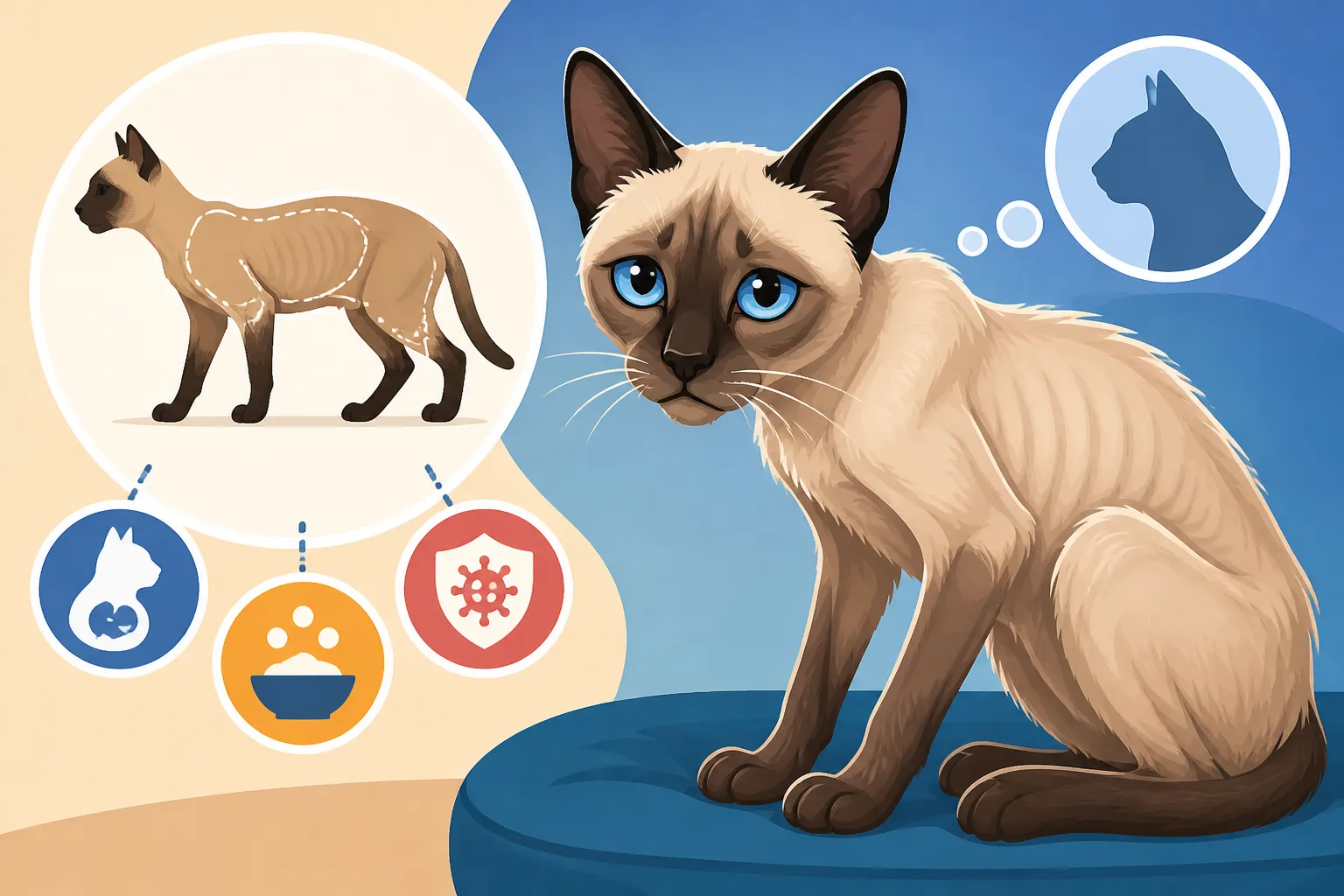
Siamese cats are inherently built differently from many other breeds. They tend to have long, lithe bodies, fine bones, and very little body fat, even in their prime. This means that a slight reduction in muscle mass, which is a common and often unavoidable part of the aging process in all mammals, can make them appear much thinner than a cat of another breed experiencing the same changes. You might feel their ribs and spine more prominently, not necessarily because they've lost a significant amount of fat, but because their muscle tissue is gradually diminishing. This phenomenon, known as sarcopenia, is a normal physiological change.
Imagine your Siamese, who always loved to leap onto the highest shelves or zoom across the room in a flash. As they age, those explosive bursts of energy might become less frequent, or their jumps a little less powerful. This decreased activity naturally leads to some muscle atrophy. It's a bit like us humans; as we get older, maintaining muscle mass takes more conscious effort. For your senior Siamese, this means their hindquarters or along their spine might start to look a bit "scooped out," even if their body condition score isn't drastically unhealthy overall. It's important to recognize that a certain degree of muscle loss is a fact of life for an older cat, and it doesn't always signal a dire illness. However, it's a fine line, and severe or rapid muscle wasting is definitely a red flag. Why an Old Siamese Cat Loses Muscle delves deeper into this specific aspect of aging.
When to Worry: Rapid or Unexplained Weight Loss
While some subtle changes are normal, rapid or unexplained weight loss in an aging Siamese cat is never something to ignore. This isn't just a few ounces over several months; we're talking about a noticeable drop over a few weeks or even days, often accompanied by other symptoms. If your Siamese is suddenly looking emaciated, if their ribs are sticking out sharply, or if their spine feels like a string of beads under your fingertips, it's time to act.
A healthy senior Siamese might be lean, but their body should still feel "substantive." When weight loss is genuinely concerning, it often indicates an underlying medical issue that requires prompt diagnosis and treatment. This isn't just about the number on the scale; it's about the context. Is your cat still eating well? Is their energy level generally consistent, or are they lethargic? Are there other changes like vomiting, diarrhea, increased thirst, or changes in bathroom habits? These accompanying signs are crucial clues. For instance, if your Siamese is usually a demanding eater, but suddenly walks away from their food bowl, even for their favorite treat, that’s a clear signal. Any significant and swift decline in weight, especially if your cat's appetite hasn't changed or has even increased, is a strong indicator that something is amiss. Signs a Siamese Cat Is Unwell offers a broader perspective on recognizing distress in your feline companion.
Common Medical Causes of Weight Loss in Senior Siamese Cats
Age brings with it a higher propensity for certain health conditions, many of which can manifest as weight loss. It’s a frustrating reality that our beloved Siamese, despite their vigorous personalities, are not immune to these challenges. Getting to the bottom of why they're losing weight means working closely with your veterinarian to rule out or diagnose these common issues.
Thyroid Overdrive: Hyperthyroidism
Hyperthyroidism is incredibly common in older cats, and Siamese cats are certainly susceptible. This condition occurs when the thyroid gland produces too much thyroid hormone, essentially putting your cat's metabolism into overdrive. It's like their internal engine is running at full throttle all the time, burning through calories at an alarming rate. The classic presentation for hyperthyroidism is an older cat who is losing weight despite having a ravenous appetite. They might even seem more energetic or restless than usual, darting around the house with renewed vigor that seems at odds with their thinning frame.
Beyond the paradoxical combination of weight loss and increased appetite, you might notice other symptoms. Many hyperthyroid cats experience increased thirst and urination, vomiting, diarrhea, a poor coat condition, and sometimes even increased vocalization or hyperactivity. It's a complex condition that can also put a strain on their heart and other organs. A simple blood test can usually diagnose hyperthyroidism, and thankfully, it's a very treatable condition. Management options range from medication to special diets or even radioactive iodine therapy. Ignoring it, however, will lead to continued deterioration. Hyperthyroidism in an Older Siamese Cat provides a deeper dive into this specific illness.
Kidney Concerns: Chronic Kidney Disease
Chronic Kidney Disease (CKD) is another very prevalent ailment in senior cats, and it's a silent threat that often progresses slowly, making early detection vital. The kidneys are responsible for filtering waste products from the blood and maintaining fluid balance. As they decline, toxins build up in the body, making your cat feel unwell. One of the most common early signs is increased thirst and urination, as the damaged kidneys struggle to concentrate urine.
As the disease progresses, these toxins can cause nausea, a reduced appetite, and a general feeling of malaise. Your Siamese might start to eat less, leading to gradual but persistent weight loss. They may also develop anemia, contributing to lethargy and weakness. You might also notice a dull coat, bad breath, or even mouth ulcers. Unlike hyperthyroidism, where appetite might increase, CKD often leads to a decrease in appetite. Managing CKD involves dietary changes, fluid therapy, and medications to support kidney function and alleviate symptoms. Regular blood and urine tests are crucial for monitoring and managing this progressive condition. You can read more about this topic in Kidney Disease in an Older Siamese Cat.
Diabetes Mellitus: The Sugar Imbalance
Just like in humans, diabetes mellitus can affect cats, often striking older felines. In diabetic cats, the body either doesn't produce enough insulin (Type I) or can't properly use the insulin it produces (Type II), leading to high blood sugar levels. Without insulin to transport glucose into cells for energy, the body starts breaking down fat and muscle for fuel, resulting in weight loss despite often having a very strong appetite, similar to hyperthyroidism.
Other tell-tale signs of diabetes include a dramatic increase in thirst and urination, lethargy, and sometimes even weakness in the hind legs. If left untreated, diabetes can lead to severe complications. Diagnosis involves blood and urine tests to check glucose levels. While it sounds daunting, feline diabetes can often be managed with diet changes and insulin injections, and in some cases, with strict dietary control, some cats can even achieve remission, particularly with Type II. It's a condition that requires dedication but is certainly manageable. For more detailed information, consider reading Diabetes in a Siamese Cat.
Unseen Pain and Dental Disease
Cats are incredibly stoic creatures, masters at hiding pain. This means that dental disease, which is rampant in older cats, can silently contribute to weight loss without you necessarily seeing obvious signs of discomfort. Imagine having a persistent toothache or gum infection – it would certainly make eating less appealing. Older Siamese cats are particularly prone to issues like gingivitis, periodontal disease, and tooth resorption, which can be incredibly painful.
When eating becomes painful, your cat might start to approach their food bowl hesitantly, chew only on one side of their mouth, drop food, or even stop eating entirely. Even if they still eat, the pain can put them off consuming enough calories to maintain their weight. A cat with severe dental disease might also experience systemic inflammation or infection that taxes their body, contributing to weight loss. During a routine veterinary check-up, your vet can often spot visible signs of dental issues, but a thorough examination under anesthesia is usually required to fully assess the extent of the problem and perform necessary extractions or cleanings. Addressing dental pain can sometimes dramatically improve a senior cat's appetite and overall well-being. Dental Disease in a Siamese Cat sheds more light on this specific health challenge.
Other Illnesses and Conditions
Unfortunately, the list of potential medical causes for weight loss in older cats doesn't end there. Here are a few more to be aware of:
- Inflammatory Bowel Disease (IBD): This condition can cause chronic inflammation of the digestive tract, leading to poor nutrient absorption, vomiting, diarrhea, and subsequent weight loss. It's often diagnosed through biopsies and managed with dietary changes and medication.
- Cancer: Various types of cancer can affect older cats, and many forms can cause significant weight loss, lethargy, and a general decline in health, even if they aren't directly affecting the digestive system. Lymphoma, for instance, is a common cancer that can occur in the gastrointestinal tract and rapidly cause malabsorption and wasting.
- Heart Disease: While not always directly linked to weight loss, advanced heart disease can lead to fluid accumulation, decreased energy, and sometimes a reduced appetite, indirectly contributing to weight loss or muscle wasting. Heart Disease in a Siamese Cat provides more information on cardiac health in this breed.
- Arthritis and Joint Pain: While not directly causing weight loss, chronic pain from arthritis can make it difficult for an older Siamese to get to their food bowl, especially if it involves climbing or navigating stairs. The discomfort can also reduce their overall activity, impacting muscle mass and general vitality. Whether an Aging Siamese Cat Gets Stiff is a relevant read here.
This table summarizes some common causes of weight loss in aging Siamese cats:
| Condition | Key Symptoms (beyond weight loss) | Impact on Appetite | Typical Age of Onset (Approx.) |
|---|---|---|---|
| Hyperthyroidism | Increased thirst/urination, hyperactivity, vomiting, poor coat | Often increased/ravenous | 8+ years |
| Chronic Kidney Disease | Increased thirst/urination, nausea, lethargy, dull coat | Decreased | 7+ years |
| Diabetes Mellitus | Increased thirst/urination, lethargy, hind leg weakness | Often increased | 7+ years |
| Dental Disease | Dropping food, bad breath, pawing at mouth, reduced grooming | Decreased/painful eating | 5+ years (can worsen with age) |
| Inflammatory Bowel Disease | Chronic vomiting, diarrhea, abdominal pain | Variable | Any age, often older cats |
| Cancer | Lethargy, lumps, vomiting, pain, specific organ dysfunction | Variable | 8+ years |
Dietary and Nutritional Challenges in Senior Siamese Cats
Even if your aging Siamese isn't battling a specific disease, the natural processes of getting older can present unique dietary and nutritional challenges that contribute to weight loss. Their bodies simply don't work the same way they once did, making it harder for them to maintain their ideal weight.
Decreased Appetite and Pickiness
As cats age, their senses can dull. Their sense of smell, which plays a huge role in a cat's appetite, might not be as acute as it once was. Food that used to entice them might now seem uninteresting. Their sense of taste can also diminish, leading to increased pickiness. A cat that once devoured anything put in front of them might now turn their nose up at their usual meals. This reduced enthusiasm for food directly translates to lower caloric intake, and over time, to weight loss.
It's not just about taste and smell; an older cat might also find it harder to chew harder kibble due to dental issues (as discussed earlier) or general jaw weakness. They might also experience mild nausea or discomfort after eating, making them associate food with feeling unwell. Owners often try to compensate by offering more treats or different foods, but this can sometimes make the problem worse if the new foods aren't nutritionally complete or further disrupt their sensitive digestive system. Finding a balance of highly palatable yet nutritionally appropriate food is key.
Malabsorption and Digestion Efficiency
Even if your senior Siamese is eating a seemingly adequate amount of food, their body might not be processing it as efficiently as it used to. The digestive system, like all other systems, can slow down and become less effective with age. This means that they might not be extracting all the necessary nutrients and calories from their food, a phenomenon known as malabsorption.
The lining of the gut can become less efficient at absorbing vitamins, minerals, and macronutrients, and the production of digestive enzymes might decrease. This can lead to calories passing through their system unused, resulting in weight loss despite what appears to be a normal food intake. This is where high-quality, easily digestible senior cat foods can make a big difference. These formulas are often designed with readily available nutrients and sometimes higher caloric density to compensate for reduced digestive efficiency. Platforms like Chewy offer a wide array of specialized senior cat food formulas from reputable brands designed to address these specific needs.
Hydration and Electrolyte Balance
Hydration is crucial for overall health, and especially so for aging cats. Senior Siamese cats are more prone to dehydration, partly due to declining kidney function (as mentioned with CKD) and sometimes simply because they don't drink enough water. Dehydration can lead to a general feeling of unwellness, further suppressing appetite and exacerbating weight loss.
Moreover, imbalances in electrolytes, such as potassium, can occur in older cats, particularly those with kidney disease. These imbalances can also contribute to lethargy, muscle weakness, and a decreased appetite. Encouraging water intake is paramount. Offering multiple water bowls, especially wide, shallow ones that don't irritate their whiskers, can help. Some cats prefer running water, so a circulating water fountain, readily available from retailers like Amazon, can often encourage more fluid intake. Adding a bit of water or broth to their wet food can also boost hydration. Why a Siamese Cat Drinks More With Age offers further insights into the hydration needs of senior felines.
What You Can Do: Supportive Care and Veterinary Intervention
Watching your aging Siamese cat lose weight can feel helpless, but there are many proactive steps you can take in partnership with your veterinarian. Early intervention and consistent supportive care can make a significant difference in their quality of life and potentially slow the progression of underlying conditions.
Regular Vet Check-ups are Non-Negotiable
For senior Siamese cats, those yearly vet visits just aren't enough anymore. Most veterinarians recommend at least twice-yearly check-ups for cats over the age of seven or eight. These regular visits are absolutely crucial for catching subtle changes or burgeoning health issues before they become advanced. Your vet can perform a thorough physical examination, check their weight, assess muscle mass, and recommend routine blood and urine tests.
These diagnostic tests can be incredibly revealing, helping to detect early signs of hyperthyroidism, kidney disease, diabetes, and other conditions that might be contributing to weight loss. For example, a blood panel can reveal elevated thyroid hormones or kidney values long before your cat shows overt symptoms. Discussing any observed changes in appetite, activity level, or bathroom habits with your vet during these visits is vital. They are your best partner in navigating the complexities of senior cat health. Caring for a Siamese Cat Past Twelve emphasizes the importance of diligent care for older felines.
Dietary Adjustments: Tempting Their Palate and Supporting Their Body
Once potential medical causes have been addressed, focusing on diet becomes paramount. You need food that is not only highly nutritious but also highly palatable to encourage your senior Siamese to eat.
- High-Quality Senior Formulas: Look for foods specifically formulated for senior cats. These often have higher quality protein to help maintain muscle mass, adjusted phosphorus levels to support kidney health, and easily digestible ingredients. Many excellent options are available on platforms like Chewy, offering specialized nutrition to meet the unique needs of older cats.
- Wet Food is Your Friend: If your Siamese is struggling with hard kibble, switching to wet food can be a game-changer. It's often more aromatic, softer (making it easier to chew), and provides much-needed hydration. If they are picky, try different flavors and textures.
- Warm it Up: Gently warming wet food to body temperature can enhance its aroma and make it more appealing. Just be sure to test the temperature before serving to avoid burns.
- Small, Frequent Meals: Instead of one or two large meals, offer smaller portions more frequently throughout the day. This can be easier on their digestive system and might stimulate their appetite more consistently.
- Consider Supplements: Discuss with your vet whether supplements like B vitamins (to stimulate appetite) or Omega-3 fatty acids (for anti-inflammatory benefits and skin/coat health) might be beneficial. For those exploring alternative or fresh food diets, always discuss these with your vet to ensure they are nutritionally balanced for an aging cat, especially if they have underlying health conditions. Whether an Aging Siamese Cat Needs Softer Food provides more specific advice on food choices.
Environmental Enrichment and Stress Reduction
A calm, predictable, and comfortable environment is crucial for a senior Siamese cat's well-being and appetite. Stress can significantly impact a cat's desire to eat and their overall health.
- Quiet Feeding Area: Ensure their food and water bowls are in a quiet, safe spot away from household hustle and bustle, other pets, or loud noises.
- Accessibility: Make sure their food and water are easily accessible without requiring them to jump or climb. If they have arthritis, this is especially important. Raised bowls can sometimes make eating more comfortable.
- Comfort: Ensure they have plenty of warm, soft places to rest. Older cats feel the cold more, and a cozy bed can encourage relaxation, which in turn supports appetite.
- Routine: Cats thrive on routine. Stick to a consistent feeding schedule to help reduce anxiety and encourage regular eating.
- Gentle Interaction: While Siamese cats crave attention, ensure interactions are gentle and not overwhelming. Stressful situations, even positive ones like too much playtime if they are tired, can impact their eating habits.
Monitoring and Tracking Their Progress
You are your cat's best advocate, and your observations are invaluable. Keeping a detailed record of your Siamese's weight, appetite, and any other symptoms can provide critical information for your vet.
- Home Weigh-ins: Invest in a small pet scale (or weigh yourself holding your cat, then subtract your own weight). Regular weigh-ins (weekly or bi-weekly) can help you track trends. Even small, gradual weight loss can be significant over time.
- Food Diary: Jot down what your cat eats, how much, and when. Note any refusals or changes in enthusiasm for food. This helps identify patterns and informs your vet.
- Symptom Log: Keep a record of any vomiting, diarrhea, changes in litter box habits, lethargy, or other concerning behaviors. The more specific details you can provide, the better your vet can understand the situation.
By being observant, proactive, and working closely with your veterinarian, you can help your aging Siamese cat maintain a healthy weight and enjoy their golden years to the fullest, even if it means a little extra effort and a lot of love.
Disclaimer
This article is for general informational purposes only and does not constitute professional advice. Laws, prices and regulations vary by location and change over time. Consult a qualified professional for guidance on your specific situation.