How Old the Siamese Cat Breed Is
Have you ever looked at your sleek, vocal Siamese and wondered just how far back their lineage truly goes? It’s easy to get lost in the misty past, sifting through fascinating legends and historical records that hint at their ancient origins, leaving many of us scratching our heads about whether our modern companions are truly descended from royal temple guardians or merely a more recent creation. This guide is here to untangle the threads of history, giving you a clear picture of just how old the Siamese cat breed truly is and what its journey has been like through the centuries.
The Deep Roots of the Siamese Cat in Ancient Siam
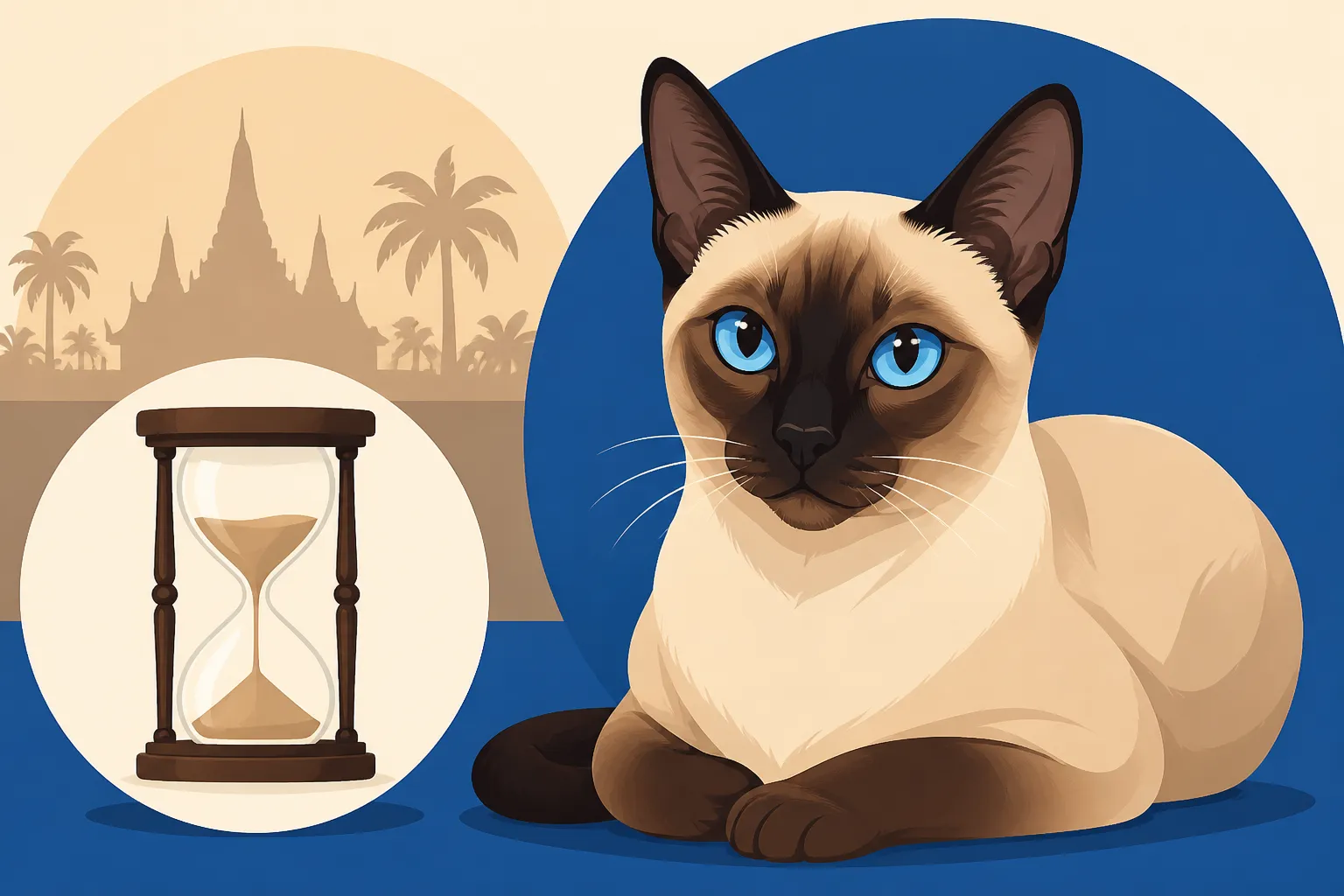
When we talk about the age of the Siamese cat, we're not just discussing how long they've been a recognized "breed" in the Western sense, but how long their distinctive type has existed in their homeland. These cats weren't just pets; they were integral to the culture and mythology of the region now known as Thailand. Their history is woven deeply into the fabric of Southeast Asian heritage, predating formal breed registries by centuries.
The concept of a "breed" as we understand it today, with precise standards and documented pedigrees, is a relatively modern invention, largely developed in Victorian England. However, the unique characteristics that define the Siamese – the striking color points, the slender body, the loud voice – have been admired and documented for a very long time in Siam. It’s a powerful thought, holding a cat whose ancestors might have roamed royal palaces or serene temples thousands of miles away, centuries before your own family tree was even a sprout.
It’s truly a remarkable testament to their enduring appeal and genetic distinctiveness that they have maintained their core traits for so long. Imagine the generations of these cats, watching the world change around them, from ancient kingdoms to modern cities, all while retaining that unmistakable Siamese charm. Their history isn't just about a cat breed; it's a living link to a rich cultural past.
The Wichianmat: The Original Siamese Cat
Before they were known as "Siamese" cats in the West, these distinct felines were referred to as "Wichianmat" in their native Siam. This name translates roughly to "moon diamond" or "diamond gold," a testament to their striking appearance. These were not simply street cats; they were highly regarded and held a special place in Thai society. The Wichianmat was one of several revered cat types documented in ancient texts.
These original Wichianmat cats shared the fundamental traits we associate with the Siamese today: the pointed coloration, the blue eyes, and often a more moderate body type compared to the extreme wedge heads seen in some modern show lines. They were cherished for their beauty and believed to bring good luck. It's important to remember that selective breeding as we practice it now wasn't necessarily happening in the same structured way. Instead, these cats were a naturally occurring landrace, evolving within the environment and cultural preferences of Siam.
The continuity between the ancient Wichianmat and our modern Siamese is quite profound. While their appearance has certainly undergone some changes due to selective breeding in the West, the core genetic blueprint and the captivating essence of the cat remain. When you look at your Siamese, you're not just seeing a pretty face; you're seeing a living echo of a much older, revered lineage.
Written Records and Cultural Significance
The existence of these cats is not merely anecdotal; it's recorded in significant historical documents. The most famous of these is the What the Tamra Maew Manuscripts Show About the Siamese Cat, or "Cat-Book Poems," a collection of ancient manuscripts from Siam. These texts describe and illustrate various types of cats, including the Wichianmat, detailing their appearance and characteristics.
These manuscripts, dating back possibly to the 14th century or even earlier, provide solid evidence that these pointed cats have been a recognized and valued part of Siamese culture for at least several hundred years, if not longer. They weren't just random drawings; they were detailed descriptions, often accompanied by poems, celebrating the qualities of each cat type. This level of documentation speaks volumes about their importance.
The Tamra Maew isn't just a fascinating historical artifact; it's a primary source demonstrating the Siamese cat's enduring presence and significance. It solidifies their ancient heritage, showing that their distinctive traits were observed, appreciated, and cataloged long before European explorers ever set foot in Siam. It helps us understand Where the Siamese Cat Comes From and gives us a sense of their true historical depth.
Unraveling the Legends: Siamese Cats as Temple Guardians
The mystique surrounding the Siamese cat is often intertwined with enchanting legends of their roles in ancient Siam. These stories, passed down through generations, paint a picture of cats not just as companions but as sacred guardians, holding important positions within royal palaces and Buddhist temples. While specific historical evidence for every legend might be elusive, they certainly illustrate the profound respect and admiration these cats commanded.
These legends are more than just fanciful tales; they reflect the deep cultural integration of the Siamese cat into the spiritual and daily life of the Siamese people. They hint at a society where animals, especially those with such striking beauty and personality, were seen as having a special connection to the divine or the powerful. It’s hard not to feel a shiver of connection to that ancient world when your Siamese gazes at you with those deep blue eyes, almost as if they carry the secrets of centuries.
Understanding these legends helps us appreciate the Siamese cat not just as a pet, but as a living piece of history and folklore. It adds another layer to their already captivating persona and explains why they were so highly valued by their original keepers.
Myths of Royal Protection and Sacred Treasures
One of the most enduring legends suggests that Siamese cats were sacred animals, exclusively owned by royalty and priests. These cats were said to have guarded temples and royal treasures, their strong territorial instincts and vocal nature making them excellent, albeit charming, sentinels. Imagine a Siamese, with its piercing gaze and watchful demeanor, perched on an ancient relic, its sharp intellect ever alert.
Another popular legend explains the origin of the Siamese cat's Why a Siamese Cat's Eyes Cross and Its Tail Kinks. The story goes that Siamese cats were tasked with guarding a royal goblet. To ensure the goblet wouldn't be stolen, they wrapped their tails tightly around its stem, causing the kink, and stared intently at it, leading to their crossed eyes. While scientifically, these traits are genetic, the legend offers a beautiful, poetic explanation that adds to their allure.
These tales reinforce the idea that Siamese cats were considered more than mere animals; they were woven into the very fabric of royal and religious life. The reverence they received speaks volumes about their status and the long-held belief in their unique capabilities and connection to the spiritual realm.
The Siamese Cat and the Souls of the Departed
Perhaps the most poignant legend involves Siamese cats serving as vessels for the souls of deceased royalty. It was believed that when a member of the royal family died, their soul would pass into a Siamese cat, which would then live out its days in luxury and comfort within a temple. These cats would then be honored and consulted by the living, as they were believed to carry the wisdom of their former masters.
This belief system elevates the Siamese cat to an almost divine status, highlighting the deep spiritual connection the Siamese people felt towards them. It's a stark contrast to how many domestic animals were viewed in other parts of the world at the time, underscoring the unique bond between the Siamese and their human companions. This also touches on how deeply ingrained these cats were in the cultural narratives.
Such traditions certainly underscore the profound respect and love that has been accorded to these cats throughout history. It’s a powerful cultural legacy that many modern Siamese owners feel, a sense of owning a creature with a truly special, almost ethereal, presence. It makes you look at your cat differently, doesn’t it?
The Siamese Cat's Grand Entrance to the Western World
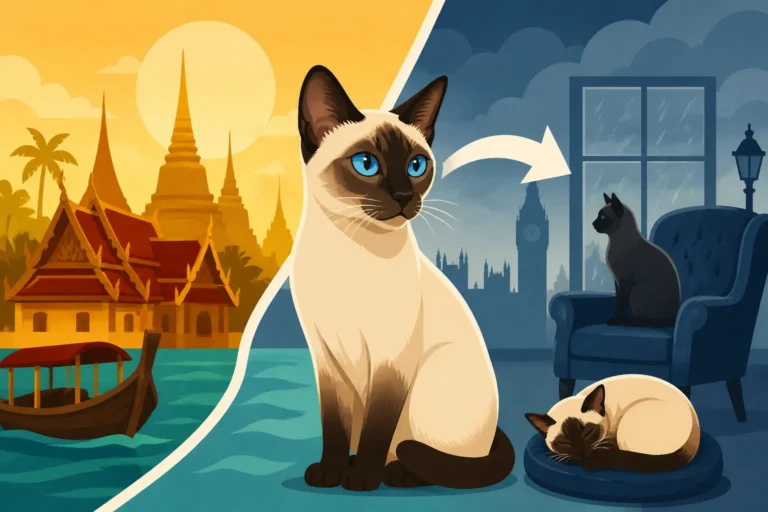
For centuries, the Siamese cat remained largely confined to its homeland, a treasured secret of Siam. It wasn't until the late 19th century that these exotic felines began to make their way to Western shores, captivating audiences with their distinctive appearance and engaging personalities. This introduction marked a pivotal moment in the breed's history, transitioning it from a revered landrace in Thailand to a globally recognized and adored pedigree cat.
The journey from the palaces and temples of Siam to the drawing rooms of Europe and America was a significant one, fraught with challenges. The long sea voyages were difficult for the cats, and establishing breeding lines in a completely new environment required dedication and patience. But the allure of the Siamese was so strong that it quickly overcame these obstacles, sparking a fascination that endures to this day.
This period truly marks the birth of the "Siamese cat breed" as we largely understand it today, with formal recognition and a burgeoning fan base. It's the point where their ancient heritage merged with a modern appreciation, setting the stage for their worldwide popularity.
The First Introductions to Europe and America
The first documented Siamese cats to arrive in the West were gifts from the King of Siam (Rama V) to various dignitaries. A notable example is "Siam," a cat gifted to President Rutherford B. Hayes and his wife Lucy in 1878 by the American Consul in Bangkok. Who Sent Siam the Siamese Cat to the Hayes White House shows this early diplomatic exchange. This single cat caused quite a stir, marking one of the earliest official introductions to American society.
In Europe, specifically Great Britain, the story is similar. In 1884, the British Consul-General in Bangkok, Edward Blencowe Gould, brought a pair of Siamese cats, Pho and Mia, back to the UK. These cats, along with their three kittens, were exhibited at the Crystal Palace Cat Show in London in 1885, where they immediately became the talk of the town. Who Brought the First Siamese Cat to Britain details this significant event. Their unusual appearance and vocal nature were unlike anything the British public had ever seen.
These initial arrivals, though few in number, sparked immense interest and curiosity. They were seen as exotic, aristocratic creatures, a living connection to a distant and mysterious land. This fascination laid the groundwork for the establishment of the breed outside of its native country, beginning the journey toward formalized breeding programs.
Early Breed Recognition and Challenges
Following their dazzling debut, enthusiasts quickly moved to establish the Siamese as a recognized breed. The first Siamese Cat Club was founded in the UK in 1901. When the Siamese Cat Club Was Founded marked a crucial step in standardizing the breed and promoting responsible breeding practices. Early breeders faced the challenge of maintaining genetic diversity from a very limited gene pool while also defining the ideal "look" for the Siamese.
The initial Siamese cats imported to the West often exhibited traits that were considered "defects" by some, such as crossed eyes and kinked tails. These were features that, in Siam, were often seen as marks of distinction, even woven into their legends. However, as Western breed standards began to form, these traits were largely bred out over time, leading to a shift in desired appearance.
This era was a period of intense development and definition for the breed. It saw the Siamese transition from a foreign curiosity to a beloved and highly sought-after companion, with dedicated clubs and breeders working to shape its future. It's a fascinating study in how cultural preferences can influence the direction of a breed's development.
The Evolution of the Siamese Cat's Appearance Over Time
The Siamese cat you see today, with its strikingly slender body, long legs, and distinctly wedge-shaped head, has undergone a significant transformation since its early days. While the core characteristics of pointed coloration and blue eyes remain constant, the breed's physical form has been selectively refined by breeders in the West to align with evolving show standards and aesthetic preferences. This journey from the more moderate "applehead" style to the extreme "wedge" is a testament to the powerful influence of human selection on animal breeds.
This evolution is a source of much discussion among Siamese enthusiasts, with some preferring the traditional look and others championing the modern show type. It highlights a common theme in the world of pedigree animals: the delicate balance between preserving historical integrity and pursuing specific aesthetic ideals. Understanding this evolution is key to appreciating the full history of the Siamese cat.
It’s truly a journey of transformation, driven by a passion for the breed but also influenced by changing tastes and the desire to create a distinctive show animal. The differences can be quite striking when you look at old photographs compared to current champions.
From Traditional to Modern: The Head Shape Debate
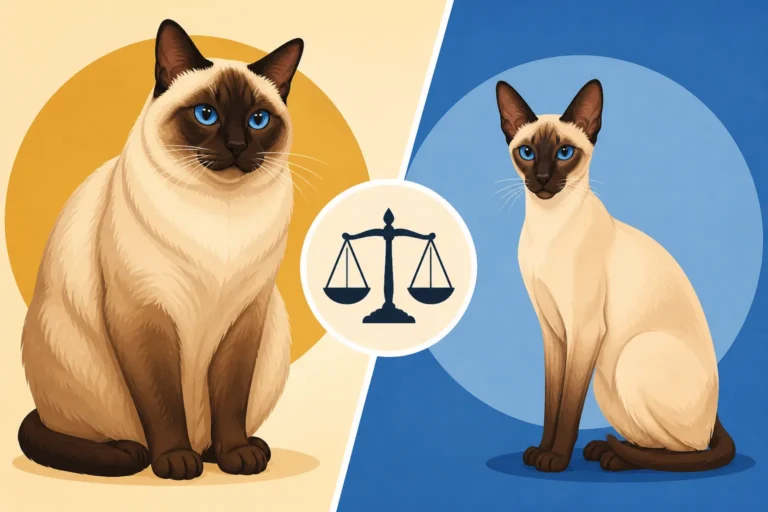
The original Siamese cats brought from Siam, often referred to today as "traditional" or "applehead" Siamese, had a more rounded, apple-shaped head, a sturdier body, and less extreme features. They still possessed the elegant athleticism of the breed, but their proportions were softer. Over the decades, particularly from the mid-20th century onwards, Western breeders began to favor a more elongated, angular look.
This shift led to the development of the "modern" or "wedge-headed" Siamese. The heads became more triangular, ears grew larger and were set lower, and the body became even more svelte and refined. How the Siamese Cat's Head Changed Shape in Fifty Years truly illustrates the dramatic differences between these two styles. This selective breeding intensified, creating the distinct, almost alien-like elegance that is highly prized in the show ring today.
The "applehead" and "wedge" types represent two distinct paths in the breed's development, each with its devoted followers. While the modern Siamese dominates the show circuit, many still cherish the traditional look, seeing it as a closer representation of the original Siamese cats from Thailand.
The Role of Breed Standards in Shaping Appearance
Breed standards, set by organizations like the Cat Fanciers' Association (CFA) and The International Cat Association (TICA), play a crucial role in defining the desired traits of a pedigree cat. These standards dictate everything from head shape and ear placement to body type and tail length. As the standards for the Siamese evolved, they increasingly emphasized the long, lean, and angular features we see in modern show cats.
Breeders, striving to produce champions, meticulously select cats that best embody these standards, thus pushing the breed's appearance further in that direction. This is how a breed can change so dramatically over generations. While it can result in breathtakingly beautiful and distinctive animals, it also raises questions about health and temperament, as sometimes extreme features can lead to unintended consequences.
It's a delicate balance, and responsible breeders are always mindful of maintaining the health and robust nature of the cats while adhering to the aesthetic ideals. Resources like Chewy can offer a wealth of information on different breed types and their care, often providing insights into how breed standards influence specific needs, such as diet or grooming for different coat types.
The Siamese Cat Today: A Timeless Companion
Despite the centuries of history and the evolutionary changes in their appearance, the Siamese cat remains one of the most recognizable and beloved cat breeds in the world. Their enduring popularity speaks volumes about their captivating personality and unique charm. Today's Siamese cats, whether they lean towards the traditional or modern aesthetic, carry with them a lineage that stretches back to ancient Siam, making them truly timeless companions.
Their distinctive traits—the intense blue eyes, the striking point coloration, the sleek physique, and most notably, their famously vocal and engaging personalities—continue to endear them to countless cat lovers. They are more than just a beautiful animal; they are a conversation starter, a lively presence, and a loyal friend who demands to be part of your life.
The journey of the Siamese cat, from ancient temple cat to modern household member, is a rich tapestry of history, culture, and dedicated breeding. It’s a testament to the power of a truly special animal to capture hearts across continents and generations.
Modern Recognition and Popularity
Today, the Siamese cat holds a prominent place among cat breeds globally. Organizations like CFA and TICA continue to register and champion the breed, ensuring its legacy for future generations. While their numbers might fluctuate compared to some newer, more diverse breeds, their iconic status is undisputed. They are consistently ranked among the top favorite breeds, a testament to their enduring appeal.
The breed's presence in popular culture, from movies to literature, further solidifies its iconic status. People instantly recognize a Siamese, even if they can't quite articulate why. This widespread recognition makes them a sought-after breed for those looking for a cat with a distinct look and an even more distinct personality. They are truly living legends in the feline world.
This sustained popularity is not just about looks; it's about the entire experience of living with a Siamese. Their intelligence, their communicative nature, and their deep bond with their human families make them incredibly rewarding pets, ensuring they will remain a cherished breed for centuries to come. You can find many resources on The Fifteen to Twenty Years a Siamese Cat Gets that highlight the commitment these wonderful companions require.
Understanding the Different "Types"
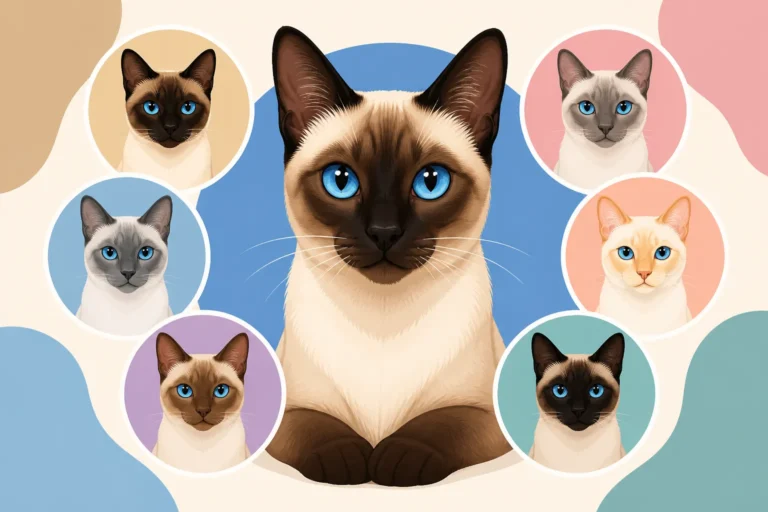
When you’re looking into getting a Siamese today, you'll often hear terms like "traditional Siamese," "classic Siamese," and "modern Siamese." These terms generally refer to the different body and head types that have developed over time. While the major cat registries primarily focus on the "modern" or "wedge" type for show, many breeders specialize in the "traditional" or "applehead" style, aiming to preserve the older look.
It’s important to research these different types to understand their subtle variations and decide which aesthetic and potential personality traits align best with what you're looking for. Neither type is inherently "better" or "more authentic"; they simply represent different points along the breed's evolutionary journey. Understanding these distinctions is crucial for anyone hoping to welcome a Siamese into their home.
Ultimately, whether you prefer the more rounded features of a traditional Siamese or the sleek lines of a modern show cat, you're embracing a feline with an incredible history. It's a journey from the ancient kingdom of Siam to your living room, a story hundreds of years in the making. What a Siamese Cat Breeder Should Have Screened is always important to consider, regardless of the type you prefer, to ensure you bring home a healthy companion.
| Historical Period | Era | Key Characteristics | Cultural Significance |
|---|---|---|---|
| Ancient Siam (14th C.+) | Original landrace cat | "Wichianmat," moderate body, rounded head ("applehead"), blue eyes, pointed coloration, often with kinks/crosses. | Treasured by royalty and priests, featured in Tamra Maew, sacred. |
| Late 19th Century | Introduction to the West | First imports to Europe/America, still largely "traditional" in appearance, caused a sensation at cat shows. | Exotic curiosity, symbol of foreign lands, beginning of Western breeding. |
| Early 20th Century | Formalization of the breed | Establishment of breed clubs, creation of early breed standards, focus on elegance, some breeding out of "defects." | Growing popularity, development of pedigree lines. |
| Mid-20th Century – Today | Evolution to modern show type | Increasingly slender body, long legs, very wedge-shaped head, large ears, extreme refinement for show ring. | Iconic status, widespread recognition, continued high demand. |
The Thai Cat: A Close Relative with a Different Path
When we discuss the age and evolution of the Siamese cat, it's impossible not to touch upon the Thai cat. Often mistaken for the "original" or "applehead" Siamese, the Thai cat is, in fact, a distinct breed that shares a common ancestry with the modern Siamese but has followed a different developmental path. Recognizing the Thai cat helps us understand the full spectrum of Siamese cat history and how selective breeding can lead to divergence within a shared lineage.
The story of the Thai cat is one of preservation and a desire to maintain the appearance of the cats as they traditionally existed in their homeland, rather than evolving with the Western show standards. It’s a fascinating parallel narrative to the Siamese breed we typically see in the show ring, offering a glimpse into what the ancestors of our modern Siamese may have looked like before Western influence.
Understanding this distinction clarifies the historical journey of these beautiful felines and helps appreciate the different directions breeders chose to take. It's not about which is "better," but about acknowledging the rich diversity that stems from a shared origin.
Reclaiming the Traditional Look
As the Western Siamese cat evolved towards its more extreme, wedge-headed form, some enthusiasts and breeders felt that the essence of the original Siamese cat was being lost. They sought to preserve the more moderate, rounded head, sturdier body, and less extreme features that characterized the cats depicted in the Tamra Maew (How Many Cats the Tamra Maew Describes Besides the Siamese Cat) and first imported from Siam. This movement led to the formal recognition of the Thai cat as a separate breed.
The Thai cat, also known as the "Wichianmat" in some circles, is bred to resemble the traditional Siamese cats that were common in Thailand for centuries. Their breed standard emphasizes a cat that is substantial but elegant, with a slightly rounded head, expressive eyes, and a robust body – a stark contrast to the angularity of the modern Siamese. This effort was about reconnecting with the historical appearance of the cat from its native land.
This pursuit to maintain the original type highlights a deep respect for the breed's ancient roots. It's a conscious decision by breeders to prioritize historical authenticity over contemporary show trends, offering cat lovers a choice that reflects different stages of the breed's history.
The Split from the Modern Siamese
The formal separation of the Thai cat from the Siamese cat in major registries is a relatively recent development, reflecting the significant divergence in their appearances over the last century. While both breeds share that unmistakable pointed coat pattern and brilliant blue eyes, their body types and head shapes are now distinct enough to warrant separate breed classifications. How the Thai Split From the Siamese Cat provides further detail on this fascinating divergence.
This split illustrates how strong the forces of selective breeding can be. What started as a single landrace in Siam eventually branched into two recognized breeds, each celebrated for its unique interpretation of the "Siamese" legacy. It's a clear example of how human aesthetic choices can profoundly influence the physical characteristics of an animal over time.
For prospective owners, this means more choice. If you adore the classic, perhaps more robust, look of the cats pictured in ancient manuscripts, the Thai cat offers that. If you are captivated by the sleek, angular lines of a modern show cat, the Siamese will be your choice. Both are magnificent, but knowing their distinct paths helps you connect with the history you choose to bring into your home.
Disclaimer
This article is for general informational purposes only and does not constitute professional advice. Laws, prices and regulations vary by location and change over time. Consult a qualified professional for guidance on your specific situation.