How a Blind Siamese Cat Manages
Discovering that your beloved Siamese cat is losing their eyesight can be a truly heart-wrenching experience, filled with fear about how they’ll cope in a world designed for sighted animals. Many owners worry endlessly about their cat’s safety, happiness, and ability to navigate their familiar home. This comprehensive guide is here to reassure you, offering deep insights into the incredible ways blind Siamese cats adapt and thrive, and how you can become their most effective advocate and caregiver.
Understanding Vision Loss in Siamese Cats
The idea of your vibrant, alert Siamese cat losing their sight is a tough pill to swallow. It's a journey no pet parent wants to embark on, and the uncertainty can be overwhelming. But understanding the 'why' and 'how' of feline vision loss is the first step towards helping your companion.
Common Causes of Blindness in Siamese Cats
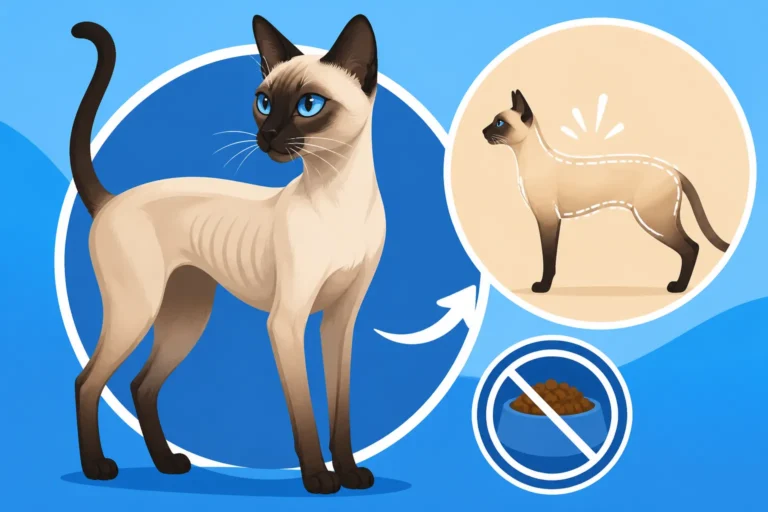
Siamese cats, while generally robust, do have predispositions to certain conditions that can lead to vision impairment or outright blindness. One of the most heartbreaking for many owners is Progressive Retinal Atrophy (PRA). When you hear about PRA, it’s about the gradual degeneration of the photoreceptor cells in the retina – those critical cells that detect light. For a Siamese, this isn't always a sudden event; it's a slow fading, often starting with night vision before progressing to complete blindness. It's a genetic condition, and tragically, there isn't a cure. It's worth noting that knowing What PRA Does to a Siamese Cat's Sight can help you understand the progression.
Beyond PRA, other health issues can snatch away your Siamese’s precious sight. Glaucoma, for instance, involves increased pressure within the eye, leading to pain and optic nerve damage. It can be secondary to other conditions, or sometimes primary in certain breeds, though less common as a primary cause in Siamese than some others. Retinal detachments, often linked to conditions like severe hypertension (high blood pressure) which can be an issue in older cats, can also cause sudden blindness. Cataracts, though less frequent as a primary cause of total blindness in cats compared to dogs, can cloud the lens and obscure vision. And of course, trauma or severe infections can also irreparably damage the eyes. It's why regular vet check-ups are so crucial, especially as your Siamese ages, and a good pet insurance plan like Healthy Paws can be invaluable for unexpected diagnoses.
Recognizing the Signs of Vision Impairment
Spotting the early signs of vision loss in a cat can be tricky, because cats are masters of compensation. They are incredibly adept at using their other senses, which means you might not notice anything amiss until the condition has progressed significantly. However, if you know what to look for, you can often pick up on subtle clues. You might start noticing your Siamese bumping into furniture, especially in dimly lit rooms, or perhaps they're more hesitant to jump onto familiar surfaces. Changes in their play behavior – perhaps they're no longer tracking a moving toy as effectively – can also be a red flag.
Other indicators include dilated pupils that don't respond normally to light, or eyes that appear cloudy or different in some way. They might become more vocal, especially at night, as their world becomes darker and more confusing. You might see a change in their confidence, becoming more clingy or startled by sudden noises or movements. If you’re seeing these Signs a Siamese Cat Is Going Blind, it’s time for an immediate vet visit. A thorough ophthalmic examination, including tests to check pupil response, eye pressure, and retinal health, is essential. Sometimes, a vet might recommend an electroretinogram (ERG) to assess retinal function, which can be a more definitive way to diagnose conditions like PRA, even if it feels like an Whether an Eye Exam Beats a DNA Test for a Siamese Cat debate.
The Emotional Impact on Owners and Cats
Let's be honest, the news that your Siamese is losing their sight hits hard. As owners, we often project our own fears onto our pets, imagining a life of darkness and struggle. There's a profound sense of grief and worry, asking "Will they be happy? Will they be safe?" It's a completely natural response, and it’s okay to feel that way. You’re not alone in these feelings.
For your Siamese, the experience is different. Cats don't typically dwell on 'what was' in the same way humans do. While there can be an initial period of disorientation and stress, especially if the vision loss is sudden, most cats adapt with remarkable resilience. Their world is already heavily influenced by scent, sound, and touch, which means they have a strong foundation to build upon. However, they will certainly rely more heavily on you for guidance and reassurance. They might become more vocal, as you can learn from topics like Why an Old Siamese Cat Yowls More, seeking communication and comfort. Your patience, calm demeanor, and consistent support will be the most powerful tools in helping them navigate this change and maintain their confidence and zest for life.
The Remarkable Adaptability of Blind Siamese Cats
It’s truly incredible to witness how quickly and effectively a Siamese cat can adapt to losing their vision. They aren't held back by self-pity or existential dread; they simply find new ways to experience and interact with their world. Their resilience is a lesson in itself.
Relying on Heightened Senses
When one sense diminishes, a cat's other senses often sharpen dramatically. This is particularly true for Siamese cats, who are already known for their keen senses and intelligence. Their hearing becomes incredibly acute, allowing them to pinpoint the source of a sound with astonishing accuracy. The rustle of a leaf outside, the quiet footsteps of a family member, or the distant clang of a spoon in a bowl all become vital navigational cues. They learn to interpret these auditory signals to understand their surroundings and anticipate what's coming.
Their sense of smell also becomes a super-power. Every object in your home, every person, every other pet, and even every patch of carpet has a unique scent signature. A blind Siamese will use these scent trails to identify paths, locate their food and water bowls, and even recognize family members. You might notice them sniffing the air more intently, processing the rich tapestry of odors that defines their home. Their whiskers, those incredibly sensitive vibrissae, are constantly working, detecting subtle air currents and providing vital spatial information about their immediate environment. These whiskers are like a sophisticated radar system, helping them navigate tight spaces and avoid obstacles with surprising grace.
Developing a "Mental Map" of Their Environment
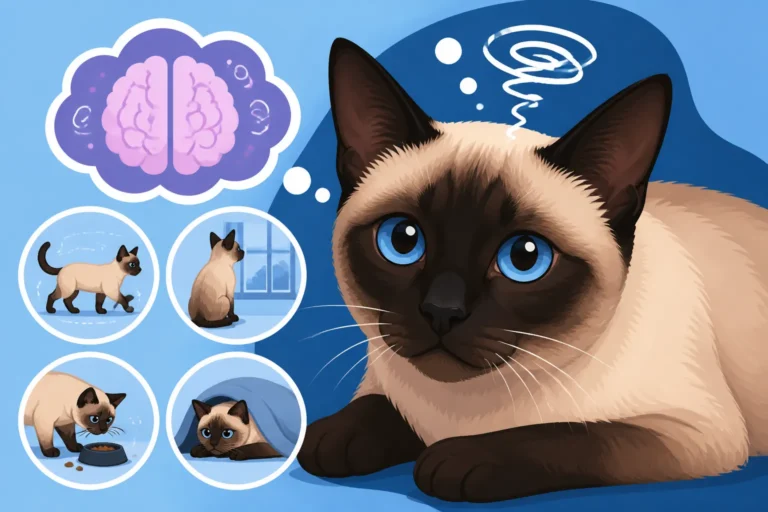
One of the most fascinating aspects of a blind cat's adaptation is their ability to develop a highly detailed "mental map" of their home. This isn't just a vague idea; it's an intricate, three-dimensional representation built from memory, scent, touch, and sound. Every piece of furniture, every doorway, every stair, and every corner is meticulously cataloged. This map allows them to move around with confidence, often appearing as if they can still see.
They learn the textures of different flooring – the soft rug in the living room, the smooth tile in the kitchen, the rough carpet on the stairs – and use these as navigational markers. The echoes of their footsteps or the way sound bounces off walls can also provide clues about open spaces versus solid objects. To help them build and maintain this mental map, consistency is key. Avoid frequently rearranging furniture, as this can be incredibly disorienting and stressful for a blind cat. Think of it from their perspective: suddenly, their trusted map is wrong, and they have to re-learn everything from scratch, which can be a source of anxiety.
Maintaining Independence Through Routine
Siamese cats thrive on routine, and for a blind Siamese, routine is paramount. It provides a predictable structure to their day, reinforcing their mental map and allowing them to anticipate events. Knowing when they'll be fed, when playtime usually occurs, and where their litter box will always be found helps them maintain a sense of control and independence. This predictability reduces anxiety and builds confidence.
Establishing clear, consistent routines for feeding, play, and quiet time is vital. For example, always feeding them in the same spot at the same time, or consistently leading them to the litter box after waking up or eating. These routines become anchors in their day. Even if your cat has lost their sight, they still possess that innate Siamese curiosity and desire for interaction. They still want to play, explore (within safe boundaries), and cuddle on their own terms. Your commitment to maintaining a stable, stimulating, and predictable environment will empower them to live a full and happy life, minimizing any feelings of helplessness and maximizing their natural independence.
Creating a Safe and Enriched Environment
Making your home a safe haven for a blind Siamese cat doesn't mean turning it into a sterile, unstimulating space. It's about thoughtful modifications that support their navigation and enrichment, allowing them to confidently explore and enjoy their surroundings.
Strategizing Home Layout and Furniture Placement
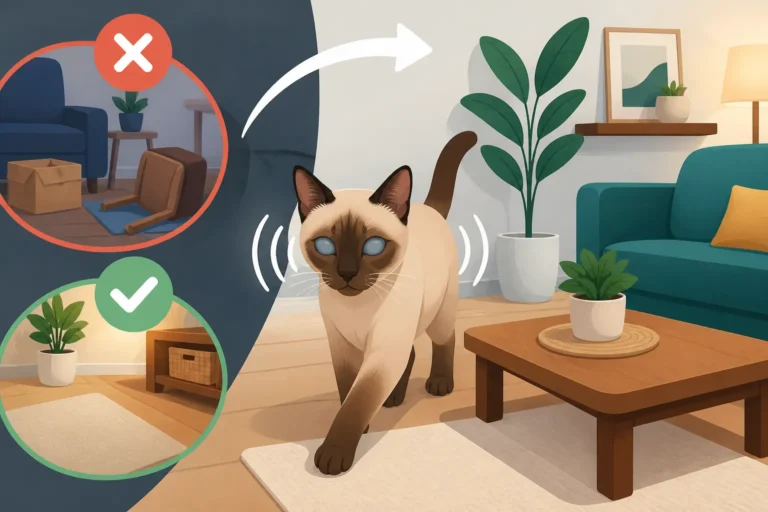
The most critical step in creating a safe environment is to keep your furniture and belongings consistent. Once your blind Siamese has created their mental map of your home, sudden changes can be incredibly confusing and dangerous. Try to avoid moving large pieces of furniture, and if you absolutely must, do it gradually and lead your cat around the new layout several times, gently guiding them with your hands and voice.
Consider placing soft, padded bumpers on sharp corners of furniture or low-lying obstacles. Think about their pathways: are there clear routes from their favorite sleeping spots to their food, water, and litter boxes? Make sure these paths are free from clutter. If you have stairs, consider placing a textured mat at the top and bottom, or even a baby gate if your cat is prone to falling or is still learning the layout. For multi-level homes, you might initially restrict access to certain areas until your cat is fully confident. Remember, the goal is to make their environment predictable and therefore safe, reducing their risk of injury while they navigate. This is exactly what we discuss in more detail in How to Rearrange a Home for a Blind Siamese Cat.
Utilizing Scent and Texture Cues
Since your Siamese's sense of smell and touch will be heightened, you can actively use these to help them navigate. Place a distinct scent, like a drop of pet-safe essential oil (diluted and applied to a fabric marker, never directly on the cat or too strong), near important areas like their food bowl, water fountain, or litter box. Some owners use different textured rugs or mats at key points, such as a rough sisal mat leading to the litter box and a soft fluffy rug near their favorite bed. These tactile markers provide clear signals about where they are in the house.
You can also use sound cues. Gently tapping their food bowl before putting it down, or jingling a small bell on your ankle, can alert them to your presence and location. When you approach them, always speak to them softly first, so you don't startle them. Remember, their world is now largely auditory and olfactory, so integrating these cues into your daily interactions will significantly enhance their sense of security and awareness.
Choosing Safe and Engaging Toys
Just because your Siamese can't see doesn't mean they've lost their playful spirit! They still need mental and physical stimulation, perhaps even more so, to prevent boredom and maintain their connection with you. The key is to choose toys that appeal to their other senses. Crinkle balls, toys with bells or rattling sounds, and those stuffed with potent catnip are fantastic choices. Interactive wand toys, where you can make the toy rustle or squeak as you drag it along the floor, can still provide immense joy.
Food puzzles or treat-dispensing toys are also excellent for engaging their sense of smell and problem-solving skills, turning mealtime or snack time into an enriching activity. Remember to rotate toys regularly to keep things interesting. When playing, describe what you’re doing ("Here’s the mousie!") and use your voice to guide them. Place toys on distinct, familiar surfaces where they can easily find them. Playtime is not just about fun; it’s about reinforcing their confidence and strengthening your bond, showing them that their world is still full of exciting discoveries, even without sight.
Daily Care and Support for Your Blind Siamese
Caring for a blind Siamese requires a little extra thought and consistency, but it’s immensely rewarding. It boils down to being their eyes and their trusted guide, ensuring their basic needs are met with compassion and understanding.
Navigating Feeding and Litter Box Needs
When it comes to feeding, consistency is your best friend. Always place their food and water bowls in the exact same spot, every single time. A heavy, non-slip bowl is ideal to prevent it from being nudged around. You might even consider using a placemat with a distinct texture underneath the bowls to help them locate it. Some cats prefer wide, shallow bowls so their whiskers aren’t constantly touching the sides. Remember, many Siamese cats are prone to dental issues, so regular check-ups and cleanings are crucial, and this becomes even more important as they age and their other senses become paramount.
For the litter box, the same principle applies: consistent placement. Choose a litter box that’s easy for them to get in and out of, perhaps with lower sides, and ensure it’s always accessible via their established mental map. Some blind cats prefer multiple litter boxes in various locations to minimize travel distance, especially if they are older or have mobility issues. Keep the litter consistent too; sudden changes in texture or scent can be off-putting. Always ensure the box is kept meticulously clean, as their heightened sense of smell will pick up on odors even more readily, making a dirty box even less appealing. Regularly monitoring their toilet habits is also a good idea to catch any health issues early.
Grooming and Health Check-ups
Even though Siamese cats have short, low-shedding coats that generally don't require extensive grooming, a blind cat might neglect their self-grooming a bit more, especially in hard-to-reach areas. Gentle, regular brushing isn't just about keeping their coat pristine; it's a wonderful opportunity for bonding and a tactile check-in. It helps stimulate their skin, removes loose fur, and allows you to feel for any lumps, bumps, or tender spots that might indicate a problem. This is also a good time to check their claws, which might need more frequent trimming if they're not using scratching posts as effectively due to their vision loss.
Regular veterinary check-ups are non-negotiable for a blind Siamese. While the frequency of How Often a Siamese Cat Needs a Wellness Exam generally increases with age, it's particularly important for blind cats. Your vet can monitor for any secondary health issues, discuss pain management if needed, and offer advice on maintaining their quality of life. Don't be afraid to ask for specific tips on making vet visits less stressful for a blind cat, such as scheduling quiet times or bringing a familiar blanket from home. Insurance, like a plan from Healthy Paws, can be incredibly helpful for managing these ongoing health costs, ensuring your blind Siamese gets the best possible care throughout their life.
Building Trust and Communication
The foundation of a strong relationship with any cat is trust, and this becomes even more profound with a blind Siamese. They rely on you completely for safety and guidance. Always approach them gently, speaking their name softly before you touch them so they know you’re there. Extend a hand for them to sniff before petting, allowing them to identify you by scent.
Verbal cues are powerful communication tools. Use distinct words for different actions: "Up" before lifting them onto a couch, "Down" before setting them on the floor, or "Step" before they encounter an obstacle. Praise and positive reinforcement, whether it's a gentle scratch behind the ears, a soft voice, or a small treat, will build their confidence. Your calm, reassuring presence is their anchor. They will learn to trust your voice, your scent, and your gentle guidance, fostering an unbreakable bond that enriches both your lives.
Addressing Specific Challenges and Concerns
While blind Siamese cats are remarkably resilient, there are some specific situations that require extra consideration and thoughtful planning from their human companions.
Social Interactions with Other Pets and People
Introducing a blind Siamese to new pets or people can be more challenging than with a sighted cat, as they can't rely on visual cues for assessment or warning. The key is slow, controlled introductions, always prioritizing the blind cat's comfort and safety. For new human visitors, politely ask them to approach slowly, speak softly, and offer a hand for sniffing before petting. Explain that your cat cannot see, so sudden movements or loud noises can be startling.
If you have other pets, especially other cats or dogs, their existing relationship with your Siamese will largely dictate how they adapt. Sighted pets often learn to be gentle and even act as guides for their blind companion. However, any new pet introduction needs to be very gradual, using scent swapping and supervised, short encounters in neutral territory. Always ensure your blind Siamese has an escape route or a safe, elevated space where they can retreat if they feel overwhelmed. A dedicated sanctuary room can be invaluable during these periods of adjustment. This is where the question of Whether a Blind Siamese Cat Needs a Companion really comes into play. If your existing pet is gentle and calm, they might be the perfect companion; if not, you might need to manage their interactions closely.
Managing Outdoor Access and Travel
The question of outdoor access for a blind cat is one that often sparks debate. While some owners manage to create secure, enclosed catios or safely leash-train their blind cats for supervised garden strolls, allowing a blind Siamese unsupervised access to the outdoors is generally not recommended. The world outside is full of unpredictable dangers: cars, other animals, unfamiliar smells and sounds, and ever-changing landscapes that can instantly disorient them. The risks of them getting lost, injured, or worse, are simply too high.
Travel also requires careful consideration. A blind Siamese thrives on predictability, and new environments can be highly stressful. If travel is unavoidable, such as for a vet visit or a move, prepare extensively. Use a familiar, comfortable carrier lined with blankets that smell of home. Talk to your vet about calming aids if your cat gets particularly anxious. During car rides, keep talking to them in a soothing voice. For longer trips, consider whether a trusted pet sitter coming to your home might be less stressful than boarding them in an unfamiliar environment. Your Siamese depends on you to be their protector, and minimizing unnecessary stress is paramount. This can be complex, and you might ask Whether a Blind Siamese Cat Should Go Outside which many experts advise against due to the dangers.
When to Seek Professional Guidance
While you are your Siamese's primary caregiver, there will be times when professional guidance is invaluable. If you notice any sudden changes in their behavior – increased vocalization, disorientation, withdrawal, or signs of pain – contact your vet immediately. These could indicate an underlying health issue or a progression of their condition. An annual What a Siamese Cat's Yearly Bloodwork Should Cover will help monitor overall health.
Additionally, if you’re struggling with behavioral challenges that seem linked to their blindness, such as anxiety, inappropriate urination, or aggression, a veterinary behaviorist can provide tailored strategies. They can help you understand the root cause of the behavior and implement specific modifications to your cat's environment or routine. Don’t hesitate to reach out to certified professional cat behaviorists or even your local humane society for resources and support. They can offer practical tips and emotional support, reminding you that you're not alone in navigating this journey.
Dispelling Myths and Embracing Their Capabilities
There are many misconceptions about blind animals, often rooted in human fears about living without sight. It’s vital to challenge these myths and instead focus on the incredible capabilities and enduring spirit of your blind Siamese.
Blindness Doesn't Mean Helplessness
One of the most pervasive myths is that a blind cat is a helpless cat, destined for a diminished quality of life. This couldn't be further from the truth, especially for a Siamese cat. With their sharp intellect, exceptional other senses, and innate adaptability, they are far from helpless. They learn to navigate their environment with grace, play with enthusiasm, and maintain their unique personalities. Their internal compass, honed by scent and memory, allows them to move around with surprising confidence, often to the astonishment of those unfamiliar with blind pets.
While they may require modifications to their environment and extra patience from their human companions, they don't lose their core "cat-ness." They still love to climb (if safe), explore, chase toys (especially noisy ones!), and demand attention. Their purr is just as resonant, their kneading just as comforting, and their demand for cuddles just as insistent. They teach us that true capability comes not from perfect senses, but from an unwavering spirit and the support of a loving family.
The Joy and Fulfillment of Caring for a Blind Siamese
Caring for a blind Siamese can be one of the most enriching experiences of your life. It deepens the bond between you and your cat in profound ways. You become their eyes, their guide, and their steadfast protector, and in return, they offer an unparalleled level of trust and affection. Witnessing their resilience, their determination to live life to the fullest despite their challenge, is truly inspiring.
You’ll discover new ways to communicate, relying more on touch and voice, and you'll learn to appreciate the subtle cues your cat gives you. The joy of seeing them confidently leap onto their favorite perch, find their way to their food bowl, or playfully bat at a crinkly toy is immense. It's a reminder that happiness and a full life don't depend on perfect vision, but on love, security, and the freedom to be themselves. This journey changes you, opening your heart to a deeper understanding of patience, empathy, and unconditional love. And if you're ever asking yourself Whether a Siamese Cat Is Worth the Money, the answer is an unequivocal yes, especially when you see the profound bond you share.
Advocating for Your Cat's Quality of Life
As an owner of a blind Siamese, you become their fiercest advocate. This means educating friends, family, and even veterinary staff (if they’re not experienced with blind animals) about their capabilities and needs. It means ensuring they receive appropriate medical care, nutritional support, and environmental enrichment. It means speaking up for their comfort and safety.
It also involves recognizing that their quality of life is not defined by human standards of normalcy. It's about their happiness, their comfort, and their ability to engage with their world in their own unique way. This may mean making choices that prioritize their well-being over aesthetics, like leaving furniture in place or choosing soft, familiar bedding over a trendy new item. It means being attuned to their subtle signals, understanding when they are content, and when they might be struggling. By consistently providing a safe, predictable, and loving environment, you are not just caring for a blind cat; you are empowering a magnificent creature to live a life full of joy and dignity.
| Aspect of Care | Standard Cat Care | Blind Siamese Cat Care | Key Adjustments |
|---|---|---|---|
| Environment | Flexible furniture arrangement | Consistent layout, padded corners | Avoid moving furniture; add tactile markers. |
| Feeding/Water | Bowls can vary, moved occasionally | Fixed location, stable, wide bowls | Consistent spot; distinct placemat. |
| Litter Box | Location can change | Fixed location, easy access | Multiple boxes if needed; low sides, consistent litter. |
| Playtime | Visual and auditory toys | Auditory, scent, and tactile toys | Focus on bells, crinkles, catnip, interactive wands. |
| Grooming | As needed | Regular brushing & tactile checks | More frequent, for bonding and health monitoring. |
| Vet Visits | Regular check-ups | Regular check-ups, specialized considerations | Vet should be aware of blindness; discuss calming aids. |
| Outdoor Access | Varied, supervised or unsupervised | Secure catio or supervised leash walks only | Avoid unsupervised outdoor access due to high risk. |
| Communication | Primarily visual, verbal | Primarily verbal, tactile, scent | Approach gently, speak first, use verbal cues for actions. |
| Socialization | Visual cues, gradual intro | Scent/auditory cues, slow, controlled intro | Inform guests; supervise interactions with other pets. |
Disclaimer
The information provided in this guide is intended for educational and informational purposes only, and does not constitute veterinary advice. Always consult with a qualified veterinarian for any health concerns or before making any decisions related to your pet's care.