Why Siamese Cat Prices Range So Widely
It's truly bewildering when you start looking for a Siamese cat and see prices that swing wildly from a couple of hundred dollars to several thousand. You might wonder if you're even looking at the same breed, or if some sellers are just trying to take advantage. This guide aims to pull back the curtain on why Siamese cat prices range so widely, helping you understand the many factors that contribute to what you'll actually pay for one of these magnificent felines.
Breeder Reputation and Ethical Practices
One of the biggest drivers behind the varying price tags on Siamese cats is the reputation and ethical standards of the breeder. You might find ads for very inexpensive kittens, but often, these come from sources that aren't prioritizing the health, temperament, or genetic integrity of their cats.
The Investment of a Reputable Breeder
A truly reputable Siamese cat breeder pours an incredible amount of time, effort, and money into their breeding program. They aren't just pairing two cats and hoping for the best. They invest in high-quality foundation lines, which means acquiring healthy, well-socialized breeding stock from other respected breeders. This initial investment alone is significant. Furthermore, they pay for proper nutrition for their adult cats and kittens, regular veterinary check-ups, necessary vaccinations, and often, extensive health screenings. This might include echocardiograms to check for heart conditions like hypertrophic cardiomyopathy, or specific genetic tests relevant to the breed, even if there's no DNA test for some conditions like Amyloidosis Is the Disease That Kills Young Siamese Cats. The commitment to these practices is reflected in the final price of their kittens.
Think about it: a breeder who is responsibly raising kittens will be ensuring they are well-socialized, accustomed to household noises, litter-trained, and have received their initial veterinary care before going to their new homes. They will also provide ongoing support to new owners, often staying in touch for the lifetime of the cat. This level of dedication and care simply can't be offered by someone selling kittens at a rock-bottom price, as their costs would far outweigh their profits. They often have waitlists, a clear contract, and are transparent about their practices.
The Risks of Backyard Breeders and Unregistered Sellers
On the flip side, many lower-priced Siamese cats come from what are often called "backyard breeders" or individuals selling unregistered kittens. These sellers often cut corners to minimize their expenses. They might not invest in health testing for their breeding cats, leading to a higher risk of genetic health issues in the kittens down the line. For instance, without proper screening, you might unknowingly bring home a kitten predisposed to conditions that could lead to significant veterinary bills later. There is no DNA test for Siamese Cat Amyloidosis, but a good breeder will know the health history of the lines they work with, and track causes of death.
These kittens might also lack proper socialization, leading to behavioral problems, or may not have received adequate veterinary care, leaving them vulnerable to parasites or common kitten illnesses. While the initial cost seems attractive, the potential for future medical expenses or behavioral challenges can quickly make a "cheap" kitten far more expensive in the long run. When considering "What a Siamese Cat Costs to Buy in 2026", always factor in the long-term implications of where your kitten comes from.
Pedigree, Registration, and Show Potential
The lineage and formal recognition of a Siamese cat also play a huge role in its price. Not all Siamese cats are created equal in the eyes of breed registries or show judges.
Registered Pedigree and Breed Standards
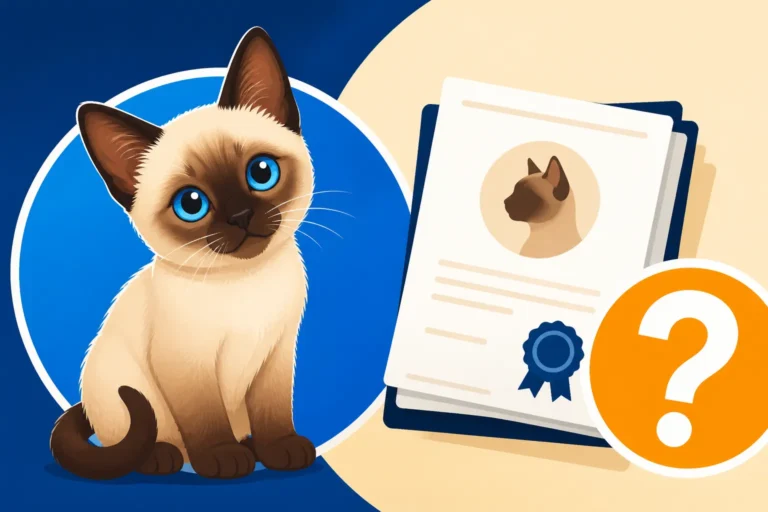
A significant portion of a Siamese cat's price is tied to whether it has a registered pedigree with an organization like the Cat Fanciers' Association (CFA) or The International Cat Association (TICA). These pedigrees track the cat's ancestry, ensuring it comes from a purebred line and meets breed standards. Breeders pay registration fees, stud fees, and often travel to show their cats to gain championships, further validating their lines. A kitten from champion lines, where both parents have achieved high titles in cat shows, will naturally command a higher price due to the proven quality of its genetics and adherence to the breed standard.
For example, a Siamese cat breeder might be striving for specific physical traits, like the desired head shape, ear set, or eye color outlined in the breed standard. Breeding for these specific traits requires careful selection and often importing cats from other top lines, all of which adds to the cost. The standard often rewards a refined, elegant appearance. You can learn more about "What the Siamese Cat Standard Asks For".
Show Quality vs. Pet Quality Kittens
Within a single litter from a reputable breeder, there can be a price difference between "show quality" and "pet quality" kittens.
- Show Quality Kittens: These are kittens that perfectly (or very nearly perfectly) conform to the breed standard in terms of conformation, color, and temperament. They have the potential to excel in cat shows and contribute to future breeding programs. These kittens will be the most expensive, reflecting their exceptional genetics and appearance. A breeder selling a show-quality kitten will often have specific clauses in their contract regarding showing or breeding rights.
- Pet Quality Kittens: These kittens are just as healthy and loving as their show-quality siblings but might have a minor trait that, while not affecting their health or making them any less wonderful companions, disqualifies them from the show ring or breeding program. This could be something as subtle as a slight deviation in ear set, a kinked tail (which used to be common but is now a fault), or a less intense eye color. These kittens are often sold at a slightly lower price point, typically with a spay/neuter contract, as they are intended solely as cherished family pets. Sometimes, even a "Why a Siamese Cat's Eyes Cross and Its Tail Kinks" which was historically common, is now considered a cosmetic fault in the show ring, leading to a pet-quality designation.
The difference isn't about their inherent value as a pet, but about their adherence to a very specific aesthetic standard set by cat registries.
Color Point and Head Type
The specific color point and the head type of a Siamese cat can also influence its market value, reflecting current trends and historical preferences.
The Impact of Point Colors on Price
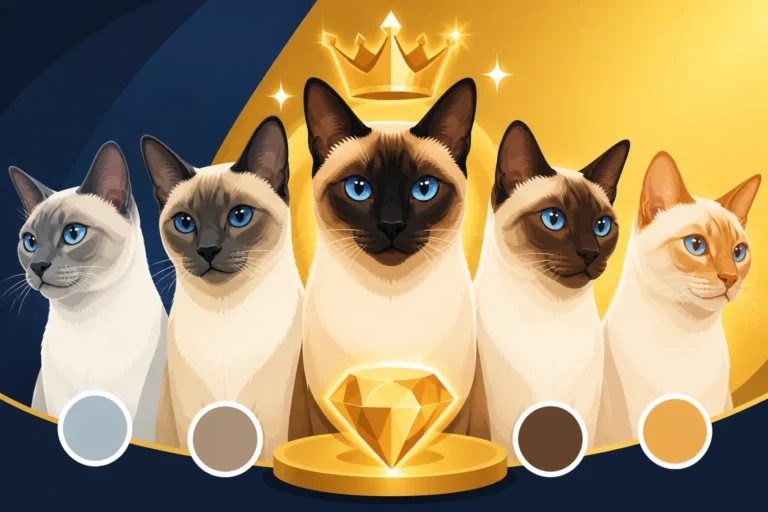
Siamese cats are famous for their distinctive point coloration—darker fur on their extremities like ears, paws, tail, and face. While the traditional four point colors (Seal, Chocolate, Blue, and Lilac) are all beautiful, there can be subtle price variations among them, often due to rarity or demand.
- Seal Point: This is the most classic and widely recognized Siamese color, featuring dark brown points against a creamy body. While popular, their prevalence means they might not always command the absolute highest prices unless from exceptional lines.
- Chocolate Point: With points that are a warm, milky chocolate color, these cats are also very popular and might be priced similarly to Seal Points.
- Blue Point: Characterized by slate-blue points and a cooler-toned body, Blue Points have a devoted following.
- Lilac Point: Often considered one of the rarer and more delicate-looking traditional colors, Lilac Points have frosty grey-pink points. Because they are less common, a "Why a Lilac Point Siamese Cat Costs More Than a Seal" is a real phenomenon, as their subtle beauty can drive up demand and price.
Beyond these, there are "other" point colors like Red (Flame) Point, Cream Point, and Tortie Point, which are actually part of the Colorpoint Shorthair breed in some registries, or "Lynx Point" (tabby points). While stunning, whether these are registered as Siamese or Colorpoint Shorthair can affect perception and, in turn, pricing within specific markets or among different breeders.
Traditional Applehead vs. Modern Wedge Heads
The evolution of the Siamese cat's physical appearance has led to two distinct "head types" that significantly impact price: the traditional "Applehead" and the modern "Wedge."
- Traditional Applehead Siamese: These cats have a rounder head, a sturdier, more muscular body, and often a slightly less extreme facial structure. They represent the "old style" Siamese, resembling the cats originally imported from Siam. Many people adore this classic look for its robust charm. Generally, "What an Applehead Siamese Cat Costs" tends to be less than the modern wedge, partly because they are not typically shown in the major cat fancy associations that champion the modern look. This doesn't mean they are less valuable as pets, simply that the show world has moved in a different direction.
- Modern Wedge-Head Siamese: Over the decades, selective breeding in the cat fancy has favored a more angular, elongated head, larger ears set lower, and a very slender, elegant body. This "wedge" head type is what you typically see winning in championship cat shows today. Breeders focusing on this extreme, refined look invest heavily in lines that produce these traits, and the demand from those seeking show-quality or current-standard cats drives their prices much higher. If you're looking for a cat that matches the contemporary show aesthetic, you'll be paying for that specific breeding and lineage. "Why the Wedge Siamese Cat Commands More" is directly tied to this show preference and the intensive breeding programs behind it.
Health Screening and Guarantees
The level of health screening performed on breeding cats and the guarantees offered with kittens are paramount in determining price and peace of mind for new owners.
Comprehensive Health Screening
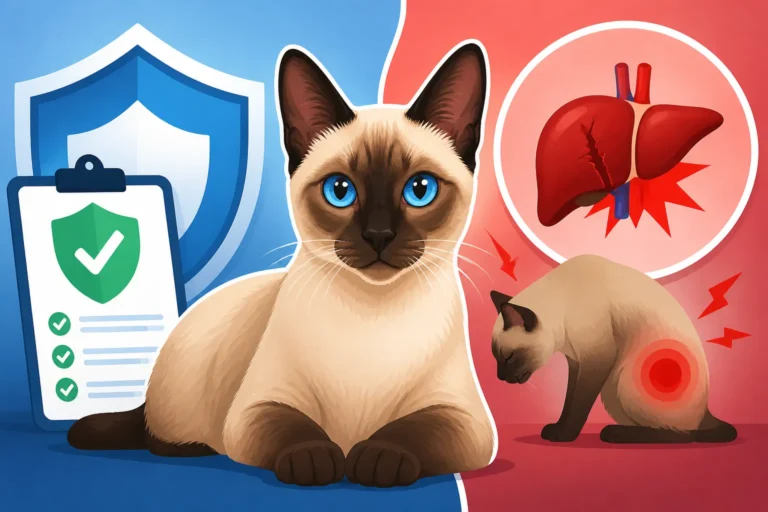
A responsible breeder goes above and beyond to ensure their breeding cats are free from hereditary diseases that can plague the breed. This means more than just a quick vet check. It involves specific tests for conditions common in Siamese cats. While there's no genetic test for amyloidosis, for example, a conscientious breeder will track the health and longevity of their cats' ancestors and relatives, avoiding lines with a history of this devastating disease. They will also screen for things like progressive retinal atrophy (PRA), which can lead to blindness, or heart conditions like hypertrophic cardiomyopathy (HCM) through echocardiograms. This costs money, and it reduces the number of cats they can breed if some are found to carry a genetic predisposition.
This upfront investment in health screening protects the kitten buyer from potentially heart-wrenching and expensive health issues down the road. Imagine investing in a kitten, only to face thousands of dollars in veterinary bills within its first few years due to an inherited condition that could have been screened for. The higher price from a responsible breeder is, in essence, an investment in your future cat's health and your own financial and emotional well-being. Knowing "Which Health Tests a Siamese Cat Breeder Runs" gives you important questions to ask when researching.
Health Guarantees and Contracts
Reputable breeders often provide a written health guarantee with their kittens. This might cover genetic health conditions for a certain period, ensuring that if a kitten develops a serious inherited illness shortly after purchase, the breeder offers support, a replacement, or a refund. These guarantees demonstrate the breeder's confidence in the health of their lines and their commitment to ethical practices. It's a sign that they stand behind their cats.
Conversely, sellers offering very low prices rarely provide such guarantees. You might purchase a kitten "as is," meaning any health issues that arise become your sole responsibility. This lack of protection can be a huge gamble. While veterinary care for any pet can be unpredictable, knowing that your breeder has done their due diligence and offers some form of guarantee can be incredibly reassuring. This is where researching pet insurance options, like those offered by Healthy Paws, early on can be a wise move, especially if you're concerned about unexpected costs, regardless of the breeder's guarantees.
Age, Training, and Availability
The stage of life a Siamese cat is in, any training it has received, and its immediate availability can also significantly influence its price.
Kitten vs. Adult Siamese Cat Prices
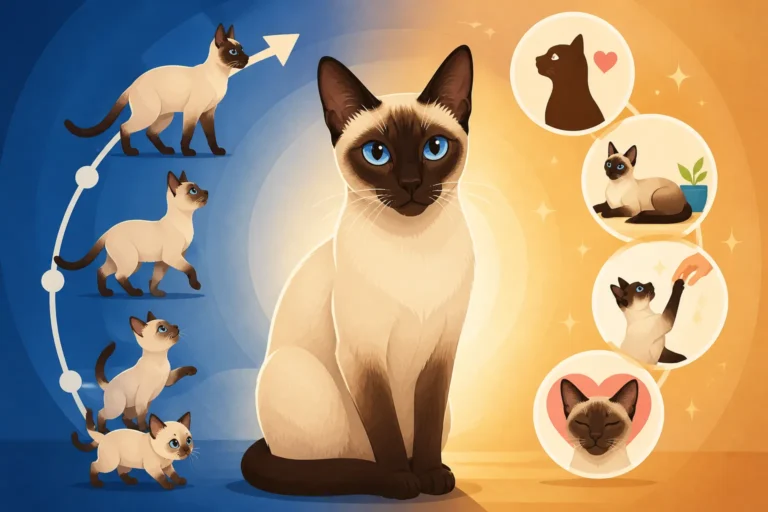
Generally, Siamese kittens are the most expensive. Everyone loves the idea of raising a tiny, playful kitten from scratch. This high demand drives up their price, especially if they are from desirable lines and health-tested parents. A "What a Siamese Cat Kitten Costs From a Breeder" will typically be at the higher end of the spectrum for a new pet. The sheer cuteness and potential of a kitten make them a premium item.
However, an adult Siamese cat, particularly one that is retired from a breeding program or is a rescue, will almost always be less expensive. There are several reasons for this:
- Reduced Demand: Fewer people are looking specifically for adult cats compared to kittens.
- Known Temperament: While a kitten's personality is still developing, an adult cat's temperament is usually well-established. A breeder might rehome an adult cat they've retired from breeding, or a rescue organization might have a clearer picture of an adult cat's needs and personality.
- Rescue Fees: Adopting from a rescue organization typically involves an adoption fee that is significantly lower than a breeder's price. This fee usually covers initial veterinary care, spaying/neutering, microchipping, and vaccinations. If you're open to giving an adult Siamese a loving home, "What Adopting an Adult Siamese Cat Costs" is a much more budget-friendly option, and you're giving a deserving cat a second chance. Many wonderful Siamese cats end up in rescue for various reasons, sometimes even due to their vocal nature. You might find a fabulous companion through a rescue.
Training and Socialization
Some breeders might offer kittens that have had additional training or socialization, which can add to the price. This could include early leash training, advanced litter training, or extensive exposure to various sounds, people, and other pets. While most reputable breeders ensure basic socialization, some go the extra mile, which reflects in the price.
Similarly, an adult Siamese cat that has been professionally trained for specific behaviors or is exceptionally well-socialized might command a higher price in certain situations, though this is less common than with puppies. The most significant "training" cost you're likely to see for an adult cat from a breeder is simply the investment they've made in raising it and potentially showing it to adulthood.
Immediate Availability vs. Waitlists
If you're looking for a Siamese cat right now, without being on a waitlist, you might find that the immediately available options are priced differently.
- Long Waitlists: Reputable breeders often have long waitlists for their kittens, especially for specific colors or genders. This indicates high demand and allows them to maintain their pricing structure. You might wait months or even over a year for a kitten from a top breeder. "How Long a Siamese Cat Waitlist Runs" can vary wildly.
- Impulse Purchases: Sometimes, kittens or cats are available immediately due to unforeseen circumstances or cancellations. These might be priced slightly lower if the breeder is eager to find them a good home quickly, or higher if the demand for immediate availability is particularly strong. However, be wary of any seller who always has kittens available with no questions asked, as this can be a red flag for a less ethical operation.
Geographic Location and Demand
Just like real estate, the cost of a Siamese cat can vary significantly based on where you live and the local demand for the breed.
Regional Price Differences
Prices for Siamese cats can differ from one state or region to another. In areas with a high cost of living, or where there are fewer reputable breeders, prices might be higher due to increased overhead for breeders and less competition. Conversely, in areas with more breeders, or where the breed is less sought after, prices might be slightly lower. Shipping costs for a kitten or cat can also add a substantial amount to the overall price if you're acquiring one from a distant breeder, impacting the final out-of-pocket cost.
Consider a major metropolitan area versus a rural setting. A breeder operating in a city might face higher facility costs, veterinary fees, and other expenses that are passed on in the kitten's price. Always factor in potential travel costs or specialized pet transportation if your ideal kitten is not local.
Local Market Demand
The popularity of Siamese cats in a particular area can also influence prices. If there's a strong, consistent demand for purebred Siamese cats, breeders can command higher prices. If demand is lower, or there's an abundance of available cats (perhaps from rescues or less scrupulous breeders), prices may drop. Trends in popularity can also play a role, with certain breeds or specific characteristics becoming more desirable over time.
For example, a sudden resurgence in interest in a particular head type or point color could temporarily drive up prices in an area. It's not uncommon to see prices fluctuate slightly based on these market dynamics, making it worthwhile to research the local purebred cat market in your area.
Comparing Your Options: A Quick Guide
To help visualize the range of factors influencing Siamese cat prices, here's a simple breakdown:
| Factor | Generally Lower Price Impact | Generally Higher Price Impact |
|---|---|---|
| Breeder Type | Backyard breeder, unregistered seller | Reputable, ethical, registered breeder |
| Pedigree/Quality | Unregistered, unknown lineage, pet quality | Registered, champion lines, show quality |
| Color/Head Type | Common point colors, Applehead type | Rare point colors, Modern Wedge type |
| Health Screening | Minimal or no screening, no guarantee | Extensive screening, strong health guarantee |
| Age | Adult cat, senior cat, rescue | Kitten, young adult |
| Availability | Immediately available (sometimes, beware) | Long waitlist, high demand |
| Location/Demand | Rural area, lower demand | Metropolitan area, high demand |
When you're comparing options, remember that the initial price is only one part of “Twenty Years of a Siamese Cat, Priced Out“. Ongoing costs for food, litter, veterinary care, and insurance are significant over the lifetime of your companion. A higher initial investment in a well-bred cat can often mean fewer unexpected costs and a healthier, happier companion in the long run.
Disclaimer
This article is for general informational purposes only and does not constitute professional advice. Laws, prices and regulations vary by location and change over time. Consult a qualified professional for guidance on your specific situation.