Whether a Rescue Siamese Cat Has Any History
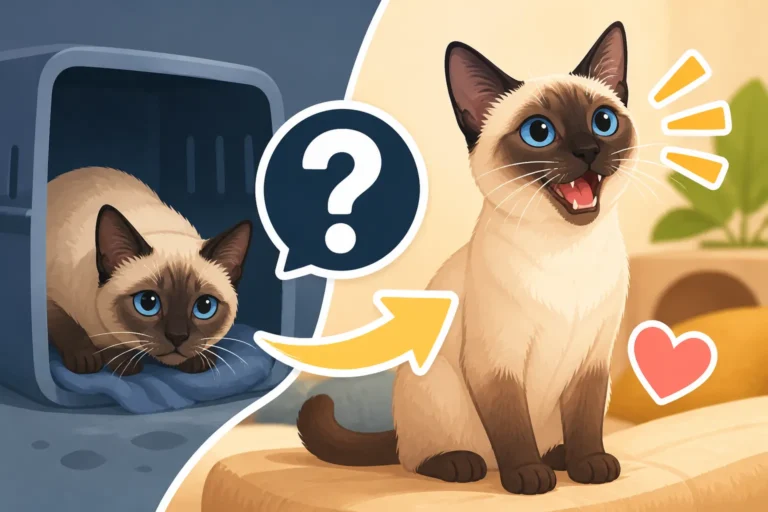
Bringing a rescue Siamese cat into your home is an incredibly rewarding experience, but it often comes with a common frustration: the mysterious past. Many prospective adopters long to know everything about their new companion's journey – where they came from, what their life was like, and if they have any hidden quirks or traumas. This guide will delve into why that history is frequently elusive for rescue Siamese cats and, more importantly, how you can navigate that uncertainty to build a strong, healthy future together.
Why a Rescue Siamese Cat's Past Is Often a Mystery
It’s completely natural to want to know the full story of your rescue Siamese. You want to understand them, anticipate their needs, and provide the best possible environment. However, the reality of rescue work means that a detailed historical record is often just not available. This isn't usually due to a lack of effort on the part of the rescue, but rather the circumstances under which many cats arrive in their care.
The Varied Pathways to Rescue
Think about the different ways a Siamese cat might end up in a rescue organization. Some are strays, found wandering the streets, often disheveled and without any identifying tags or microchips. For these cats, their entire prior life is a blank slate. Others might be surrendered by owners who can no longer care for them, but even in these cases, the information provided can range from comprehensive to incredibly vague. An owner might simply say, "He's five years old and likes to talk," without delving into medical history, dietary preferences, or behavioral nuances.
Then there are cats from hoarding situations, or those rescued from abusive environments, where their previous life was far from ideal and documenting individual histories was impossible. These cats often come with significant physical or emotional scars, but the story behind those scars is almost always lost to time. It's a tough truth to swallow, especially when you're trying to give a deserving cat a fresh start. You might want to know What Most Siamese Cats Die Of if you are concerned about a lack of medical history, for example.
Limitations of Rescue Organizations
Rescue groups, whether they're small, volunteer-run operations or larger shelters, operate with limited resources and often overwhelming numbers of animals. Their primary focus is always on immediate care: getting the cats healthy, spayed/neutered, vaccinated, and ready for adoption. While they do their best to gather information, extensive detective work into each cat's individual past just isn't feasible. They'll note obvious physical conditions, any observed behaviors in the shelter environment, and what little information might come with a surrendered animal. But tracking down previous owners, especially if they're uncooperative or untraceable, is a monumental task. The best they can do is relay what they know and what they've observed during the cat's stay.
What Information You Might Still Get From a Rescue Organization
Despite the challenges, rescue organizations do provide crucial information that helps you understand your new Siamese companion. It might not be a full autobiography, but it's a solid foundation.
Medical Records and Health Observations
This is usually the most reliable and thorough piece of history you'll receive. Rescue organizations are meticulous about veterinary care. You can expect to get records detailing:
- Vaccination History: What shots they've had and when.
- Spay/Neuter Status: Confirmation that they've been altered.
- Microchip Information: Details on their microchip, which you'll need to register in your name.
- Parasite Control: When they were last dewormed and treated for fleas.
- Initial Health Exams: Notes from the vet on their overall health, any existing conditions, or concerns observed upon intake. For instance, if they had a respiratory infection or dental issues, this should be documented.
- Known Conditions: If the cat arrived with a pre-existing condition, like early signs of kidney disease or a resolved injury, the rescue will typically share this.
This medical background is invaluable. It tells you what immediate care has been provided and flags any known health concerns you'll need to monitor. When you sign up for pet insurance, say with a provider like Healthy Paws, knowing any pre-existing conditions is vital, as policies typically don't cover them.
Behavioral Observations in the Shelter
While a cat's behavior in a stressful shelter environment isn't always indicative of how they'll act in a calm home, these observations are still incredibly helpful. Rescue staff and volunteers spend a lot of time interacting with the cats, and they'll often share insights like:
- Temperament: Is the cat shy or outgoing? Does it seek attention or prefer solitude?
- Interaction with People: How does it react to different people – men, women, children? Does it allow handling and petting?
- Interaction with Other Animals: Has it been observed getting along with other cats or dogs in the shelter (if applicable)?
- Litter Box Habits: Are they consistently using the litter box? Any noted issues like going outside the box?
- Vocalizations: Being Siamese, they're likely vocal. The rescue might tell you What a Siamese Cat's Yowl Means or how often they tend to "chat."
- Play Style: Do they like toys? What kind of play do they engage in?
These notes provide a snapshot of their personality in a specific setting. It’s a starting point, a series of clues that you can use to begin understanding your new feline family member. Don't be afraid to ask specific questions about what they've observed; rescuers are usually eager to share their insights.
How to Piece Together Clues About a Rescue Siamese's Past
Even without a formal history, you can become a detective in your own home, observing your Siamese cat and piecing together clues about their previous life. This process takes patience, keen observation, and a willingness to learn from your cat.
Observing Their Behavior and Habits
Your Siamese cat's actions in your home will be the most telling "history book" you'll ever read. Pay close attention to everything, no matter how small it seems:
- Reactions to Sounds and Sights: Does a specific sound (like a doorbell, a child's laugh, or a car horn) cause them to flinch or hide? This might indicate a past association, positive or negative. For instance, if they cower at loud noises, they might have come from a noisy or chaotic home.
- Eating Habits: Are they food-aggressive? Do they eat quickly, as if afraid the food will be taken away? Or are they a grazer? Their approach to food, including specific food preferences or aversions, can hint at past experiences with scarcity or particular diets.
- Litter Box Preferences: Do they prefer a specific type of litter or a particular location for their box? Any accidents outside the box could signal a past issue, perhaps a small box, dirty litter, or stress.
- Affection and Boundaries: Are they overly clingy or fiercely independent? Do they enjoy being held, or do they prefer to be near you without direct contact? A cat that's hesitant to be touched might have had limited positive human interaction before.
- Play and Stimulation: What kinds of toys engage them? Do they seem bored easily? Siamese cats are highly intelligent and need stimulation. If they seem to get bored in an hour, this could suggest they need more Enrichment for a Siamese Cat That Gets Bored in an Hour.
- Vocalization Patterns: While Siamese are known for being vocal, listen to the type of vocalization. Is it a constant yowl for attention, or a series of varied chirps and trills? Why a Siamese Cat Meows So Much can be a source of frustration, and understanding when and why they vocalize can give you clues.
Keep a mental (or even written) log of these observations. Over time, patterns will emerge that paint a clearer picture of their personality and, by extension, their likely past experiences.
Physical Clues and Vet Visits
Beyond behavior, your cat's physical condition can also reveal aspects of their history. During initial vet visits, your veterinarian will conduct a thorough examination and might uncover things that offer more insights.
- Dental Health: The condition of their teeth can often tell a story about their age and previous care. Significant tartar buildup or missing teeth might indicate neglect or a poor diet in the past. This is especially important as Dental Disease in a Siamese Cat is a common issue.
- Coat Condition: While rescue cats are often cleaned up, lingering skin issues, dull fur, or matted areas (especially around the hindquarters) could point to previous grooming neglect or health problems.
- Scars or Old Injuries: Any visible scars, limps, or subtle changes in gait could be remnants of past injuries, fights, or even abuse. Your vet can often determine the age of these injuries.
- Body Condition Score: Is your Siamese underweight or overweight? This can indicate past feeding issues or lack of appropriate nutrition.
- Eye and Ear Health: Chronic ear infections or signs of past eye issues can also be historical markers.
Your veterinarian is an invaluable partner in this detective work. Don't hesitate to ask them to interpret what they see. They can often provide educated guesses about age, potential past traumas, or chronic conditions based on their examination. Using a reliable online pet pharmacy like Chewy for regular medications or specialized foods recommended by your vet can also be a good way to stay on top of any health concerns.
Considering Genetic Predispositions
While not about an individual cat's history, understanding the breed's common health issues can help you anticipate potential problems. Siamese cats, like many purebreds, are prone to certain genetic conditions.
- Amyloidosis: This serious genetic disease often affects the liver and kidneys. Even without a family history, knowing Why Siamese Cat Amyloidosis Is Inherited means you'll be more vigilant for signs if your cat ever becomes unwell.
- PRA (Progressive Retinal Atrophy): This can lead to blindness. If you notice your cat struggling with night vision or bumping into things, understanding What PRA Does to a Siamese Cat's Sight would lead you to seek veterinary attention promptly.
- Asthma: Siamese are predisposed to asthma. If your cat develops a cough or wheezing, knowing Asthma Symptoms in a Siamese Cat means you won't dismiss it as just a hairball.
Even without a detailed lineage, knowing these breed-specific tendencies empowers you to be a more informed and proactive owner.
Moving Forward: Building a New History with Your Rescue Siamese
The most important thing to remember is that a lack of past doesn't define a future. You now have the opportunity to create a wonderful new history for your rescue Siamese.
Establishing Trust and Routine
Cats thrive on routine and predictability. Establishing a consistent schedule for feeding, playtime, and quiet time will help your Siamese feel secure and understand their new world. This stability is especially crucial for cats who may have experienced instability or trauma in their previous lives.
- Consistent Feeding Times: Regular meals of a high-quality food signal safety and provision.
- Dedicated Play Sessions: Engage your Siamese with interactive toys daily. This is a great way to bond and provide the mental and physical stimulation these clever cats need.
- Safe Spaces: Ensure your cat has quiet, elevated spots where they can retreat and feel safe, especially during the initial adjustment period.
Over time, this routine will help them settle in, relax, and reveal their true personality.
Patience and Understanding
It takes time for a rescue cat to decompress and truly show who they are. What you see in the first few days or even weeks is often a cat still adjusting, still a little guarded. Some cats take months to fully blossom. Be patient. Offer gentle reassurance, consistent positive reinforcement, and respect their boundaries. If your Siamese seems overly stressed or exhibits concerning behaviors like What Psychogenic Alopecia Does to a Siamese Cat (licking themselves bald), consult your vet or a certified feline behaviorist. They can offer strategies and, if necessary, discuss medication to help manage anxiety.
Proactive Health Management
Since you may not have a complete medical history, being proactive about your Siamese's health is paramount.
- Regular Vet Check-ups: Don't skip annual wellness exams. These check-ups allow your vet to catch potential issues early. What a Siamese Cat's Yearly Bloodwork Should Cover can provide a baseline for future comparisons.
- Pet Insurance: Seriously consider pet insurance. With an unknown past, an unexpected illness or injury could lead to significant veterinary bills. A plan from Healthy Paws could help cover these costs, providing peace of mind.
- Observation: Continue to be an astute observer of your cat's health. Any changes in appetite, litter box habits, energy levels, or vocalizations (especially if they seem different from their usual chatty self) warrant a call to the vet. Learning to recognize Signs a Siamese Cat Is Unwell is a critical skill for any cat owner, but even more so for a rescue where past indicators are missing.
Embrace the journey of discovery with your rescue Siamese. While their past may remain largely untold, the future you build together will be a rich tapestry of shared experiences, love, and companionship.
| Information Category | Likelihood of Availability from Rescue | What it Tells You (or doesn't) | Actionable Steps for Owner |
|---|---|---|---|
| Medical History | High (for time in rescue's care) | Vaccinations, spay/neuter, recent treatments, initial exam. | Share with your vet, register microchip, consider pet insurance. |
| Behavioral Observations | Medium (in shelter environment) | General temperament, interaction with people/animals, vocalization. | Observe closely at home, note changes, be patient, provide enrichment. |
| Previous Home Details | Low (unless owner surrendered with info) | Can be age, basic preferences, reason for surrender (variable). | Look for behavioral clues (e.g., specific fears, food habits). |
| Genetic Health History | Very Low (without pedigree) | Breed predispositions (e.g., Amyloidosis, PRA, Asthma). | Be aware of breed-specific risks, proactive vet care, monitor for symptoms. |
Disclaimer
This article is for general informational purposes only and does not constitute professional advice. Laws, prices and regulations vary by location and change over time. Consult a qualified professional for guidance on your specific situation.