What the Siamese Cat’s Meezer Yowl Sounds Like
One of the most defining, and sometimes most startling, traits of the Siamese cat is their incredibly vocal nature. Many new owners, and even seasoned cat lovers, find themselves quite taken aback by the sheer volume and unique quality of the sounds that emanate from these beautiful felines. This guide is dedicated to exploring the legendary "Meezer Yowl" – what it sounds like, why your Siamese is making it, and how to understand and manage this fascinating aspect of their personality.
Understanding the Siamese Vocal Repertoire
If you've ever shared your home with a Siamese cat, you'll know they don't just meow. They converse. They make statements. They sing operas. Their vocal cords seem to possess an almost unlimited range, and they are not shy about using every single note. This isn't just a quirk; it's a fundamental part of who they are, rooted in their history and genetics.
More Than Just a Meow: The Spectrum of Siamese Sounds
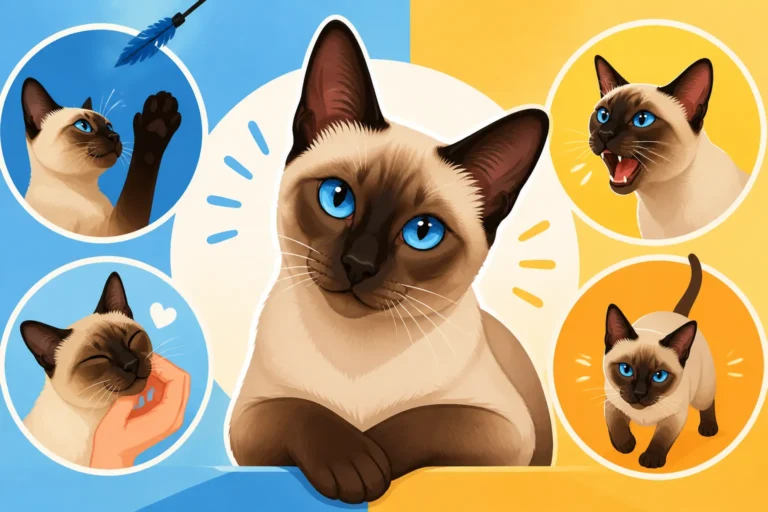
Unlike many other cat breeds that might offer a polite "mew" or a gentle trill, a Siamese cat has a full lexicon of sounds at their disposal. It’s almost as if they have a language all their own, and they expect you to learn it. You'll hear everything from soft chirps to insistent demands, and, of course, the infamous yowl.
Think about it: you might hear a contented purr, deep and rumbling, when they're curled up on your lap. Then, as soon as you stop petting them, a quick, sharp "mew!" might snap out, clearly indicating their displeasure. Later, as dinner approaches, the chirps and trills might start, a melodic build-up to the main event. And then, there's the yowl. It’s a sound that cuts through the air, often startling you mid-conversation or pulling you from a deep sleep. It’s not just loud; it has a resonant quality, a depth that makes it stand out from a standard cat meow. This wide array of vocalizations is why understanding How Many Sounds a Siamese Cat Makes is so crucial to appreciating their communicative genius.
It's a common experience for owners to initially wonder if something is wrong when their Siamese unleashes a particularly robust vocalization. You might rush over, checking for injuries or distress, only to find your cat staring pointedly at an empty food bowl or simply demanding your undivided attention. This constant communication, while sometimes overwhelming, is also a beautiful testament to their intelligence and their desire to interact with their human companions. They truly believe they are part of the conversation, and they expect to be heard.
Why the Siamese Cat is So Vocal
The intense vocalization of the Siamese isn't a random trait; it's deeply ingrained in their breed characteristics. It's what makes a Siamese a Siamese, almost as much as their stunning blue eyes and striking point coloration. Their history as companions to royalty in ancient Siam (now Thailand) suggests a long-standing relationship with humans, where clear communication would have been valued. They weren't just decorative pets; they were active participants in the household.
Genetically, they are simply predisposed to being more vocal than many other breeds. It’s a characteristic that has been selectively bred for over centuries, even if unconsciously at first. They are highly intelligent, social creatures who thrive on interaction. For a Siamese, silence often means isolation, and isolation is their worst nightmare. They use their voice as a primary tool for engagement, a way to express their needs, their desires, their happiness, and their displeasure. It’s their way of ensuring A Siamese Cat Will Not Be Ignored.
Consider the personality that often accompanies this vocal prowess: Siamese cats are known for being incredibly affectionate, demanding, and intelligent. They form strong bonds with their human family members and see themselves as central figures in the household. This strong bond often translates into a need for constant communication and interaction. If they're not getting enough attention, they will absolutely let you know. This isn't manipulation; it's simply how they've evolved to connect with their environment and their people. They are, in essence, trying to talk to you.
Deciphering the Meezer Yowl
The term "Meezer Yowl" isn't just a cute nickname; it’s an acknowledgment of the distinct and often powerful sound these cats produce. It's not always a pleasant sound, especially at 3 AM, but it's always meaningful. Learning to distinguish between the various types of yowls and what they might signify is key to living harmoniously with your vocal friend.
The Distinctive Sound: What Does it Really Sound Like?
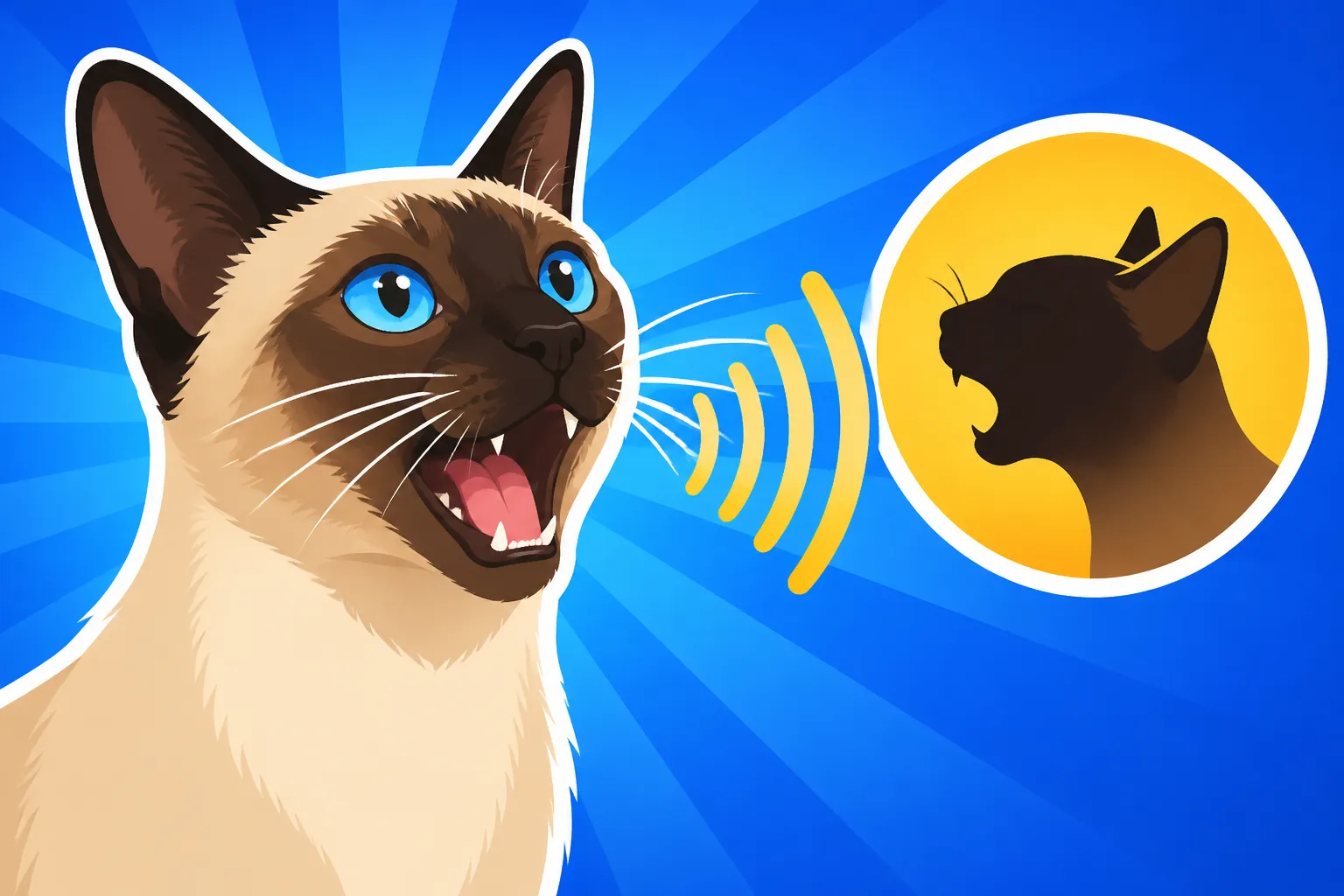
Many people describe the Meezer Yowl as sounding like a human baby crying, or sometimes even a distressed toddler. It's often a drawn-out, nasal, and high-pitched wail that can send shivers down your spine. It's definitely not a gentle "mew." It carries, it resonates, and it demands attention. When you hear it, there's no mistaking it for any other cat sound. It's a signature call that can be quite intense. What the Siamese Cat's Yowl Means is often tied to the specific circumstances in which it occurs.
The frequency and intensity can vary greatly from one Siamese to another. Some may offer a more subdued version, while others can rival a smoke alarm for sheer auditory impact. It often has a quality that suggests urgency, even if the "emergency" is merely an empty water bowl or the absence of a favorite human. The sound itself is designed to cut through background noise and penetrate your consciousness. It's almost as if they're saying, "Hello? Is anyone paying attention here?!" with every fiber of their being. It’s this unique acoustic signature that often catches new owners off guard, leading them to worry unnecessarily, or conversely, to become frustrated by the constant noise.
It's helpful to realize that this sound isn't typically associated with fear or aggression, though a yowl can certainly be a sign of distress. More often, it's a profound declaration of need or emotion. It might start as a low rumble in their throat, escalating to a full-blown caterwaul as they realize their message isn't being received quickly enough. This escalation is part of their communicative strategy, a way to ensure their voice gets through, no matter what.
The Purpose Behind the Yowl: What Are They Trying to Say?
The primary purpose of the Meezer Yowl is communication, plain and simple. Siamese cats are highly social animals, and they use their voices to interact with their environment and their family. Unlike solitary hunters who might value stealth and silence, Siamese cats thrive on connection, and their voice is their strongest tool for forging and maintaining those bonds.
The yowl can mean a multitude of things. Often, it's an insistent demand for attention. "Look at me! Pet me! Play with me!" they might be saying. It can also be a clear statement of hunger, especially if their food bowl is empty or not up to their exacting standards. Sometimes, it's a complaint: "This door is closed, and I want it open NOW!" or "You dared to leave the room without me?" It can even be a cry of boredom, a way of saying, "I need more mental stimulation; entertain me!" This constant vocal communication helps explain Why a Siamese Cat Meows So Much.
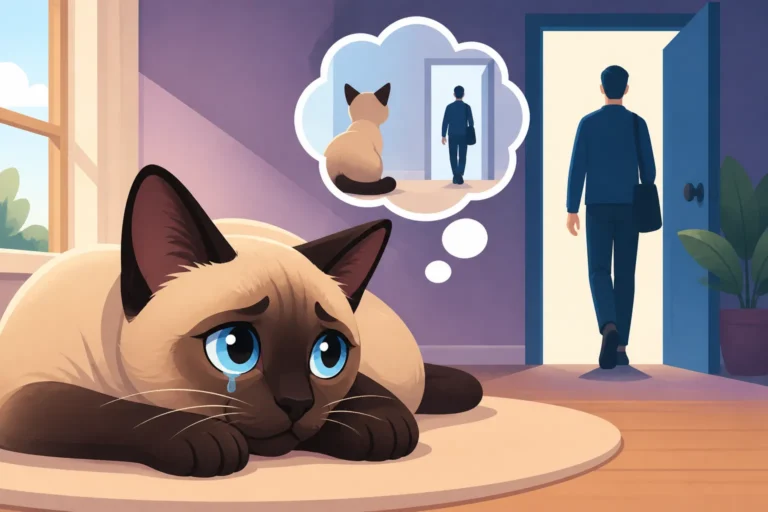
Consider their intense need for companionship. If you've been out all day, a full-throated yowl might be their way of expressing both relief at your return and indignation at your absence. It's their attempt to restart the conversation and re-establish their place in your orbit. They're not just making noise; they are actively seeking a response, a dialogue, a connection. Understanding this underlying motivation is crucial, because it means that simply ignoring the yowl might not be the most effective long-term solution, as they will likely just increase their efforts to get your attention.
Common Triggers for the Siamese Yowl
Identifying why your Siamese is yowling is the first step toward managing the behavior, especially if it's becoming disruptive. While some vocalization is just part of their charm, excessive or inappropriate yowling can often point to an unmet need or underlying issue.
Attention-Seeking and Demand Meows
This is perhaps the most common reason for a Siamese cat to yowl, and it's a testament to their incredibly social and demanding nature. Siamese cats thrive on interaction with their humans. They want to be involved in everything you do, whether you're working, watching TV, or trying to sleep. If they feel neglected for even a moment, they will not hesitate to let you know with a loud, drawn-out yowl.
Imagine you're engrossed in a book, and your Siamese is sitting beside you, initially purring contentedly. After a few minutes, the purring might stop. A soft paw might tap your arm. If you don't respond, a tentative meow might emerge. Still no response? Brace yourself for the escalating yowl. It’s their way of saying, "My needs are paramount! Your attention is required, immediately!" This isn't rudeness; it's just how they're wired. They genuinely believe that your world revolves around them, and in many ways, it does. They expect The Siamese Cat Talks and Expects an Answer, and when you don't answer, they get louder.
It's a tricky balance, because while you want to acknowledge their presence and show affection, constantly giving in to every demand can inadvertently reinforce the yowling behavior. They quickly learn that "yowl equals attention," and once that connection is made, it can be hard to break. This is why consistency in how you respond is so important. Ignoring attention-seeking yowls for a few minutes, then rewarding quiet behavior, can sometimes help. But remember, a Siamese is incredibly persistent!
Hunger and the Empty Bowl Symphony
Few things trigger a Siamese cat's vocal cords quite like the sight of a half-empty or, heaven forbid, completely empty food bowl. Even if they were just fed an hour ago, the belief that they might become hungry at some point in the near future can be enough to set off a truly impressive vocal performance. They treat meal times with the utmost seriousness, and any perceived delay or inadequacy is met with a dramatic protest.
Think of it: you wake up in the morning, and before your feet even hit the floor, you might hear it – the low, mournful yowl from the kitchen, increasing in volume until it sounds like a true lament. This isn't just a simple request for breakfast; it's an urgent, life-or-death plea that suggests they haven't eaten in weeks, despite a full meal just hours prior. This urgency is sometimes accompanied by other behaviors, like pacing, pawing at the bowl, or even batting at your legs as you try to navigate to the coffee machine. They become little four-legged alarm clocks, powered by their stomachs.
It’s often helpful to stick to a consistent feeding schedule to manage this particular type of yowl. Knowing when their meals are coming can reduce anxiety and, therefore, the need to vocalize so intensely. Some owners find that puzzle feeders or timed feeders can help, distributing smaller portions throughout the day and keeping the cat's mind occupied. You can find many options on Amazon for these types of feeders. This way, the cat isn't associating you directly with the food delivery, which can sometimes reduce demand yowls directed at you.
Stress, Anxiety, and Discomfort
While much of Siamese vocalization is routine communication, an increase in yowling can also be a significant indicator of stress, anxiety, or general discomfort. These sensitive cats are creatures of habit and can be deeply affected by changes in their environment or routine. Anything from a new piece of furniture to a new family member (human or animal) can be a source of unease, which they might express through amplified yowling. What Separation Anxiety Looks Like in a Siamese Cat often involves excessive vocalization.
Consider a scenario where you've recently moved house. Even if the new home is lovely, the unfamiliar smells, sounds, and layout can be incredibly unsettling for your Siamese. They might yowl constantly, wandering through rooms, calling out as if searching for something they've lost. This isn't them being difficult; it's a genuine expression of their disorientation and fear. Similarly, if they feel their territory is being encroached upon by a new pet, they might yowl to assert their presence or express their unhappiness.
Even more subtle stressors can trigger a yowl. Perhaps a favorite family member has gone away, leaving your Siamese feeling lonely. Or maybe construction work next door is creating unusual noises that scare them. It’s crucial to observe your cat's body language and the context of the yowling. Are their ears flattened? Is their tail tucked? Are they pacing or hiding? These accompanying signs can tell you that the yowl isn't a demand, but a cry for comfort and reassurance. Providing them with safe spaces, consistent routines, and extra comfort during times of change can help alleviate their anxiety.
When the Yowl Signifies Something More Serious
While often a normal part of Siamese communication, a sudden increase in yowling, a change in its tone, or vocalization accompanied by other symptoms, should always prompt a closer look. Our cats are masters at hiding pain and illness, but a change in their vocal habits can sometimes be the only outward sign that something is truly amiss.
Medical Causes for Increased Vocalization
If your typically quiet Siamese suddenly starts yowling intensely, or if an already vocal cat becomes even more vocal, it's vital to consider underlying medical issues. Cats can't tell us in words that they're feeling unwell, so they often express their discomfort through changes in behavior, and vocalization is a prime example. When a Siamese Cat's Meowing Means Pain is a critical piece of information for any owner.
A range of health problems can manifest as increased yowling. Pain from arthritis, particularly in older cats, can cause them to cry out when moving or being handled. Dental disease, which is unfortunately common in cats, can lead to discomfort when eating, resulting in yowling before or during meals. Urinary tract infections or blockages, kidney disease, hyperthyroidism, or even gastrointestinal upset can all cause enough distress to elicit prolonged vocalizations. A cat who is nauseous might yowl before vomiting, for example, or one with joint pain might cry out when jumping down from a perch.
This is why a visit to the veterinarian is always recommended if you notice a significant, unexplained change in your Siamese's vocal habits. Your vet can perform a thorough examination, including blood work or other diagnostics, to rule out any physical ailments. It’s much better to be safe than sorry, especially since cats are so stoic about showing signs of illness until it's quite advanced. Pay close attention to any other accompanying symptoms, such as changes in appetite, litter box habits, lethargy, or aggression, as these will provide crucial clues to your vet.
Age-Related Changes in Vocalization
As Siamese cats age, you might notice a shift in their vocal patterns. This can be a natural part of the aging process, but it can also signal specific age-related conditions that need attention. Why an Old Siamese Cat Yowls More is a common concern among owners of senior Meezers.
One common cause for increased vocalization in older cats is cognitive dysfunction, often referred to as "feline dementia." Just like humans, older cats can experience disorientation, confusion, and changes in their sleep-wake cycles. They might yowl aimlessly, especially at night, as they wander through the house, feeling lost even in familiar surroundings. This is not attention-seeking in the traditional sense; it's a genuine cry of confusion and fear, and it can be heartbreaking to witness. Providing a consistent routine, nightlights, and comforting touch can sometimes help these cats.
Another factor is declining senses. An older Siamese might start to lose their hearing, causing them to vocalize louder than before because they can't hear themselves. Similarly, vision impairment can lead to disorientation and increased yowling, particularly in dimly lit rooms or if furniture has been rearranged. Health issues like hyperthyroidism, which is more prevalent in older cats, can also lead to increased activity and vocalization. It’s important to distinguish between normal aging sounds and those that indicate a problem. Always consult your vet to rule out treatable conditions before attributing increased vocalization solely to old age.
Managing Excessive Yowling
While we adore our Siamese cats and their chatty nature, there are times when the yowling can become excessive, disrupting sleep, work, or peace of mind. The good news is there are strategies you can employ to help manage and even reduce problematic vocalization, focusing on understanding and meeting your cat's needs.
Addressing Basic Needs and Enrichment
Often, excessive yowling stems from unmet basic needs or a lack of mental and physical stimulation. Siamese cats are highly intelligent and energetic, and a bored Siamese is a vocal Siamese. Before attempting any behavioral modifications, ensure your cat's environment is enriching and stimulating. Enrichment for a Siamese Cat That Gets Bored in an Hour is paramount.
First, consider their core needs:
- Food and Water: Is their food bowl regularly filled? Is fresh water always available, perhaps in a fountain that appeals to them? Are they getting enough meals throughout the day?
- Litter Box: Is the litter box clean? Is it in a private, easily accessible location? A dirty or inconvenient litter box can definitely lead to complaints.
- Attention: Are you dedicating enough quality time to them? This means interactive play, petting, and just being present with them. Many Siamese simply want to be in the same room as you, even if they're not actively being petted.
Beyond the basics, focus on enrichment. Siamese cats need to exercise their minds and bodies. This could include:
- Interactive Play: Use wand toys, laser pointers (with caution to always end on a tangible reward), or anything that simulates hunting. Aim for several short play sessions a day.
- Puzzle Feeders: These slow down eating and engage their minds. You can find a variety of puzzle feeders on Amazon.
- Vertical Space: Cat trees, shelves, or catio access give them vantage points and climbing opportunities.
- Window Perches: A view of the outside world, especially with bird feeders, can provide hours of entertainment.
A well-fed, well-played-with, and mentally stimulated Siamese is generally a happier, and thus quieter, Siamese. When their needs are adequately met, they often feel less compelled to yowl for attention or out of boredom.
Training and Behavior Modification Techniques
While you can't silence a Siamese (and who would want to completely?), you can certainly influence when and how much they vocalize. Consistency is key here, and patience is a virtue you’ll need in spades. The goal isn't to punish them for being vocal, but to teach them that quiet communication is more effective than incessant yowling. How to Train a Siamese Cat to Meow Less requires dedication.
Here are some strategies:
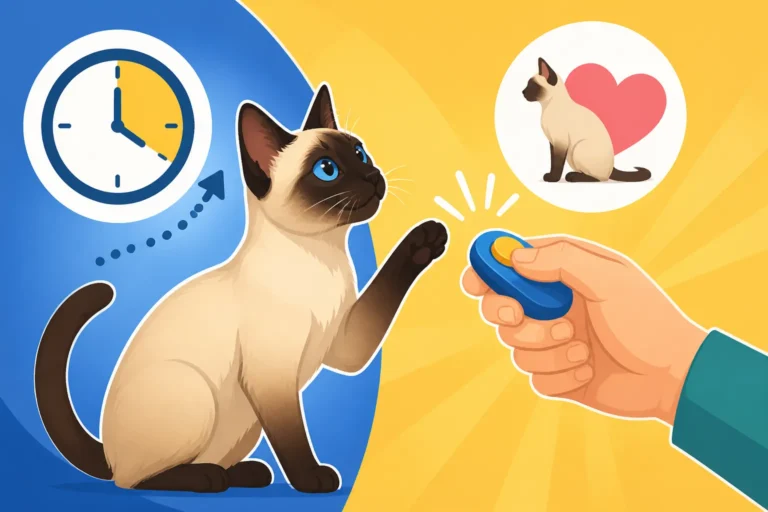
1. Ignore the Yowl, Reward the Quiet: This is perhaps the most challenging but often most effective technique. If your Siamese is yowling for attention, resist the urge to immediately respond. This means no eye contact, no talking, no petting. Wait until there's a brief pause in the yowling, even for just a few seconds, then immediately reward them with attention or a treat. They will slowly begin to associate silence with positive reinforcement. It's tough because the yowling might get worse initially as they try harder to get your attention (an "extinction burst"), but you must persevere.
2. Establish a "Quiet" Cue: You can actively train your Siamese to be quiet. When they are already quiet, use a calm, soft voice to say "Quiet" or "Shush," then immediately give them a treat or praise. Over time, they might start to associate the word with being calm. This can be particularly useful if you need them to settle down quickly. This is different from telling them to be quiet during a yowl; it's about conditioning quiet behavior.
3. Address Triggers Proactively: If you know your Siamese yowls before meal times, try to distract them with play a few minutes before you feed them, or use an automatic feeder. If they yowl when you leave, ensure they have plenty of toys, puzzle feeders, or a comfortable perch by a window to occupy them. Providing a consistent routine can also help alleviate anxiety-driven yowling.
4. Avoid Accidental Reinforcement: Be mindful of when you're giving attention. If your cat yowls, and you sigh and eventually give in just to make them stop, you've just taught them that yowling works. It's a hard habit to break, but breaking it requires that you never reward the unwanted behavior.
Environmental Adjustments for a Quieter Home
Sometimes, the solution isn't just about training the cat, but about making adjustments to their living space to minimize stress and provide outlets for their energy. A thoughtful environment can go a long way in reducing excessive vocalizations.
Consider creating a calm sanctuary for your Siamese. This could be a designated room, a tall cat tree, or a cat bed in a quiet corner where they can retreat when feeling overwhelmed. For multi-cat households, ensure there are enough resources (food bowls, water bowls, litter boxes, sleeping spots) to prevent competition, which can lead to stress and vocal protests. Typically, the rule of thumb is one litter box per cat, plus one extra, scattered throughout the house.
Noise can also be a factor. If your Siamese is sensitive to loud sounds, consider playing soft music or having a white noise machine to help mask jarring noises from outside or other parts of the house. If they're particularly prone to yowling at night, ensuring they have had a vigorous play session before bedtime and a small meal can sometimes help them settle down. You might also want to explore blackout curtains if outside lights or early morning sun seem to trigger their nocturnal vocalizations.
Finally, remember that Siamese cats crave warmth. They have very short coats and no undercoat, so they feel the cold easily. A chilly environment can lead to yowling as they seek out warmer spots or demand to be covered. Providing heated beds, warm blankets, or ensuring your home maintains a comfortable temperature can prevent discomfort-related yowls. Even a simple, soft fleece blanket on their favorite sleeping spot can make a big difference.
Living with a Vocal Siamese
Embracing the unique personality of a Siamese cat, yowls and all, is part of the joy of sharing your life with them. While you might seek to manage excessive vocalization, the goal is never to silence them completely, but rather to understand their communication and foster a deeper bond.
Embracing the Conversation: Building a Deeper Bond
Once you've addressed any potential medical issues or unmet needs, you can begin to see your Siamese's vocalizations less as an annoyance and more as an ongoing conversation. They are, after all, communicating with you, and that’s a beautiful thing. Many Siamese owners develop a unique dialogue with their cats, understanding the subtle nuances in their meows, chirps, and yowls.
Think of it as learning a new language. You start to recognize when a specific yowl means "I'm hungry," versus "I want to play," or "Where have you been all day?" By responding appropriately and consistently, you validate their communication efforts. Acknowledging their presence with a gentle word, a soft stroke, or even a brief conversation can often satisfy their need for interaction. Why a Siamese Cat Answers When You Talk is because they truly believe you're engaging with them.
This back-and-forth communication strengthens the incredible bond you share. Your Siamese isn't just a pet; they are an active, vocal member of your family, participating in daily life with their unique commentary. While you might occasionally wish for a mute button, most Siamese owners wouldn't trade their cat's chatty nature for anything. It’s a sign of their engagement, their intelligence, and their deep affection for you. It's what makes them so undeniably Siamese.
Supporting Your Siamese Through Change and Stress
Siamese cats are often creatures of habit, and any disruption to their routine or environment can be a source of significant stress, which they readily express through increased yowling. Being a supportive owner means recognizing these stressors and helping your feline friend navigate them.
One common stressor is a change in the household, such as a new baby, a new pet, or even just guests. During these times, it's crucial to maintain as much of your Siamese's routine as possible. Provide them with safe, quiet spaces where they can retreat and feel secure. Offer extra attention and play sessions to help them burn off nervous energy and reinforce your bond. Feliway diffusers, available at pet stores and on Amazon, can sometimes help create a calmer environment by releasing calming feline pheromones.
| Vocalization Type | Typical Sound Description | Common Meanings | Actionable Response |
|---|---|---|---|
| Meezer Yowl | Loud, drawn-out, nasal wail, often sounds like a baby crying | Attention-seeking, hunger, loneliness, seeking companionship, stress, disorientation (especially in older cats) | Assess immediate needs (food, water, litter). If no immediate need, try ignoring for short periods and reward quiet. Check for medical issues. Provide enrichment. |
| Short Meow | Quick, sharp "mew" | Greeting, mild request, acknowledgement | Acknowledge with a soft word or gentle pet. |
| Chirp/Trill | Rolled "r" sound, bird-like | Friendly greeting, calling kittens, urging you to follow, happy anticipation | Engage positively, follow their lead, play. |
| Purr | Deep, rumbling vibration | Contentment, relaxation, comfort, sometimes self-soothing when stressed or in pain | Enjoy the moment, continue petting, provide comfort. |
| Growl/Hiss | Low rumble, sharp expulsion of air | Fear, aggression, warning to back off | Give space, identify threat, remove stressor if possible. |
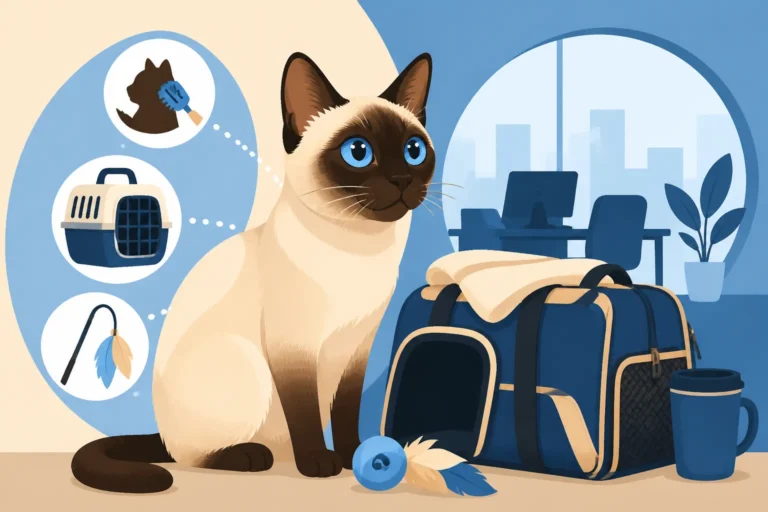
For sensitive cats, even a house move can be incredibly traumatic. Before and during a move, gradually introduce your Siamese to their carrier, establish a "safe room" in the new house where they can decompress, and slowly allow them to explore. Consistency in feeding times, play, and affection will be their anchor during uncertain times. Even changes in your own schedule, such as returning to the office after working from home, can trigger Psychogenic Alopecia in a Siamese Cat or increased vocalization due to separation anxiety. Gradually preparing them for these changes can make a big difference.
Ultimately, living with a Siamese cat is a journey of understanding and mutual respect. Their vocal nature is a gift, a constant reminder of their presence and their desire for connection. By tuning into their unique language, addressing their needs, and providing a loving, stable environment, you can foster a relationship that is as rich and communicative as these magnificent cats deserve.
Disclaimer
This article is for general informational purposes only and does not constitute professional advice. Laws, prices and regulations vary by location and change over time. Consult a qualified professional for guidance on your specific situation.