Why a Siamese Cat Sucks and Chews Wool
Finding your favorite blanket or a beloved sweater riddled with tiny, damp holes, or worse, witnessing your cherished Siamese actively suckling and chewing on textiles, can be a truly baffling and frustrating experience. This unique and sometimes worrying behavior, often called wool sucking or pica, is quite common in Siamese cats, and understanding its roots and how to manage it is key to protecting your cat's health and your household goods. This guide will walk you through the phenomenon of wool sucking in Siamese cats, explore why they do it, highlight potential dangers, and offer practical, empathetic strategies to help your feline friend.
Understanding Wool Sucking and Pica in Siamese Cats
When we talk about a Siamese cat "sucking wool," we're really describing a broader behavior where they chew, lick, and ingest non-food items, often textiles. It’s not just limited to wool; blankets, sweaters, socks, shoelaces, curtains, and even plastic can become targets. This isn't just a quirky habit; it's often a deeply ingrained behavior that has specific triggers and can lead to serious health concerns.
What Exactly Is Wool Sucking?
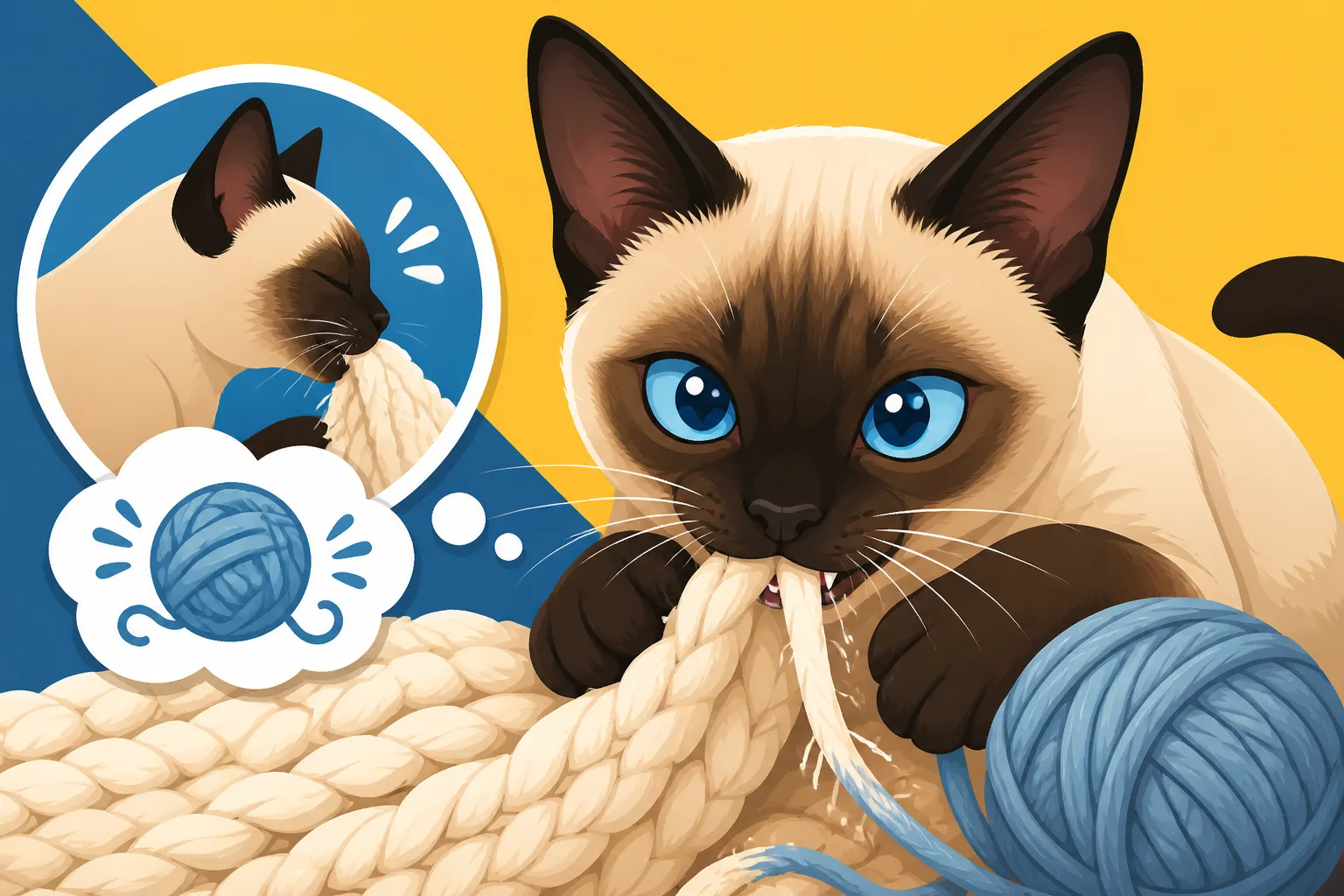
Wool sucking is precisely what it sounds like: a cat actively sucking on fibrous materials, often mimicking the nursing behavior they'd exhibit with their mother. They might knead the item with their paws, purr contentedly, and appear to be in a trance-like state. It's often seen as a comforting, self-soothing action, a throwback to kittenhood. Many Siamese cat owners have shared stories of finding their feline companion deeply engrossed in a favorite throw, gently gnawing and pulling at the fibers. It’s a very common complaint, and you are definitely not alone if you've discovered this behavior in your own "Meezer."
The distinction between wool sucking and wool eating (a form of pica) is important. While sucking might initially seem harmless, it can easily escalate into ingesting fibers. If your cat is tearing off and swallowing pieces of fabric, that shifts the behavior into the more concerning realm of pica, which requires more immediate attention due to the significant health risks involved. Both behaviors, however, stem from similar underlying causes and often require similar management strategies to ensure your cat's safety and well-being.
Differentiating Wool Sucking from Pica
Pica is a term used to describe the ingestion of non-nutritive substances. So, while wool sucking is the act of suckling, when a cat begins to eat the wool or other fabric, it transitions into pica. This is where the real danger lies. Imagine a cat not just nuzzling your cashmere sweater, but actually tearing off and swallowing strands of yarn. That's pica. Other forms of pica in Siamese cats can include chewing on plastic bags, electrical cords, houseplants, or even dirt, though fabric pica is particularly prevalent in this breed. Whether Pica Is a Medical Problem in a Siamese Cat delves deeper into the medical aspects of this condition.
The problem with ingesting non-food items is that a cat's digestive system isn't designed to process them. These materials can't be digested, and they don't break down. Instead, they can accumulate in the stomach or intestines, forming a blockage that can be life-threatening. Owners often report finding small, damp clumps of fabric in their cat's vomit or litter box, which is a clear sign that ingestion is occurring. It’s a terrifying prospect for any pet parent, and it’s why understanding and addressing this behavior early is so crucial.
Why Do Siamese Cats Suck and Chew Wool?
This isn't just a random act of feline defiance; there are several well-documented reasons why Siamese cats, more so than many other breeds, tend to develop these textile-related habits. It's often a combination of genetic predisposition, early life experiences, and environmental factors.
Genetic Predisposition and Breed Traits
It's widely believed that wool sucking has a strong genetic component in Siamese cats. This isn't just anecdotal; many veterinarians and breed experts point to a higher incidence of this behavior within the Siamese lineage and related Oriental breeds. Some theories suggest it's linked to the specific genetic makeup that gives them their distinct vocalizations and intense attachment to their humans. Whether Wool Sucking in a Siamese Cat Is Genetic explores this link further, suggesting that it's an inherited trait, much like certain physical characteristics.
If your Siamese comes from a line where wool sucking is prevalent, there's a higher chance they will develop the habit themselves. This doesn't mean it's inevitable, but it does mean they might be predisposed to seeking comfort through oral fixation. It’s not a flaw in your cat’s personality, but rather an expression of their unique breed characteristics. This inherited tendency means that even with the best intentions and environment, some Siamese cats might still feel a strong urge to engage in this behavior, making early intervention and management all the more important.
Early Weaning and Maternal Separation
One of the most common theories behind wool sucking is that it stems from premature weaning or early separation from the mother. Kittens learn crucial self-soothing behaviors and emotional regulation during their time with their mother and littermates. If a kitten is taken from its mother too early – ideally, kittens should stay with their mother until at least 12-14 weeks of age – they might not have fully developed these coping mechanisms. Whether Early Weaning Causes Siamese Cat Wool Sucking is a topic often discussed among breeders and owners.
Without the prolonged comfort of nursing, some Siamese kittens may transfer this oral fixation to soft fabrics, seeking to replicate the sensation and comfort they missed. It's a way for them to cope with stress, anxiety, or simply to fulfill a natural, yet unfulfilled, instinctual need. Imagine a tiny kitten, still craving the warmth and security of its mother's belly, finding a plush blanket that offers a similar texture. Over time, this can become a learned behavior, reinforced by the comfort it provides.
Stress, Anxiety, and Boredom
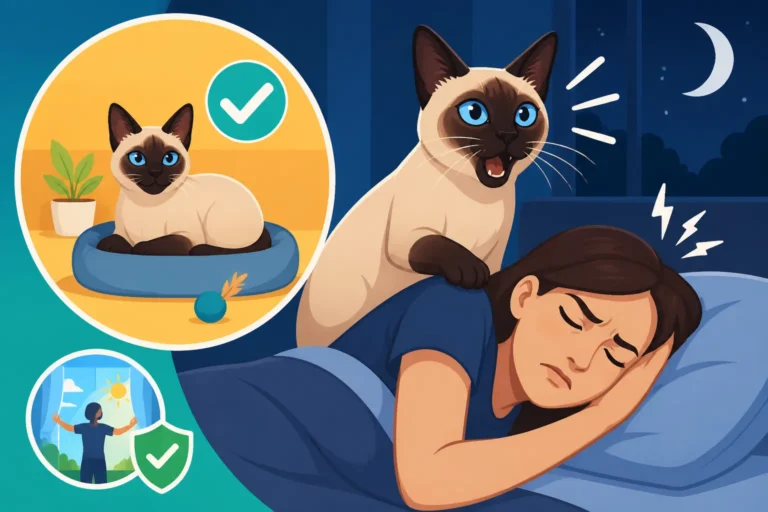
Siamese cats are known for their intelligence, high energy, and deep emotional bonds with their human companions. This means they are also highly sensitive to changes in their environment and can easily become stressed, anxious, or bored if their needs aren't met. A lack of mental or physical stimulation can lead to destructive or obsessive behaviors, and wool sucking is often one of them. Why a Stressed Siamese Cat Licks Itself Bald is another stress-related behavior common in the breed.
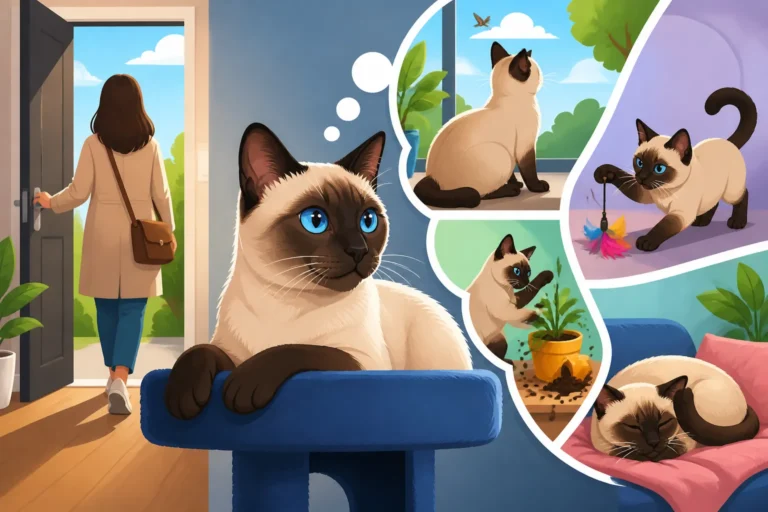
Consider a Siamese cat left alone for long periods without adequate toys, interaction, or enrichment. They might turn to wool sucking as a coping mechanism. A new pet, a house move, a change in routine, or even perceived neglect can trigger anxiety, driving them to self-soothe by chewing or sucking on fabrics. It’s their way of saying, "I'm not feeling great," or "I need more to do!" Recognizing these emotional triggers is crucial for addressing the underlying cause of the behavior, rather than just treating the symptom.
Potential Dangers of Wool Sucking for Your Siamese
While an endearing habit at first glance, wool sucking carries significant health risks for your Siamese, especially if it progresses to ingesting fabric. Ignoring this behavior can lead to veterinary emergencies and costly interventions.
Gastrointestinal Blockages
This is by far the most severe and common danger associated with fabric pica. When a cat swallows fabric, their digestive system cannot break it down. Unlike hairballs, which can often be passed or vomited up, fabric can tangle, knot, and accumulate in the stomach or intestines. This creates an intestinal blockage, which prevents food and water from passing through. The consequences can be dire, leading to severe pain, dehydration, nutrient deficiencies, and if not treated quickly, can be fatal. Signs a Siamese Cat Has an Intestinal Blockage lists the critical symptoms to watch for.
Imagine your cat swallowing a long thread or a piece of yarn. This can act like a linear foreign body, potentially "accordioning" the intestines and causing extreme damage to the bowel wall. This is a life-threatening emergency requiring immediate veterinary attention, often surgical intervention. The thought of your beloved cat undergoing such an invasive procedure is frightening, which is why preventing ingestion is paramount. Even small pieces ingested over time can coalesce into a dangerous mass.
Choking Hazards and Other Risks
Beyond internal blockages, chewing on fabrics can also present immediate choking hazards. If your Siamese tears off a large piece of fabric, or if a piece gets stuck in their throat, they could choke. This is a terrifying scenario that can happen in mere moments. Owners should be particularly wary of items like loose threads, fringe, or small fabric scraps that are easily swallowed whole.
Additionally, certain fabrics might be treated with dyes or chemicals that could be toxic if ingested, especially in large quantities. Even seemingly harmless items like dryer sheets can contain residues that are harmful to cats. Some cats also develop dental issues from constant chewing, such as worn-down teeth or gum irritation. While less common, these risks add another layer of concern for owners dealing with a wool-sucking Siamese.
How to Manage and Discourage Wool Sucking
Managing wool sucking requires a multi-faceted approach, addressing both the behavioral and environmental aspects. It’s about redirecting their instincts, providing appropriate outlets, and, if necessary, seeking professional help.
Environmental Enrichment and Distraction
Since boredom and anxiety are major triggers, enriching your cat's environment is a critical first step. Think about what your Siamese loves: interactive play, high perches, and mental stimulation. Provide plenty of appropriate toys that engage their hunting instincts. Puzzle feeders, for example, can challenge their minds and make mealtime an activity rather than just a gulp-and-go affair. Whether a Puzzle Feeder Occupies a Siamese Cat is a great resource for ideas.
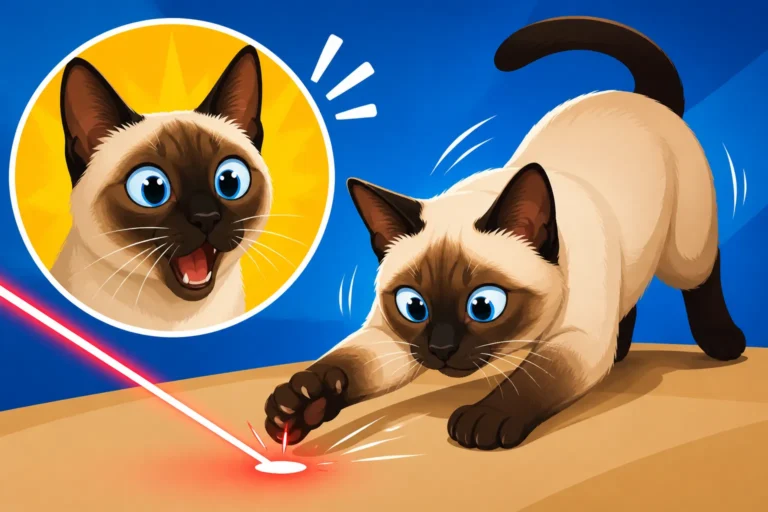
- Interactive Play: Dedicate at least two 15-minute play sessions daily using wand toys, laser pointers (with a treat at the end to "catch" the dot), or feather teasers. This burns off energy and provides positive interaction. Many Siamese thrive on this direct engagement.
- Vertical Space: Cats love to climb and observe their territory from above. Invest in tall, sturdy cat trees or shelves. These don't just provide exercise but also a sense of security and mental stimulation as they survey their domain. A good, durable cat tree found on Amazon can make a huge difference in a Siamese cat's daily life.
- Rotation of Toys: Keep toys fresh and exciting by rotating them regularly. Cats can get bored with the same old things. Offer new textures and types of toys to hold their interest. What Toys a Siamese Cat Actually Uses is often different from what owners initially think.
- Window Perches: Give them a prime spot to watch the world go by. Bird feeders outside a window can provide hours of "cat TV," offering mental engagement and reducing boredom.
Providing Safe Chew Alternatives
Redirecting their chewing instinct to safe, acceptable items is crucial. This is where you can offer alternatives that satisfy their oral fixation without the risk of ingestion or blockage.
| Chew Alternative Type | Description | Benefits | Considerations |
|---|---|---|---|
| Silvervine Sticks | Natural wood sticks from the silvervine plant, similar to catnip. | Safe to chew, stimulating, often reduces stress. | Some cats don't react to it; check for choking hazards if splinters. |
| Dental Chews | Specifically designed edible chews for cats, often with a rough texture. | Promotes dental health, satisfies chewing urge. | Choose cat-specific, digestible options; monitor for over-consumption. |
| Roughage Toys | Toys made from sturdy, non-toxic materials like robust rubber or canvas. | Durable, safe for chewing, provides texture. | Ensure parts cannot be easily torn off and swallowed. |
| Cat Grass | Edible grass (wheatgrass, oat grass) grown specifically for cats. | Natural, provides fiber, safe to chew and ingest. | Needs regular watering; can be messy if cat pulls out too much. |
| KONG Toys | Rubber toys that can be stuffed with treats or wet food. | Engages them in licking and light chewing, long-lasting. | Requires frequent cleaning; choose appropriate size for safety. |
When choosing chew toys, think about texture and durability. Look for items specifically designed for strong chewers. You can find a good selection of durable cat chew toys on Amazon that are designed to withstand even the most determined Siamese chewer. Some cats enjoy chewing on dried animal parts, like chicken feet (ensure they are properly processed for pets and free of small, splintering bones), but always supervise to prevent choking. Experiment to find what your individual cat prefers; some might love a soft, rubbery texture, while others prefer something harder to gnaw on.
Dietary Adjustments and Fiber Intake
While not a cure-all, some sources suggest that a diet rich in fiber might help reduce wool sucking, especially if the behavior is linked to a nutritional deficiency or an urge to ingest indigestible material. Ensuring your Siamese is on a high-quality, complete, and balanced diet is always important for their overall health.
Discuss with your veterinarian whether increasing dietary fiber through supplements or a specific food formulation might be beneficial. Sometimes, cats engage in pica because they feel an underlying emptiness or nutritional void. Providing a well-rounded diet can help address this. However, never make drastic dietary changes without professional guidance, as it could lead to other health issues. For specific types of cat food, you can check brands available on Amazon, always ensuring they meet AAFCO nutritional standards.
Behavioral Modification and Deterrents
Once you understand why your Siamese is wool sucking, you can start to implement behavioral modifications. This often involves positive reinforcement for desired behaviors and gentle deterrence for the unwanted ones.
- Make Target Items Undesirable: If your cat has a favorite blanket, try making it unpleasant to chew. You can use bitter sprays specifically formulated for pets (like Grannick's Bitter Apple) on the fabric. Test a small, inconspicuous area first to ensure it doesn't stain. The goal is to create an immediate negative association with chewing that particular item.
- Redirection: When you catch your cat about to wool suck, immediately redirect their attention. Offer a favorite interactive toy or a safe chew alternative. Engage them in play for a few minutes. This teaches them, "Instead of chewing that, I can chew this and get attention."
- Consistency is Key: Everyone in the household needs to be on board with the same approach. Inconsistency can confuse your cat and prolong the behavior.
- Avoid Punishment: Punishing your cat for wool sucking can actually increase their anxiety, potentially making the behavior worse. Instead, focus on positive reinforcement and redirection. You want them to associate positive experiences with appropriate chewing, not fear with the undesirable behavior.
Living with a Wool-Sucking Siamese: Long-Term Strategies
Dealing with a Siamese cat prone to wool sucking is a marathon, not a sprint. It requires patience, commitment, and sometimes, a shift in perspective. Long-term success hinges on understanding, prevention, and ongoing management.
Cat-Proofing Your Home
The most effective long-term strategy for a severe wool sucker, especially one that ingests fabric, is to remove temptation. This might sound extreme, but it's vital for your cat's safety. Just as you baby-proof a home, you need to "cat-proof" for pica. How to Cat Proof a Home for a Siamese Cat provides excellent tips for this.
- Store Valuables: Keep clothes, blankets, towels, and other tempting textiles stored away in closets, drawers, or containers. This means no sweaters draped over chairs, no socks left on the floor, and perhaps using duvet covers that aren't easily shredded.
- Secure Curtains: If your cat targets curtains, consider tying them up or replacing them with blinds that are less appealing to chew.
- Check for Hidden Dangers: Be mindful of loose threads on carpets, rugs, or upholstery. Regularly inspect your home for anything that could become a chew toy. This extends to plastic bags, rubber bands, electrical cords (which can also be chewed for pica or simply out of boredom), and houseplants (many of which are toxic).
- Invest in Durable Items: If you love having blankets out, consider investing in very tightly woven, durable materials that are harder for a cat to shred or ingest. Still, supervision is key.
Regular Veterinary Check-ups and Monitoring
Even with all preventative measures, it's crucial to maintain regular veterinary check-ups for your Siamese. Your vet can monitor their overall health, check for signs of gastrointestinal distress, and discuss any changes in behavior. If you suspect your cat has ingested fabric, contact your vet immediately. Don’t wait for severe symptoms to appear.
Keep a log of your cat's wool-sucking behavior, noting how often it happens, what items they target, and any potential triggers. This information can be invaluable for your vet to help determine if there's an underlying medical issue or if further behavioral intervention is needed. What a Siamese Cat's Yearly Bloodwork Should Cover might include discussions around their digestive health.
Considering a Companion Cat
For some Siamese cats, especially those suffering from separation anxiety or extreme boredom, a companion cat can make a world of difference. Siamese cats are highly social animals and thrive on interaction. If you're out of the house for long periods, another cat could provide the mental and physical companionship your Siamese craves, reducing anxiety and boredom-induced behaviors like wool sucking. Whether a Siamese Cat Needs a Companion Cat offers more insights into this decision.
However, introducing a new cat should be done carefully and thoughtfully. Not all cats get along, and a poorly managed introduction could increase stress for both animals. If you're considering this, consult with your vet or a feline behaviorist to ensure it's the right choice for your household. While a second Siamese might seem like a good idea, remember that two Siamese cats might also be twice as loud! Whether Two Siamese Cats Are Louder.
Ultimately, living with a wool-sucking Siamese means being proactive and patient. It's about providing a safe, stimulating environment, redirecting their instincts, and being vigilant about their health. With understanding and consistent effort, you can help your special Siamese live a happy, healthy life, free from the dangers of ingesting fabrics.
Disclaimer
This article is for general informational purposes only and does not constitute professional advice. Laws, prices and regulations vary by location and change over time. Consult a qualified professional for guidance on your specific situation.