Why a Siamese Cat Yowls in the Car
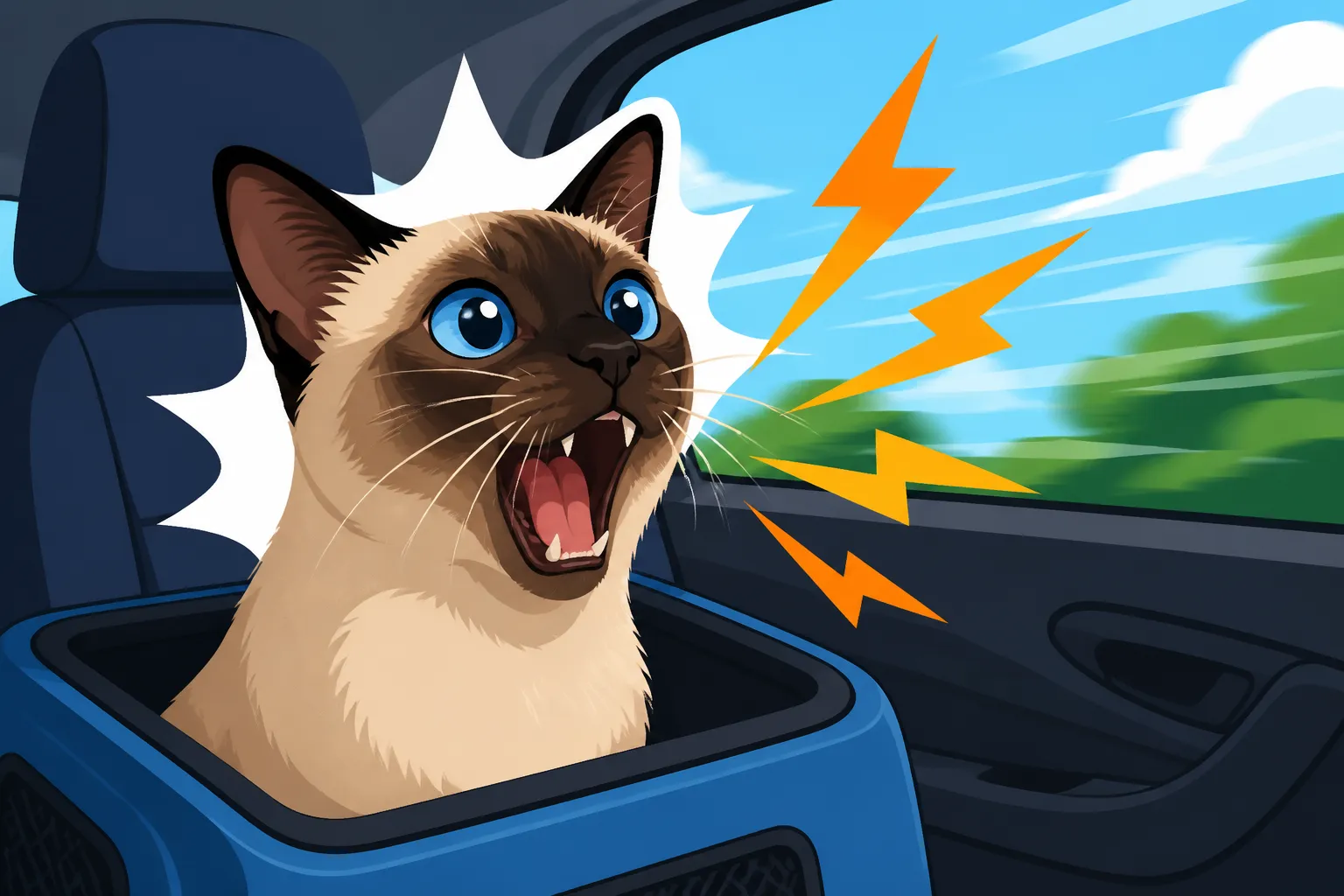
Hearing your beloved Siamese cat unleash that signature, ear-splitting yowl the moment they realize they're heading into the car can be absolutely soul-crushing. It's not just a little meow; it's a full-throated, desperate cry that makes you feel like the worst pet parent in the world, even if you're just driving them to the vet for a routine check-up. This guide will help you understand why your Siamese protests car rides so vehemently and, more importantly, equip you with actionable strategies to make those necessary journeys less stressful for both of you.
The Root Cause of Car Yowling in Siamese Cats
Let's be real, cats are creatures of habit and territory, and a car is essentially a giant, rumbling metal box that snatches them from everything familiar. For a Siamese, known for their strong opinions and emotional depth, this can be particularly unsettling. Their intense vocalizations aren't just for show; they're a profound expression of distress.
Fear and Anxiety: It's Not a Joyride for Them
Imagine being abruptly scooped up, placed into a confined space, and then subjected to strange sights, sounds, and motions, with no control over your destination. That's often how a car ride feels to a cat. For a Siamese, whose intelligent and sensitive nature makes them acutely aware of their surroundings, the novelty of the car can quickly turn into pure terror. The confined space of a carrier, the vibrations of the engine, the shifting landscape outside the window, and the unusual smells all contribute to a sensory overload that spells "danger" in their feline brain. They don't understand that you're just going to the pet store for a new toy or to the vet for their annual booster; they just know their world has been upended. This deep-seated fear is the primary driver behind the persistent yowling you hear. It's a primal scream for help, for comfort, or for the ride to simply stop.
The Loud Protest: Why Siamese Cats Are Extra Vocal
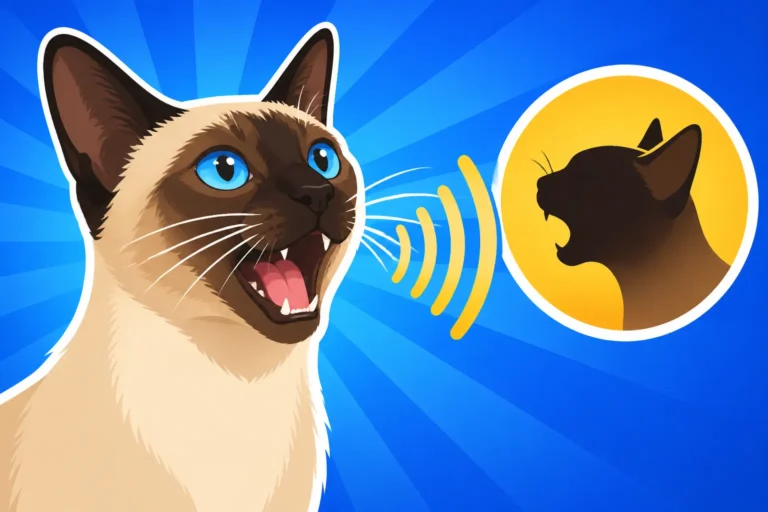
If you've ever lived with a Siamese, you know they are not shy about expressing themselves. Their voices are legendary – deep, resonant, and capable of a wide range of inflections, from a polite chirp to that infamous "Meezer yowl." This inherent vocal nature means that when a Siamese is unhappy, scared, or anxious, they communicate it with an intensity that can truly rattle the windows. How Loud a Siamese Cat Is is no exaggeration; it's a hallmark of the breed. While a calmer, less vocal breed might simply pant or hide, a Siamese is hardwired to voice their displeasure loudly and clearly. They are demanding cats who expect to be heard and understood, and in the car, their yowls are a desperate attempt to regain control and communicate their profound unhappiness. They're not being "dramatic" for fun; they're genuinely suffering, and their voice is their only tool.
Association with Negative Experiences
Unfortunately, for many cats, car rides almost always lead to something unpleasant: a trip to the vet, a loud boarding facility, or perhaps a scary grooming appointment. Cats are brilliant at making associations. If every car ride ends with a poke, a prodding, or being left in an unfamiliar cage, they quickly learn to dread the car itself. Even if you try to make a positive association by going to a fun destination, if the overwhelming majority of their car experiences are negative, that's what sticks. This learned fear creates a vicious cycle. The cat becomes anxious just seeing the carrier, and the anxiety escalates the moment they enter the car. The yowling isn't just about the current moment; it's a protest against all the past unpleasant experiences the car represents. Breaking this cycle requires consistent, positive reinforcement and a complete overhaul of their perception of car travel. You might even find your Siamese yowls differently when they are experiencing pain or illness, which is another reason vet visits are often distressing for them.
Preparing Your Siamese Cat for Car Travel
Getting your Siamese cat to accept, or at least tolerate, car rides starts long before you even open the car door. It’s all about creating positive associations and slowly building their confidence in unfamiliar situations.
Carrier Comfort and Familiarity
Your cat's carrier isn't just for car rides; it needs to be a safe, comfortable den that they associate with positive feelings, not just scary journeys. Start by leaving the carrier out in a common area of your home, with the door open, always. Place soft bedding inside – a favorite blanket, a worn t-shirt that smells like you, or a cozy cat bed. Toss treats inside, scatter some catnip, or put a favorite toy in there. The goal is for your Siamese to walk in and out of it freely, to nap in it, and to generally see it as an extension of their safe space.
If your carrier is one that comes apart, like many top-loading options from brands you might find on Amazon, consider taking the top off entirely and letting it be a permanent bed for a while. This completely removes the "trap" feeling. Feed them their meals near it, then gradually move the food bowl inside the carrier. Once they're comfortable going in and out, you can try gently closing the door for a few seconds, then immediately opening it and offering a treat. Slowly extend the time the door is closed, always rewarding calm behavior. The more relaxed they are with their carrier, the less stressful the initial step into the car will be. Remember, What a Carrier for a Siamese Cat Costs is an investment in their comfort and safety.
Gradual Desensitization Techniques
This isn't a quick fix, but it's crucial for long-term success. The idea is to introduce the car in tiny, manageable steps, always ending on a positive note.
- Carrier in the Car, No Movement: Once your Siamese is happy in their carrier, take the closed carrier (with your cat inside, of course) and place it in the car. Don't start the engine. Just let them sit there for a minute or two, offering treats and praise. Then bring them back inside. Repeat this several times a day for a few days, gradually increasing the time spent in the car.
- Engine On, No Movement: When they are comfortable with the car itself, try the same process but start the engine for a few seconds, then turn it off. Offer treats. Slowly increase the duration of the engine being on.
- Short, Positive Drives: Once the engine running is tolerated, try backing out of the driveway and immediately pulling back in. Or drive around the block. Always keep these initial trips very short and always end them back home, with treats, praise, and a calm return to their familiar environment. Avoid making the vet their first "successful" trip. Instead, just drive around and come home, making the car ride itself the entire event. This helps decouple the car from scary destinations.
- Positive Reinforcement: Lavish praise, their favorite high-value treats, or even a quick play session with a feather wand every time they show even a tiny bit of calm behavior related to the carrier or the car. You're trying to reprogram their brain to associate the car with good things. This is similar to How to Prepare a Siamese Cat for a Return to the Office where gradual reintroduction and positive associations are key to managing stress.
Pheromone Sprays and Calming Aids
Sometimes, our cats need a little extra help to take the edge off their anxiety. Pheromone products, often available from brands like Feliway on Amazon, mimic the natural calming pheromones cats release.
- Pheromone Sprays: Spraying a feline facial pheromone spray inside the carrier about 10-15 minutes before your cat goes in can make a significant difference. Never spray it directly on your cat. The scent helps create a sense of security and familiarity.
- Diffusers: If car anxiety is part of a larger, more general anxiety problem, a pheromone diffuser in your home might help reduce overall stress, making them more resilient to triggers like car rides.
- Calming Chews/Supplements: There are also various calming chews or supplements available that contain ingredients like L-Tryptophan or Thiamine, which can help promote relaxation. Always discuss these options with your veterinarian before administering them, as they can advise on appropriate dosages and potential interactions, especially if your cat is on any other medication. These are aids, not cures, but they can be incredibly helpful in reducing the intensity of their distress during the desensitization process or for unavoidable trips.
During the Car Ride: Strategies to Minimize Yowling
You've done the prep work, and now it's time for the actual journey. Even with the best preparation, some Siamese cats will still vocalize. The goal here is to manage the environment and their reactions as best you can.
Creating a Calming Environment
The journey itself should be as stress-free as possible.
- Secure the Carrier: This is non-negotiable for safety. A carrier sliding around in the back seat is terrifying for a cat and dangerous in case of a sudden stop. Use a seatbelt to secure it, or place it on the floor behind a seat where it won't move. Many sturdy carriers, even budget-friendly ones from Amazon Basics, have seatbelt loops. This stability can significantly reduce their anxiety.
- Cover the Carrier: Drape a light blanket or towel over the carrier, leaving one side partially uncovered for ventilation. This creates a den-like feel, blocking out the overwhelming visual stimuli of the outside world that can trigger fear. It also muffles some of the loud outside noises.
- Temperature Control: Cats are sensitive to temperature. Ensure the car isn't too hot or too cold. A comfortable ambient temperature will prevent additional discomfort. Remember, Siamese cats don't have an undercoat and can feel the cold more keenly.
- Quiet and Calm: Avoid loud music, sudden movements, or sharp turns. Drive smoothly and calmly. Your own stress can also transfer to your cat, so try to remain relaxed yourself. Speak to them in a soft, reassuring voice, but avoid excessive talking that might overstimulate them.
Distraction and Engagement
For some cats, a little distraction can go a long way in diverting their focus from their anxiety.
- Familiar Smells: Place a piece of your clothing or a favorite blanket from home inside the carrier with them. The familiar scent can be incredibly comforting.
- Treats (If They'll Eat Them): Offer high-value treats through the carrier door if your cat is willing to eat. Eating is a sign of relaxation, so if they accept a treat, you're making progress. If they refuse, don't force it; their anxiety is too high.
- Soft Music or Audio: Some cats respond well to classical music or specially designed calming pet audio. Try playing it softly in the car to mask external noises and provide a soothing backdrop. Just make sure it's not so loud that it adds to the sensory overload.
- Interactive Toys (Carefully): For very short trips and if your cat isn't prone to motion sickness, a small, quiet toy that they can bat around inside the carrier might offer a brief distraction. However, for most anxious cats, this could just add to their agitation. Know your cat's personality. If your cat often experiences What a Siamese Cat Does While You Are Out such as getting into mischief, they might actually be more distractible.
Safety First: Securing Your Cat
This point cannot be stressed enough. Never, under any circumstances, allow your Siamese cat to roam freely in the car. It is incredibly dangerous for both of you.
- Driver Distraction: A scared cat can easily dart under pedals, jump onto your lap, or block your vision, leading to a serious accident.
- Injury Risk: In a sudden stop or collision, an unrestrained cat can be severely injured or even killed, either by being thrown from the car or by impacting parts of the interior.
- Escape Risk: If you have to open a door after an accident or at a stop, a terrified cat can easily bolt and get lost or run into traffic.
- Designated Carriers: Always use a secure, well-ventilated carrier that is appropriately sized for your cat – large enough to stand and turn around, but not so large that they can be jostled excessively. Hard-sided carriers are generally safer and more durable, but some cats prefer soft-sided ones if they feel more den-like. Just ensure any soft carrier is robust and well-ventilated.
When to Consult Your Vet About Car Anxiety
While many of the strategies above focus on behavioral modification, sometimes the intensity of a Siamese cat's car anxiety warrants professional medical attention. It's important to rule out underlying issues and consider all available options for your beloved companion.
Medical Causes for Distress
Before you assume it's purely behavioral, it's always a good idea to chat with your vet. Sometimes, what looks like intense anxiety could be exacerbated by an undiagnosed medical condition.
- Motion Sickness: Just like humans, some cats get car sick. Nausea and dizziness can certainly manifest as vocal distress. Signs might include excessive drooling, licking lips, vomiting, or lethargy after the ride. If you suspect motion sickness, your vet can prescribe anti-nausea medication.
- Pain or Discomfort: An underlying orthopedic issue, arthritis, or even dental pain could make the vibrations and jostling of a car ride incredibly uncomfortable, leading to increased vocalization. Older cats, in particular, may suffer from Whether an Aging Siamese Cat Gets Stiff or other age-related discomforts that become more pronounced with movement. A comprehensive check-up can identify and address any physical ailments contributing to their distress.
- Generalized Anxiety Disorder: For some cats, car anxiety is just one symptom of a broader anxiety disorder. Your vet can assess their overall behavior and temperament to determine if a more generalized treatment approach is needed. Signs a Siamese Cat Is Unwell can be subtle, so an expert opinion is invaluable.
Prescription Anti-Anxiety Options
If behavioral methods and environmental adjustments aren't enough, or if your cat's anxiety is severe and debilitating, your veterinarian might suggest prescription medication. This isn't a first resort, but it can be a life-changer for cats who truly suffer.
- Situational Medications: For infrequent car rides, your vet might prescribe a mild sedative or anxiolytic (anti-anxiety medication) to be given a specific time before the trip. These medications help to calm the cat, making them less reactive to the stressors of travel. They are usually short-acting and are intended for specific stressful events.
- Long-Term Anxiety Management: If the car anxiety is part of a larger, ongoing issue with anxiety or phobias, your vet might discuss daily anti-anxiety medications. These work to help rebalance brain chemistry over time, making the cat generally less anxious and more receptive to behavioral training.
- Important Considerations: Medication is always a tool, not a total solution. It works best when combined with behavioral modification techniques. Your vet will consider your cat's overall health, age, and any other medications they are on before prescribing anything. They will also discuss potential side effects and monitor your cat's response. Never give your cat human medication or any medication not specifically prescribed for them by a veterinarian. For instance, a trip that might involve a What a Siamese Cat's Emergency Ultrasound Costs is stressful enough without adding complications from inappropriate medication.
Remember, addressing car anxiety is a journey, not a single destination. Be patient, consistent, and compassionate with your Siamese cat. They are communicating their distress, and with the right approach, you can help them feel safer and more comfortable during necessary travels.
Disclaimer
This article is for general informational purposes only and does not constitute professional advice. Laws, prices and regulations vary by location and change over time. Consult a qualified professional for guidance on your specific situation.