Whether More Fiber Stops a Siamese Cat’s Pica
It's incredibly frustrating, and often quite worrying, when your beloved Siamese cat starts munching on things they absolutely shouldn't – blankets, plastic bags, shoelaces, you name it. This behavior, known as pica, leaves many cat parents wondering if there's something missing from their furry friend's diet, and often, the thought turns to fiber. This guide will explore whether increasing dietary fiber can truly help stop a Siamese cat's pica, delving into the nuances of this complex behavioral issue and offering practical, empathetic advice.
Understanding Pica in Siamese Cats
Pica in cats isn't just a quirky habit; it's a genuine concern that can lead to serious health problems, from upset stomachs to life-threatening intestinal blockages. For Siamese cat owners, it often feels like this issue is particularly prevalent in our dramatic, vocal companions.
What Pica Really Means for Your Cat
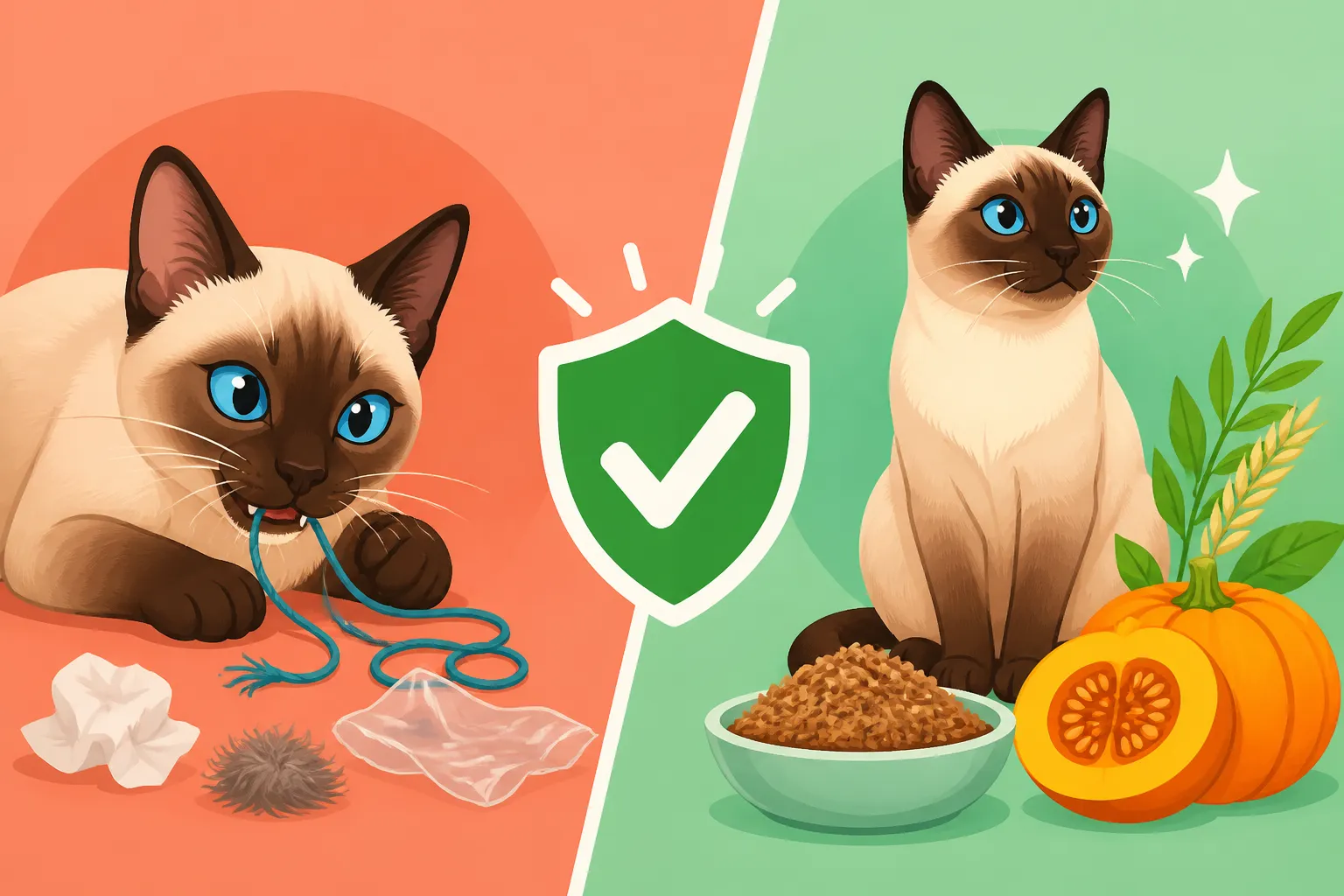
Pica is essentially the consumption of non-food items. For some cats, it might be an occasional nibble on a shoelace, but for others, especially Siamese cats, it can manifest as a compulsive need to chew and swallow things like wool, plastic, or even electrical cords. It's not about hunger in the traditional sense, but rather a complex behavioral or physiological urge. Imagine being driven to eat something that tastes completely wrong and offers no nutritional value, yet you can't stop. That's often what our cats are going through. It’s definitely a case where Whether Pica Is a Medical Problem in a Siamese Cat is a crucial question to answer, as it absolutely can be.
Why Siamese Cats Seem More Prone to Pica
Many Siamese cat owners, myself included, will tell you that our cats seem to have a particular penchant for odd dietary choices, with wool-sucking being a classic example. While anecdotal evidence is strong, scientific understanding points to a few factors. Genetically, there's some thought that pica, especially wool-sucking, might have a hereditary component in Siamese cats and their related breeds. It's like a vestigial comfort behavior that might stem from early weaning or a lack of maternal nursing, although the exact link is still being researched. For many Siamese, their high intelligence and equally high energy levels also mean they get bored easily, and a bored Siamese is often a mischievous Siamese seeking stimulation through chewing. It also seems that Why a Siamese Cat Sucks and Chews Wool can be a complex mix of genetics, early life experiences, and environmental factors.
The Dangers of Ingesting Non-Food Items
When a Siamese cat ingests non-food items, the risks can range from mild digestive upset to severe emergencies. Small pieces of fabric, plastic, or even hair ties can cause blockages in the gastrointestinal tract, requiring immediate veterinary intervention. Symptoms like vomiting, lethargy, loss of appetite, and constipation can all point to an internal issue. If you ever suspect your cat has swallowed something they shouldn't have, it's vital to seek veterinary care without delay. This is where topics like Signs a Siamese Cat Has Swallowed Fabric become critical reading for any Siamese cat parent. In the worst-case scenario, this can lead to emergency surgery, and believe me, you do not want to go through the stress and cost of What Blockage Surgery Involves for a Siamese Cat.
The Role of Diet and Fiber in Feline Health
Before we dive into how fiber might help with pica, let's talk about why diet, and fiber specifically, is so important for our feline friends. Cats are obligate carnivores, meaning their bodies are designed to process and thrive on a diet primarily of animal protein. However, fiber still plays a crucial, albeit smaller, role.
What is Dietary Fiber for Cats?
Dietary fiber refers to plant-based carbohydrates that are not digested by the enzymes in a cat's small intestine. Instead, they pass relatively intact into the large intestine. There are two main types: soluble fiber, which dissolves in water and forms a gel-like substance (think psyllium husk or pumpkin), and insoluble fiber, which doesn't dissolve and adds bulk to stool (like cellulose). Both types contribute to gut health in different ways. Soluble fiber can be fermented by beneficial gut bacteria, producing short-chain fatty acids that nourish the colon cells, while insoluble fiber helps move waste through the digestive tract, aiding in regular bowel movements.
General Dietary Needs of a Siamese Cat
A healthy Siamese cat typically needs a diet rich in high-quality animal protein, moderate fat, and very low carbohydrates. Which Food Suits a Siamese Cat is a question many owners ponder, and generally, wet food is often recommended due to its high moisture content, which supports kidney health and helps with satiety. Dry kibble, while convenient, can be calorie-dense and often higher in carbohydrates, which might not be ideal for a lean, energetic Siamese. When choosing food, always look for meat as the first ingredient and avoid fillers or excessive plant proteins. Ensuring your Siamese is getting enough calories and nutrients is key to their overall well-being, but remember, How Much an Adult Siamese Cat Eats can vary greatly depending on their activity level and individual metabolism.
How Fiber Supports Digestive Health
Even though cats aren't herbivores, fiber plays a vital role in their digestive system. It helps regulate bowel movements, preventing both constipation and diarrhea. It can also help manage weight by providing a feeling of fullness without adding a lot of calories. For cats with certain digestive issues, fiber can be a therapeutic tool recommended by veterinarians. For instance, if a cat has mild constipation, a little added soluble fiber can do wonders. It's about finding the right balance for their carnivorous needs.
Fiber as a Potential Aid for Pica
So, can fiber really help deter your Siamese from its non-food snacking habits? The answer isn't a simple yes or no, but it's an avenue worth exploring with your vet. Fiber's potential benefits for pica mainly revolve around promoting satiety and regulating digestion.
Increasing Satiety and Fullness
One theory behind pica is that some cats might feel perpetually hungry or simply not satisfied by their current diet, leading them to seek out other items to chew on. Fiber, particularly soluble fiber, absorbs water and expands in the stomach, which can create a feeling of fullness. If your Siamese feels more satisfied after meals, they might be less inclined to seek out non-food items to "fill the void." Think of it like us humans feeling less hungry after a meal rich in vegetables – the bulk helps. It's about tricking their brain into thinking they've had more than they actually have, calorie-wise.
Regulating Digestion and Gut Health
A healthy gut microbiome is increasingly linked to overall health and even behavior. If a Siamese cat's digestive system isn't functioning optimally, it could theoretically contribute to a general feeling of unease or discomfort, which might manifest as pica. Fiber can support a balanced gut, potentially improving digestive comfort. If your cat's pica stems from a subtle underlying digestive issue, improving gut health with fiber might indirectly alleviate the problem. This isn't a direct cure for pica, but rather addressing a potential contributing factor.
When Fiber Alone Isn't Enough for Pica
It's crucial to understand that pica is rarely just a dietary issue. It's often a complex behavioral problem influenced by genetics, stress, boredom, anxiety, and even certain medical conditions. While fiber might offer some relief or support, it's highly unlikely to be a standalone solution for deep-seated pica behaviors. If your Siamese is struggling with severe pica, especially Why a Siamese Cat Sucks Wool, or if it's accompanied by other stress indicators like overgrooming (What Psychogenic Alopecia Does to a Siamese Cat), you'll need a multi-faceted approach. This often involves environmental enrichment, stress reduction, and possibly behavioral medication prescribed by a vet.
Practical Steps to Adjust Your Siamese Cat's Diet for Pica
If you're considering increasing fiber in your Siamese cat's diet to address pica, it's essential to do so carefully and always under veterinary guidance. Sudden, drastic changes can cause digestive upset.
Consulting Your Veterinarian First
Before you make any significant changes to your cat's diet, especially if they have a known issue like pica, schedule a visit with your veterinarian. They can rule out any underlying medical conditions that might be causing the pica, such as dental pain, nutritional deficiencies, or gastrointestinal diseases. Your vet can also provide personalized recommendations for appropriate fiber sources and amounts, ensuring that any dietary adjustments are safe and beneficial for your individual cat. Remember, every cat is unique, and what works for one might not work for another.
Introducing High-Fiber Foods Gradually
If your vet gives you the green light, introduce new high-fiber foods very slowly. Start by mixing a tiny amount with your cat's regular food and gradually increase the proportion over several days or even a week. Monitor your cat's stool consistency and overall demeanor closely. Signs of digestive upset, like diarrhea, constipation, or vomiting, mean you're adding too much too quickly.
Here are some common fiber sources that might be suitable:
| Fiber Source | Type of Fiber | How to Introduce | Potential Benefits |
|---|---|---|---|
| Canned Pumpkin | Soluble | Start with 1/4 teaspoon mixed into wet food. Increase to 1/2 teaspoon daily if tolerated. Ensure it's plain, not pie mix. | Promotes satiety, aids digestion, provides prebiotics. |
| Psyllium Husk | Soluble | Very small pinch (1/8 teaspoon or less) mixed with wet food. Requires plenty of water intake. | Strong gelling action for satiety and stool regulation. |
| Oat Bran | Soluble & Insoluble | Start with a tiny sprinkle mixed into wet food. Can be less palatable for some cats. | Good for both satiety and regularity. |
| Commercial High-Fiber Cat Food | Both | Transition slowly over 7-10 days, mixing with current food. | Balanced fiber content, often palatable. |
You might find specific veterinary high-fiber diets or supplements on Amazon that your vet recommends, but always verify with them before purchasing.
Holistic Approaches to Managing Pica
As mentioned, fiber is just one piece of the puzzle. A holistic approach is almost always necessary for managing pica in Siamese cats.
- Environmental Enrichment: Siamese cats are incredibly intelligent and need mental stimulation. Provide plenty of interactive toys, climbing structures, and regular play sessions. Puzzle feeders, for example, can challenge their minds and make mealtime more engaging. You can find many varieties on Amazon that encourage slow eating and mental engagement. Consider investing in a good cat tree (a Siamese will destroy a cheap one!) and toys that move. Enrichment for a Siamese Cat That Gets Bored in an Hour is paramount.
- Stress Reduction: Identify and reduce stressors in your cat's environment. This could mean a consistent routine, a quiet space, or even pheromone diffusers. Siamese cats thrive on routine and can get anxious with changes. Sometimes Why a Stressed Siamese Cat Licks Itself Bald is a clear sign that stress is manifesting in physical behaviors, and pica can be another one.
- Behavioral Therapy: In some cases, a vet may recommend working with a feline behaviorist. They can help identify the root cause of the pica and develop a tailored plan, which might include specific training techniques or even medication if anxiety is severe.
- Physical Activity: Regular, vigorous play sessions can help burn off excess energy and provide an appropriate outlet for their hunting instincts. A tired Siamese is often a happy Siamese, less inclined to find trouble.
- Safe Alternatives: If your Siamese is fixated on a particular type of item, try to find a safe alternative. For example, if they love chewing fabric, offer sturdy cat-safe chew toys. While not a cure, it can help redirect the behavior.
Remember, patience is key. Managing pica is a journey, not a sprint, and it often requires a combination of strategies. Don't get discouraged if the first thing you try doesn't completely solve the problem.
Disclaimer
This article is for general informational purposes only and does not constitute professional advice. Laws, prices and regulations vary by location and change over time. Consult a qualified professional for guidance on your specific situation.